Iron and Steel
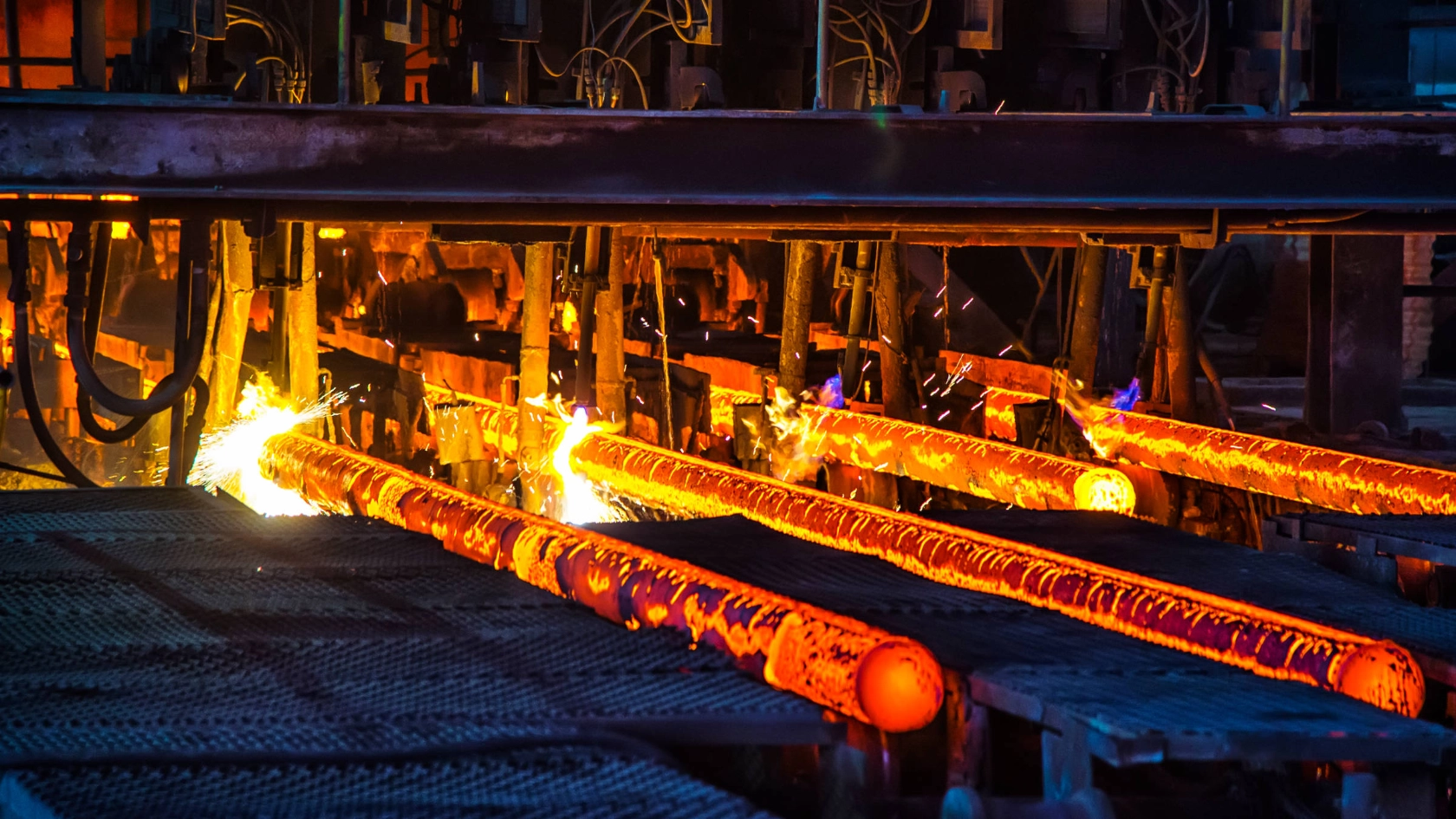
Since January 2026, workers in the iron and steel industries in northwestern and eastern Germanyhave received a 1.75 percent pay increase, while apprentices receive an additional 75 euros per month. In addition, the collective bargaining agreements on job security, the hiring of apprentices, and partial retirement were extended.
In Saarland, IG Metall was able to reach a negotiated settlement that was largely modeled after that of the steel industries in northwestern and eastern Germany—though, due to the terms of the collective bargaining agreements there, the changes took effect three months later. Wages will increase by 1.75 percent effective April 1, 2026. Apprentice wages will see a disproportionately large increase of 75 euros per month. In addition, the collective bargaining agreement on service contracts was extended.
Wood and Plastics
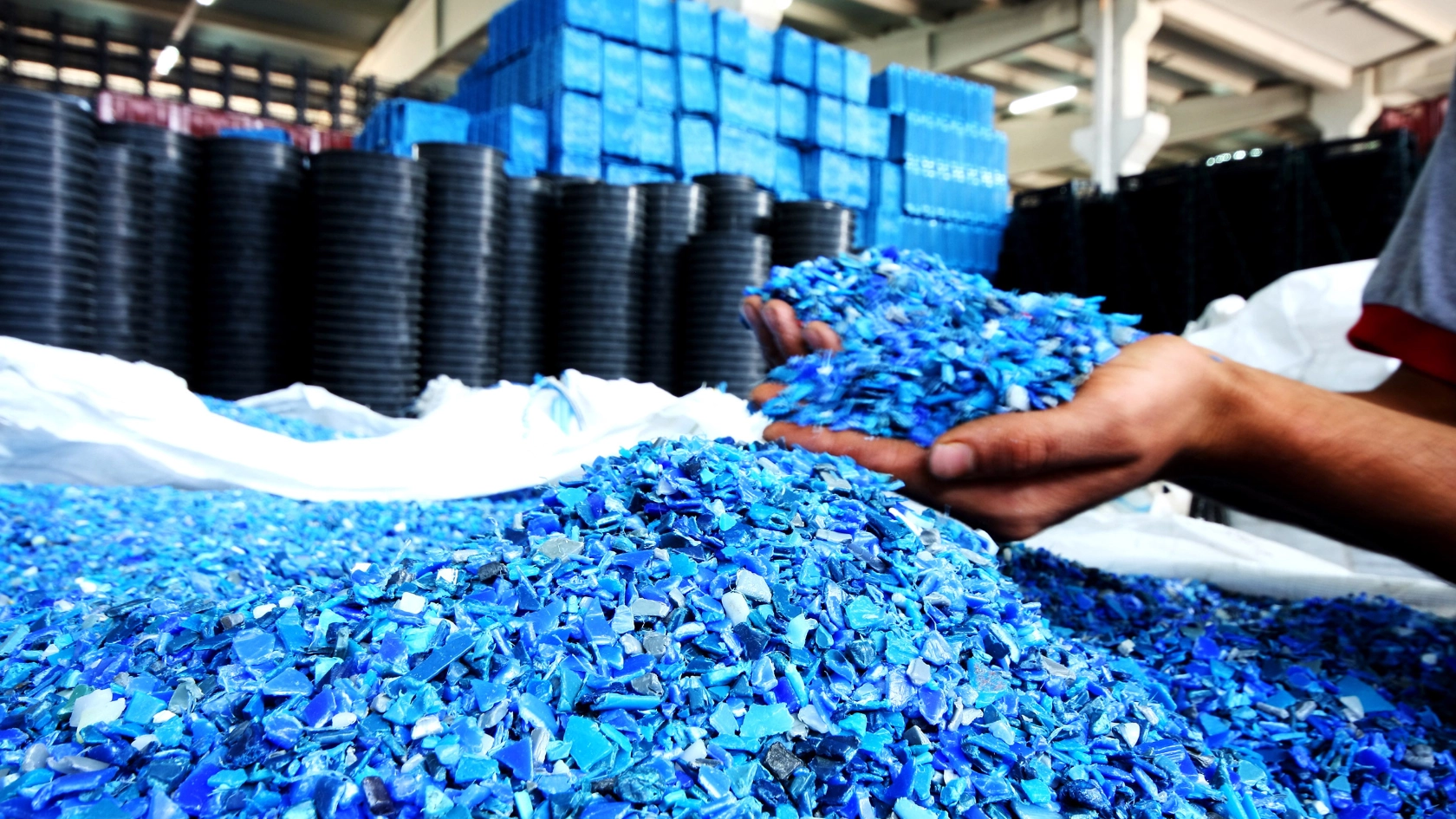
An inflation adjustment bonus of up to 2,300 euros, a 5 percent pay increase starting in the fall of 2024, an additional 3 percent starting in the summer of 2025, plus a regional bonus—this is what IG Metall and employers negotiated in the spring of 2024 for workers in the wood and plastics processing industry. In Thuringia and Saxony, similar to Berlin and Brandenburg, a few additional percentage points are being added to bring wages in line with those in Saxony-Anhalt.
In the 2026 collective bargaining round, one-time payments and percentage increases were also secured.
Metal and Electrical
Starting in April 2025, employees at companies in the metal and electrical industries that are bound by collective bargaining agreements will receive a 2 percent pay increase nationwide, followed by an additional 3.1 percent increase starting in April 2026, plus a one-time payment of 600 euros by February 2025. Apprentices will receive an additional 140 euros starting in January and a 3.1 percent raise starting in April 2026. In addition, the T-ZUG B will increase to 26.5 percent in 2026. Improved paid leave entitlements were also secured—finally, for part-time employees as well.
IG Metall secured this collective bargaining agreement in November 2024. The next round of collective bargaining in the metal and electrical industries is scheduled for fall 2026.
Textile Sector
A one-time payment of 275 euros in July 2025, as well as permanent wage increases in two stages of 2 percent and 2.9 percent, respectively—that is the result of the collective bargaining negotiations for the Western Textile and Apparel Industry in the spring of 2025. Apprentices will also receive higher pay, and the collectively agreed-upon partial retirement program has been extended and improved.
A 2.1 percent pay increase starting in September 2025, with a minimum of 60 euros, followed by an additional 2.5 percent in September 2026, with a minimum of 70 euros. IG Metall reached this collective bargaining agreement with employees in the textile services sector. Apprentices will also benefit, and the partial retirement program has been extended and improved.
For workers in the East German textile industry, there will be a 10 percent pay increase in four stages: A 5 percent increase was already implemented in October 2024, followed by a 2 percent increase in March 2025, and another 1.5 percent increase each in October 2025 and January 2026. The agreement brings the alignment of East German wages with West German levels a major step closer. In addition, an inflation adjustment bonus of 1,250 euros will be paid out in several installments. The negotiations also resulted in a disproportionately large increase in apprenticeship wages and an extension of the partial retirement program.
Negotiations in the eastern textile industry will resume in the spring of 2026.
Temporary Work
The2025 collective bargaining agreement for temporary agency workprovides colleagues with a two-stage wage increase: As of January 2026, wages for temporary agency workers have risen by 2.99 percent. In subsequent steps, wages will increase by 2.5 percent as of September 1, 2026, and by an additional 3.5 percent as of April 1, 2027. The collective bargaining agreement also increases vacation pay and Christmas bonuses, as well as the “Leiharbeit” member benefit. IG Metall has also secured improvements to the industry-specific surcharges in the metal and electrical industries.
IG Metall has also secured additional collective bargaining agreements in some skilled trades sectors, which will provide employees with a significant pay increase.
Collective Bargaining Tables Provide Information
Our collective bargaining tables provide an initial overview of current wages, salaries, and apprenticeship stipends, as well as working hours, vacation pay, and Christmas bonuses.
For our members, we also offer our brochure “Data, Facts, Information” as a PDF for download. To access it, you’ll need to log in here if you aren’t already logged in.