Following the steel industries in northwestern and eastern Germany, an agreement has now also been reached in the Saarland. In the collective bargaining round for the approximately 14,000 employees in the Saarland steel industry, IG Metall was able to secure higher pay for workers in the first round of negotiations. Wages will increase by 1.75 percent effective April 1, 2026. Apprentice wages will see a disproportionately large increase of 75 euros per month. In addition, the collective bargaining agreement covering contract work was extended. The collective bargaining agreement runs through March 31, 2027.
The focus of this round of collective bargaining had previously been onjob security and maintaining employment. The IG Metall Steel Saar bargaining committee—composed primarily of works council members and IG Metall shop stewards from steel plants—had therefore decided to enter the collective bargaining negotiations without a specific percentage demand and to advocate for a package ensuring job security and stable wage growth. In addition to the Saarland, the collective bargaining area also includes Badische Stahlwerke Kehl.
Jörg Köhlinger, IG Metall’s chief negotiator and district director of IG Metall Mitte, assesses the collective bargaining outcome as follows: “The collective bargaining agreement is a compromise that certainly won’t spark wild celebrations. However, given the current situation and the challenges we face, I am satisfied with the result. It’s encouraging that we were able to reach an agreement with the employer side as early as the first round of negotiations, thereby avoiding tough and protracted negotiations.”
Steel Industry in Northwest and East Germany: 1.75 percent increase starting in January
The Saarland steel industry is governed by different collective bargaining agreements and terms than those in the steel industries of northwestern and eastern Germany. There, the collective bargaining round has already been concluded. Just minutes before the end of the peace obligation at midnight on September 30—with employees at the plants already poised to launch warning strikes—IG Metall finally reached a deal there during the fourth round of negotiations: a 1.75 percent pay increase starting in January 2026. Apprentices will receive an additional 75 euros per month. The agreement is valid through December 31, 2026.
At the same time, the collective bargaining agreements on job security and partial retirement were also extended.
Ten days later, IG Metall achieved the same outcome in the East German steel industry as well.
Economic Situation in the Steel Industry Is Very Difficult
The German steel industry as a whole is in a difficult situation. Production and employment are declining. In most plants, working hours have been reduced under IG Metall’s collective bargaining agreements on job security.
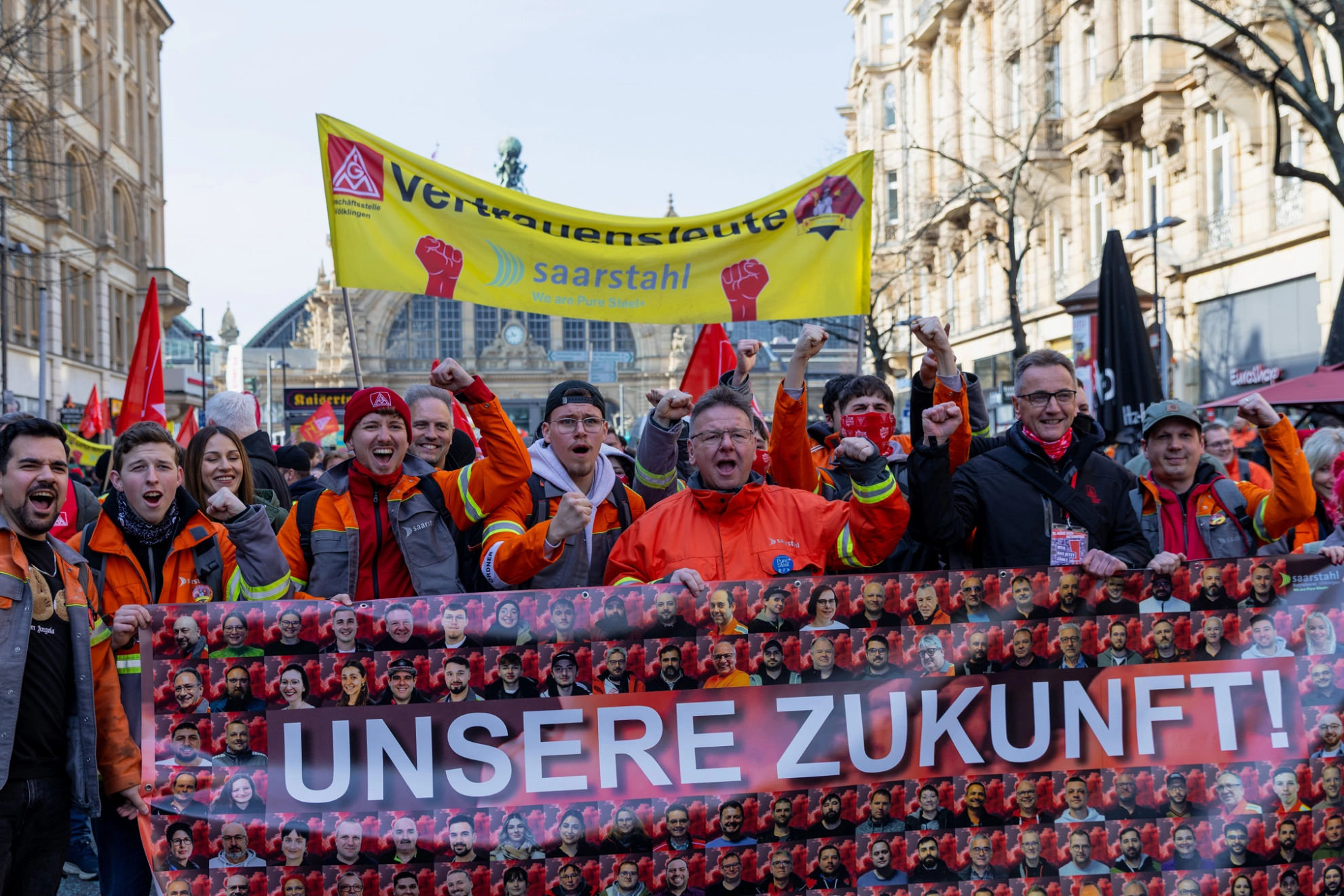
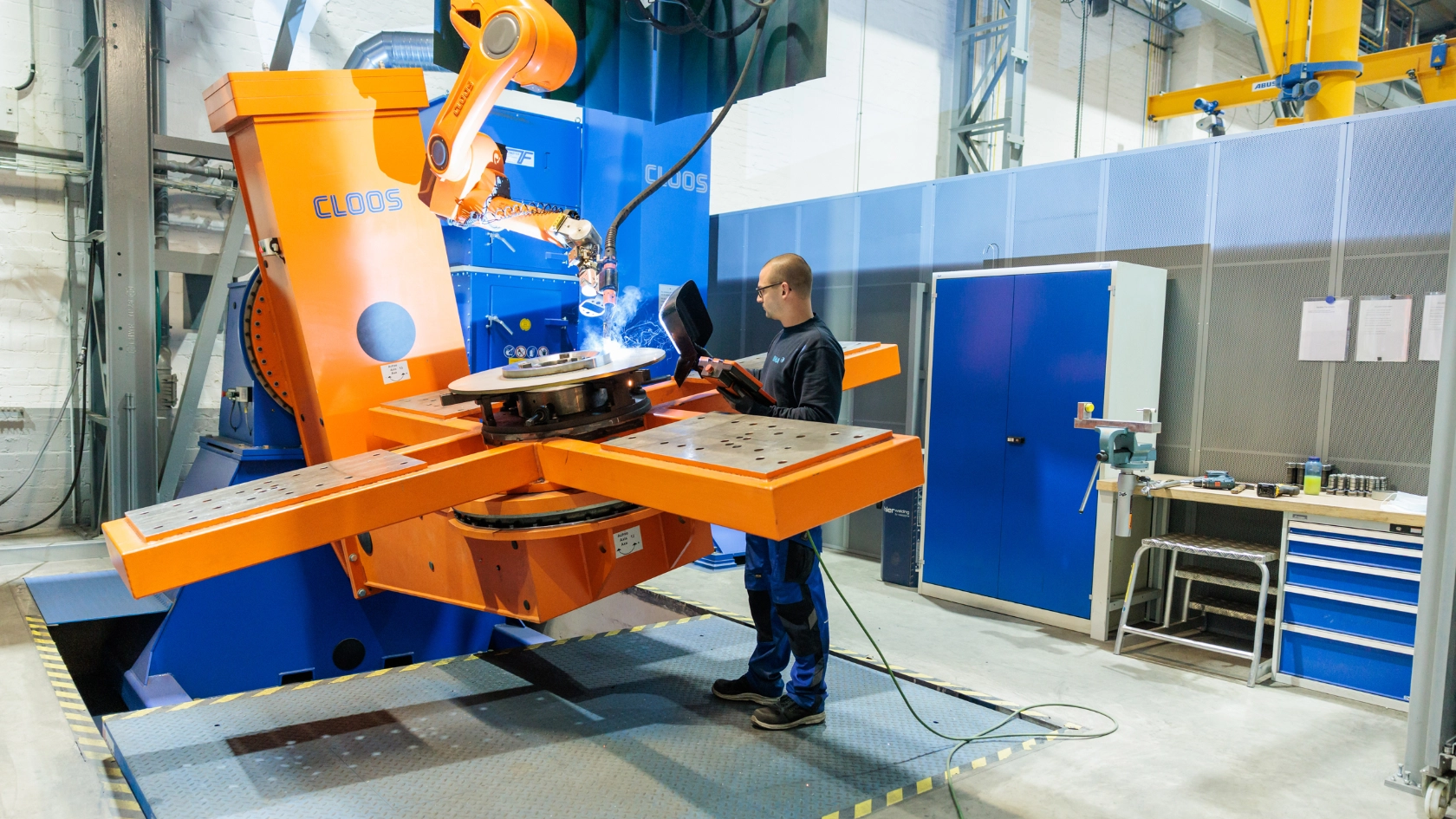
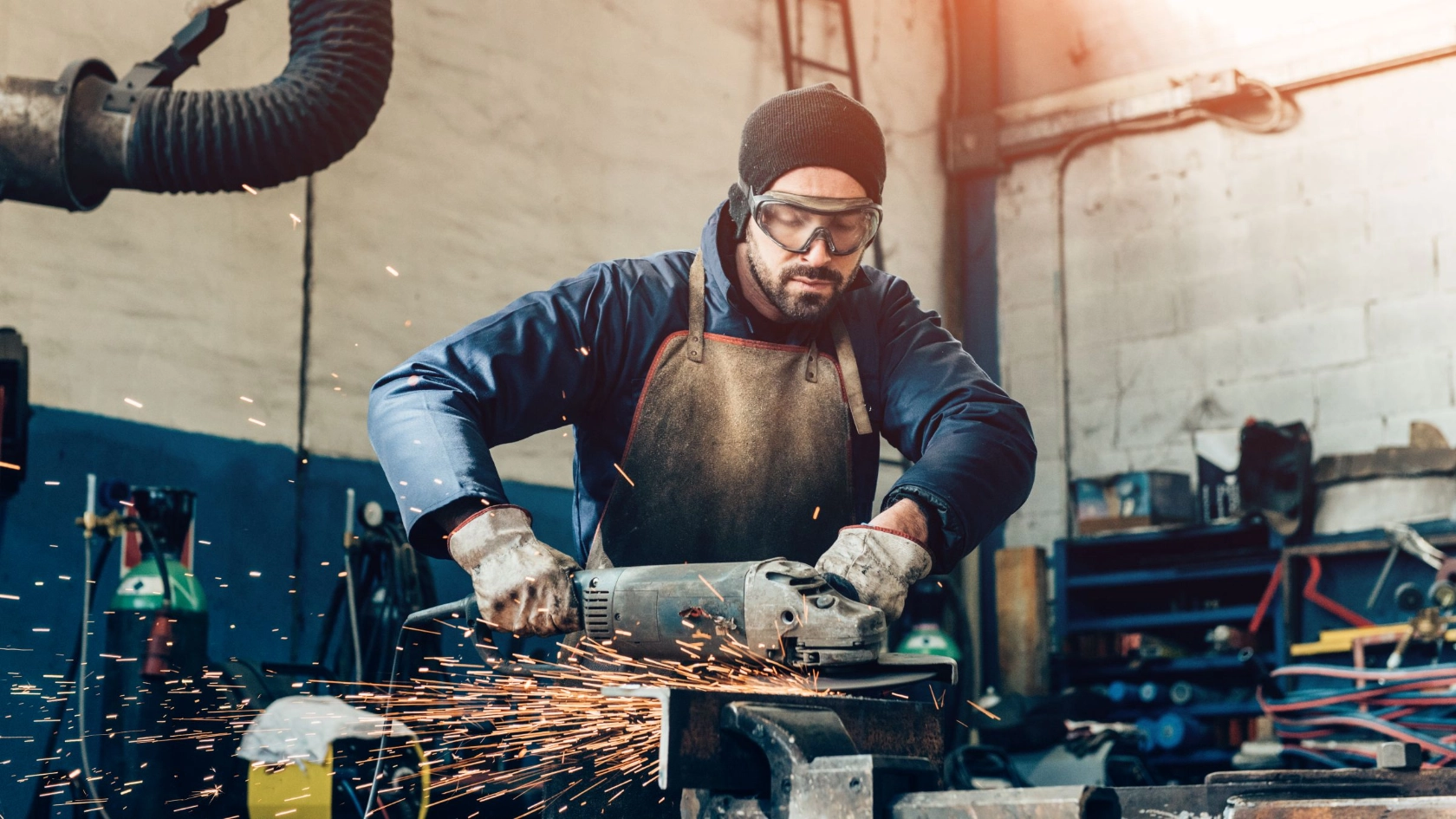
The Saarland steel industry is also affected. At Saarstahl (photo above), for example, IG Metall and employers agreed several months ago on a transfer collective bargaining agreement to secure the plant’s future and protect the jobs of its 5,500 employees. Working hours were collectively reduced to 32 hours for 2025—with a corresponding reduction in pay—and will gradually increase again starting in 2026. In exchange, IG Metall members will receive three additional vacation days in 2027. 81.7 percent of IG Metall members at Saarstahl approved the outcome of the negotiations.