Automatic translation
This article has been translated automatically using computer technology. While we strive for accuracy, some wording or details may differ from those in the original article.
This translation was not manually reviewed. For important facts, quotations or legally sensitive information, please consult the German original. Individual selections, images, embedded media or technical terms may have been translated differently or incompletely.
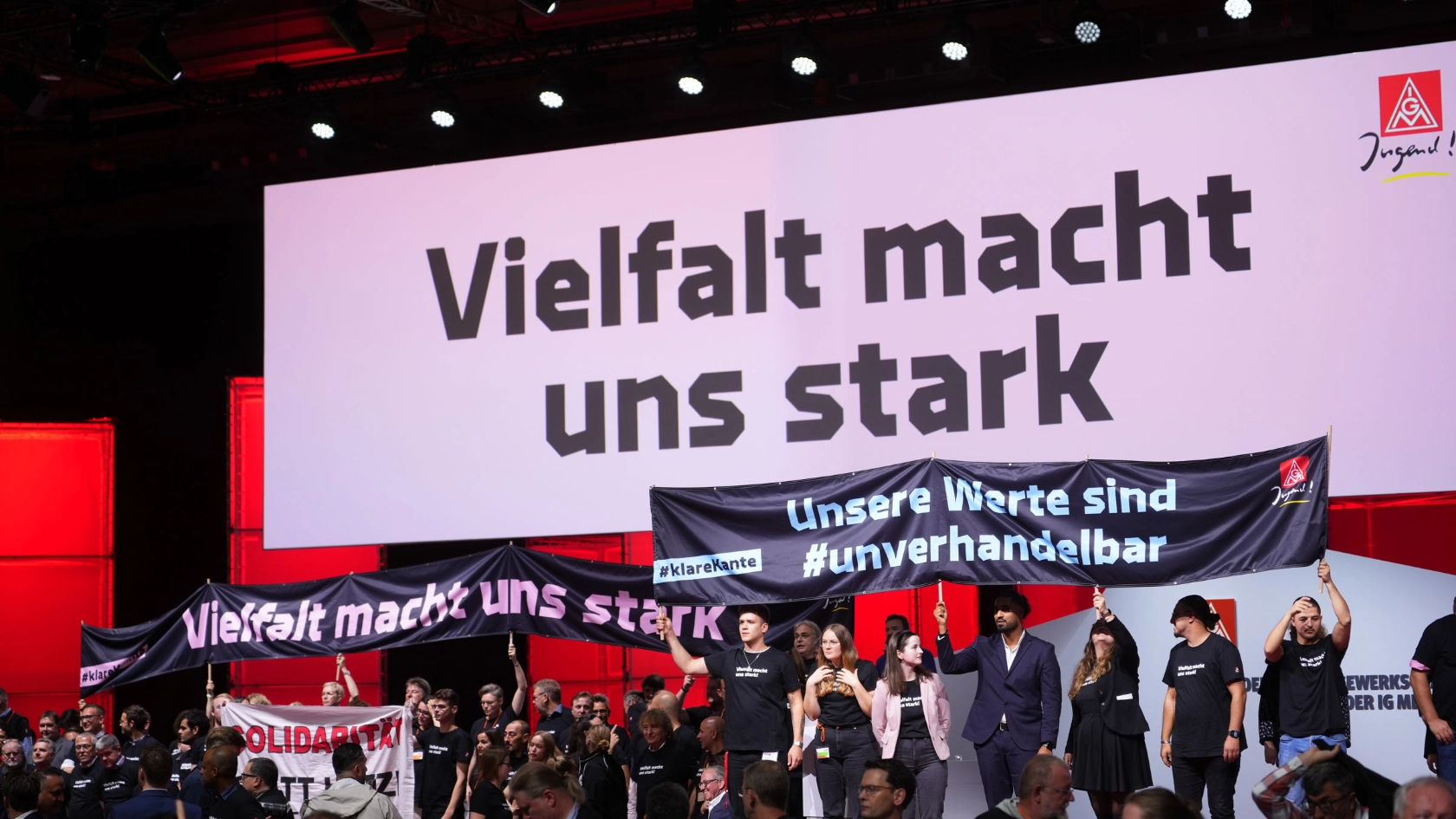
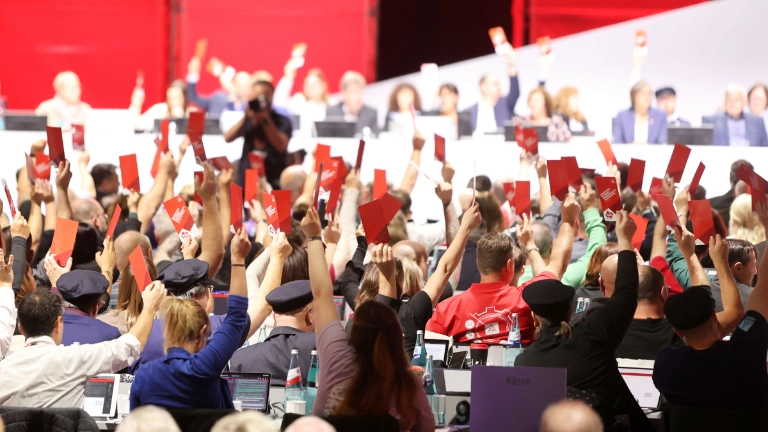
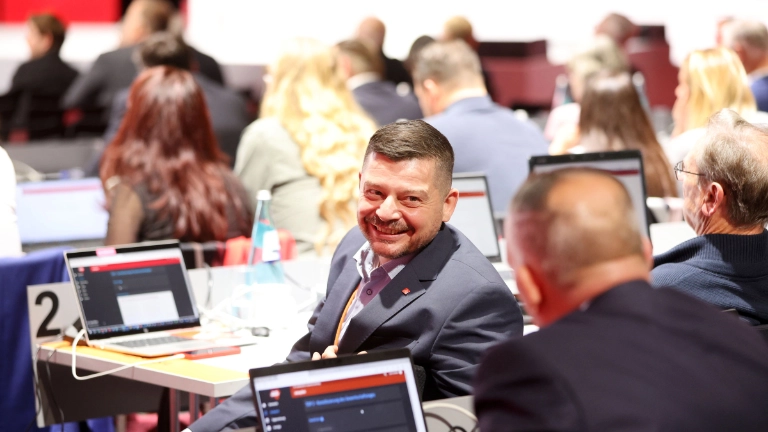
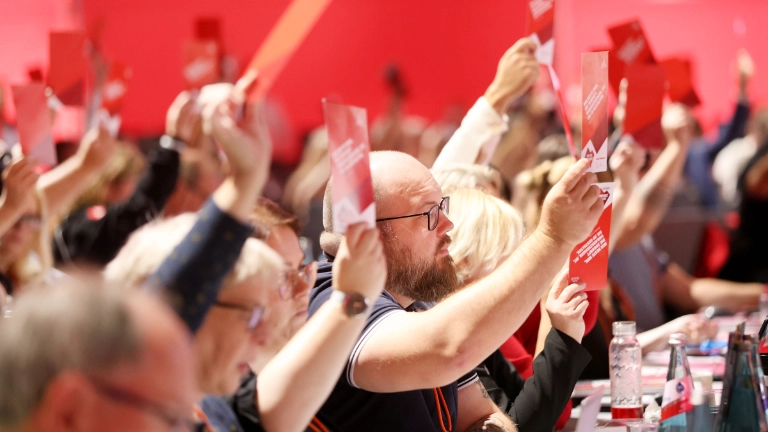
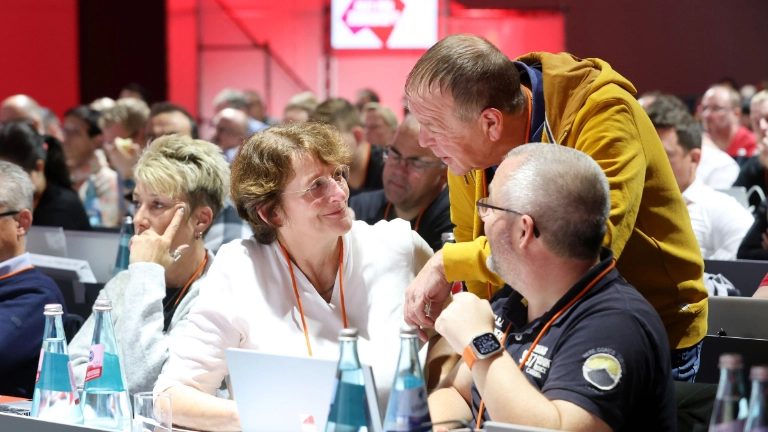
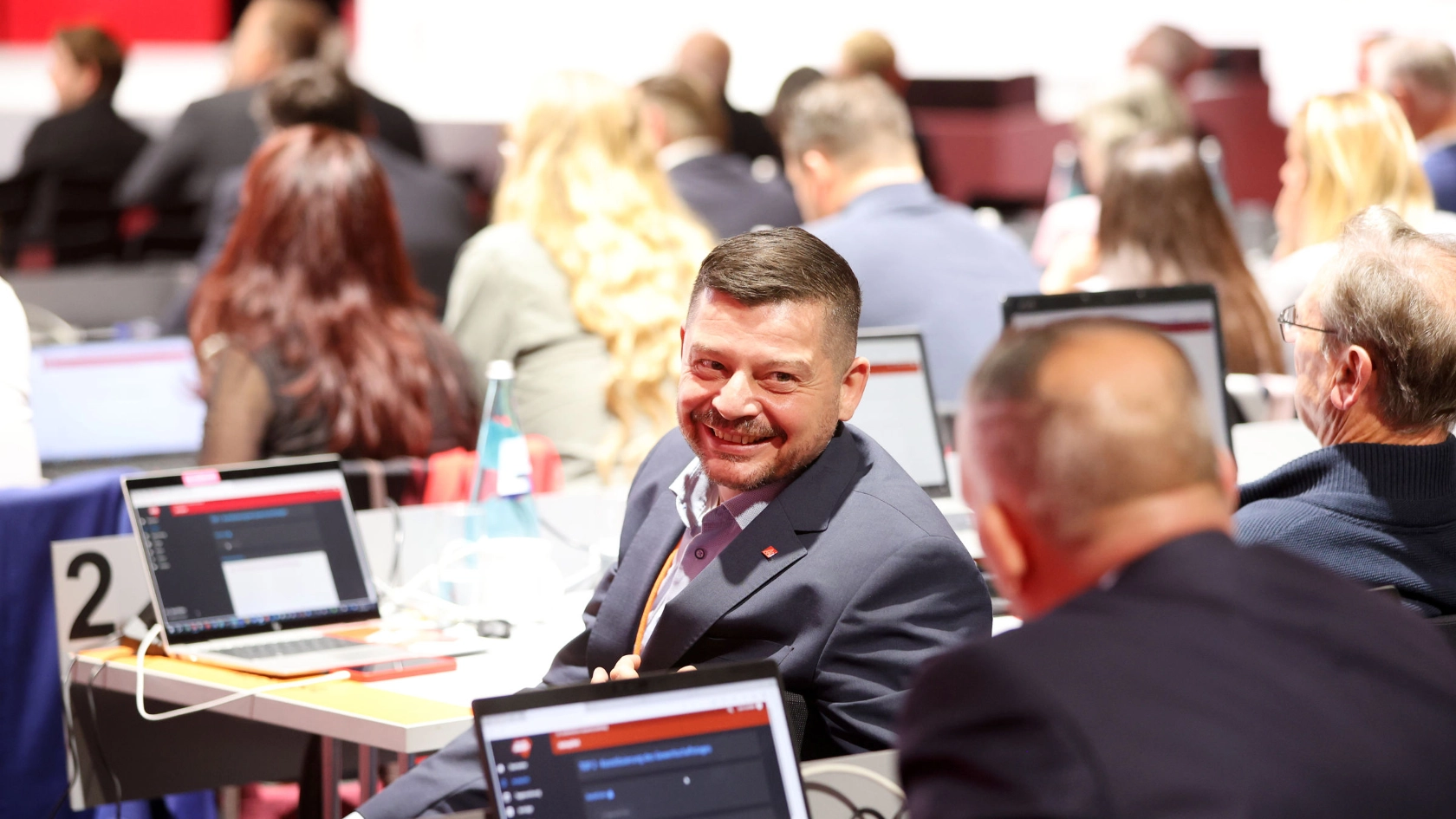
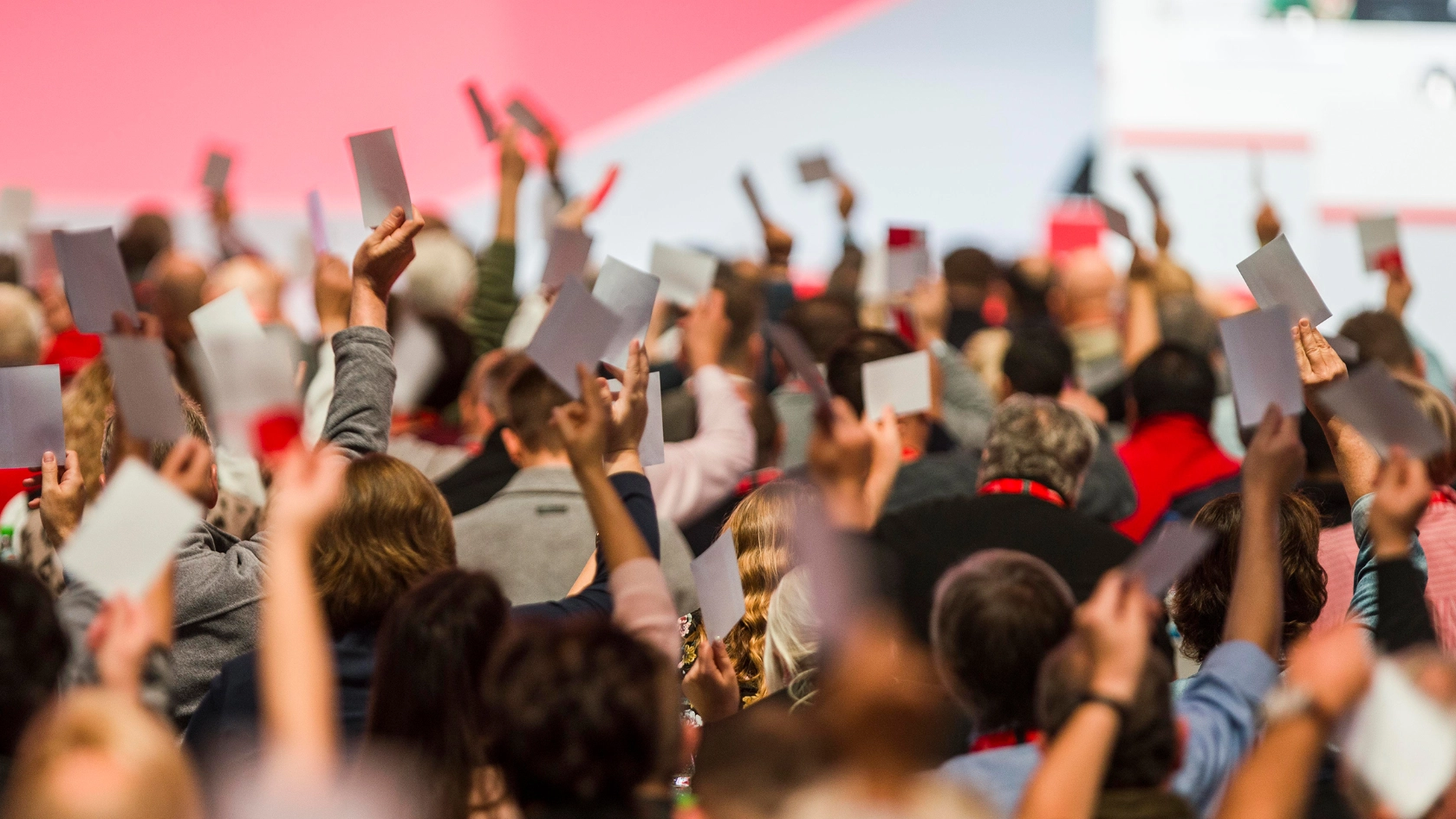
Delegierte wählen auf dem 25. Ordentlichen Gewerkschaftstag der IG Metall in Frankfurt am Main

2023 Union Convention
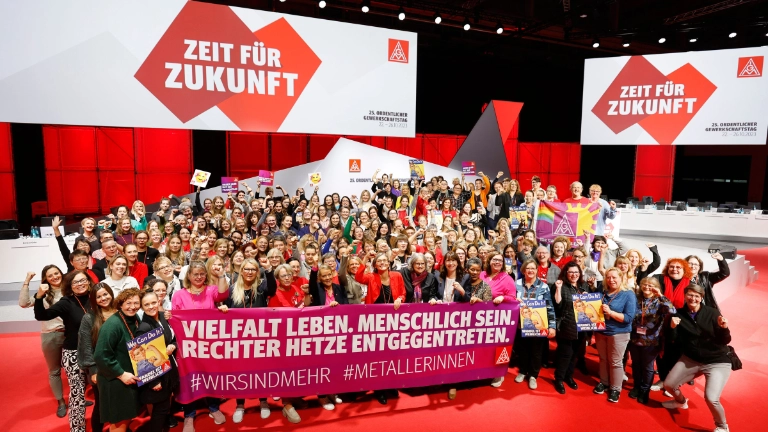
Time for the Future

From worker participation to pensions to transformation: Our union convention has set the priorities. We’re now getting to work on them.


2023 Union Convention

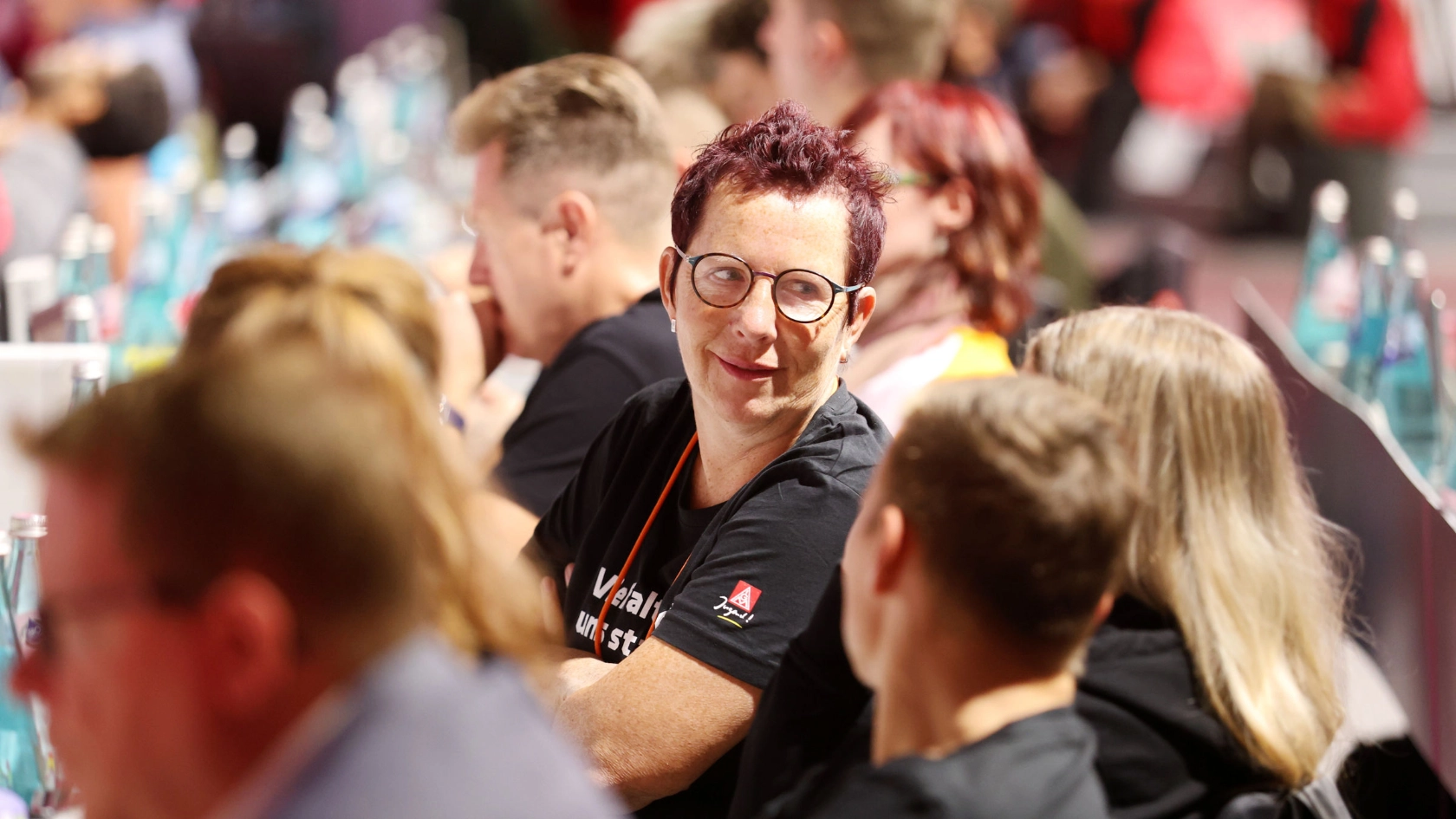
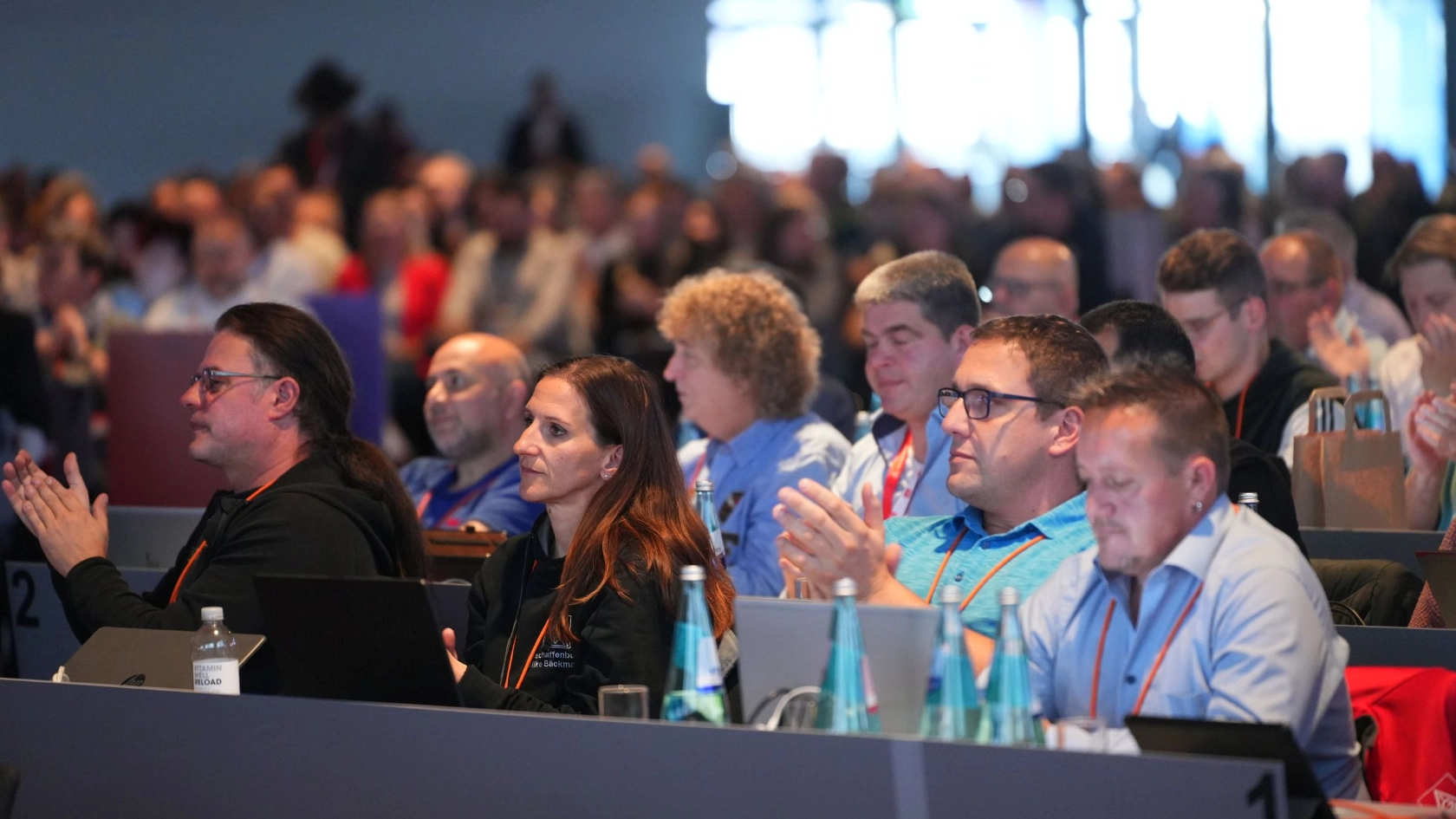
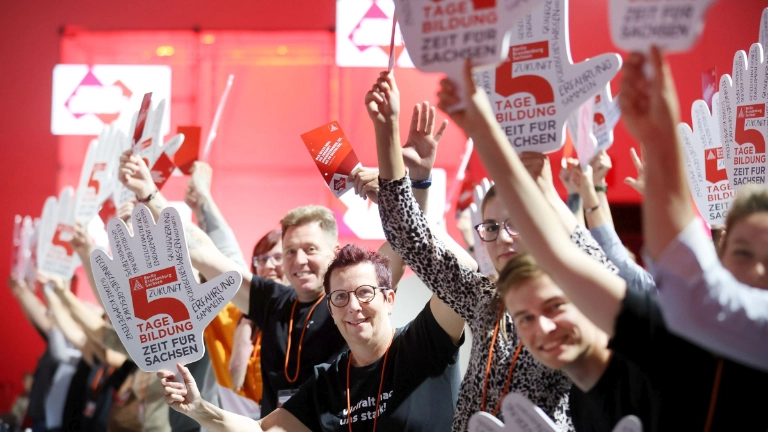
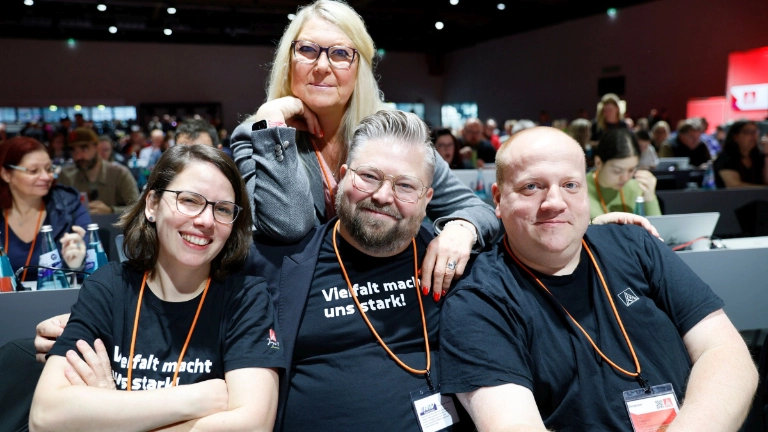
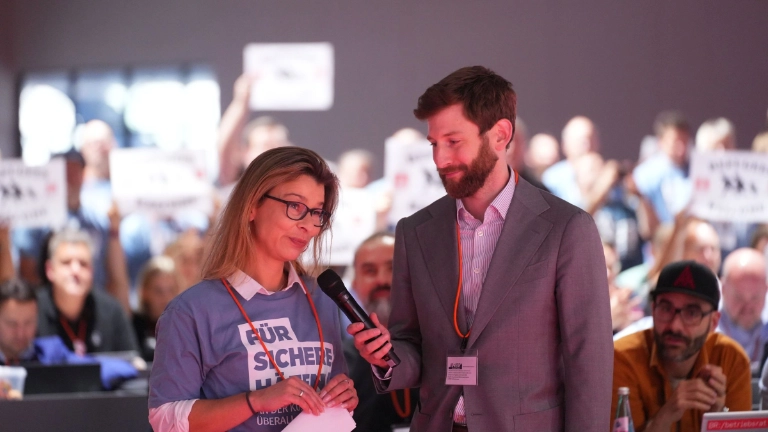
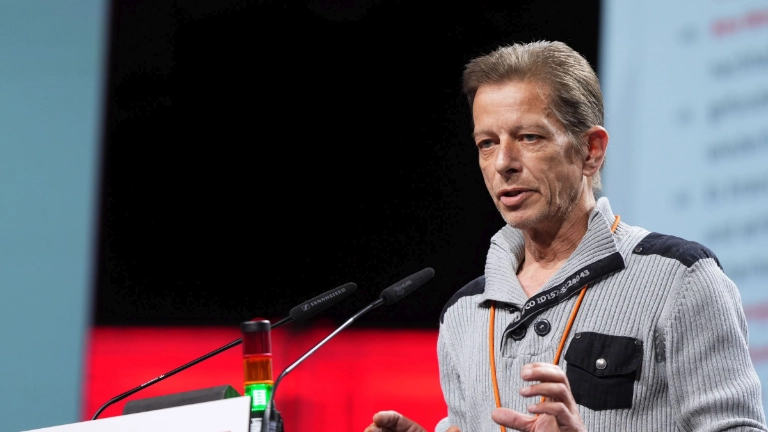
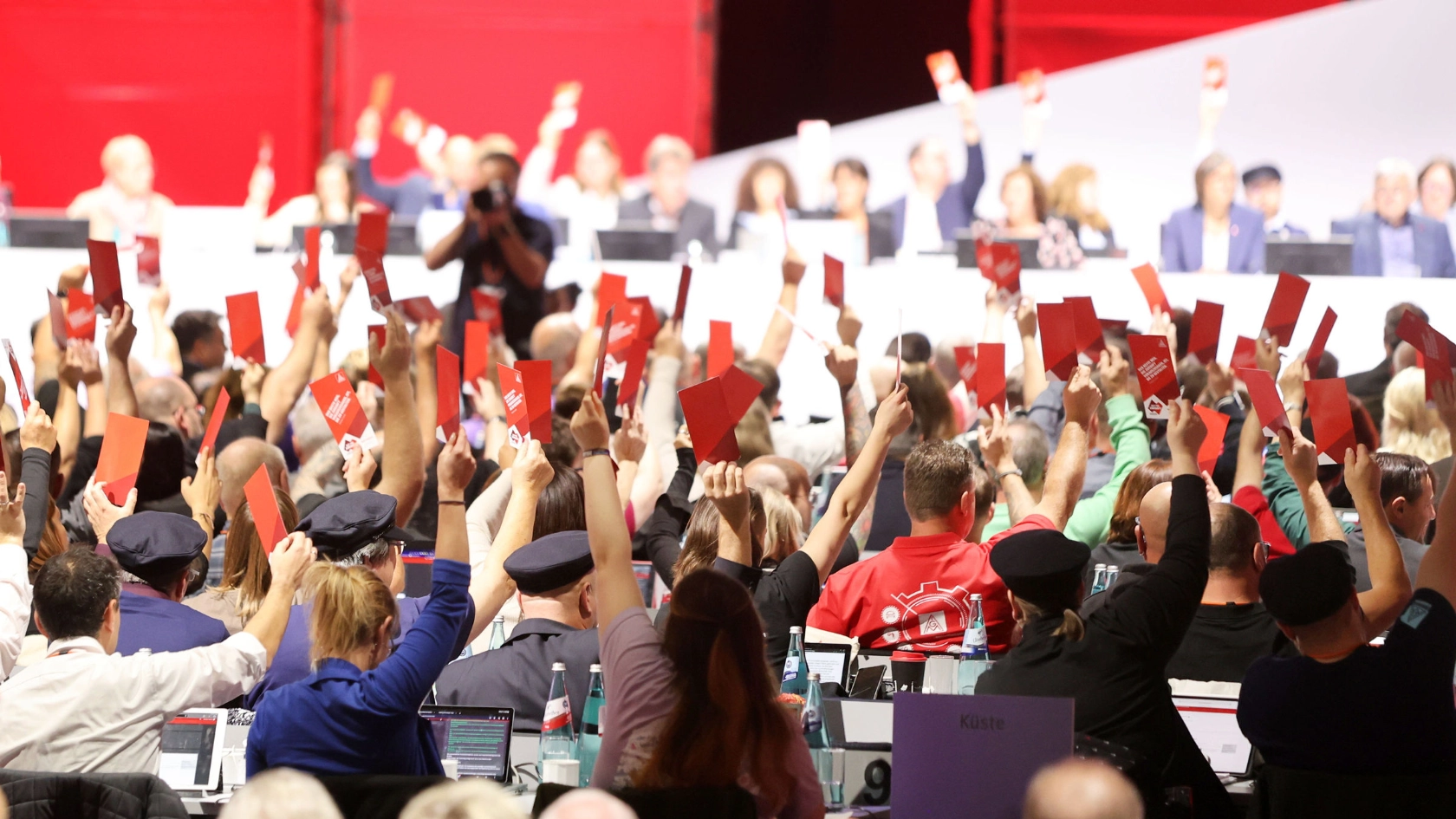
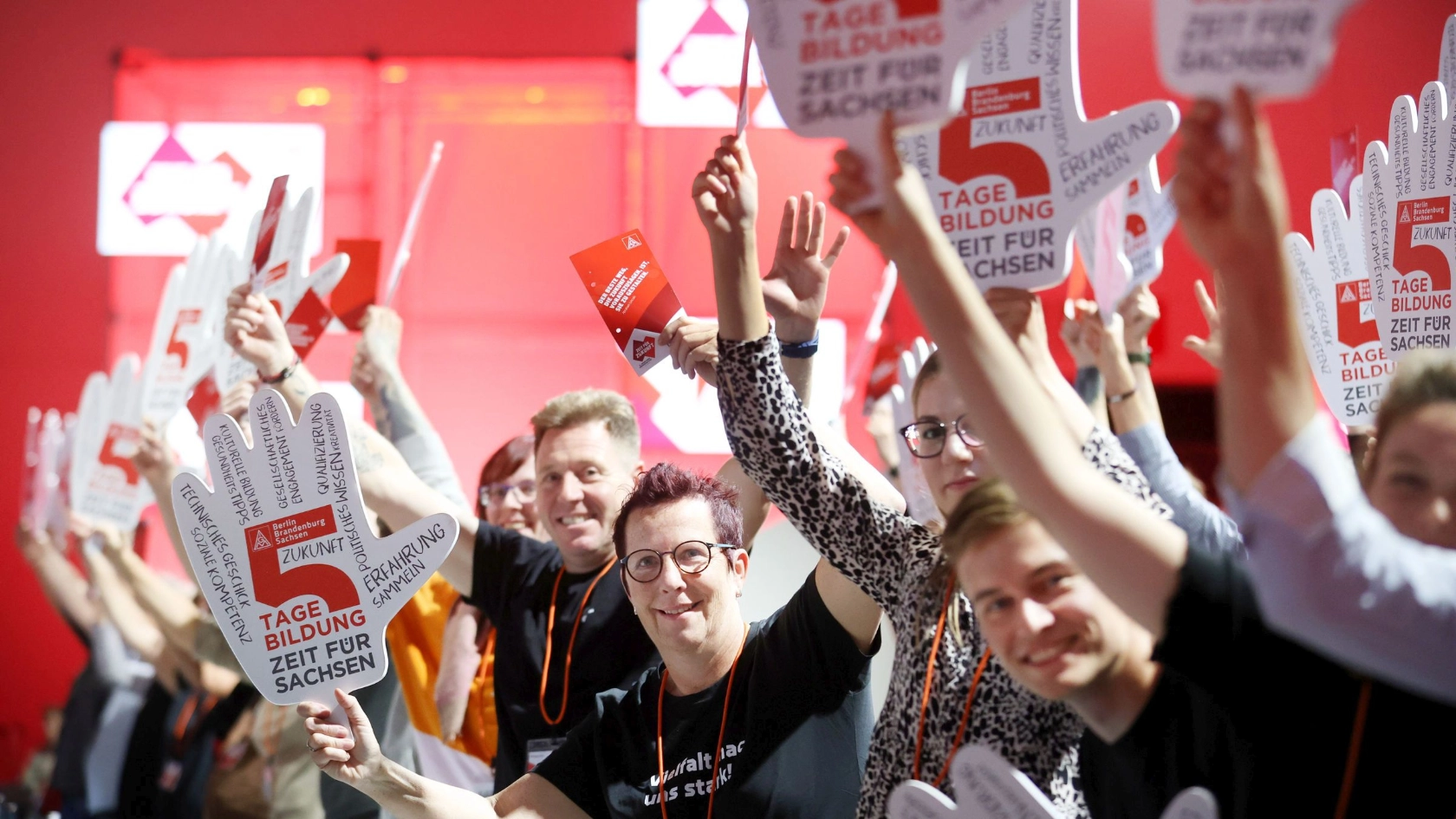
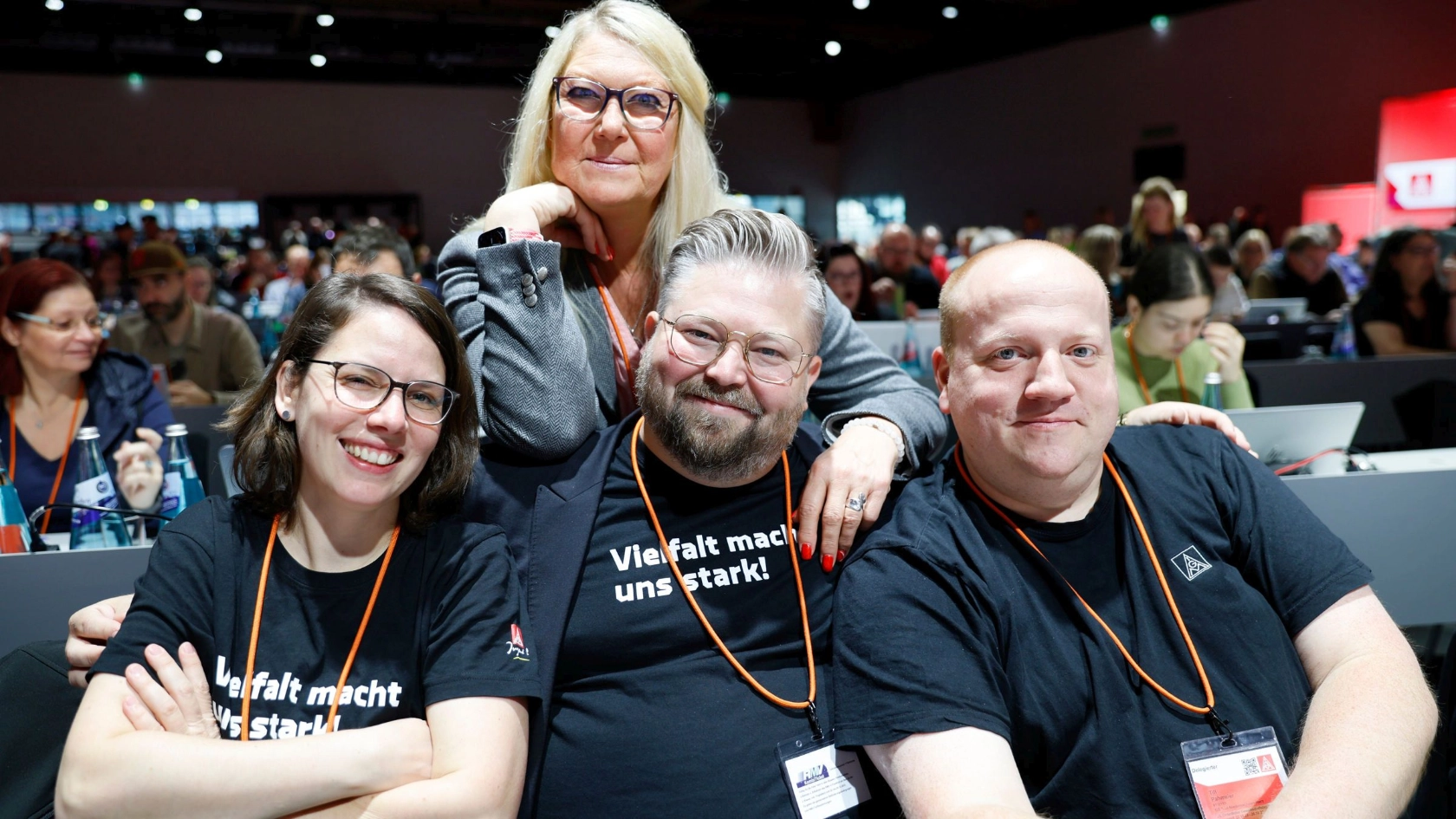
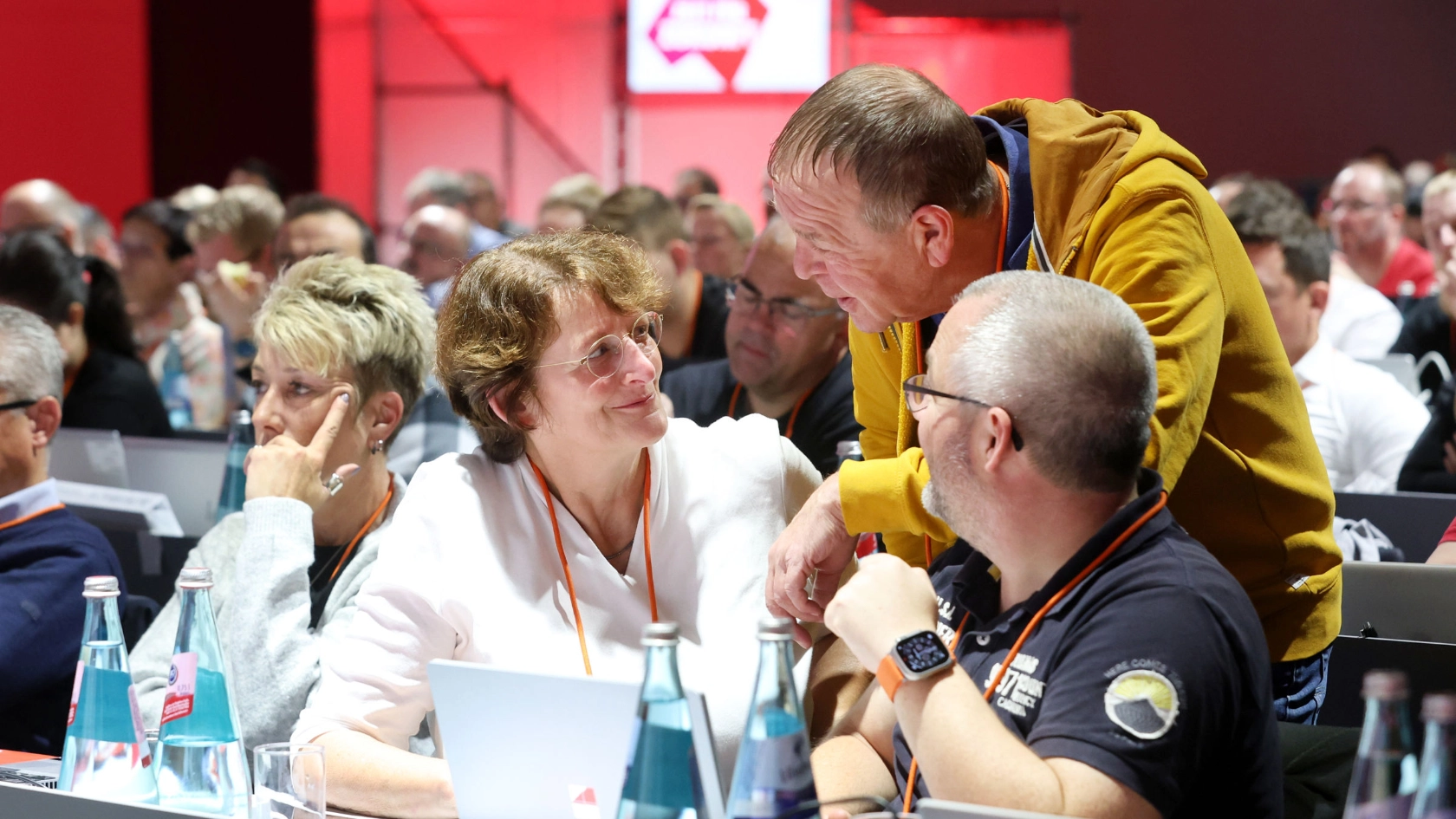
Delegierte auf dem 25. Ordentlichen Gewerkschaftstag in Frankfurt am Main

2023 Union Congress That was the 2023 Union Congress

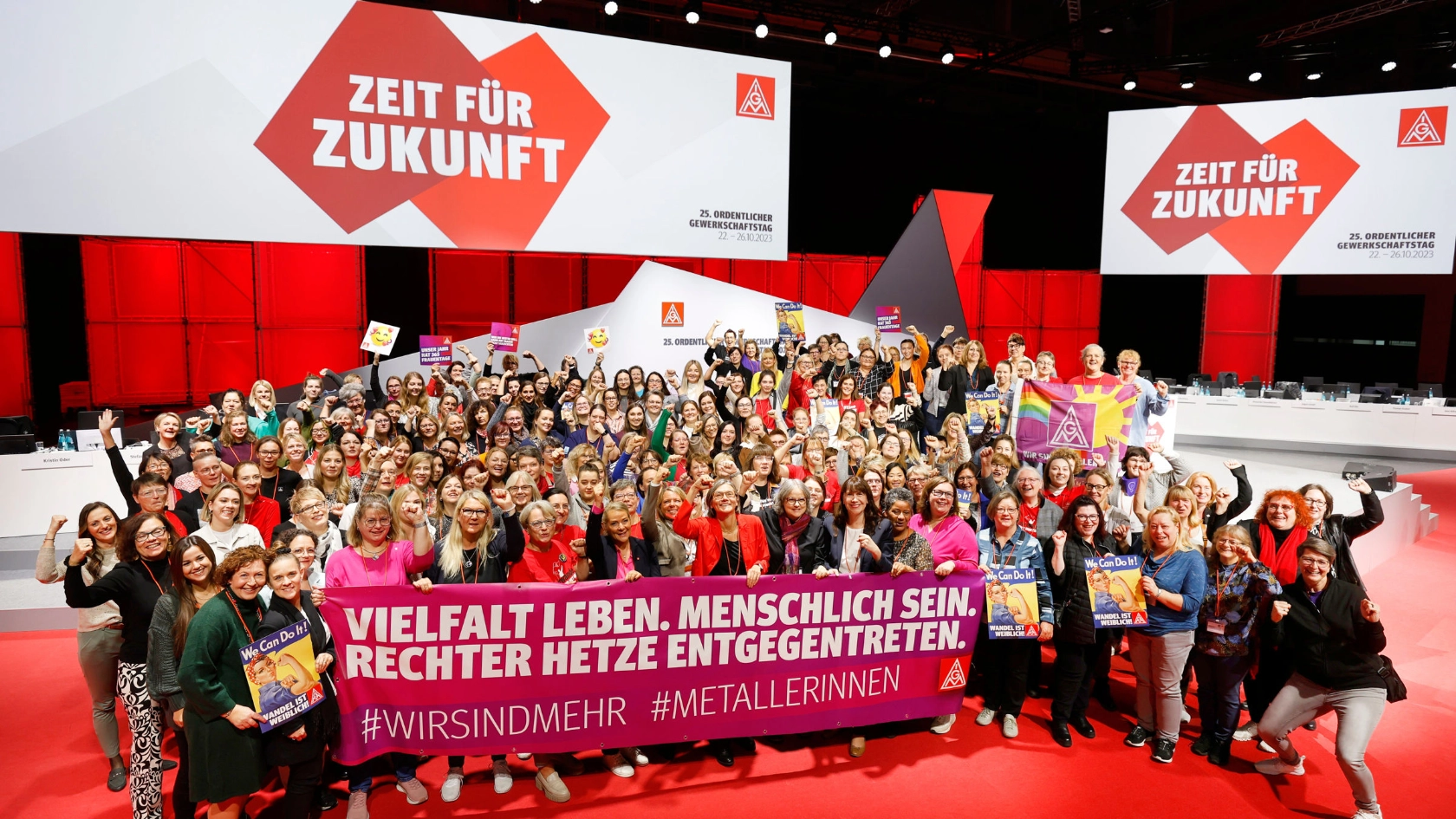
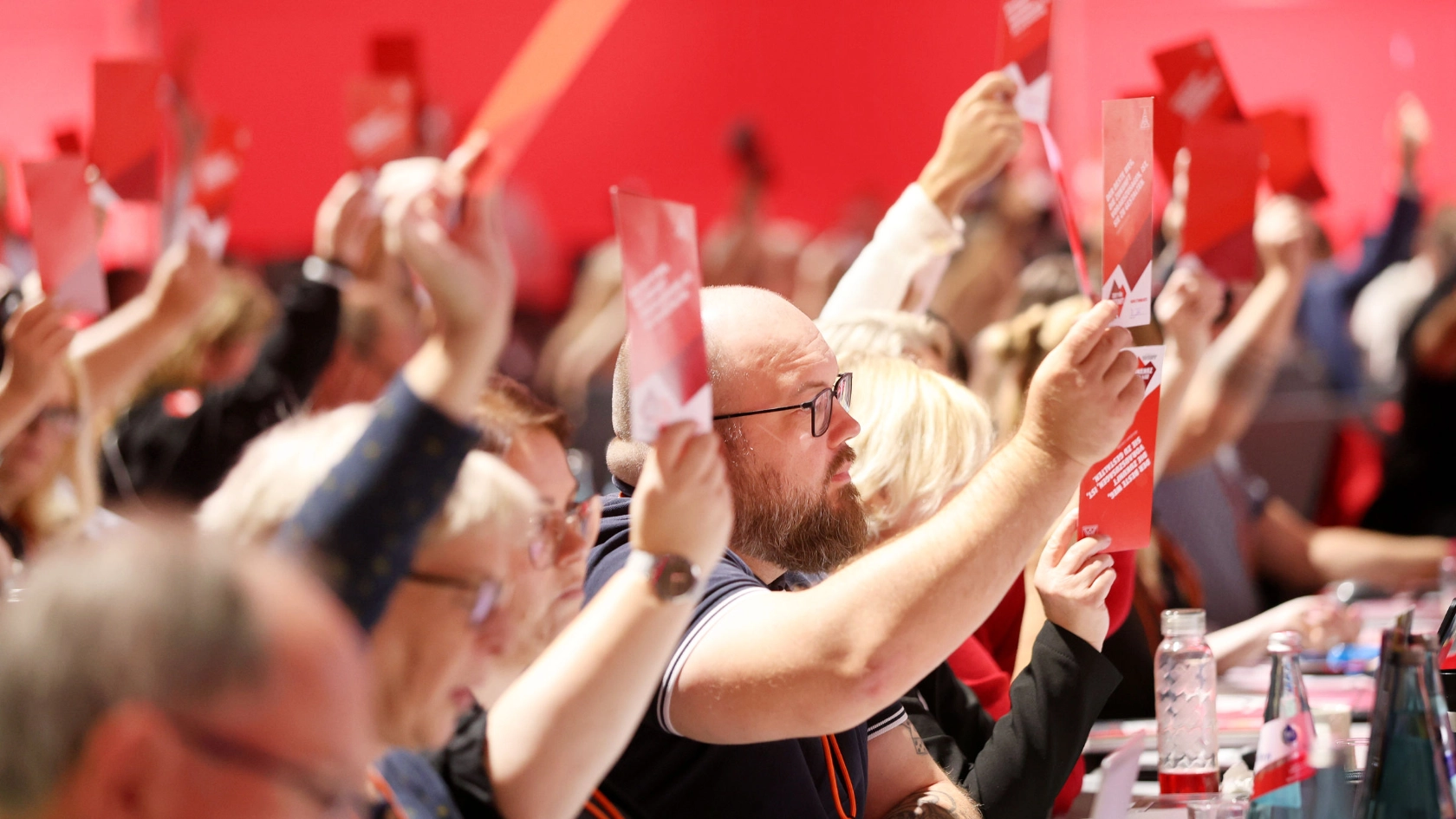
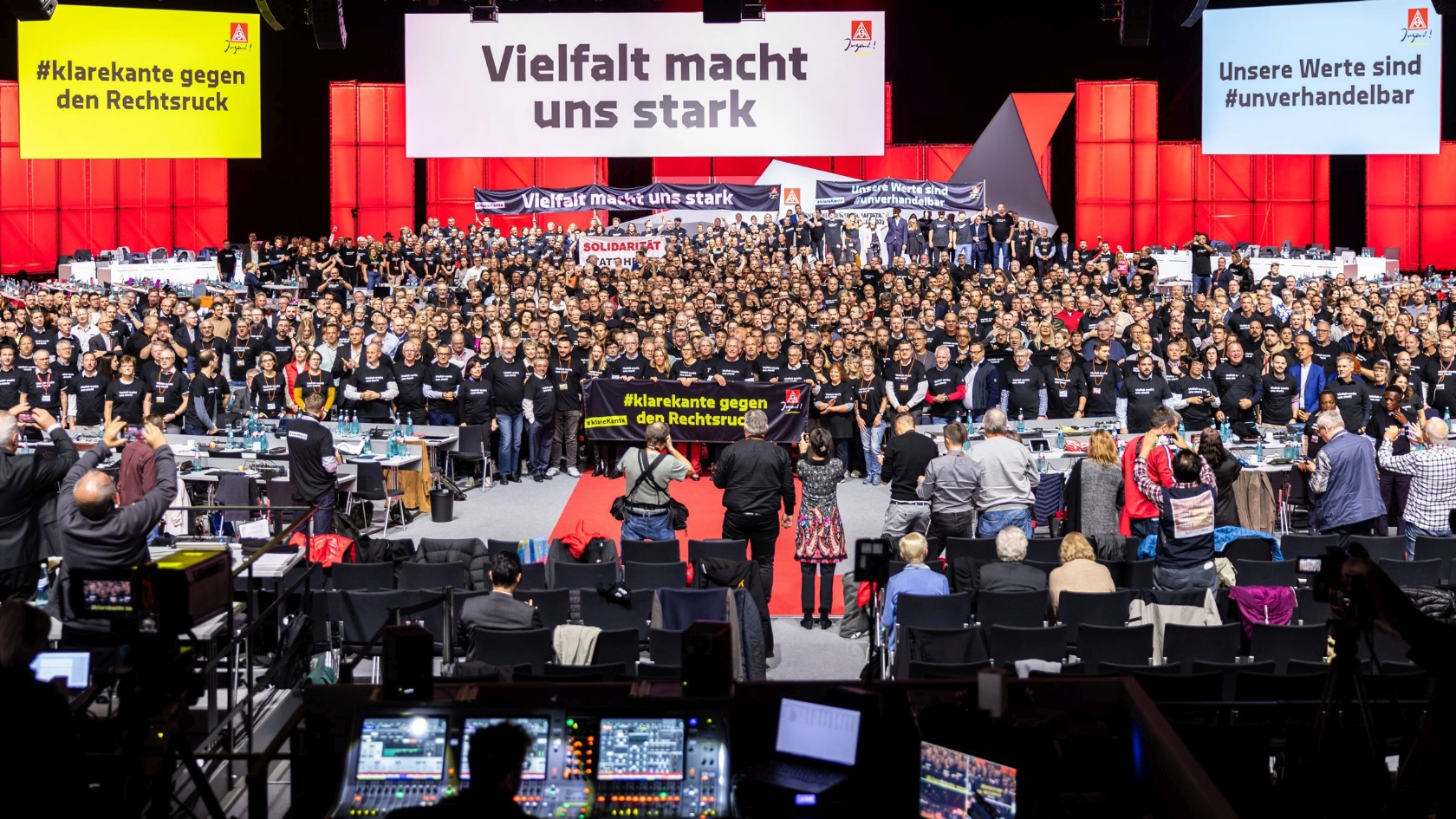
IG Metall aims to ensure that the green, digital transformation of workplaces is carried out fairly and that quality jobs are safeguarded—through greater worker participation, collective bargaining agreements, and a strong welfare state. To this end, IG Metall intends to strengthen its presence in workplaces. This was decided by the 421 delegates at the 25th Union Congress.

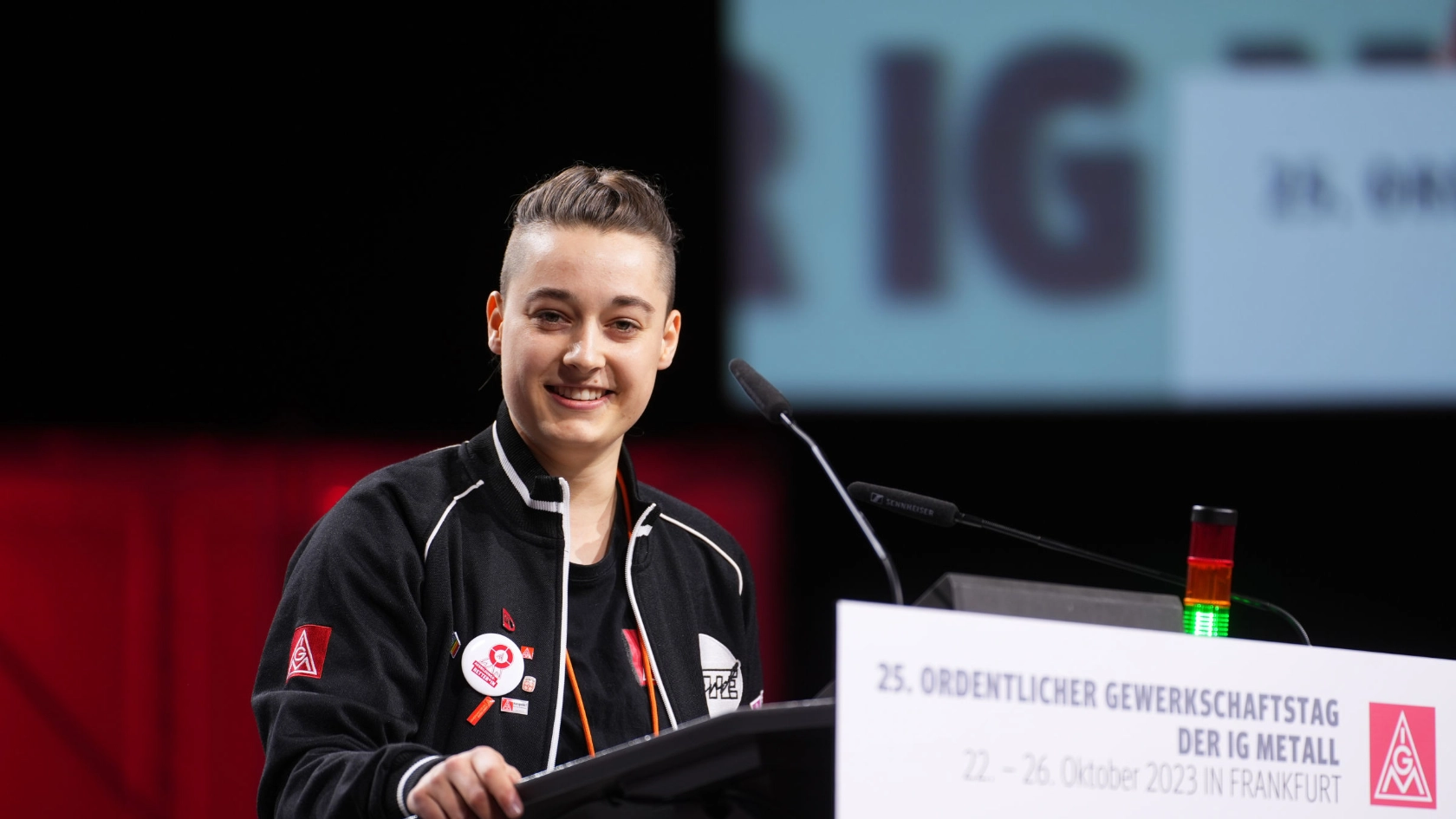
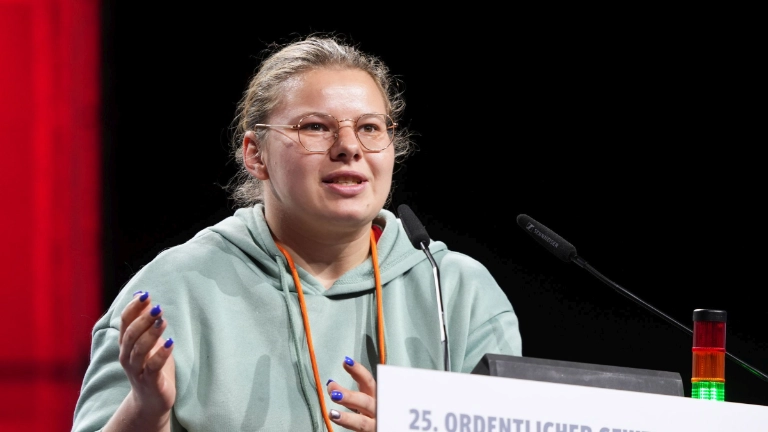
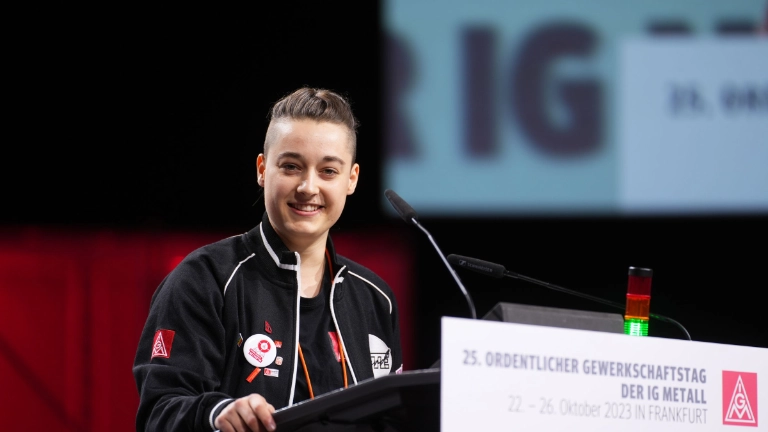
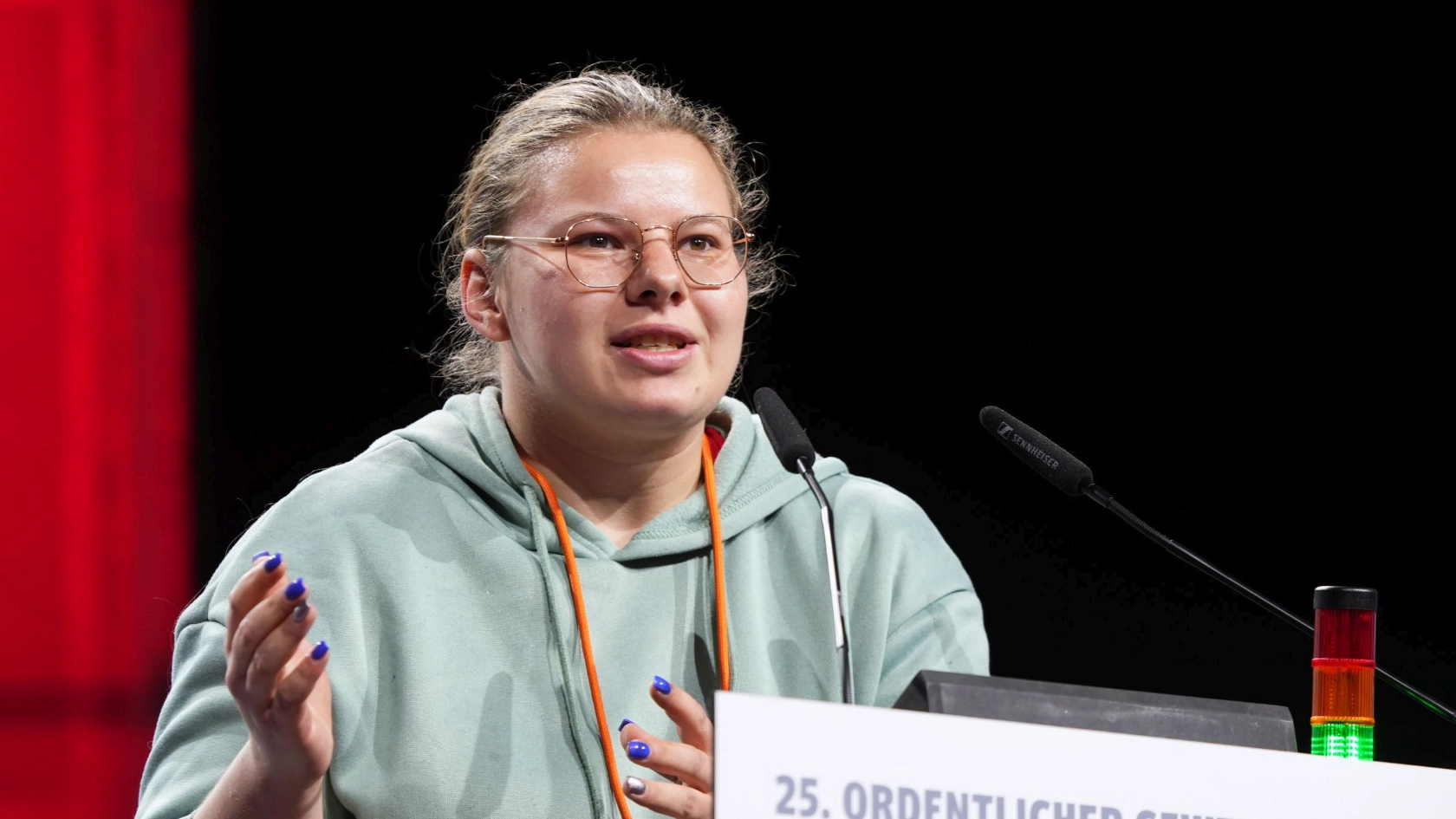
Junge Delegierte am Rednerpult beim Gewerkschaftstag in Frankfurt

Union Convention: Day 5 Recap Final stretch at the union convention

A mix of farewells and new beginnings: After five days, the union convention is coming to a close. The final day focuses on collective bargaining and workplace policy, as well as on how to provide even stronger support for union members in the workplace.

Spendenübergabe an Amnesty International auf dem 25. Ordentlichen Gewerkschaftstag der IG Metall.

Metalworkers donate to Amnesty #Free them!

IG Metall and Amnesty International are campaigning for the release of imprisoned trade unionists. At the trade union congress in Frankfurt, they showed their solidarity with independent trade unionists in Belarus. More than 50 are currently behind bars there.

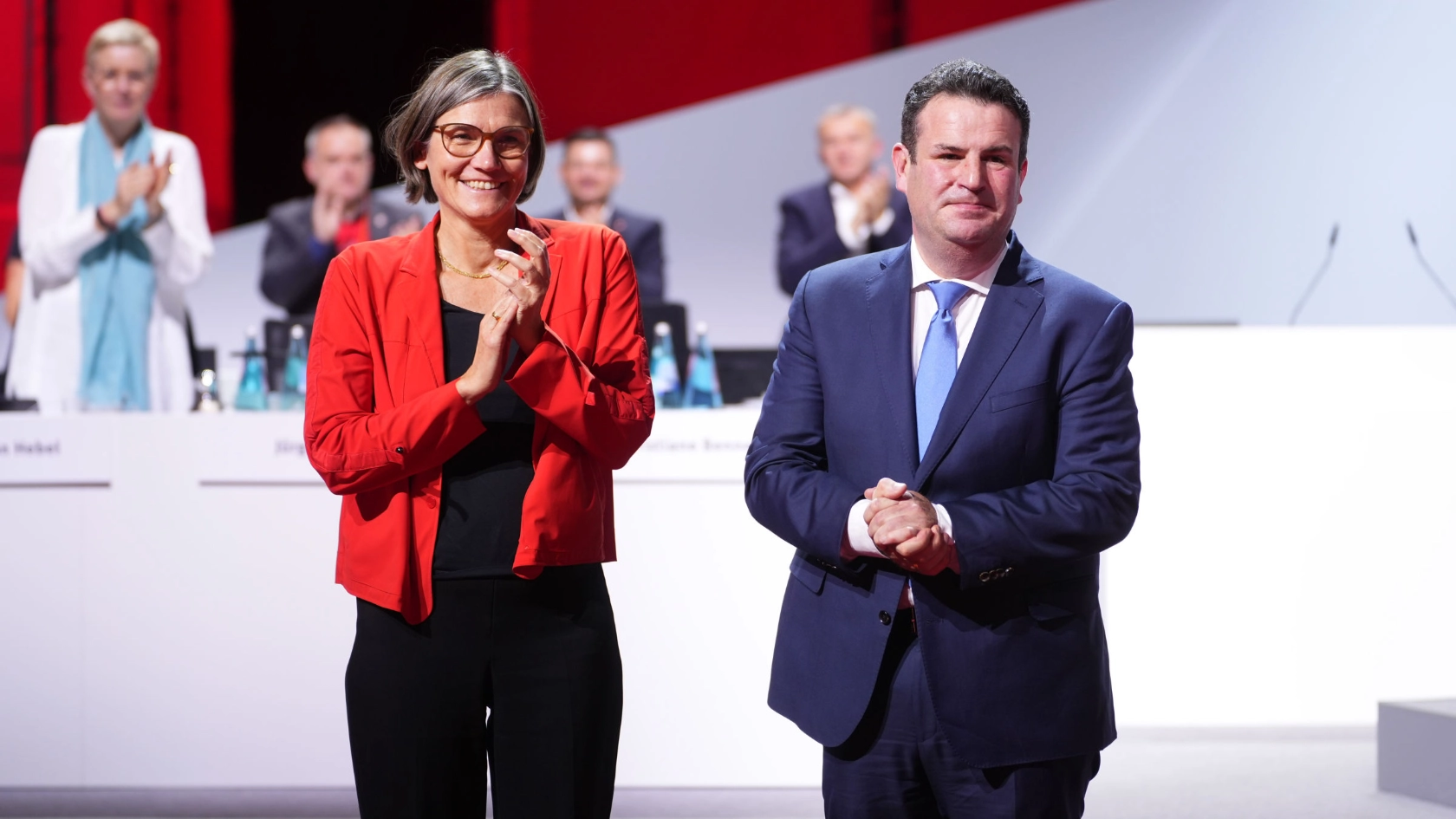
Bundesarbeitsminister Hubertus Heil und Christiane Benner auf dem Gewerkschaftstag in Frankfurt am Main

Union Convention: Day 4 Recap For a good life, from vocational training to retirement

IG Metall Youth submits a motion to ensure quality vocational training. In an interview, Lisa Neubert from Volkswagen in Zwickau explains how IG Metall should implement this. Pensions are also discussed. A highlight: a visit from Federal Minister of Labor Hubertus Heil.

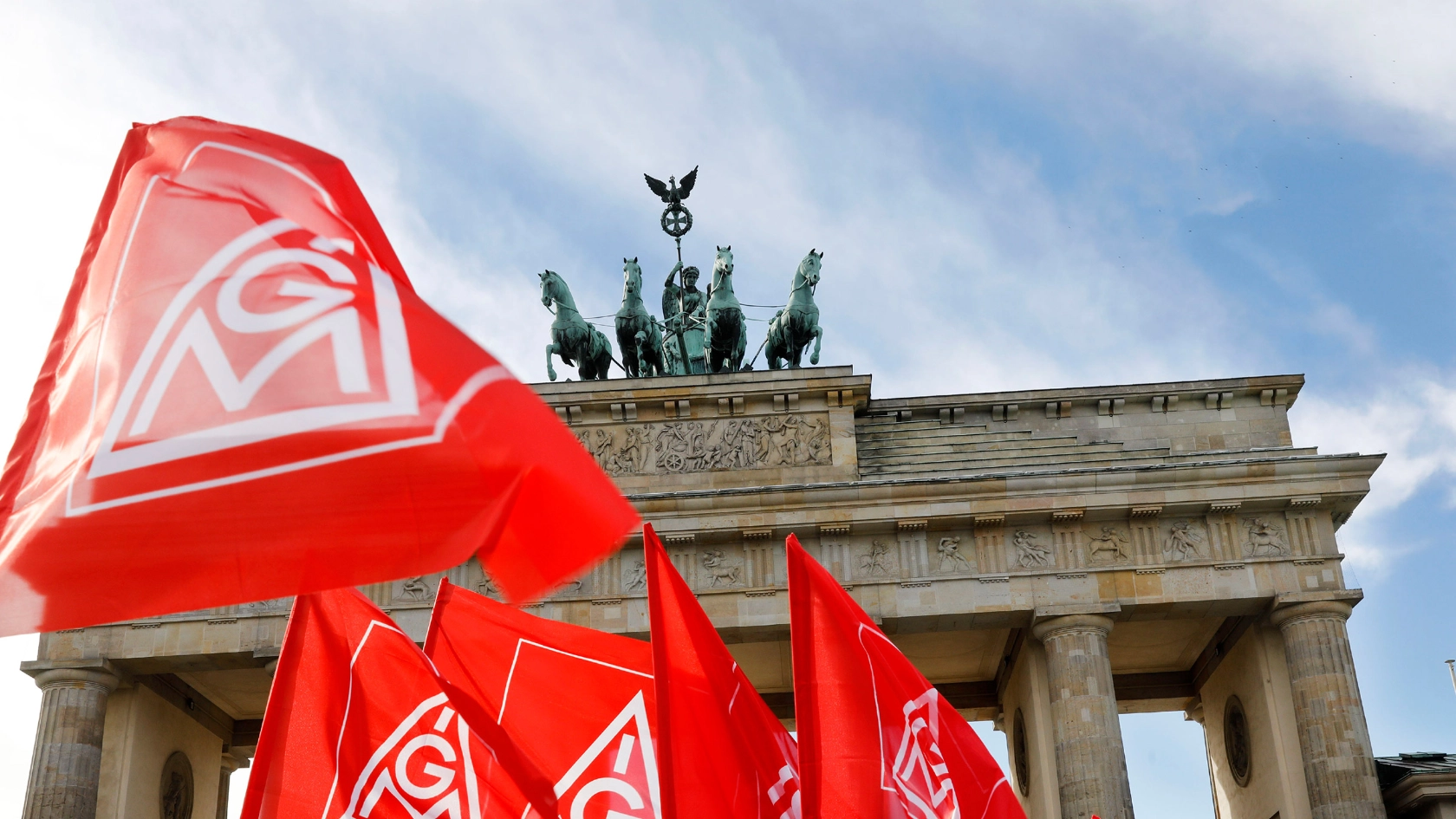
IG Metall Fahnen vor dem Brandenburger Tor

Politicians on Transformation and IG Metall What would Germany be like without unions?

What does transformation mean to you? What does solidarity mean to you? We asked politicians from various parties these and other questions ahead of the union convention. Watch the video to find out their answers.

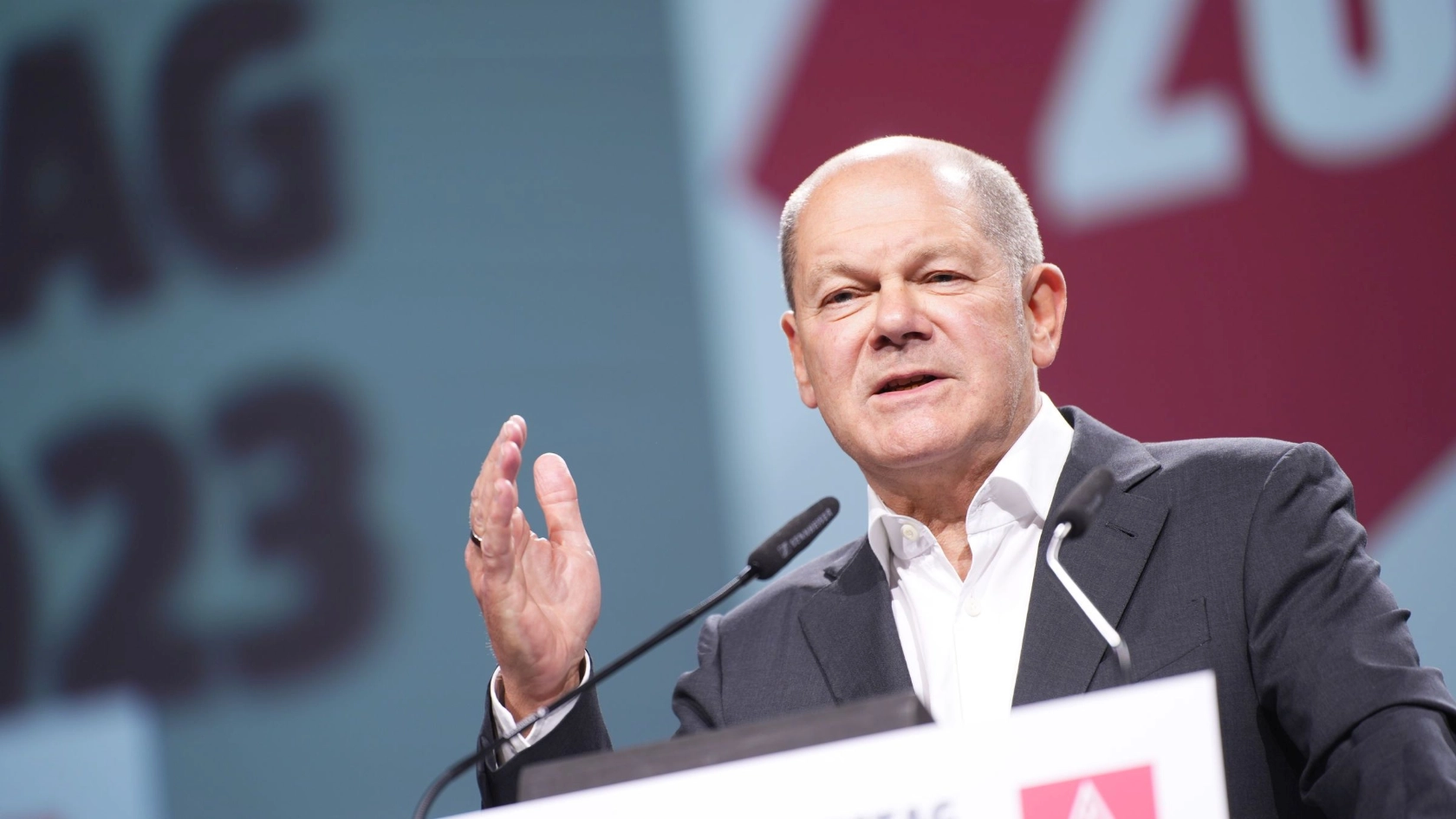
Olaf Scholz auf dem 25. Ordentlichen Gewerkschaftstag der IG Metall in Frankfurt am Main.

Union Convention: Day 3 Recap Clear Words During the Chancellor’s Visit

Chancellor Olaf Scholz is committed to steel, but not yet to the bridge electricity price. Christiane Benner wants to use greater worker participation to combat industrial relocation and political apathy. And works council member Karola Frank explains how transformation is proceeding at Audi in Ingolstadt.

Bundeskanzler Olaf Scholz auf dem 25. Ordentlichen Gewerkschaftstag der IG Metall in Frankfurt.

2023 Union Convention What Scholz said at the union convention

Energy prices, pensions, more rights for works councils: Chancellor Olaf Scholz addresses pressing issues at the IG Metall union convention. He faces criticism on one point in particular.

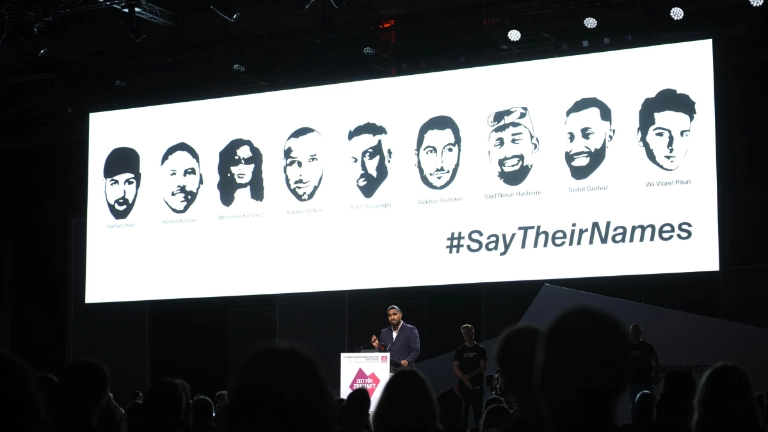
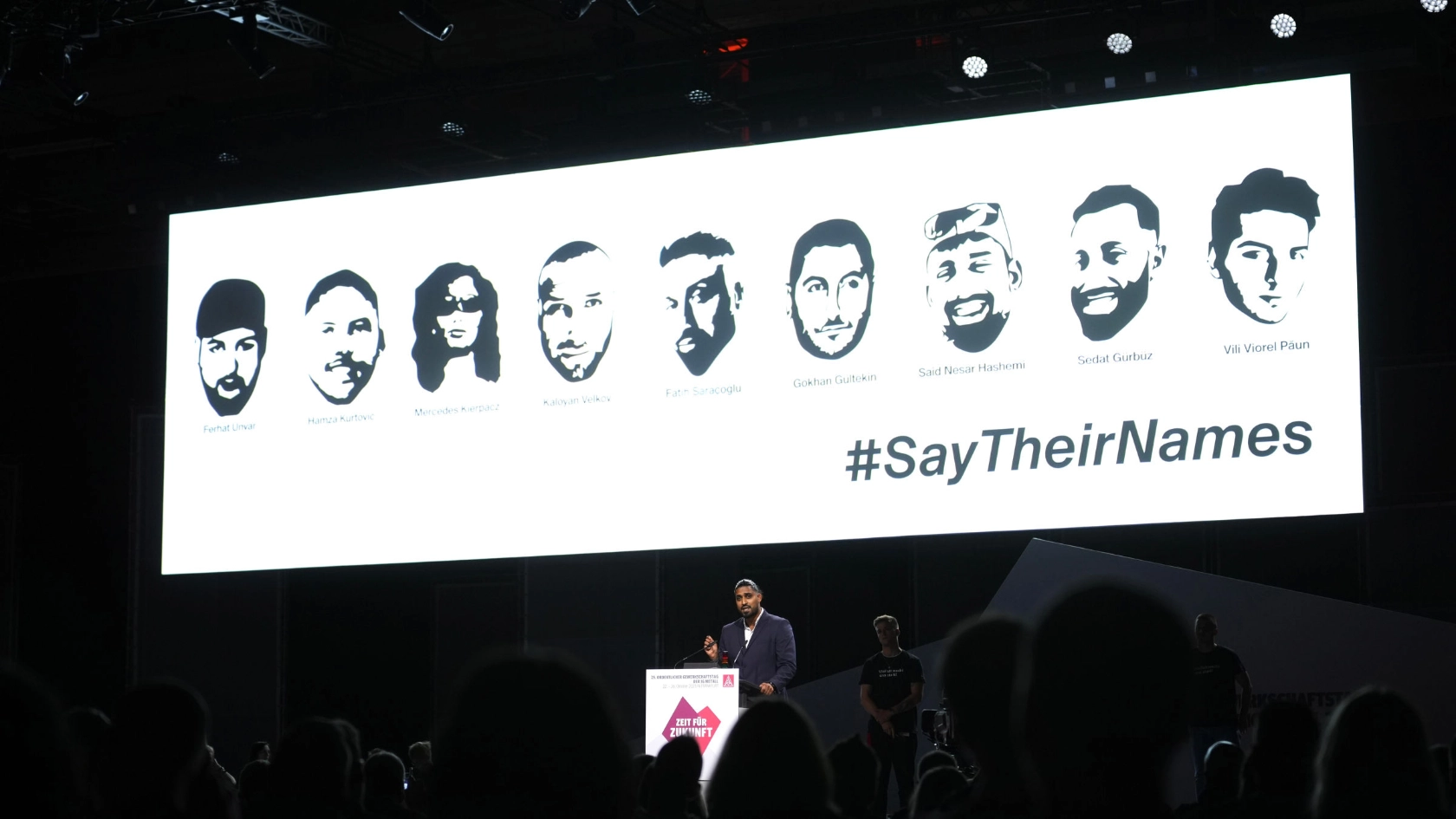
Aktion gegen Rechts der IG Metall Jugend beim Gewerkschaftstag in Frankfurt

2023 Union Convention IG Metall Youth Demonstrates Against Racism

Words can turn into actions—with deadly consequences. At the union convention, the IG Metall Youth commemorates the racist murders in Hanau—and issues an appeal to everyone in attendance.

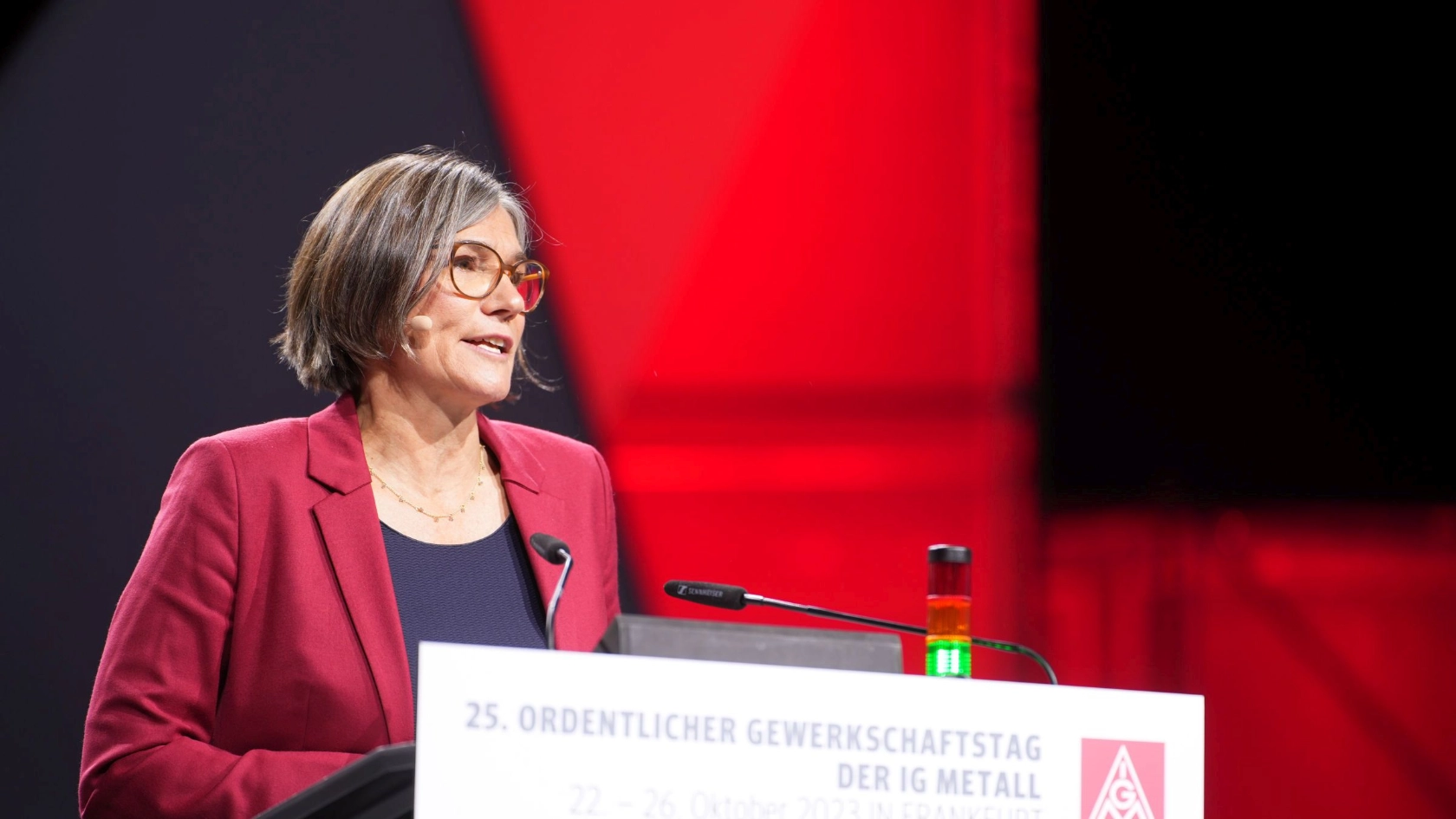
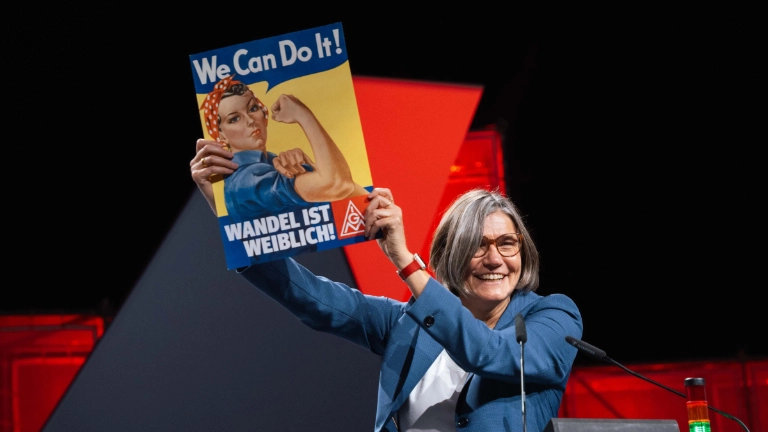
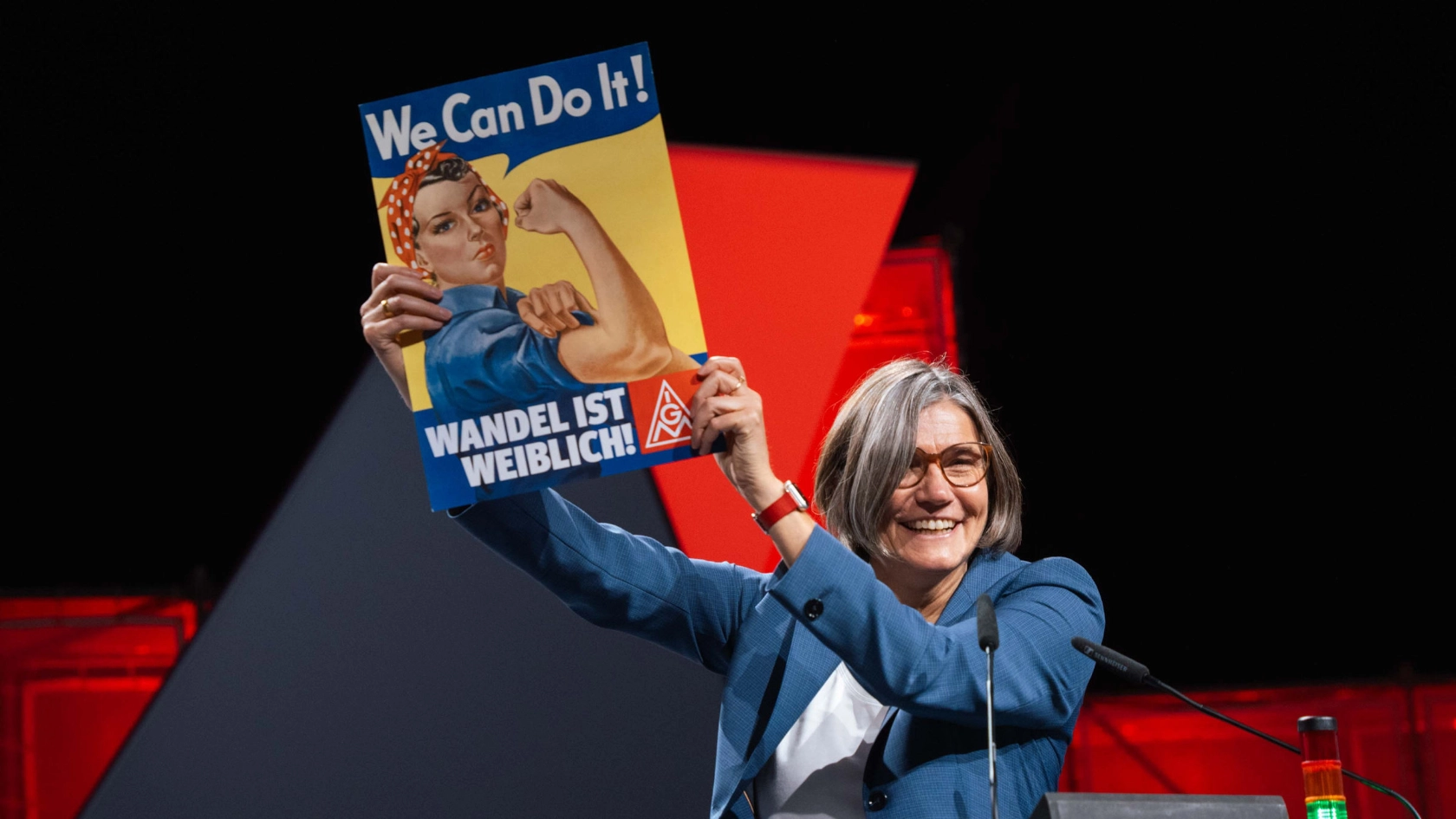
Christiane Benner auf dem .25 Ordentlichen Gewerkschaftstag der IG Metall in Frankfurt am Main.

The President’s Speech on the Future Christiane Benner: “We need more worker participation in the workplace”

Germany’s deindustrialization must be halted, and the climate-friendly transformation of the economy must be boldly shaped—to achieve this, employees must be involved in strategic decisions within companies. This is what Christiane Benner called for in her first speech as the first chairperson of IG Metall.

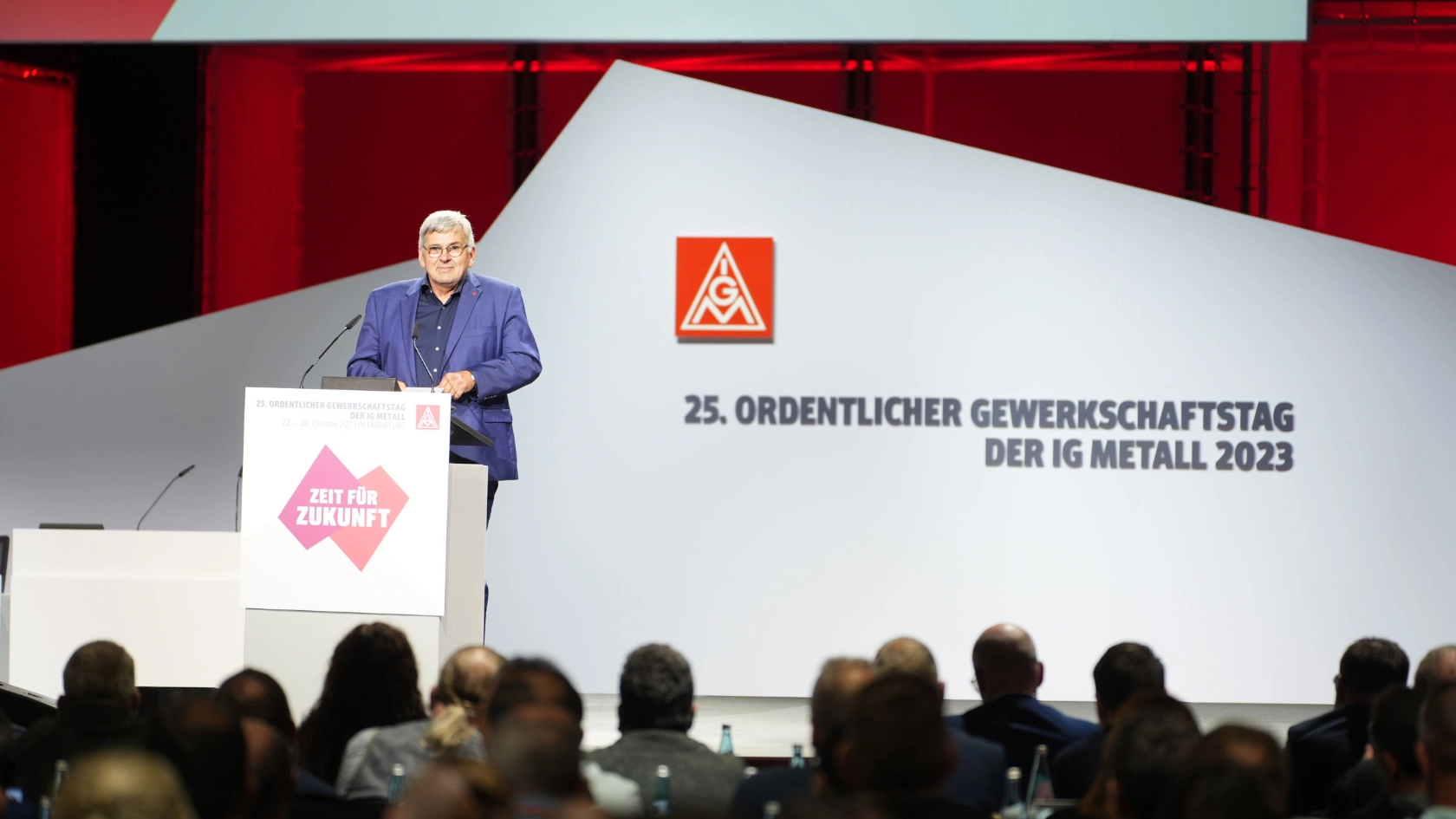
Jörg Hofmann beim 25. Ordentlichen Gewerkschaftstag der IG Metall

2023 Union Convention Farewell to the Collective Bargaining Fox

Jörg Hofmann led IG Metall for eight years. His legacy: groundbreaking collective bargaining agreements and a term that will continue to shape the years to come. A tribute as he steps down.

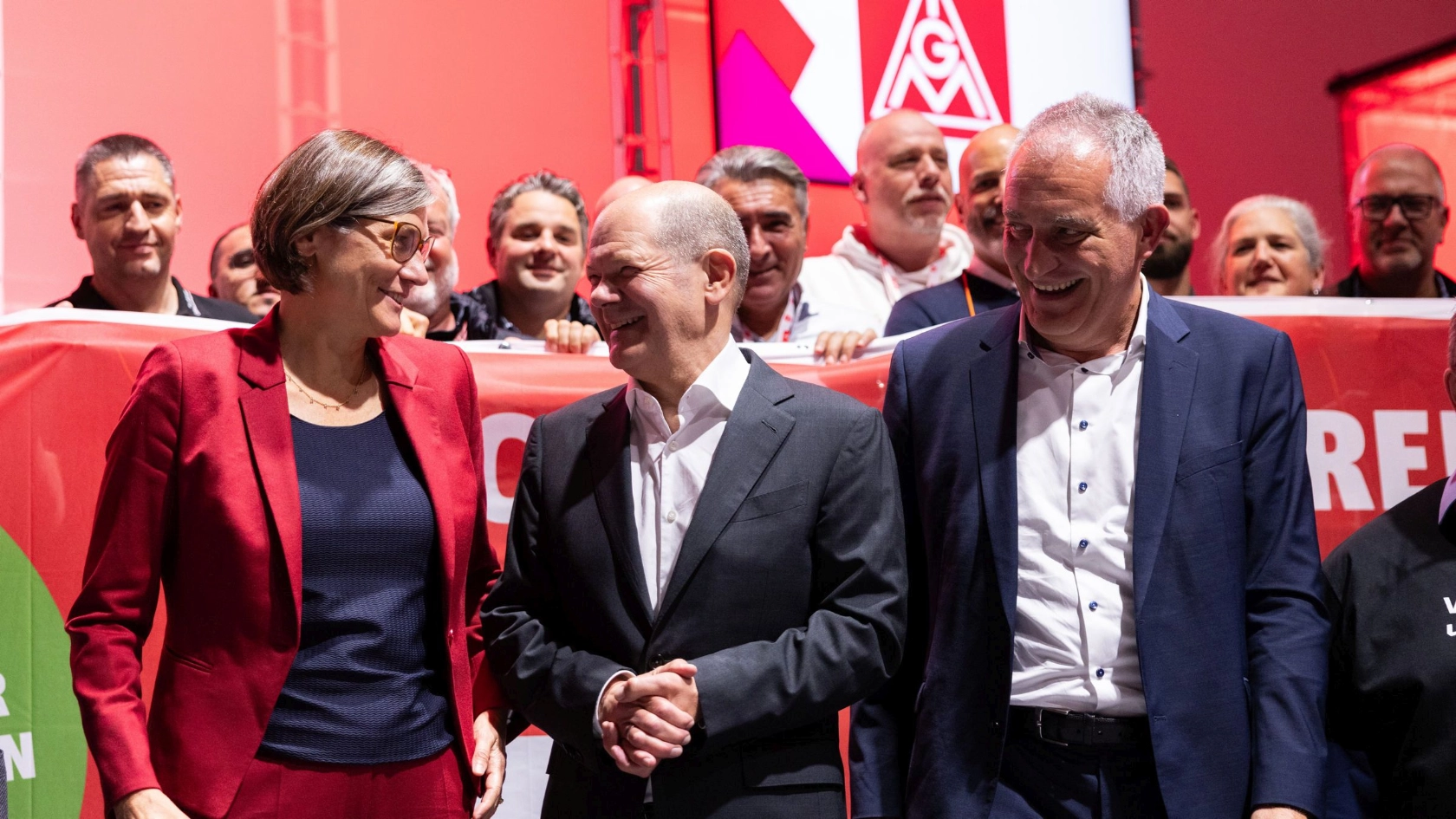
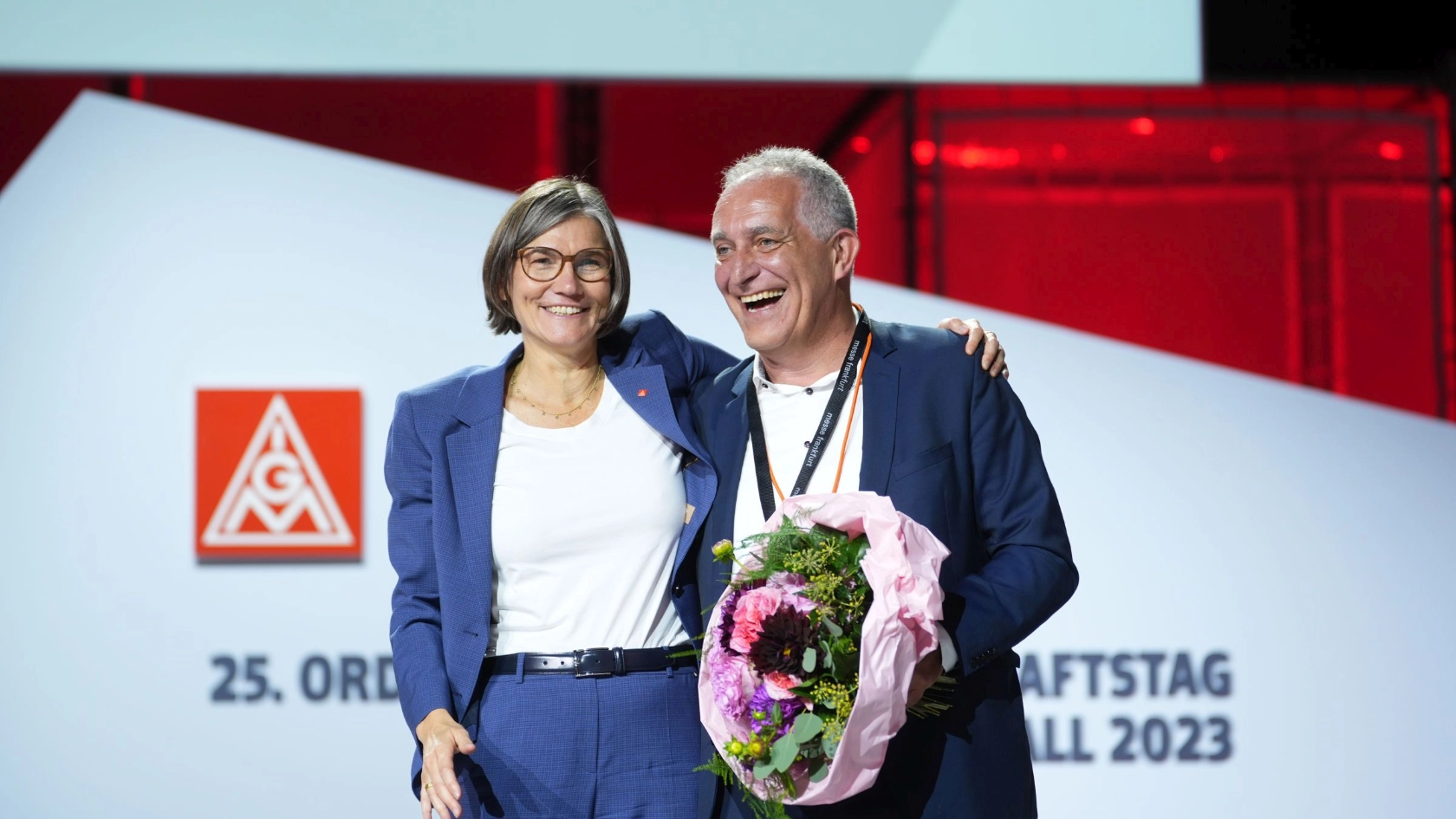
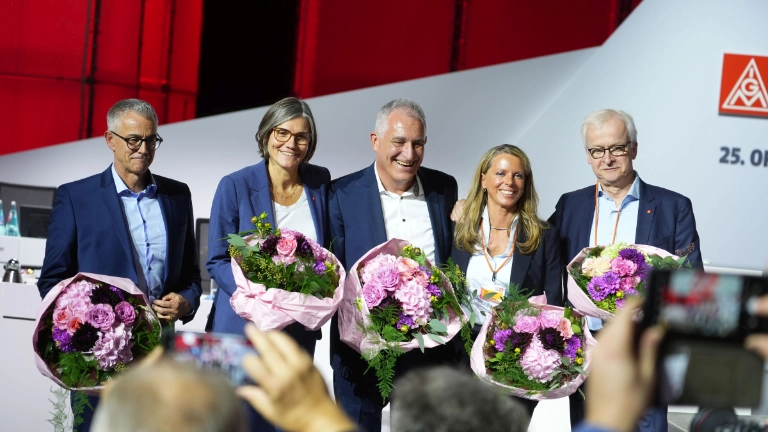
Christiane Benner und Jürgen Kerner auf dem 25. Ordentlichen Gewerkschaftstag der IG Metall in Frank.

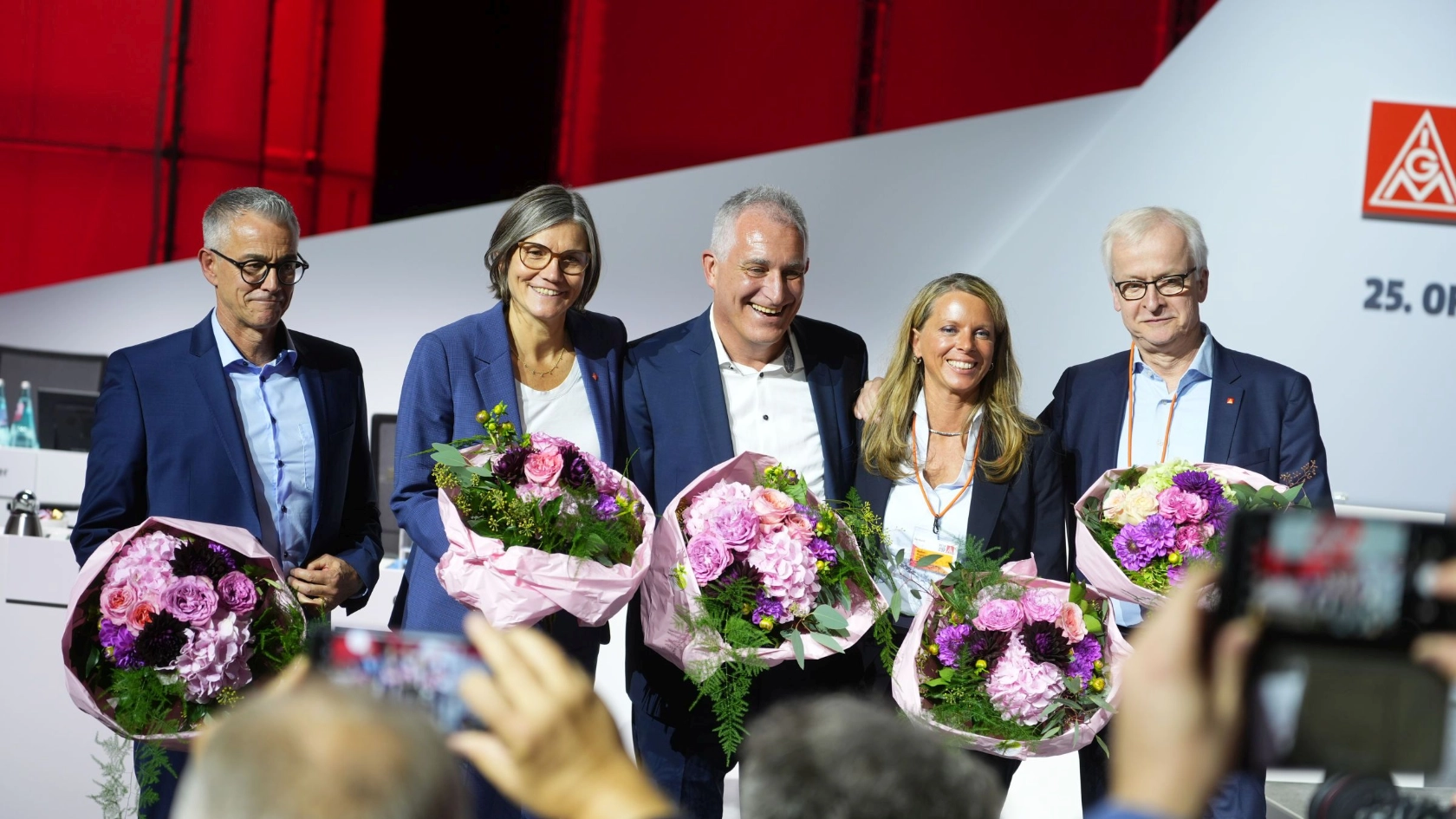
2023 Union Convention IG Metall elects new executive board

Christiane Benner is the new president of IG Metall. Jürgen Kerner is the vice president. In addition, the delegates elected Nadine Boguslawski as the new chief treasurer, as well as Hans-Jürgen Urban and Ralf Reinstädtler as additional executive board members.

25. Gewerkschaftstag der IG Metall in Frankfurt

Union Convention: Day 1 Recap Here we go

We’re kicking off the union convention with prominent political figures. Economy Minister Robert Habeck and DGB Chair Yasmin Fahimi are calling for a bridge electricity price, as proposed by IG Metall. The delegates are getting ready to shape the future of IG Metall for the next four years.

Information about the Union Convention
The History of IG Metall
The History of the Labor Movement
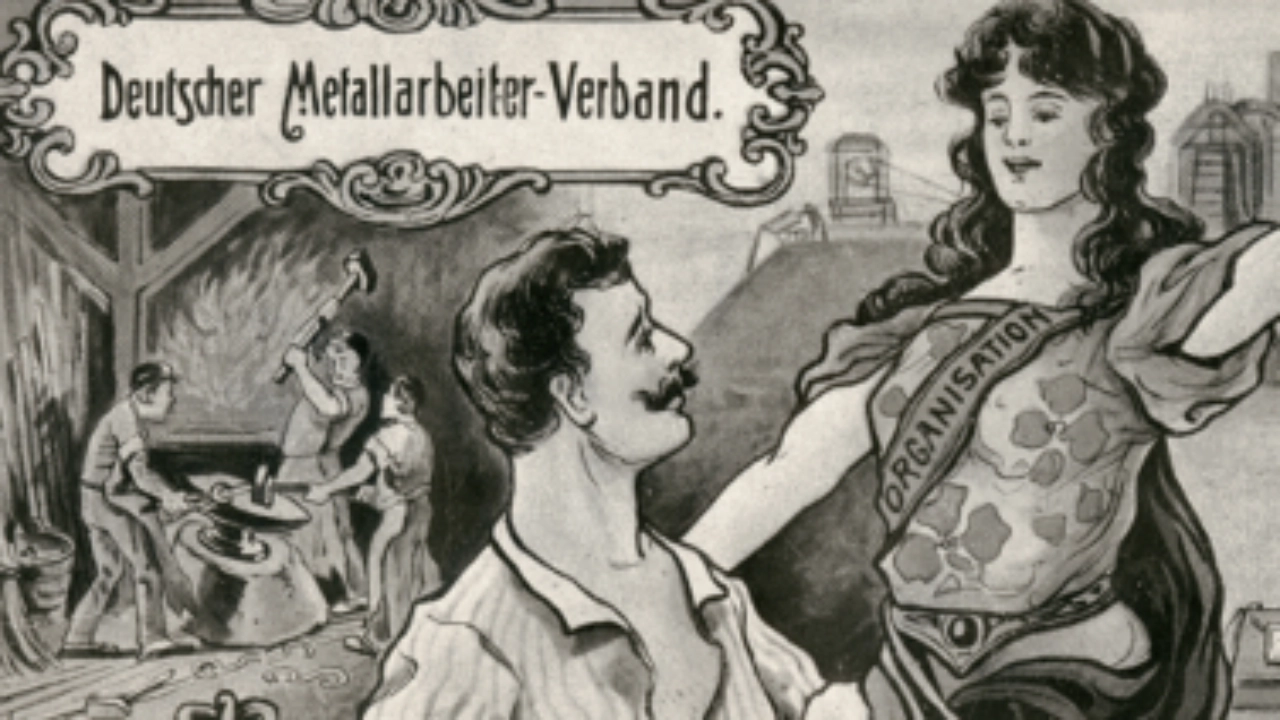
Ausschnitt einer Publikation des Deutschen Metallarbeiterverbandes.

19th Century

Starting in the 1830s, industrialization transformed the world of work: mass production replaced artisanal craftsmanship, and machines set the pace. The working class had no protections or rights. For a pittance, adults and children toiled 14 hours a day or more in the factories. Resistance was suppressed by a police state. Yet the workers organized themselves. (Photo: IG Metall)
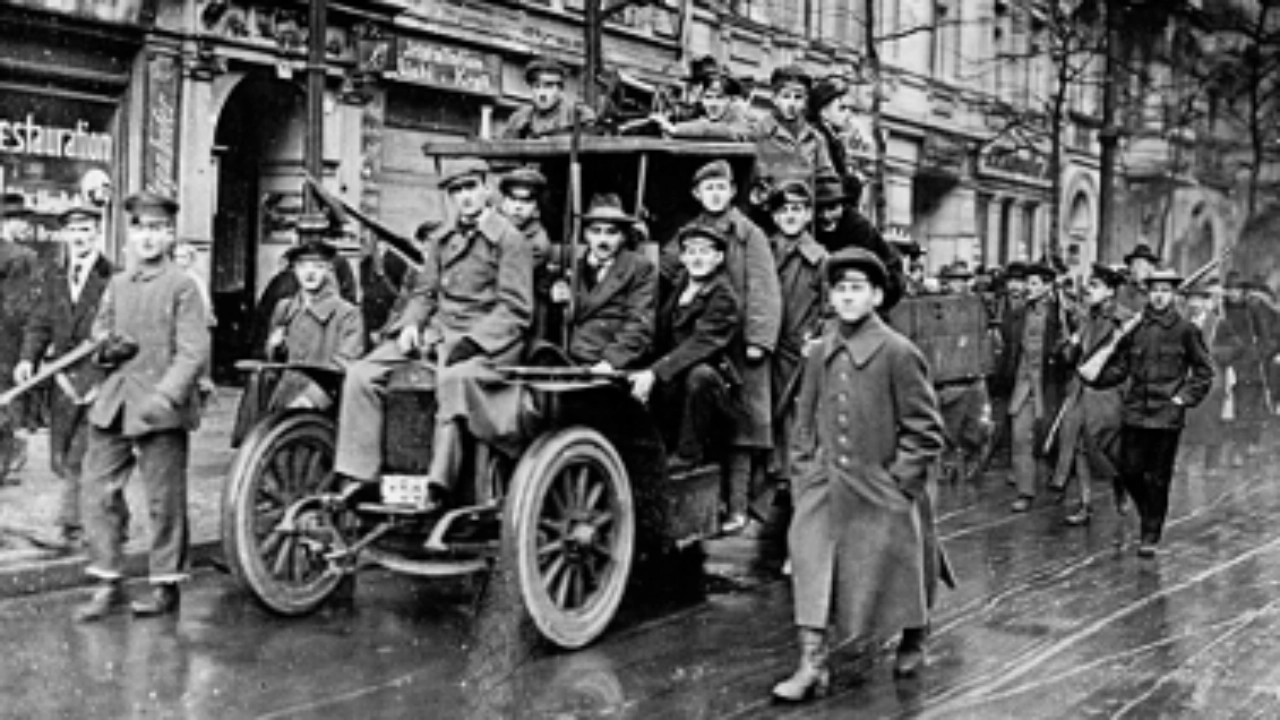
100 Jahre Novemberrevolution

Turn of the Century

As industrialization progressed, the plight of the working class worsened. But the unions fought back, demanding shorter workdays and free time for physical recovery. From 1910 to 1913 alone, there were around 9,000 strikes involving more than one million participants. It was not until the November Revolution that the eight-hour workday for all—six days a week—was achieved. (Photo: Berliner Verlag/Archive/pa)
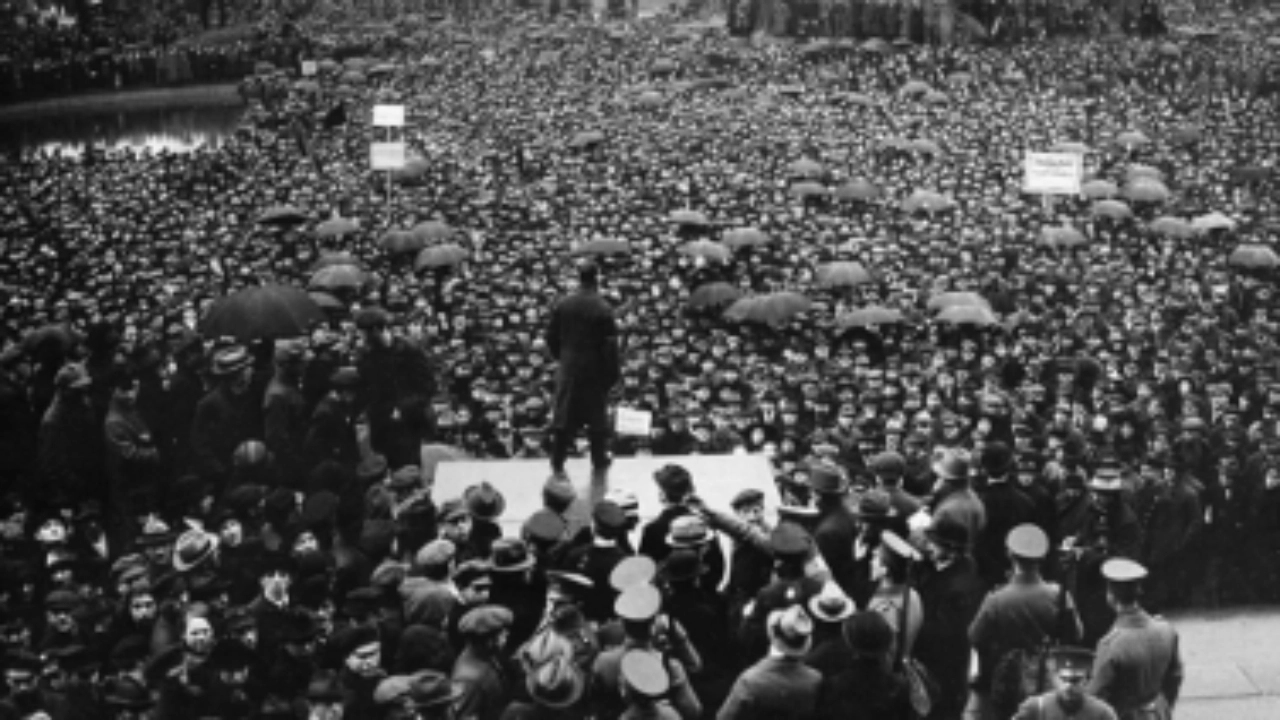
Kundgebung anlässlich des Betriebsrätegesetz 1920.

The 1920s

The Works Council Act of 1920 guaranteed the rights of employees in the workplace. Employers repeatedly sought to undermine the eight-hour workday. The unions fought back in fierce labor struggles. Yet internal conflicts arose within the working class. The Great Depression, inflation, and unemployment strengthened nationalist forces. (Photo: picture-alliance/akg-images)
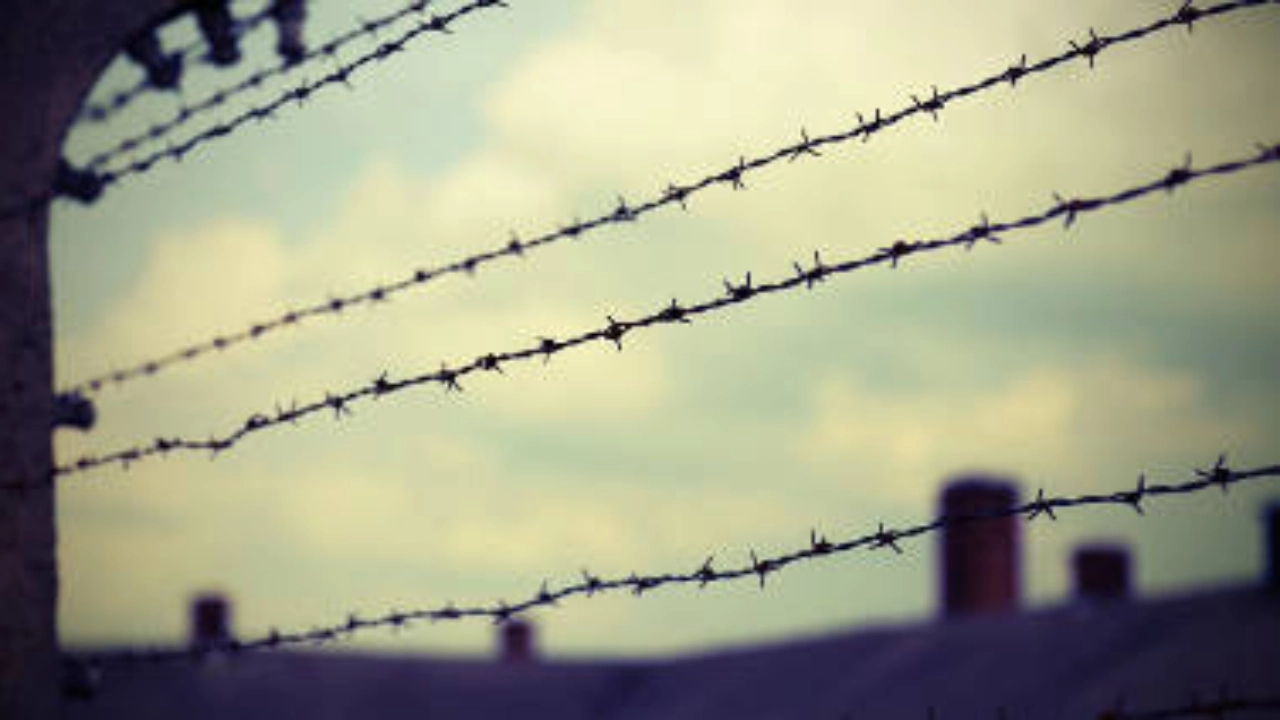
Ein Stacheldrahtzaun.

1933–1945

The National Socialists’ seizure of power marks the provisional end of free trade unions. On May 2, 1933, the fascists stormed the union headquarters—those who could not flee were arrested, tortured, and murdered. Many union members managed to go underground. From there, and even while in captivity, they continued to resist. (Photo: iStock/ChiccoDodiFC)
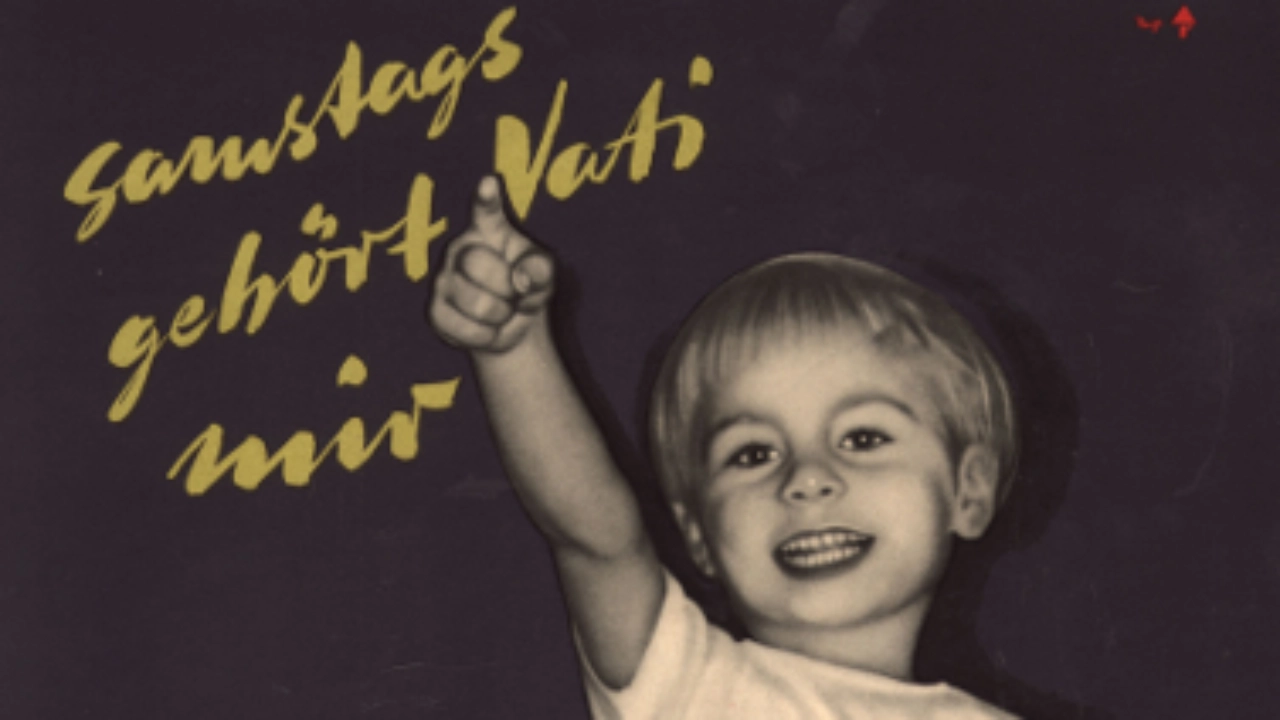
Plakat von 1956 zur Fünftagewoche.

Postwar period and the 1950s

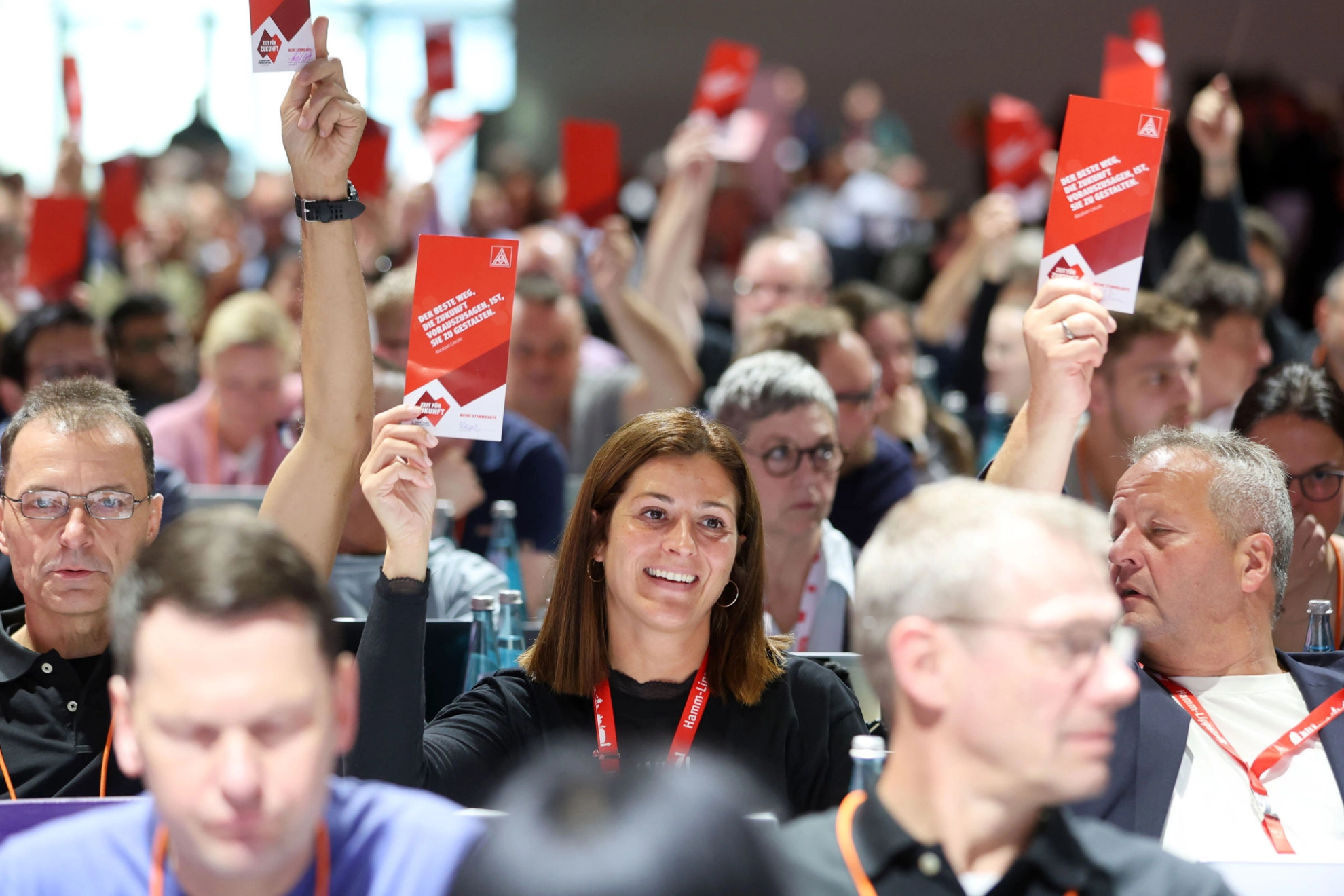
Workers and their works councils rebuilt the companies. In 1949, IG Metall was founded on the principle of a unified trade union—thus ending the division of the working class into Social Democrats, Communists, and Christians. In 1956, IG Metall secured the five-day workweek and fought for continued pay during sick leave for blue-collar workers as well. (Photo: DGB)
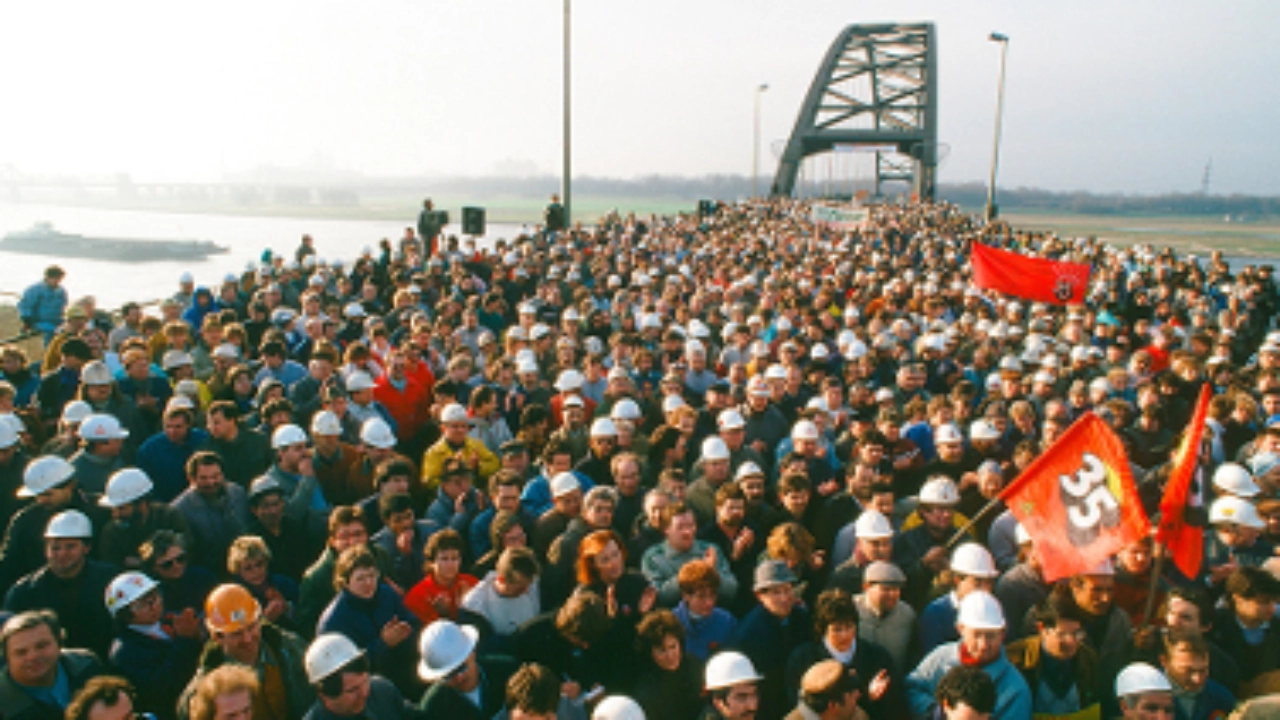
Stahlarbeiter demonstrieren 1988 auf der Brücke der Solidarität gegen die Schließung des Stahlwerks Duisburg-Rheinhausen

The 1960s through the 1980s

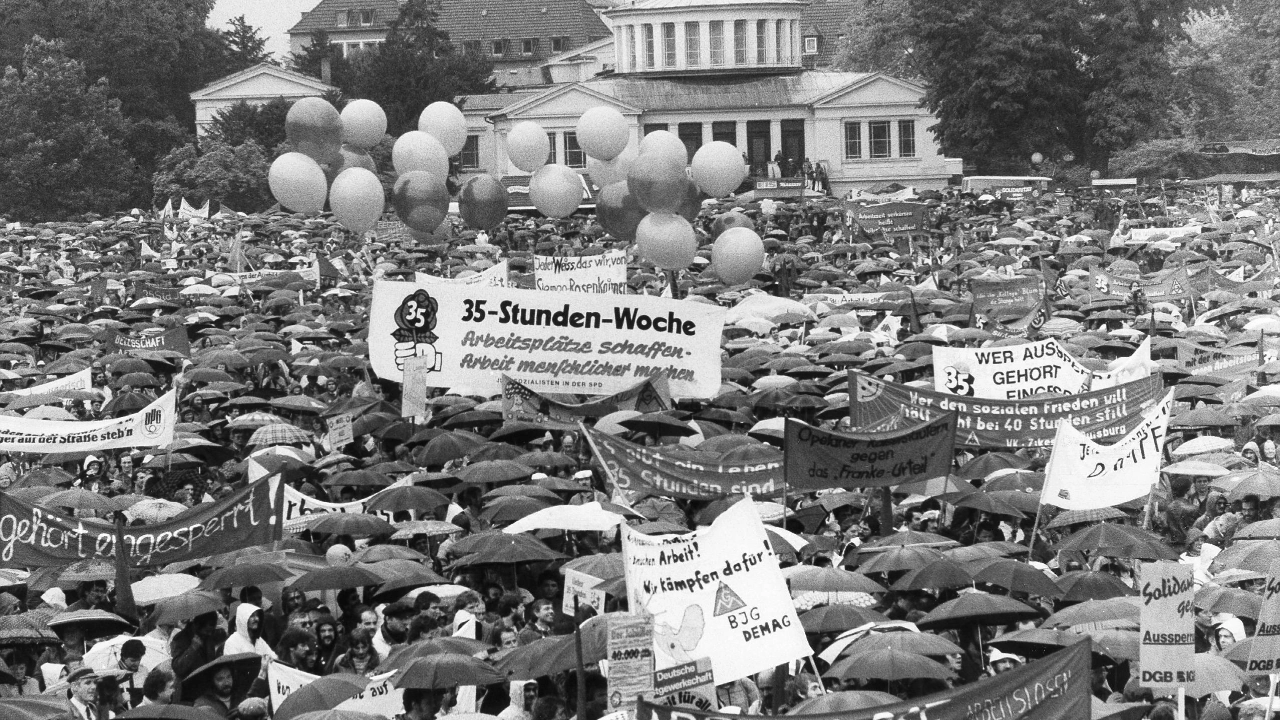
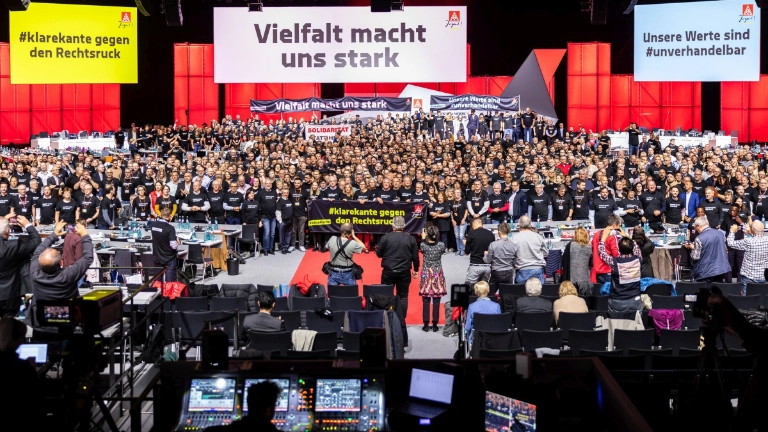
These years were marked by struggles for higher pay, more free time, and democracy in the workplace. IG Metall secured double-digit wage and salary increases and pushed through shorter work hours, more vacation time, and vacation pay. Union representatives were empowered and protected by collective bargaining agreements. In 1984, the transition to the 35-hour workweek was successfully implemented. (Photo: IG Metall)
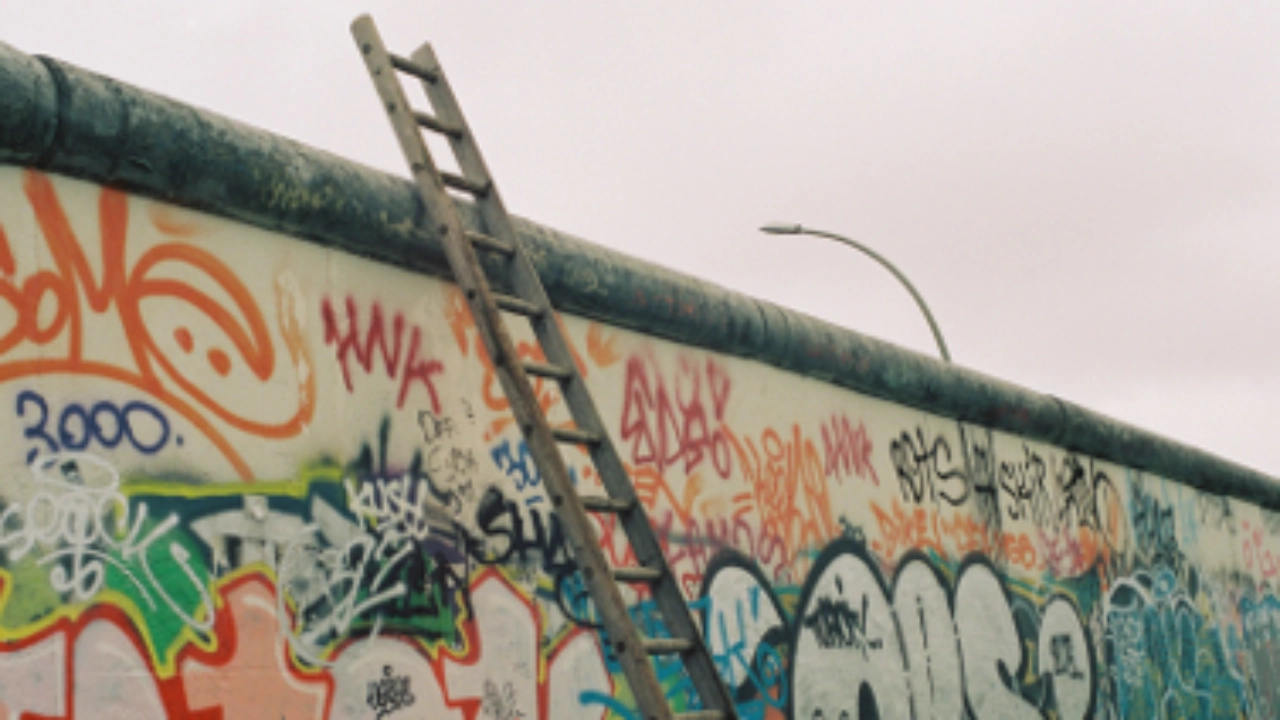
Eine Leiter lehnt an der Berliner Mauer.

The 1990s

After reunification, East German industry collapses. Millions of jobs are lost. The ensuing crisis and rising unemployment define the decade. Joining forces becomes necessary: IG Metall merges with the Textile and Apparel and Wood and Plastics unions. (Photo: iStock/NatalyaLucia)
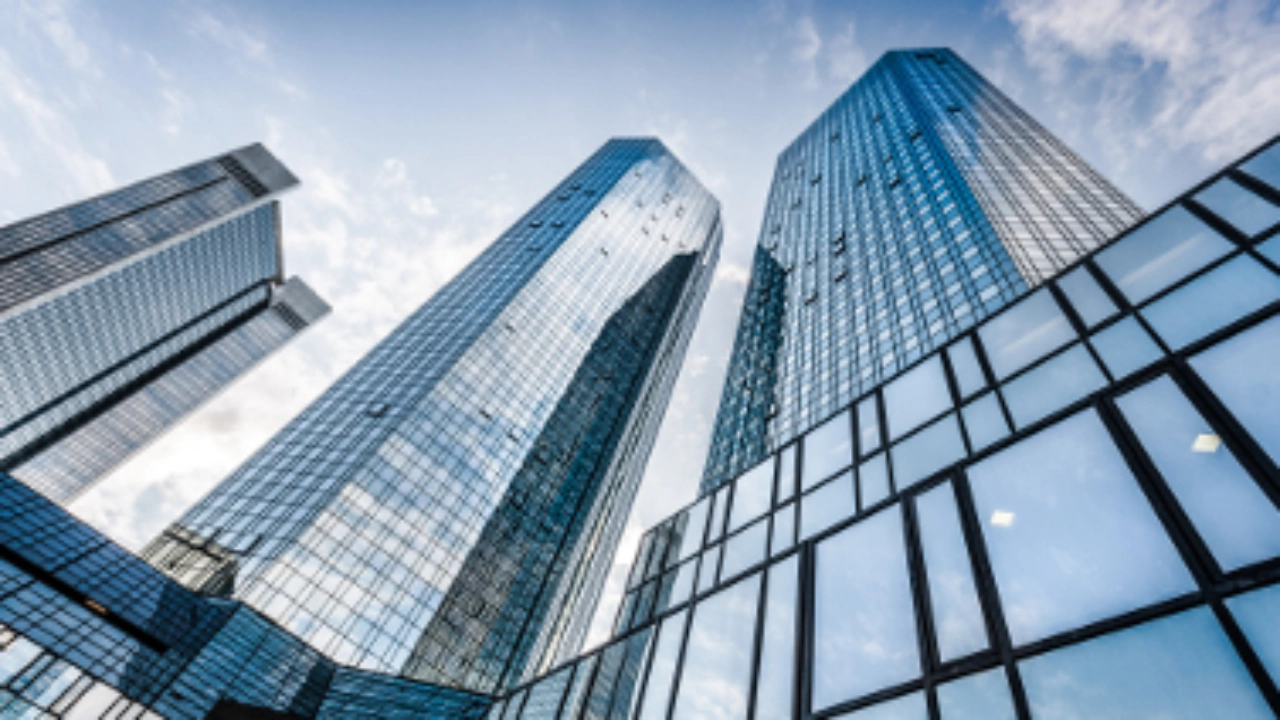
Ein Hochhaus in Frankfurt am Main.

The Turn of the Millennium

Job security, partial retirement, the hiring of trainees, and the fight against the abuse of temporary agency work are key priorities in the new millennium. During the 2009 financial and banking crisis, collectively bargained short-time work and reduced working hours with partial wage compensation prevent the worst effects on workers in Germany. (Photo: iStock/bluejayphoto)
Digitalisierung und Industrie 4.0

Today and Tomorrow

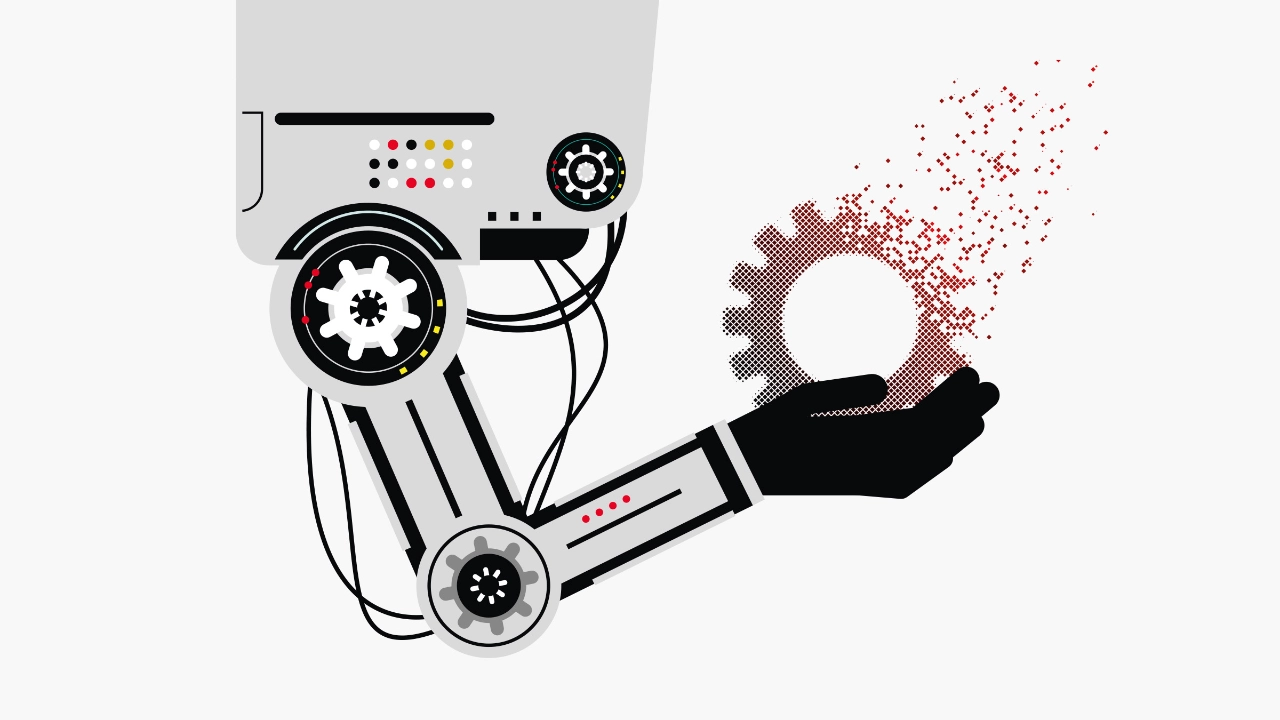
Now more than ever, it is essential to embed employee participation in the workplace. Collective bargaining coverage, greater equity in the workplace and society, the right to training, greater control over one’s own time, and shaping the digital world of work and the ongoing transformation are major challenges. We are rising to them. (Photo: IG Metall)

Subscribe to the newsletter