Employers and IG Metall have reached an agreement in the collective bargaining round forthe wood and plastics processing industryin the bargaining regions of Baden-Württemberg, Bavaria, Lower Saxony, and Bremen, as well as Rhineland-Palatinate, Saxony, Hesse, Westphalia-Lippe, Thuringia, and Saxony-Anhalt. The agreement provides for a one-time payment as well as a wage increase reflected in the pay scale, to be implemented in two stages. Nationwide, 14,500 employees had applied pressure through protests to drive progress at the negotiating table.
“This balanced collective bargaining agreement reflects the situation of the industry and its employees. The economic recovery requires sustained wage increases. This strengthens employees’ purchasing power. Common sense—both at the company and macroeconomic levels—has prevailed,” said Nadine Boguslawski, the union’s bargaining committee chair, assessing the first negotiation outcome from Baden-Württemberg.
Negotiation Outcome in Baden-Württemberg
Specifically, the outcome from Baden-Württemberg provides for a wage increase in two stages: starting in June 2026, there will be a permanent wage increase of 2 percent, followed by an additional 2.2 percent increase starting in July 2027. In addition, employees will receive a one-time payment of 300 euros in April 2026. Part-time employees will receive a pro-rated portion of the payment. Trainees will also receive a one-time payment of 150 euros, as well as a two-stage increase in their training allowance of 30 euros in each stage.
Companies facing demonstrable financial difficulties may defer the one-time payment but must pay their employees the money by early 2027 at the latest. The agreement is set to run for 27 months, through January 2028.
“This isn’t a result to celebrate, but one that fits the times. In a difficult economic environment, we’ve managed to agree on tangible pay increases and financial recognition for employees,” said Matthias Fuchs, IG Metall’s chief negotiator from Baden-Württemberg.
Negotiation Outcome in Bavaria
The approximately 10,000 employees covered by the collective bargaining agreement in Bavaria will also receive pay increases in two stages: an initial 2.0 percent in June 2026, followed by an additional 2.2 percent in July 2027.
In addition, all employees will receive a one-time payment of 200 euros in April 2026. Employees in the lower pay grades will receive another one-time payment of 200 euros in October 2026. Part-time employees will receive the one-time payments on a pro-rata basis. If the company faces difficult economic conditions, the one-time payments may be deferred until no later than April 2027.
Apprentice wages will increase in two stages by 50 euros and 40 euros. In addition, apprentices will receive a one-time payment of 150 euros. The collective bargaining agreement runs through the end of January 2028.
Negotiation Results for Lower Saxony and Bremen
Employers and IG Metall have also reached a negotiated settlement for the collective bargaining area covering Lower Saxony and Bremen: As of June 2026, scale wages will increase by 2.0 percent, followed by a further increase of 2.2 percent in July 2027. In addition, all employees and apprentices will receive a one-time payment of 100 euros.
The parties also agreed on an exclusive benefit for IG Metall members. These members will receive an additional one-time payment of 300 euros gross with their April 2026 paycheck. The payment is to be made exclusively to union members. “This one-time payment is a token of appreciation for those who make collective bargaining agreements possible in the first place: the members of IG Metall. The bargaining parties have recognized this and agree that commitment must be rewarded,” says Markus Wente, chief negotiator for IG Metall.
Part-time employees will receive a pro-rated portion of the one-time payments; apprentices will receive the full amount upon proof of membership, which represents a significantly higher-than-proportional payment. In addition to the union bonus, apprentices will also benefit tangibly from the agreement. Apprenticeship wages will increase in two stages, effective September 1, 2026, and September 1, 2027, for a total increase of 120 euros. The collective bargaining agreement is valid through the end of January 2028.
Negotiation Results in Rhineland-Palatinate and Hesse
In the collective bargaining regions of Rhineland-Palatinate and Hesse, the outcome of the negotiations differs from that in Baden-Württemberg in terms of the amount and timing of the one-time payment, the percentage increases, and the term of the agreement.
Negotiation Results in Saxony
IG Metall and employers in the wood and plastics industry in Saxony have also reached a collective bargaining agreement. The agreement provides employees with wage increases, a one-time payment, and a catch-up component. Specifically, the agreement provides for a one-time payment of 300 euros in April 2026, with apprentices receiving 150 euros. Starting in June 2026, wages will increase by 2 percent, followed by a further increase of 0.8 percent in March 2027 and a 2.2 percent increase in July 2027. Apprentice wages will be raised by 50 euros in both August 2026 and August 2027. The collective bargaining agreement runs through the end of January 2028.
Negotiation Results in Westphalia-Lippe
IG Metall NRW has reached a collective bargaining agreement with the Westfalen-Lippe Association of the Wood and Plastics Processing Industry and the Trade Association of Custom Furniture Manufacturers. Wages for the approximately 30,000 employees in the wood and plastics processing industry will increase by 2 percent as of June 1, 2026, and by an additional 2.2 percent as of July 1, 2027. In addition, employees will receive a one-time payment of 300 euros in April 2026. Part-time employees will receive this one-time payment on a pro-rata basis, with a minimum of 200 euros.
Apprentice wages will increase by 45 euros starting August 1, 2026, and by an additional 45 euros per month for each year of training starting August 1, 2027. In addition, apprentices will receive a one-time payment of 200 euros. The collective bargaining agreement expires on January 31, 2028.
Negotiation Results for Thuringia
The wages of the approximately 20,000 employees in the wood and plastics processing industry in Thuringia will increase in four stages: Starting June 1, 2026, wages will increase by 2 percent; starting November 1, 2026, by 0.7 percent; starting April 1, 2027, by 0.8 percent; and starting July 1, 2027, by an additional 2.2 percent. In addition, employees will receive a one-time payment of 300 euros in April 2026.
Apprentice wages will increase by 70 euros starting August 1, 2026, and by an additional 30 euros per month for each year of training starting July 1, 2027. The collective bargaining agreement expires on February 29, 2028.
Negotiation Results for Saxony-Anhalt
For the 4,500 employees in the wood and plastics processing industry in Saxony-Anhalt, the agreement provides for a 2 percent pay increase effective June 2026 and a further 2.2 percent increase effective June 2027. In addition, employees will receive a one-time payment of 300 euros.
Apprentice wages will increase in two stages, effective August 1, 2026, and August 1, 2027, for a total increase of 120 euros. They will also receive a one-time payment of between 180 and 300 euros, depending on their year of training. The collective bargaining agreement is valid through January 2028.
Hundreds of Employees Gather Outside the Negotiation Venue
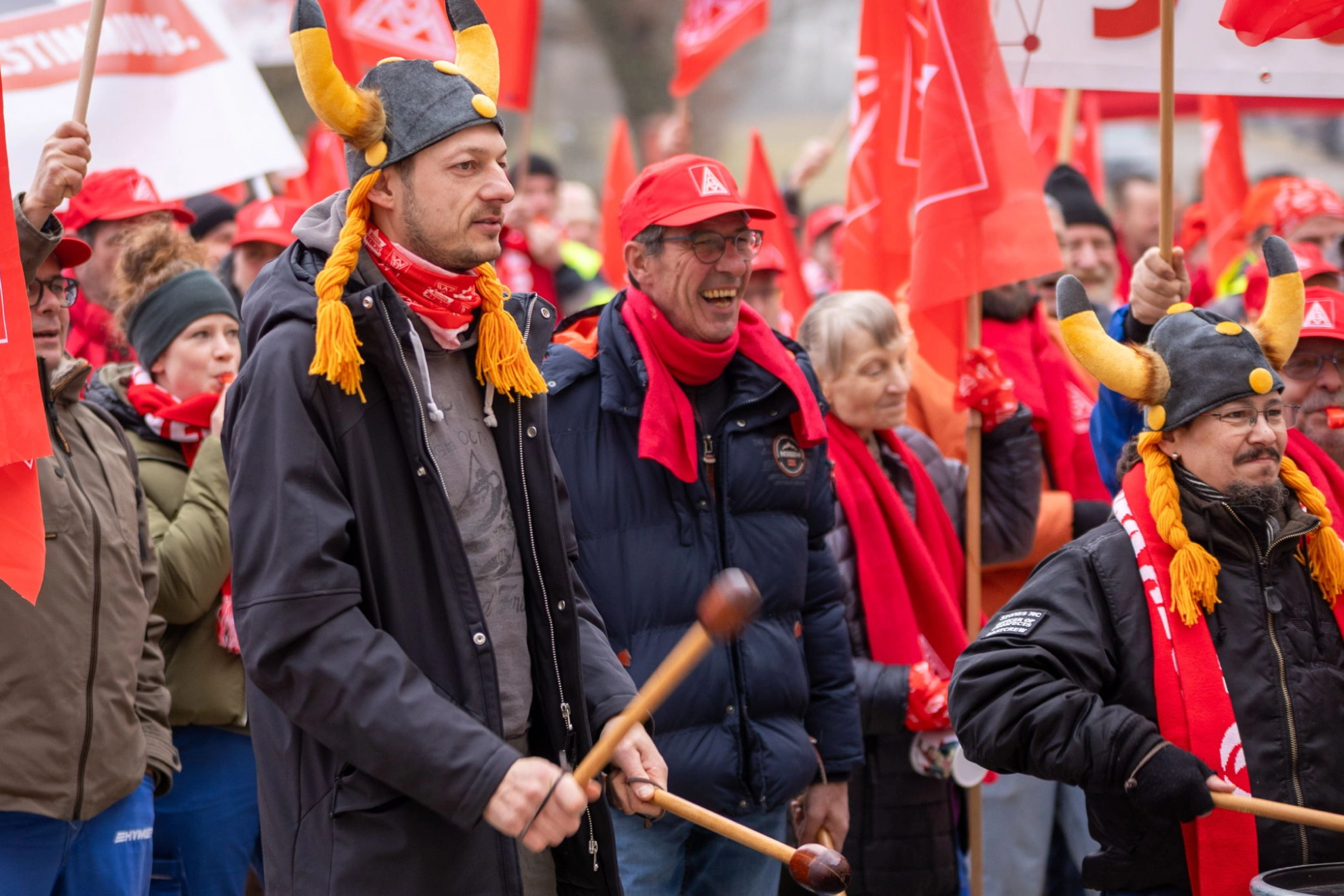
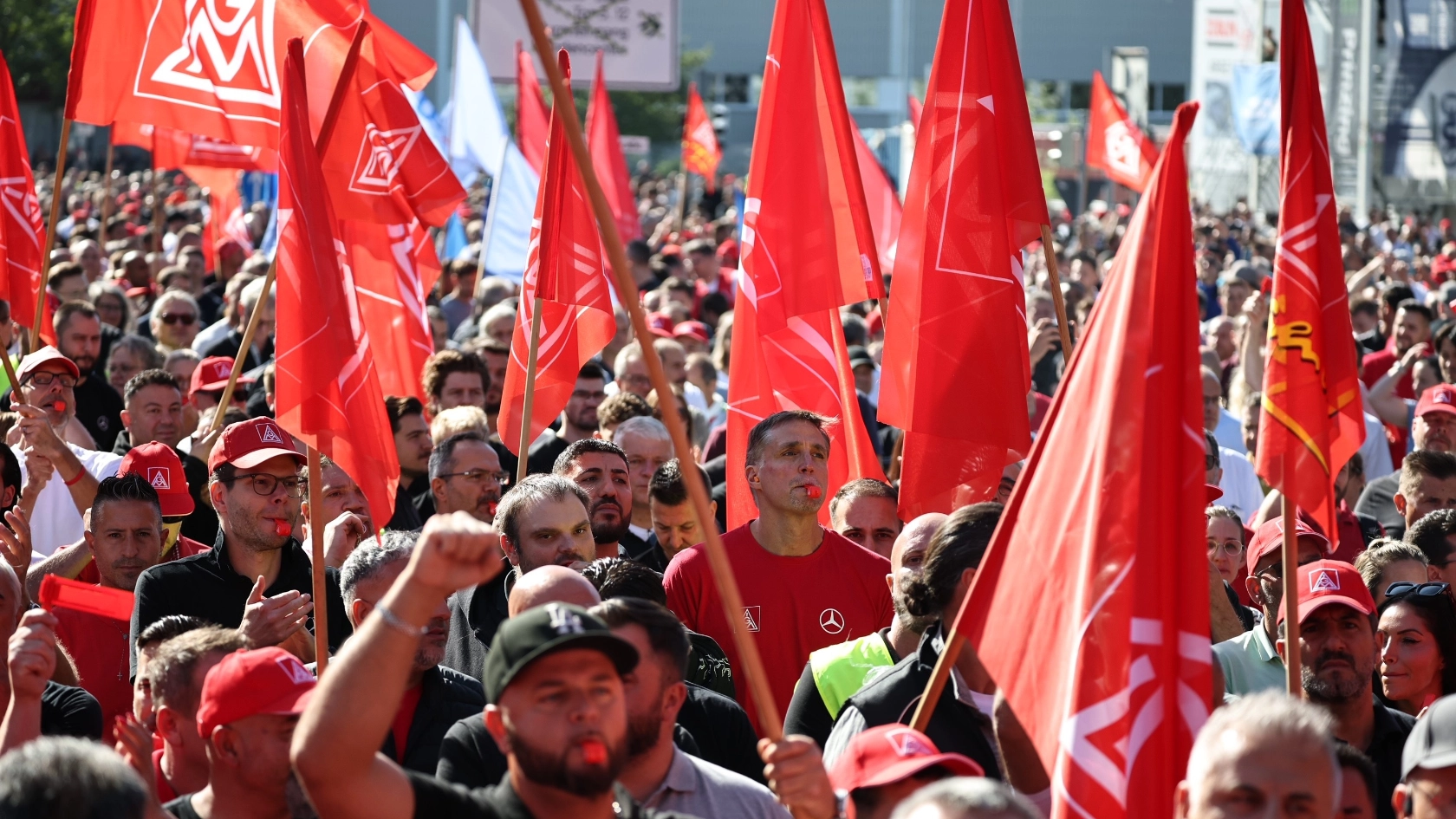
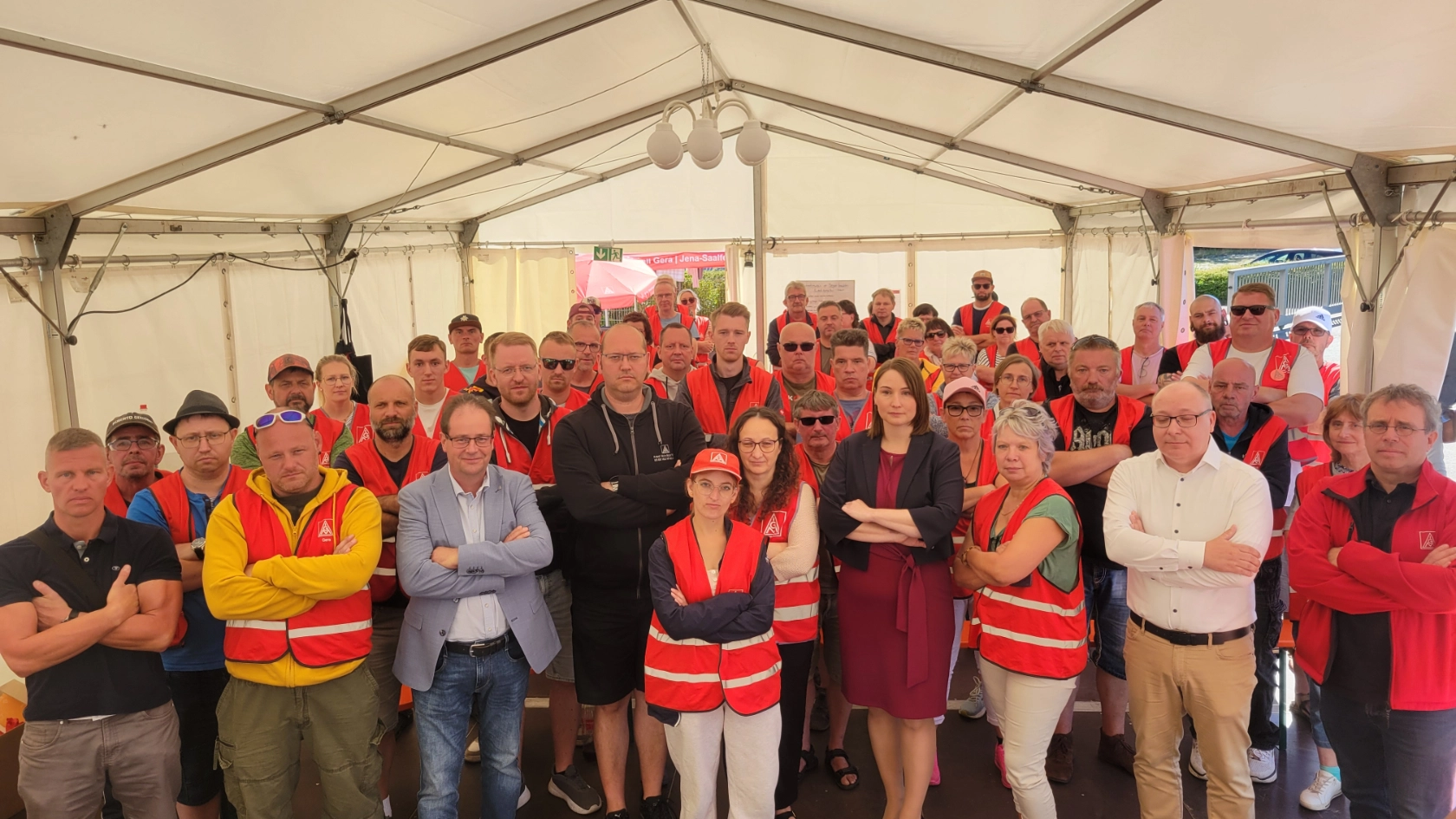
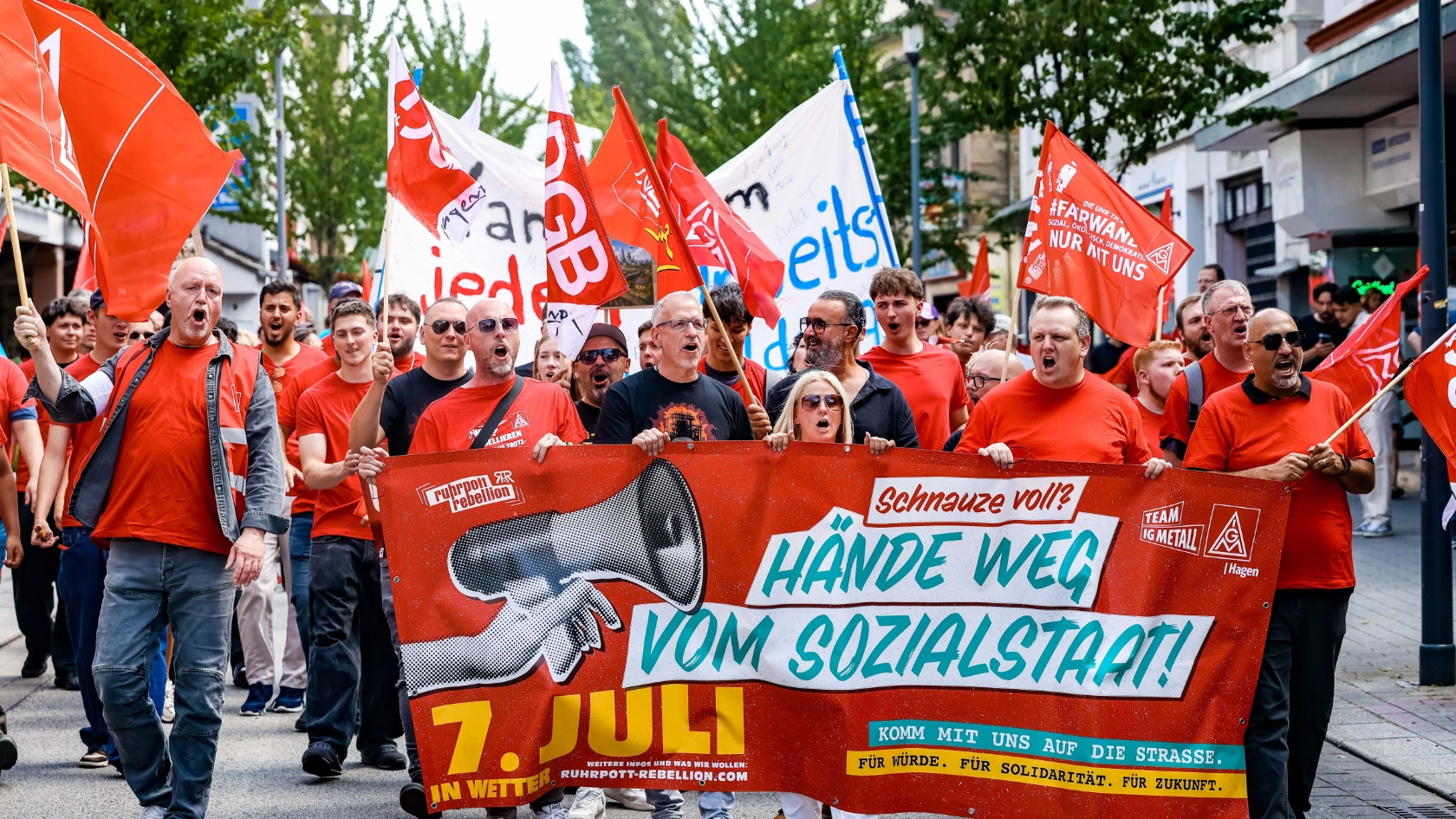
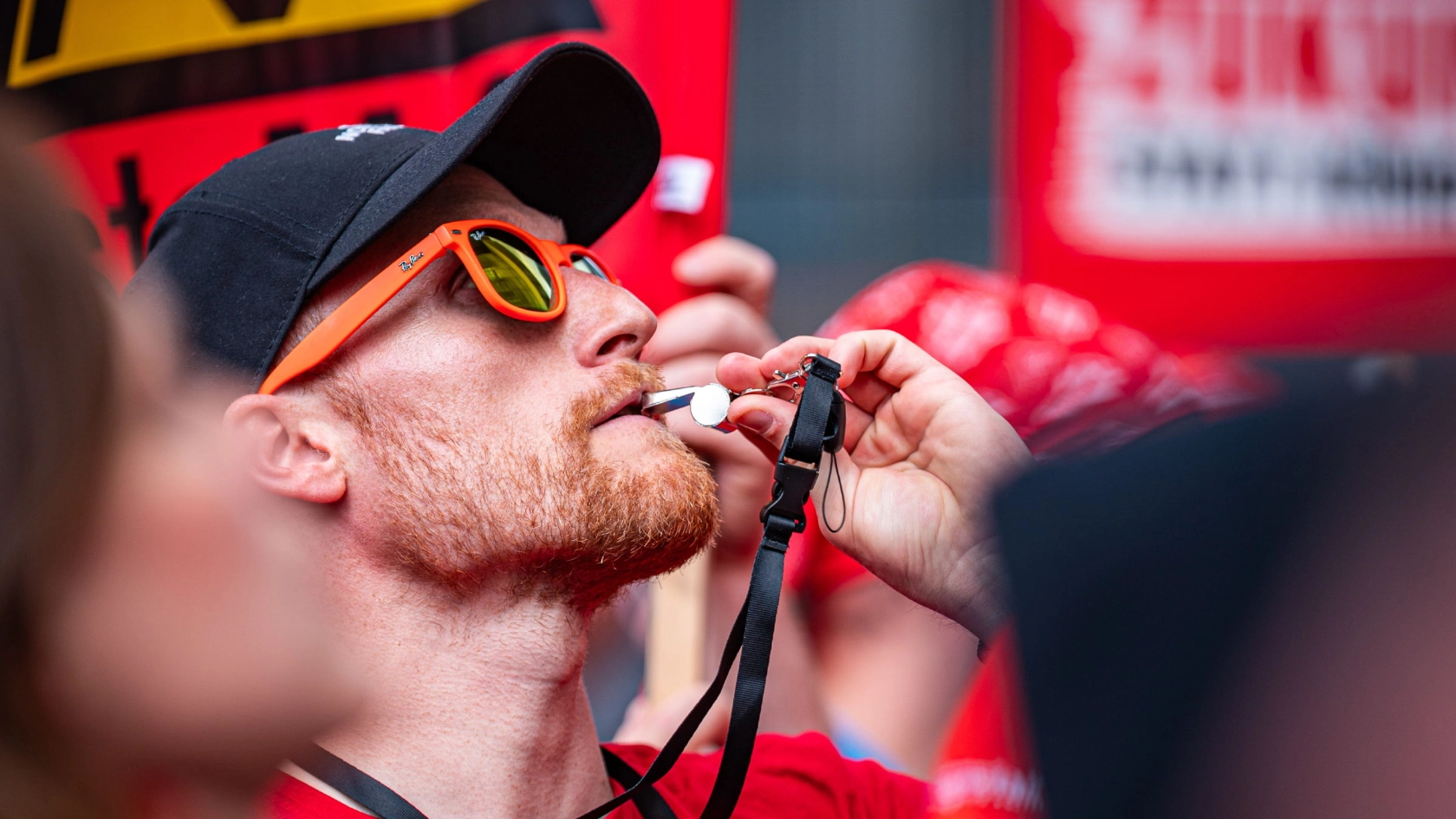
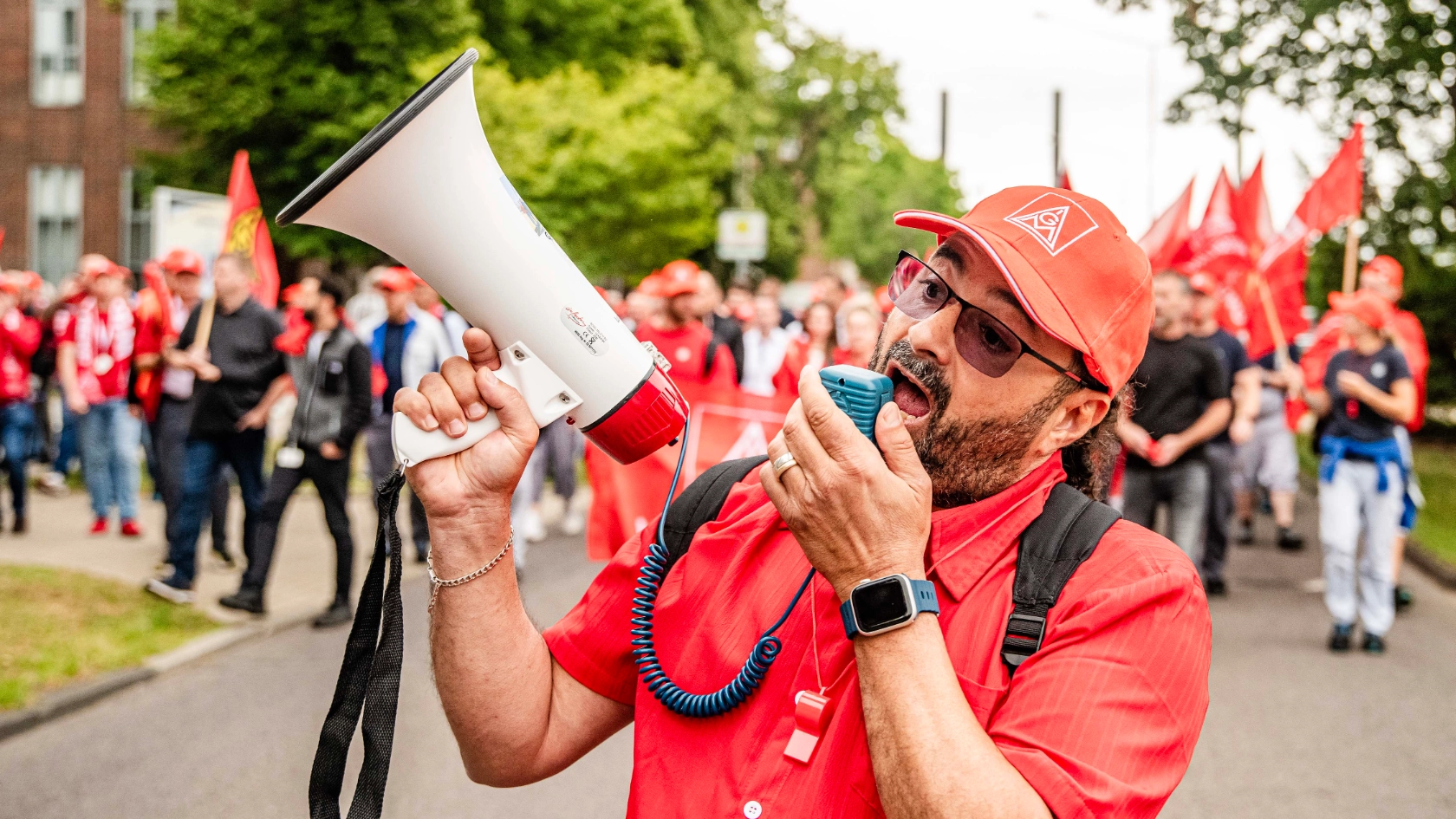
Starting on January 12, numerous employees across Germany had participated in protests and warning strikes outsidefactory gates. Before negotiations began in Laupheim, Baden-Württemberg, 500 employees showed their support for the negotiating committee during a large warning strike. “That was a great demonstration outside the negotiation venue. Our colleagues delivered everything that makes for a good warning strike,” affirmed IG Metall collective bargaining expert Inga Neumann. “Without their commitment, the breakthrough in the negotiations would not have been possible.” A total of 7,500 people participated in warning strikes during this round of collective bargaining.