Automatic translation
This article has been translated automatically using computer technology. While we strive for accuracy, some wording or details may differ from those in the original article.
This translation was not manually reviewed. For important facts, quotations or legally sensitive information, please consult the German original. Individual selections, images, embedded media or technical terms may have been translated differently or incompletely.

Employees Have a Say How co-determination works in the workplace—and what it achieves

Employees in German companies have co-determination rights. This is democracy in the workplace and also benefits companies. How we can expand co-determination—and where it is currently under threat.

Betriebsräte von ZF Friedrichshafen in Ahrweiler im Gespräch mit einem Kollegen

18 March 2026 18 March 2026


In Germany,democraticemployeeparticipationis enshrined in law. This gives employees a voice in their workplaces and companies. Employees can participate in decision-making at two levels: at the workplace through their works council, and atthe corporate level through their representatives on the supervisory board.

One of the most important laws on co-determination is now turning 50: theCo-Determination Act of 1976(see below).

IG Metall says: It’s high time for an update. Becauseco-determinationhas developed loopholes over time.

One problem, for example, is certain European Union (EU) legislation, such as the“European Company.” This legal form allows companies to circumvent co-determination.

A new proposal from the European Commission could further erode co-determination: According to the proposal, a new legal form called “EU-Inc.” would be introduced for companies in the future. The consequences would be: new ways to circumvent German corporate co-determination and major risks for employees.

Vote for the Works Council—Strengthen the IG Metall Team

2026 Works Council Elections

Works council elections are coming up in thousands of companies. A works council makes the workplace safer, better, and healthier. Works councils supported by IG Metall’s advice, guidance, and training can achieve more. So: Go vote. Make our “Team IG Metall” strong.

Learn More

Dare to embrace more democracy

Businesses and companies where employees have a say in decision-making offer better working conditions: They provide higher and fairer wages, more training and continuing education, are more family-friendly, and offer more secure jobs.

But co-determination also benefits companies. Employees contribute their ideas and knowledge. As a result, companies are more productive, innovative, and sustainable. They invest more and often generate better returns. This is shown by a recent research overview from the Böckler Foundation.

Expand rather than erode—this is the course IG Metall is fighting for when it comes to co-determination.

Alongside collective bargaining agreements, democratic employee participation is the most effective tool for ensuring decent work and fair employee involvement.


This is what IG Metall demands regarding co-determination

  1. Extend Co-determination to Companies Organized Under Foreign Legal Forms
    More and more companies in Germany are using foreign and European legal forms to circumvent German co-determination requirements. The following must apply: Any company operating in Germany is also subject to German co-determination rules—regardless of its registered office or legal form.
  2. Prevent circumvention by resorting to other legal forms
    The European Company (SE) is frequently used to freeze or avoid co-determination. A reform of SE law is necessary to prevent abuse and ensure dynamic co-determination.
  3. Closing the “gap in the one-third participation rule”
    Certain groups of employees have so far been excluded from the calculation of employee numbers. This gap must be closed so that the statutory one-third representation includes all employees.
  4. Introducing an effective sanctions regime and improving the right to file motions
    A sanctions regime for cases of unlawful failure to apply co-determination; a right for unions to file motions in status proceedings, including in the area of one-third representation.
  5. Active advocacy by the federal government for an EU directive on co-determination
    Europe needs binding minimum standards rather than new corporate structures. The federal government must advocate for an EU directive on corporate co-determination.
  6. Lowering the threshold for equal co-determination to 1,000 employees
    Democratic participation must also be ensured in modern corporate structures. The reality of companies in 1976 is outdated; co-determination must take this fact into account.
  7. Abolish double voting rights
    All too often in recent years, we as a union have observed that votes on the supervisory board are no longer the result of dialogue, but rather that the employee side is outvoted due to the double voting right. This is not how social partnership works.


How Co-determination Works

Workplace co-determination through the works council:

In companies with five or more employees, works councils are elected. This is stipulated in the Works Constitution Act. This law governs employees’ rights to information and co-determination, as well as cooperation between their elected representatives and their employer. The Works Constitution Act was enacted in 1952 and amended in 1972 and most recently in 2001.

The works council has established rights that it can enforce before a labor court if necessary. For example, the works council has a say in determining the start and end times of the workday, overtime, occupational safety and health measures, training and continuing education, and the design of workstations. The works council must be informed about personnel planning and consulted on terminations.

Learn more about employee participation in the workplace here


Corporate co-determination through the supervisory board:

Employees at corporations with more than 500 employees elect their own employee representatives to their company’s supervisory board. The supervisory board appoints, advises, and oversees the executive board and reviews the annual financial statements.

The proportion of employee seats on the supervisory board depends on the number of employees at the company. In corporations with up to 2,000 employees, one-third of the supervisory board members are employee representatives; in corporations with more than 2,000 employees, half are employee representatives (equal co-determination)—with the management side appointing the chair of the supervisory board, who has double voting rights and thereby secures a majority for the management side. Equal co-determination also applies in companies in the mining and steel industry with more than 1,000 employees.

Learn more about co-determination on the supervisory board here
Co-determination
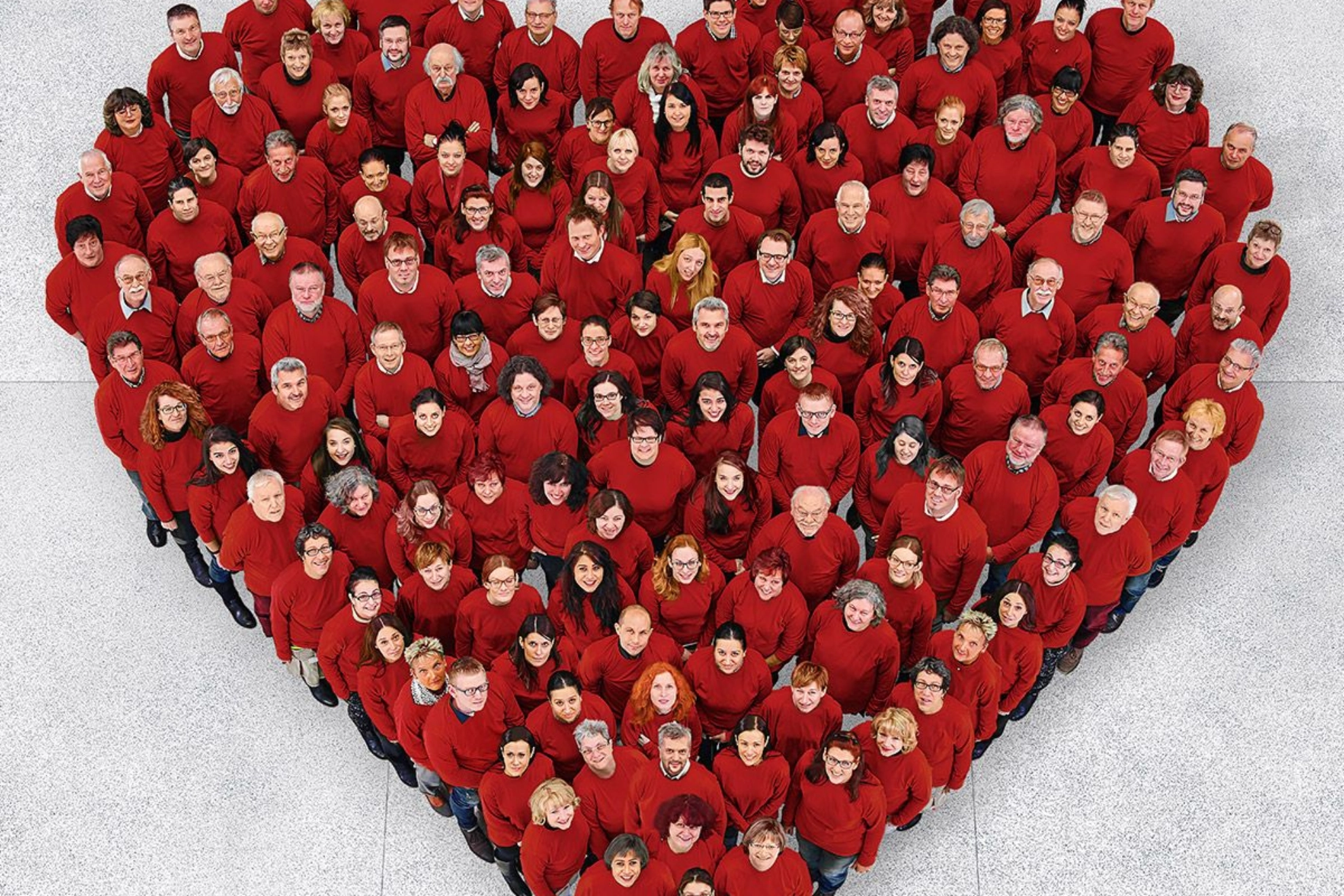
Beschäftigte stehen zu einem großen Herz zusammen
Become a Member
Become part of a strong community

From legal protection in labor and social security matters to fair wages and salaries—we provide personalized and reliable support to our members.

New on igmetall.de
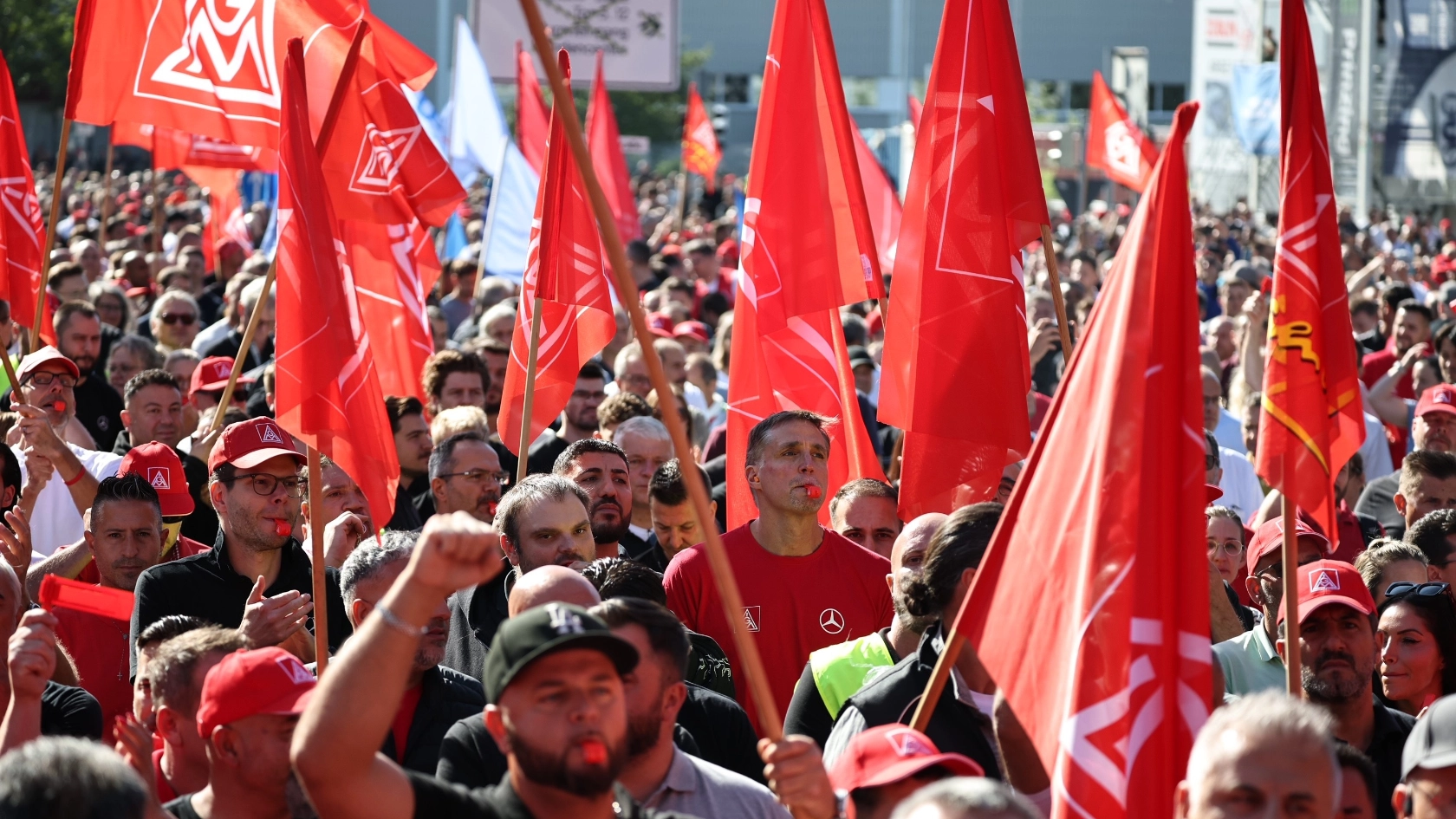
Aktionstag bei Mercedes Benz, Daimler, in Sindelfingen gegen die Angriffe auf Beschäftigten in der Automobilindustrie.
Resistance to Attempts at Drastic Cuts Auto industry workers issue a warning
Sie wollen doch nur dein Bestes
Redistribution Making Germany more equitable: We need this tax reform now
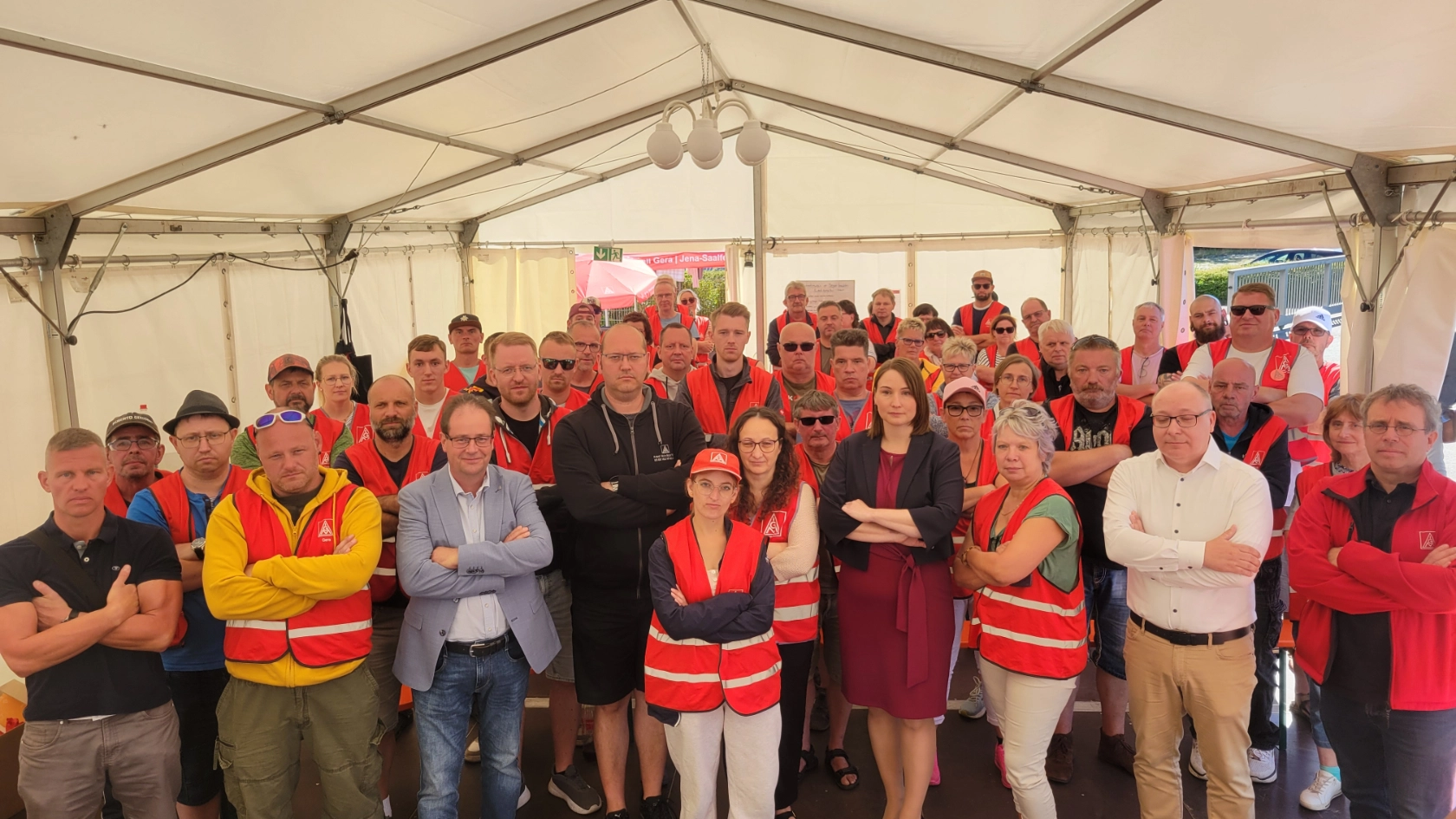
Der Streik bei Kelvion in Nobitz-Wilchwitz begann am 4. August 2026. Die Geschäftsleitung will nach Sarstedt/Niedersachsen verlagern - obwohl die Produktion in Wilchwitz profitabel und bis ins nächste Jahr ausgelastet ist.
"It’s worth fighting for!" Kelvion workers strike for a social collective bargaining agreement
Beschäftigter arbeitet an einem Getriebe in einer Fabrik
Working Hours Why working longer doesn’t help—and actually does more harm than good
Ein männlicher Land- & Baumaschinenmechatroniker prüft einen Traktor mit einem Tablet
2026 Collective Bargaining Agreement for the Metalworking and Agricultural Engineering Sectors Greater Flexibility in the Metalworking and Agricultural Engineering Sectors in Lower Saxony and Bremen
Elektronikerin prüft die Spannung an einem Schaltschrank.
2026 Collective Bargaining Round for the Electrical Trades Wage Increase in the Electrical Trades in Berlin-Brandenburg
Benjamin Heine ist Mitarbeiter der BMA in Braunschweig
2026 Collective Bargaining Round for Metal Fabrication and Precision Engineering Higher Wages in the Metal Fabrication and Precision Engineering Sectors in Southwest Germany
Metall-Arbeiter beim Schleifen
2026 Collective Bargaining Round for the Metalworking Trade Employees in the Berlin-Brandenburg metalworking sector will receive higher pay
Beschäftigte von Thyssenkrupp demonstrieren in Essen am 23. Mai 2024 gegen das Vorgehen der Geschäftsführung beim geplanten Teilverkauf des Unternehmens.
Defend the welfare state All dates for nationwide actions against cuts to social services
IGM Aktion VW Wolfsburg
On September 21, things will get loud Nationwide Day of Action: Auto Industry Workers Fight Back Against Mass Layoffs
Auszubildender in einer Schreinerei
Apprenticeship Wages Questions and Answers About Apprenticeship Wages
MINT-Berufe, etwa Industriemechanikerin oder Industriemechaniker, sind bei den Betrieben sehr gefragt.
When Your Apprenticeship Isn’t Going Well Having problems with your apprenticeship? We have solutions

Subscribe to the newsletter