Jobs and the Future Secured at Brose
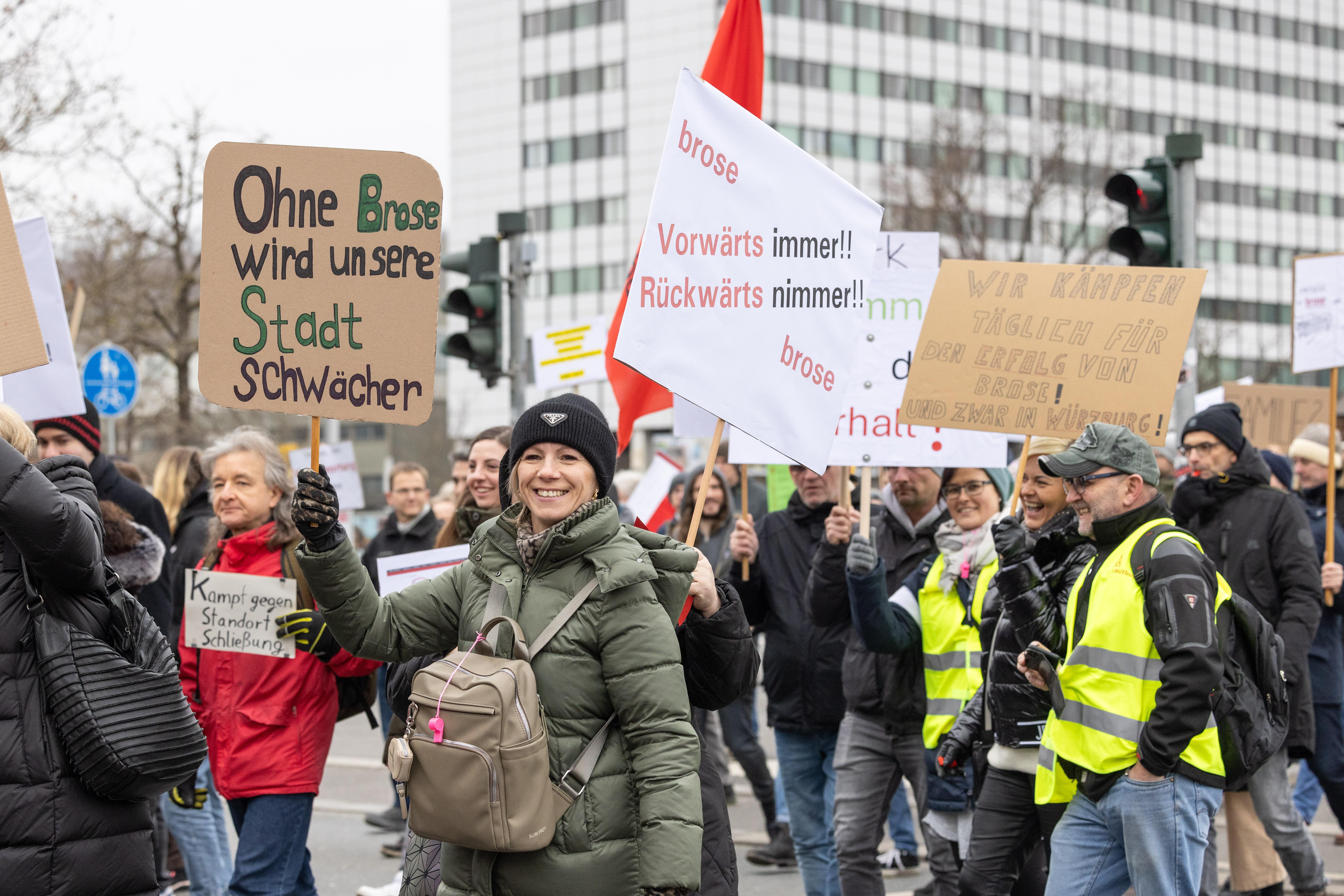
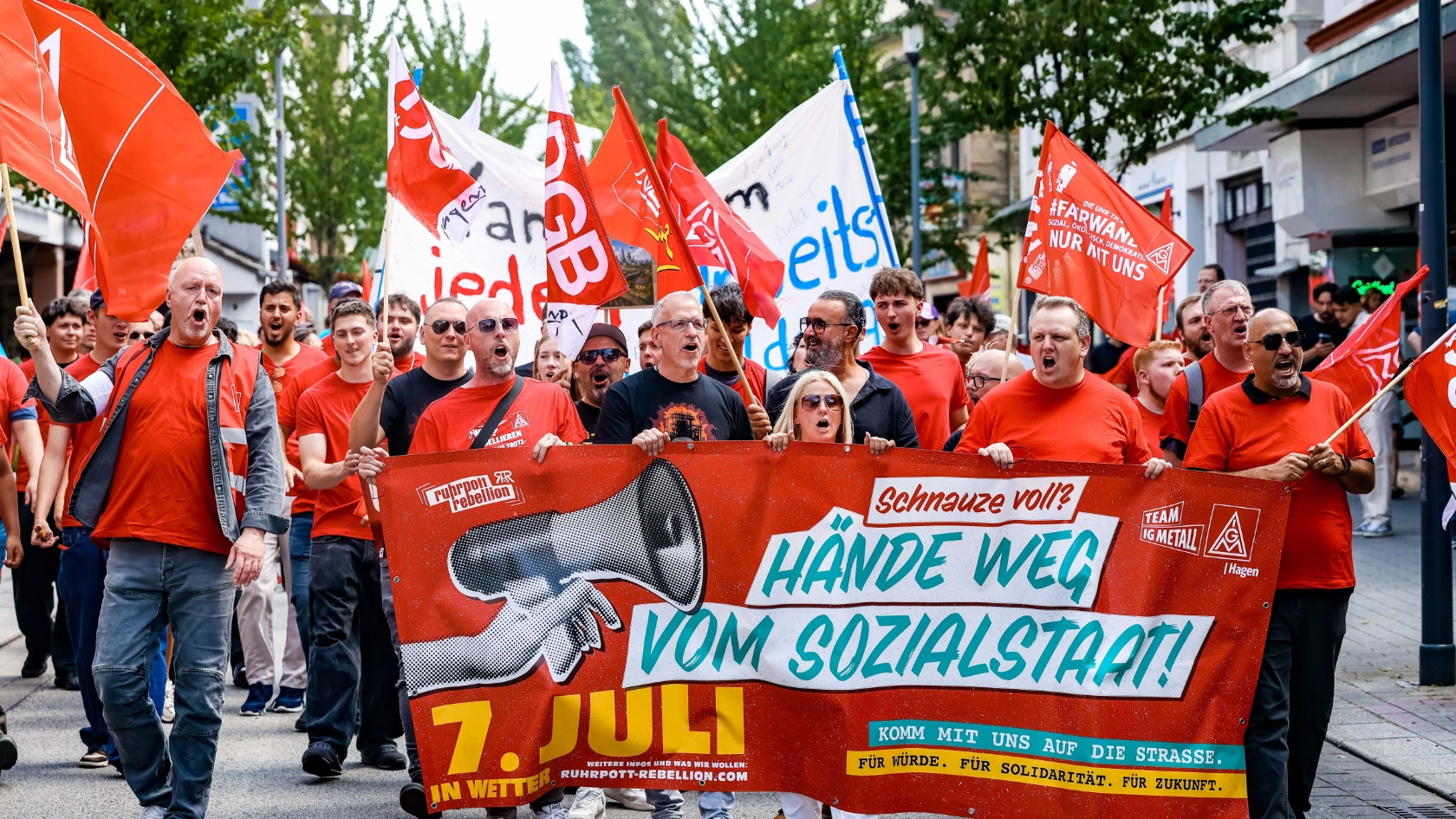
The 70-year-old facility of automotive supplier Brose in Würzburg was slated for closure, with 1,400 employees set to lose their jobs. But the works council, together with IG Metall, organized resistance. They demonstrated, collected signatures, and applied pressure through the media. And the works council proposed solutions to make the facility even more profitable.
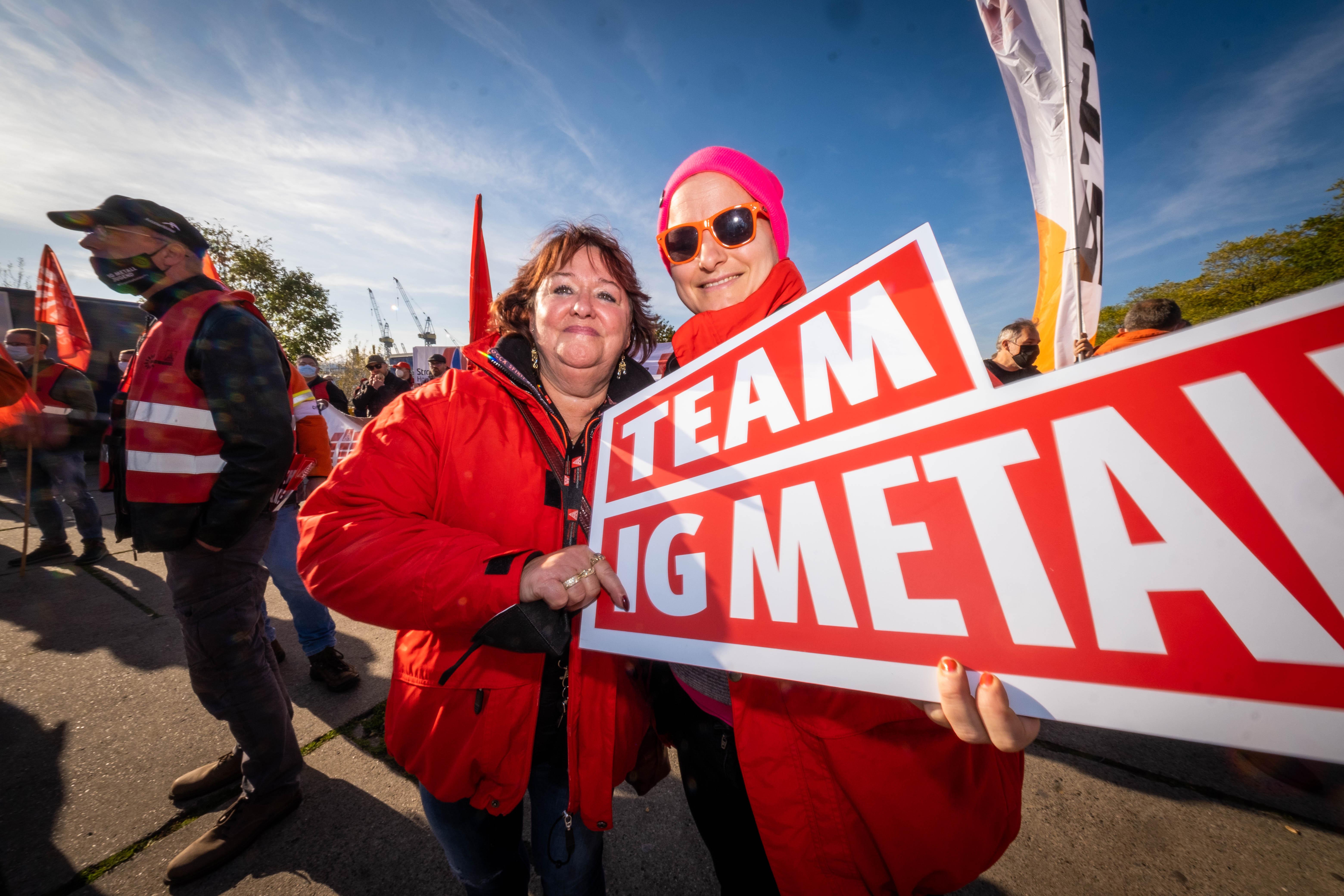
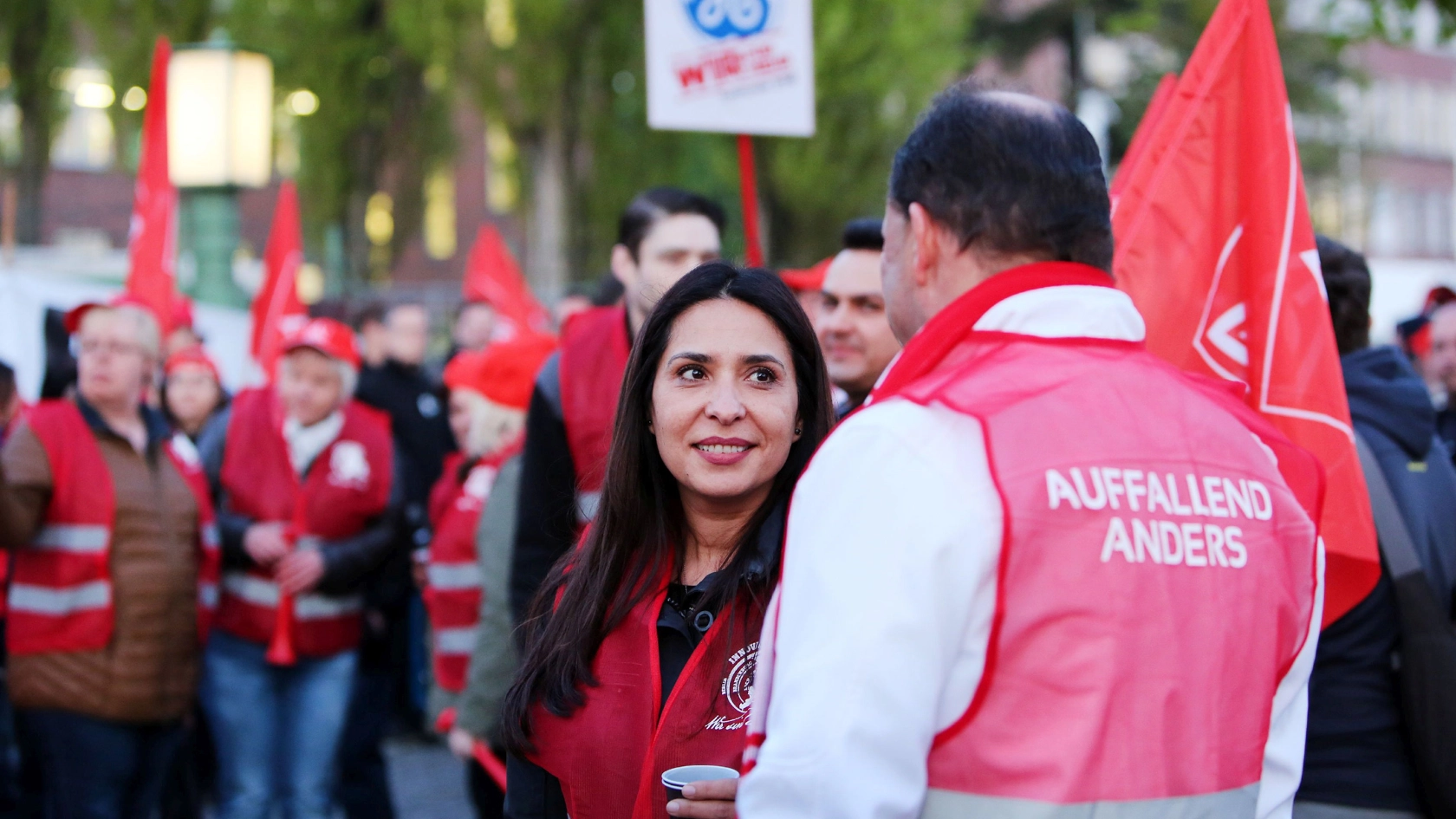
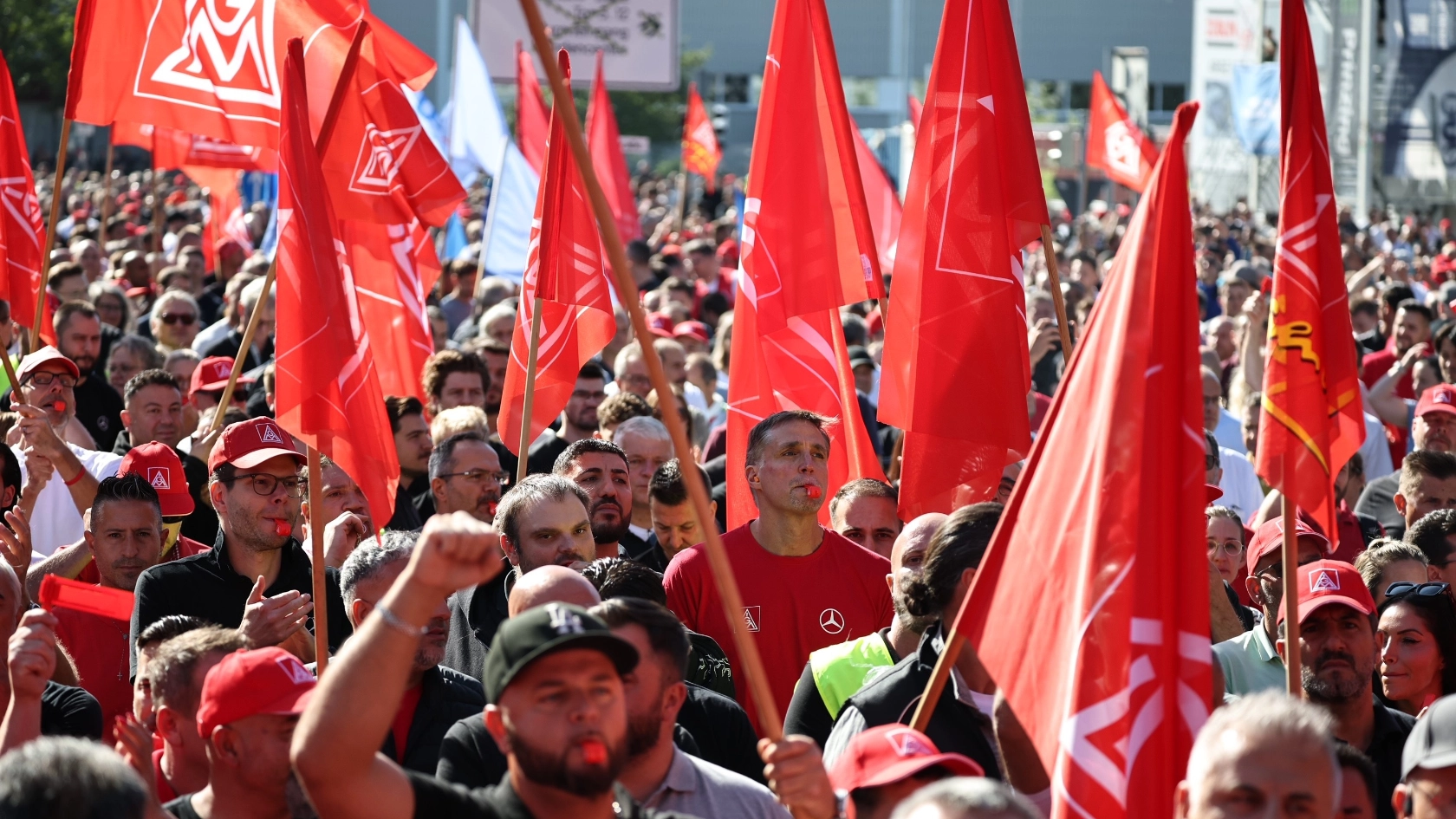
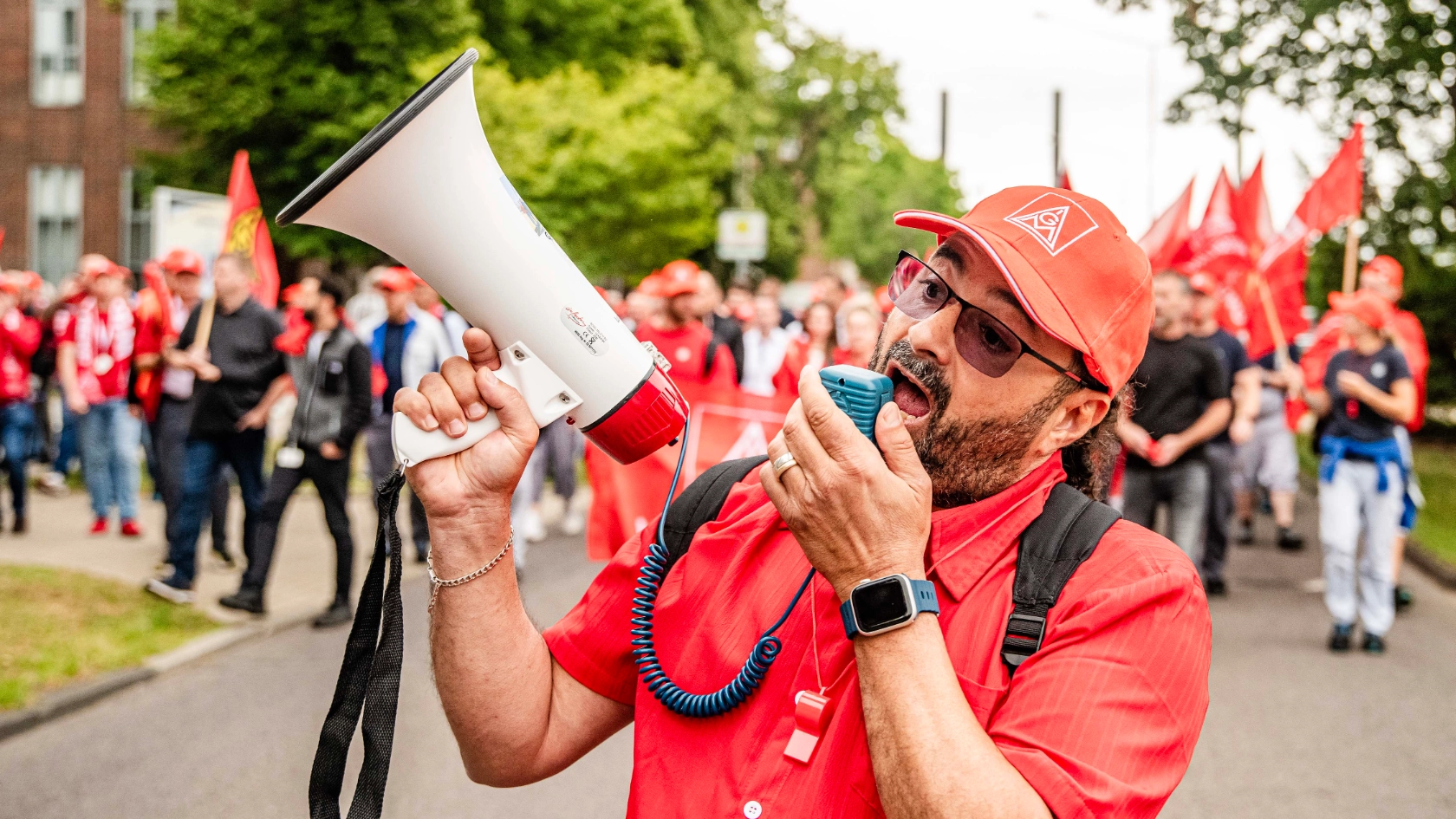
Brose employees and citizens demonstrate in Würzburg to save the site.
One year later, the closure has been called off, and the site is secured under a collective bargaining agreement through 2030. Existing operations are being relocated back to the site. And they are collaborating with the Fraunhofer Institute on products for the aerospace industry—all initiated by the employees. The first satellites are scheduled to be completed this fall.
“We couldn’t have done this without IG Metall,” emphasizes Yves Weinberger, works council chair at Brose in Würzburg. “No matter how strong the works council is, if you don’t have a strong partner, you’ve lost.”
Job Cuts and Outsourcing at Syntegon Prevented
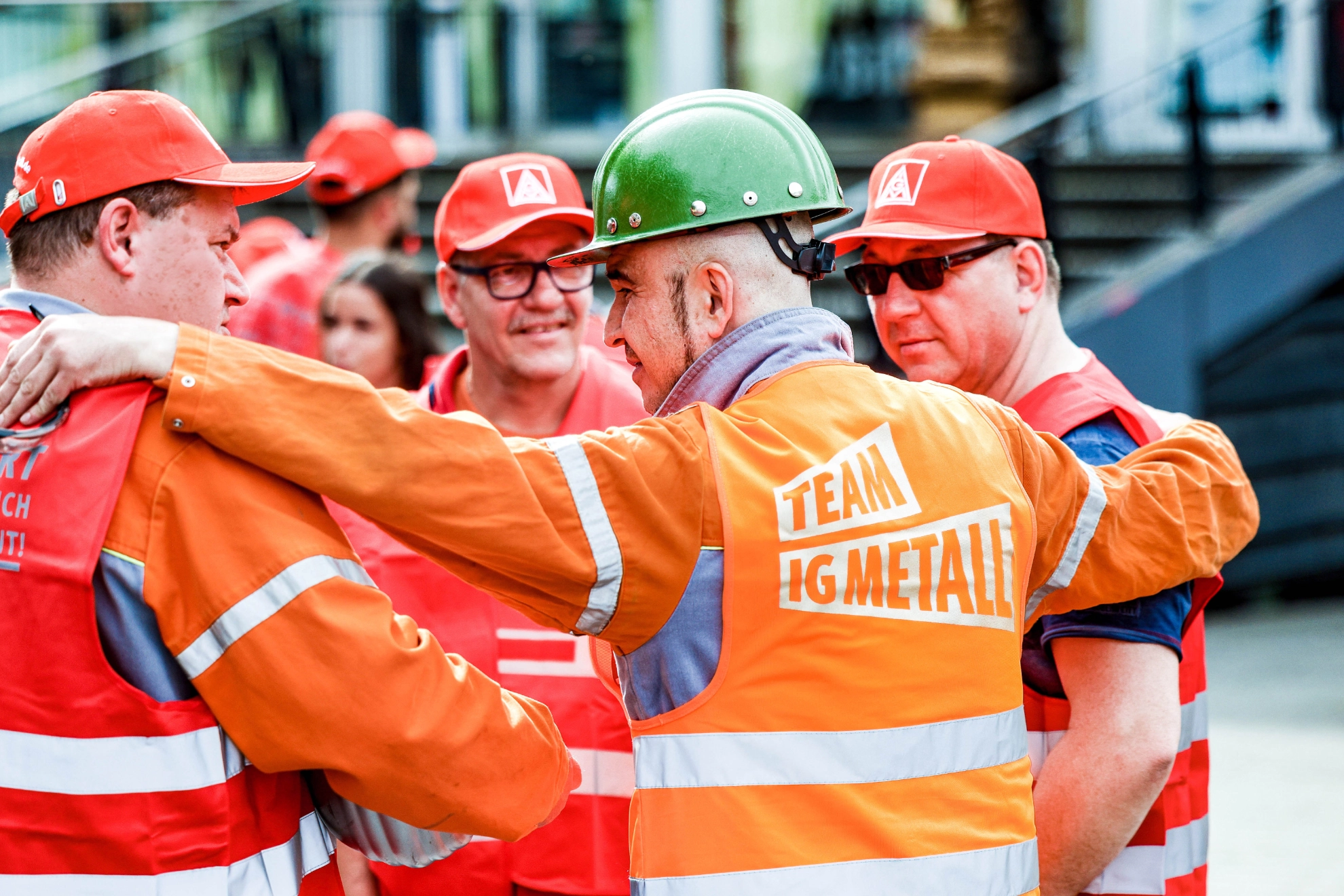
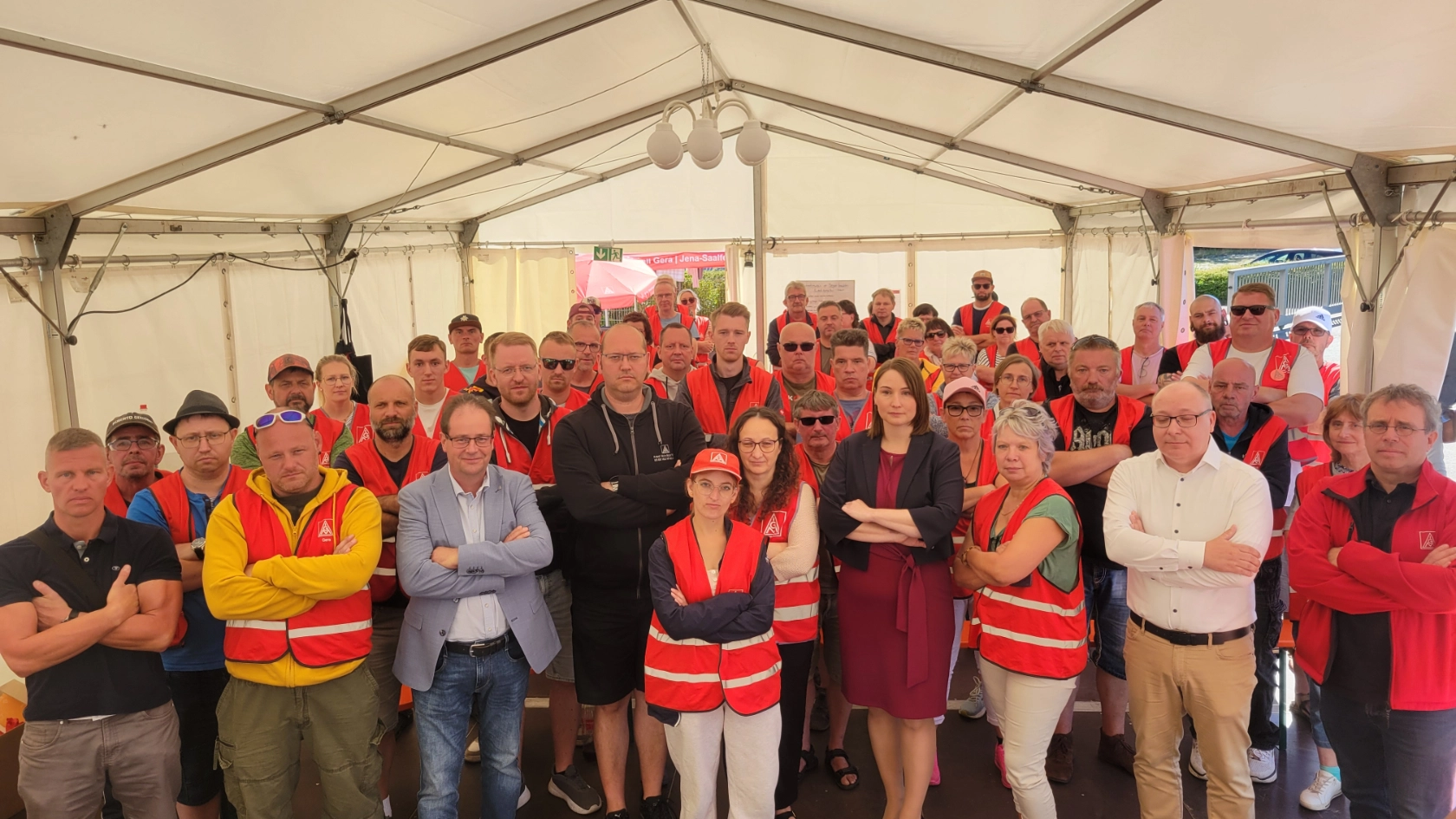
Syntegon, a machinery manufacturer in Crailsheim that formerly belonged to Bosch, was sold to a financial investor who wanted to cut jobs and outsource work. But the works council stood its ground, organized information sessions on the company grounds, and, together with IG Metall, staged a so-called “early-closing protest.”
In the end, they succeeded: All jobs will be preserved. There is a job security guarantee and a bonus for IG Metall members, enshrined in a forward-looking collective bargaining agreement. And business at Syntegon is booming—in part due to the surge in demand for the new weight-loss injections produced by Syntegon machines. With a reduced workforce, they could never have met the high demand.
“A works council can make all the difference,” says Syntegon works council member Thomas Beckenbauer. “But every works council is only as strong as the workforce makes it.”
MAN Salzgitter’s Location and Future Secured
At MAN Truck & Bus in Salzgitter, corporate management had planned to relocate operations and lay off up to 1,300 of the 2,161 employees starting in January 2027. But that plan is off the table. Production of truck components at MAN Truck & Bus in Salzgitter will remain. Jobs are secured through at least 2035.
In addition, following difficult negotiations—and with pressure from protests—employees, the works council, and IG Metall secured investments and a say in the transformation process. Experts, skilled workers, and managers have already developed numerous proposals for optimizations and new products.
“No one is losing their job. Furthermore, employees do not have to make any concessions under the collective bargaining agreement—that’s an important signal,” explains Andrea Deiana, deputy works council chair and head of the IG Metall shop stewards at MAN in Salzgitter. “Without a strong IG Metall standing alongside the workforce, our plant would be nothing more than an empty shell—without production and without people.”
More about MAN Truck & Bus Salzgitter