Who is authorized to conduct collective bargaining?
The negotiations are conducted by the negotiating committees in the individual collective bargaining regions. They negotiate on our behalf with the employers’ associations and are elected by the members of the regional collective bargaining committee, which consists primarily of elected volunteer IG Metall members from the workplaces as well as full-time union officials. The lead negotiator is the district director of the respective collective bargaining area or a deputy. The bargaining committee keeps the collective bargaining commission informed of any new developments.
Where do collective bargaining negotiations take place?
Negotiations on regional and industry-wide collective bargaining agreements generally take place in the respective bargaining areas. The regional IG Metall districts and employers’ associations coordinate with each other to determine the locations where they will meet for the talks.
When do collective bargaining negotiations begin, and how do they work?
Before collective bargaining begins, following a broad discussion among union members in the workplaces, the bargaining committees and our executive board decide on the demands and the termination of the existing collective bargaining agreements. Letters of termination and demands are sent to the employers’ associations. Negotiations usually begin even before the collective bargaining agreement expires as a result of the termination.
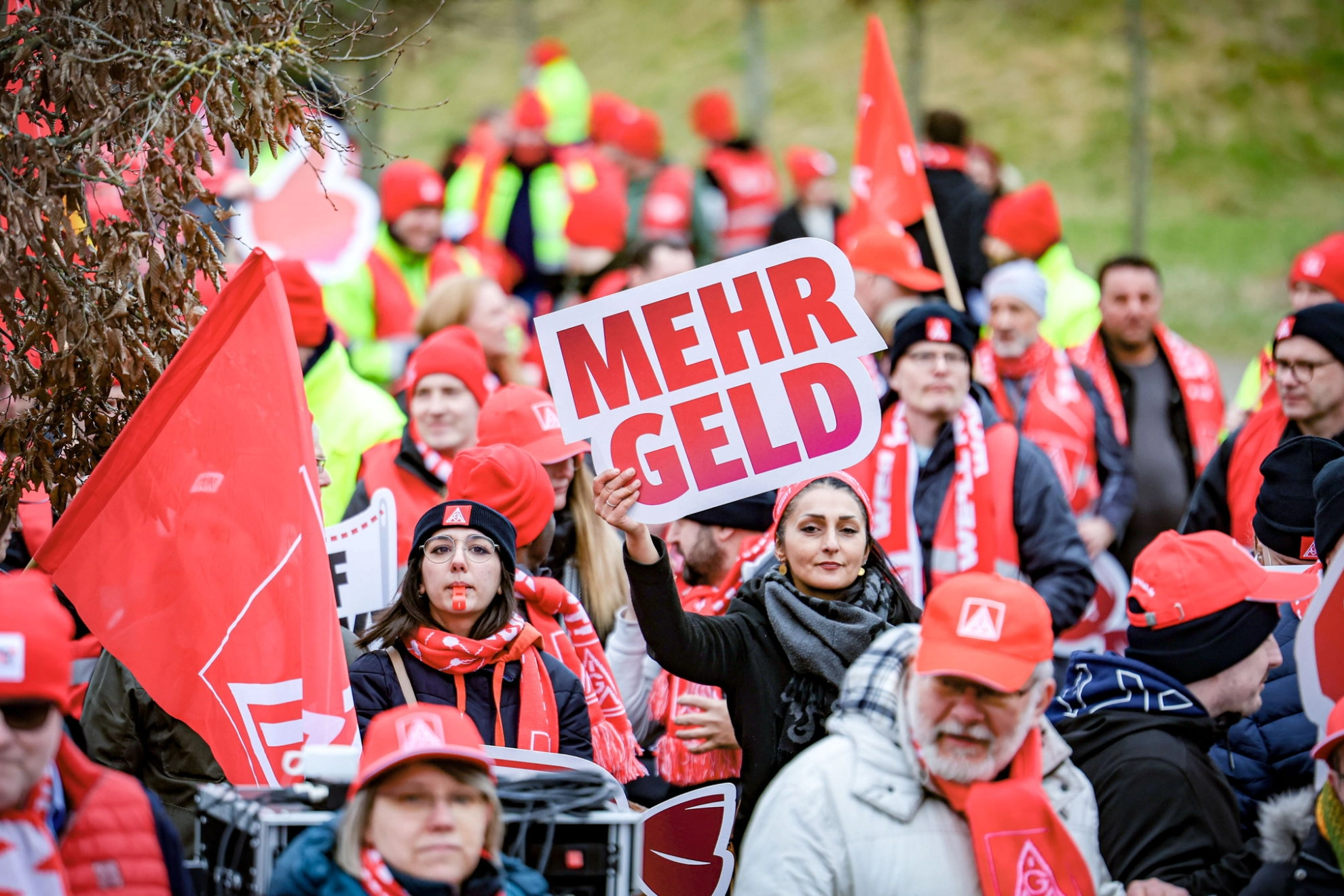
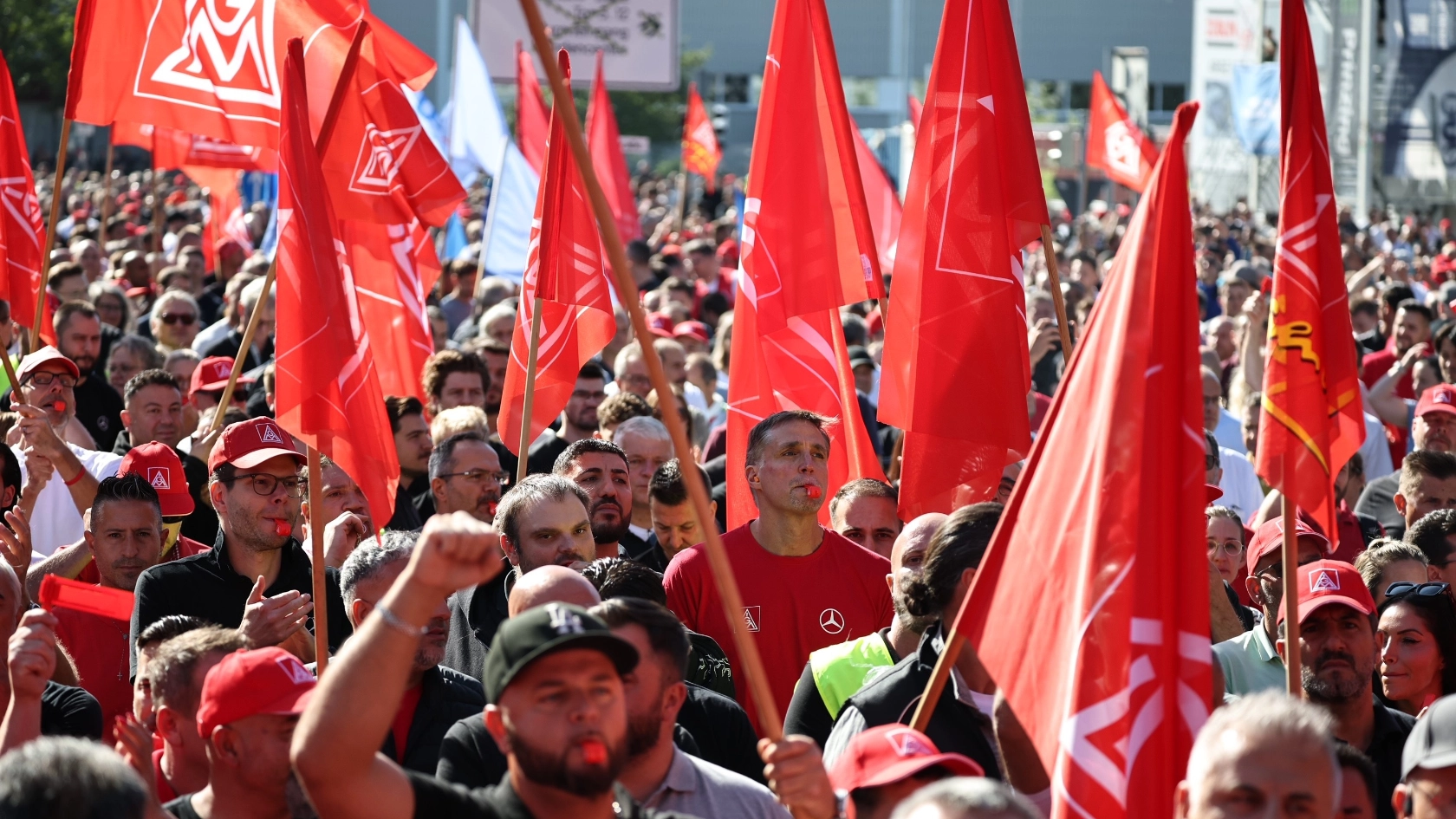
The union and the employers’ association sit down at the negotiating table and try to reach an agreement on a new collective bargaining agreement. Normally, the talks span several negotiation sessions. To put pressure on employers, the negotiations are accompanied by actions and warning strikes after the end of the peace obligation period. If the parties to the collective bargaining agreement reach an agreement, the negotiations are concluded.
Reaching a Negotiation Outcome
The agreed-upon terms and key points are set forth in writing in a negotiation outcome and signed by the negotiators. The outcome often includes a period for review, during which it can be accepted or rejected by the governing bodies of the collective bargaining parties (for us, the bargaining committee). The negotiation outcome is not yet a collective bargaining agreement from which members could derive legal claims. However, it obligates the bargaining parties to conclude a collective bargaining agreement based on it. If the governing bodies approve the negotiation outcome, the result is a new collective bargaining agreement.
What happens if the negotiations fail?
If the collective bargaining parties cannot reach an agreement and the bargaining committee is convinced that further negotiations will not lead anywhere, it can declare the negotiations a failure and apply to the IG Metall Executive Board to hold a strike vote and call a strike.
Strike
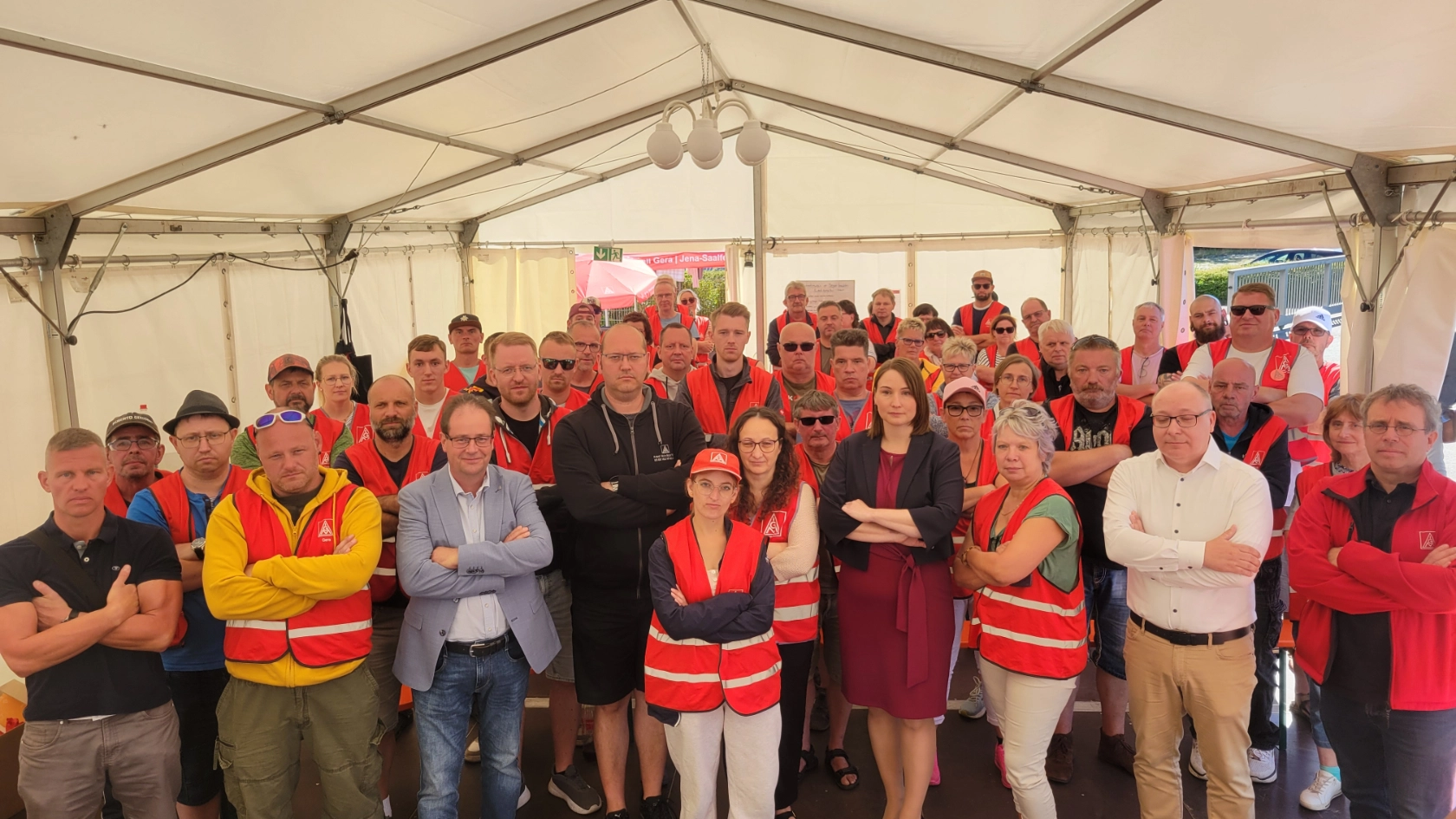
A forced strike following a strike authorization vote is the last resort and the unions’ most powerful weapon in a collective bargaining dispute. Therefore, it must be ensured that it has the support of the majority of union members. If at least 75 percent of the union members eligible to vote in a strike authorization vote vote in favor of a strike, the executive board sets the start date for the strike. Further collective bargaining talks may take place during the strike. If an agreement is reached, the members vote in a second strike authorization vote on whether to accept it and end the strike.
Collective Bargaining Agreements: What They Offer, Who Benefits
Fighting for a Collective Bargaining Agreement—Here’s How










To load this video, you must enable YouTube cookies and thereby agree to the YouTube privacy policy.