The bargaining committees for the collective bargaining round in the steel industries of northwestern and eastern Germany have finalized their recommended demands: They are each recommending a 5 percent increase in wages and salaries over a 12-month period. In addition, apprenticeship wages are to be brought in line with the levels in the metal and electrical industries. The collective bargaining agreements on “the use of contract labor” and “job security” are to be extended. The IG Metall executive board will decide on the final demand on November 9.
IG Metall justifies its demands by pointing to the continued heavy burden on workers due to rising living costs, while also noting the first signs of an economic recovery. “Workers have borne an enormous burden in recent years,” says Knut Giesler, the chief negotiator for the steel industry in northwestern Germany. At the same time, he notes, “the first signs of an economic recovery” are emerging. Jan Otto, district director of IG Metall Berlin-Brandenburg-Saxony, also points to rising inflation and emphasizes: “Following the massive price increases, workers need a significant raise in their monthly wages.” Furthermore, he says, the steel industry must “become more attractive to young people again” and “can no longer lag behind the metal and electrical industries” in terms of apprenticeship wages.
In addition to wage increases, IG Metall is seeking the extension of collective bargaining provisions regarding, among other things, job security and the use of contract-for-service agreements. Collective bargaining negotiations will begin in mid-December, and the peace obligation ends on December 31, 2026.
Here’s how employers view the situation
The outlook has changed since the last round of collective bargaining: The steel industry remains under pressure, but at the same time, an economic recovery is on the horizon. Production is rising again, orders are increasing, and many economic research institutes have revised their growth forecasts for 2026 upward. In the first quarter, order intake in the steel industry rose by 4.2 percent, and production by 3.7 percent. From January through August, crude steel production was 6.3 percent higher than the previous year’s level.
For IG Metall wage expert Uwe Fink, this development is an important signal. Companies cannot, on the one hand, point to improved order books and rising production while, on the other hand, pretending that nothing has changed in the economic situation. Employees have weathered the difficult years and now rightly expect their share of the improvement.
Employers are currently emphasizing, above all, the difficult operating conditions facing the industry. These include high energy costs, the weak industrial economy in Germany, and international competition.
They particularly often point to the pressure from steel imports. For Fink, however, this explanation falls short. “Import pressure is one factor. But it’s just one factor.” The challenges facing the industry have various causes and cannot be reduced to individual competitors abroad.
This is what it really looks like on the ground
In his view, the steel industry’s real problems lie primarily in weak demand from key customer sectors, which in turn stems from the decline in end consumers’ purchasing power. When the automotive industry, mechanical engineering, and other core industrial sectors invest and produce less, this has a direct impact on steel production.
Added to this are structural location-related problems. High energy costs, a prolonged period of weak industrial activity, and cautious investment have weighed on the industry. Therefore, the notion that the problems are primarily attributable to Chinese steel imports falls short. Industry associations, too, cite energy costs and subdued demand—in addition to international competition—as key factors weighing on the industry.
A look inside the plants reveals how economic developments are affecting operations. At Ilsenburger Grobblech, the focus is on investments in the future. Over 200 million euros have been invested there in a new heat treatment line for high-quality specialty steels. “Our response to competitive pressure cannot be to simply keep lowering prices,” says Mike Schneevoigt, a member of the negotiating committee. The future lies in high-quality products and, looking ahead, in steel produced in a climate-friendly manner.
The collective bargaining round will not be a sure thing
At ArcelorMittal Bremen, a different picture is emerging. “We’re operating at full capacity,” says works council member and collective bargaining committee memberMike Böhlken. At the same time, however, the economic situation remains tense because sales prices aren’t rising at the same rate. Nevertheless, the company is investing in the site, modernizing existing facilities, and preparing for further restructuring of steel production. Expectations are growing among employees that these positive developments will also benefit them.
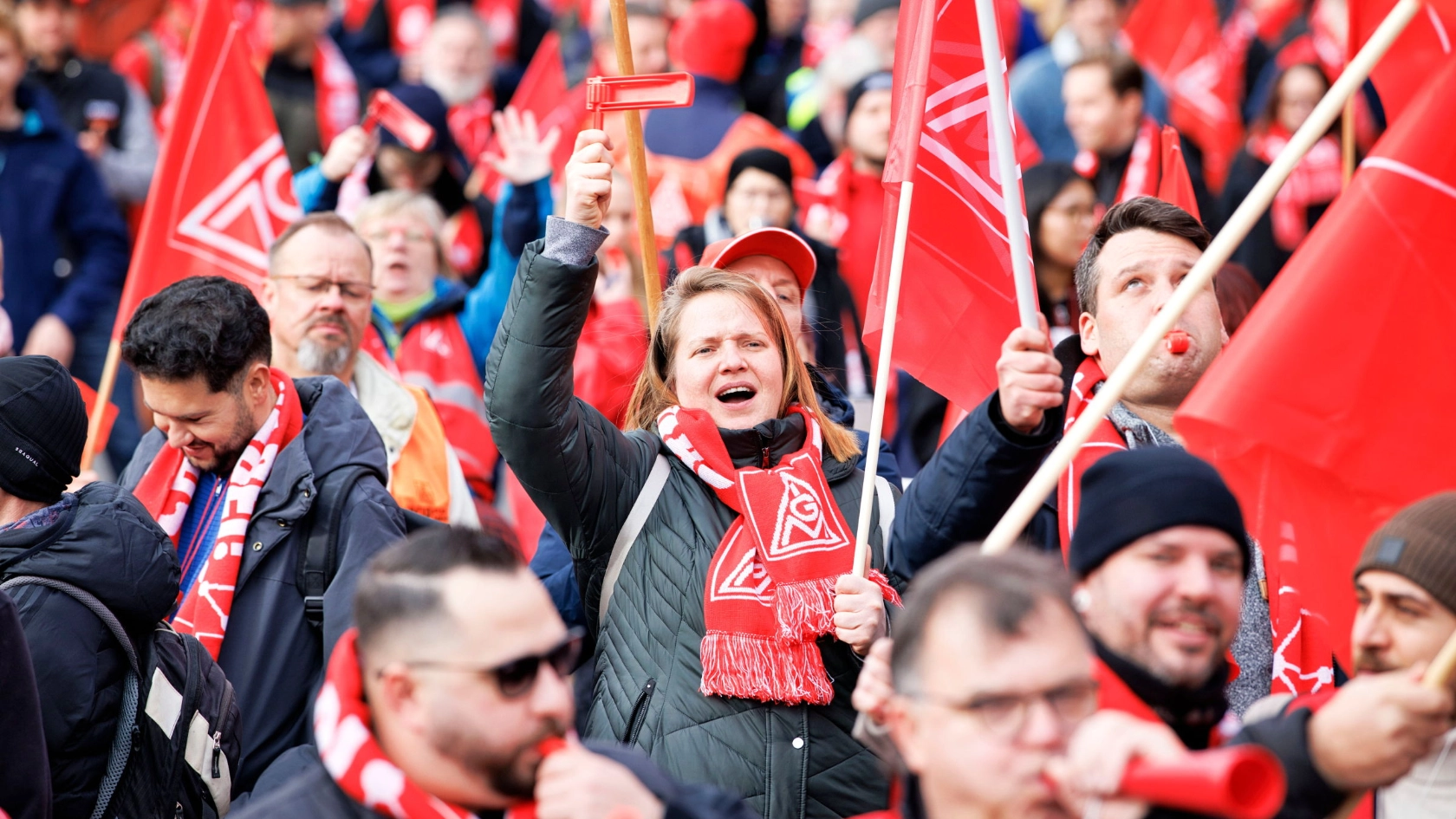
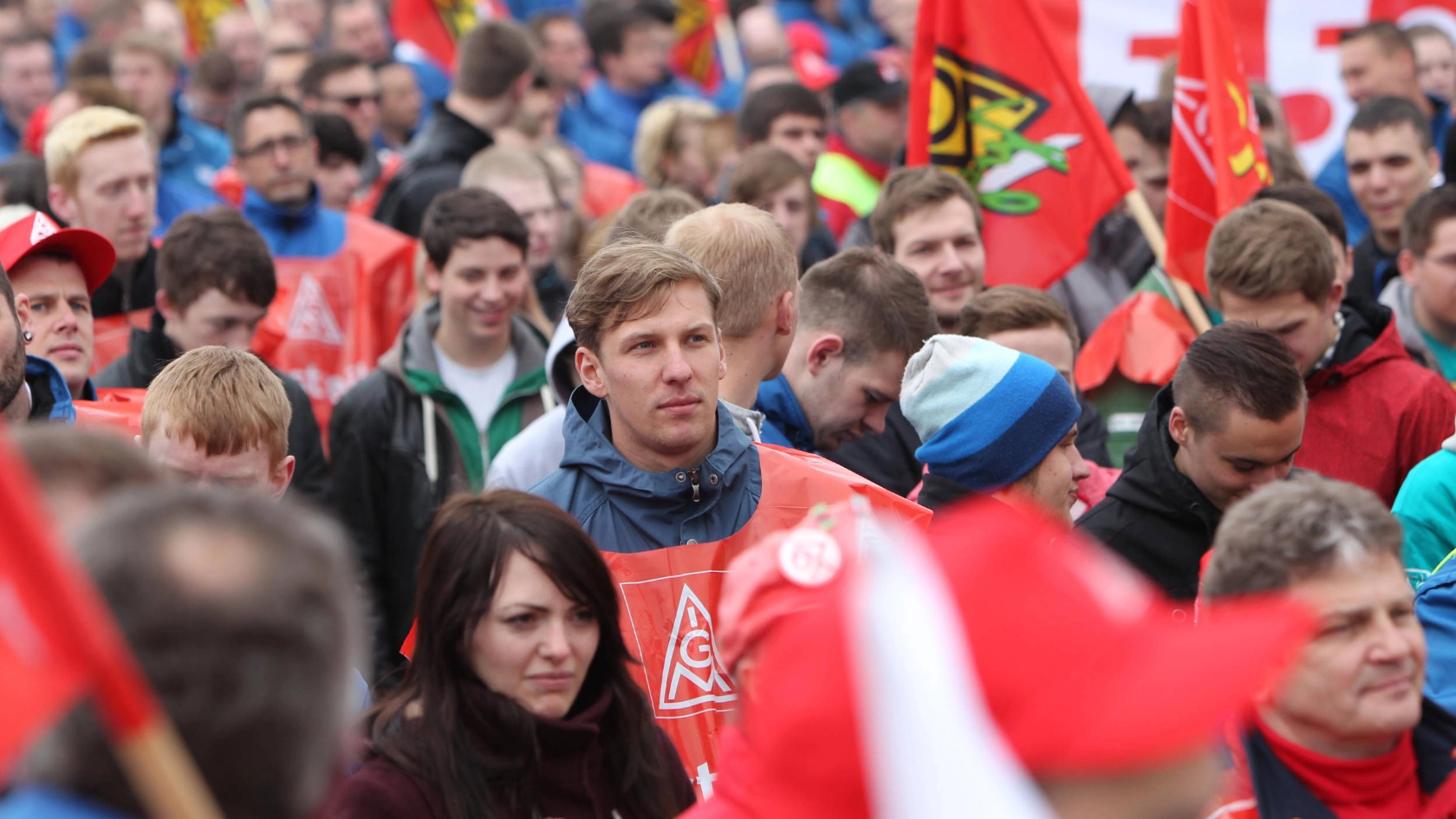
“Our colleagues can see that production is picking up again,” says Uwe Fink. When it comes to securing these gains, however, Mike Böhlken warns against underestimating the collective bargaining round. “Anyone demanding percentage increases must also be prepared to take to the streets for them. No employer will voluntarily open their wallet in this situation.” Economic indicators are pointing upward again. That’s why it’s clear to employees: The recovery must also be reflected on their pay stubs. That is precisely what the coming weeks will be all about.