Automatic translation
This article has been translated automatically using computer technology. While we strive for accuracy, some wording or details may differ from those in the original article.
This translation was not manually reviewed. For important facts, quotations or legally sensitive information, please consult the German original. Individual selections, images, embedded media or technical terms may have been translated differently or incompletely.

2026 Collective Bargaining Round for Writing and Drawing Instruments Higher wages at Faber-Castell, Schwan-Stabilo, and Lyra

Collective bargaining agreement in the writing and drawing instruments industry: A one-time payment of 300 euros in December 2026; 150 euros for apprentices. A permanent increase of 75 euros per month starting in July 2027, with an additional 75 euros starting in July 2028; 50 euros more for apprentices in each case. Over 1,000 employees exerted pressure through warning strikes to secure these gains.
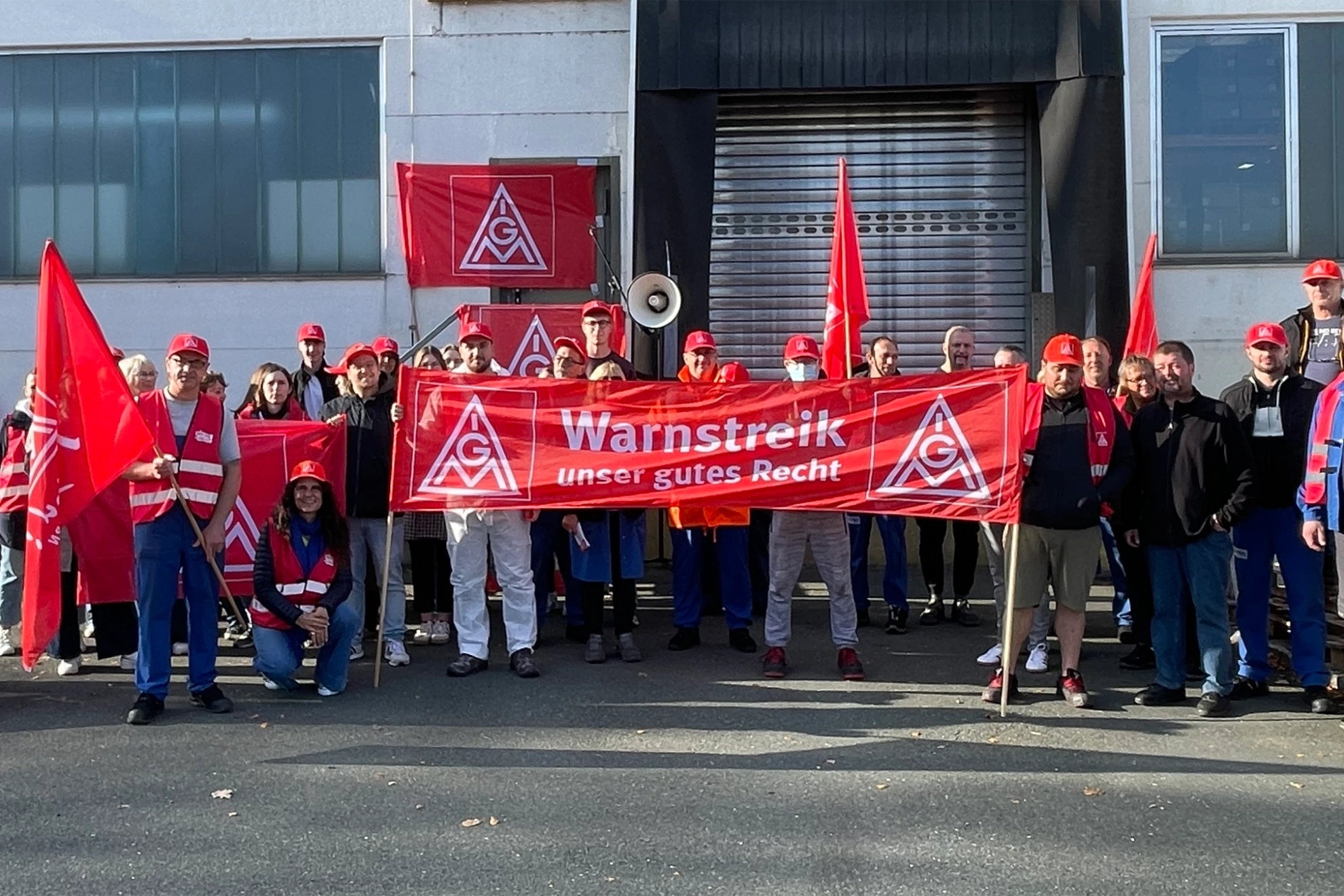
Warnstreik bei Lyra in Nürnberg

26 October 2026 26 October 2026


Higher wages in the writing and drawing instruments industry (SZI) in Bavaria. More than 1,000 employees at Faber-Castell, Schwan-Stabilo, and Lyra (photo above) applied pressure through warning strikes to achieve this.

The collective bargaining outcome:

  • December 2026: One-time payment of 300 euros; 150 euros for apprentices. 
  • July 2027: Increase in monthly wages by 75 euros; for apprentices, by 50 euros
  • July 2028: Increase in monthly wages by an additional 75 euros; for apprentices, by 50 euros

In addition, employers’ contributions to the Demography Fund—which finances, among other things, partial retirement—will be increased from 300 to 350 euros per employee per year.


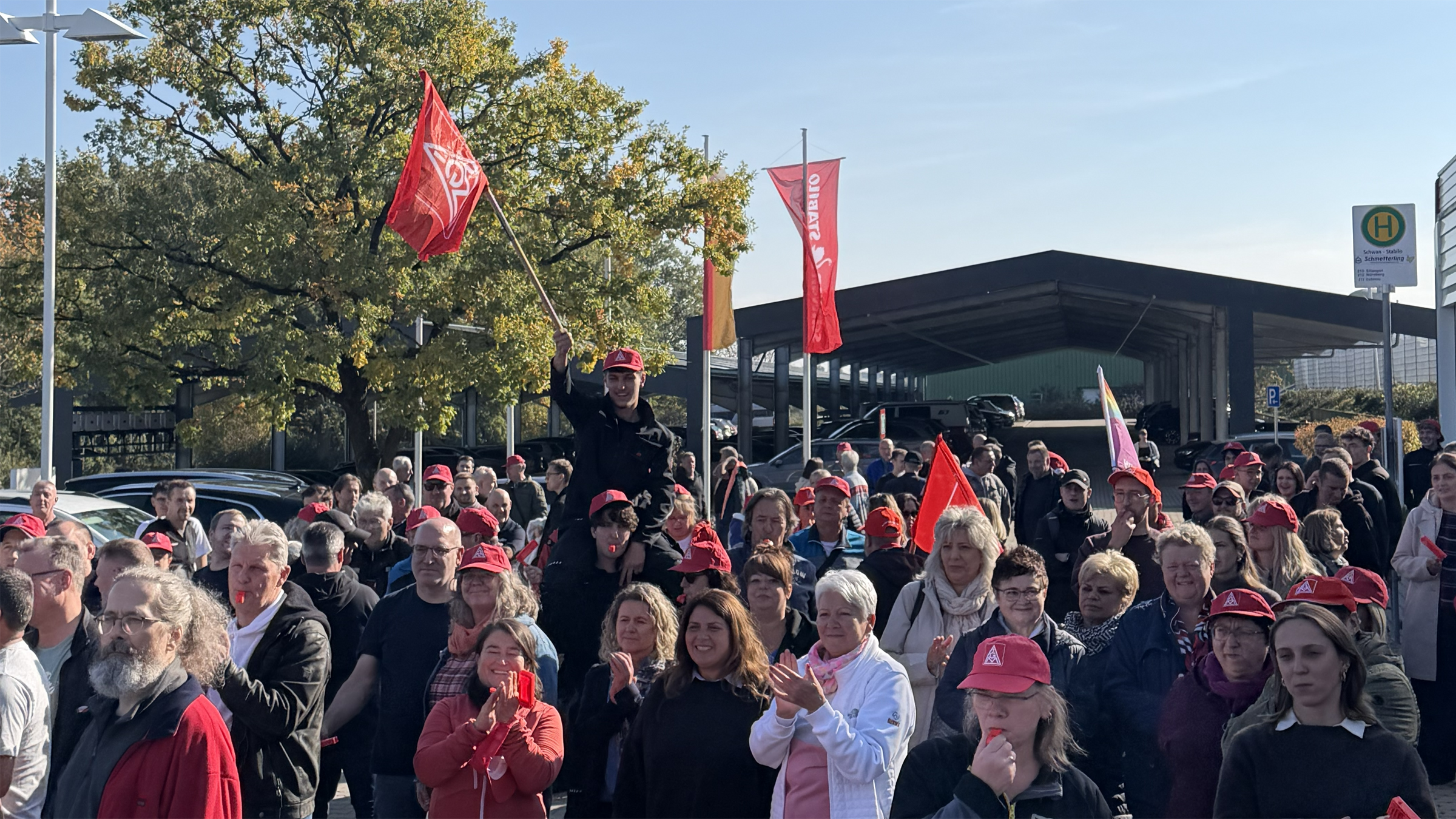
Warnstreik bei Schwan-Stabilo in Heroldsberg

Warning strike at Schwan-Stabilo in Heroldsberg


Low-income workers and apprentices benefit the most

“With this collective bargaining agreement, we are strengthening employees’ purchasing power during challenging times,” explains Sascha Wojtkowski, chief negotiator for IG Metall Bavaria. “Low-income employees, who are particularly hard-hit by rising prices, stand to benefit disproportionately. We are also providing disproportionate relief to apprentices while simultaneously making the apprenticeship program more attractive.”

IG Metall reached the collective bargaining agreement in the second round of negotiations. Approximately 3,500 employees work in the writing and drawing instruments industry.

“As always, the employers would have preferred to give us nothing,” says Manuel Menger, a works council member at Faber-Castell in Geroldsgrün and a member of the bargaining committee. “In the end, however, we secured key points: a fixed amount, no longer working hours, and no changes to the collective bargaining agreement. The warning strike certainly helped apply the necessary pressure.”

Further background information is available on the IG Metall Bavaria website

New on igmetall.de

Subscribe to the newsletter