We are demanding a 6 percent increase in wages and apprenticeship stipends for the approximately 3.9 million employees in the metal and electrical industries, effective for a period of 12 months. In addition, we want to secure an individual right to reduce weekly working hours to up to 28 hours for a period of up to 24 months. The union’s executive board approved this decision on Thursday in Frankfurt, thereby confirming the demands of the elected bargaining committees in the individual bargaining regions, which voted on the matter on Tuesday.
“This demand takes into account the industry’s excellent economic situation; it strengthens domestic demand and contributes to stabilizing the economy,” said Jörg Hofmann, our First Chairperson. At the same time, he noted, the individual right to reduce working hours represents a genuine choice and thus a measure of freedom and control over one’s own life. “The goal is greater self-determination regarding working hours. Making working hours more flexible in companies must not continue to be at the expense of employees alone; it must also benefit them,” said Hofmann.
Work Schedules That Fit Your Life
Securing a skilled workforce in particular requires modern and attractive options for shaping one’s own work schedule. “Employers who refuse to adopt modern work-time tools today will find themselves without skilled workers tomorrow. Collective bargaining-based entitlements to flexible work schedules tailored to employees’ needs are important tools for combating the shortage of skilled workers,” Hofmann emphasized.
Our proposal regarding working hours provides that employees will be able to reduce their regular working hours to up to 28 hours per week for a period of up to two years. After that, they will have the right to return to their original working hours. This is to apply to all collective bargaining areas in western and eastern Germany.
Pay Supplement for Family and Health
Employees who reduce their working hours to care for children under the age of 14 in their household or to care for family members should receive a fixed allowance of 200 euros per month from their employer.
Employees working shifts or under other working time arrangements that are taxing on their health who exercise their option to reduce their working hours are also to receive a wage supplement. It is to amount to 750 euros per year. “This makes reducing working hours a realistic option even for lower-income earners,” said Hofmann.
We want to discuss workforce balancing and eastern regional adjustment
In addition to our demands regarding pay and working hours, we also want to address the following issues in the negotiations:
- Reducing employees’ working hours must not lead to increased pressure to perform by forcing the remaining employees to take on their additional workload. Therefore, regulations on workforce balancing should also be discussed in the negotiations with employers.
- We also aim to ensure that apprentices and dual-track students receive one paid day off before each exam to prepare for it.
- For the collective bargaining regions in eastern Germany, we want to secure a binding commitment to negotiate a process for harmonizing wages, working hours, and working conditions.
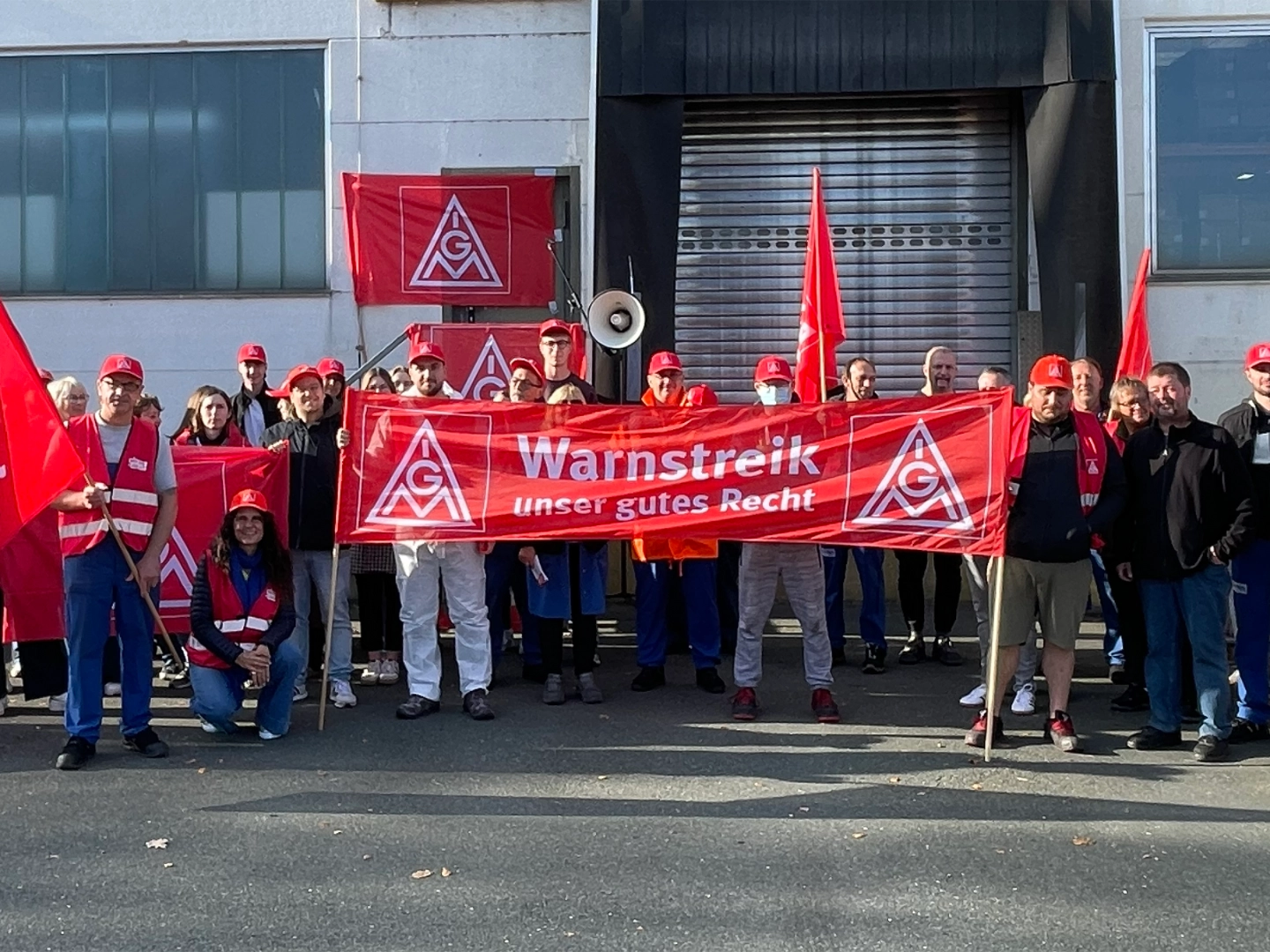
Negotiations with employers will begin on November 15–16 in the regional collective bargaining areas of the metal and electrical industries. The collective bargaining agreements and the no-strike clause expire on December 31, 2017. Warning strikes will then be possible starting January 1, 2018.