“This collective bargaining agreement is a very special one. We established a three-pronged set of demands to successfully tackle the challenges of a modern working society,” explained IG Metall President Berthold Huber on Friday night, commenting on the collective bargaining agreement for the metal and electrical industry in Baden-Württemberg. The negotiations had dragged on for 17 hours.
A Success for IG Metall
Jörg Hofmann, IG Metall regional director in Baden-Württemberg, described the collective bargaining agreement as a success for IG Metall. “The permanent increase in wages allows the workforce to share in the companies’ economic success and ensures real wage growth for employees,” he said at a press conference following the negotiations. He added that employers had finally abandoned their outright refusal to address qualitative issues such as the hiring of trainees and temporary agency work.
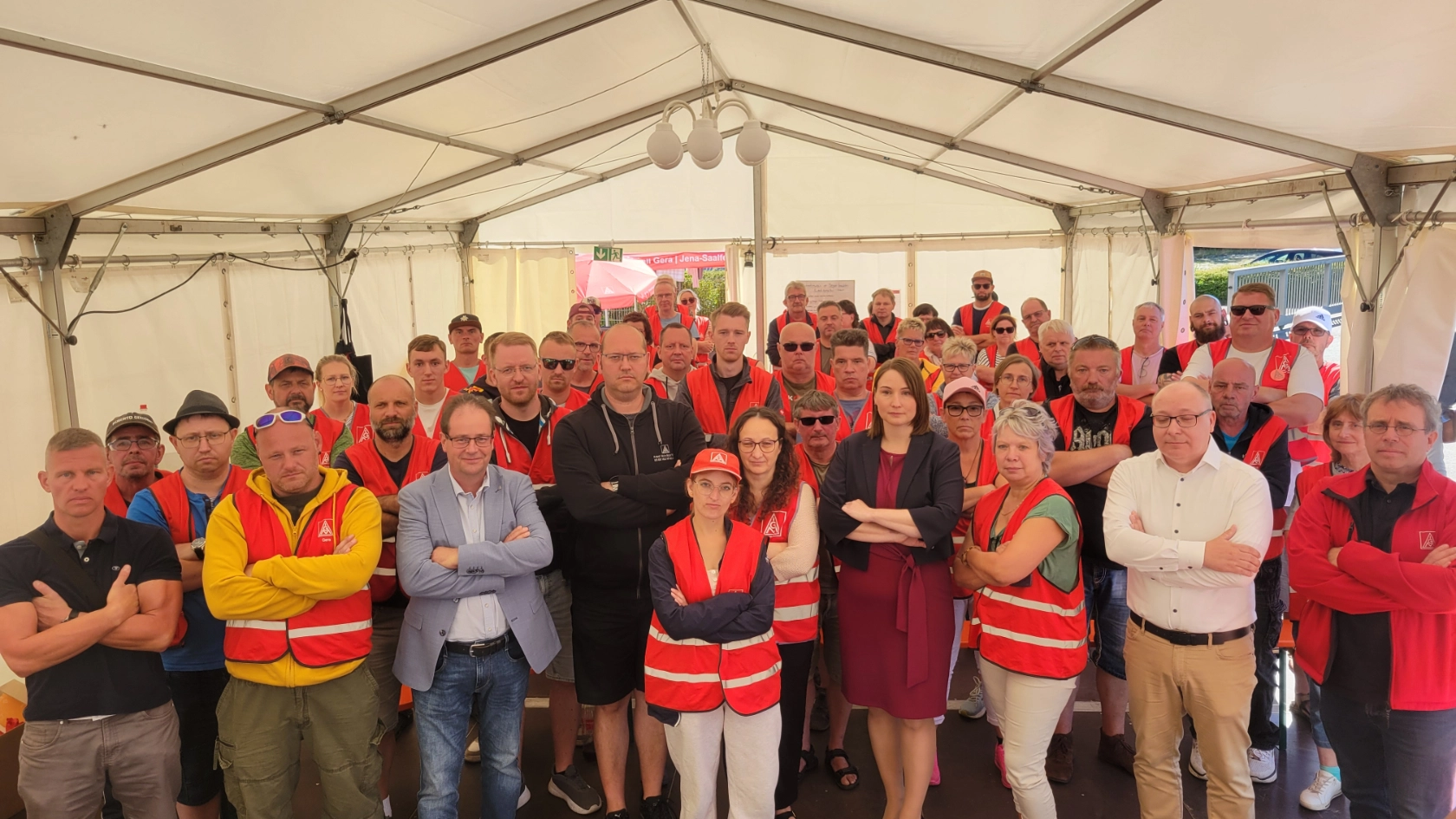
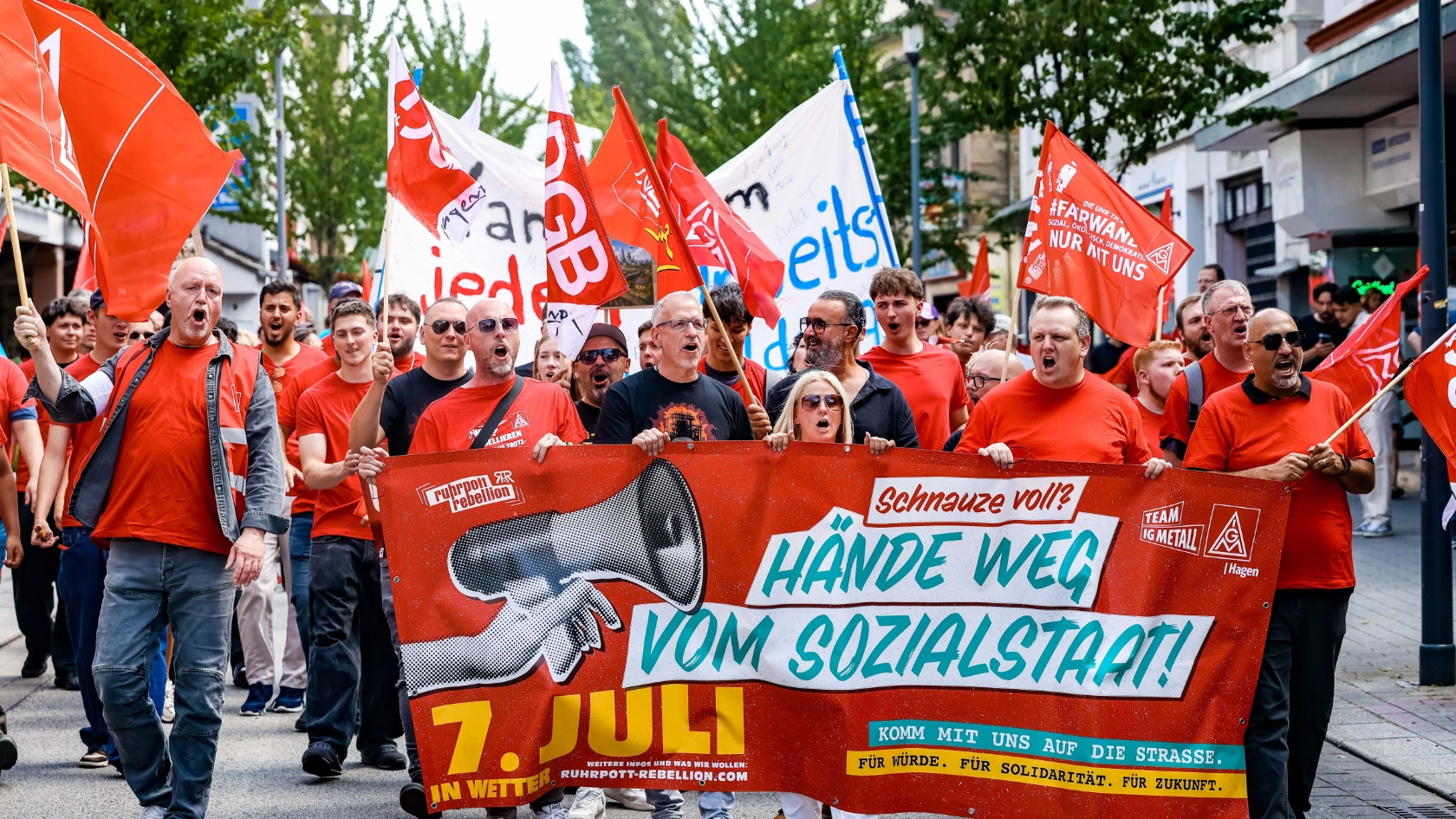
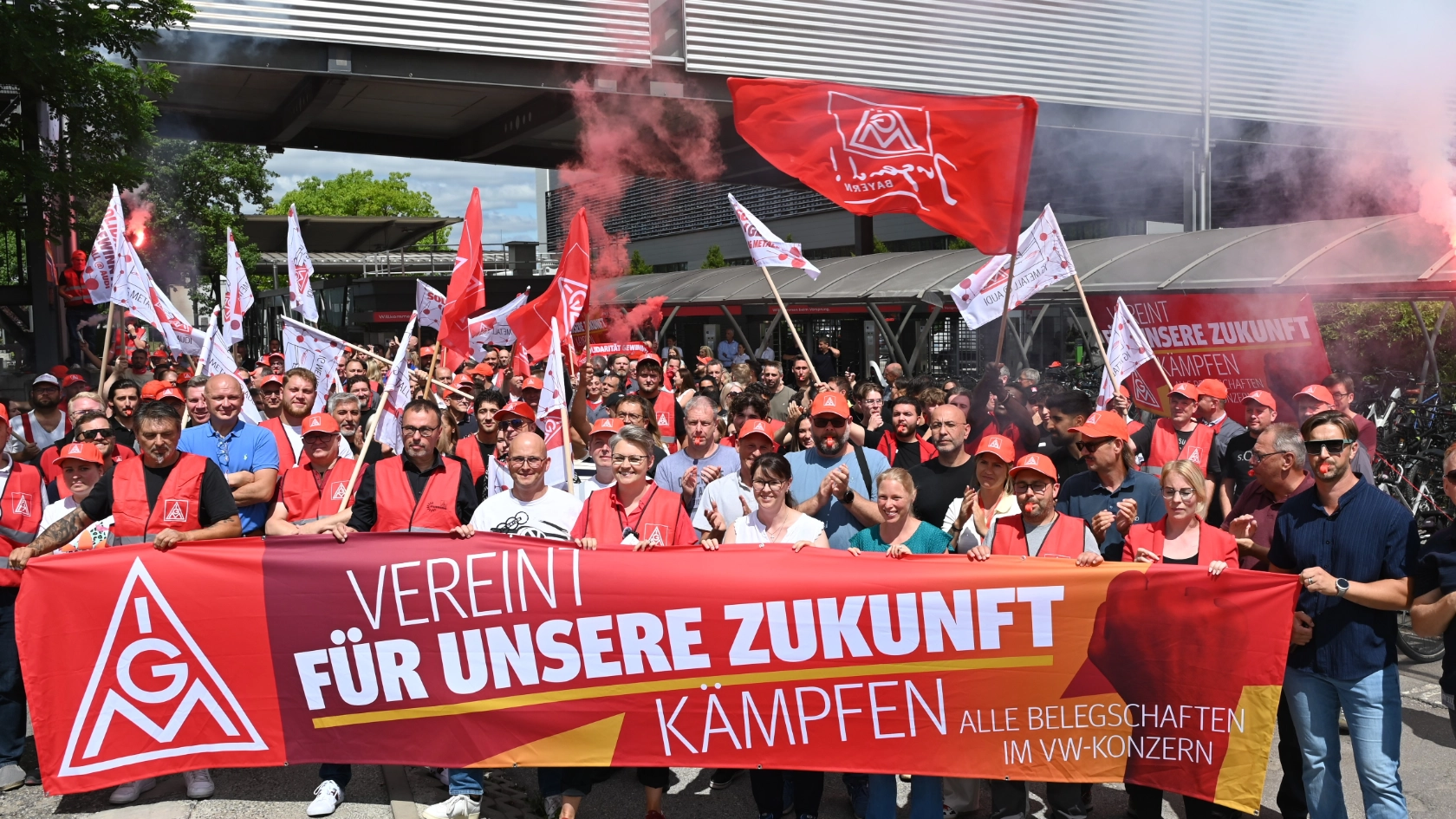
The issues at stake are fair participation in economic progress, fair working conditions for all employees, and fair future prospects for young people. Huber thanked everyone who made the collective bargaining agreement possible. “Today’s result was possible because IG Metall members sent a powerful message of solidarity. More than 800,000 colleagues took part in warning strikes. I would like to thank them for that.”
Much has been achieved regarding temporary work
With this outcome, we have ensured that workers share fairly in the strong economic growth of the metal and electrical industries. At the same time, we have made important strides for the younger generation. We have also achieved a great deal regarding temporary work, even though we would naturally have liked to see more. Nevertheless, for the first time, we have succeeded in defining the working conditions for temporary workers in a collective bargaining agreement. “This greatly strengthens the position of our works councils,” said Huber. “We have taken a major step forward on the path to a new and, above all, more socially just labor market,” said Helga Schwitzer, the executive board member responsible for collective bargaining policy, welcoming the outcome of the negotiations.
The collective bargaining agreement runs through April 30, 2013. The details of the agreement are as follows:
First: Higher Wages
Employees in the metal and electrical industries in Baden-Württemberg will receive a 4.3 percent pay increase. This result places wages well above the inflation rate and allows employees to share in the growth in prosperity. The exceptionally strong economic performance of 2011 was factored into the agreement.
Second: Permanent Hiring
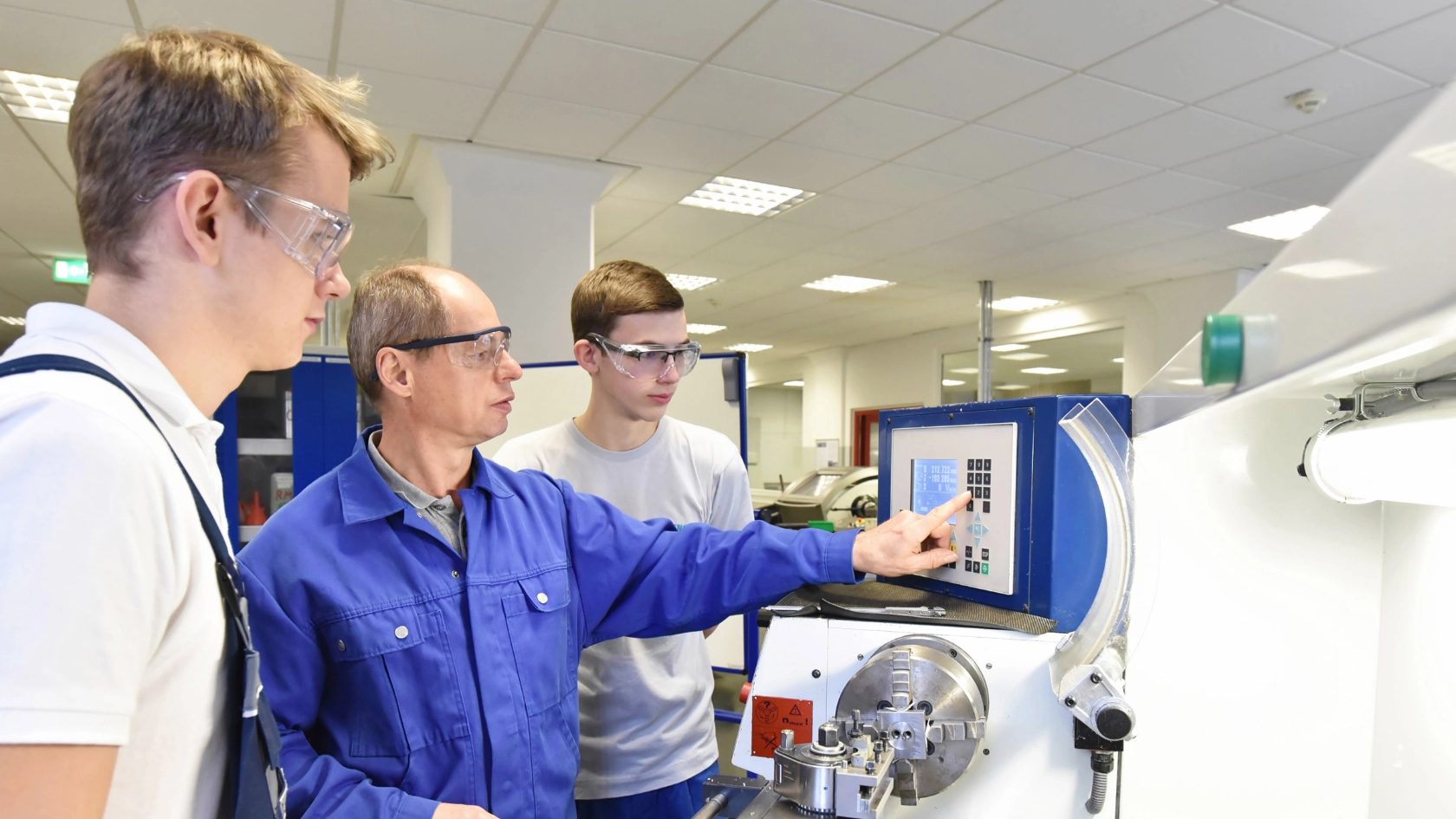
Young people are the big winners of this collective bargaining agreement. The permanent hiring of trainees will now become the norm—effective immediately for all those who will complete their training in January 2013 and thereafter. “The key message is: All apprentices who pass their exams after December 31, 2012, will be better off than they are today,” emphasized Detlef Wetzel, Second Chairman of IG Metall.
What does this mean exactly? The employer and the works council can enter into a company agreement. This agreement will specify the staffing needs jointly determined by the employer and the works council. Apprentices who fall within these “needs” will be hired on a permanent basis under the new collective bargaining agreement after passing their final exam. Apprentices who exceed these staffing needs are not entitled to permanent employment.
Opportunity for Continued Employment
If a company does not have a works agreement, the employer must consult with the works council six months before the end of the apprenticeship to discuss foreseeable needs. Apprentices who fall within the “needs” category will then be hired on a permanent basis. Apprentices hired beyond the company’s needs are entitled to a fixed-term contract of twelve months. Previously, there was no obligation to continue employing them at all. In addition, the employer must assess three months before the fixed-term contract expires whether continued employment is possible.
More Opportunities for Vulnerable Groups
Through a joint agreement, employers and IG Metall commit to supporting young people in need of special assistance with targeted measures. This agreement is titled “From Entry to Advancement.”
Through this initiative, IG Metall and employers are building a bridge for young school graduates who are not yet ready for an apprenticeship, helping them enter a regular apprenticeship in the metal and electrical industries. The young people complete a support year during which they are guided toward being ready for an apprenticeship in an M E-occupation.
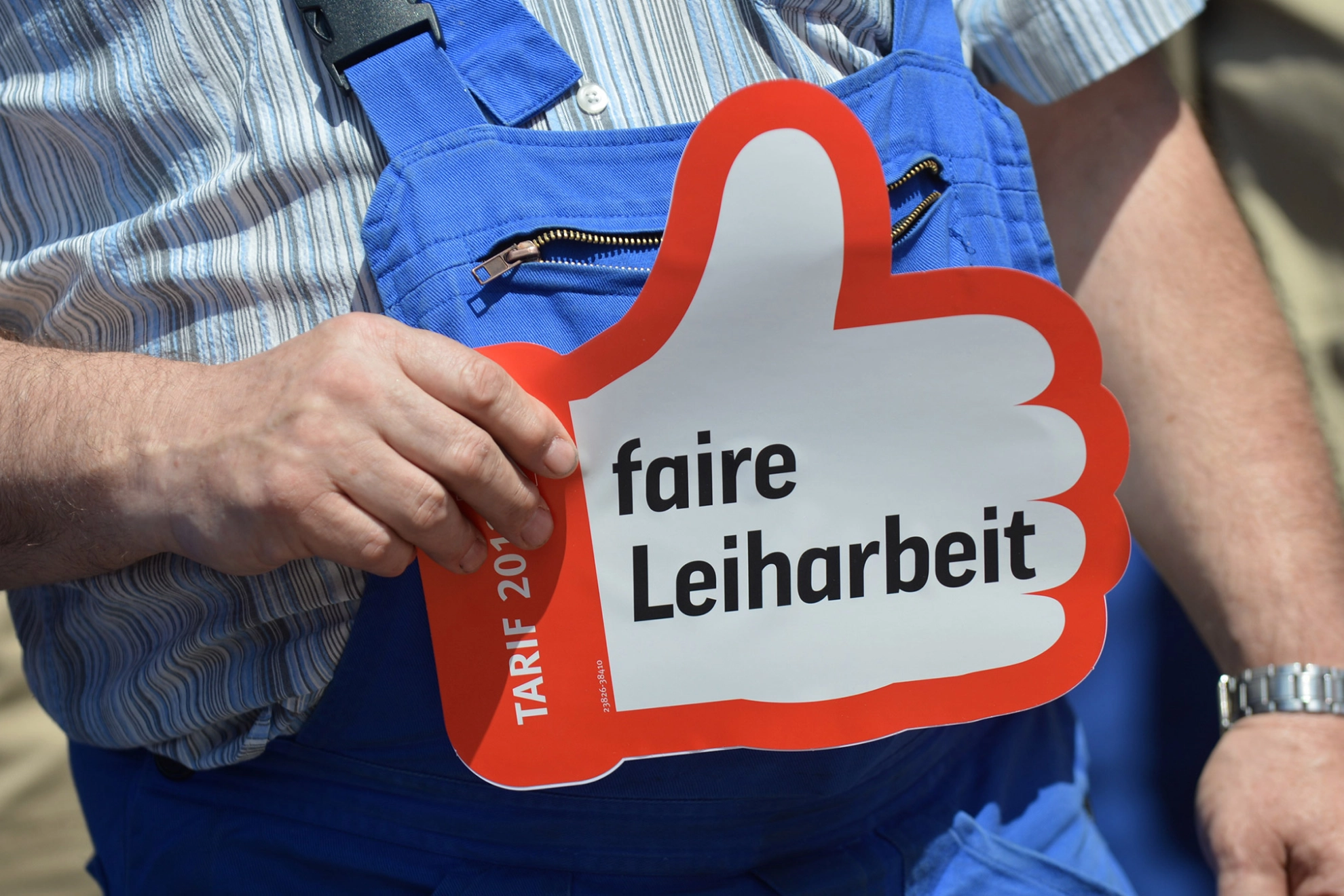
Third: Collective bargaining provisions on temporary agency work for the first time
We want to limit temporary agency work to what it was originally intended for: absorbing production peaks. The collective bargaining outcome takes a major step in this direction. In the future, basic rules for the use of temporary agency workers, as set forth in the collective bargaining agreement, will apply. The pay and working conditions of permanent employees must not be adversely affected, and jobs must not be jeopardized.
The use of temporary workers requires the approval of the works council. Furthermore, it may only be temporary. The collective bargaining agreement sets forth the criteria for this. Among other things, the use of temporary workers is permitted when the company lacks specific qualifications or when sick employees need to be covered. Or when there is a need to handle spikes in orders.
Collective Bargaining Agreement Allows for Voluntary Company Agreements
These basic regulations apply across the board. In addition, the collective bargaining agreement allows for the conclusion of voluntary company agreements. Within this framework, provisions regarding the use of temporary agency workers and operational flexibility are possible. Provisions may include the purposes, areas of deployment, and volume of temporary agency work, as well as the rate of pay for temporary agency workers, the maximum duration of assignments, and rules for permanent hiring.
Under the company agreement, with regard to flexibility, it can be agreed to increase the proportion of employees working 40 hours per week by 12 percentage points—from the current 18 percent to 30 percent. If this is agreed upon, 30-hour contracts must be made available to the same extent. These will be structured as reduced full-time positions with the right to return to full-time work. If a company does not have a works agreement on temporary agency work, the company will be required to review whether to hire the temporary agency worker after just 18 months. After 24 months of employment, hiring the worker becomes mandatory.
What’s next?
According to Helga Schwitzer, the parties at the workplace now play a particularly important role. Works councils now have more rights and options for action when it comes to agreements on temporary agency work and apprenticeship positions. The priority now is to swiftly implement the agreements reached. This applies above all to temporary staffing agencies. “We call on them to enter into negotiations with us without delay,” said Schwitzer.
On Monday, we plan to meet with the temporary staffing associations BAB and IGZ to continue negotiating fair conditions for temporary workers. Also on Monday, the IG Metall Baden-Württemberg Central Bargaining Committee will discuss the outcome. Following the negotiations in the Baden-Württemberg district, Huber gave a positive assessment: “The solidarity, commitment, and remarkable dedication of our members have paid off.”