Frank Iwer, an automotive expert on the IG Metall executive board, welcomes the fact that the prerequisites for scaling up electric mobility are finally being put on the agenda and that implementation is being backed by concrete measures. This was called for by the National Mobility Platform (NPM) in an interim report released on Tuesday. “With its recommendation to review the implementation steps gradually and make adjustments as necessary, the NPM is on the right track,” Iwer said on Wednesday. “Nevertheless, there is a high degree of uncertainty; the financial and technical requirements have not yet been clarified, nor have the consequences for employment or industrial locations.”
In principle, the goals of the Climate Action Plan for 2030 are achievable—the NPM experts agree on this. But the efforts required to reduce CO2 emissions from the current 170 million metric tons to 95 to 98 million metric tons by the end of the coming decade are enormous.
Billions in Investment Needed
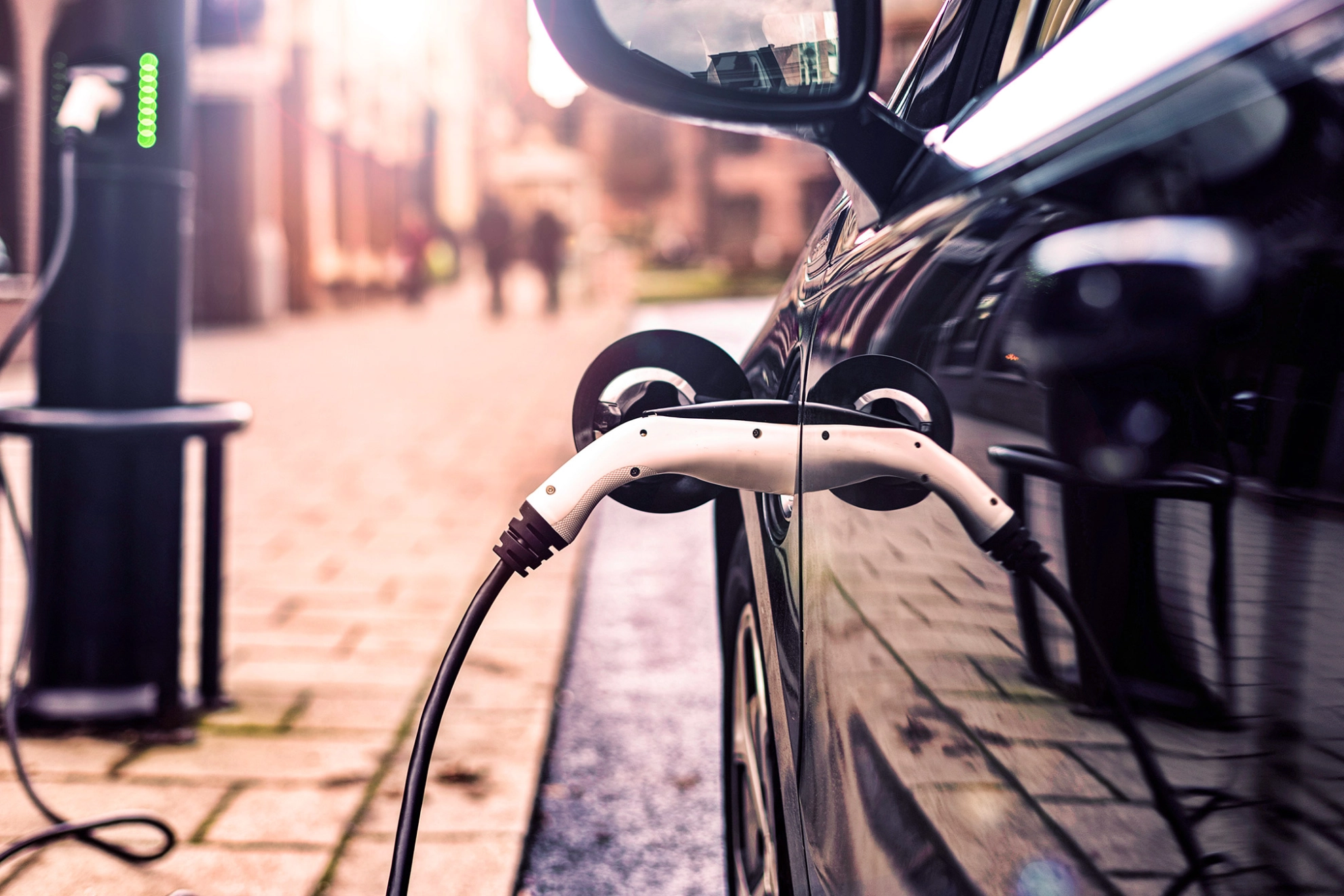
The greatest potential for reduction lies in propulsion technology, specifically the electrification of automobiles and the improvement of the efficiency of internal combustion engines in passenger cars and trucks. This alone could reduce CO2 emissions to around 130 million metric tons. A prerequisite for this is that between eight and ten million passenger cars will be electrically powered by 2030.
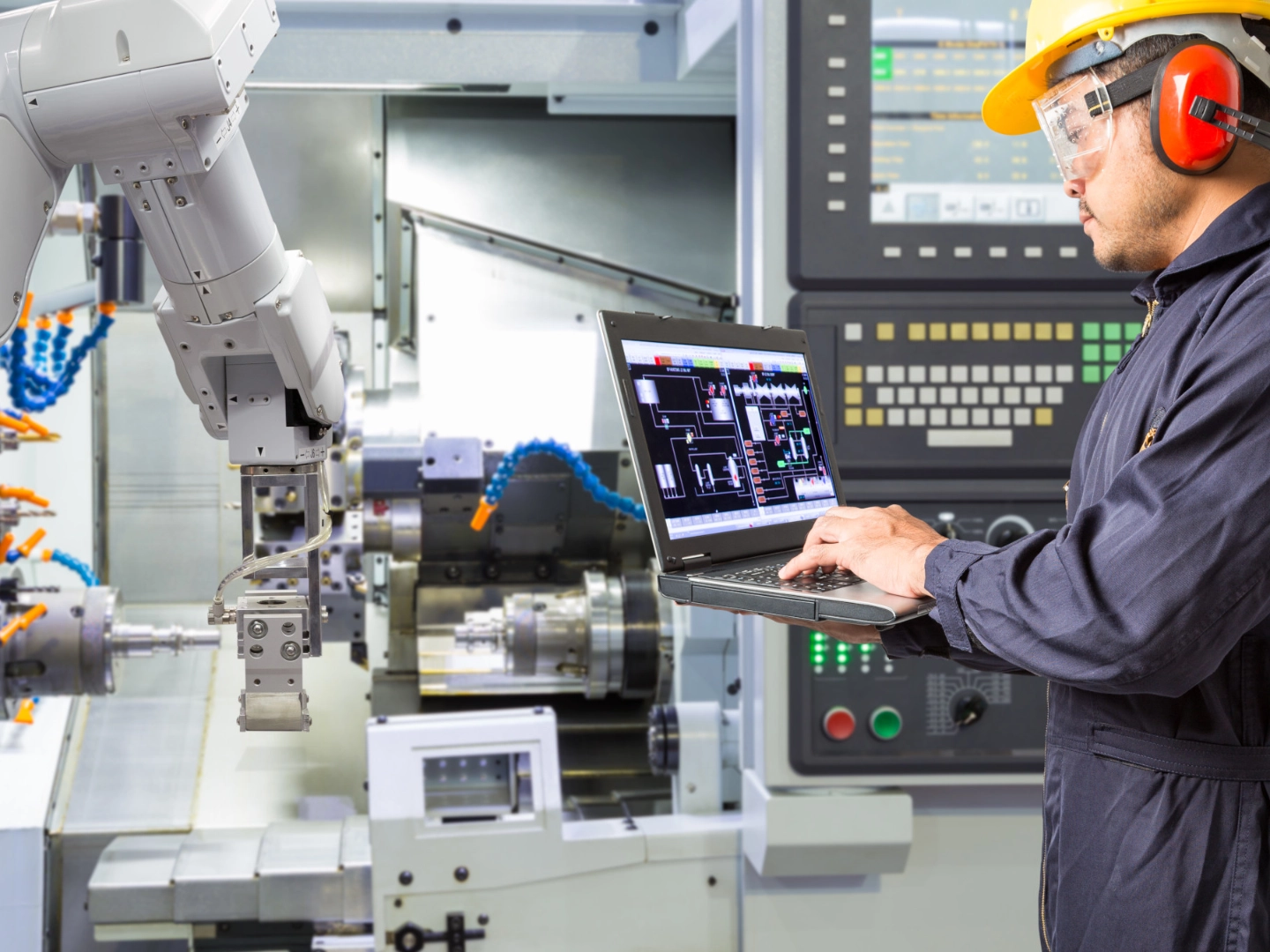
For companies, this means they must make investments in the billions. Not only in new technologies such as battery systems, power electronics, or new vehicle concepts, but equally important is the training of employees and the retrofitting of manufacturing sites. The government also has a responsibility. It must ensure that the public charging infrastructure is expanded quickly and systematically. This, too, requires significant investment.
Electric mobility must be made attractive through public policy measures. These include incentives for the purchase and use of electric vehicles, preferential pricing for charging electricity, and regulatory changes—for example, in building codes, the use of bus lanes, or improved parking management.
The second major lever for reducing CO2 emissions is shifting mobility to other modes of transportation. This includes expanding public transit, bicycle path networks, and shared shuttle systems with larger companies. This, too, requires significant public investment. Added to this are contributions from the use of climate-neutral fuels and from the digitization of, for example, traffic control or mobility services.
Overall Goal Not Yet Achieved
All in all, these measures can reduce CO2 emissions to about 110 million metric tons per year. One thing is clear: this does not yet meet the overall target. However, the reduction potential in the individual sectors has not yet been fully realized. Digitalization—which will gain further momentum in industry—and a price on CO2 will create additional scope for reduction, although it is still difficult to quantify this today.
Nevertheless, the NPM has advocated developing a socially acceptable model for CO2 pricing and assessing its effects. Experts expect a price on CO2 emissions to provide incentives for reducing emissions, particularly through what is known as “sector coupling”—the integration of electricity, heating, and gas grids with the transportation and industrial sectors.
However, this also makes it clear that a comprehensive strategy is needed; isolated, unilateral action in the transportation sector alone will not suffice. Furthermore, such a restructuring of the tax system requires a broad societal debate; otherwise, there will be a lack of public acceptance.
The NPM’s work is not complete with this interim report. Now the individual instruments must be developed and evaluated, the necessary investments quantified, and the consequences for employment and business locations analyzed. And it must be continuously monitored whether the measures are taking effect and how the gap to the target value can be further closed.
“Strictly speaking, the real work is only just beginning—because implementation will be much more difficult than developing even the most impressive concepts in committees. But at least the first step has been taken,” says Frank Iwer, summarizing the NPM’s progress to date.