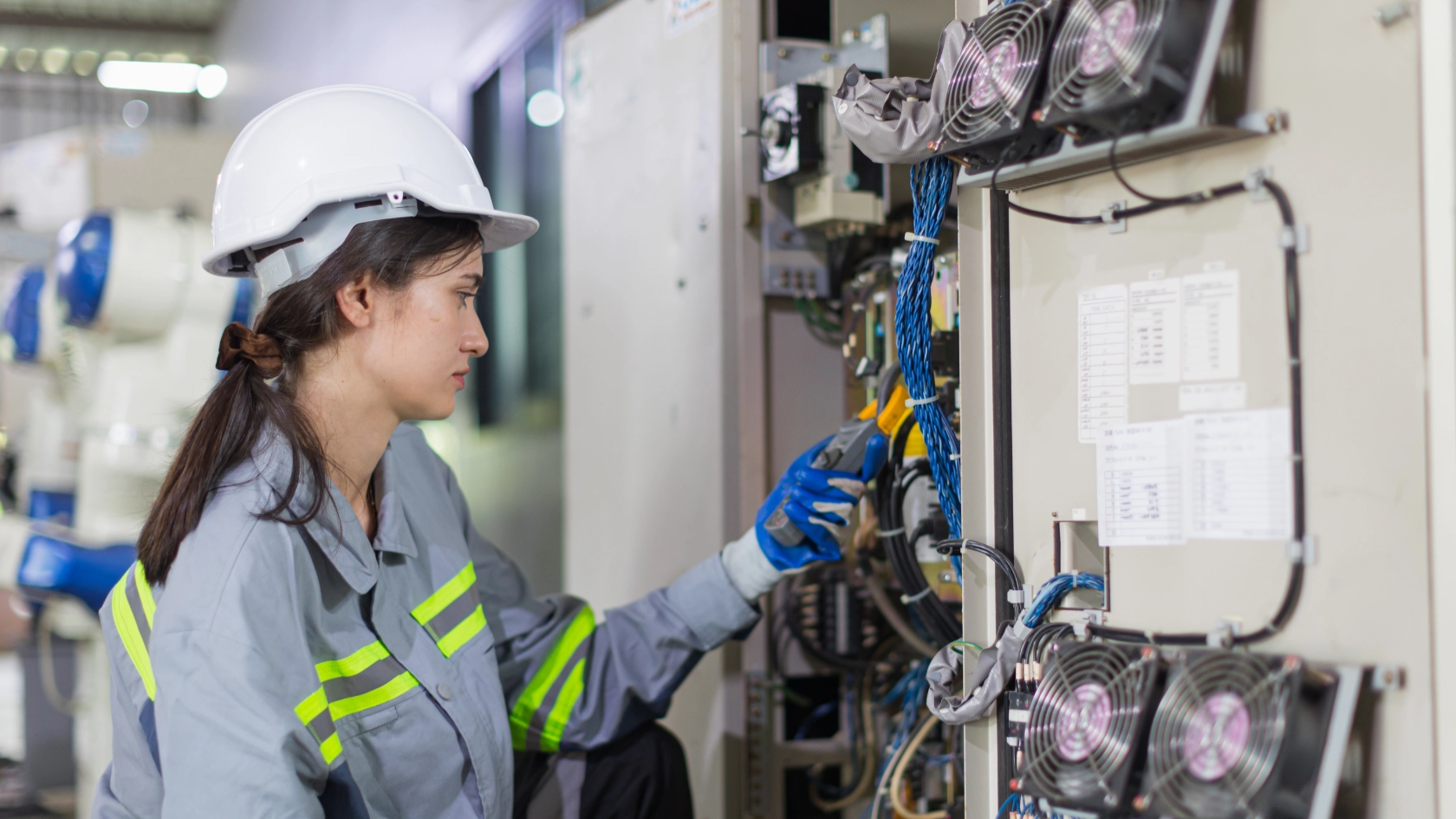
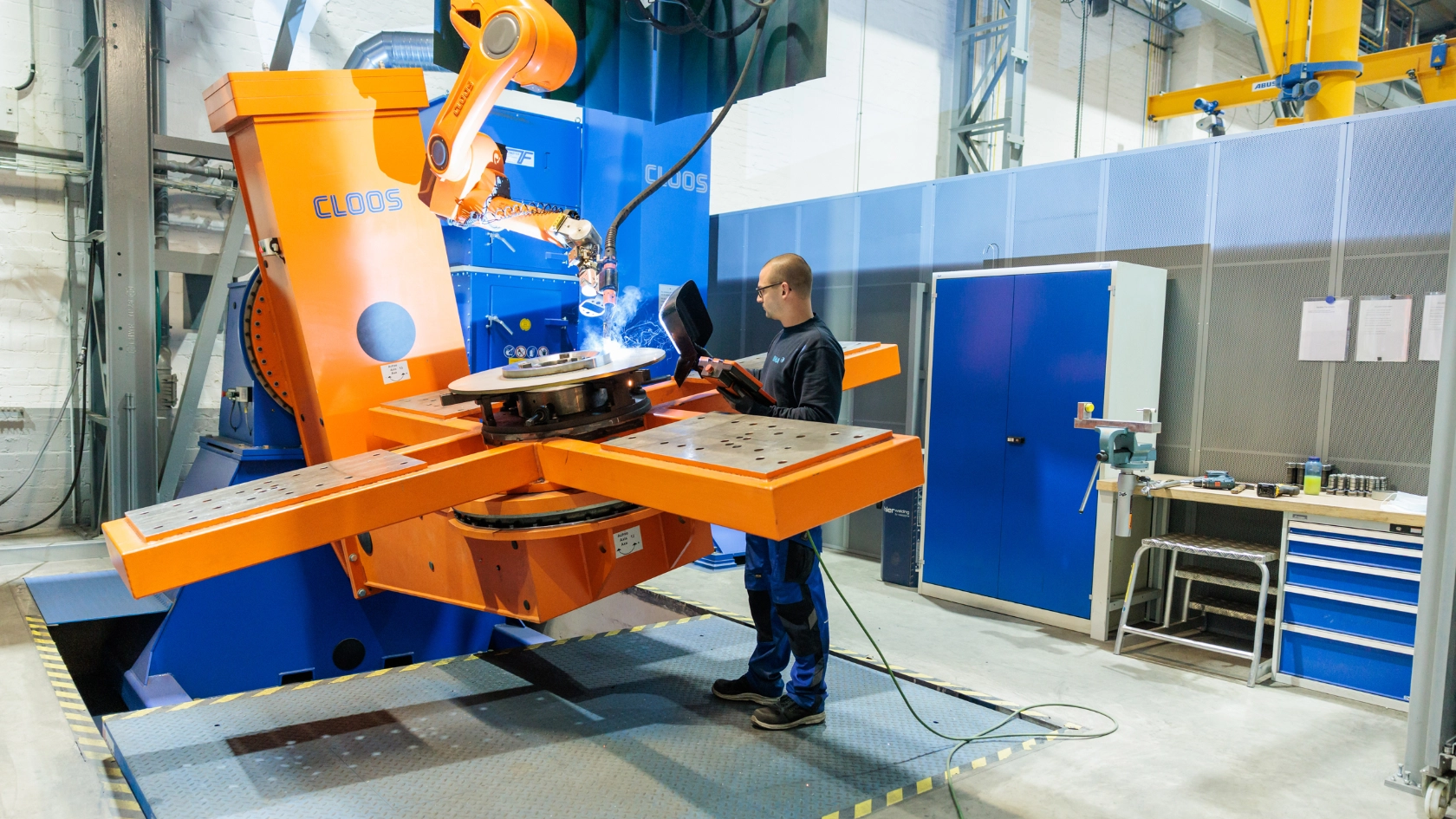
Let’s call her Petra. Petra lives in the future, in the year 2034. That’s the year she begins receiving her pension. She has a lifetime of work behind her: 45 years during which she consistently earned an average income and paid contributions into the pension insurance system.
And now?
If the legal situation remains unchanged, Petra could, according to current estimates, receive a pension amounting to 45 percent of the average wage. In today’s terms, her pension in 2040 would then be significantly below the current standard pension of 1,769 euros. Contributions to health and long-term care insurance are deducted from that amount.
A meager pension—despite an above-average working life?
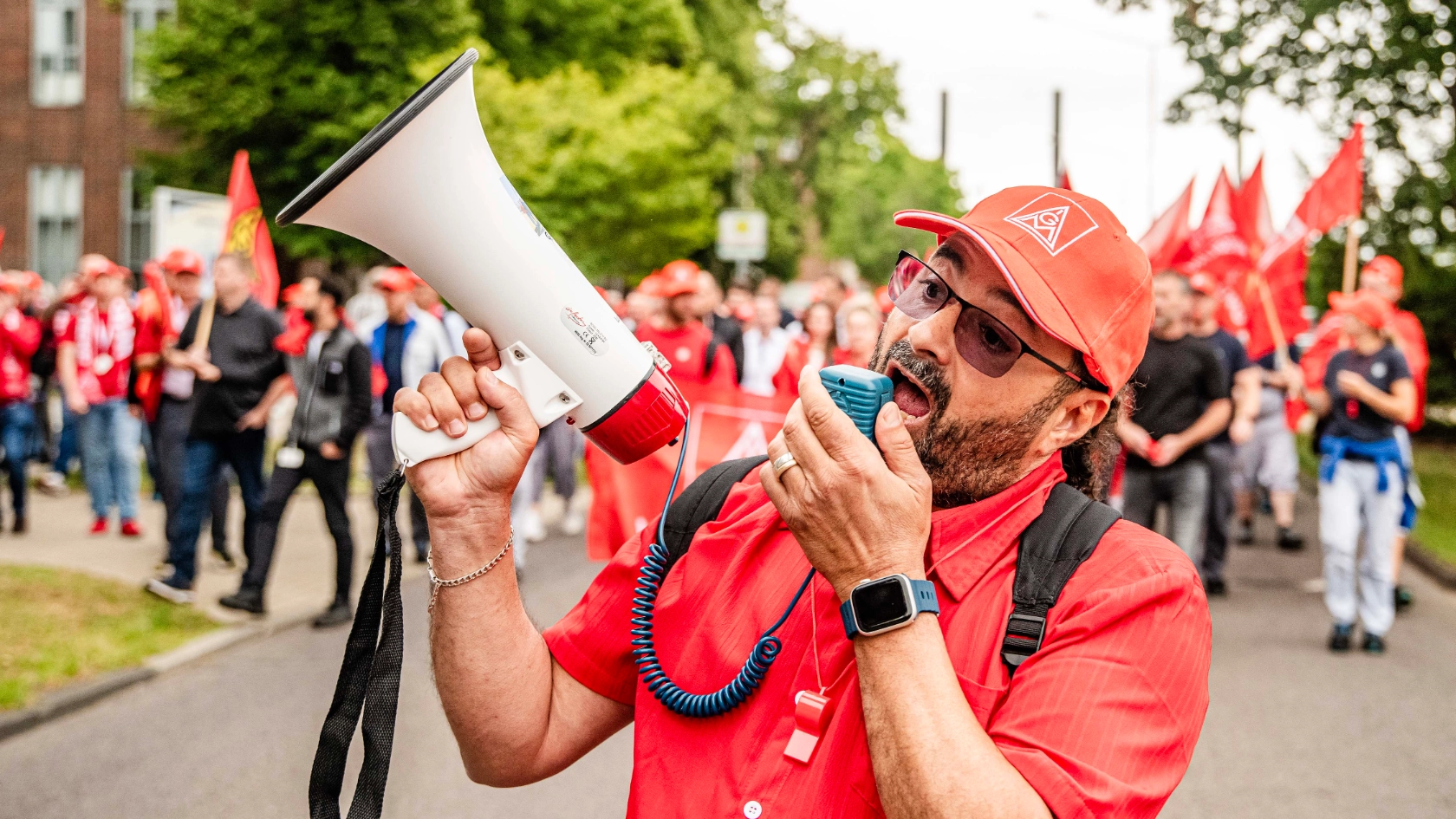
For IG Metall, the dismantling of the statutory pension system is a scandal. We demand a fundamental change of course in pension policy. We want to rebuild the old-age pension system on the basis of solidarity. The goal: an adequate pension for everyone.
IG Metall haspresented a detailed“ ” concept to this end.
These are the key points:
1. Strengthen the statutory pension
The statutory pension is intended to provide financial security in retirement. However, since the 2000s, the pension level has fallen significantly. We want to stop this trend. The pension level must be stabilized and raised again to prevent social decline in old age.
The federal government aims to maintain the pension level at 48 percent at least through 2031. IG Metall’s goal is to permanently stabilize the pension level —and gradually raise it to 53 percent, as was the case for decades.
We also want to link pensions back to general income trends. The so-called pension adjustment formula currently prevents this. For retirees, this means a creeping loss of purchasing power.
People who have worked for a long time in the low-wage sector or who have gaps in their work history need special support. For them, there must be exemptions for the statutory pension when calculating basic income support, so that their small pension is not completely offset against basic income support. Periods spent providing care, raising children, or experiencing long-term unemployment should be better recognized in pension calculations.
2. Funding Based on Solidarity
Currently, the statutory pension system is primarily funded by employees. Many high earners—doctors, lawyers, architects, politicians—are excluded from it. The same applies to civil servants. They all have their own retirement plans or receive a pension.
IG Metall says: In the future, all working people should contribute to the pension insurance system. This would strengthen the pension system in the long term and place its financing on a basis of solidarity.
The employment-based insurance should apply only to people who are just entering the workforce. This would create a financial buffer for the period when the large cohorts of “baby boomers” are retired.
3. Creating Flexible Transitions
Even the current retirement age of 67 is unattainable for the majority of workers: 53 percent assume that, under their current working conditions, they will not be able to work until the standard retirement age and that early retirement options must be available. However, retiring early means significant reductions in pension benefits.
IG Metall is calling for an attainable retirement age and flexible, socially secure transitions into retirement. “Retirement at 63” was a step in this direction. However, it applies only to a few age cohorts.
Through the “Collective Bargaining Agreement on Flexible Transition to Retirement” (TV FlexÜ), IG Metall has already secured the right to partial retirement for many workers.
4. Supplementary Pension Plans for All
Company pensions are a sensible supplement to the statutory pension. IG Metall advocates for the widespread adoption of company pension plans (bAV)—financed by the employer. Works councils should have a greater say in pension planning.
In addition to occupational pension plans, there is a need for further options for retirement provision—specifically within the statutory pension insurance system, without the need for expensive private pension plans. IG Metall’s proposal is called“Soli-Rente Plus.” The basic idea is that employees can increase their pension entitlements by making additional contributions to the pension insurance system.
5. Tax Subsidies and Contributions
To ensure a good pension, we also need moderately higher pension contributions and tax subsidies. Both are not only a sound investment but also fair. This is because employers contribute to pension premiums, whereas employees bear the cost of private pension plans entirely on their own.
Tax subsidies primarily serve to finance tasks undertaken by the pension insurance system even though no contributions have been made toward them. Example: the so-called “mothers’ pension.”
Many Generations, One Concern
In public debate, the pension issue is often framed as a “battle of the generations.” This only benefits those who want to slash the statutory pension.
In fact, all generations have a stake in a pension system that is secure for the future—especially younger people. Their working lives are often more unstable than those of older generations. As a result, they find it harder to build up sufficient pension entitlements.
IG Metall advocates for intergenerational dialogueand a pension policy based on solidarity. The goal is a fair balance.
And what does it mean for our future retiree Petra if IG Metall’s demands are implemented? If she retires in 2034, she could expect to receive significantly more money: Instead of a creeping loss of purchasing power, she would actually have a higher pension (in today’s terms)—at least 100 euros more per month.
Tip: IG Metall’s complete pensionplan is available here.