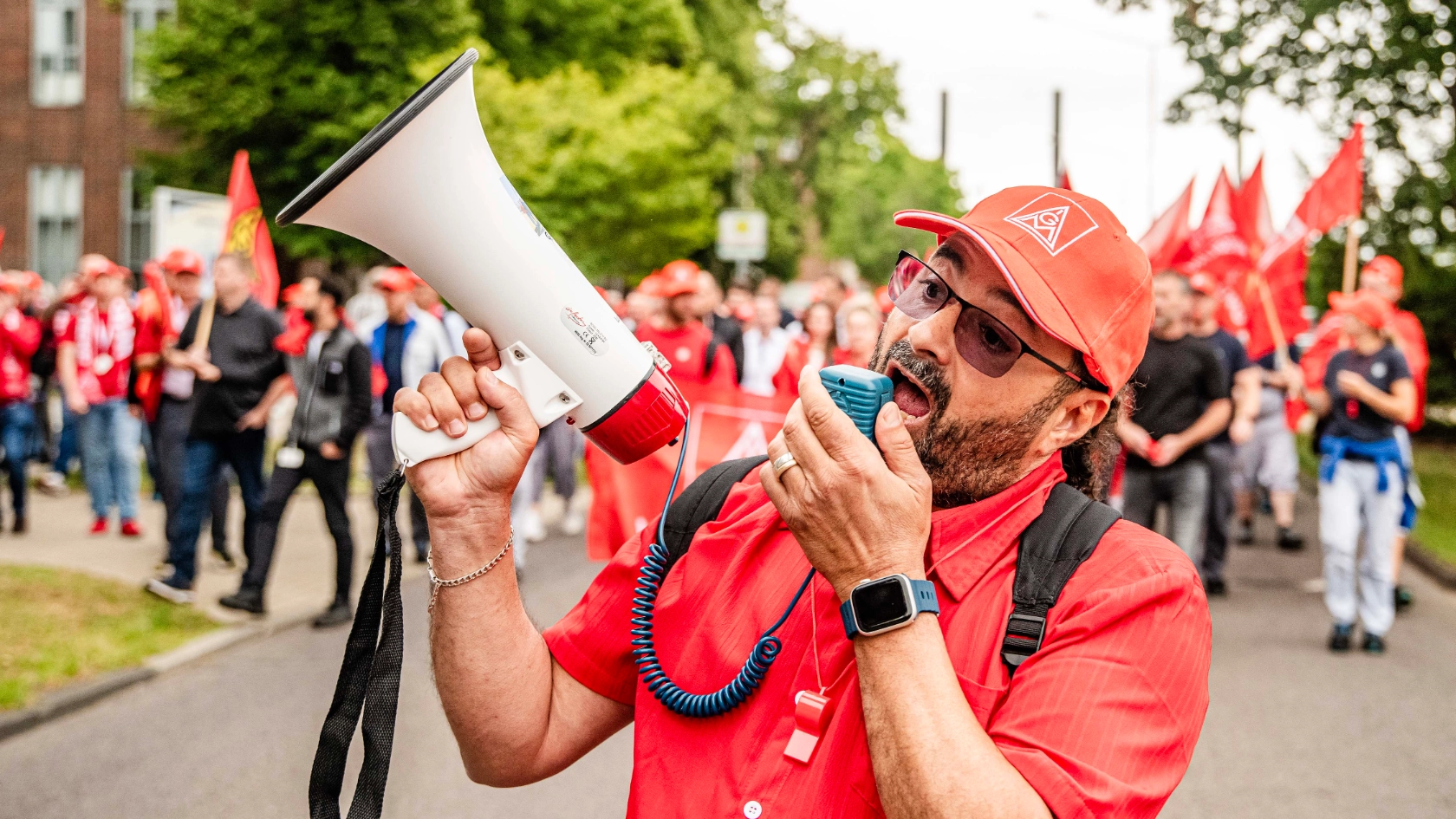
Lifetime contributions: This term comes up frequently in the current debate over pensions. Almost everyone agrees that a long working life should be worth something. Anyone who pays into the pension fund for decades has earned their pension.
The so-called “retirement at 63” puts this idea into practice. Officially, it’s called“retirement for those with particularly long insurance records.”
In concrete terms, this means that anyone who can demonstrate at least 45 years of insurance coverage may retire before reaching the standard retirement age—without their pension being reduced as a result.
As a rule, reductions apply if a pension is claimed before the general retirement age. For every month someone retires early, the pension insurance system deducts 0.3 percent from the pension. This reduction remains in effect for the entire duration of the pension.
Incidentally, the “retirement at 63” option has long since been discontinued. Only a few birth cohorts were able to retire at age 63. Starting with those born in 1953,the retirement age increasesby two monthsfor each subsequent birth cohort. For those born in 1964 or later, a pension without reductions is only possible at age 65.
Recommended reading: Where the Pension Commission Is Right—and Where It Isn’t
But even that is set to end soon, if the federal government’s Pension Commission has its way. Retirement after 45 years of insurance contributions is to be abolished. For IG Metall, this is one of the biggest points of criticism.
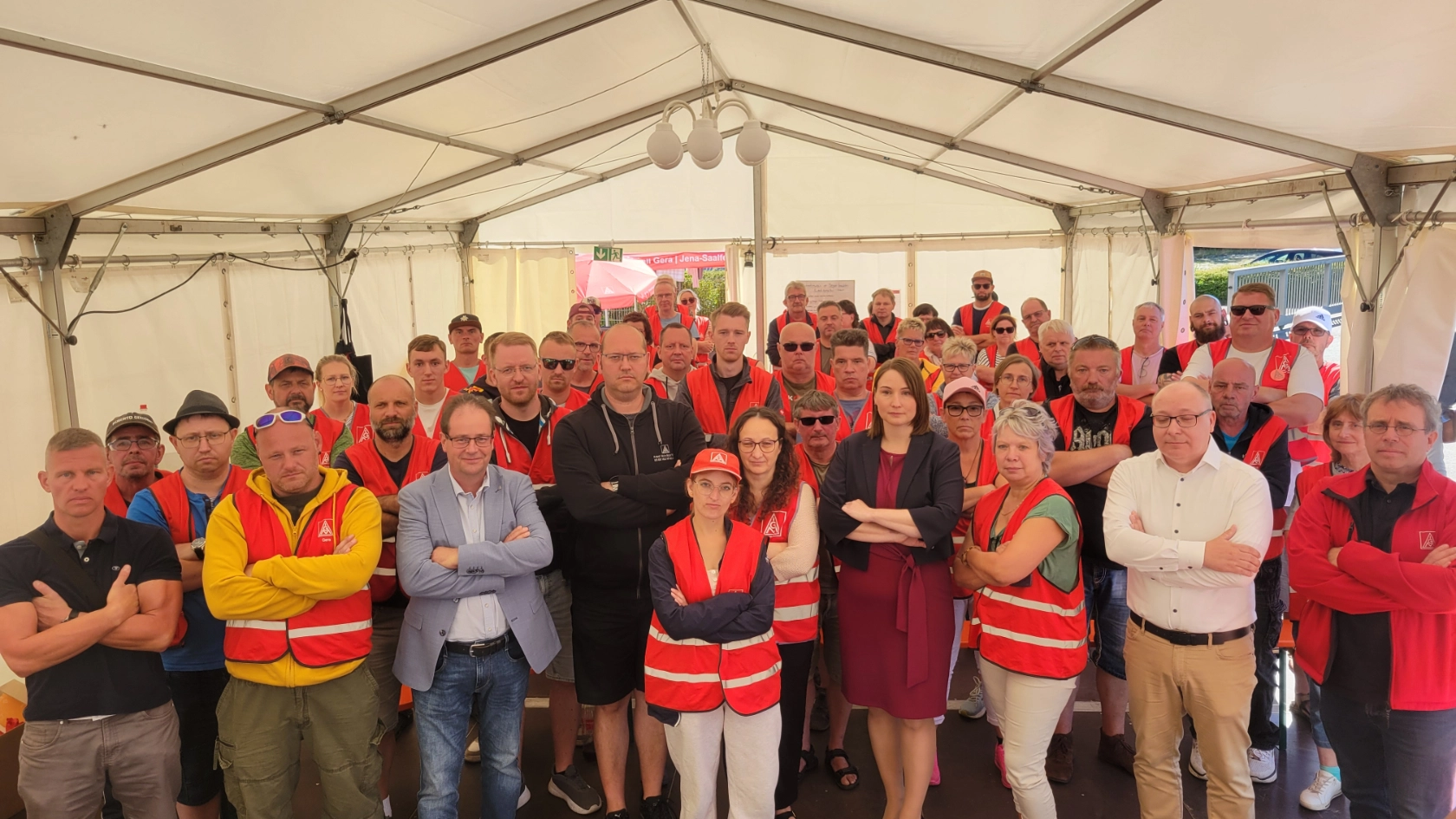
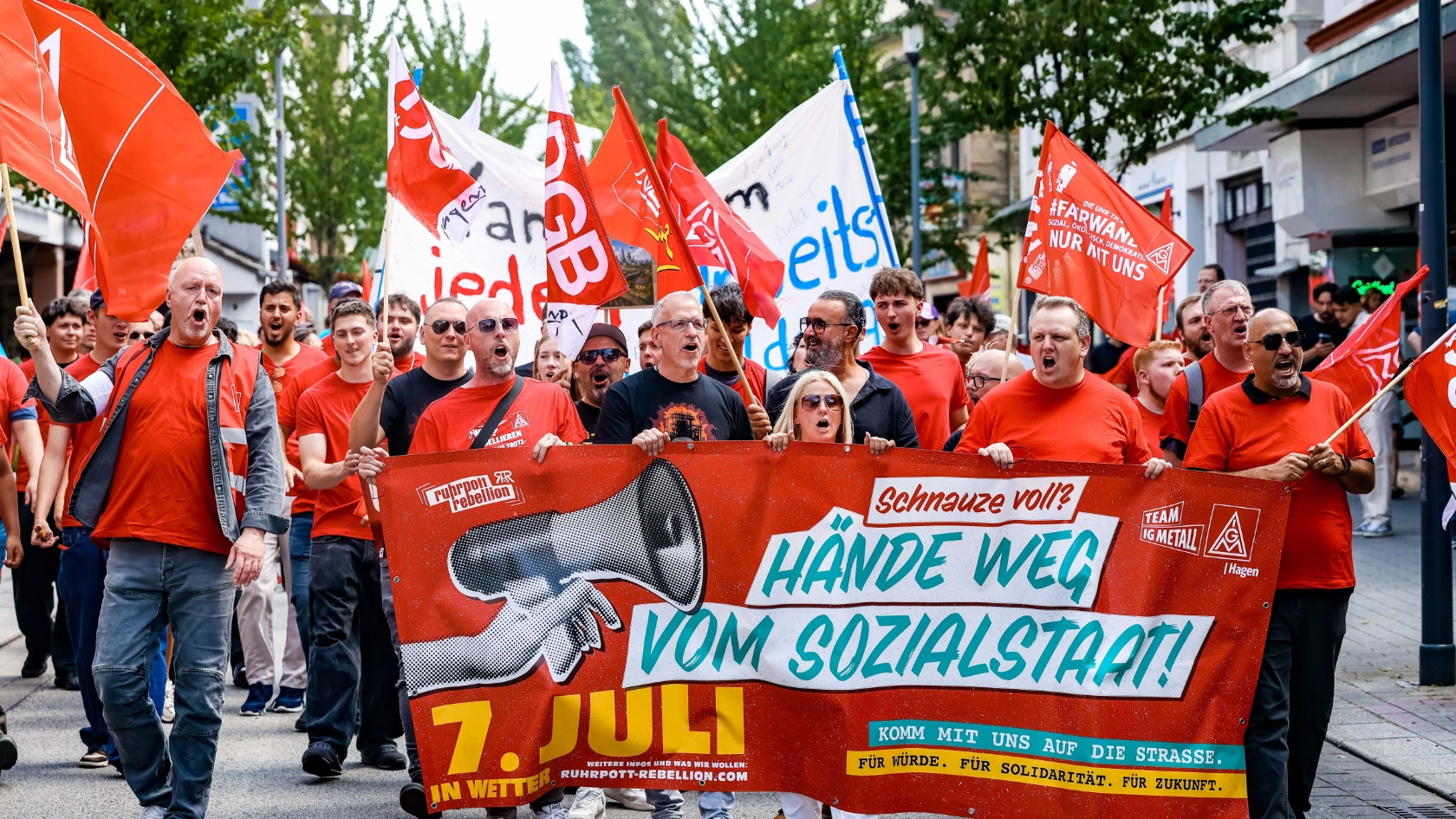
“Abolishing the so-called ‘retirement at 63’ would be a slap in the face to those who have worked for decades, paid contributions, and helped build this country’s prosperity,” says Ralf Reinstädtler, IG Metall’s Social Affairs Director. “Anyone who has paid into the pension fund for 45 years has earned a full retirement without any reductions.”
Earned, not a handout
IG Metall has supported the so-called “retirement at 63” program from the very beginning. This is because it corrects an injustice: People who have worked for 45 years, paid into the system, and helped build this country’s prosperity should not be punished with pension cuts at the end of their working lives.
This provision is particularly essential in professions involving high levels of physical or mental strain. Many workers doubt that they will be able to work until the standard retirement age under today’s working conditions. Shift work, physically demanding tasks, and intense pressure to perform take their toll.
Surveysshow time and again that more than half of Germans do not believe they can work until age 67 under their current working conditions. Only about 23 percent of working people under the age of 67 who were surveyed believe they will be able to work beyond age 67.
Strong Support for “Retirement at 63”
Support for a pension without reductions after 45 years of insurance contributions is correspondingly high. Nine out of ten respondents are in favor of retiring without reductions after 45 years.
This pension is well-deserved—that is how the vast majority of people in the country feel.
This provision is particularly important for workers who do physically demanding jobs. Many of them simply could not work any longer. Without the “pension for those with particularly long insurance periods,” they would have to accept pension reductions.
That would be doubly unfair: Starting work at a young age and many years of hard labor—often working shifts—reduce life expectancy and shorten the period during which one can receive a pension.
One thing is also clear: A pension cannot be a health care benefit. People must be able to retire in good health. IG Metall rejects current plans to replace the “pension at 63” with a health assessment for those with reduced work capacity.
“Retirement at 63” has broughtrecognition of their lifetime achievementsto many thousands of people.
We should preserve it.