The methods are often brutal and insidious. People who advocate for workers’ rights fall victim to arrests, beatings, and torture. They are put on trial on flimsy charges. They do not receive a fair trial and are imprisoned, where they become victims of severe harassment. There are many examples of union members around the world who will be assisted by the network that IG Metall has now established with Amnesty International Germany.
One of the cases the newly established network is addressing together with Amnesty International is that of Esmail Abdi. He is a math teacher and the president of a teachers’ union in Iran. His activism has long been a thorn in the side of the Iranian government. Abdi is in prison for organizing demonstrations by teachers protesting low pay. Abdi was subjected to solitary confinement and went on a hunger strike for a time. Amnesty International has been running a campaign for some time to support Abdi and secure his release.
“Confess Like a Dog”
Two Iranian activists who protested against poor working conditions at a sugarcane factory in Khuzestan Province fared even worse. The two activists, Esmail Bakhshi and Sepideh Gholian, were beaten with metal rods, shackled, and abused while in custody. “There are no human rights here, and you have no choice but to confess like a dog.” Security forces used statements like these to try to break the two activists’ resistance.
An urgent action campaign is currently underway for a trade unionist from Venezuela. Rubén González was imprisoned in 2018 for peacefully advocating for collective bargaining and labor rights in Venezuela. For over a year, he was denied adequate medical care. He is now in very poor health and requires urgent treatment for acutely high blood pressure. Amnesty International is calling for González’s unconditional release. As long as he remains unjustly detained, he must receive appropriate medical treatment. “As part of an urgent action, anyone who wants to help González can send a letter to the President of Venezuela demanding the trade unionist’s release,” says Ruth Jüttner of Amnesty International.
Open to All DGB Members
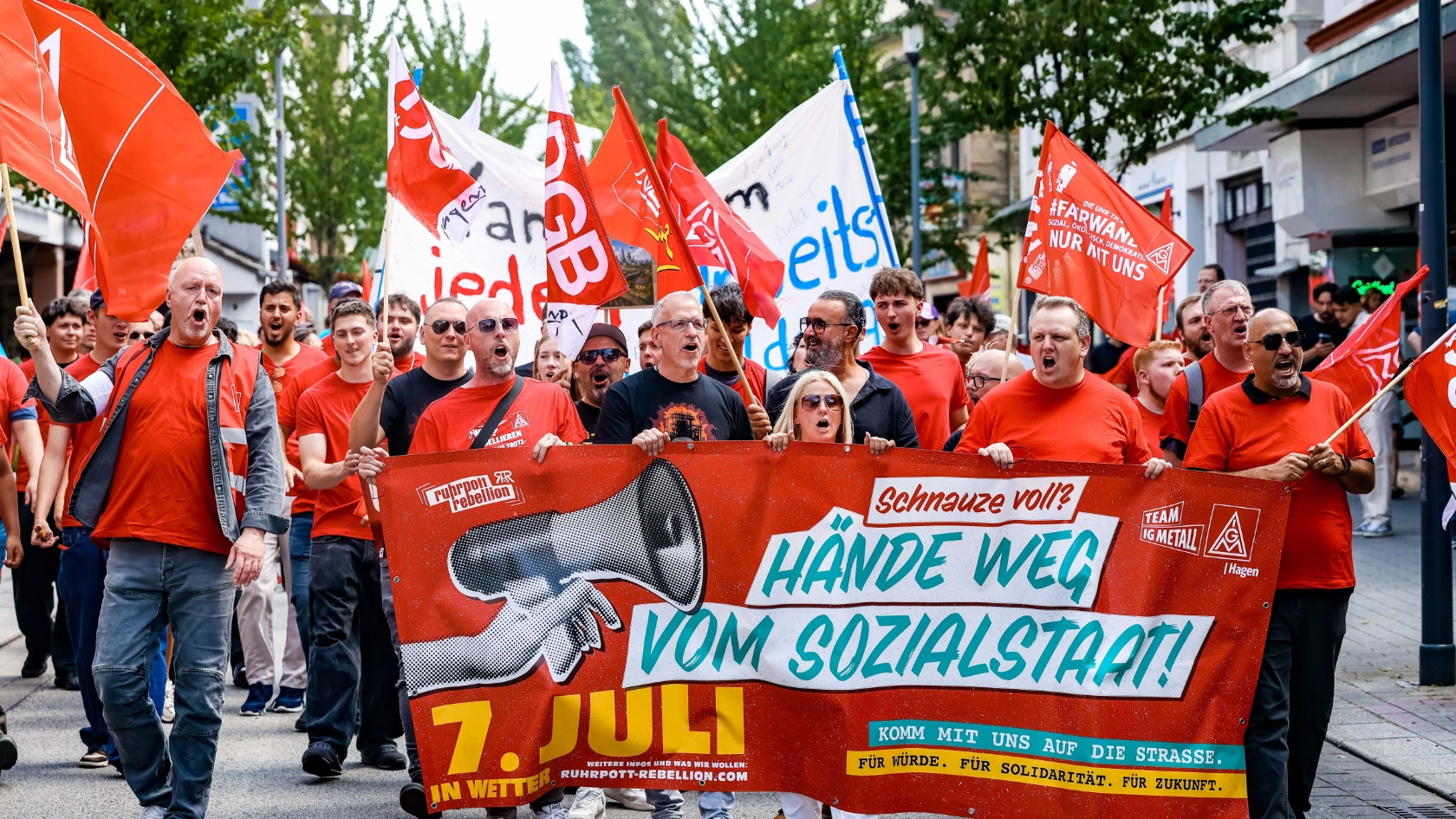
Jüttner welcomed IG Metall’s initiative to launch a dedicated group focused on this issue. The goal is to secure the release of imprisoned trade unionists through letter-writing campaigns. Even improvements in prison conditions can make a significant difference for the prisoners. As IG Metall’s chief treasurer, Jürgen Kerner, emphasized, the network is open to members of all DGB-affiliated unions. Those interested—whether they work in companies or are students—volunteer to handle the cases and participate in urgent campaigns, for example, when a persecuted union member faces the threat of torture, forced disappearance, or execution.
The network plans to focus on regional and thematic priorities. For example, the FIFA World Cup is bringing greater attention to working conditions in the host country, Qatar. In this Arab country, stadiums and accommodations are currently being built for athletes and guests expected for the 2022 games. Many people from other countries, such as the Philippines, India, Nepal, and Bangladesh, are employed on the construction sites. Since occupational safety regulations are less stringent, injuries and even fatalities occur frequently.
A New Form of Slavery
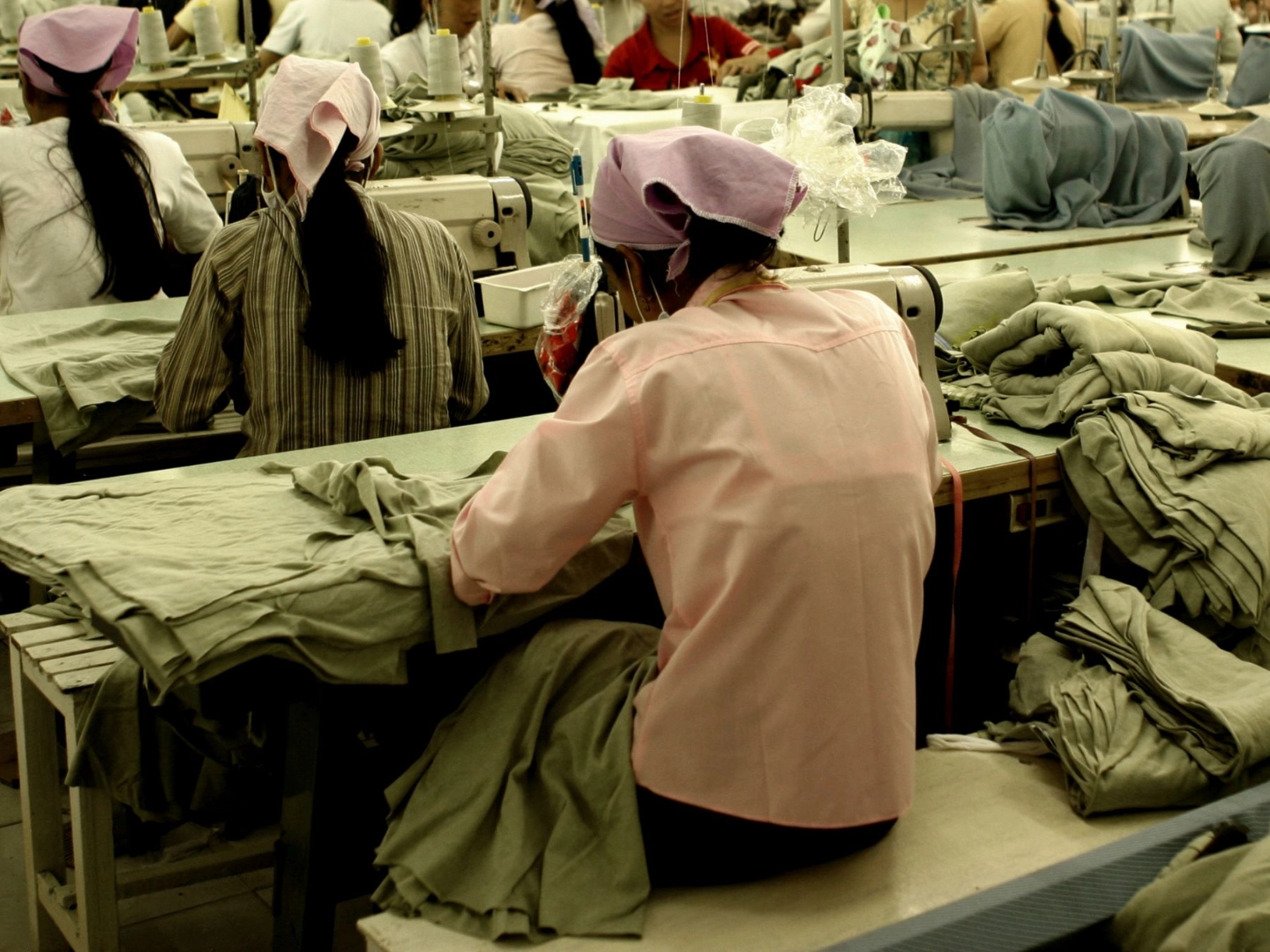
Due to the so-called kafala system in place in Qatar, working conditions in the low-wage sector are particularly precarious. Agencies in Southeast Asia recruit workers in exchange for high fees. Once the migrant workers arrive in Qatar, employers often withhold their passports, in violation of applicable law. Migrant workers may only change employers or leave the country with their employer’s permission. There is arbitrary discretion regarding when and how much wages are paid. Unions are banned in Qatar. Migrant workers have virtually no means of asserting their rights, for example, when their wages are withheld. Human rights organizations such as Amnesty International have been documenting this modern form of serfdom for years and are mobilizing against it through campaigns and lobbying at the national and international levels.
“We will be focusing more intensively on the issue of Qatar and the World Cup in the near future,” said Jürgen Kerner. He called on union members to get involved with the network. “The more people who participate, the better,” said Ruth Jüttner of Amnesty International Germany. “In many countries, union members face an uphill battle. We can stand by them and make it clear that it is a fundamental right to form unions, join them, and advocate for good working conditions.”
Support Network for Courageous Union Members: IG Metall Donation to Amnesty International