When the minimum wage rises in Germany, it has something to do with the EU.
When working hours are tracked more effectively to prevent overtime from getting out of hand, that’s also related to the EU.
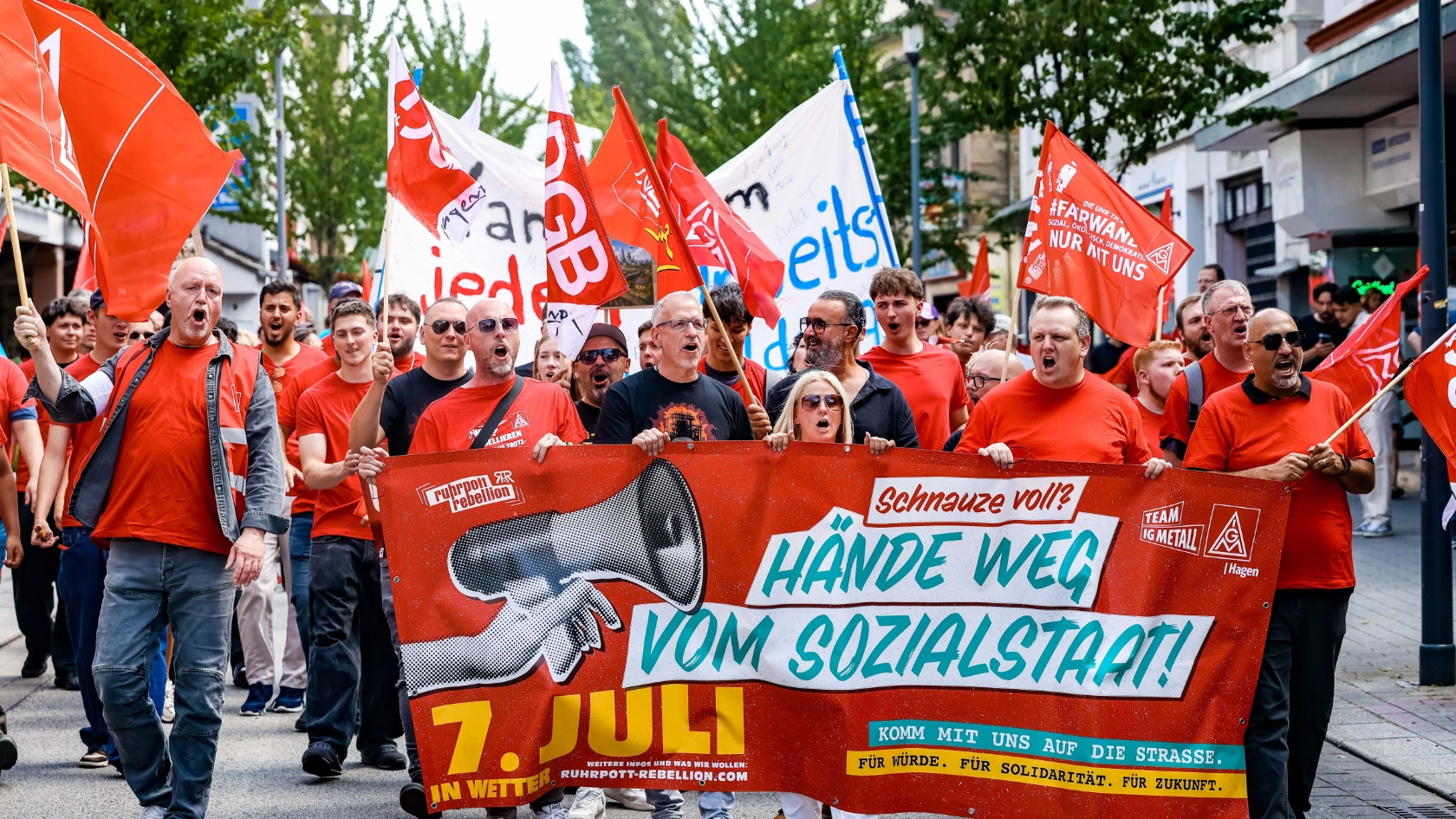
And when the federal government comes under pressure to finally do more to support collective bargaining agreements, that certainly has to do with the EU.
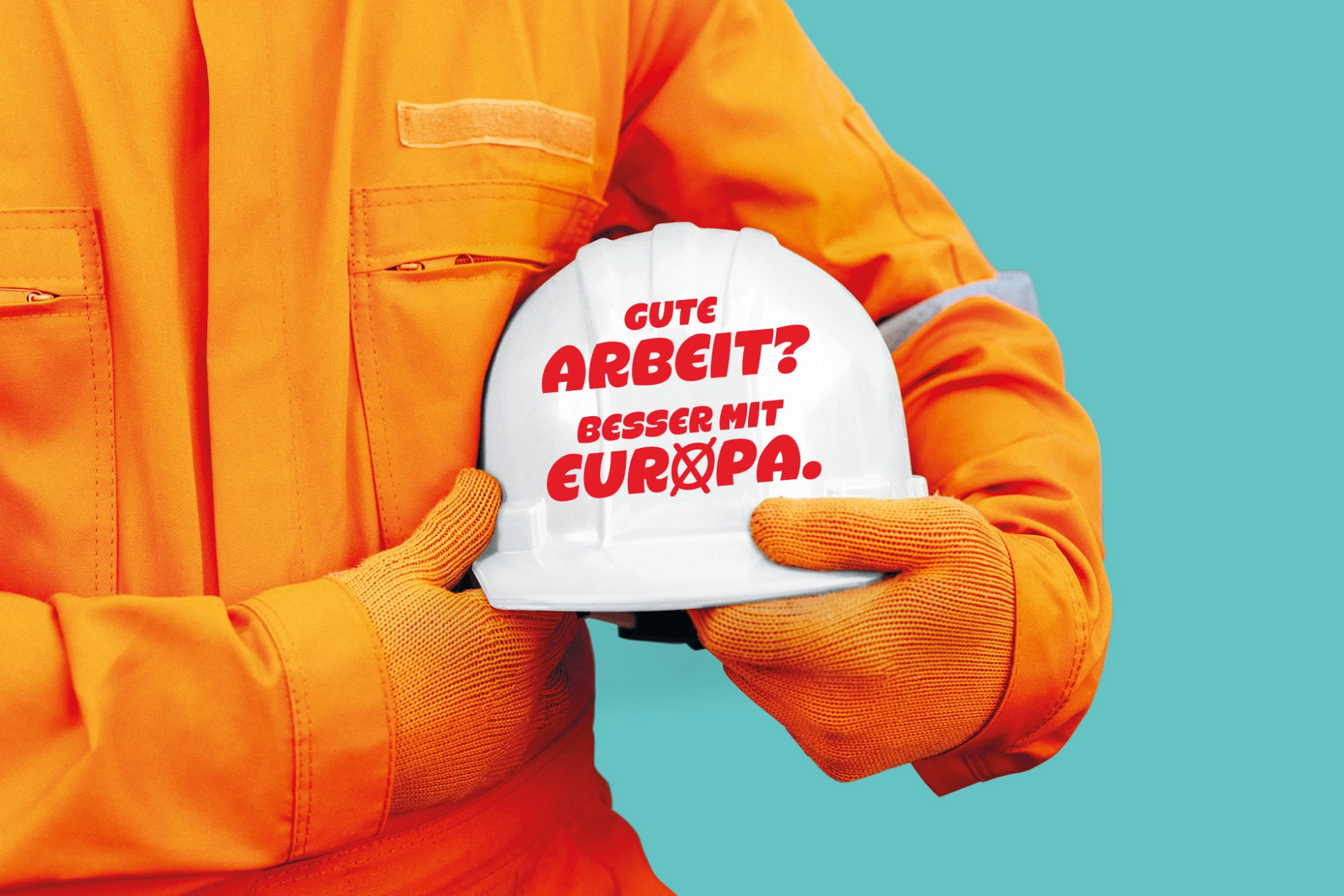
Decisions made in the EU’s capital, Brussels, influence the daily work lives of millions of employees. This makes it all the more important that these decisions are socially responsible and in the best interests of workers. The 2024 European elections will set the course for this—for the next five years.
Here is a selection of EU rules that are particularly important for workers:
Working Hours and Vacation
The EU limits weekly working hours and has expanded the right to rest periods—as well as paid vacation and protections for night workers.
Maternity Leave
The EU provides for 14 weeks of maternity leave. The European Court of Justice has ruled that if maternity leave and vacation (including company-mandated time off) overlap, maternity leave takes precedence. This means you can take your regular vacation at a different time.
Wages
The EU stipulates that minimum wages in all member states must be above the poverty line—that is, high enough to provide a decent standard of living. Where this is not the case, the EU can take contractual action against the member state in question.
Collective Bargaining Agreements
All EU member states must ensure that collective bargaining coverage is at least 80 percent. Otherwise, they must develop an action plan to promote collective bargaining . In Germany, for example, this increases the pressure for a law requiring compliance with collective bargaining agreements, as demanded by IG Metall.
Pay for Work Abroad
Employees assigned to work in another EU country—for example, in the construction industry or in assembly jobs—must be paid the same collective bargaining wage or minimum wage as local workers. This makes wage dumping more difficult.
Protection in the Event of a Business Takeover
If a business or part of it is acquired, the new employer is required to maintain the working conditions, contracts, and wages of all employees for at least one year.
Safety at Work
Whether it’s noise protection or the safe handling of carcinogenic substances, many regulations on occupational safety and health stem from European legislation.
Work Time Tracking
The European Court of Justice has ruled that employers must provide a system for tracking working hours. This is intended to ensure that maximum working hours and minimum rest periods are observed.
Trade
Germany conducts approximately 55 percent of its trade within the EU. The European single market makes the trade in goods, services, and capital easier and more cost-effective. Border controls and customs duties are eliminated. This boosts the European economy, promotes investment, and creates jobs.
Much has been achieved—but there is still much to do
As important as Europe is for workers, many things need to improve in the future.
The EU is still more of a common market than a social union. Corporate rights often take precedence over fundamental social rights. Competition based on low wages and social standards is too rarely curbed. And the EU’s austerity requirements are driving austerity measures in many member states.
This also concerns the future of industry: Government support for industrial companies must be made more accessible—and tied to conditions, such as collective bargaining agreements and the preservation of jobs. Electricity prices must be internationally competitive. Public contracts must be linked to European value creation.
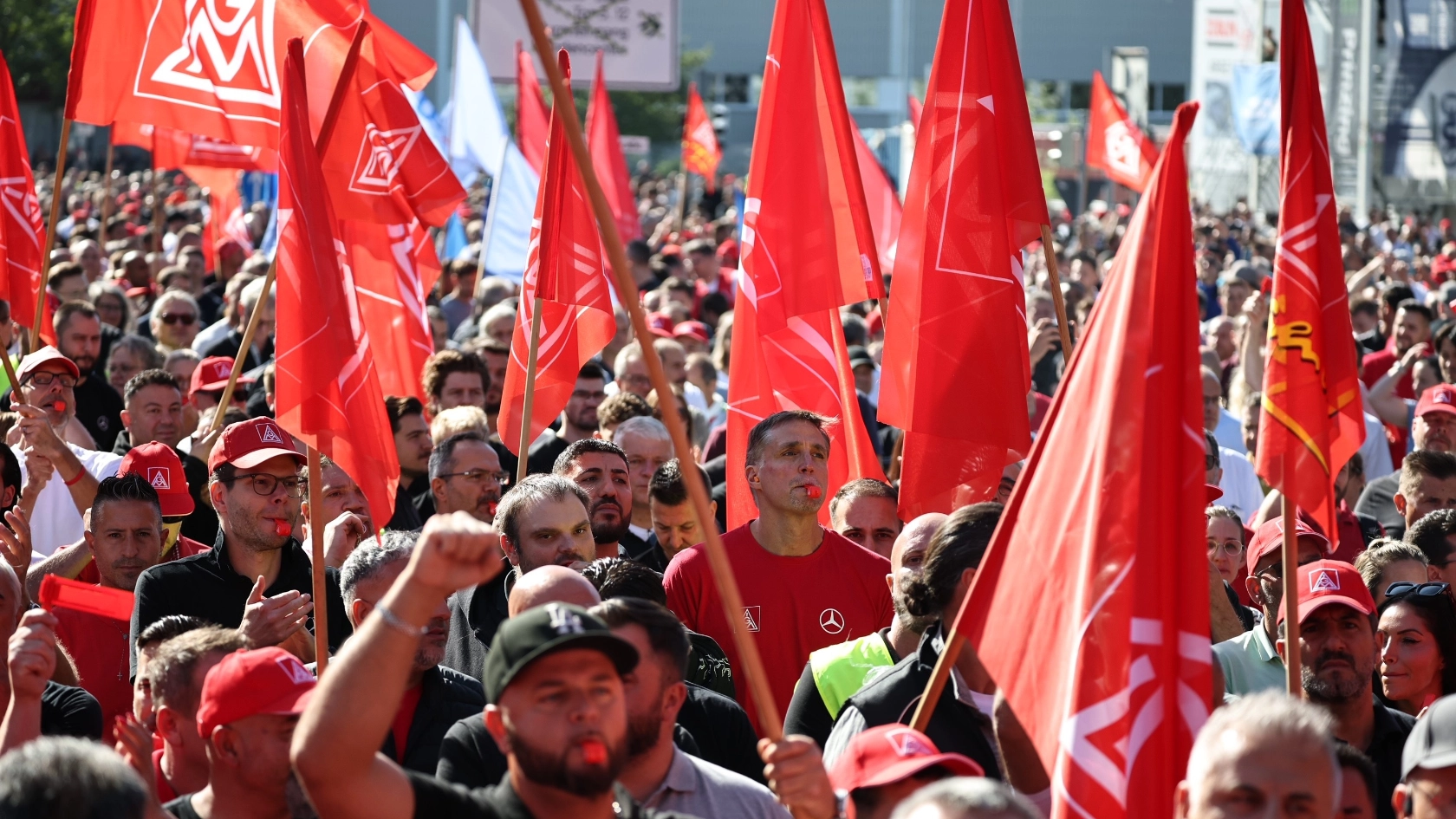
IG Metall wants a social and solidarity-based Europe—with a strong European industry.
The 2024 European elections are an opportunity to steer the EU in this direction. By voting in the European elections, everyone has the chance to have a say and to strengthen the interests of workers in Europe.
What are the unions calling for in the 2024 European elections?
An overview can be found here.