Automatic translation
This article has been translated automatically using computer technology. While we strive for accuracy, some wording or details may differ from those in the original article.
This translation was not manually reviewed. For important facts, quotations or legally sensitive information, please consult the German original. Individual selections, images, embedded media or technical terms may have been translated differently or incompletely.

What does a works council do? Explained: These are the duties of a works council

The so-called Works Constitution Act grants works councils a range of participation rights. We explain what a works council does, where it has a say, and what it is allowed and able to do.

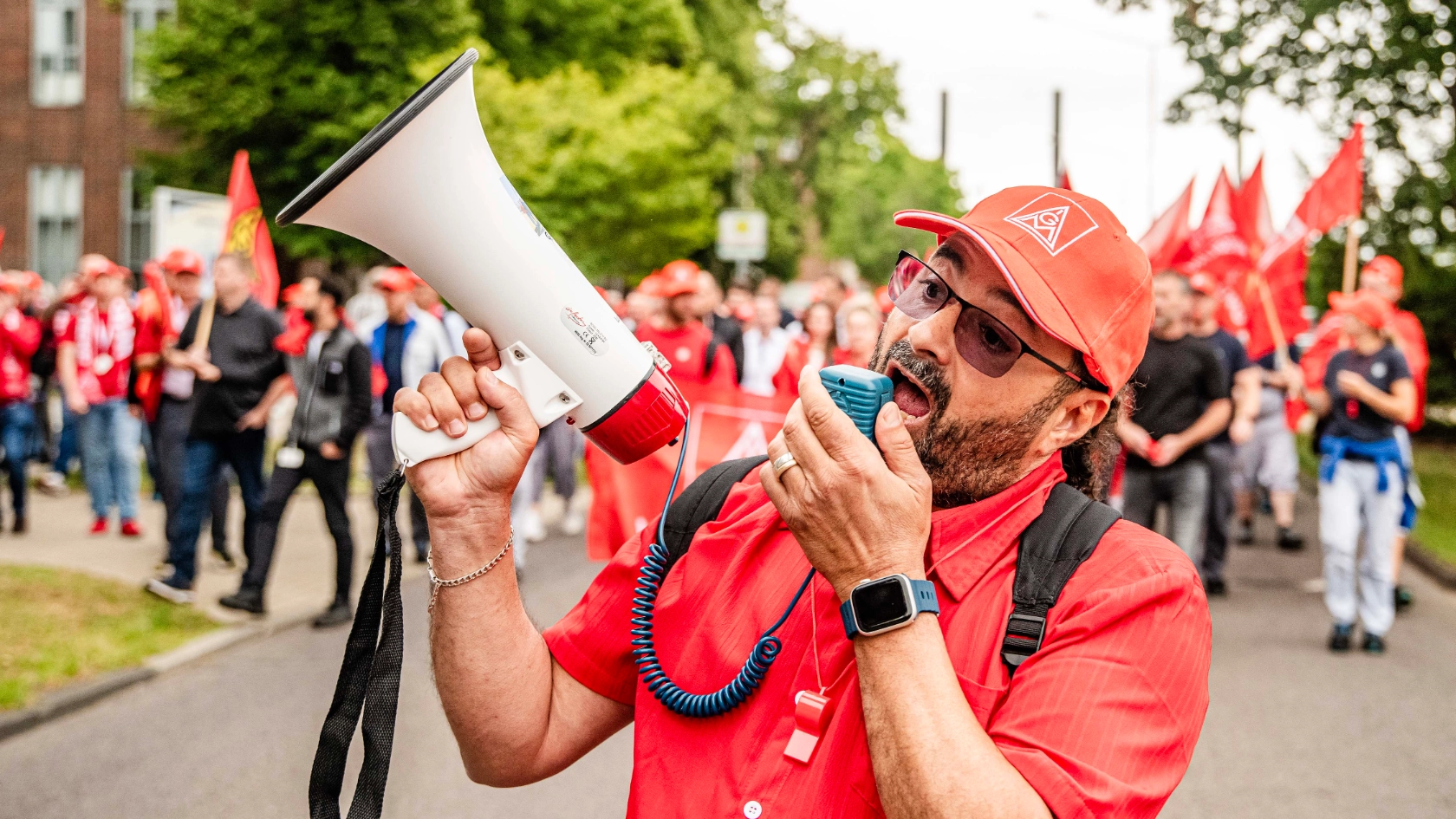
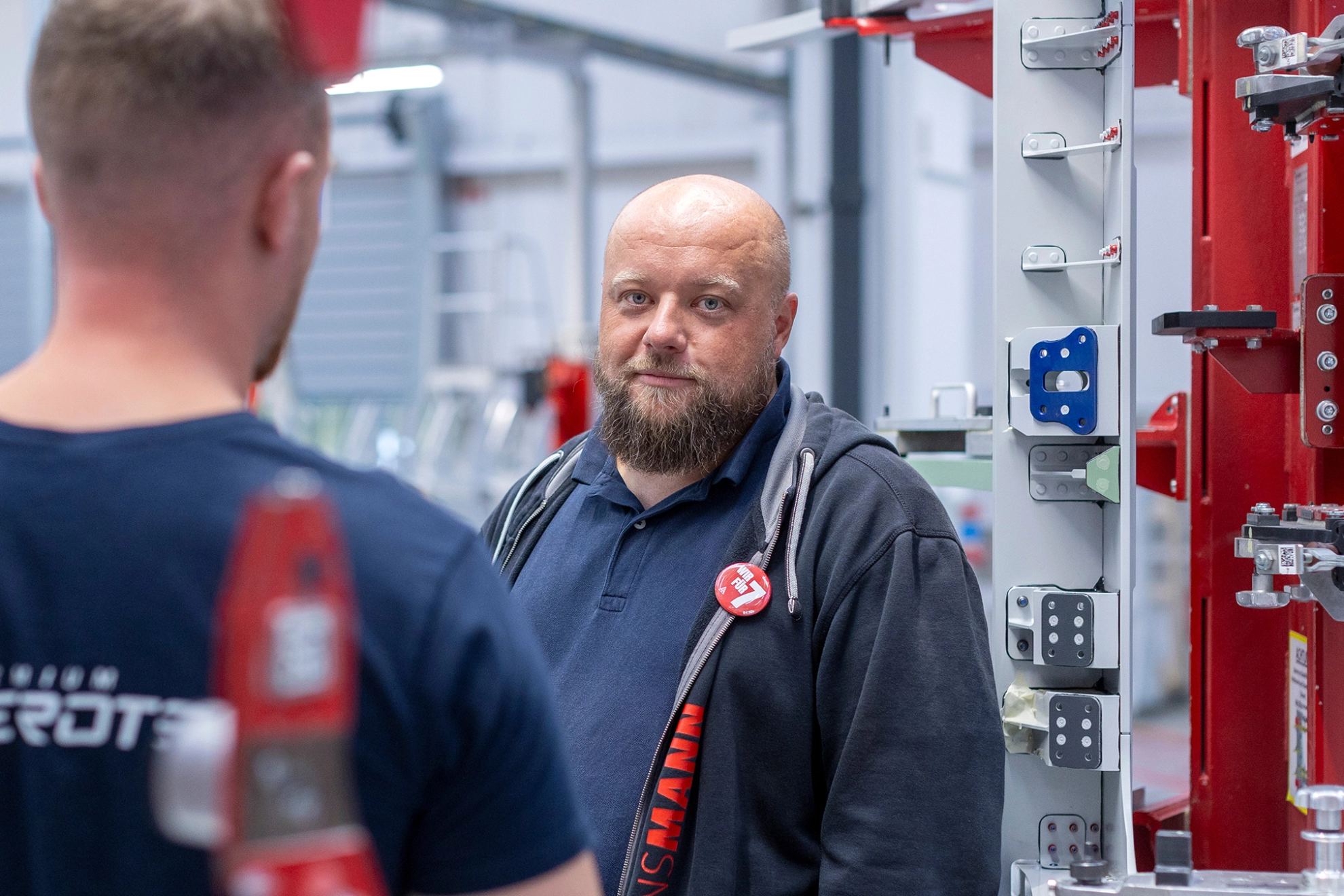
Die IG Metall kämpft jeden Tag für faire Arbeit, mit ihren Tarifverträgen und in den Betrieben. So wie bei Premium Aerotec in Varel. Hier haben IG Metall-Betriebsräte die Übernahmen von über 140 Leihbeschäftigten durchgesetzt.


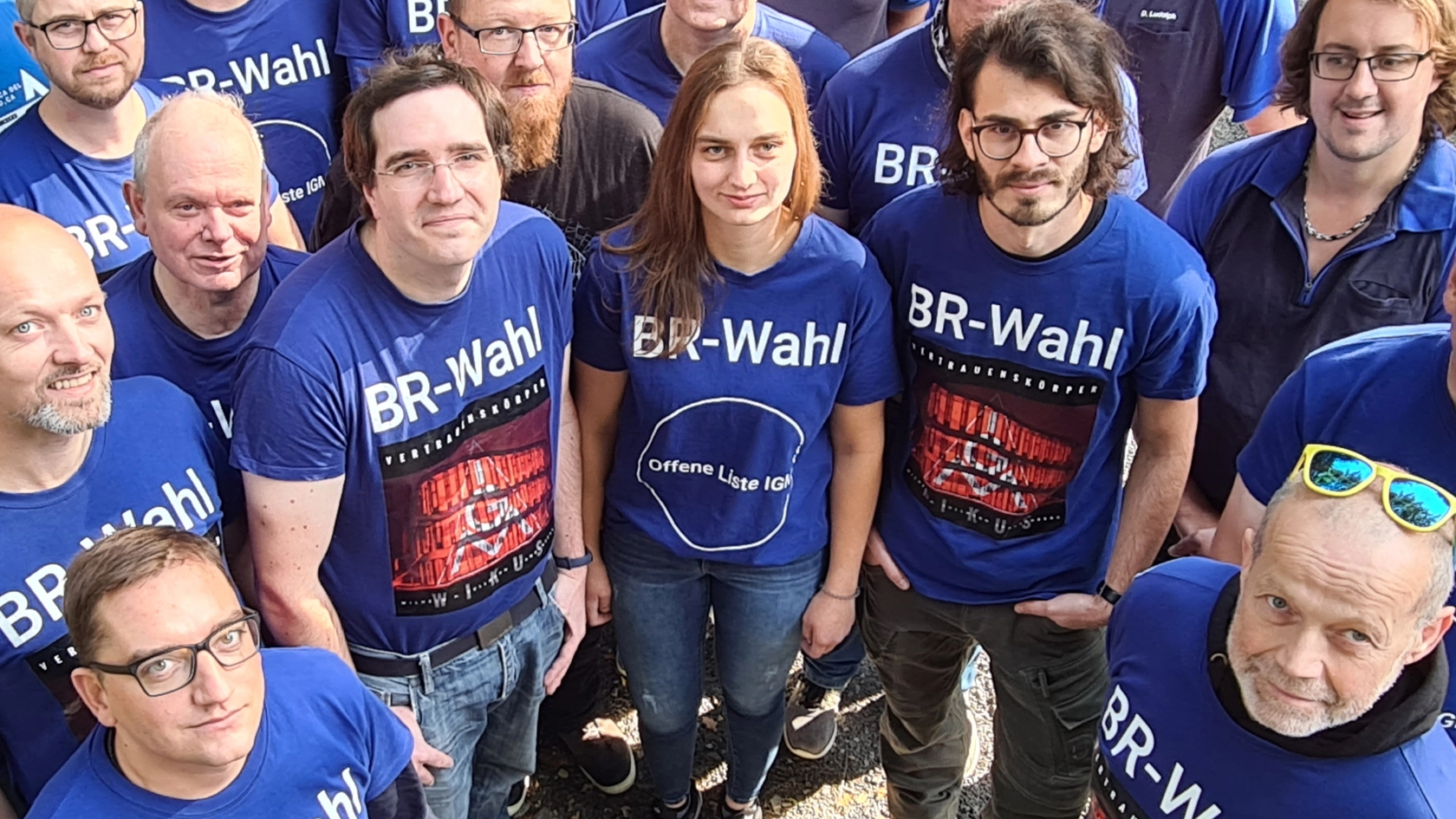
In companies with five or more employees, employees elect works council members. This is stipulated in the Works Constitution Act (BetrVG). Every four years, employees elect their works council members from among themselves. The next election will take place from March to May 2026. In companies without a works council, the first election can be held at any time.


Representing Employees’ Interests

The role of works councils is to represent the interests of employees and ensure that their rights, as enshrined in laws, collective bargaining agreements, or company agreements, are upheld. In doing so, the works council is also tasked with promoting gender equality and the work-life balance, as well as the integration of people with severe disabilities and foreign workers (Section 80 BetrVG).

The Works Constitution Act requires works councils and employers to cooperate in a spirit of trust—in collaboration with the collective bargaining parties, namely employer associations and labor unions (Section 2 of the Works Constitution Act).


Good Work, Fair Pay, and Professional Development

The works council ensures good working conditions and fair pay. It oversees proper job classification and helps determine working conditions—including start and end times, break times, overtime, on-call duty, part-time work, flex time, remote work, and much more. The works council must be consulted before any termination of employment. It advocates for the rights of apprentices and ensures that all employees have access to continuing education opportunities. The works council also ensures occupational safety and health in the workplace.

Rights to Information, Consultation, and Co-determination

The Works Constitution Act grants works councils a range of participation rights to carry out their duties.

  1. Information: The employer must provide the works council with comprehensive and timely information (Section 80(2) of the Works Constitution Act (BetrVG))—for example, regarding wages, salaries, and compensation within the company, or the use of temporary workers and contractors. The employer must consult with the works council on matters of occupational safety and environmental protection in the workplace (Section 89).
  2. Consultation: The employer must consult with the works council regarding measures related to workplace design, work processes, the work environment (Section 90), personnel planning, and job security (Section 92).
    This also applies to planned changes to the business, such as changes to the organizational structure, restrictions, and the closure of the business (Section 111).
    The works council may also propose measures to the employer aimed at safeguarding employment (Section 92a).
  3. Hearing: The works council must be consulted before any termination. The employer must inform the works council of the reasons for the termination. A termination issued without consulting the works council is invalid.
    The works council may object to the termination with justification—for example, if continued employment is possible. Benefit for the employee: If the employee files a lawsuit against the termination, the employer must continue to employ the employee until a final decision is reached in the unfair dismissal proceedings. However, the works council cannot ultimately prevent or prohibit the termination by legal means.
  4. Refusal to Grant Consent: The employer requires the works council’s consent on certain matters—such as personnel decisions including hiring, transfers, job classification, and reclassification (§99).
  5. Co-determination: The works council has a say in the start and end times of the workday, overtime, performance monitoring, and occupational health and safety measures (Section 87); in changes to work (Section 91); in vocational training measures (Sections 97, 98); and in the reconciliation of interests and social plans, which govern matters such as severance pay in the event of layoffs and plant closures (Section 112).
    On many of these issues, the works council has the legal right to compel negotiations on a company agreement. In the event of a dispute, a conciliation board—a body within the labor court system, typically chaired by a labor court judge—makes the final decision.
     

Works councils need a strong union

However, the works council’s legal authority also has its limits. For example, the works council cannot negotiate the amount of compensation, wages, and salaries at the company, nor can it negotiate weekly working hours or the number of vacation days. Only a union can enforce these terms in a collective bargaining agreement (Section 77, Paragraph 3).

Furthermore, while the works council can make proposals to secure jobs and force negotiations on a reconciliation of interests and a social plan, it has no legal means to prevent a closure.

And the works council is certainly not permitted to call for a strike to enforce demands. Only a union can do that. The works council can only take the matter to court, which can drag on for years—with an uncertain outcome.

That is why the works council needs the backing of a union like IG Metall. IG Metall’s experts advise and train works councils, working with them to develop strategies and solutions. IG Metall negotiates collective bargaining agreements with employers regarding pay, working hours, and vacation time, as well as social collective agreements in the event of closures—and, most recently, “future collective agreements” that secure investments, training, and jobs.

And: Unlike works councils, IG Metall can, as a last resort, call for a strike to put economic pressure on the employer and thereby gain a stronger negotiating position.

Even strong works councils in large companies know full well that they need IG Metall.
 

Works Councils and Unions Secure Jobs

Together with a strong IG Metall—with many IG Metall members in the workplace—works councils can achieve significantly more for employees. Even more is possible in companies with co-determination where employee representatives sit on the supervisory board. They can , for example, request information and propose alternatives—although, by law, the employer side always holds the majority of votes and thus has the final say.

Nevertheless, employees with continuous co-determination at all levels of the company—in the workplace and on the supervisory board—can achieve significantly more in partnership with a strong union: at the very least, they can secure higher severance packages, make closures extremely costly—and, in some cases, even save and secure locations.

Employees Report: What Our Works Council Has Achieved for Us
.

Stefanie Schulz, Accounts Payable Coordinator, STILL Hamburg

“Our financial accounting department was outsourced, but our works council secured our jobs. From the very beginning, our works council involved us and consulted with us on an ongoing basis: What do the numbers and processes look like? In fact, our work is much more complex than it appears at first glance. Unfortunately, the outsourcing could not be prevented.”
.

Sandra Merz, CRM Clerk, S&G Automobil, Karlsruhe

“Thanks to our works council, we once again have a partial retirement program. Many older employees can no longer keep up and want to retire early. And the younger ones can move up. We can hire more trainees into secure jobs. We also owe our second COVID-19 bonus payment to the persistence of our works council. Works council work is important to us. I want to help with that. That’s why I’m now running for the works council.”
„Durch unseren Betriebsrat habe ich über 2000 Euro mehr im Jahr. Als damals der neue ERA-Tarifvertrag bei uns eingeführt wurde, sollte nur eine Kollegin bei uns in der Abteilung die ERA-Entgeltstufe 5 bekommen, alle anderen die 4. Wir sind alle zusammen zum Betriebsrat gegangen. Der hat sich für uns eingesetzt. Alle haben die Entgeltsstufe 5 bekommen.“

Carola Stiefel, Bosch, Bühl/Baden

“Thanks to our works council, I earn over 2,000 euros more a year. When the new ERA collective bargaining agreement was introduced at our company, only one colleague in our department was supposed to receive ERA pay grade 5, while everyone else was to receive grade 4. We all went to the works council together. They stood up for us. Everyone received pay grade 5.”
.

Dominik Wortmann, Maintenance Technician, Kostal, Lüdenscheid

“Thanks to our works council, I’m now able to work flexibly. I commute every day from Dortmund to Lüdenscheid. Since the highway bridge is closed, I’ve had to leave extra early for months—otherwise I’d be stuck in traffic for three hours. But that means I arrive at the plant an hour before work starts and would have to sit around twiddling my thumbs. However, the works council managed to get approval for me to just get started as soon as I arrive.”
.

Masoud Kordani, Service Technician, Hauni Maschinenbau, Hamburg

“Our works council made sure I received five-figure financial assistance from my company for my wife’s cancer surgeries. Whenever we have questions or problems—even during our overseas assignments as service technicians—our works council members are there immediately, providing answers and helping us. That puts our minds at ease. You always know in the back of your mind that someone is there.”


.

Sophie Venckus, Machine Operator, John Deere Mannheim

“As a youth representative, I work closely with the works council and know how important this role is. Together, we’ve managed to increase the number of apprenticeship positions at our site by 25 percent. Young people in particular who want to have a say and get involved shouldn’t hesitate to run for office in the upcoming works council election.”
.

Namine Yapucu, Former Temporary Employee, ZF Wabco, Hanover

“I used to be a temporary worker, and thanks to the works council at ZF, I’ve now been given a permanent contract. I can look to the future with optimism. Temporary workers feel at home at ZF in Hanover. That’s partly because we’re treated the same as permanent employees and are on equal footing with them. We temporary workers are even treated equally when it comes to pay: equal pay, T-ZUG, a pro-rated performance bonus, the collective-agreement COVID-19 bonus—and now, in February, the T-Geld.”
.

Annika Eichling, Strategic Purchasing, Hauni Maschinenbau, Hamburg

“Our works council has secured the long-term future of our site and our jobs. It demanded concrete figures—a key component for high-quality work in Strategic Purchasing. Because when work is outsourced based on incorrect information, it causes frustration among the workforce—and that costs money! But our works council listened to us, followed up, and enforced commitments.”
Better with a Works Council
New on igmetall.de
Aktionstag bei Mercedes Benz, Daimler, in Sindelfingen gegen die Angriffe auf Beschäftigten in der Automobilindustrie.
Resistance to Attempts at Drastic Cuts Auto industry workers issue a warning
Sie wollen doch nur dein Bestes
Redistribution Making Germany more equitable: We need this tax reform now
Der Streik bei Kelvion in Nobitz-Wilchwitz begann am 4. August 2026. Die Geschäftsleitung will nach Sarstedt/Niedersachsen verlagern - obwohl die Produktion in Wilchwitz profitabel und bis ins nächste Jahr ausgelastet ist.
"It’s worth fighting for!" Kelvion workers strike for a social collective bargaining agreement
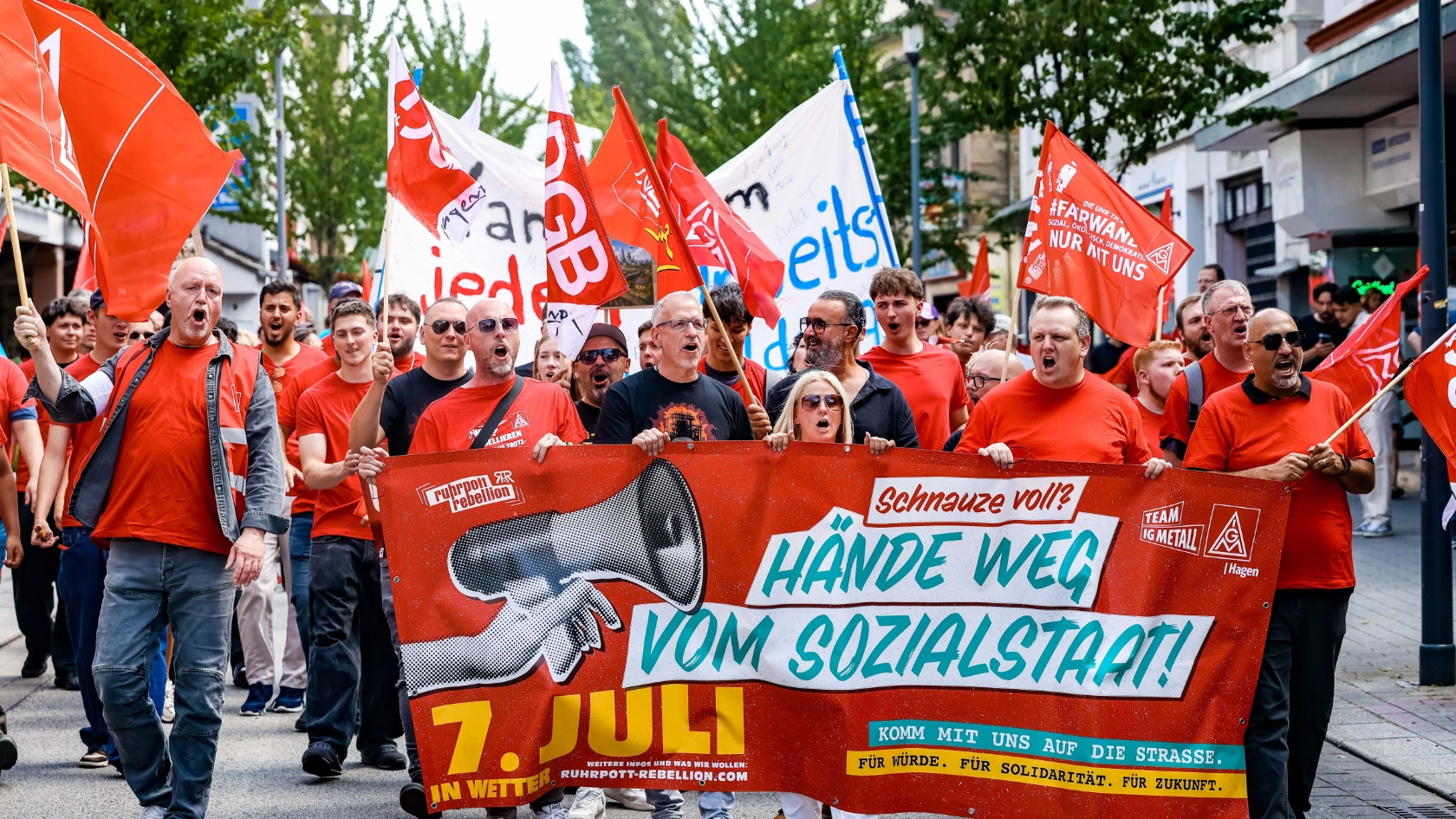
Ruhrpott Rebellion am 07.07.2026
Welfare State September 26: Nationwide Day of Action for Social Policy
Beschäftigter arbeitet an einem Getriebe in einer Fabrik
Working Hours Why working longer doesn’t help—and actually does more harm than good
Ein männlicher Land- & Baumaschinenmechatroniker prüft einen Traktor mit einem Tablet
2026 Collective Bargaining Agreement for the Metalworking and Agricultural Engineering Sectors Greater Flexibility in the Metalworking and Agricultural Engineering Sectors in Lower Saxony and Bremen
Elektronikerin prüft die Spannung an einem Schaltschrank.
2026 Collective Bargaining Round for the Electrical Trades Wage Increase in the Electrical Trades in Berlin-Brandenburg
Benjamin Heine ist Mitarbeiter der BMA in Braunschweig
2026 Collective Bargaining Round for Metal Fabrication and Precision Engineering Higher Wages in the Metal Fabrication and Precision Engineering Sectors in Southwest Germany
Metall-Arbeiter beim Schleifen
2026 Collective Bargaining Round for the Metalworking Trade Employees in the Berlin-Brandenburg metalworking sector will receive higher pay
Beschäftigte von Thyssenkrupp demonstrieren in Essen am 23. Mai 2024 gegen das Vorgehen der Geschäftsführung beim geplanten Teilverkauf des Unternehmens.
Defend the welfare state All dates for nationwide actions against cuts to social services
IGM Aktion VW Wolfsburg
On September 21, things will get loud Nationwide Day of Action: Auto Industry Workers Fight Back Against Mass Layoffs
Auszubildender in einer Schreinerei
Apprenticeship Wages Questions and Answers About Apprenticeship Wages

Subscribe to the newsletter