Automatic translation
This article has been translated automatically using computer technology. While we strive for accuracy, some wording or details may differ from those in the original article.
This translation was not manually reviewed. For important facts, quotations or legally sensitive information, please consult the German original. Individual selections, images, embedded media or technical terms may have been translated differently or incompletely.

This is only possible with a collective bargaining agreement The agreements that ensure fairness in the workplace

Where collective bargaining agreements apply, conditions are fairer. But when and for whom do they actually apply? What does being covered by a collective bargaining agreement look like in practice? We explain what types of collective bargaining agreements exist, what they regulate, and who is “covered by a collective bargaining agreement.”

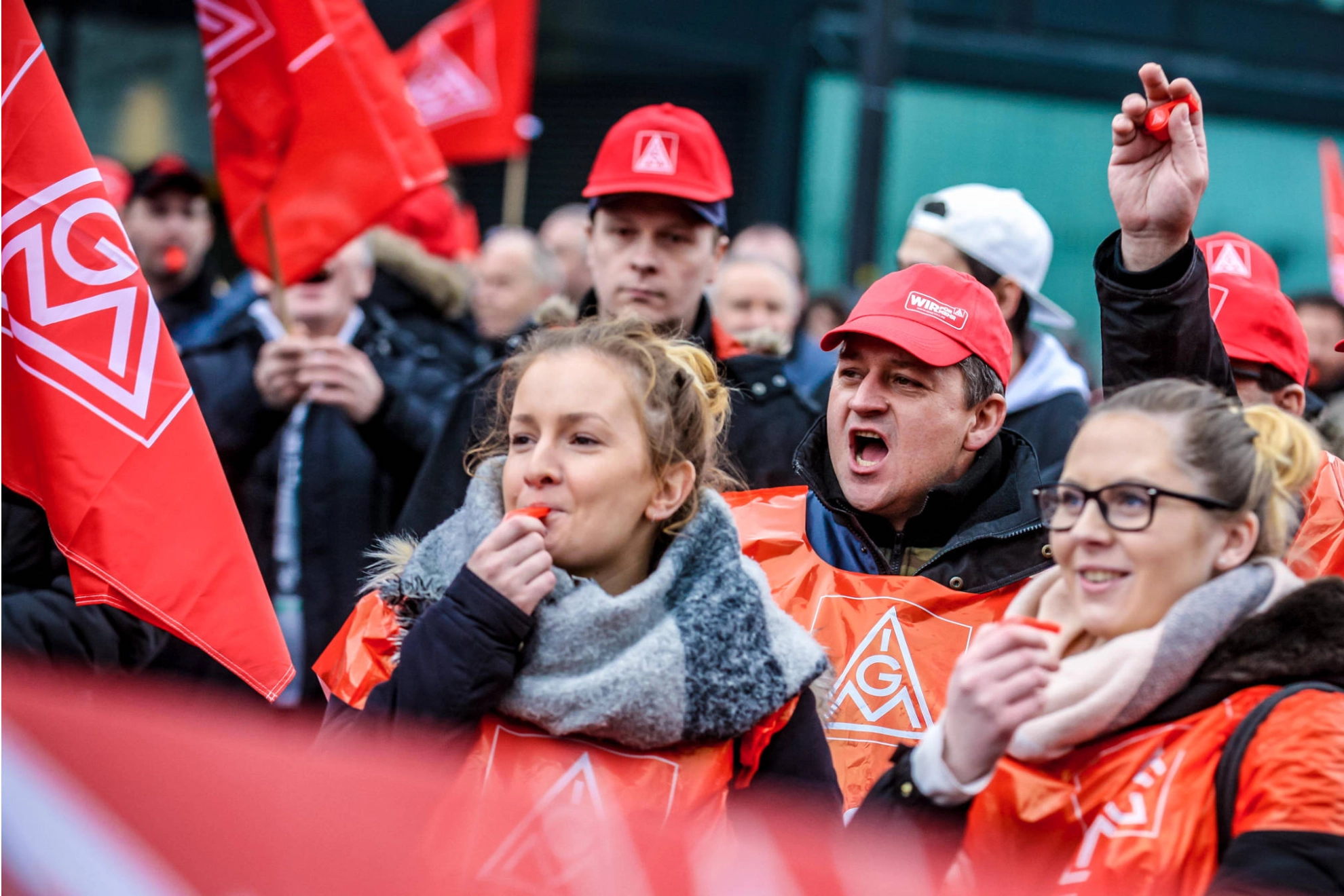
Zwei Frauen und zwei Männer mit Trillerpfeifen.


Not all collective bargaining agreements are the same. Currently, there are a total of 1,866 valid regional collective bargaining agreements within IG Metall’s jurisdiction. Of these, 376 alone govern the pay and working conditions for more than 2.4 million employees covered by collective bargaining agreements in the metal and electrical industries.

But which collective bargaining agreements regulate what, exactly? To whom do they apply, and who is bound by these agreements?


What does “collective bargaining coverage” mean?

Collective bargaining coverage is regulated in Section 3 of the Collective Bargaining Act. According to this provision, an employer is “covered by a collective bargaining agreement” if they are a member of an employers’ association. The same applies to an employee who belongs to a union. If both parties are covered by a collective bargaining agreement, they are also “bound” by the valid collective bargaining agreements negotiated by the employers’ association and the relevant union. The employer must pay the agreed-upon collective bargaining wage and grant vacation time, a Christmas bonus, and other benefits stipulated in the collective bargaining agreement. In return, the employee must perform the work and deliver the services for which they are paid during the agreed-upon working hours. An employer bound by a collective bargaining agreement may deviate from the agreement regarding an employee’s pay only if, for example, the compensation is equal to or better than the collectively agreed-upon rate.

However, a collective bargaining agreement can also be binding for employers and employees not bound by it—specifically, if it has been declared“generally binding”by the Federal Ministry of Labor (Section 5 of the Collective Bargaining Act). Example: In addition to the statutory minimum wage, there are also industry-specific minimum wages under collective bargaining agreements that are generally binding—such as in the temporary staffing sector. All employers and employees in the temporary staffing industry must comply with these generally binding collective bargaining minimum wages.

Even if an employer voluntarily grants all employees the benefits provided for in the collective bargaining agreement, only those employees who are members of the union that negotiated the agreement generally have a legal right to them.


Which collective bargaining agreements govern what?


Regional, Association, or Industry-Wide Collective Bargaining Agreements

A regional collective bargaining agreement exists when IG Metall and the employers’ association conclude a collective bargaining agreement for an entire industry in a specific region (“region”), for example, for the metal and electrical industry in North Rhine-Westphalia. This collective bargaining agreement is typical of the collective bargaining landscape in Germany and is also referred to as an association or industry-wide collective bargaining agreement.

The regional collective bargaining agreement largely guarantees a level playing field for companies in the individual industries. It sets minimum standards and protects employees from wage dumping. The regional collective bargaining agreement is binding on all employers and employees in the respective industry and region who are covered by the agreement. However, it also has an indirect effect on companies not covered by the agreement, as these companies may, for example, refer to the regulated collective bargaining standards in their employment contracts.

Among the most important sector-wide collective bargaining agreements are:


Wage, Salary, and Compensation Collective Bargaining Agreements

These collective bargaining agreements regulate the levels of wages, salaries, and training allowances (compensation) in the form of pay scales. Their duration is limited because compensation is adjusted to reflect economic and productivity trends.


Framework Collective Bargaining Agreements on Compensation (ERA)

From wages and salaries to a uniform compensation system: With the Framework Agreements on Compensation (ERA), IG Metall and the employers’ associations established a set of rules in the metal and electrical industries in 2003 that abolished the traditional distinction between blue-collar and white-collar workers and standardized their compensation. Blue-collar and white-collar workers became “employees”—“remuneration” replaced the terms “wage” and “salary.” But it wasn’t just terminology that changed. ERA also stands for transparency in the pay structure and greater fairness. This is because pay is based on job duties rather than “seniority-based bonuses.” All employees are assigned to a pay grade according to the same rules. This means equal pay for comparable work tasks in development, production, and administration. The framework agreements describe the job characteristics for the individual pay grades as well as the criteria for the respective classification.


Framework Collective Bargaining Agreements

The framework collective bargaining agreement governs almost everything related to working conditions—such as working hours, vacation and vacation pay, leave of absence, premium pay, and hiring and termination conditions.

In addition, there are other regional collective bargaining agreements on specific topics, such as annual bonuses (Christmas bonus), company pension plans, partial retirement, and training.

Recognition collective bargaining agreements

If IG Metall negotiates a company collective bargaining agreement with a non-collective-agreement-bound company in which the employer commits to applying the sector-wide collective bargaining agreement, this constitutes a recognition collective bargaining agreement. Employees have the same collective bargaining entitlements as those stipulated in the corresponding regional collective bargaining agreement—provided they are union members. Recognition collective bargaining agreements do not constitute deviations from the regional collective bargaining agreement.

Company-level collective bargaining agreements

Also known as in-house or plant collective bargaining agreements. In a company collective bargaining agreement, the employer itself is a party to the agreement and negotiates it directly with the relevant union. The company is not bound by the regional collective bargaining agreement and is therefore not a member of an employers’ association. Employees are entitled to the benefits stipulated in the company collective bargaining agreement, provided they hold a membership card from the union that concluded the agreement. New collective bargaining agreements are also negotiated and agreed upon directly with the employer. As in industry-wide collective bargaining agreements, company collective bargaining agreements can regulate all working and compensation conditions. The best-known example of a company collective bargaining agreement is the plant-level collective bargaining agreement with Volkswagen.

Company-Specific Association Collective Bargaining Agreements

If, for example, a company bound by a collective bargaining agreement is facing an economic crisis, it can seek to establish a company-specific collective bargaining agreement—such as one based on the “Pforzheim” Agreement —to secure the location and jobs of its workforce. In this case, the employer, together with the works council and IG Metall, can have the economic situation reviewed and decide that the company may temporarily deviate from the minimum standards set by the collective bargaining agreement. The agreed-upon provisions supplement the applicable regional collective bargaining agreement. The contracting parties are IG Metall and the respective employers’ association.


As a general rule, whether they are regional, recognition, or company-specific collective bargaining agreements—collective bargaining agreements are contracts of fairness that recognize the value of work.


How to Secure a Collective Bargaining Agreement

For employees, it’s worth paying attention to whether a company is covered by a collective bargaining agreement as early as the job search phase. If a company doesn’t have a collective bargaining agreement, that doesn’t have to be a permanent situation. Active workforces can fight to secure a collective bargaining agreement. Advice and assistance are available at our local offices.

Better with a Collective Bargaining Agreement
Beschäftigte stehen zu einem großen Herz zusammen
Become a Member
Become part of a strong community

From legal protection in labor and social security matters to fair wages and salaries—we provide personalized and reliable support to our members.

New on igmetall.de
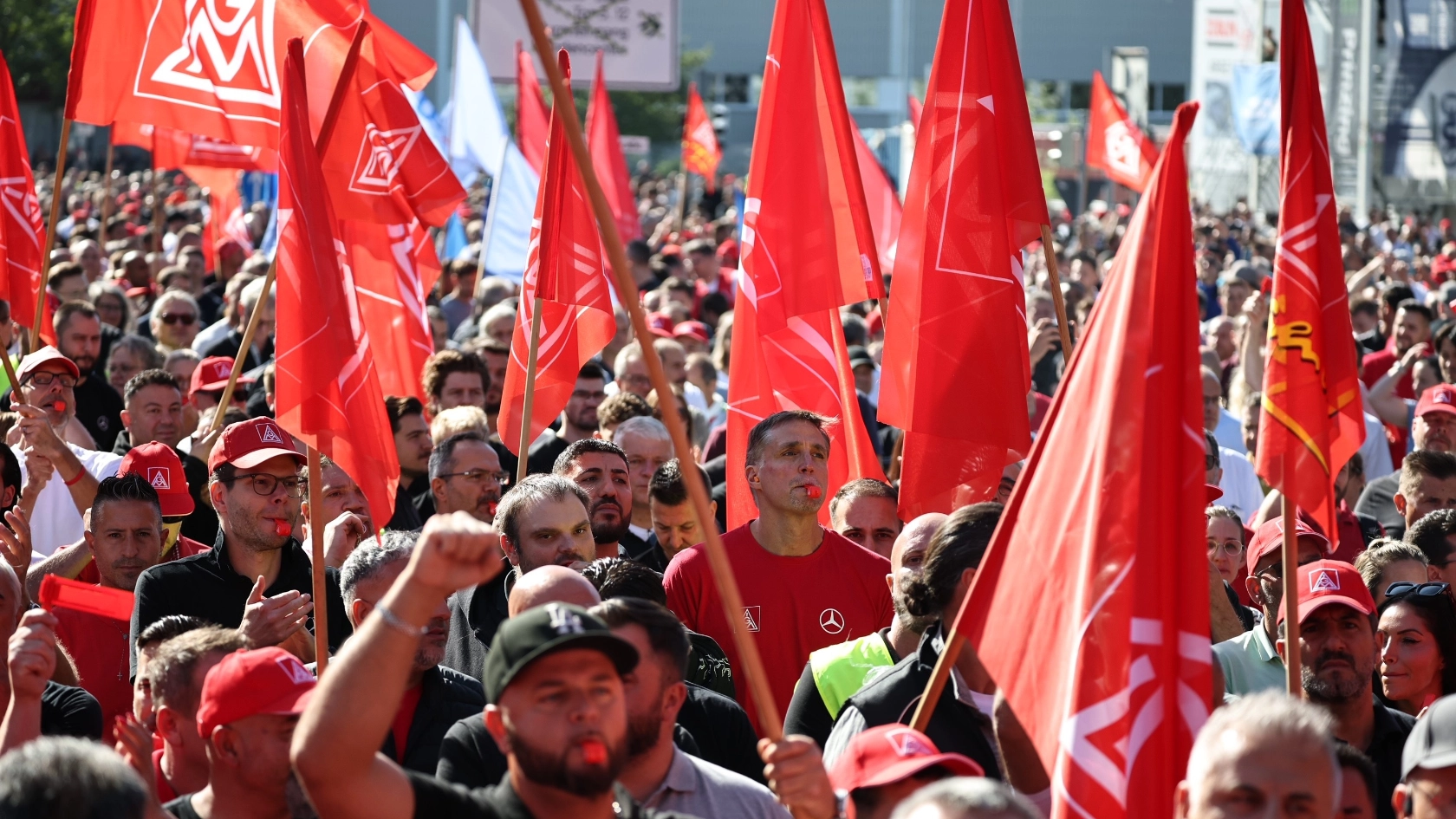
Aktionstag bei Mercedes Benz, Daimler, in Sindelfingen gegen die Angriffe auf Beschäftigten in der Automobilindustrie.
Resistance to Attempts at Drastic Cuts Auto industry workers issue a warning
Sie wollen doch nur dein Bestes
Redistribution Making Germany more equitable: We need this tax reform now
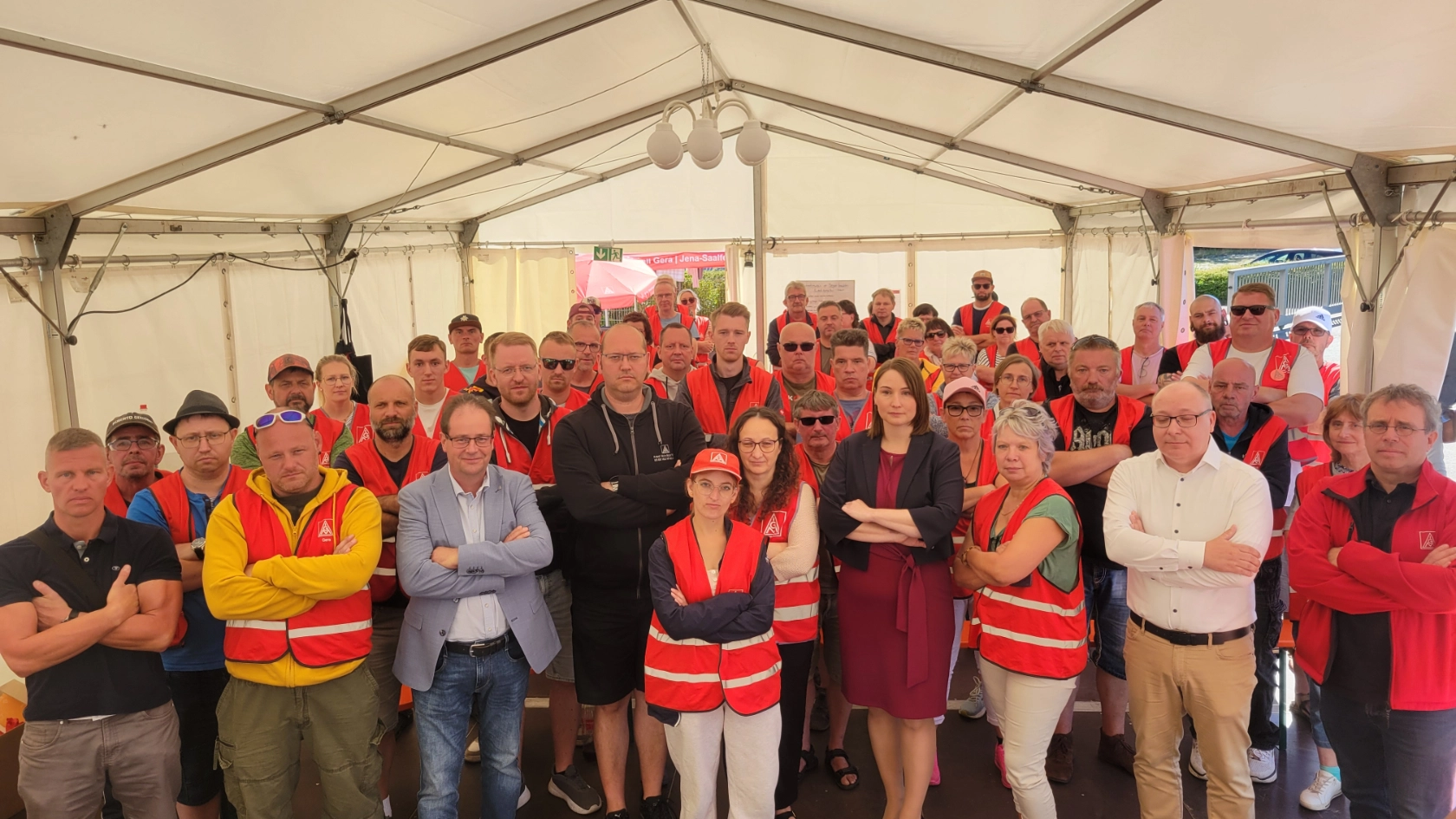
Der Streik bei Kelvion in Nobitz-Wilchwitz begann am 4. August 2026. Die Geschäftsleitung will nach Sarstedt/Niedersachsen verlagern - obwohl die Produktion in Wilchwitz profitabel und bis ins nächste Jahr ausgelastet ist.
"It’s worth fighting for!" Kelvion workers strike for a social collective bargaining agreement
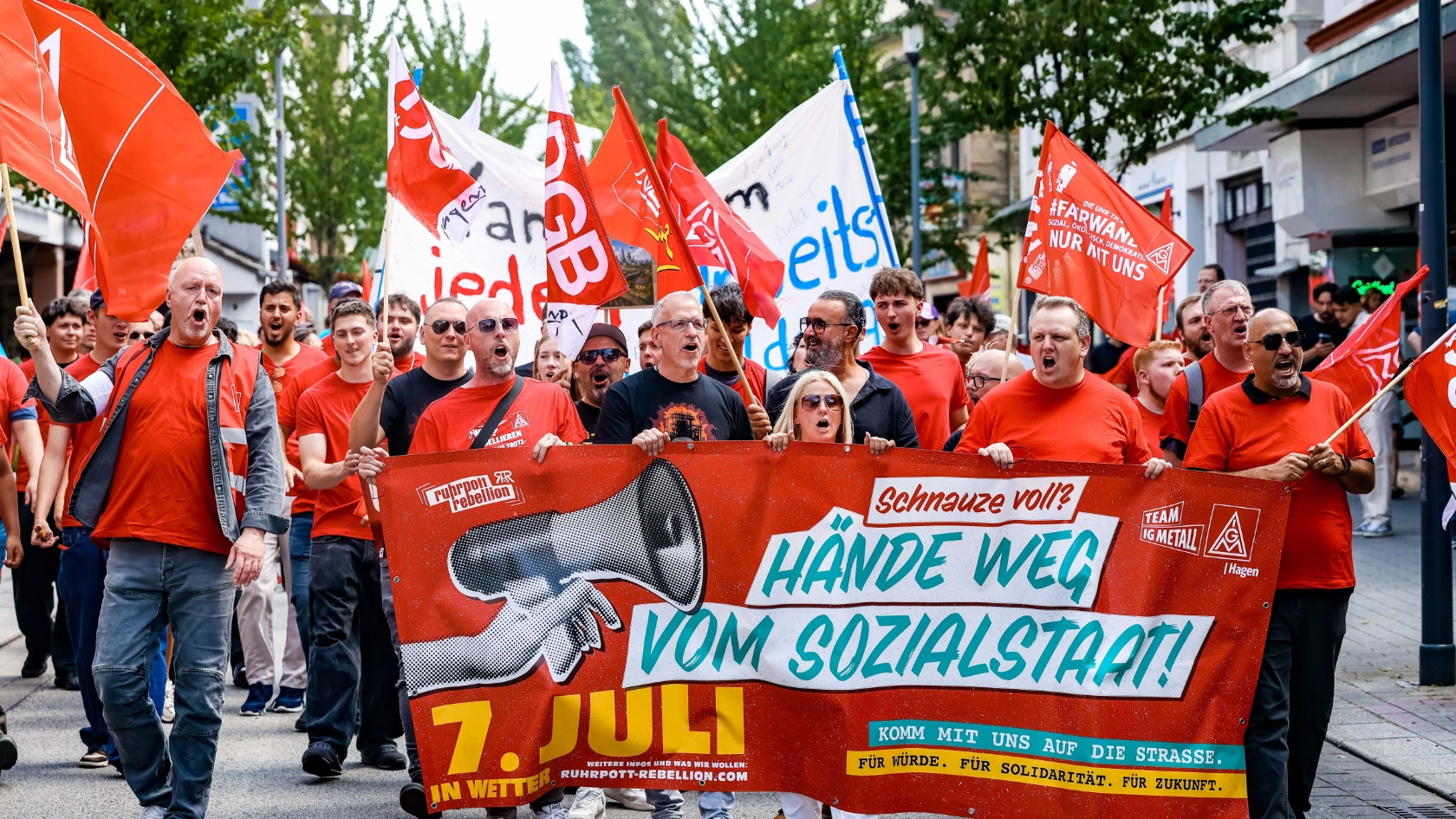
Ruhrpott Rebellion am 07.07.2026
Welfare State September 26: Nationwide Day of Action for Social Policy
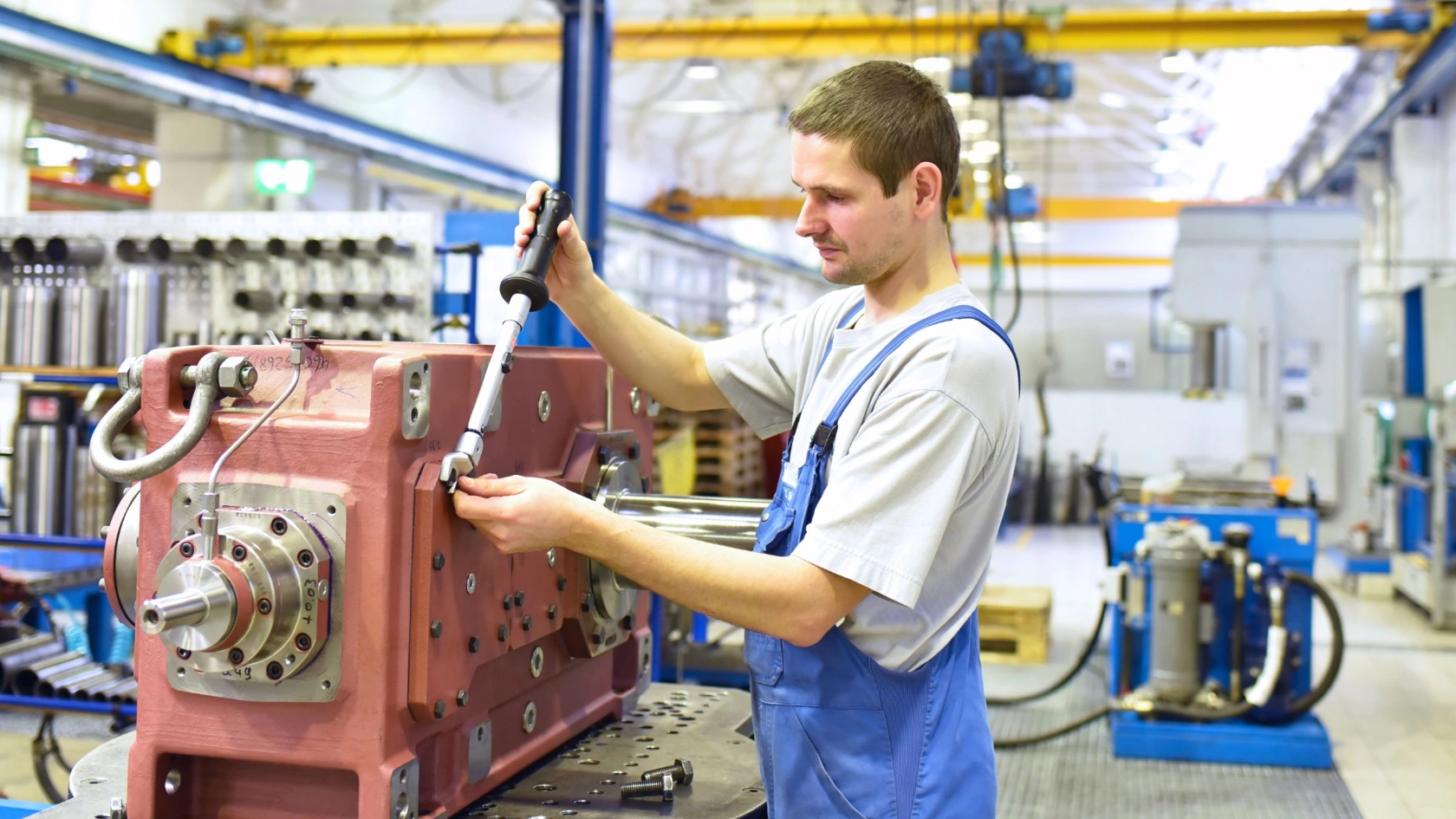
Beschäftigter arbeitet an einem Getriebe in einer Fabrik
Working Hours Why working longer doesn’t help—and actually does more harm than good
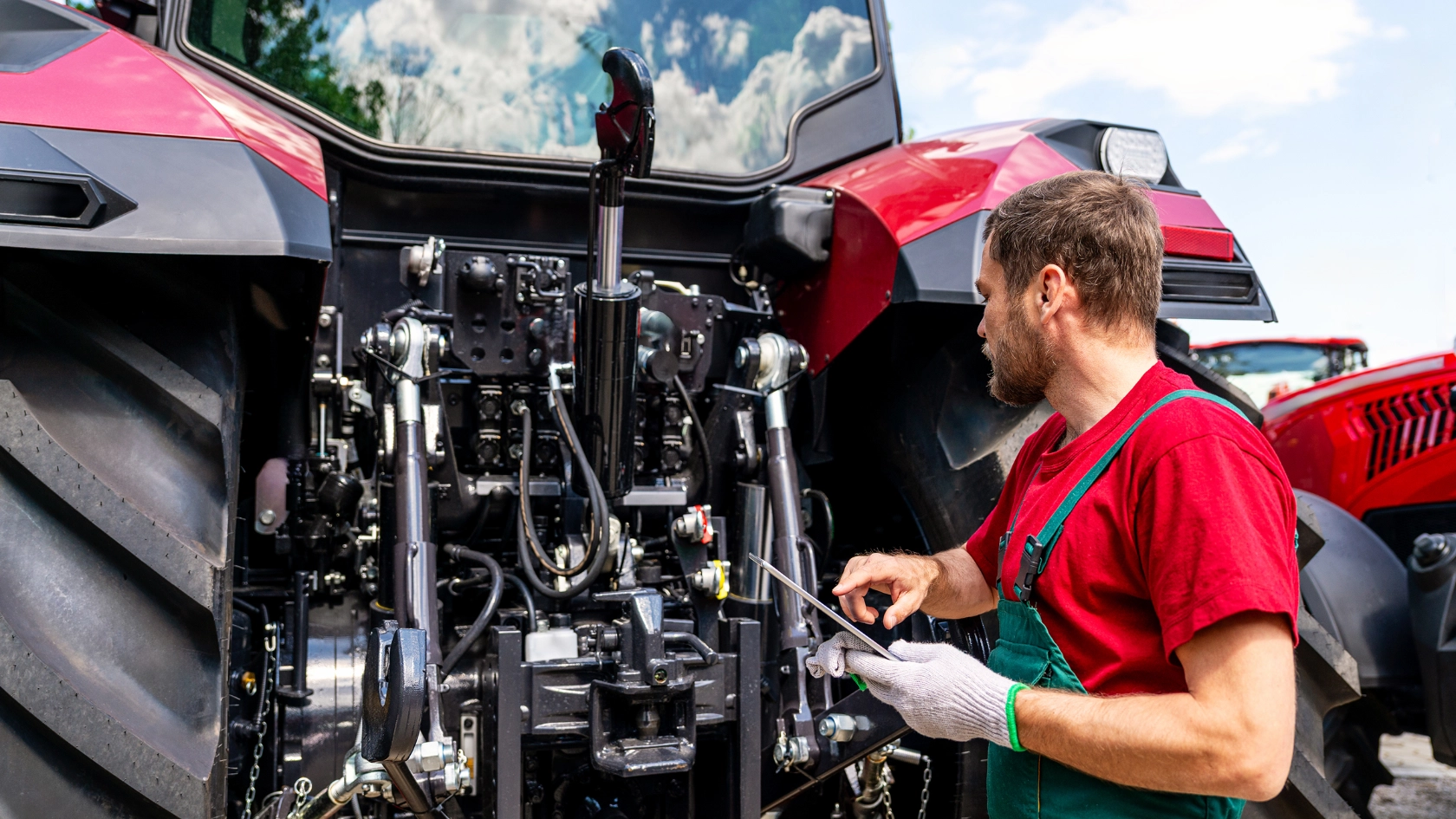
Ein männlicher Land- & Baumaschinenmechatroniker prüft einen Traktor mit einem Tablet
2026 Collective Bargaining Agreement for the Metalworking and Agricultural Engineering Sectors Greater Flexibility in the Metalworking and Agricultural Engineering Sectors in Lower Saxony and Bremen
Elektronikerin prüft die Spannung an einem Schaltschrank.
2026 Collective Bargaining Round for the Electrical Trades Wage Increase in the Electrical Trades in Berlin-Brandenburg
Benjamin Heine ist Mitarbeiter der BMA in Braunschweig
2026 Collective Bargaining Round for Metal Fabrication and Precision Engineering Higher Wages in the Metal Fabrication and Precision Engineering Sectors in Southwest Germany
Metall-Arbeiter beim Schleifen
2026 Collective Bargaining Round for the Metalworking Trade Employees in the Berlin-Brandenburg metalworking sector will receive higher pay
Beschäftigte von Thyssenkrupp demonstrieren in Essen am 23. Mai 2024 gegen das Vorgehen der Geschäftsführung beim geplanten Teilverkauf des Unternehmens.
Defend the welfare state All dates for nationwide actions against cuts to social services
IGM Aktion VW Wolfsburg
On September 21, things will get loud Nationwide Day of Action: Auto Industry Workers Fight Back Against Mass Layoffs
Auszubildender in einer Schreinerei
Apprenticeship Wages Questions and Answers About Apprenticeship Wages

Subscribe to the newsletter