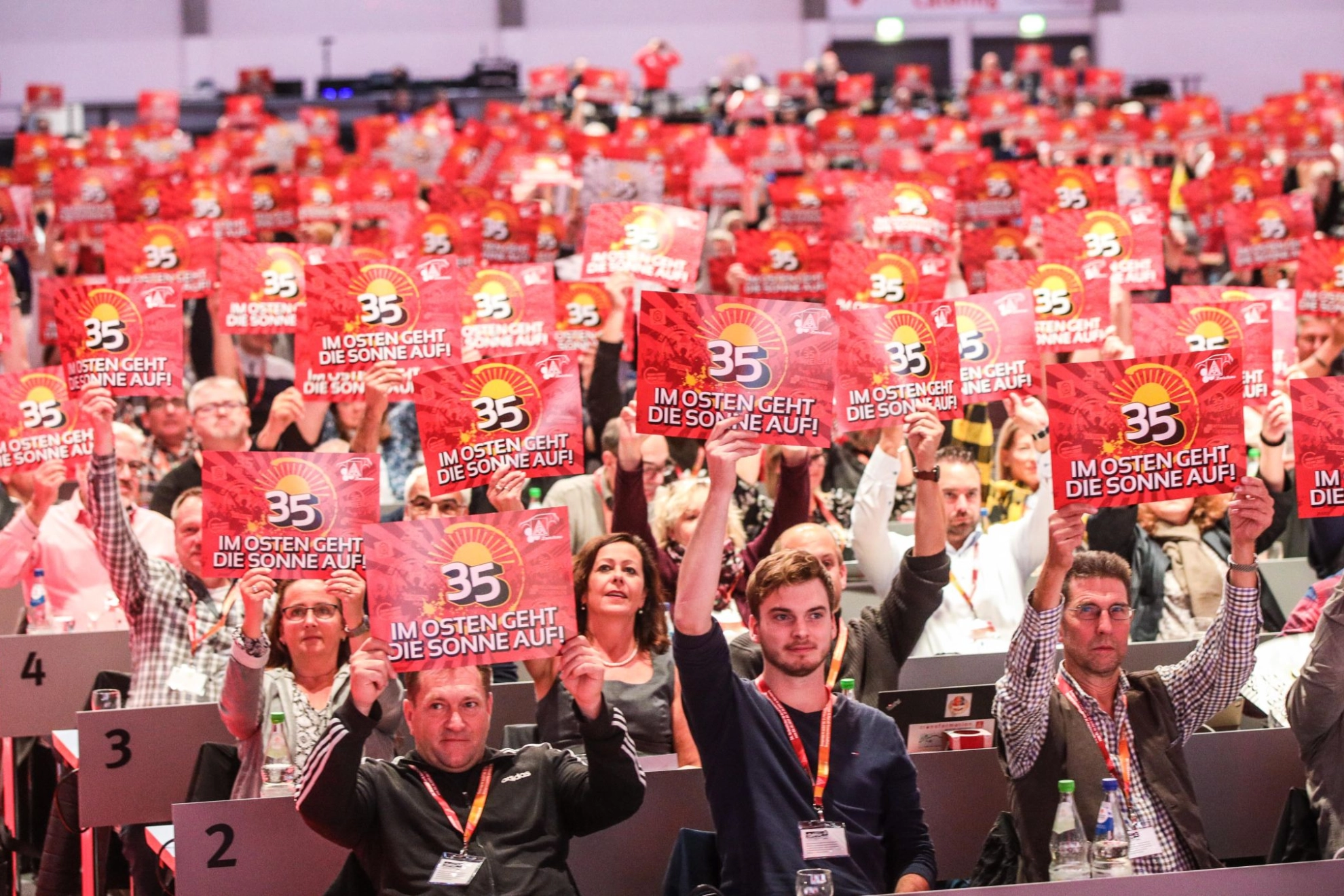
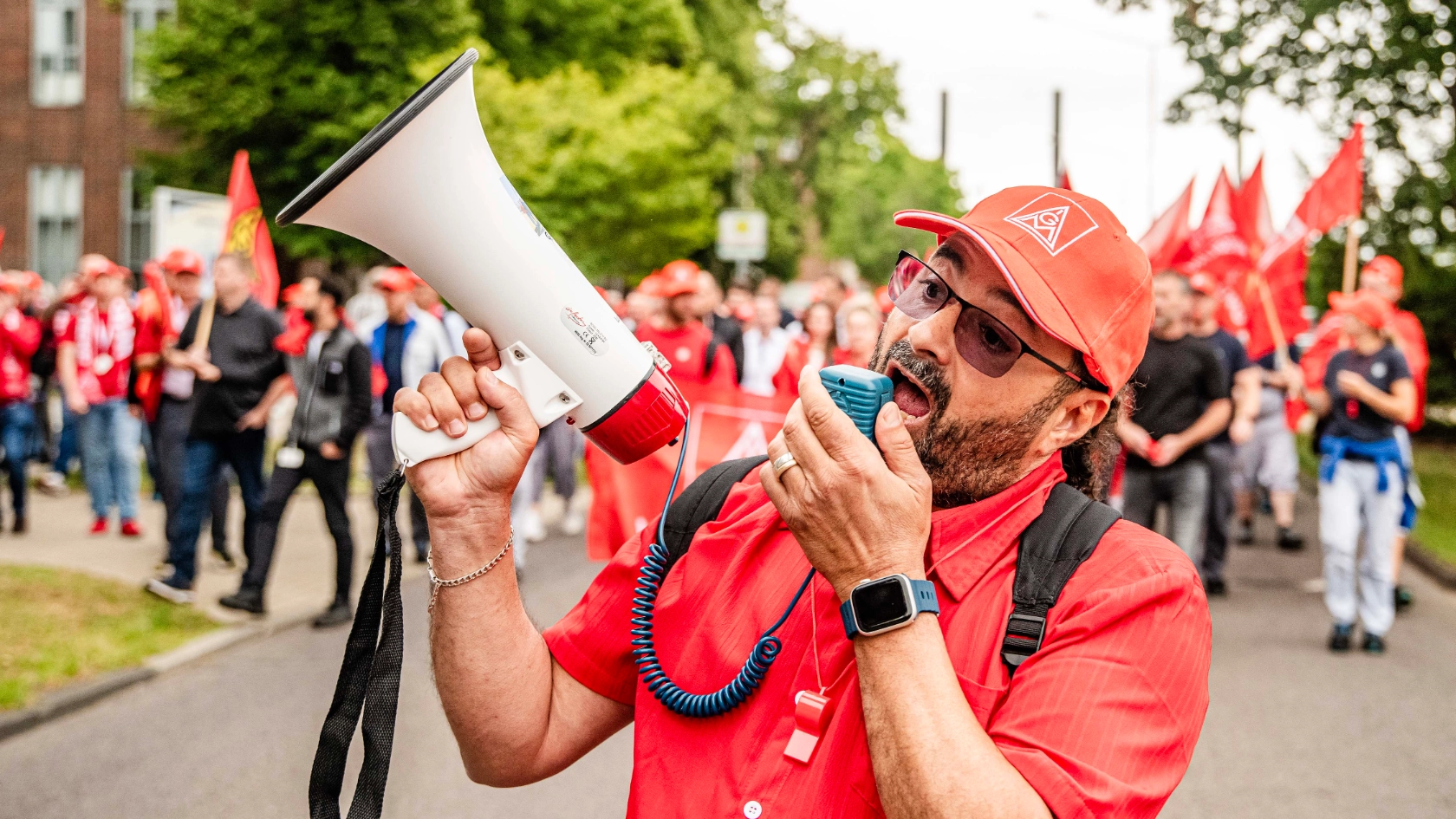
In the East, many workers still have to work longer hours for the same job and the same pay. Employers have been resisting the call for equal pay for decades, but in the most recent round of collective bargaining in the metal and electrical industries, workers and IG Metall achieved a breakthrough: Over 60 percent of IG Metall members in companies covered by collective bargaining agreements in that region are now gradually transitioning from a 38-hour workweek to a 35-hour workweek. More and more companies are following suit. Since the beginning of January, some companies have reduced their workweek by one hour as a first step toward harmonization and are now working 37 hours per week.
Away from negative hours
Someone who is very familiar with both work models is Thomas Prochaska. Until 2011, he worked 35 hours a week at BMW in Regensburg; then he transferred to a different location and suddenly had to work 38 hours a week in Leipzig. “In your day-to-day work, you don’t immediately notice the extra three hours because the shifts are what they are. But you do notice it in your time account,” says Prochaska, a specialist in the field. Because the hours add up. “If you work 35 hours, you accumulate so many hours through overtime that you can stay home for a day at the end of the month. That creates much more flexibility, since you can arrange a day off with your manager without having to sacrifice a vacation day.”
Over the course of a year, employees on the 38-hour workweek have worked a full month more than their counterparts in the West. “That’s also what made the negotiations so difficult, because employers had little interest in changing that,” says Nino Ludwig, head of the employee representative body at the BMW plant in Leipzig. “The gradual reduction in working hours is, of course, being very well received by the workforce, even if they don’t feel the effects of it quite as directly right now due to short-time work and pandemic conditions.”
But when it comes to short-time work in particular, the reduced workweek will prove helpful. “Because of all the short-time work, some colleagues have fallen into the red due to repeated plant closures. It will now be easier for us to get out of that deficit without having to work extra hours, for example on a Saturday.”
Smaller Companies Are Following Suit
Company-specific solutions, such as those at BMW, show that everyone—from part-time workers to management positions—benefits from the collective bargaining agreements, whether in terms of the number of hours or the rising hourly wage. Young people are also among the clear winners. Lisa Neubert is chair of the Youth and Apprenticeship Council (JAV) at Volkswagen in Zwickau. The first phase of the adjustment process has also been underway here since the beginning of the year. “As a first step, we’ve managed to ensure that apprentices at the VW Training Institute now work only 37 hours per week,” says the JAV chairwoman.
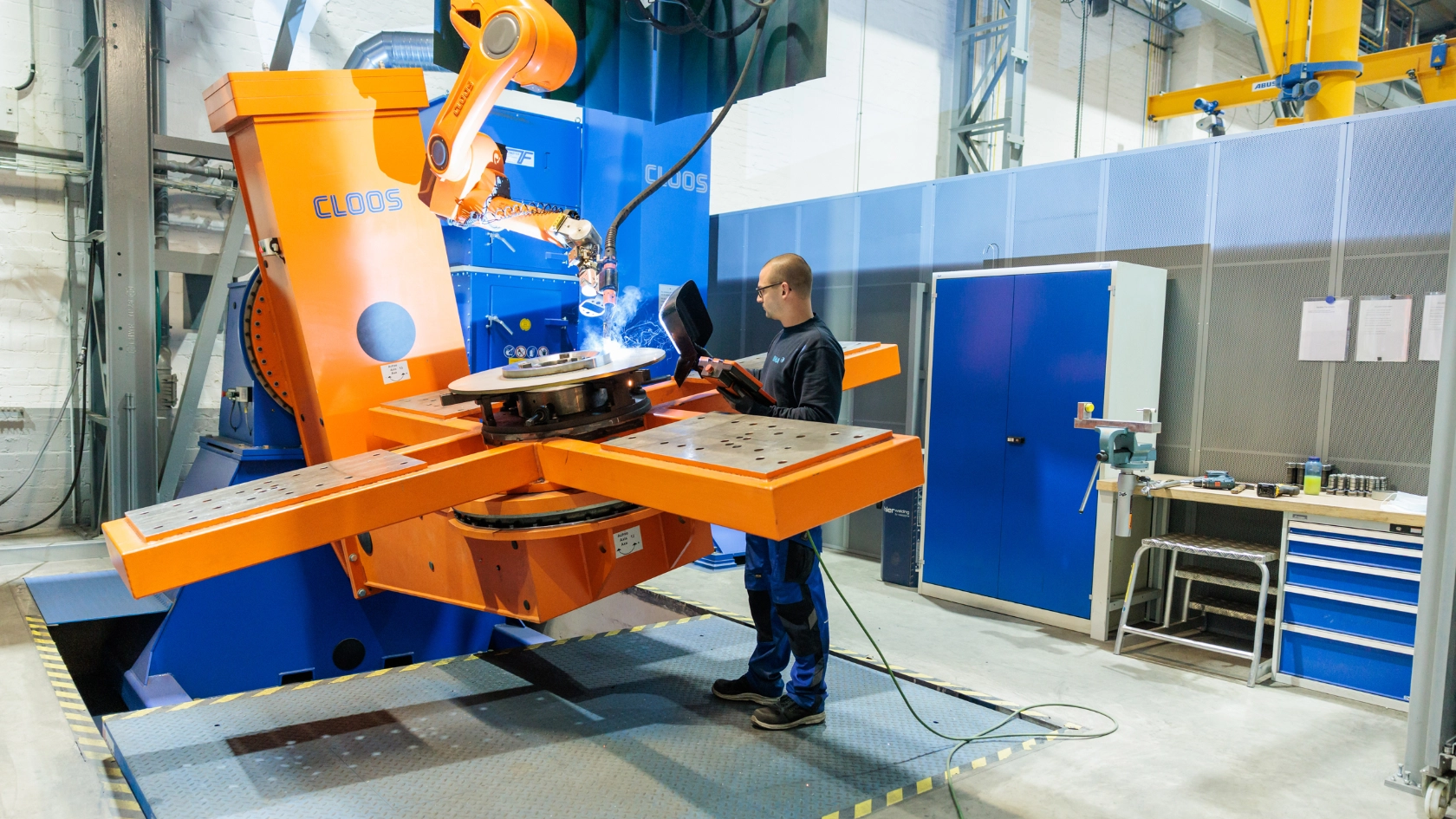
More and more small and medium-sized enterprises are also implementing the phased adjustment, not least to remain competitive. Kocks Ardelt manufactures slewing cranes for ports. The 140 employees at the Eberswalde, Brandenburg, location did not have to announce a single warning strike to secure a company-level agreement on the adjustment. “It was clear to me from the start: This is a political issue. We want the 35-hour workweek because, 30 years after the fall of the Berlin Wall, it’s time for equal conditions to finally prevail here,” says Torsten Füllgraf, works council chair at Kocks Ardelt in Eberswalde.
More Credit on the Work Time Account
A one-on-one meeting with company management kicked off negotiations between the works council and management, allowing a company agreement to be signed within a relatively short time. “Then we voted on it democratically within the committees,” says Füllgraf. Of course, there were also concerns that this would lead to an increased workload, but the works council chair has no doubts that pragmatic solutions will be found here as well.
Starting in May, the first hour of the workday will be reduced. “Our colleagues on the construction site will notice this the most. Assembly and commissioning can’t always be completed entirely within the scheduled work hours. Four additional hours on the work time account will make an even bigger difference here.”
In the coming months, numerous other companies are expected to follow suit; discussions between works councils and company management are already underway. Following Berlin, Brandenburg, and Saxony, Saxony-Anhalt and Thuringia now also have a collective bargaining framework for gradual implementation at the company level.