The hard-won collective bargaining solution for aligning working hours in the East is here. After the third round of negotiations, IG Metall in Berlin, Brandenburg, and Saxony and employers have agreed on a collective bargaining framework that enables a gradual alignment of working hours at the company level. This is because employees in the East still work 38 hours per week, instead of the 35 hours stipulated by collective bargaining agreements in the West.
Collective Bargaining Framework for Harmonization Established
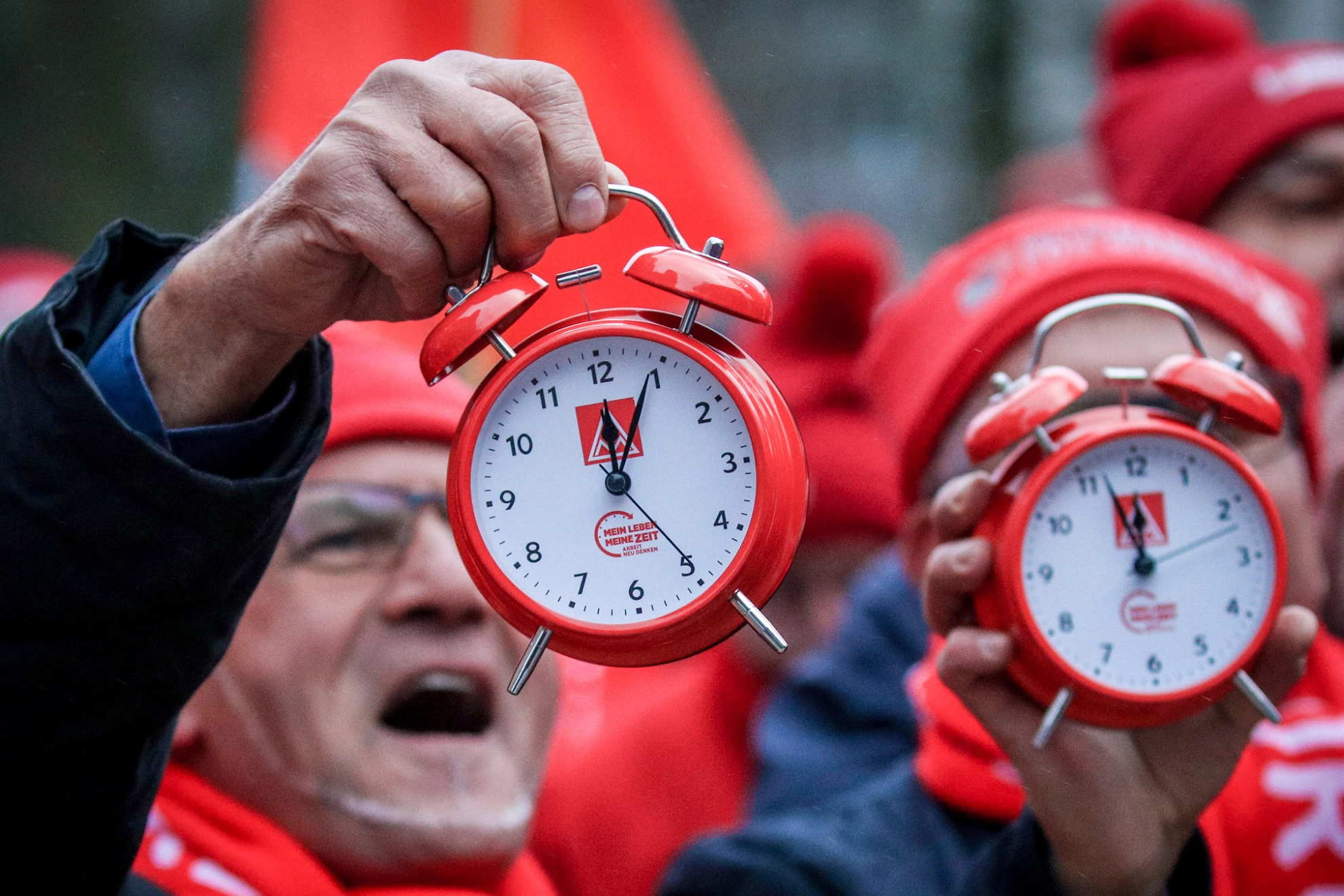
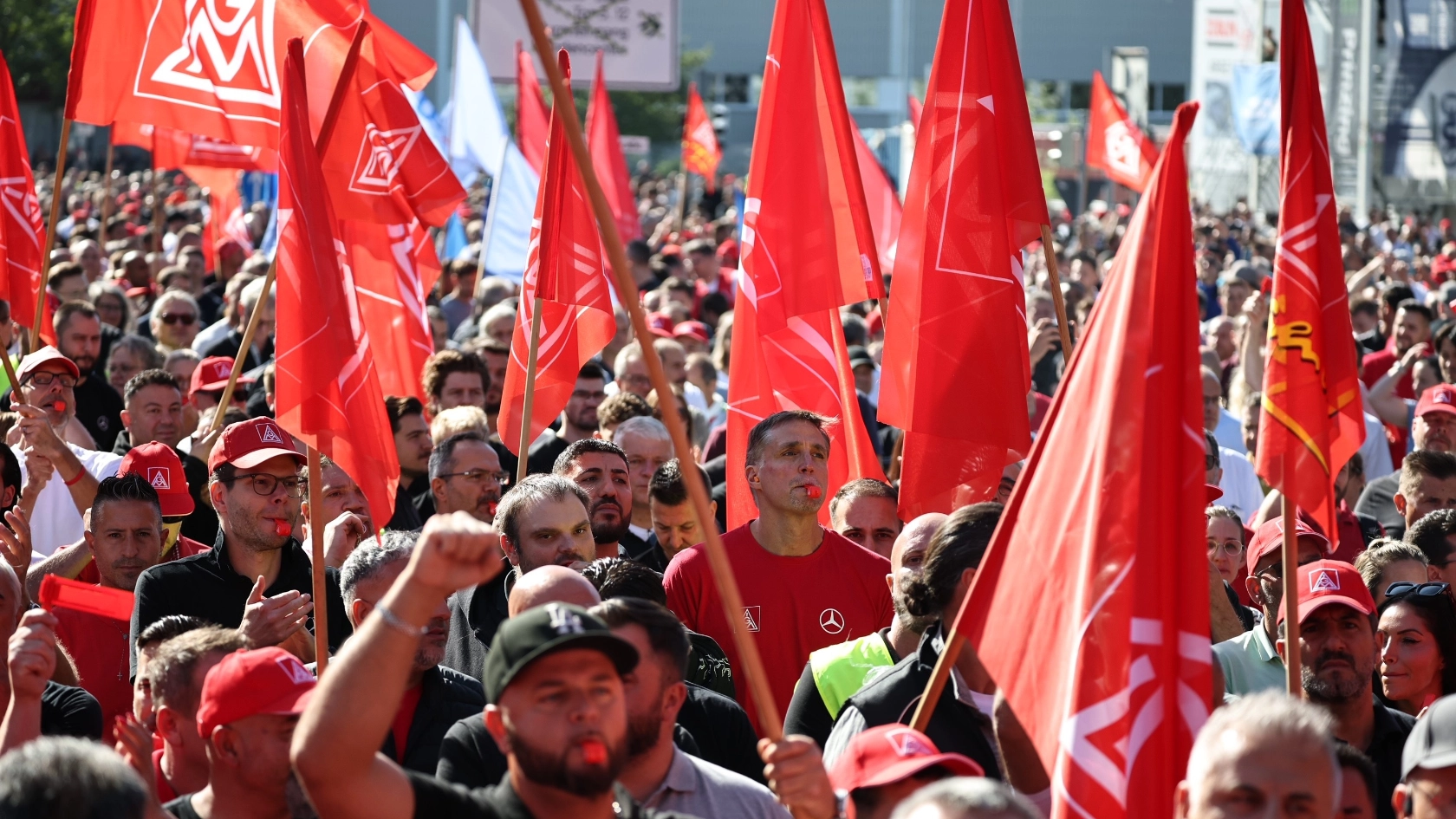
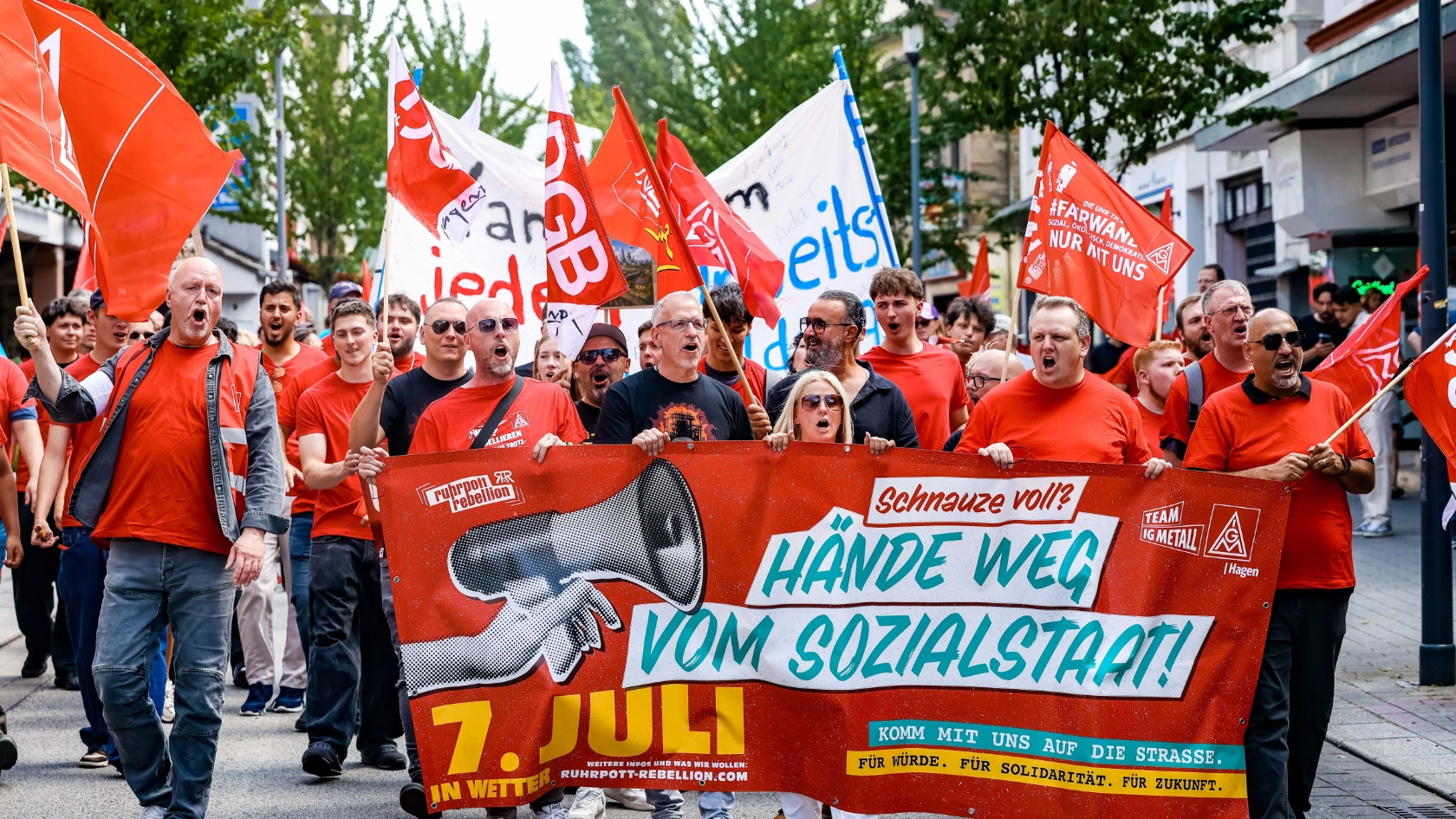
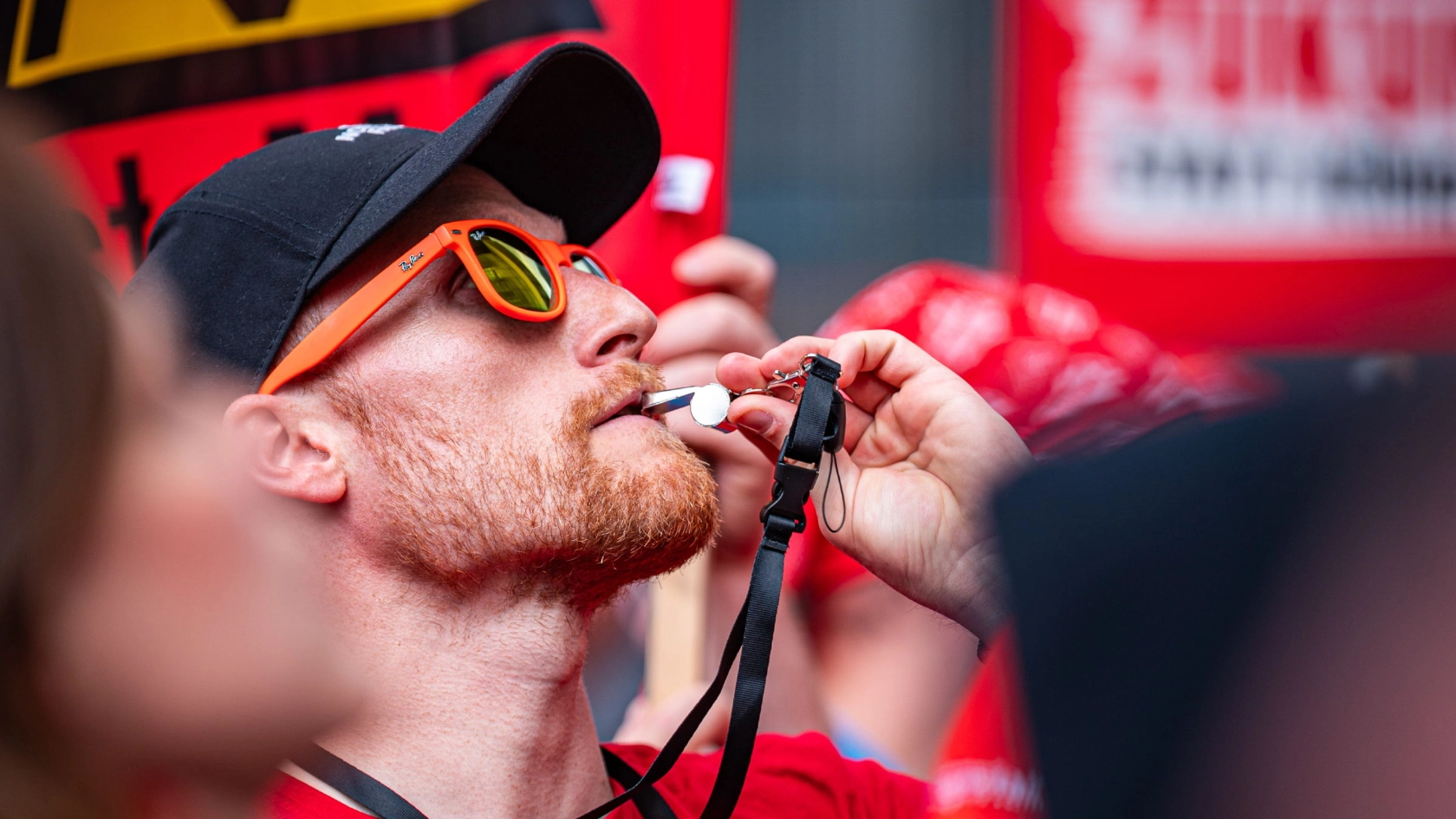
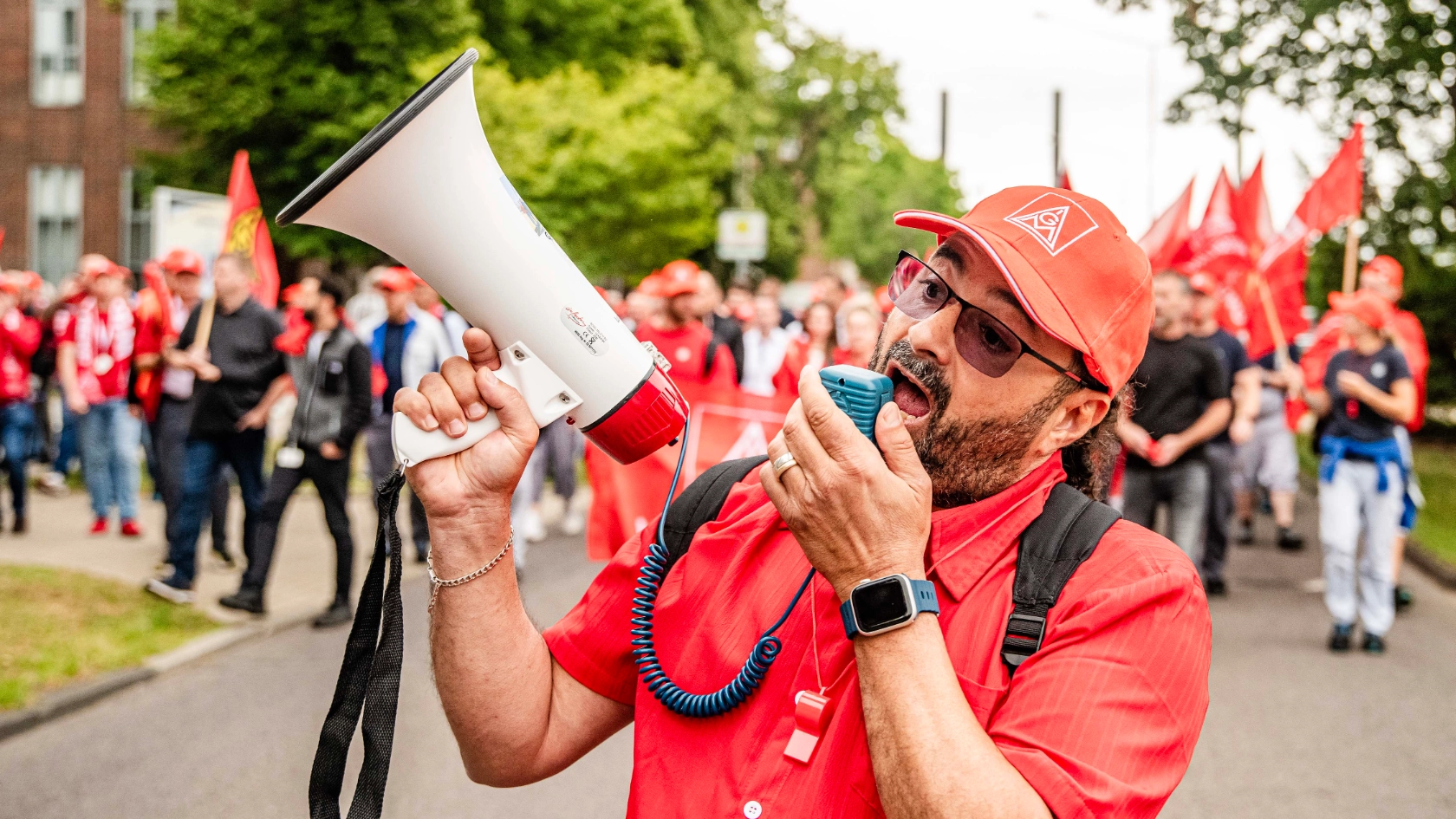
During the collective bargaining round, 127,000 workers in Berlin, Brandenburg, and Saxony fought with warning strikes to get employers to finally give in. Their efforts paid off: “It has become clear that the pressure we applied during the collective bargaining round had a significant impact. Employers have realized that they must pave the way for the harmonization of working hours in the East,” says Birgit Dietze, district director and chief negotiator for IG Metall in Berlin, Brandenburg, and Saxony. “After a long and tough struggle, we have now established a collective bargaining framework so that companies can negotiate phased plans for the 35-hour workweek through voluntary company agreements.”
In May, the IG Metall district of Berlin, Brandenburg, and Saxony adopted the pilot agreement from the metal and electrical industry in North Rhine-Westphalia. Only one negotiating point remained unresolved: the harmonization of working hours between East and West. On June 25, employers and IG Metall reached a collective bargaining agreement that opens the door for all companies and their employees in the district to negotiate worksite agreements on adjusting working hours—with a variety of possible solutions.
Many company-level agreements on harmonization will follow
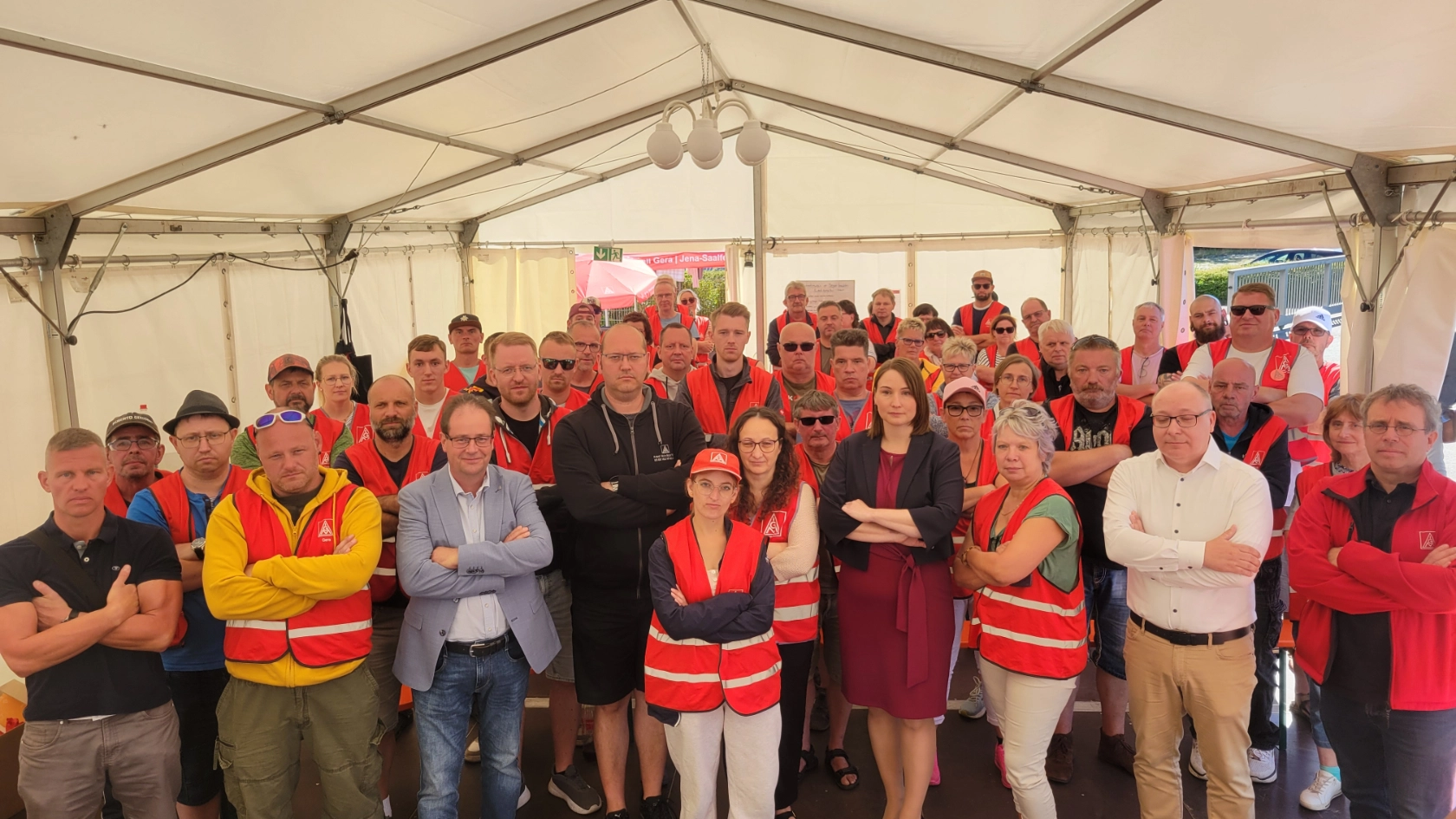
Several companies that have already been implementing a phased plan toward the 35-hour workweek since May demonstrate how successfully the alignment can be implemented at the company level. Volkswagen Saxony, SAS in Meerane, and ZF in Brandenburg an der Havel have taken the lead. As a result, 38 percent of employees in the district’s metal and electrical industry are already covered by the phased plan. “Company agreements will now follow in many other companies. Some are already in the starting blocks, ready to negotiate,” says Birgit Dietze.
With the collective bargaining agreement and the opening clause, a framework has now been established as a first step, upon which more concrete regulations in the companies can be built. The bargaining parties in the companies can now enter into negotiations. IG Metall will continue to support the employees throughout this process. “As parties to the collective bargaining agreement, we must approve the company-specific solutions in each case and will meet in January 2023 to evaluate the situation and draw conclusions for the collective bargaining landscape.”
Harmonizing Working Hours Is a Social Responsibility
“We welcome the solution that has now been reached as a necessary step toward harmonizing working hours in the east and west,” says Jörg Hofmann, President of IG Metall. “The collective bargaining parties have thereby given companies the opportunity to fulfill their social responsibility for Germany’s social unity.” The collective bargaining agreement takes effect on July 1, 2021, and may be terminated with three months’ notice to the end of the month, with the first termination date being January 31, 2024.




To load this video, you must enable YouTube cookies and thereby agree to the YouTube privacy policy.