The second round of collective bargaining in the steel industry ended on Thursday evening after just over three hours without a result: Employers are sticking to their offer from the first round of negotiations ten days ago: a 3.1 percent pay increase for a 15-month term (equivalent to 2.48 percent when calculated over 12 months).
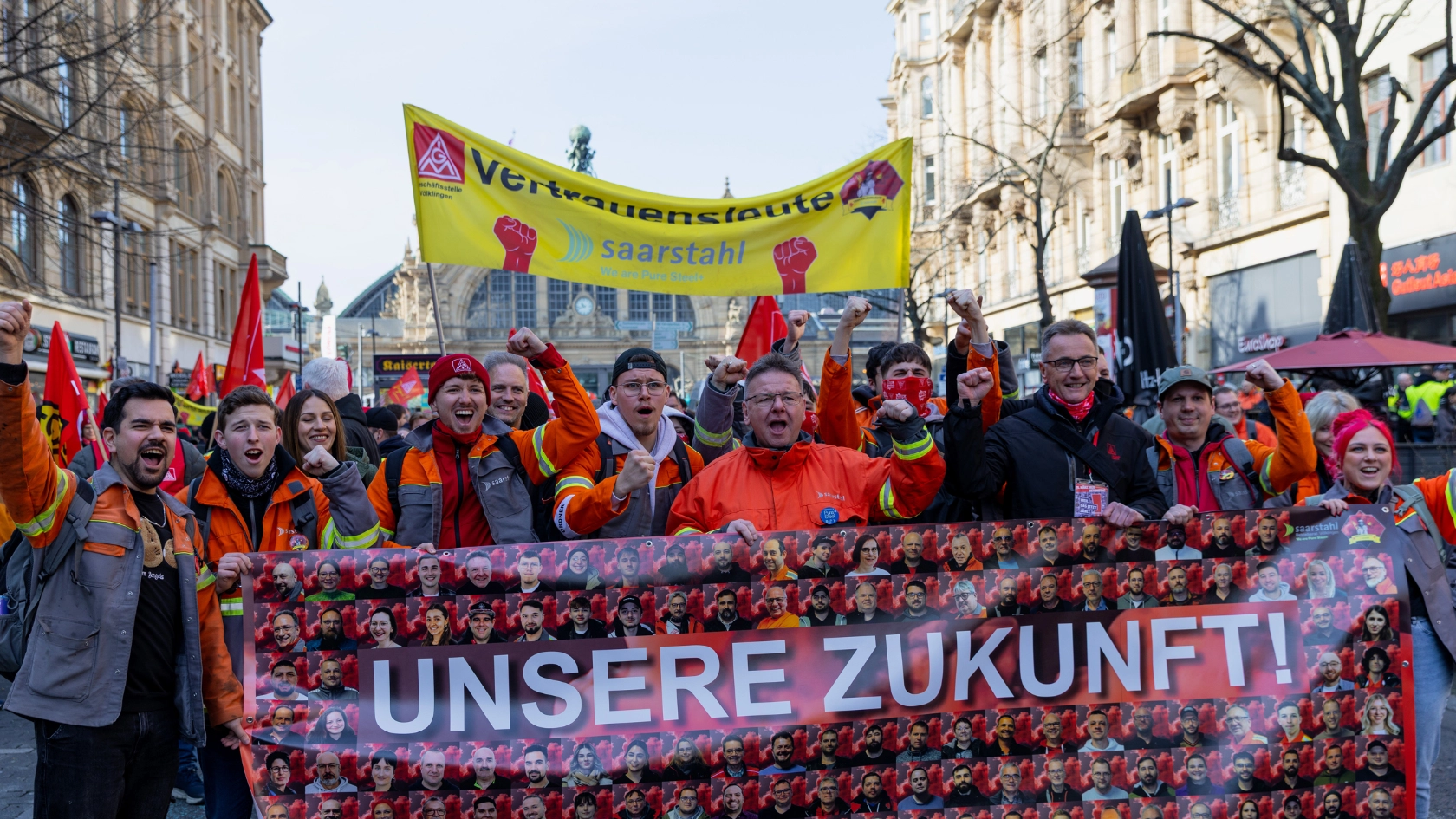
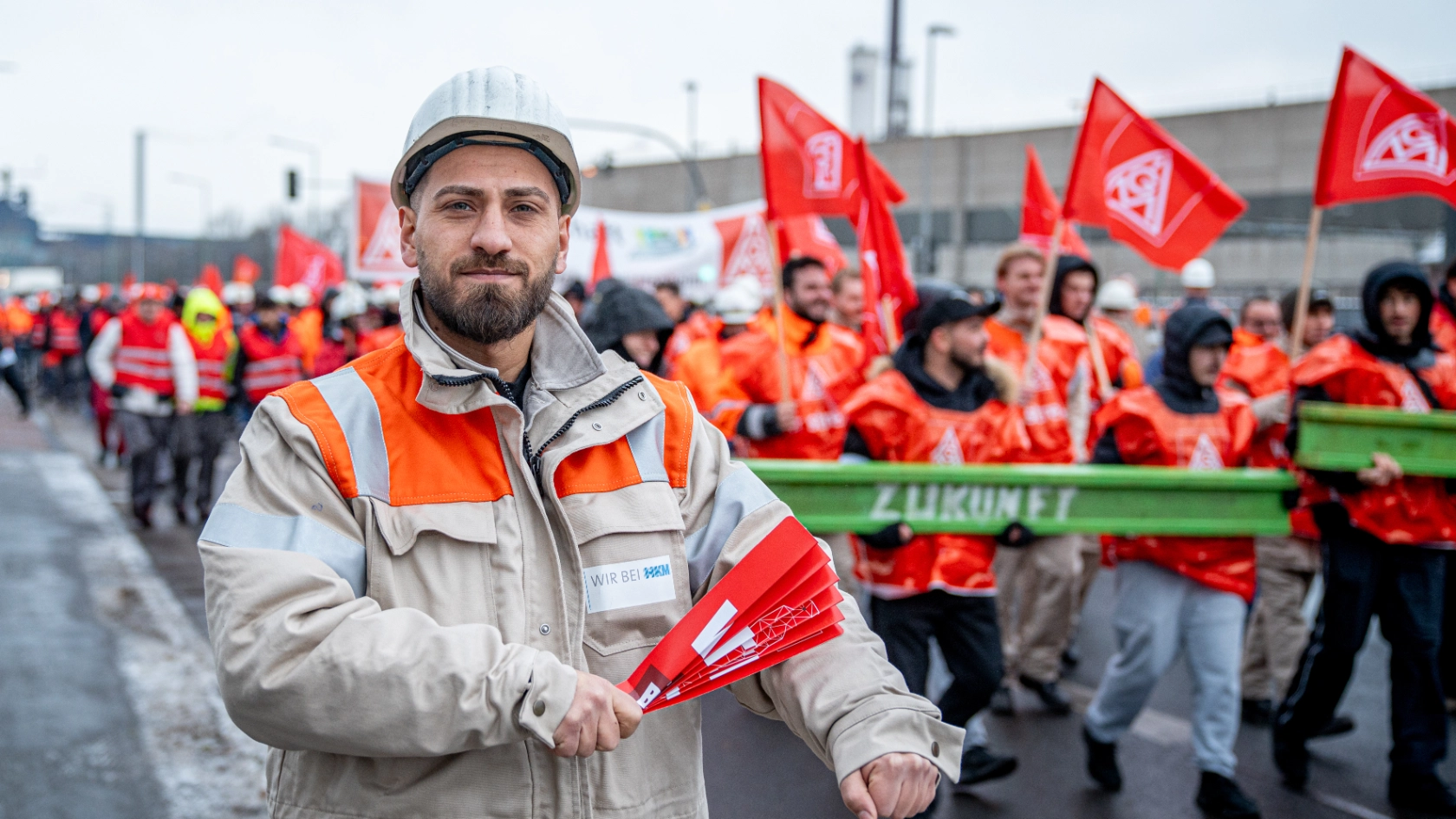
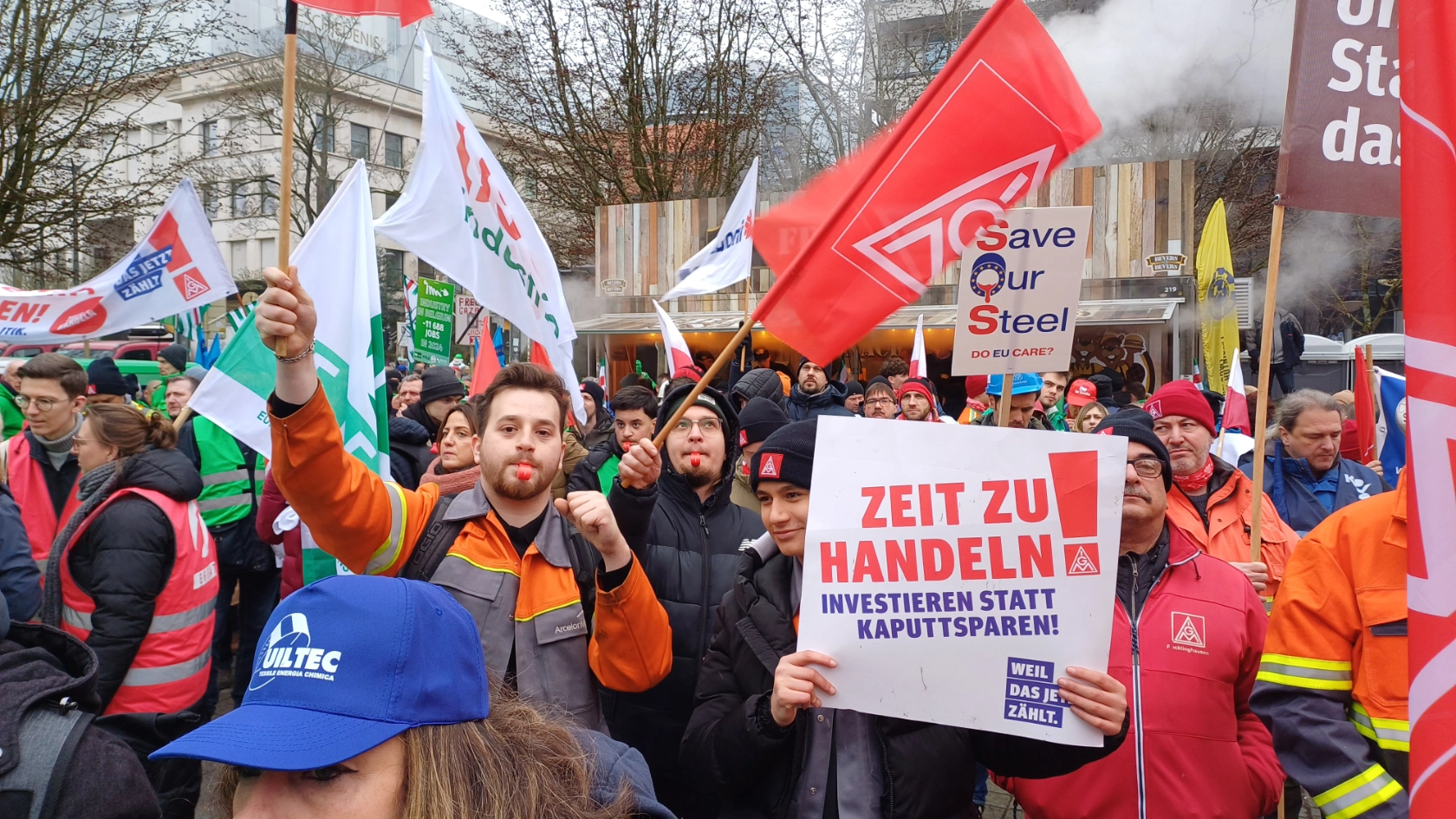
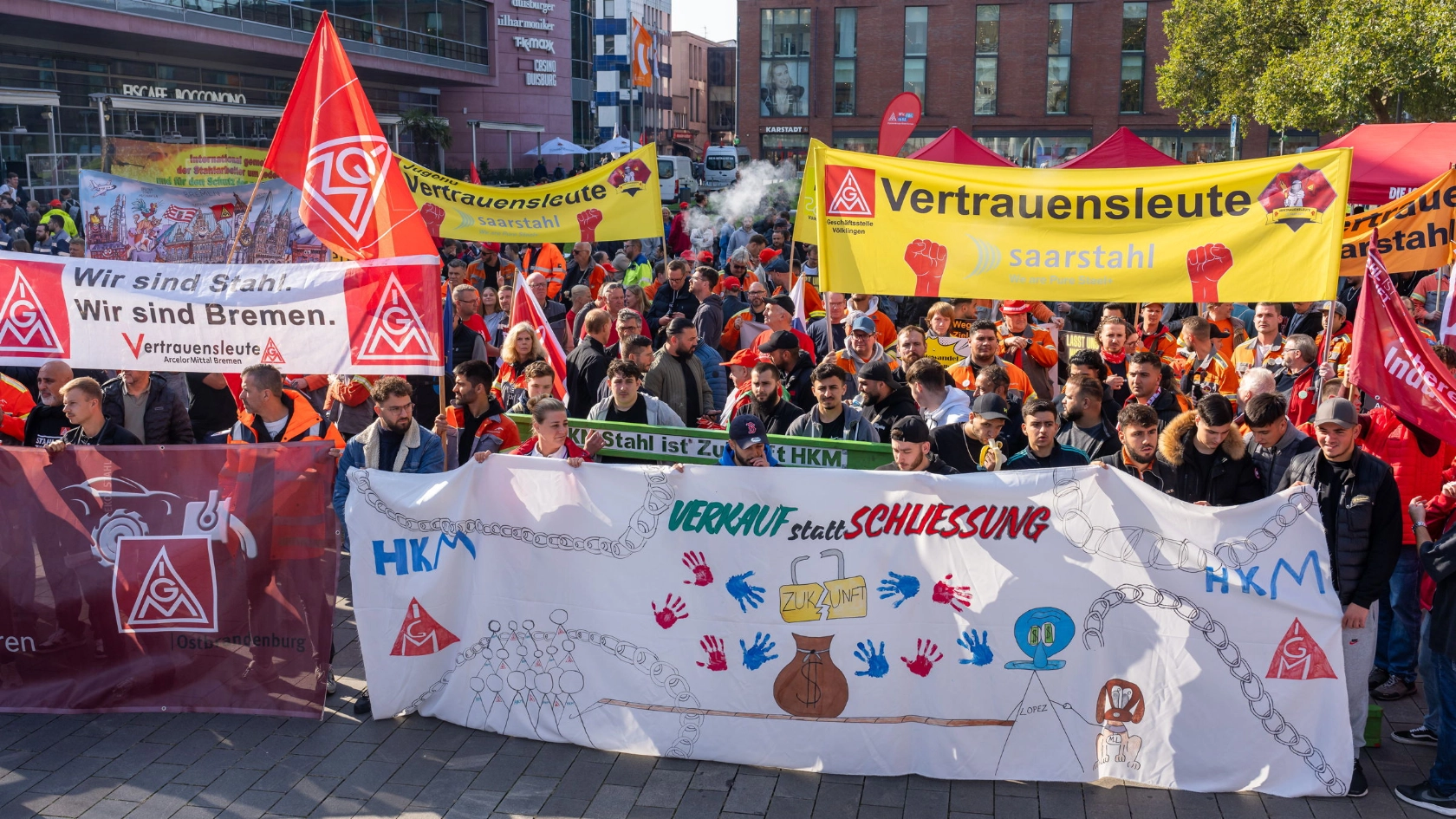
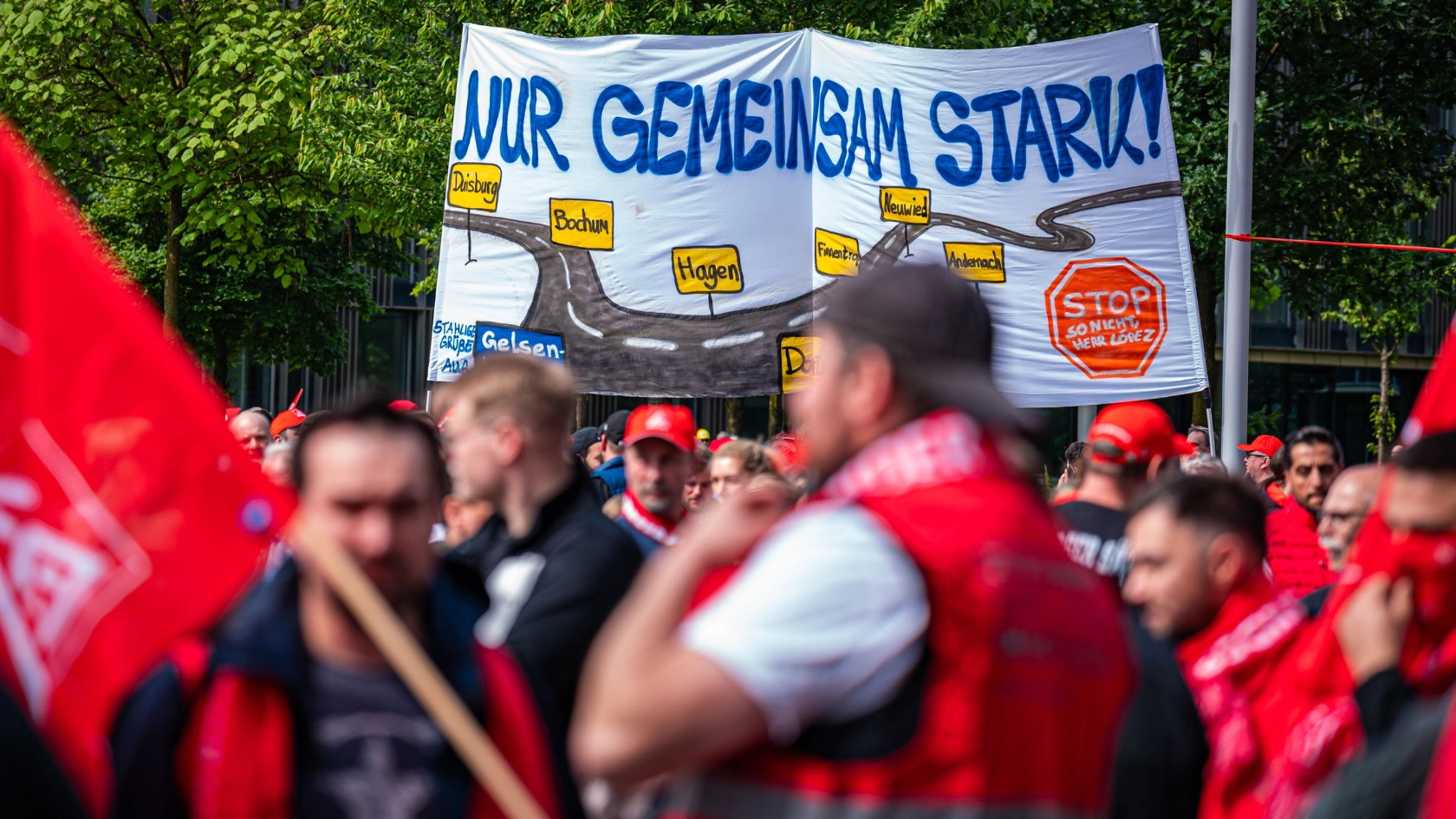
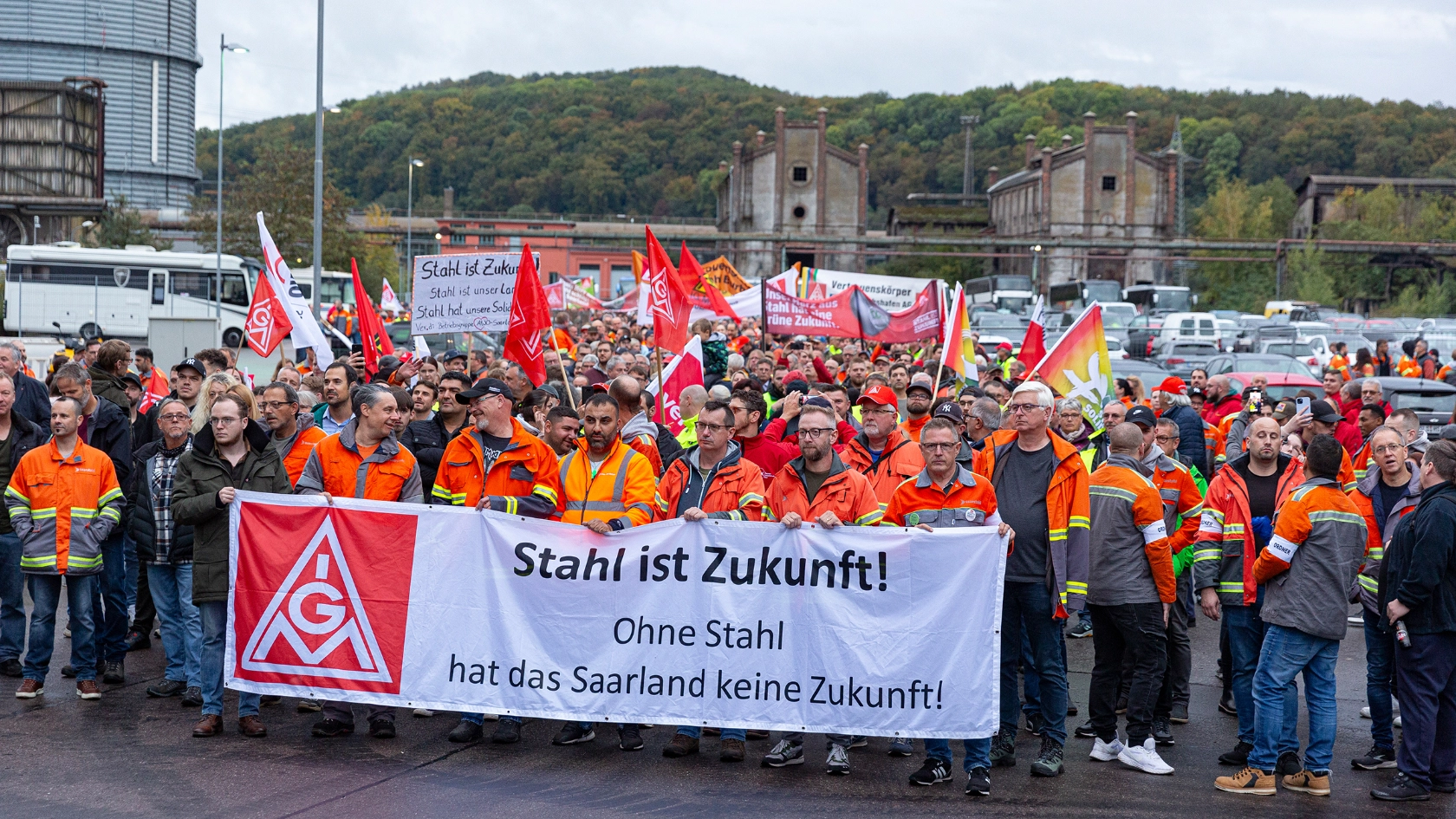
IG Metall rejected this offer as completely inadequate. The demand from IG Metall’s steel bargaining committees on behalf of the 80,000 workers in the steel industry in northwestern and eastern Germany is for an 8.5 percent pay increase over a 12-month period, as well as a reduction in working hours from 35 to 32 hours to ensure the transformation is carried out in a socially responsible manner .
Collective Bargaining Committees Decide on Warning Strikes
“The employers did not feel able today to improve upon their wage offer from the first round of negotiations. There was also no progress on the issue of reducing working hours,” criticized Knut Giesler, IG Metall regional director for North Rhine-Westphalia and chief negotiator for the steel industry in northwestern Germany.
Giesler also expressed disappointment that employers do not intend to resume negotiations until December 11. “They are letting time slip away unnecessarily. But in times of uncertainty, we have no time to lose.”
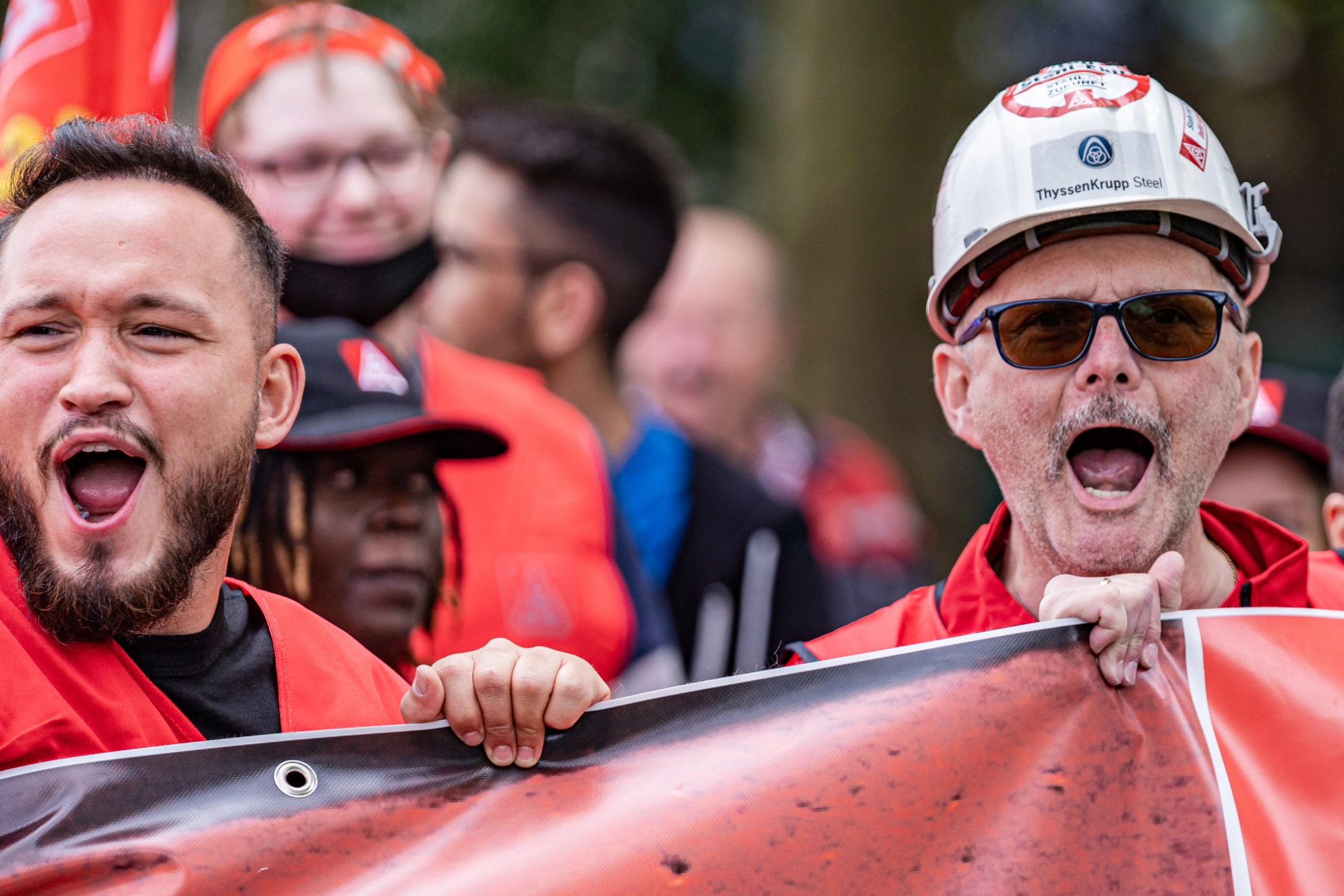
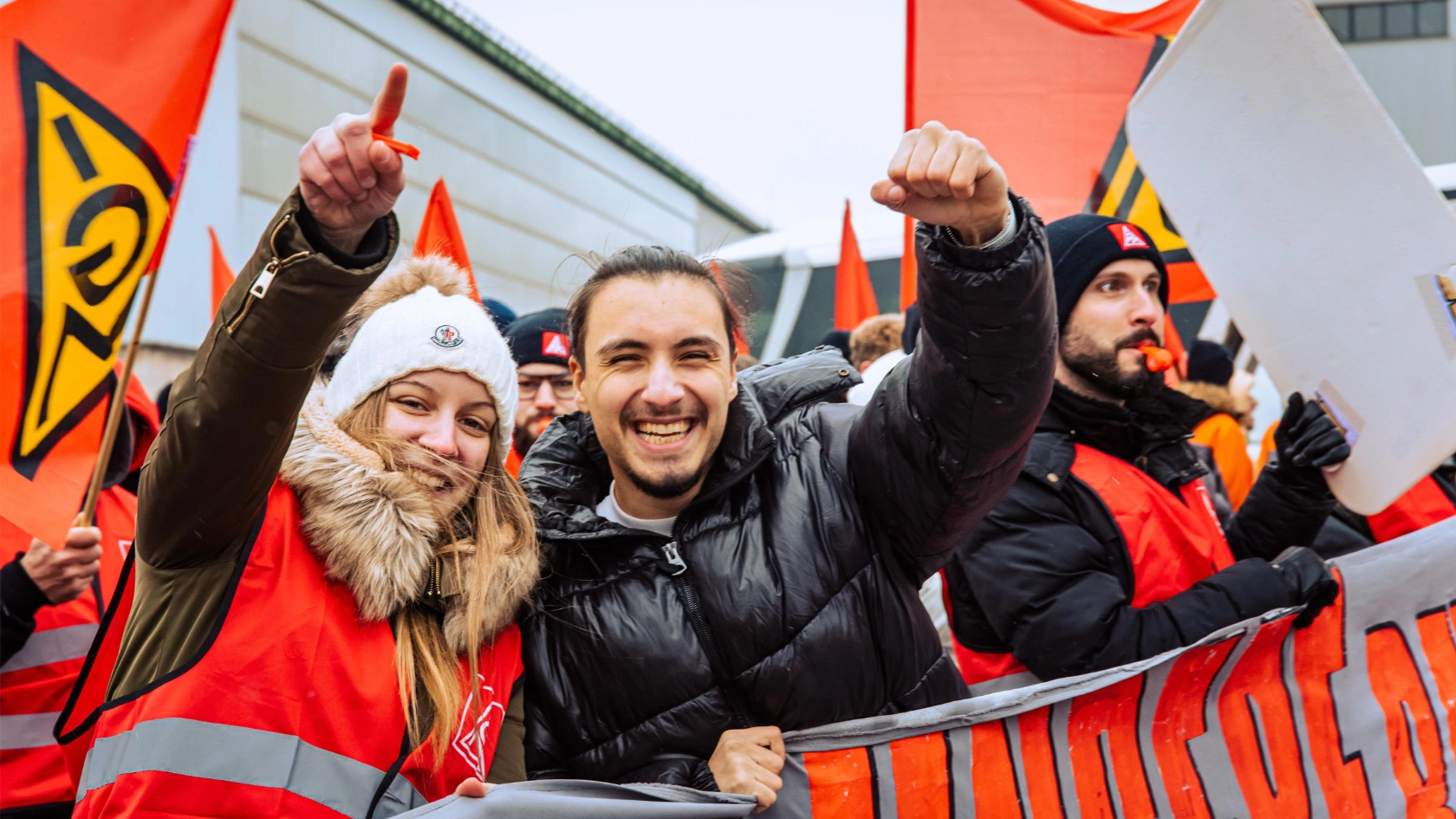
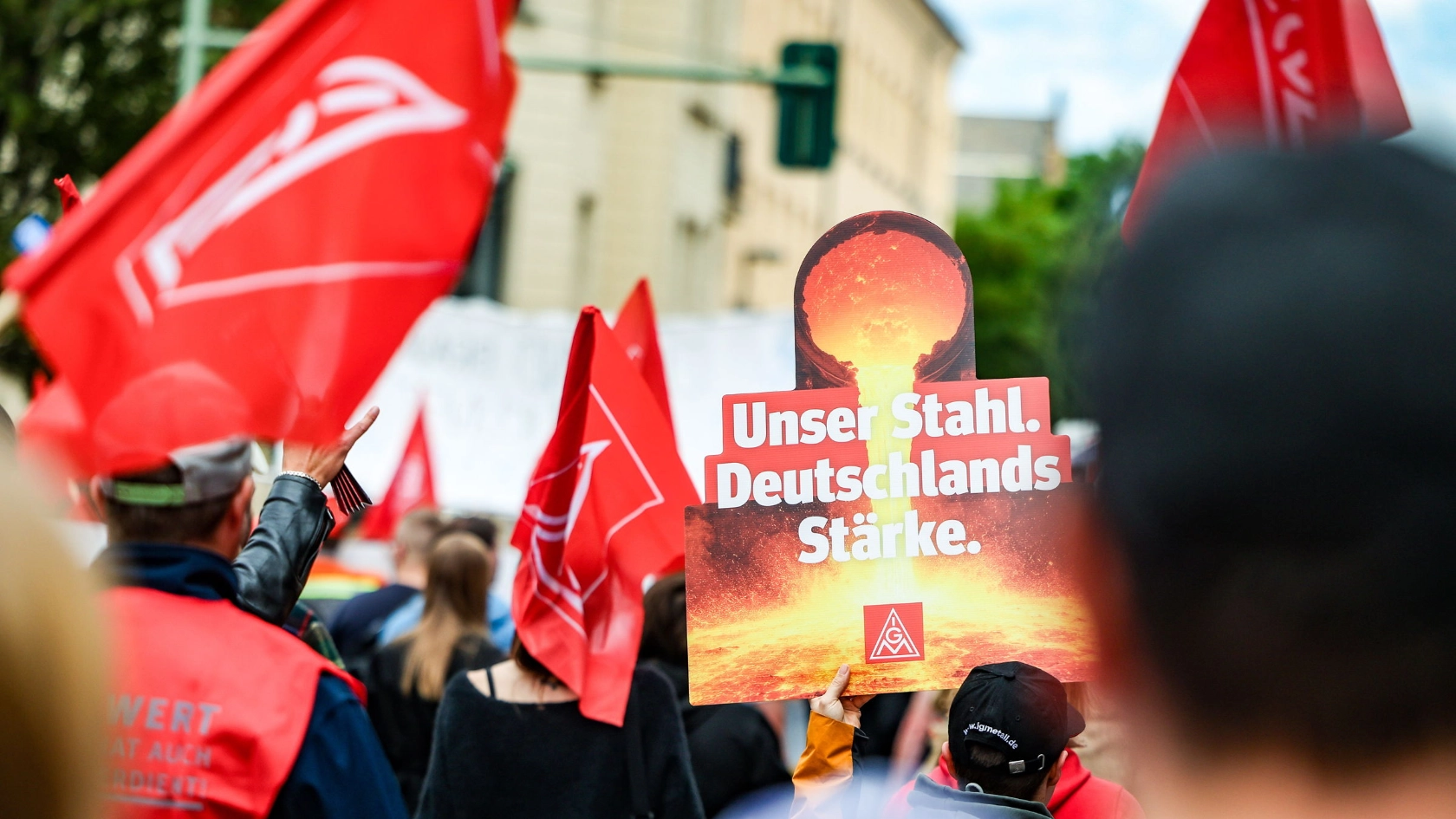
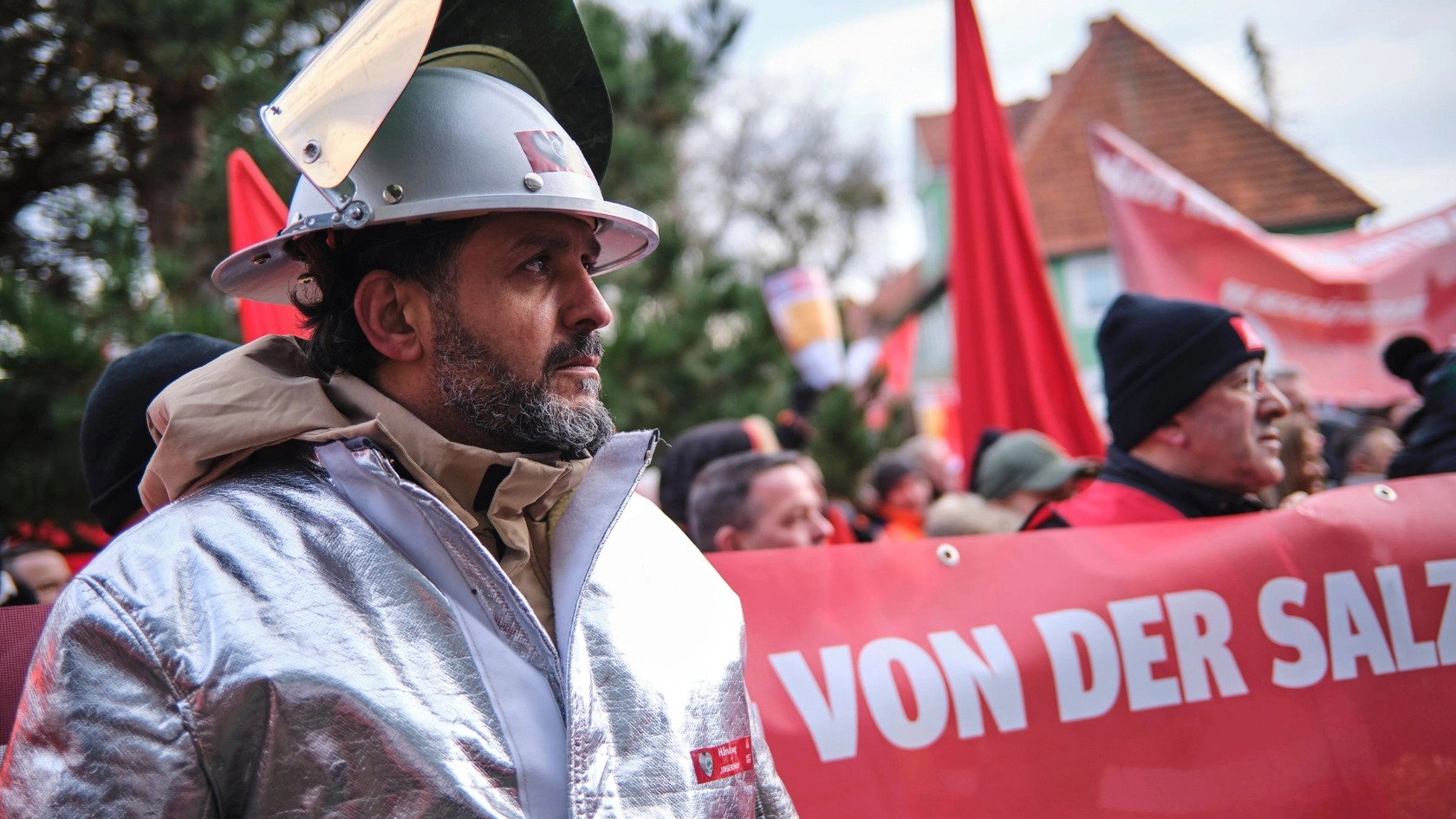
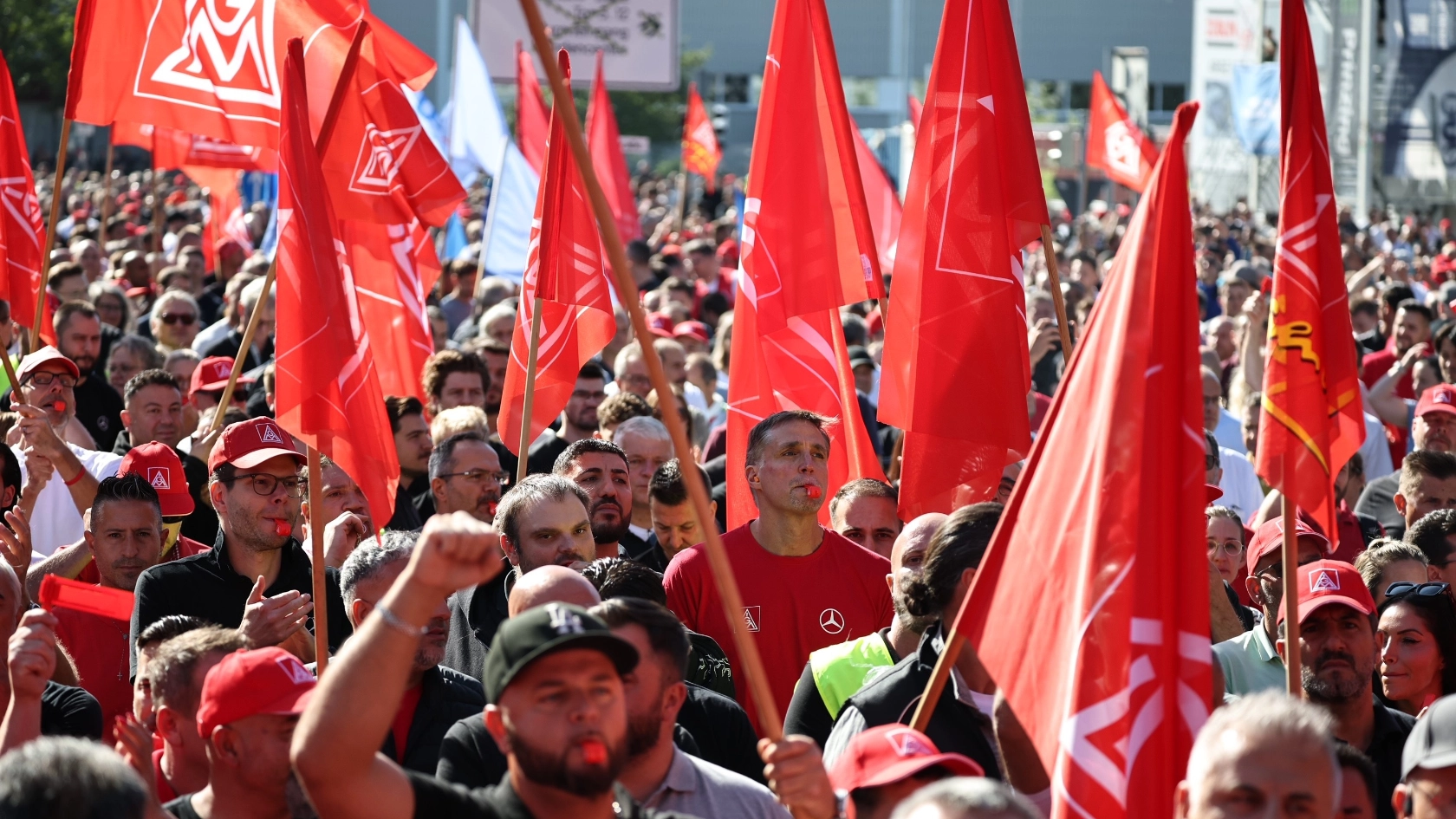
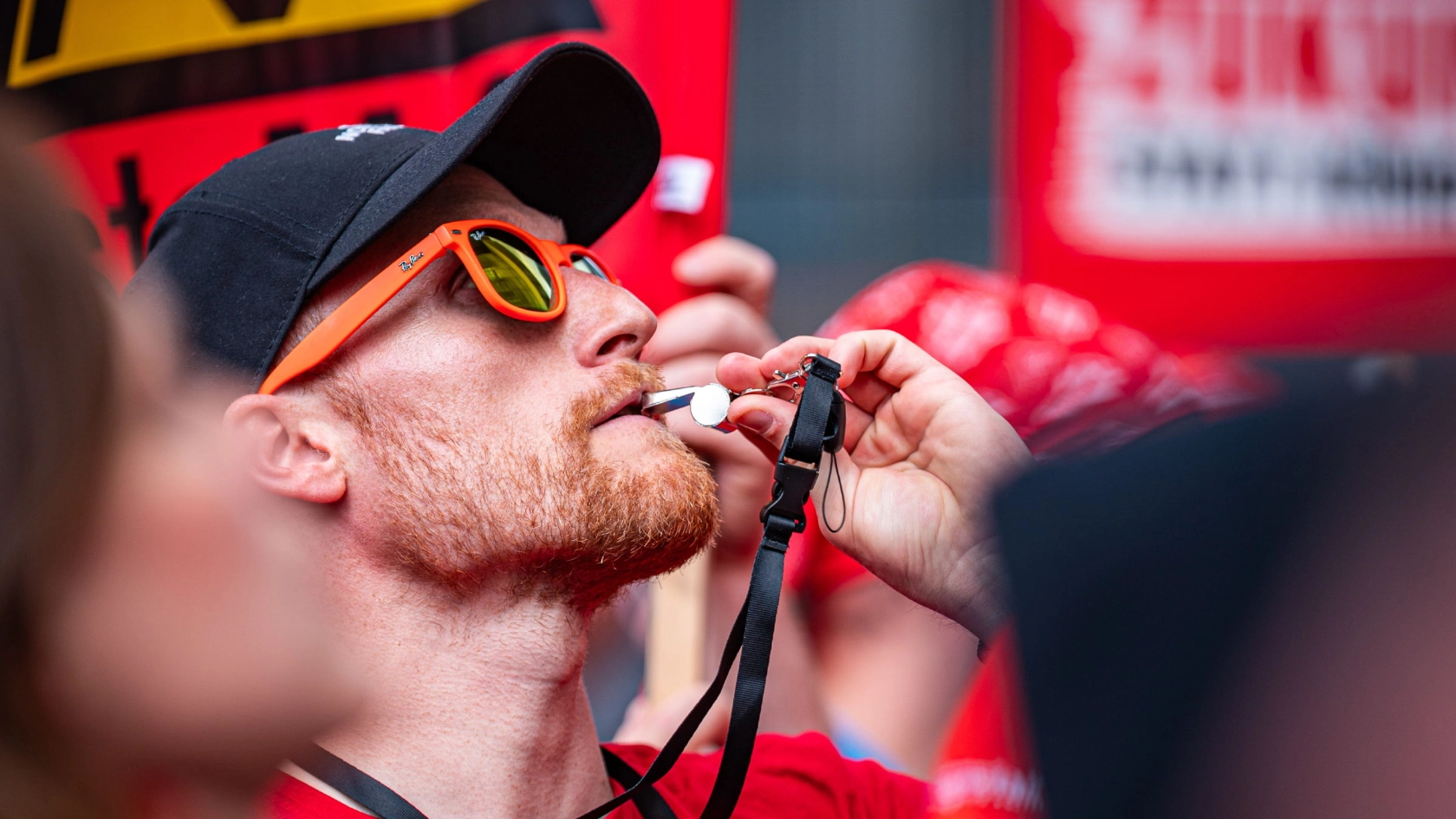
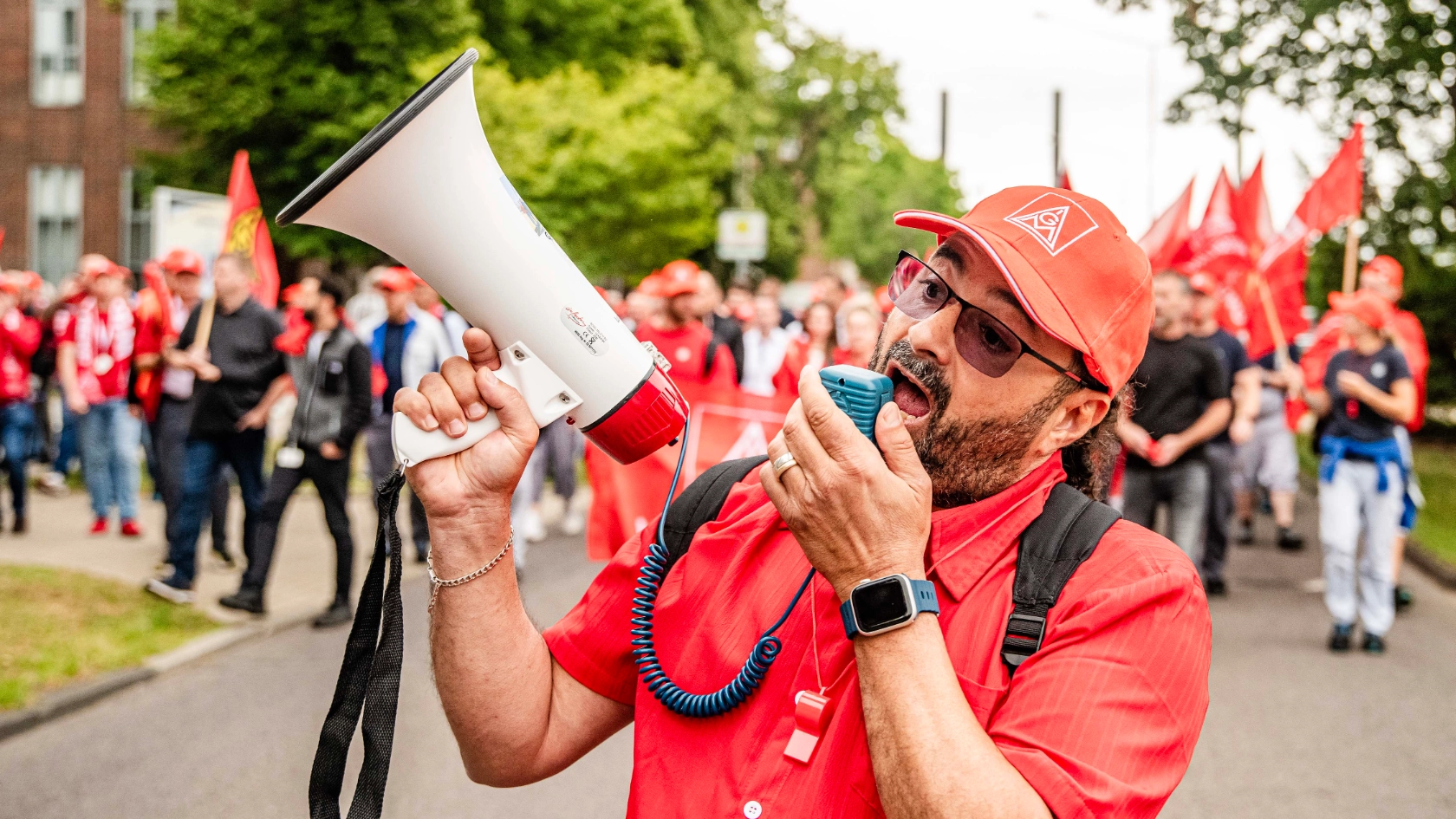
To increase pressure on the employers, the IG Metall bargaining committees for the steel industries in northwestern and eastern Germany decided on Friday morning that warning strikes will begin at midnight on December 1.
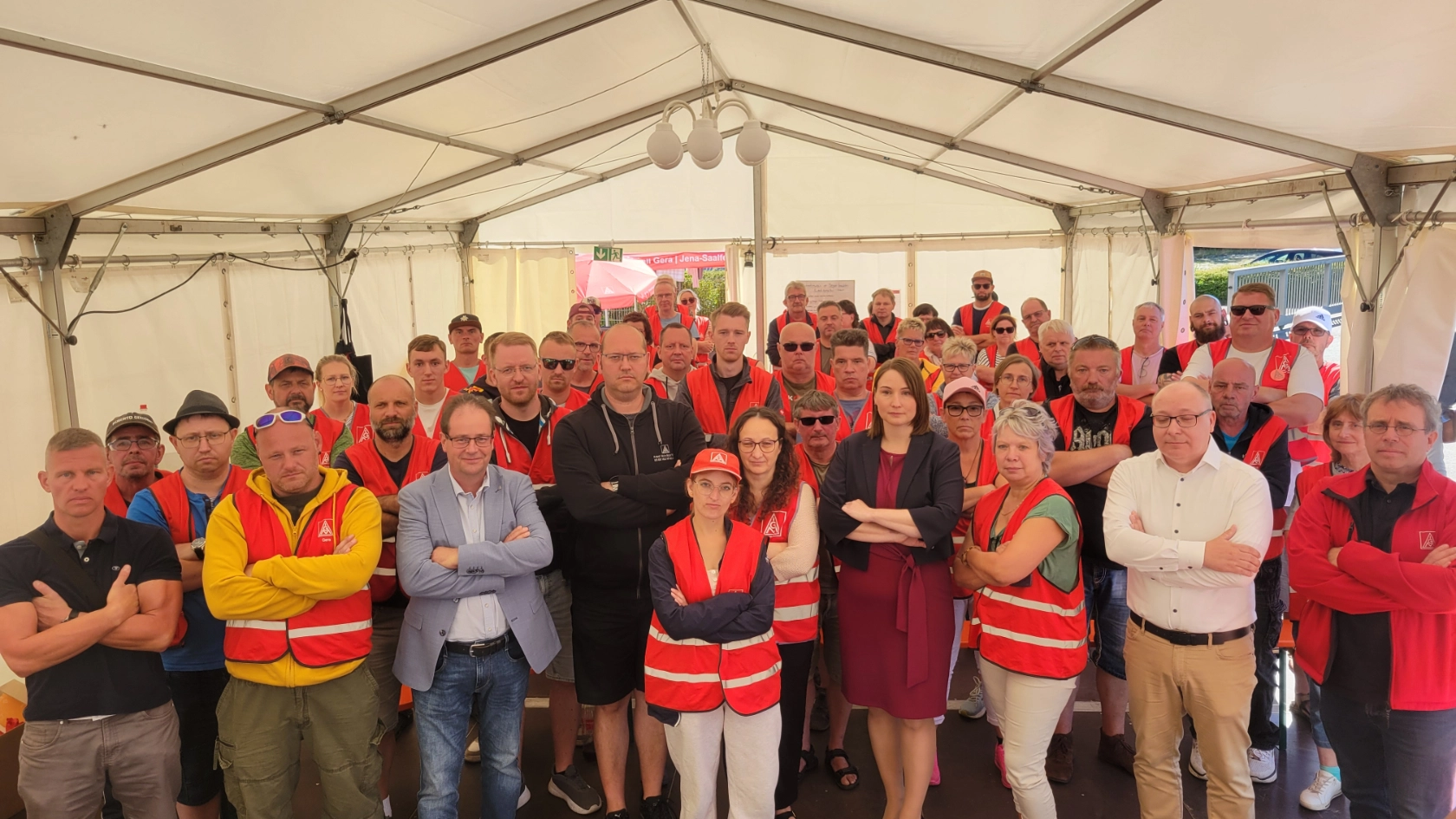
You can get specific information about the warning strikes from your local IG Metall chapter and from your IG Metall shop stewards at your workplace.
Demand: 8.5 percent and a 32-hour workweek
Following months of discussion at the workplaces, the IG Metall bargaining committees and the executive board finalized IG Metall’s steel industry demands in September: an 8.5 percent pay increase for a 12-month period (after which new pay increases will be possible again). This is intended to offset the high inflation of recent years.
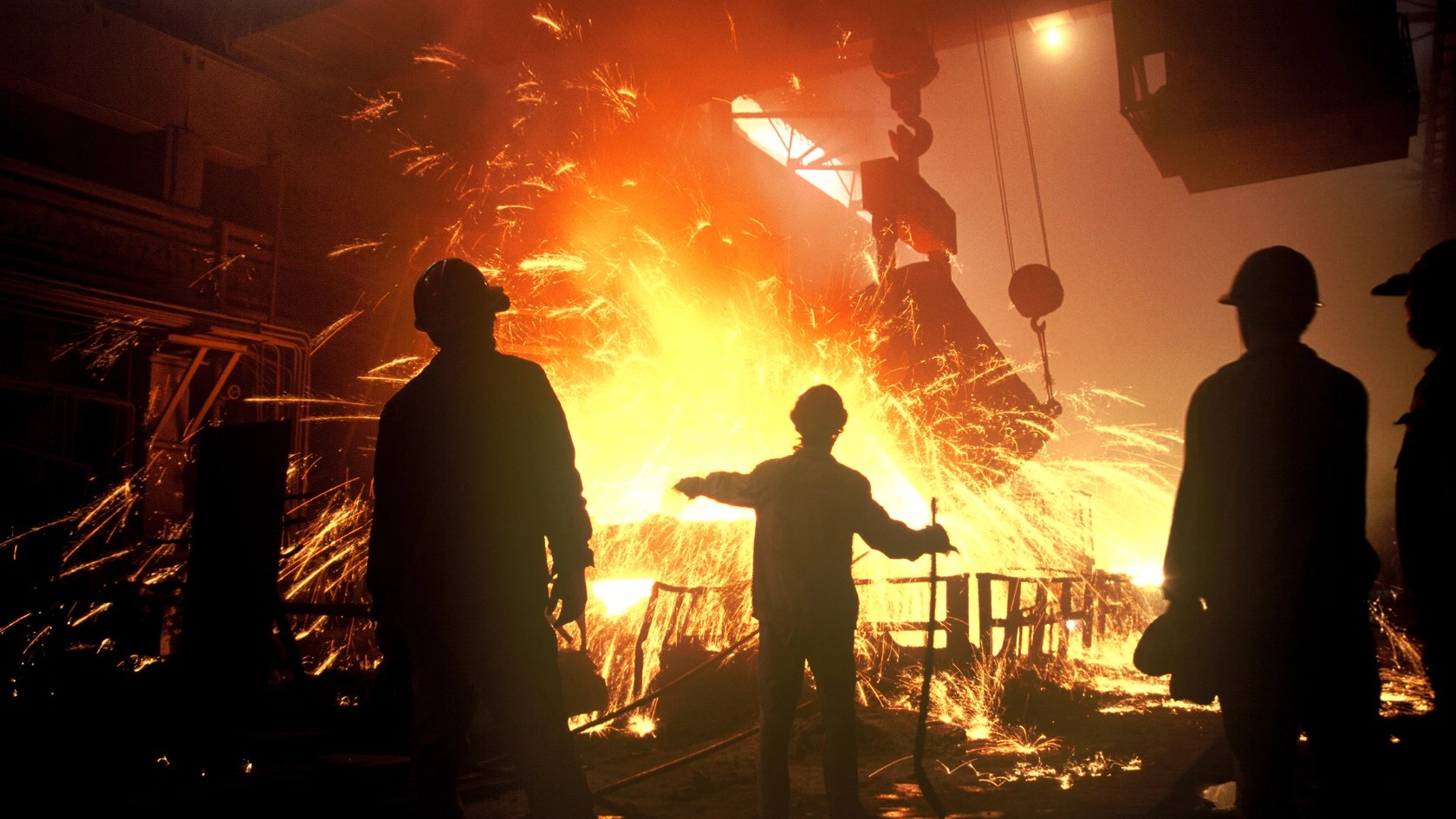
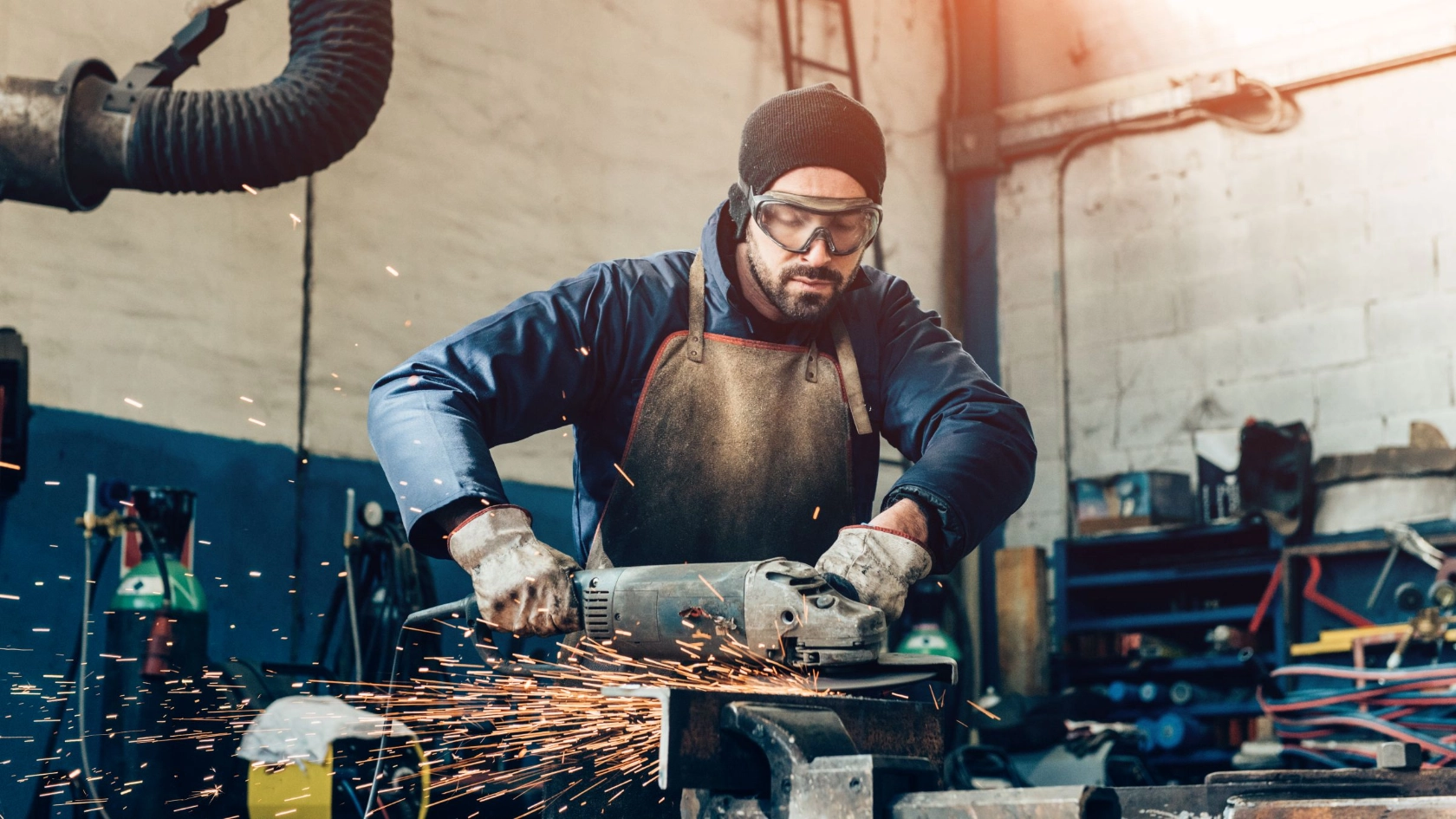
In addition to an 8.5 percent pay increase, IG Metall is calling for a gradual reduction in the workweek from the current 35 hours to 32 hours. The transition to green steel will put pressure on employment in a few years. This is because, following the switch to direct reduction plants, fewer working hours will be required for steel production. IG Metall aims to manage this transition in a socially responsible manner by distributing the reduced number of working hours more equitably among employees—through shorter working hours with full wage compensation—to ensure decent work.
Shorter Work Hours Are Good for Skilled Workers
Employers in the steel industry reject the call for shorter working hours—citing the shortage of skilled workers. But from IG Metall’s perspective, they have brought this shortage upon themselves: Over the past three years, they have cut 7,000 jobs nationwide.
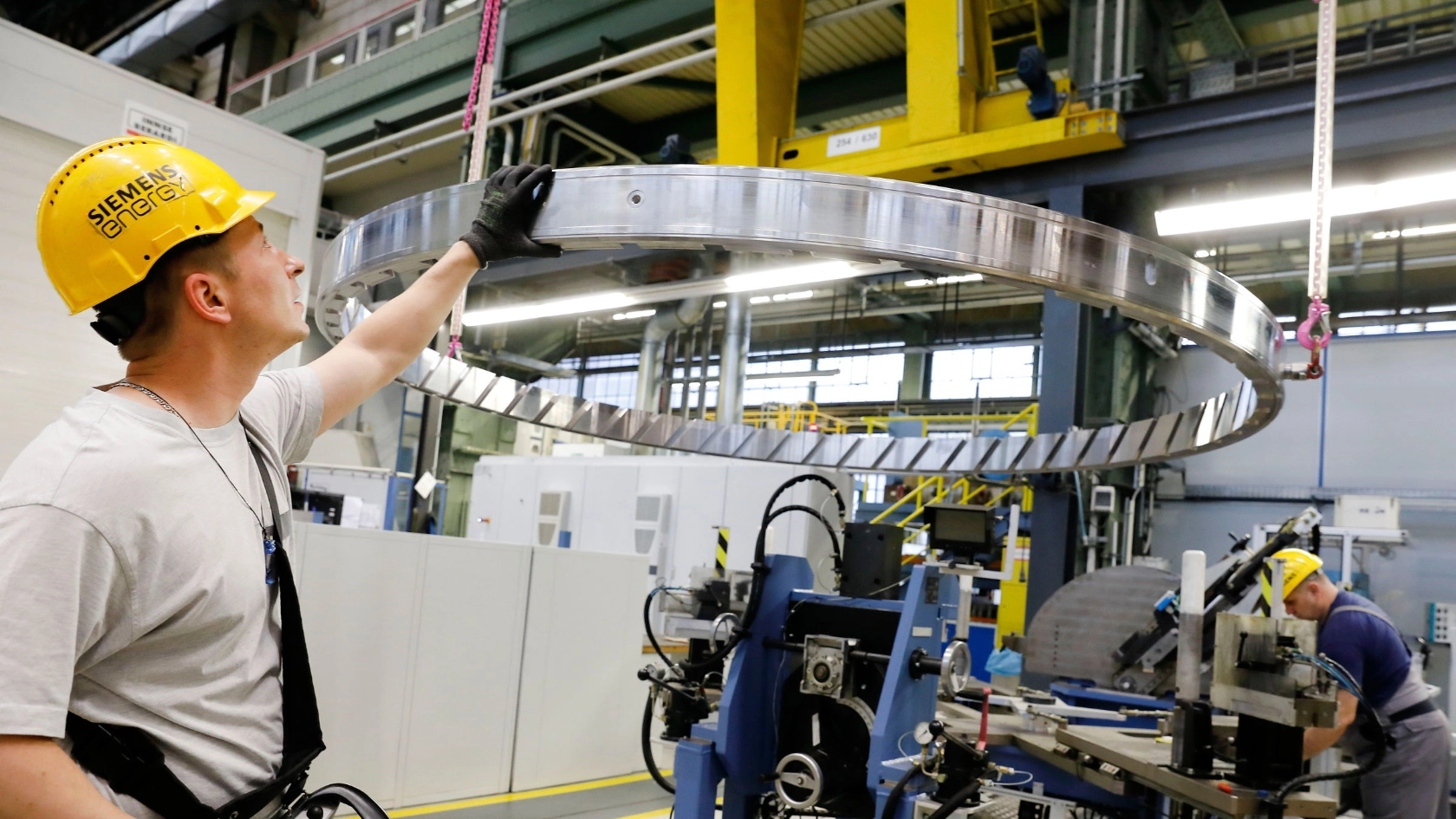
From IG Metall’s perspective, a reduction in working hours in the steel industry could actually help attract skilled workers.
“A good work-life balance is particularly important for young people. Shorter working hours are therefore a competitive advantage over other industries when it comes to recruiting new employees,” emphasizes Dirk Schulze, regional director of IG Metall in Berlin, Brandenburg, and Saxony and chief negotiator for the East German steel industry. Furthermore, shorter working hours lead to fewer sick days and have been proven to increase productivity.
You can find questions and answers about IG Metall’s steel industry wage demands in our FAQ
Further Timeline for the 2023 Steel Collective Bargaining Round
- November 30, 2023, midnight: End of the peace obligation. Warning strikes are then permitted.
- December 11, 2023: Third round of collective bargaining
The steel industry in Saarland is governed by its own collective bargaining agreements with different terms. Here, the wage agreements can be terminated for the first time as of February 29, 2024.