Starting in June, employees in the Saarland steel industry will also receive a 3.7 percent pay increase. For the months of April and May, there will be a one-time payment of 100 euros. Starting in 2020, all employees will receive an additional contractual allowance of 1,000 euros per year, which can optionally be converted into days off.
The IG Metall Central District Executive Board and the employers—the Saarhütten Association—reached this agreement during the night of March 28–29. [Now, the elected bargaining committee of IG Metall in the Saarland steel industry has also approved the outcome.] With this, the Saarland steel industry has essentially adopted the collective bargaining agreement reached in mid-March in Düsseldorf for the northwestern German steel industry, as the eastern German steel industry did a few days ago.
Extra Bonus for Apprentices
In the Saarland, too, apprentices are benefiting disproportionately from the collective bargaining agreement: Depending on the year of training, apprenticeship wages will increase by 60 to 90 per month starting in April, and by another 60 to 90 euros starting in June 2020.
Choice of 1,000 euros or up to five days off
The new additional collective bargaining allowance of 1,000 euros per year will be paid out on July 31 of each year. It will increase in line with future wage increases. Employees can convert this allowance into days off. Up to five days off per year are possible. The actual number of days off that can be converted depends on the total number of requests per company. If there are many requests, the number of days off for each individual will be reduced. If not all requested days off can be granted, the equivalent amount will be paid out.
“Following the agreement reached a year ago in the metal and electrical industry, we have achieved a breakthrough for greater autonomy over working hours in another important sector,” explains Jörg Köhlinger, chief negotiator and district director of the IG Metall Central District. “Here, too, employees have demanded more self-determination, greater relief from work, and more flexibility for their personal lives—all of which are of great importance in the modern world of work.”
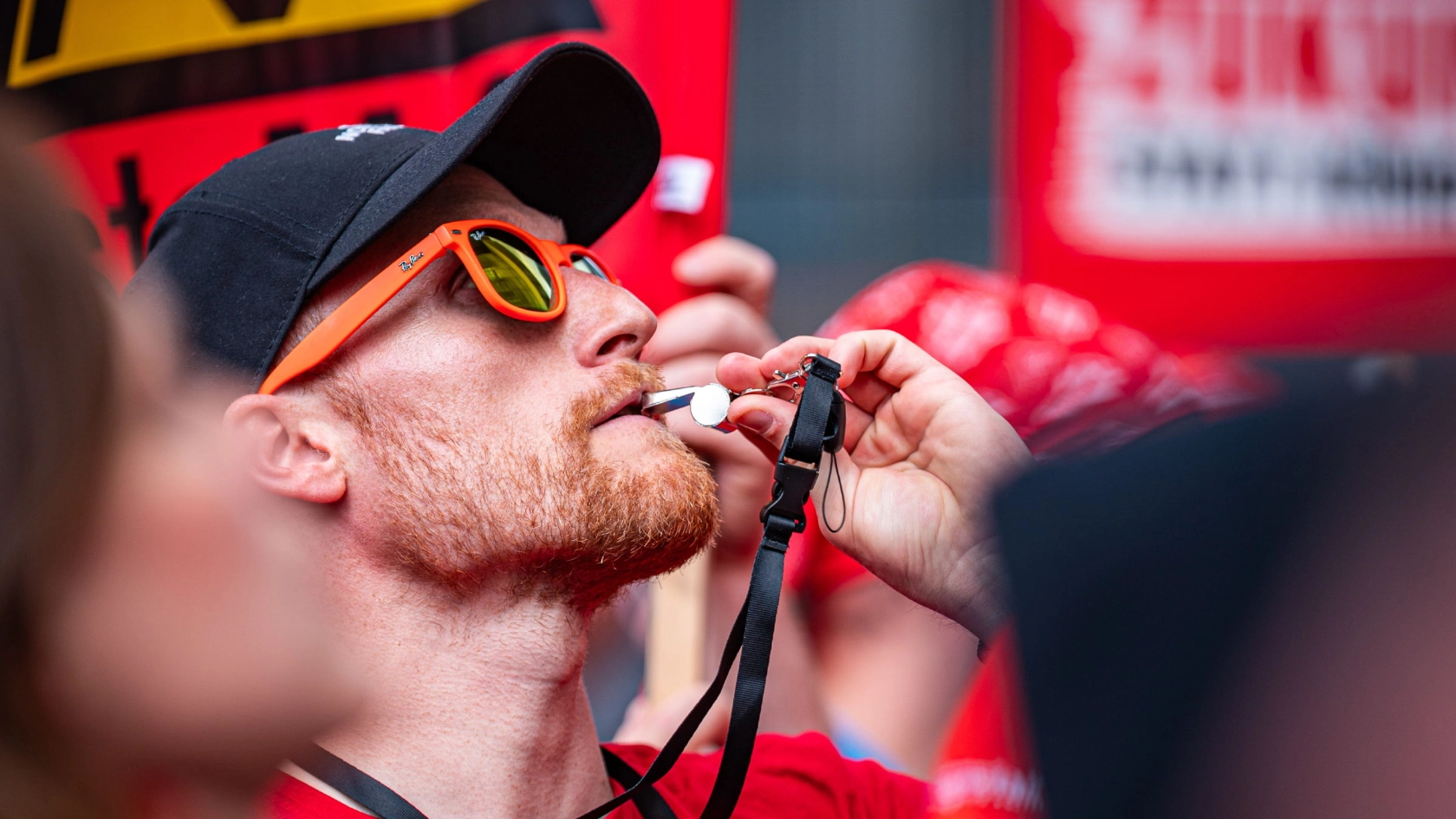
The compromise was made possible by the enormous pressure exerted by the employees. While many warning strikes in other collective bargaining districts had supported IG Metall’s demands, such strikes were avoided in Saarland. “But the employees here would have been prepared to take that step as well,” emphasizes Köhlinger. “The employers know that.”
The new collective bargaining agreements for the Saarland steel industry can be terminated for the first time on May 31, 2021.