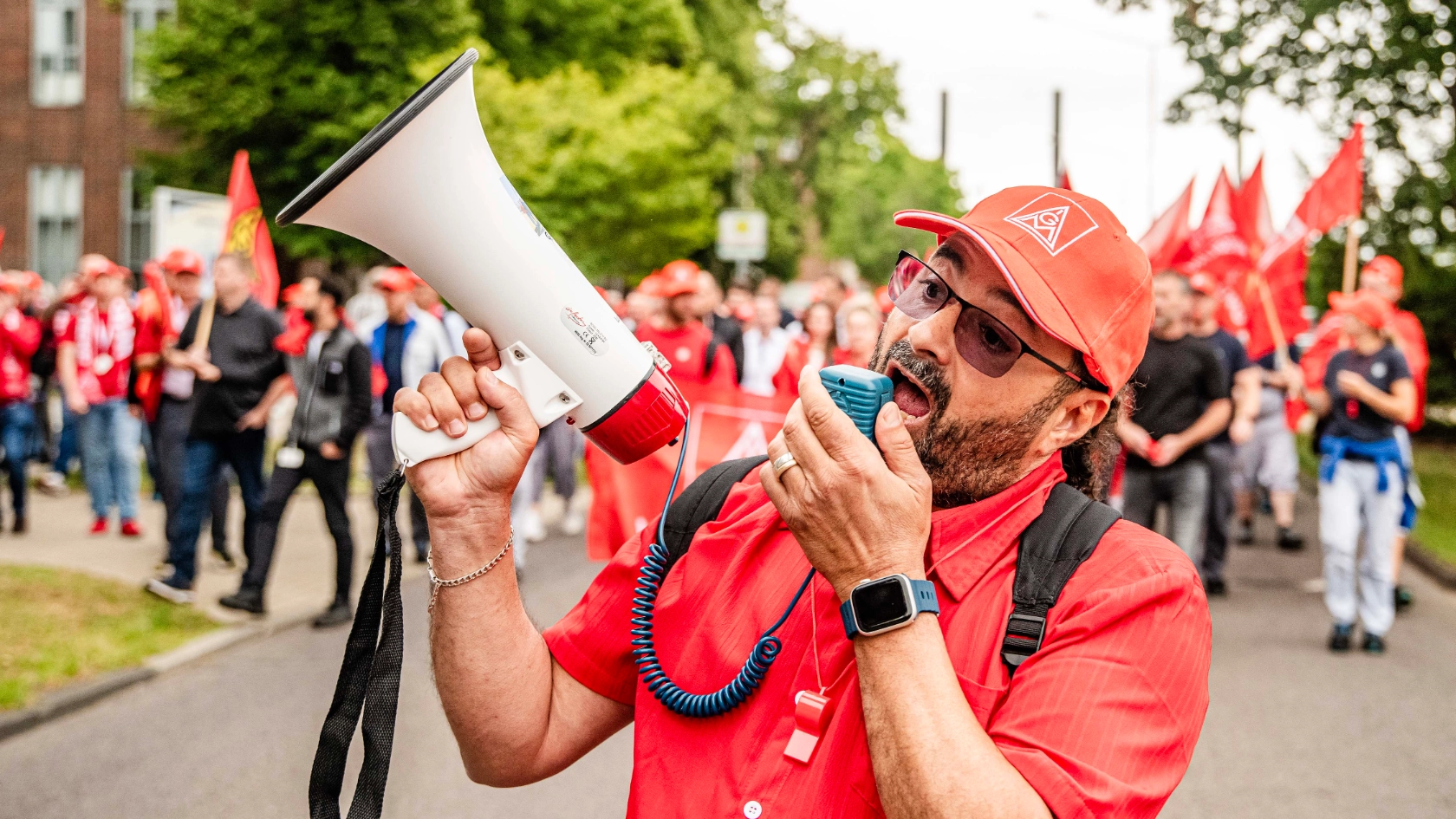
July 1, 2014: A law comes into effect in Germany that brings relief to many workers. Thanks to the “Retirement at 63” program, insured individuals who have paid contributions to the pension insurance system for at least 45 years or can demonstrate equivalent credit periods (such as raising children) can retire before reaching the standard retirement age—without any reduction in their pension benefits.
IG Metall has supported the “Retirement at 63” program from the very beginning. The law corrects the injustice whereby a lifetime of work is devalued by pension cuts at the end of a long working life. And it reflects the reality of many workers, who are happy if they can even physically keep going for 45 years.
Here’s how the retirement at age 63 program is being used:
From 2014 to 2018, over 1.13 million people took advantage of the retirement at age 63 program (“Old-age pension for individuals with particularly long insurance periods”). Of these, nearly 42 percent were women. This contradicts the frequently heard criticism that retirement at age 63 is an early retirement program for male skilled workers with above-average incomes. The average monthly pension at age 63 was 1,277 euros in 2018. That is less than the so-called standard pension, which an average earner receives after 45 years of contributions.
What’s missing from the “Retirement at 63” program:
The “Rente ab 63” program is a temporary measure. Only a few birth cohorts can retire at age 63. Starting with the 1953 cohort, the retirement age increases by two months with each subsequent cohort (see chart). Starting with the 1964 cohort, early retirement without reductions is only possible at age 65.
For many people, there are no tailored transition options from work to retirement. IG Metall is therefore calling for permanent access to a full pension at age 63 for all generations.
A Secure Transition to Retirement:
Thanks to retirement at age 63, well over one million people have seen their lifetime achievements recognized—through a socially secure, flexible transition to retirement.
Retirement at age 63 is particularly important for people who do physically demanding work. Many of them simply could not work any longer. Without retirement at age 63, they would have to accept reduced pension benefits. That would be doubly unfair. Starting work early, many years of hard labor—often working shifts—reduce life expectancy and shorten the period during which they can receive a pension.