Anyone out and about in Germany’s cities on May 1 might have gotten the impression that Labor Day has rarely been needed as much as it is this year.
Almost every day, employers are attacking hard-won rights: the eight-hour workday, continued pay during sick leave. And within the federal government, there are many plans for cuts to social programs and too few ideas for growth and the preservation of industrial jobs.
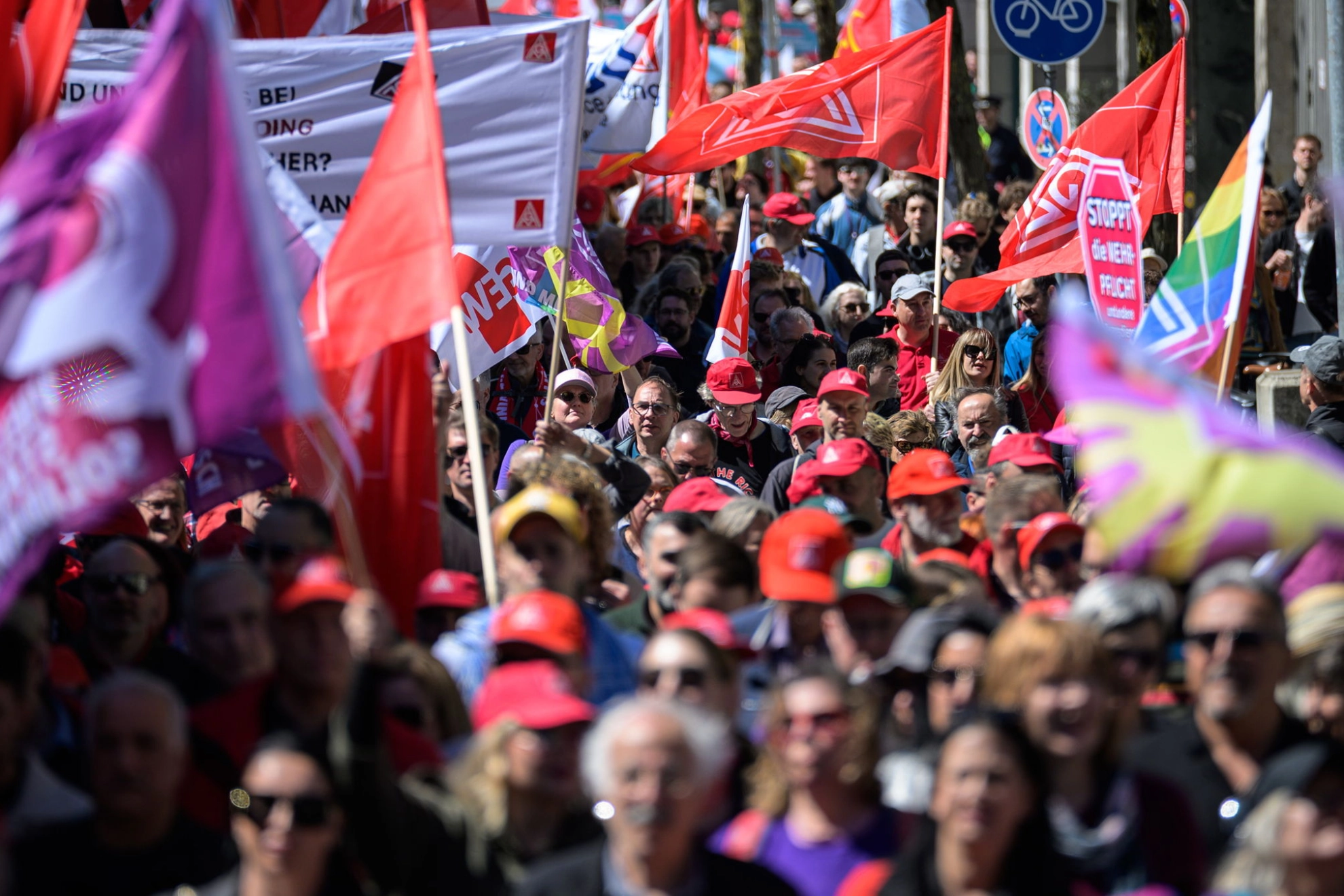
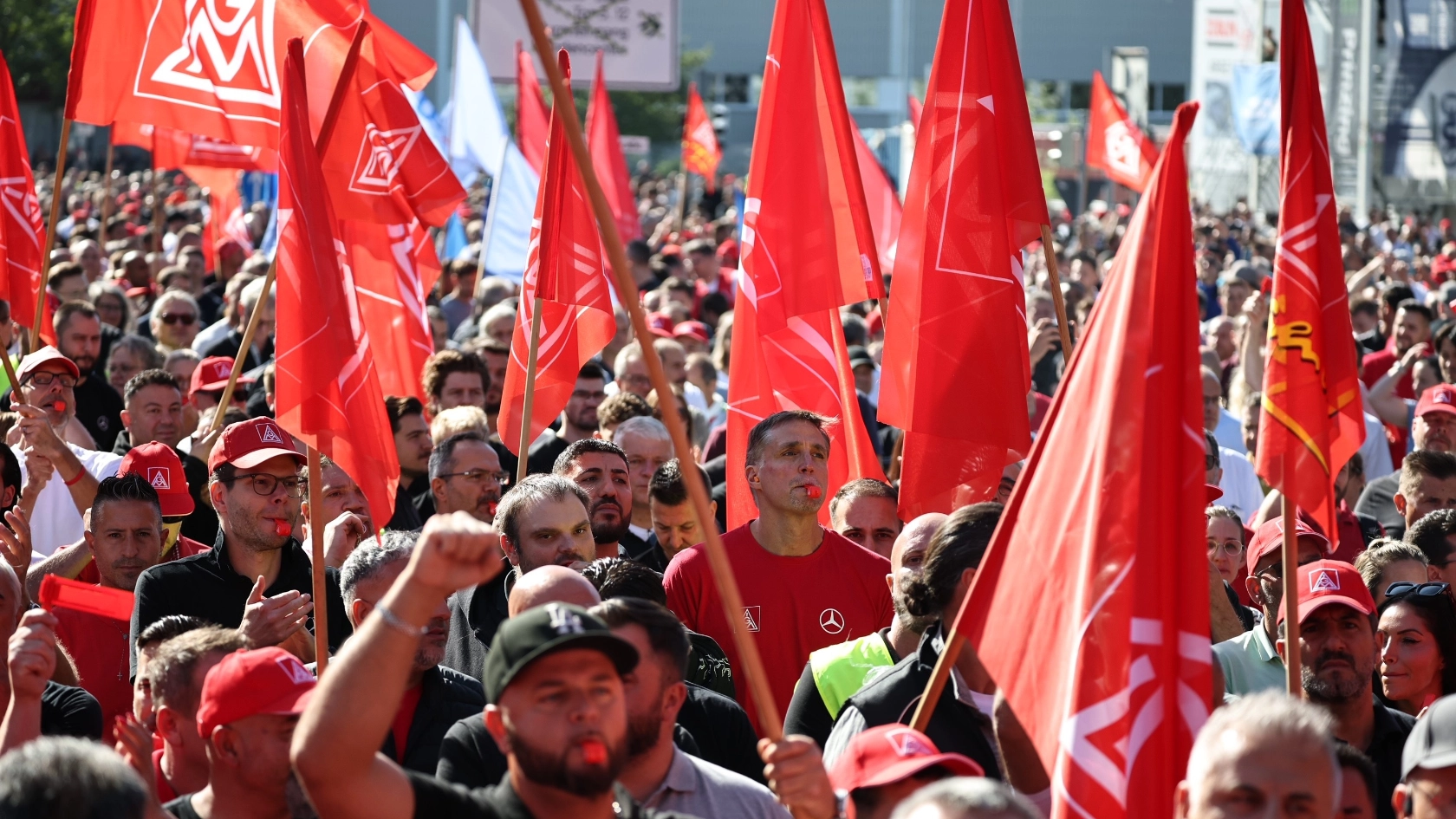
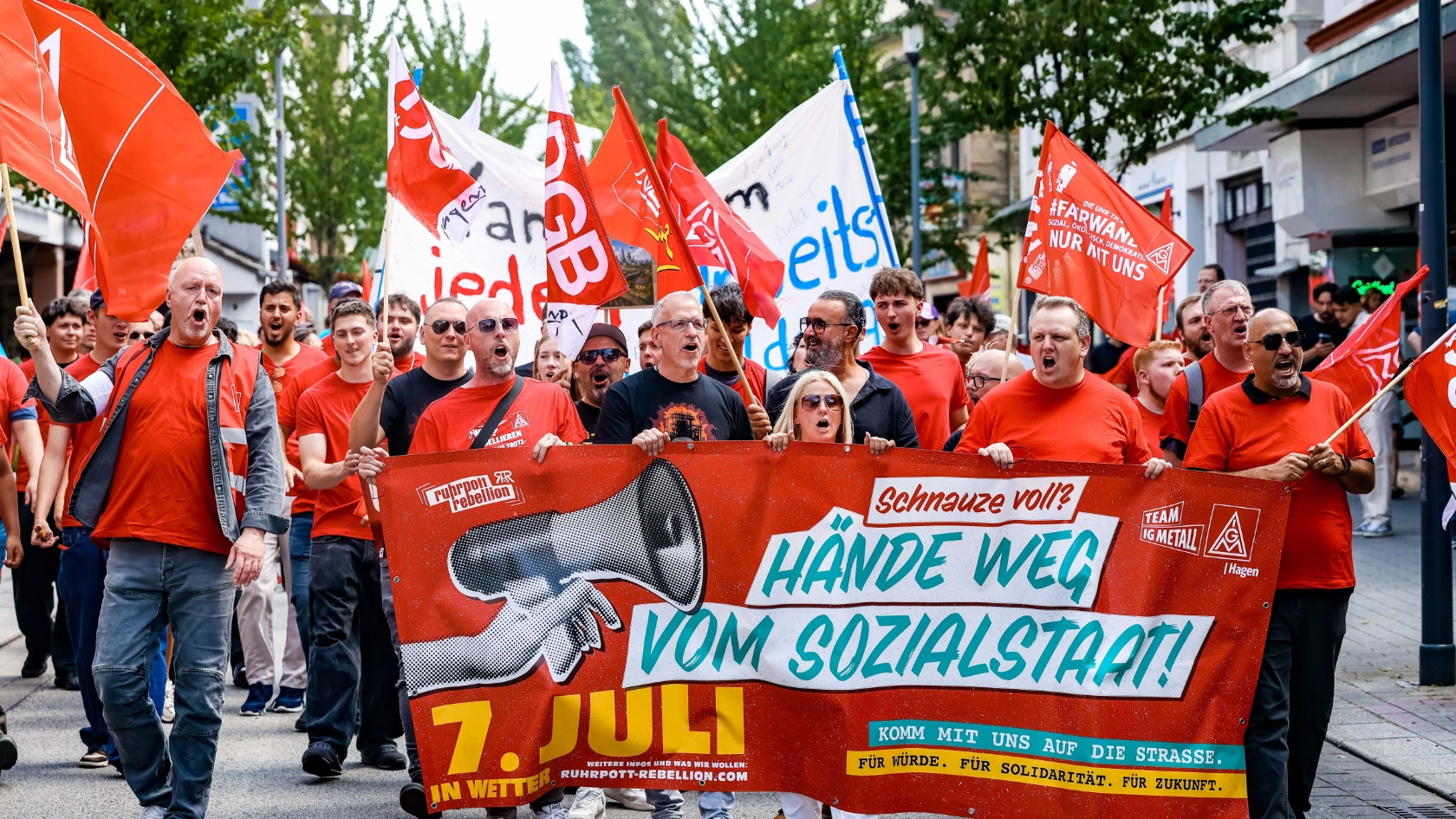
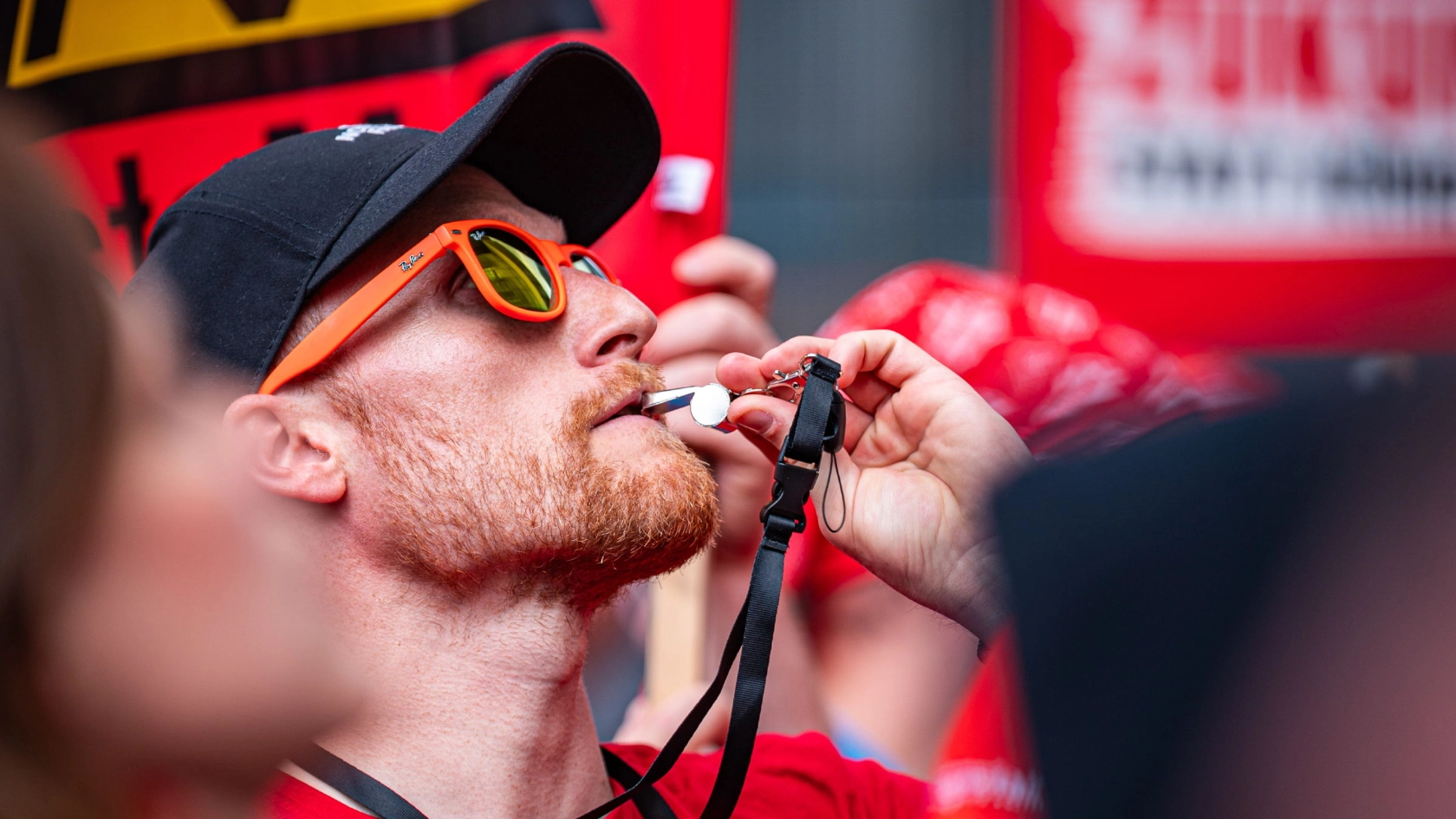
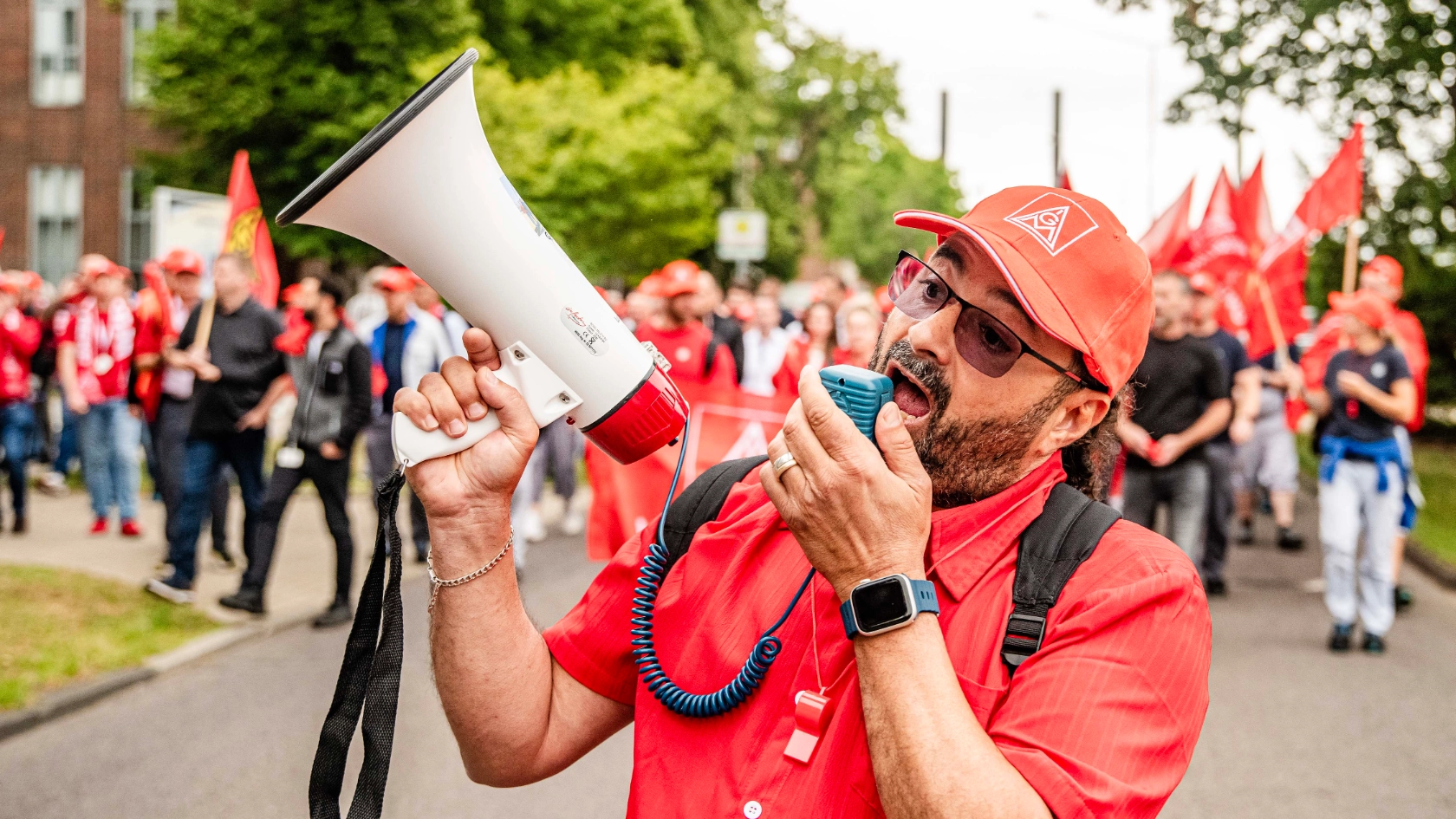
On May 1, workers took to the streets to voice their anger. Under the slogan “Our jobs first, your profits second,” tens of thousands gathered in numerous cities.
Innovation Instead of Social Cuts
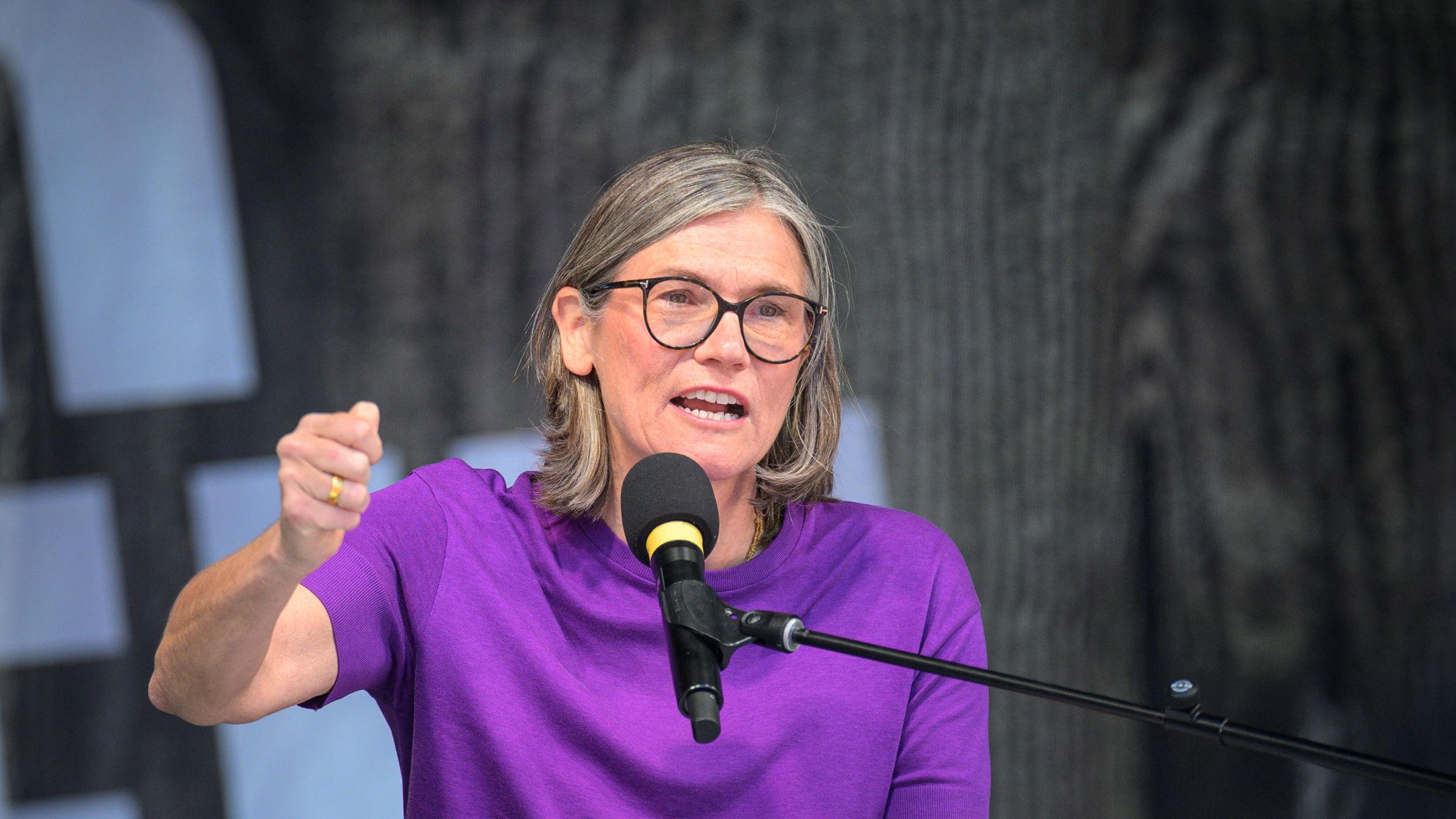
“Cuts to social benefits do not create economic growth”—that was the message from Christiane Benner, President of IG Metall, who spoke at the May Day rally in Munich.
Germany as an industrial hub faces major challenges. “But we won’t solve any of our problems by taking away workers’ rights and cutting benefits. Instead, we’ll solve them through competitive energy prices, the expansion of renewable energy, and innovation.”
Christiane Benner during her speech in Munich.
Investments in future-oriented industrial sectors are crucial: humanoid robotics, artificial intelligence, the circular economy, and battery manufacturing and recycling.
Benner made it clear: These future-oriented sectors also need effective co-determination, dedicated works councils, and strong unions.
“This is how we ensure good and fair jobs and collective bargaining agreements for everyone. We’ve proven this in the successful works council elections, and we’ll do the same in successful collective bargaining rounds in the metal and electrical industries!”
Preserving Industry
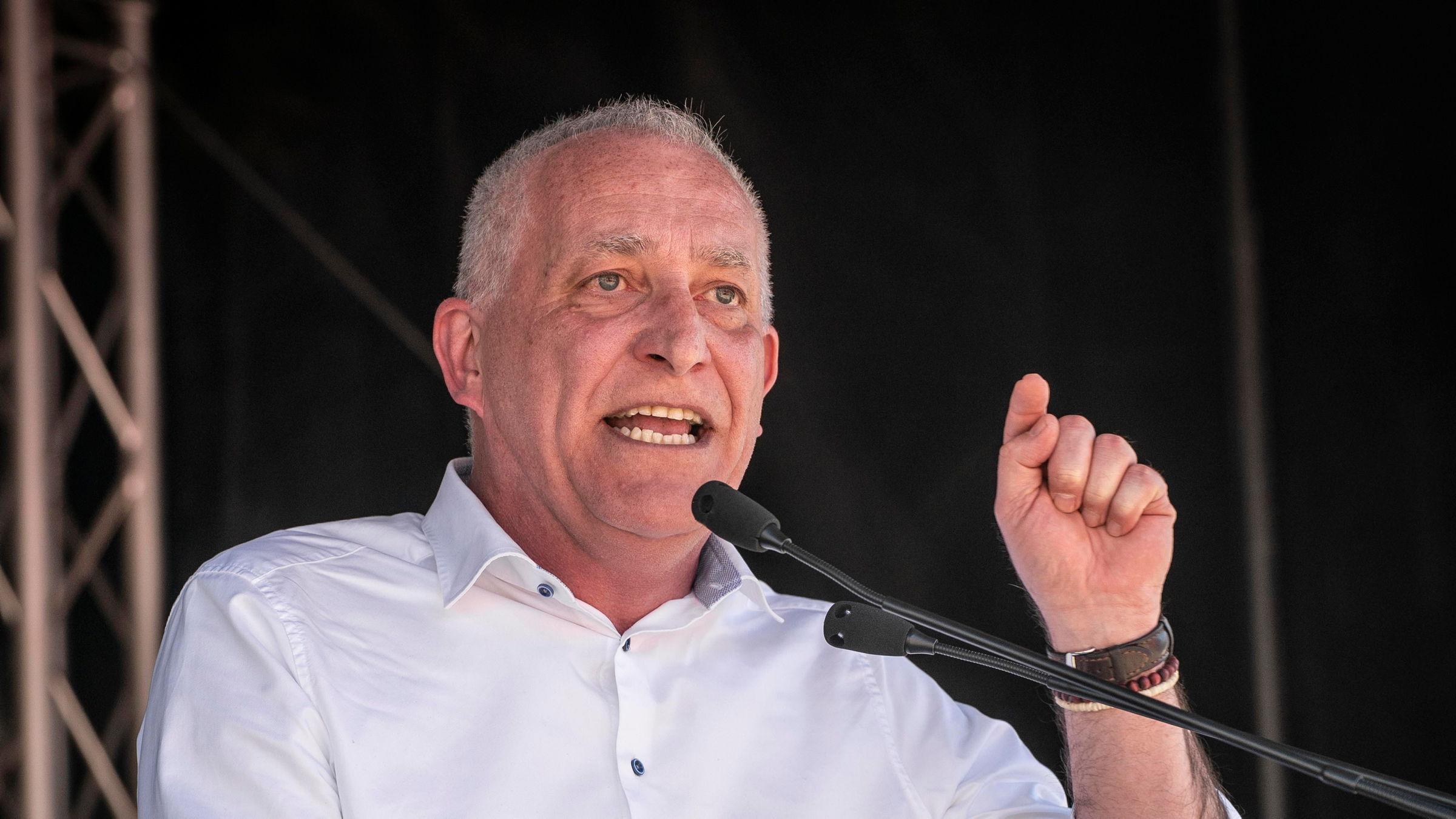
Jürgen Kerner, Second Chair of IG Metall, spoke on May 1 in Karlsruhe. Referring to the changing global situation, he warned: “We are far too dependent. Worse still: We are knowingly making ourselves even more dependent, thereby recklessly endangering our industrial base and jobs.”
Jürgen Kerner during his speech in Karlsruhe.
He accused large segments of the political establishment and employers of denying reality: “We no longer live in 1992, when supply chains could be expanded across the globe just to save a few cents.”
To preserve the industry, new solutions are needed—above all, an effective and reliable industrial electricity price and binding local content requirements.
“Anyone who sells a product in Germany and Europe must also produce it here,” said Kerner. “We must not stand by and watch again as future technologies flourish elsewhere because we fail to create the right conditions here.”
Support for Detained Activists
On May 1, IG Metall also called for support for imprisoned trade unionists and unions. At numerous rallies, colleagues collected signatures calling for their release.
Specifically, IG Metall is working this year alongside Amnesty International to support Volha Brytsikava from Belarus and Lee Cheuk-Yan from Hong Kong. Both are in prison because of their union activities.
The joint network of IG Metall and Amnesty International has been successfully campaigning since 2020 for the release of imprisoned and persecuted union members abroad.
For example, international pressure led to the release of Palina Sharenda-Panasjuk, who had been imprisoned in Belarus. IG Metall had launched several appeals on her behalf and collected 2,024 signatures. The union activist was able to leave Belarus to protect herself from further action by the judicial authorities. Chhim Sithar, a union activist from Cambodia, was also released.
IG Metall’s May 1 press release is available here.