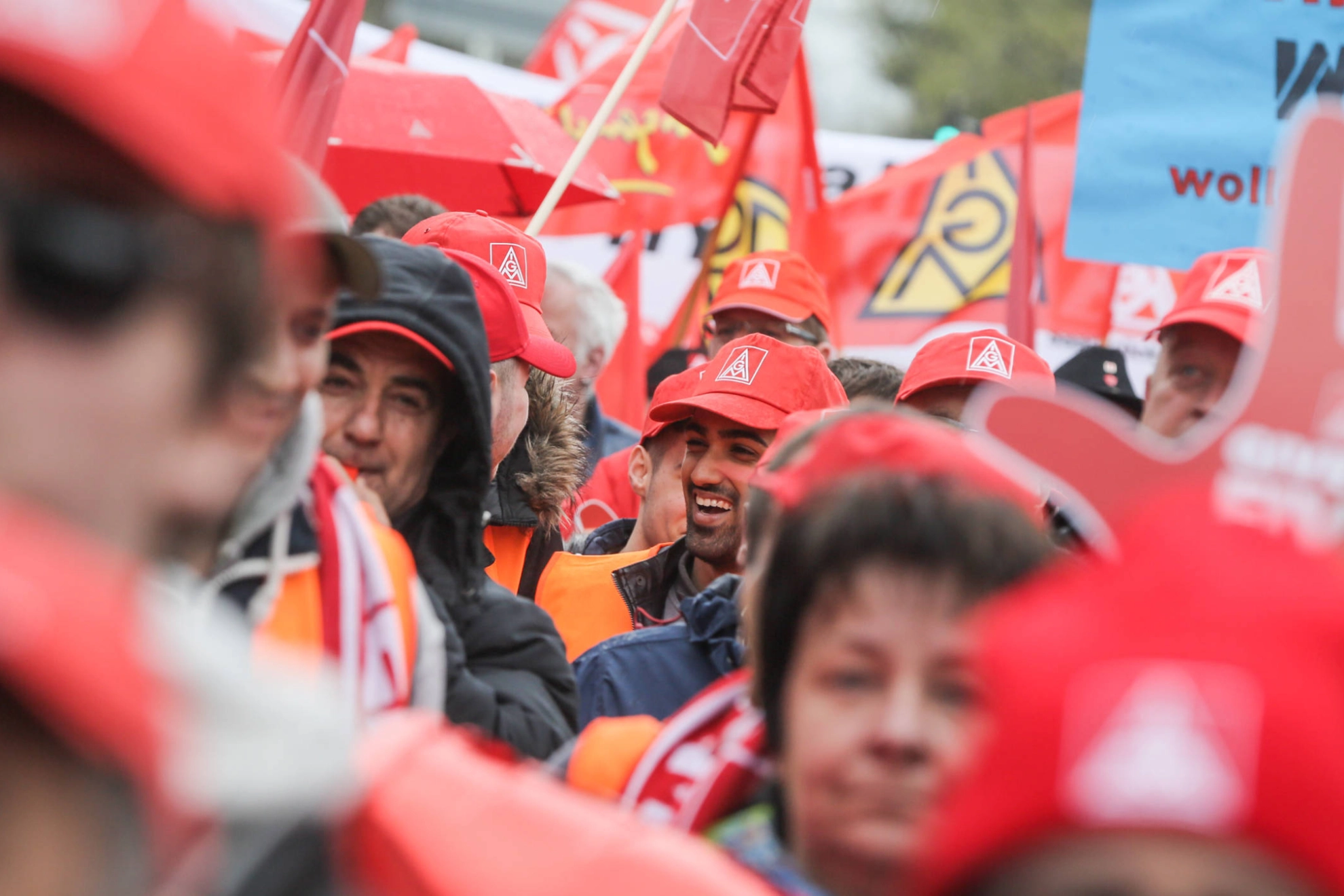
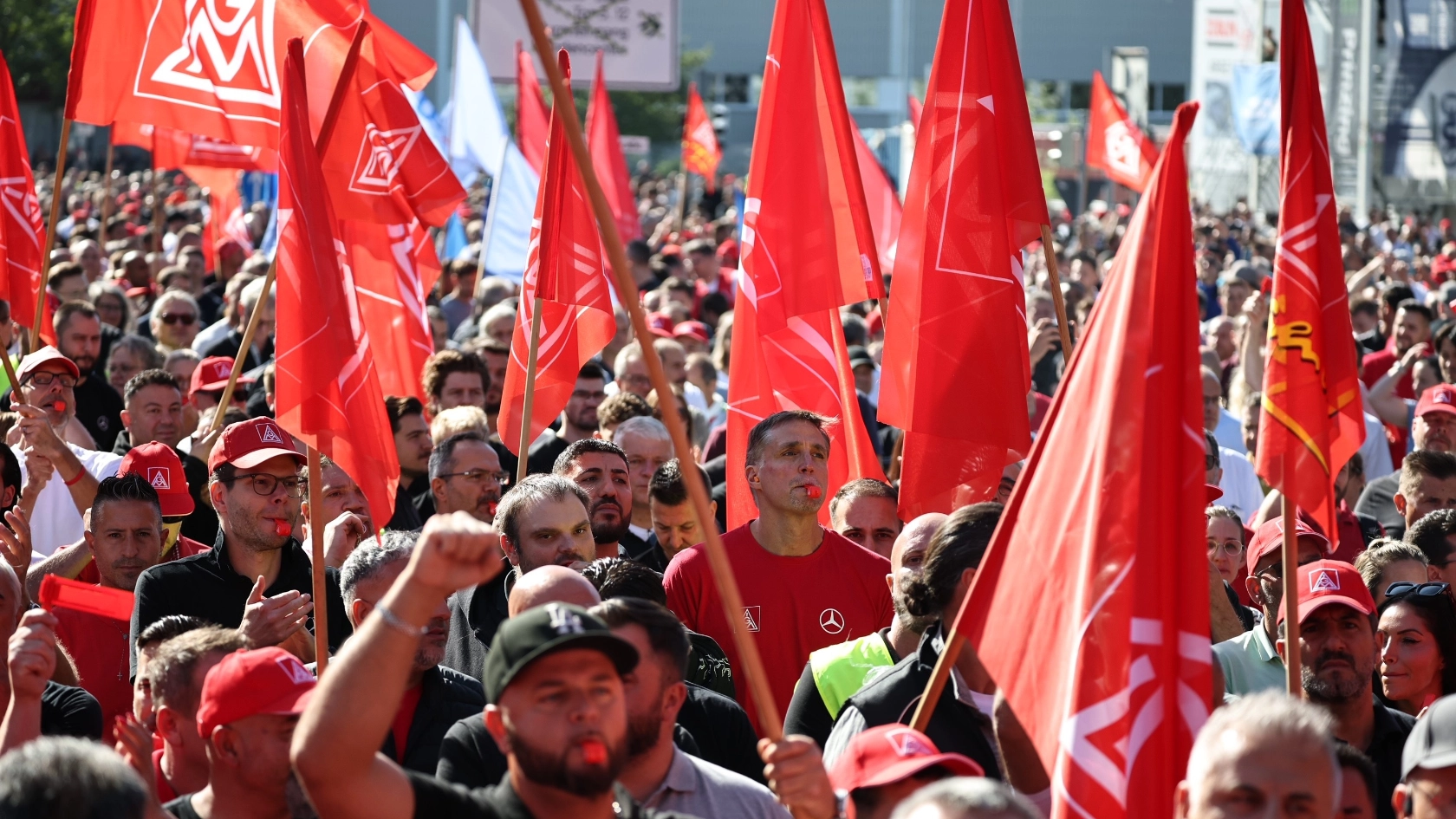
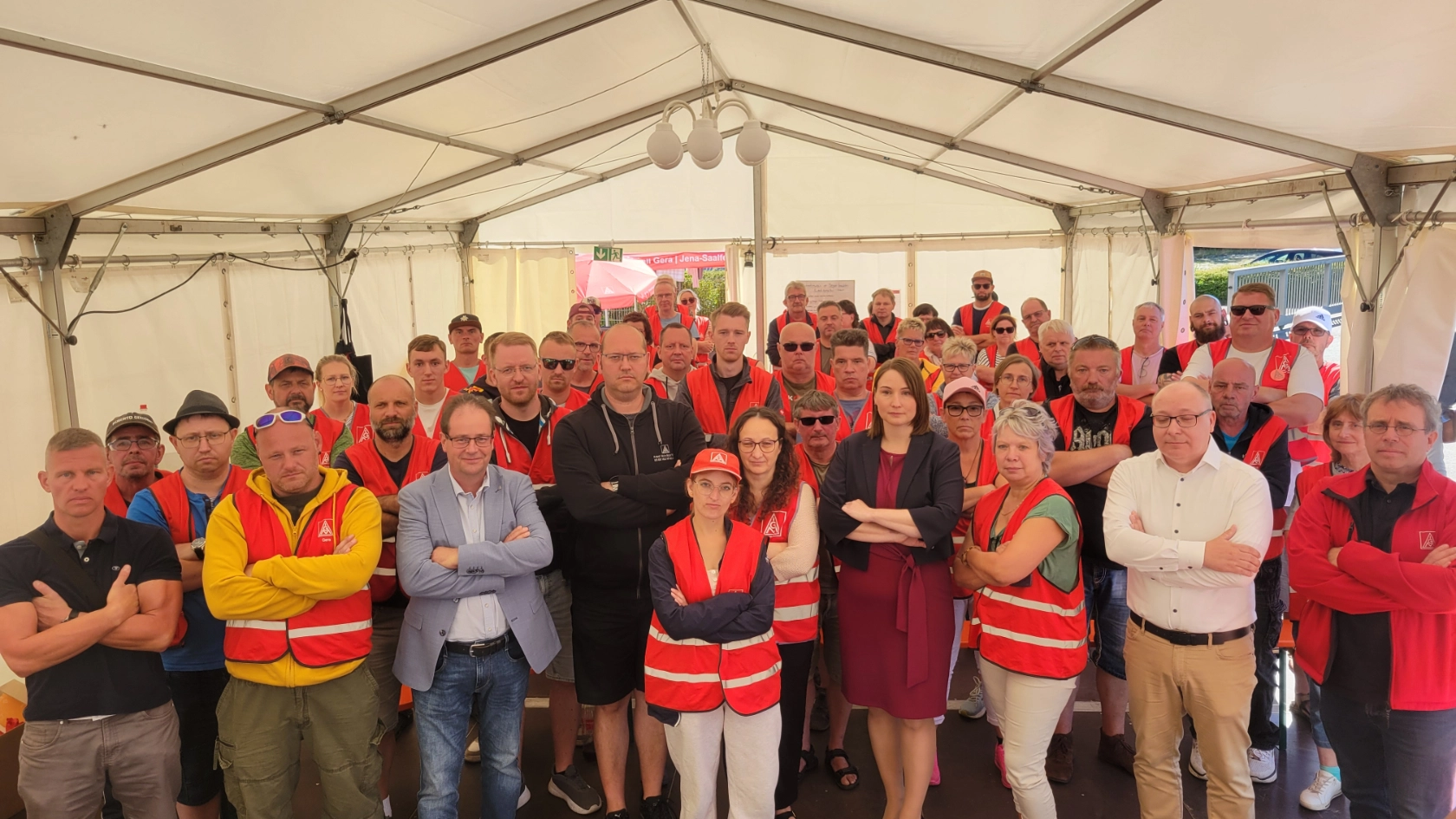
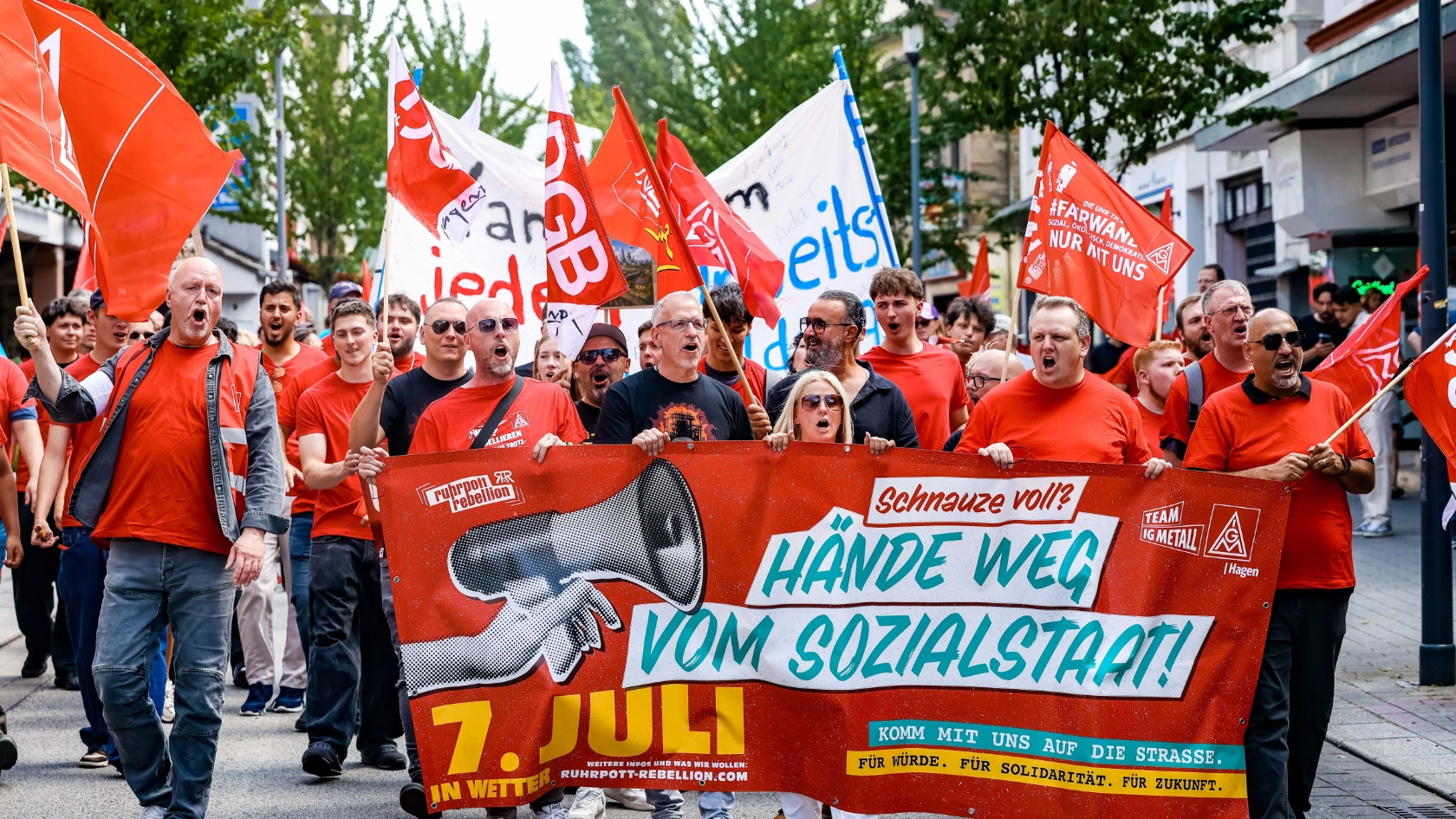
“If we continue down this path, we will witness the complete erosion of Germany as an industrial hub,” warns Jürgen Kerner. The figures alluded to by the vice president of IG Metall are dramatic: Over the past twelve months, the industrial sector has cut 114,000 jobs. Since 2019, 260,000 jobs have been lost in the metal and electrical industries alone. And the cuts show no sign of stopping; major, long-established German companies such as Bosch, VW, and Thyssenkrupp are currently outdoing one another with job-cutting plans for the coming months and years. This is bad news for the entire economy. With the loss of industrial jobs, Germany is losing prosperity, which is heavily dependent on industry in Germany: A quarter of the value added in the Federal Republic comes from industry.
Local Content Is the Answer to Unfair Competition
The cause of the crisis is easy to identify. Germany is caught between the U.S., which is using tariffs to shield itself from German exports, and China, which is flooding the global market with state-subsidized export goods such as steel and electric cars at dumping prices. IG Metall is therefore calling for a new realism in matters of industrial and trade policy. Jürgen Kerner, Second Chairman of IG Metall, emphasizes:“Local content is the logical response to a world in which tariffs, subsidies, and unfair trade practices have long been the norm. Anyone serious about strengthening resilience, protecting critical technologies, and reducing dependencies cannot ignore local content.”
Kerner warns of the consequences should such regulations fail to materialize: “Then we’ll be financing the restructuring of our industries, the ramp-up of electric mobility, and the energy transition—only to end up purchasing key components from overseas, making ourselves dependent, and exposing critical infrastructure, while our factory floors remain empty.”
What exactly are local content regulations?
If Germany and Europe introduce local-content rules, this means, first of all, that companies receiving government funding or public contracts—as is often the case, for example, with firms in the aerospace, medical technology, and defense industries—must also produce a certain portion of their output here. IG Metall would support this. Specifically, the union is calling on policymakers to set binding quotas for government subsidy programs, public contracting, and procurement that ensure a certain portion of value creation takes place in Germany and Europe. For IG Metall, one thing is clear: public funds should not be distributed without conditions.
Furthermore, the union argues that even companies that do not receive public funds should contribute to value creation here if they sell their products in Europe. Jürgen Kerner, Second Chairman of IG Metall, emphasizes: “Market access doesn’t come for free. No one is talking about 100 percent local content, but if it’s zero percent, something is going wrong. Anyone who wants access to our markets must also invest here—in locations, jobs, and value creation.”
The introduction of local content rules would thus secure jobs and reduce dependencies, as they would ensure that industries and industrial capabilities are preserved. Local content is about good jobs, but also about resilience—that is, reducing dependencies and vulnerability to blackmail.
Local content safeguards domestic production
Anyone who wants to sell products in the U.S. should also produce them in the U.S.—that is U.S. President Donald Trump’s mandate. He is attempting to enforce this policy through high tariffs and to force companies to establish and expand operations in the U.S. At times, Trump invites corporate CEOs to the White House and, like a schoolteacher questioning students, asks them how much they will invest in new factories and plants. The U.S. is not an isolated case; many countries expect a commitment to local production. In addition, many countries repeatedly enact regulations designed to promote or even enforce local manufacturing. These include high tariffs, non-tariff trade barriers, and government-mandated high levels of local value-added. Only Germany and Europe still believe in free and fair competition—which, however, has long since ceased to exist. As a result, it may well be that of the 500 billion euros that Germany plans to invest as a special fund in infrastructure such as rail lines and bridges, very little will end up in domestic order books. Not even for steel, even though it is needed for many projects.
Stephan Ahr, chairman of the Saarstahl Group Works Council, is skeptical, to say the least: “With the infrastructure program, the question is: Will they buy the steel from us, or will they buy cheap steel from China? I think we should spend our tax dollars on our own products.” China has created overcapacity in steel through massive government subsidies, which is why Chinese steel is now flooding into Europe at dumping prices—increasingly so because the U.S. is protecting itself against this steel with tariffs. While the EU must implement trade policy measures for steel to curb these cheap imports, IG Metall is convinced that binding local-content regulations are also needed as a key response to the new geo-economic reality.
Using Taxpayer Money Wisely
Public contracts involve taxpayer money. Whether bridges and railways are being built or buses and subways are being purchased by public transit agencies, the money must be managed responsibly. The first instinct in public bidding is often to accept the lowest bid—the idea being that this preserves public funds and thus taxpayers’ wallets. However, this approach overlooks a crucial factor: Taxpayer money should be spent where it generates the greatest benefit—that is, where it is most cost-effective. It is most cost-effective when the money stays within the country, thereby stimulating domestic demand.
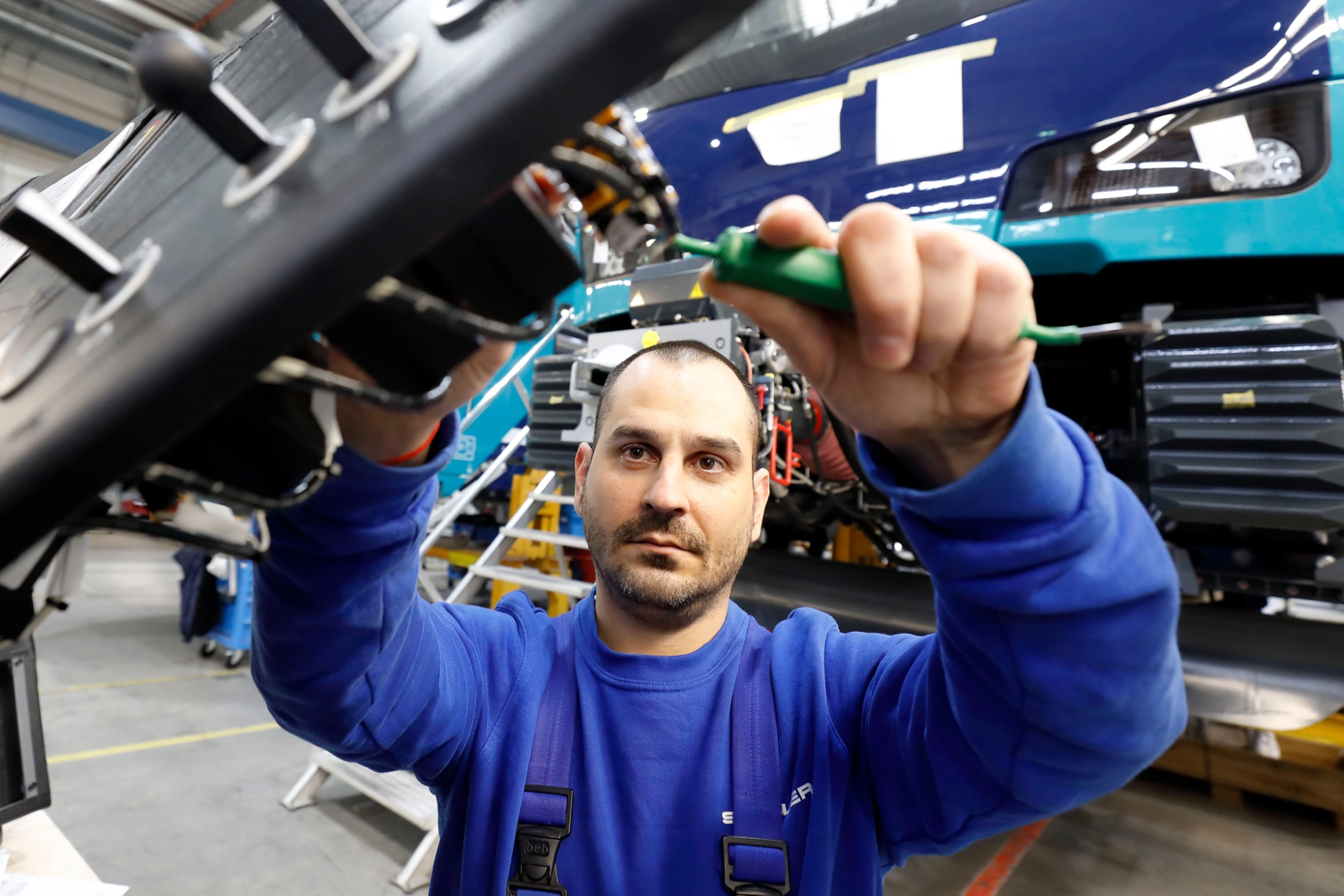
Here’s an example: The rail vehicle manufacturer Stadler builds trams, subways, and regional trains in Berlin-Pankow. These are purchased by public transit agencies such as Kölner Verkehrsbetriebe AG (KVB) or Berliner Verkehrsbetriebe (BVG). The money for these comes from taxes—including the taxes paid by employees of Stadler, for example. If, in the future, public transit agencies were to purchase their trains in China, Stadler would no longer receive these contracts, would have to cut jobs, and its employees would become unemployed and stop paying taxes. Without their taxes, there would then be less money available for trains. This vicious cycle can be broken through local content regulations in public procurement.
Local content ensures flexibility and quality
Flexibility and quality are two reasons why some companies between Flensburg and Garmisch-Partenkirchen rely almost exclusively on suppliers from Germany and Europe—even today, when there are still no local content regulations in place. Here, too, the rail vehicle manufacturer Stadler in Berlin-Pankow serves as an example. For its trams, subways, and regional trains, the company touts “outstanding flexibility and modularity.” “Nothing is impossible” is Stadler’s motto. Works council chairman Markus Gierloff explains what that means: “Some want more seats, others want more space for bicycles. We fulfill all customer requests, and new requests often arise when we walk through the semi-finished train with the customers.”
To be able to respond quickly to these new requests, Stadler needs suppliers right on its doorstep. Waiting for deliveries from China or India is simply not an option. Moreover, it’s the quality that convinces Stadler to use local suppliers. For the Stadler works council, one thing is clear: “Cheap products are more prone to malfunctions. In addition, employees have to rework many supplier products; if they were to use cheap products, they’d have to do much more rework—or rework might not even be possible. Any cost advantages would thus be lost.”
Local Content Secures Supply Chains
The COVID-19 pandemic and Russia’s war of aggression against Ukraine have painfully demonstrated to German industry what it means when supply chains break down. Intermediate products and materials were suddenly unavailable; many companies had to implement short-time work, and production came to a complete standstill at some plants. The halted production came at the expense of growth and prosperity: In the period from early 2021 to mid-2022 alone, German industry was unable to produce goods worth nearly 64 billion euros because of a shortage of intermediate goods from abroad. This is shown by a study from the Institute for Macroeconomics and Economic Research (IMK) at the Hans Böckler Foundation.
The study’s authors therefore conclude:“These figures underscore the need to place greater emphasis on supply chain resilience in the future, even at the expense of cost efficiency.” This call was heard by policymakers and repeatedly raised in the Bundestag—until it more or less faded away. Perhaps this was also because there was no clear vision of how to achieve resilience—that is, the resilience of the economy and its supply chains—through policy. The solution lies in local content regulations. After all, if a specific component must come from Germany and Europe, this reduces shipping distances and dependence. If the next global crisis disrupts supply chains, it would hit Germany’s economy less hard. The higher the local content quota, the less severe the impact would be.
Local Content Protects Technologies
Germany is regarded as the land of inventors and engineers and is a global leader in many technologies. Yet its technological edge is under threat. Countries like China and the U.S. are targeting specific technology sectors and, with government support, are trying to catapult their domestic industries to the top of the global rankings. And they are succeeding: Germany was once a leader in the development and production of solar panels, but China subsidized its companies, allowing them to produce at lower prices. This nearly wiped out the German solar industry. Today , solar panels are manufactured primarily in China. A similar scenario now looms for electric cars. IG Metall wants to prevent this and is therefore calling for local content rules for all companies wishing to offer their products on the German and European markets.
The situation becomes particularly dangerous when foreign technologies threaten to displace domestic ones in the area of critical infrastructure—that is, in the energy supply or telecommunications sectors. Take wind turbines, for example: Rotor blades are no longer produced in Germany, and if the rest were to soon come not from domestic production but from China, for instance, security experts view this with concern. On the one hand, this could lead to bottlenecks in the expansion of energy infrastructure; on the other hand, there is a fear that, in the event of a crisis, wind turbines could be shut down from China, thereby causing a blackout in Germany. Local-content regulations could ensure that critical infrastructure comes from Germany and Europe.
Majority Supports Local-Content Rules
There are many reasons in favor of local-content rules. The vast majority of the population shares this view, as shown by a representative survey conducted by the polling firm Civey: Over 70 percent of German citizens surveyed agreed with the statement that companies selling products on the European market should be legally required to locate a portion of their production within the EU. Nine out of ten respondents support the idea that subsidies should only go to companies that, in return, secure production and jobs in Europe. 83 percent are in favor of public contracts being awarded only to companies that guarantee secure jobs in Europe.
EU Commission Presents Local Content Proposal
The European Commission is also convinced of the need for local content regulations. EU Industry Commissioner Stéphane Séjourné has just presented a corresponding legislative proposal, the Industrial Accelerator Act. Jürgen Kerner, Second Chairman of IG Metall, assesses it as follows: “The Industrial Accelerator Act is finally on the table. Despite resistance from parts of the federal government, the draft contains some good ideas: It is both right and necessary to introduce mandatory local content regulations for strategic sectors, particularly in procurement and funding. “However, Kerner also sees a clear need for improvement: ‘The list of strategic sectors is, on the whole, erratic and lacks a clear guiding principle. For example, so-called future industries such as semiconductors or quantum computing are no longer included.’ IG Metall therefore calls for a broad approach to be taken when identifying additional strategically relevant industries.
IG Metall particularly criticizes the fact that the effectiveness of the regulations is significantly limited by the blanket treatment of suppliers from all countries with which free trade agreements have been concluded or customs agreements exist—as if they were suppliers from member states. Kerner emphasizes: “Ultimately, this amounts to nothing more than ‘Buy not China’ instead of manufacturing in the EU. That is clearly not enough.”
IG Metall sees another problem in the fact that the regulation is not set to take effect until 2029. “That is far too late and incomprehensible to us,” says Kerner, emphasizing: “The priority now is to further improve this draft so that industry in Germany and Europe truly benefits from it and jobs are secured. The federal government must get its act together and show greater commitment here.”