The new management has replaced more than two-thirds of the workforce over the past two years. KLS Pharma Robotic in Weiskirchen, Saarland, used to employ 60 permanent workers; today, the majority are on fixed-term contracts. Skilled workers earn just under 12 euros an hour. In addition, there are 16 apprentices here who work as cheap temporary helpers—including in the call center—for just under 600 euros a month. Warnings and terminations are raining down.
With our support, the employees elected a works council to protect them. But the council is under constant attack: terminations, bans from the premises, wage cuts, and lawsuits.
No Recognition
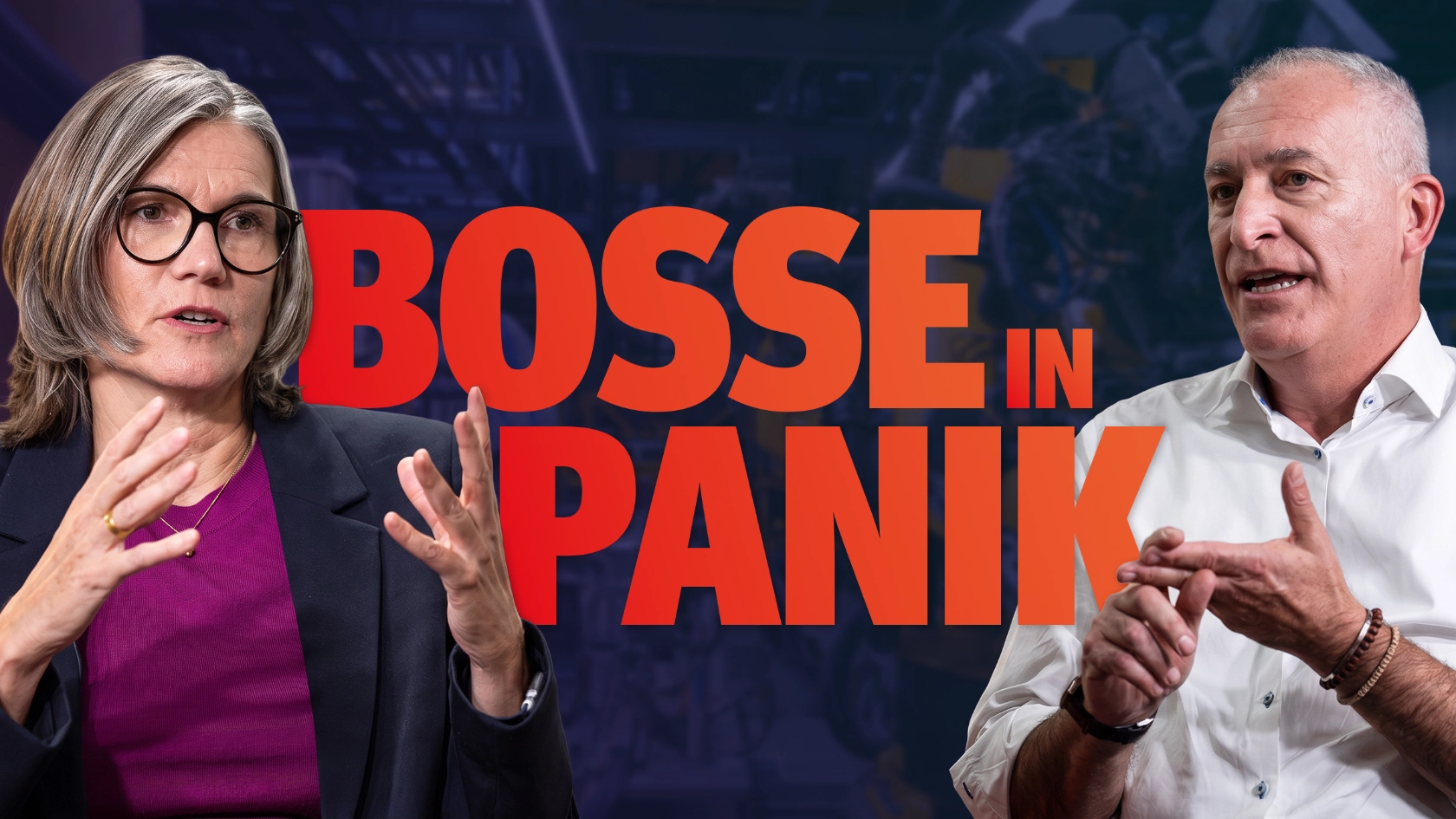
Yet, according to the Works Constitution Act, works councils and co-determination are legitimate democratic rights of employees. But many bosses refuse to recognize this right—including at KLS. Management has already attempted to terminate works council chair Armin Bommer (bottom left in the photo) without notice on two occasions.
Bommer used to be the assistant workshop manager. But management transferred him to the service department, where he is often sent out on installation jobs and can barely carry out his work council duties. Bommer dealt with the letters that management bombarded him with at home on the weekends. In the meantime, they have “suspended” him and now want to deduct vacation time and cut his pay as a result. Yet the works council members simply want fair cooperation on an equal footing. “We used to have a good relationship with management. They would ask us for our input. We were happy to work longer hours back then,” explains Bommer.
Sticking it out pays off
“Today, there are only orders—and often at very short notice.” In Völklingen, we support our works council members and our 35 members at KLS. Last year alone, we provided legal protection in 35 cases at KLS. All of them won something in court: severance pay, vacation pay, Christmas bonuses, or travel expenses that the company simply refused to pay them. That gives Armin Bommer the strength to persevere. “Legally, we’re in the right,” he explains. “The problem is enduring the psychological harassment.”
Years in Court
But the legal process is difficult: court proceedings often drag on for months. The dismissal lawsuits against the works council members at KLS won’t be heard until the fall. Yet obstructing works council members is actually a criminal offense under Section 119 of the Works Constitution Act. But the state rarely prosecutes such cases.
At the plastic parts manufacturer New Albea in Seelbach, Baden, it actually worked out once. Here, too, a new managing director constantly attacked the works council so he could pay low wages and run the company as he pleased. IG Metall Offenburg filed a criminal complaint, and the district attorney actually brought the case to court.
More Self-Confidence
In March, the Lahr Labor Court finally upheld the criminal complaint and ordered management to pay fines totaling approximately 37,000 euros. When the verdict was announced, the managing director covered his ears. In many companies in the region, the victory in court has sparked jubilation and boosted self-confidence. At New Albea itself, however, many of the former works council members are long gone. Instead, people appointed by the employer now sit on the works council. Four years have passed since the criminal complaint was filed.
The workforce at the auto parts supplier Elco in Betzdorf, Rhineland-Palatinate, showed how things can be done differently. When the employees there demanded a collective bargaining agreement two years ago, the employer brought in the notorious union-busting law firm Schreiner Partner. But the works council fought back with our help. And the workforce stood behind its works council and went on a warning strike. After an hour, management caved in. They fired the lawyers and began negotiations. Today, the collective bargaining agreement for the metal industry applies at Elco.
Together, it’s possible
At the Süverkrüp car dealership in Kiel, solidarity went even further: Not only the Süverkrüp workforce, but also employees from surrounding businesses rallied behind works council chair Sven Kronfeld. Süverkrüp had taken over the dealership, along with two other locations, from Daimler last year. Since then, car salesman Kronfeld has been campaigning for fair works council elections at all Süverkrüp locations and for a collective bargaining agreement. This did not sit well with the new management. They wanted to fire Kronfeld without notice.
However, IG Metall Kiel-Neumünster applied public pressure and called for a solidarity rally in early May. That was no longer necessary: management relented. The plan to fire the works council chair is off the table.