Automatic translation
This article has been translated automatically using computer technology. While we strive for accuracy, some wording or details may differ from those in the original article.
This translation was not manually reviewed. For important facts, quotations or legally sensitive information, please consult the German original. Individual selections, images, embedded media or technical terms may have been translated differently or incompletely.

Collective Bargaining Round for the Eastern Textile Industry Textile workers demand an 8.5 percent pay increase

Following the textile industry in western Germany a year ago, collective bargaining negotiations are now beginning for 8,000 workers in the textile industry in eastern Germany. The issues at stake are higher wages and fair compensation for price increases.
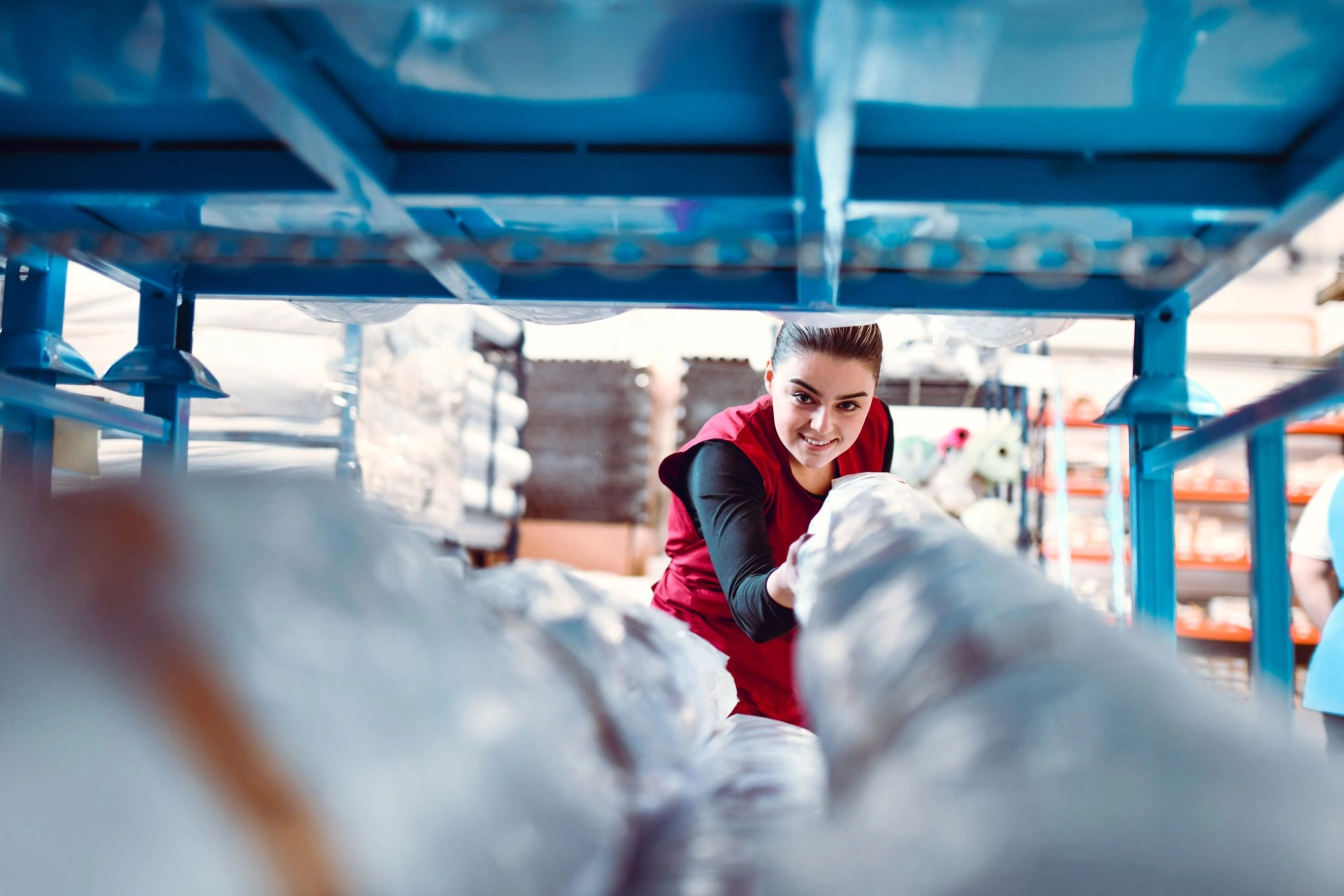
Textilarbeiterin, die Stoffrollen im Lager lagert

17 April 2024 17 April 2024 |
Updated on 22 April 2024 22 April 2024


In the East German textile industry, workers are preparing for tough collective bargaining negotiations and have now staked out their position: They are demanding an 8.5 percent pay increase over a twelve-month period. They are also calling for an increase in Christmas and vacation bonuses to 100 percent, a social component, the continuation of the partial-time retirement program, and higher pay for apprentices. Yesterday, the IG Metall executive board confirmed the collective bargaining committee’s demands. There are 8,000 workers in the industry. 

Here is the timeline for the collective bargaining round in the Eastern Textile Industry: Negotiations with employers will begin on May 8. They will be accompanied by actions by metalworkers from the plants to demonstrate to employers the seriousness of the demands. The peace obligation ends on June 1. After that, warning strikes are possible, says IG Metall negotiator Stefanie Haberkern.

Prior to the collective bargaining round, IG Metall surveyed the employees. The vast majority stated that they were very severely affected by price increases. They expect a pay increase reflected in the pay scale to compensate for the high price increases and an inflation adjustment as a sign of respect.

In the West German textile and apparel industry, different collective bargaining agreements with different terms are in effect. In the West, IG Metall had already secured higher wages and improved partial retirement arrangements over a year ago thanks to record participation in warning strikes.

Beschäftigte stehen zu einem großen Herz zusammen
Become a member
Become part of a strong community

From legal protection in labor and social law matters to fair wages and salaries—we take personal and reliable care of our members.

New on igmetall.de

Subscribe to the newsletter











