Relief for Employees – A Future for Companies
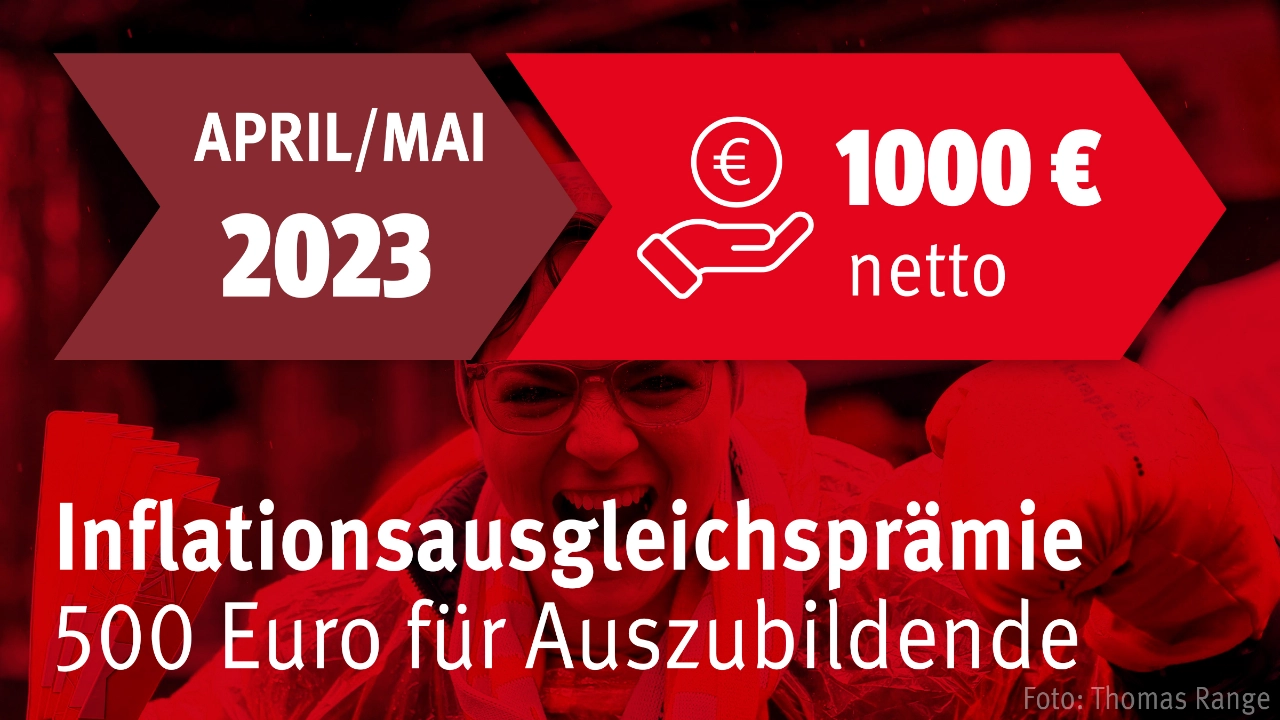
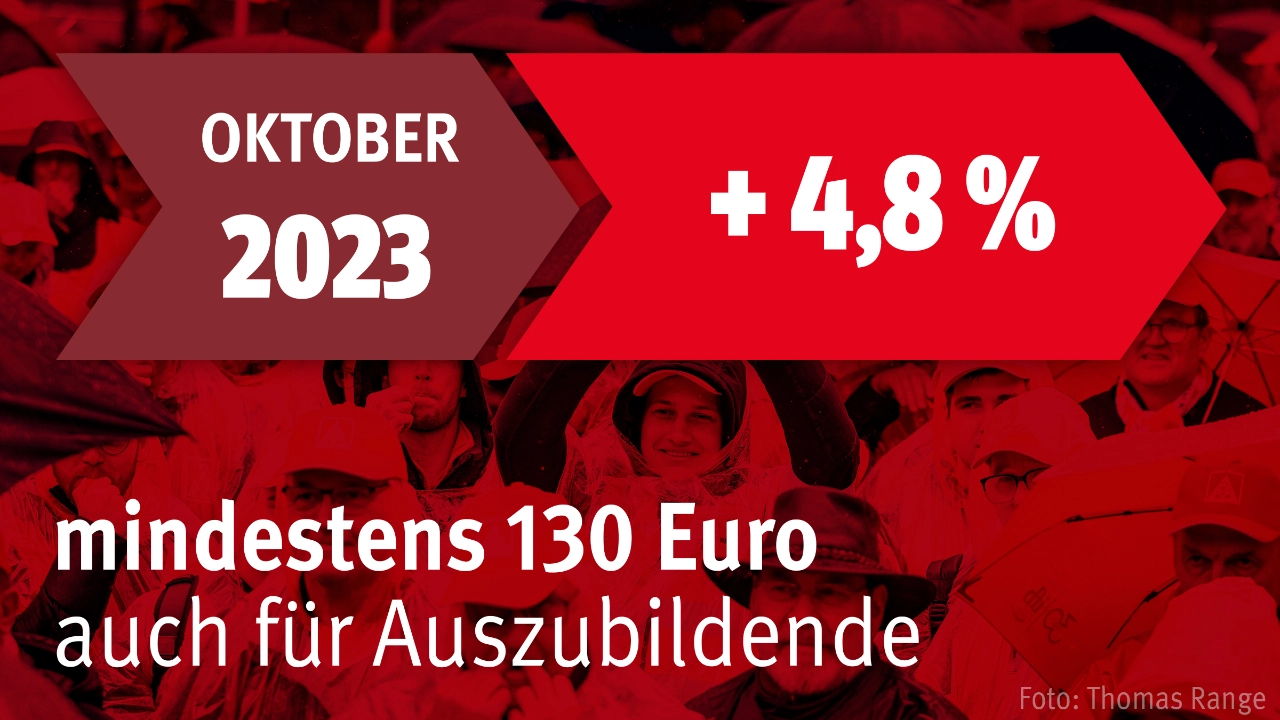
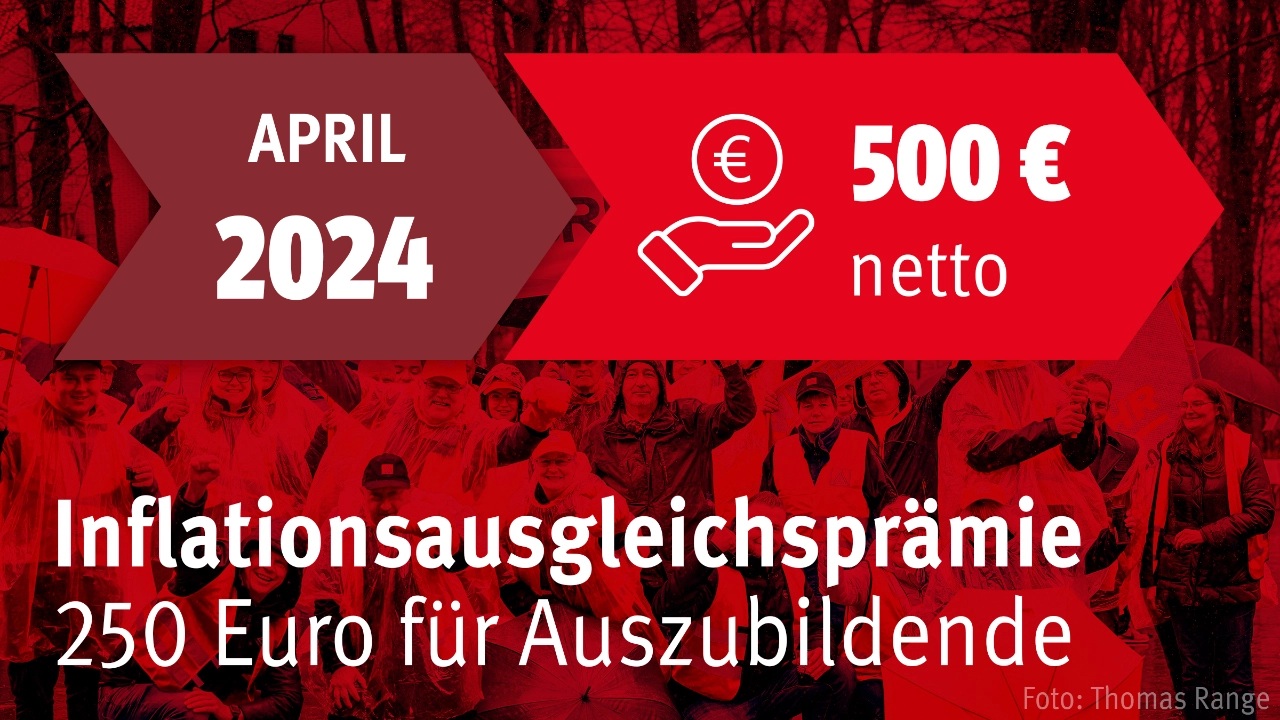
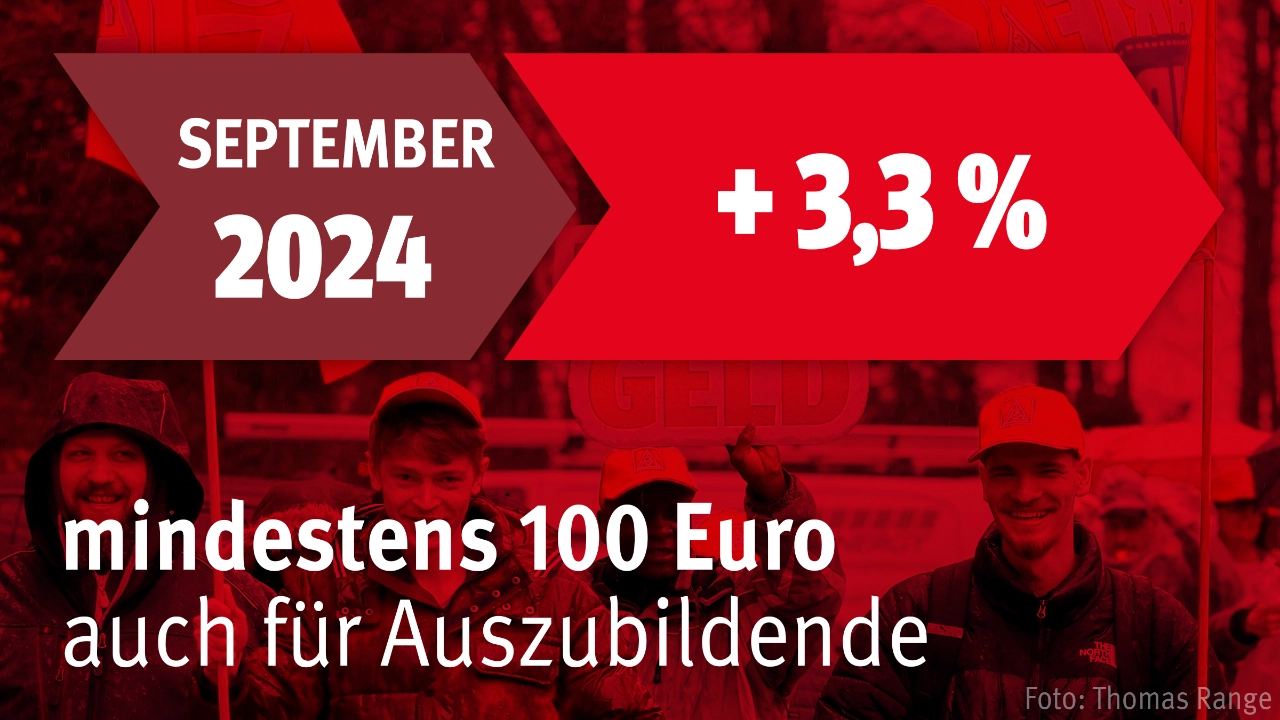
“The collective bargaining agreement provides tangible relief for employees’ wallets in the face of inflation,” says IG Metall negotiator Miriam Bürger. “Furthermore, the collective bargaining agreement is an important step toward securing the future of the companies: Whether employees are willing to stay in the textile and apparel industry for the long term depends on what they have in their wallets at the end of the month.”
The growing shortage of skilled workers and labor was also a key argument put forward by IG Metall in its negotiations with employers.
Warning strikes were a decisive factor
Above all, however, the record turnout for warning strikes forced the employers to back down. Previously, they had failed to present a negotiable offer in three rounds of talks. They rejected the demand to extend the partial retirement program as “outdated.”
So much for “rituals”: “Our warning strikes impressed the employers. The tone of the negotiations immediately became much more respectful,” reports Christian Schnellbach, works council chair at the airbag manufacturer Global Safety Textiles in Murg and Bad Säckingen, Baden-Württemberg, and a member of the IG Metall negotiating committee. “This time, many companies that had previously been reluctant to participate also took part in the warning strikes. The employers saw that the workers were serious. They didn’t think we were capable of that.”
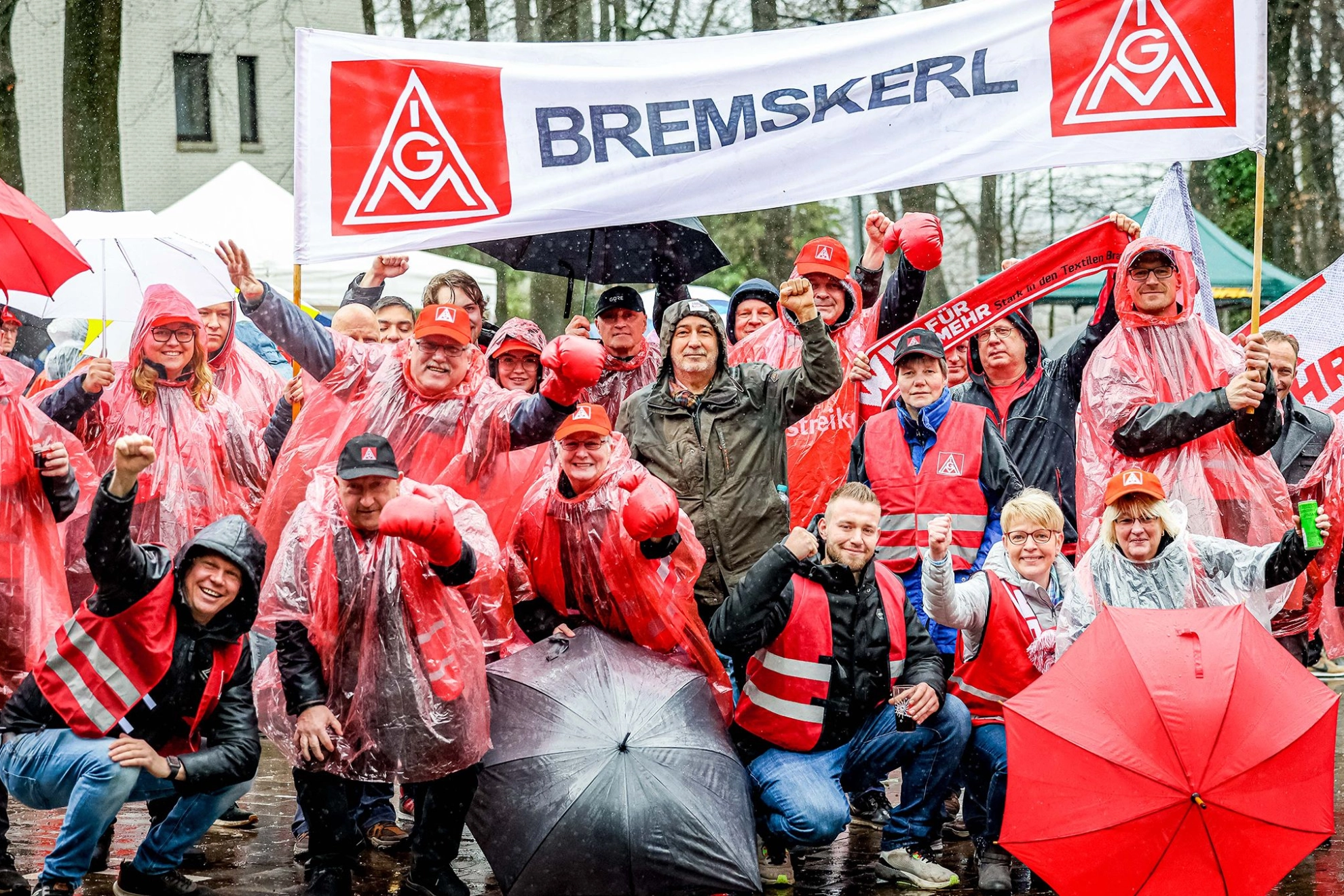
Even before the decisive negotiations on Friday in Billerbeck, North Rhine-Westphalia, 800 textile workers demonstrated in front of the hotel where the negotiations were taking place (photo above).
25 Years of Textile Workers in IG Metall
The collective bargaining agreement coincides with the twenty-fifth anniversary of the integration of the Textile and Apparel Union (GTB) into IG Metall on April 1, 1998. Of the once one million workers in the textile and apparel industry, only 170,000 remain today—and the GTB is no longer strong enough on its own. The GTB’s union convention therefore resolved to join IG Metall.
The GTB waged its last major labor dispute 30 years ago. In a two-day strike, 5,500 GTB members secured a 2.1 percent wage increase. They had demanded 6 percent. “History doesn’t have to repeat itself,” says Miriam Bürger, today’s chief negotiator. “We were able to avert an escalation like the one 30 years ago—and show that we can stand our ground and shape the future.”