Automatic translation
This article has been translated automatically using computer technology. While we strive for accuracy, some wording or details may differ from those in the original article.
This translation was not manually reviewed. For important facts, quotations or legally sensitive information, please consult the German original. Individual selections, images, embedded media or technical terms may have been translated differently or incompletely.

2020 Metal Industry Collective Bargaining Round Collective bargaining committees decide to negotiate a “future package”

IG Metall is to negotiate swiftly with employers on a “future package” to ensure job security in the metal and electrical industries. This was decided by the IG Metall bargaining committees, which also specified the negotiation goals. Solutions are to be in place by Easter.

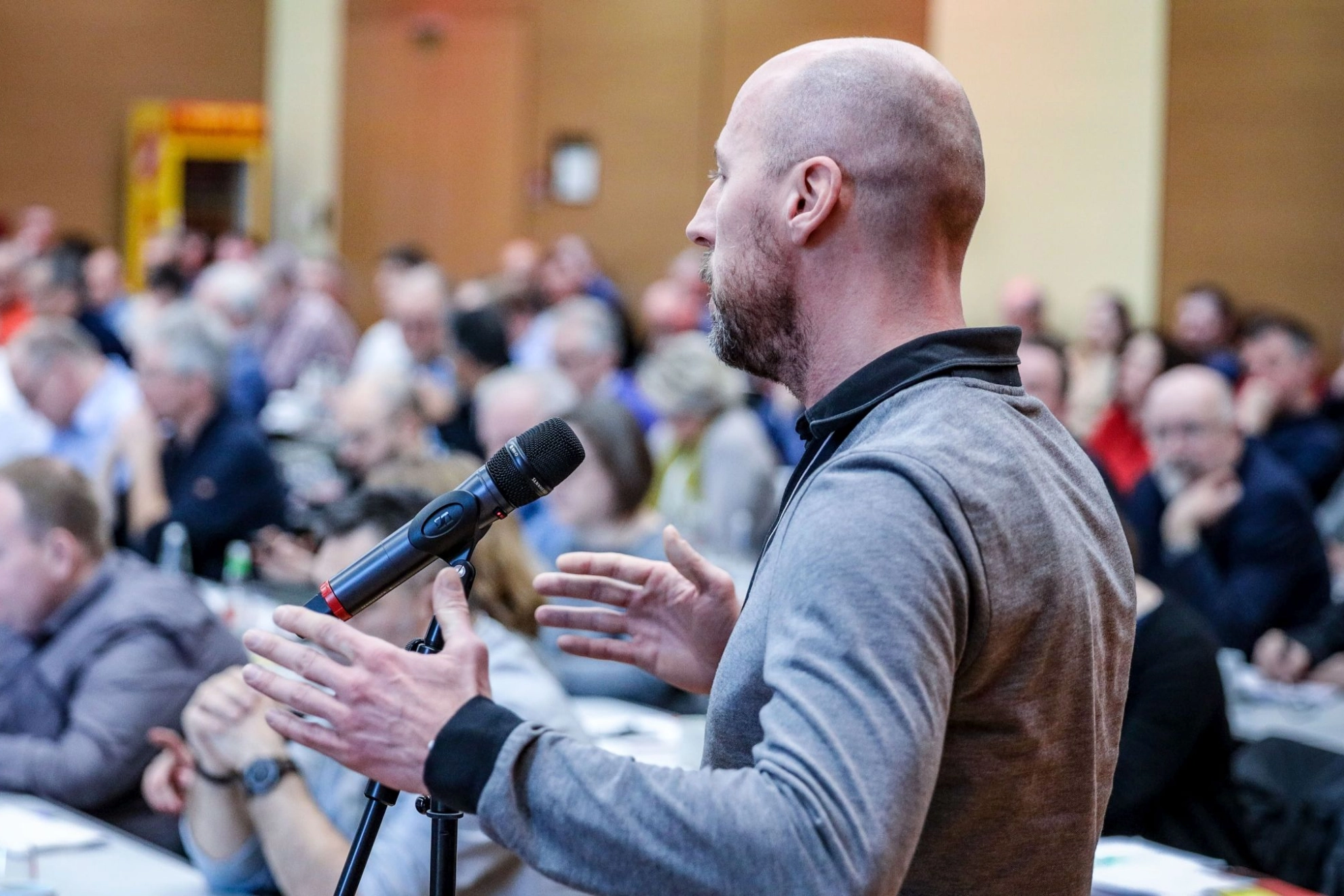
Tarifkommissionsmitglied aus Nordrhein-Westfalen

21 February 2020 21 February 2020


A “Future Package” aimed at securing jobs now and in the future is to be the central goal of IG Metall’s collective bargaining negotiations with metal industry employers. On Thursday, the IG Metall bargaining committees for the metal and electrical industries voted overwhelmingly in favor of this.

With this “future package,” IG Metall aims to shape the profound transformation of companies driven by digitalization and the climate and energy transition in a socially responsible and fair manner—and to secure good jobs now and for the future.

In their discussions, the elected bargaining committees further specified the goals for the negotiations:

  • An increase in wages and apprenticeship stipends to strengthen purchasing power
  • At the request of IG Metall, future collective bargaining agreements are to be negotiated in individual workplaces to secure investments, training, and jobs
  • Underutilization of capacity should be addressed primarily through shorter working hours without reducing wages, for example by reducing working time accounts and implementing short-time work with supplementary pay
  • All employees should be entitled to vocational training with government funding
  • More employees should be able to enter partial retirement, in line with demographic trends
  • Agreement on collective bargaining provisions for dual-track students
  • A sustainability bonus for IG Metall members—for example, for buses and trains, e-bikes, green electricity, or charging electric cars
  • Improvements to the company pension plan
Ute-Berbuesse

Ute Berbüsse, Works Council Chair, LMT Fette

“Workers need security—and they need it now. At the end of January, the employer informed us that jobs are to be cut. Company-level future collective bargaining agreements as part of a ‘Future Package’ can be a very helpful tool for us in this situation.”
Andreas-Eben

Andreas Eben, Works Council Member, STILL

“Securing the future is a major challenge—it’s the central concern for employees. We need concrete agreements to counteract the pressure to relocate operations. That’s why it makes sense to negotiate ‘future packages’ with employers during the collective bargaining round.”

Employers Should Refrain from Unilateral Measures

The bargaining committees once again emphasized their demand that employers refrain from unilateral measures involving workforce reductions, relocations, and closures during the negotiations.

The digital and ecological transformation—with new key technologies, value chains, products, and business models—is leading to significant changes in companies. IG Metall wants this transformation to be shaped fairly and in collaboration with employees.


Employees need collective bargaining rules to secure jobs

Time is of the essence. This became clear during the discussions in the bargaining committees. “We’ve been cutting staff since last year. A large portion of the temporary workers have already been let go,” reports Yavuz Büyükdag, a works council member at Deutz in Cologne and a member of the bargaining committee in North Rhine-Westphalia. “We need mechanisms and rules to prevent job cuts. Because we need our well-qualified workforce for the future.”

The works council members and IG Metall shop stewards made it clear that they need binding collective bargaining provisions to secure employment, invest in new technology and products, and provide training for employees.

“Employees need security—and they need it now,” explains Ute Berbüsse, works council chair at LMT Fette in Schwarzenbek and a member of the Coastal Region Bargaining Committee. “At the end of January, the employer informed us that jobs are to be cut. Company-level future collective bargaining agreements as part of a ‘future package’ can be a very helpful tool for us in this situation. We need agreements quickly on investments and on securing the location and jobs.”

Over the next few weeks, the focus will be on achieving these goals in the collective bargaining negotiations. Discussions on this matter are underway in the workplaces and collective bargaining committees. Actions are being prepared.

The bargaining committees expect solutions by Easter. If no results are achieved by then, there will be a standard round of collective bargaining. The peace obligation expires on April 28. After that, warning strikes are possible.

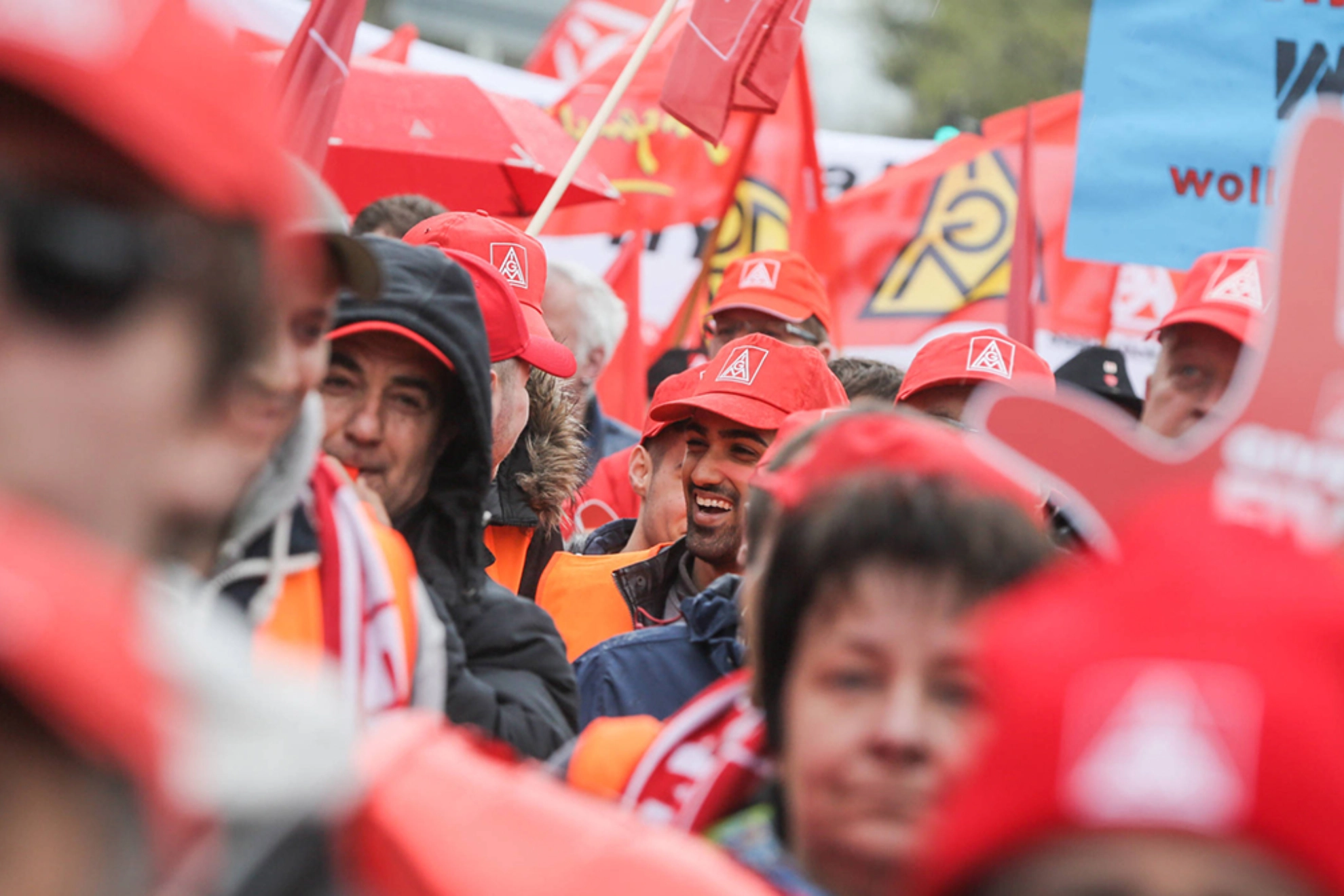
Lachender Mann mit IG Metall-Kappe in einer Menschenmenge
IG Metall App
News on collective bargaining rounds delivered straight to your smartphone

News on collective bargaining and current topics, guides, wage tables, strike pay calculators, and much more—download the IG Metall app for Android and iOS!

Collective Bargaining Rounds - Metal and Electrical Industries
New on igmetall.de

Subscribe to the newsletter