The public reaction to the IG Metall collective bargaining agreement was almost effusive. Why is the issue of working hours resonating right now?
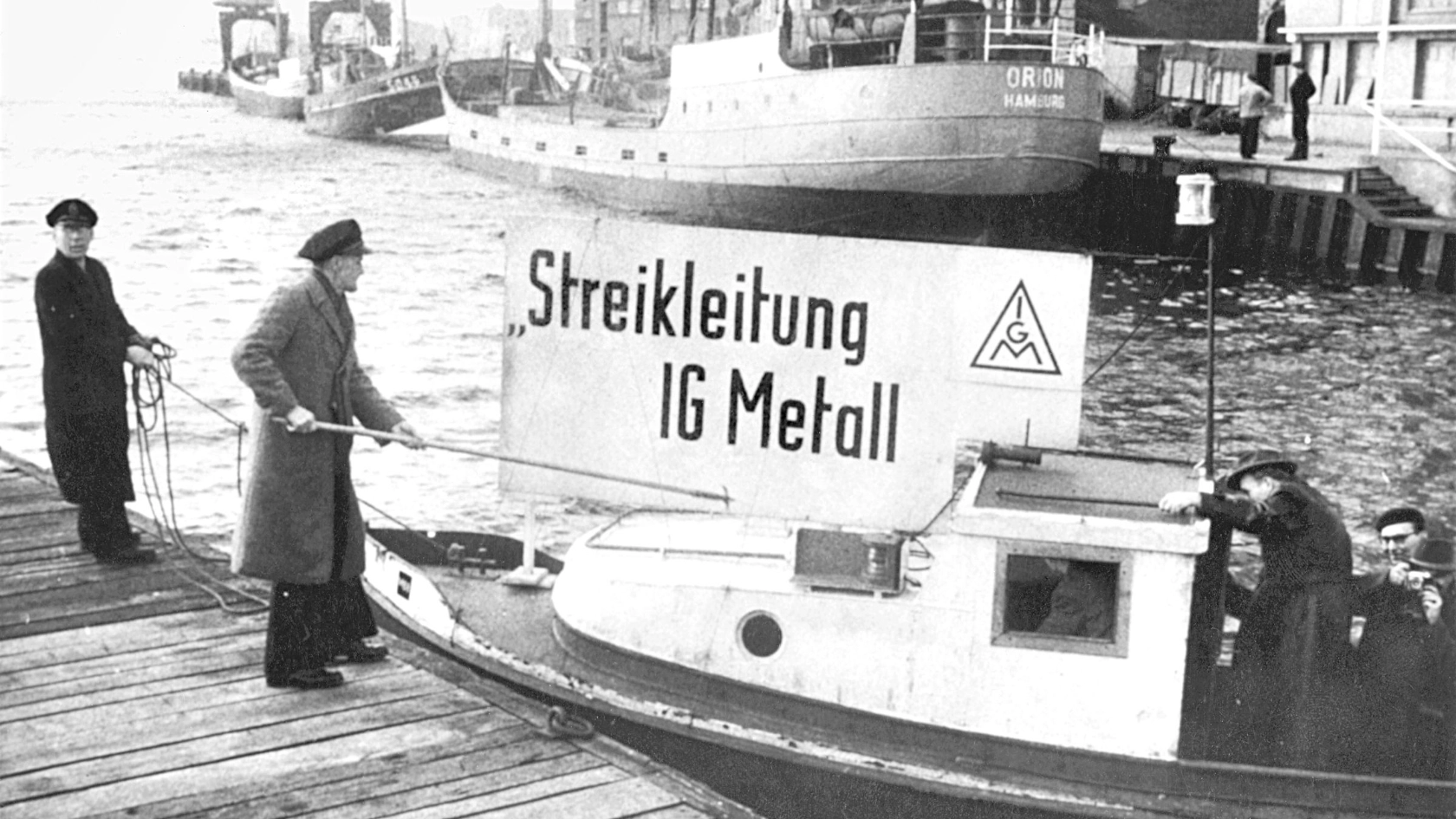
Jutta Allmendinger: IG Metall has been fighting for decades for a progressive approach to working hours. “On Saturday, Daddy belongs to me” was the slogan for May 1, 1956—back then, the focus was on the 5-day workweek. That had little to do with gender issues. Women, especially mothers, rarely held jobs. The phrase “On Saturday, Mom is mine” would have made little sense back then. Today, that has changed. The collective bargaining agreement also serves as a catalyst for gender equality. IG Metall is thus demonstrating that it is engaged in sociopolitical work that strikes a chord with the spirit of the times, both yesterday and today.
Is it important that IG Metall—with a high proportion of male members—is driving the modernization of working hours?
It’s a major and very welcome milestone. When fathers temporarily switch to a 28-hour workweek and sons take on the care of their parents, it will make a big difference for everyone. Men finally have the family time they want, and women are finally breaking free from their supporting roles.
How will a temporary entitlement to reduced full-time hours change things for men and women?
If women and men alike work fewer hours for a period of time, this will become the new normal. The stigma of men being seen as weak and mothers as neglectful will disappear. It will become clear that people working in short-hour full-time positions will be highly productive. They will develop new skills and be well-suited for leadership roles.
Why does short-hour full-time work result in fewer career disadvantages than part-time work?
Part-time employees often cannot demonstrate their capabilities because they are not assigned important projects. These employees then get stuck in entry-level and mid-level positions. It is also usually difficult for them to return to full-time work. With short-hour full-time work, these risks are lower, especially since there is a right to return to full-time work.
Will the collective bargaining agreement also have an impact on policy?
The right to return to full-time work was already provided for in the last legislative session. The broad public support for IG Metall’s new initiative will give policymakers momentum for important reforms.
What role does the collective bargaining agreement play in the future socio-political debate?
We need to discuss what kind of world we want to live in. Now that the single-earner model has become obsolete and it’s increasingly clear that the supplementary-earner model comes at the expense of women, important questions arise: Are we striving for full-time work for everyone? How do we address care work and volunteer work? How do we design a sustainable retirement system? The collective bargaining agreement can provide important impetus for policymakers. The option to temporarily reduce working hours should be available to all employees. We must also discuss how everyone can afford such a reduction in working hours.