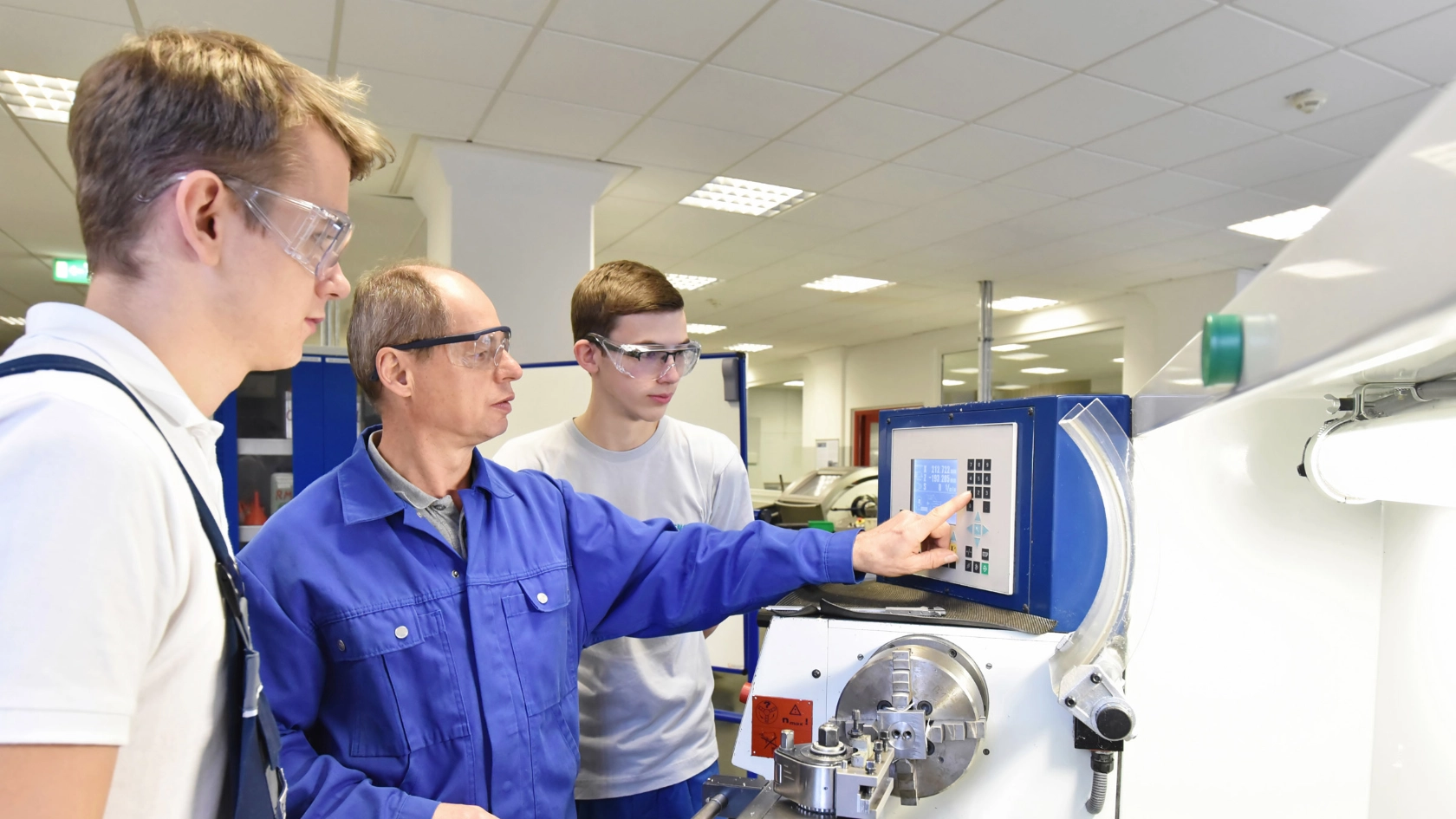
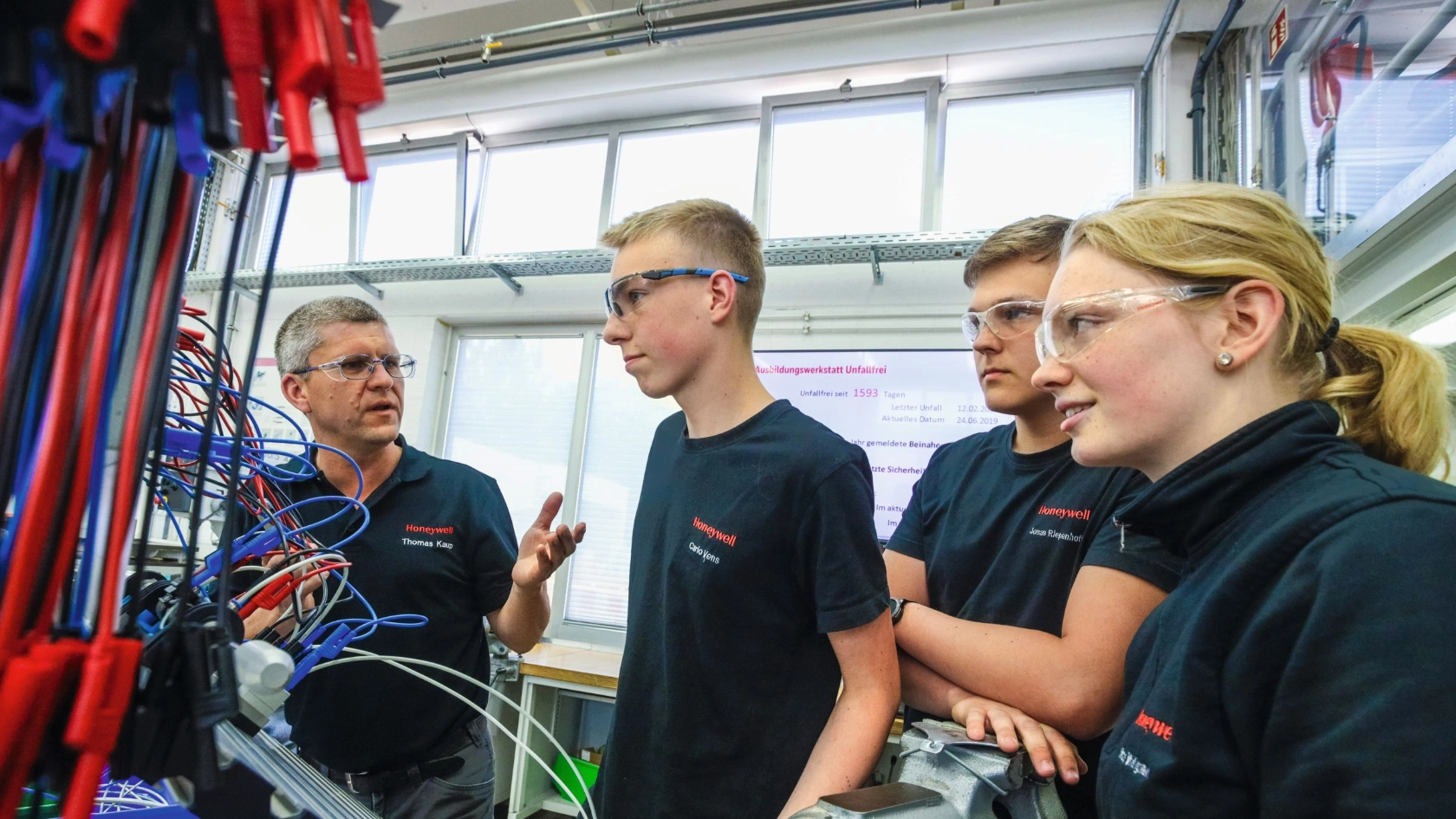
This positive collective bargaining outcome is thanks to the massive warning strikes of the past few weeks, in which many young workers and apprentices also participated with creative actions. Starting in May, apprenticeship wages will increase by 4.3 percent. The right to permanent employment is now also regulated by the collective bargaining agreement. The parties to the collective bargaining agreement have agreed that, as a rule, apprentices should be hired on a permanent basis after passing their final exam. It has also been agreed that the number of apprenticeship positions will increase whenever possible, but will at least remain constant.
The Works Council Has a Say
The works councils’ rights to have a say in training and permanent employment have been strengthened. As part of workforce planning, they will in the future consult with the employer regarding the need for apprenticeship positions. If they agree on the need before the start of the apprenticeship, there is a right to permanent employment for the number of apprentices determined as necessary.
If no such agreement on training needs is reached before the start of the training program, the works council and the employer must discuss the foreseeable needs at least six months before the end of the training program. In doing so, they must take into account the expected economic development, the product portfolio, the order situation, and the medium-term staffing needs.
Young people won’t be left out in the cold
In this case, trainees who exceed the established need are entitled to at least 12 months of fixed-term continued employment. The employer must then review, three months before the fixed-term contract expires, whether permanent continued employment is possible. The outcome of this review must be discussed with the works council and communicated to the employees.
Under the new collective bargaining agreement, all trainees are thus offered an employment contract. Trainees trained in excess of the company’s needs can no longer end up out on the street, as was previously the case. The only obstacles to permanent employment are so-called personal reasons or acute employment problems facing the company. The company must provide the works council with a detailed justification if it does not wish to hire trainees.
Building a Bridge to Apprenticeship
Another new feature of the Baden-Württemberg agreement is the support year, which is being introduced through the collective bargaining agreement. The support year builds a bridge for young, disadvantaged people into a regular apprenticeship. A company-based support year is intended to introduce school leavers who are not yet ready for an apprenticeship to vocational training. The support year focuses on developing key competencies. It is not the first year of an apprenticeship but serves as a stepping stone into a regular apprenticeship in a metalworking or electrical trade.
The support year is supported by measures from the state and the Employment Agency. Social responsibility toward the younger generation, as well as the interests of employers, speak in favor of the support year. The industry is already feeling the growing shortage of skilled workers and would be wise to take preventive measures. Every investment in motivated young talent pays off. The latest collective bargaining agreement regarding the support year and permanent employment makes vocational training in the metal and electrical industries even more attractive.