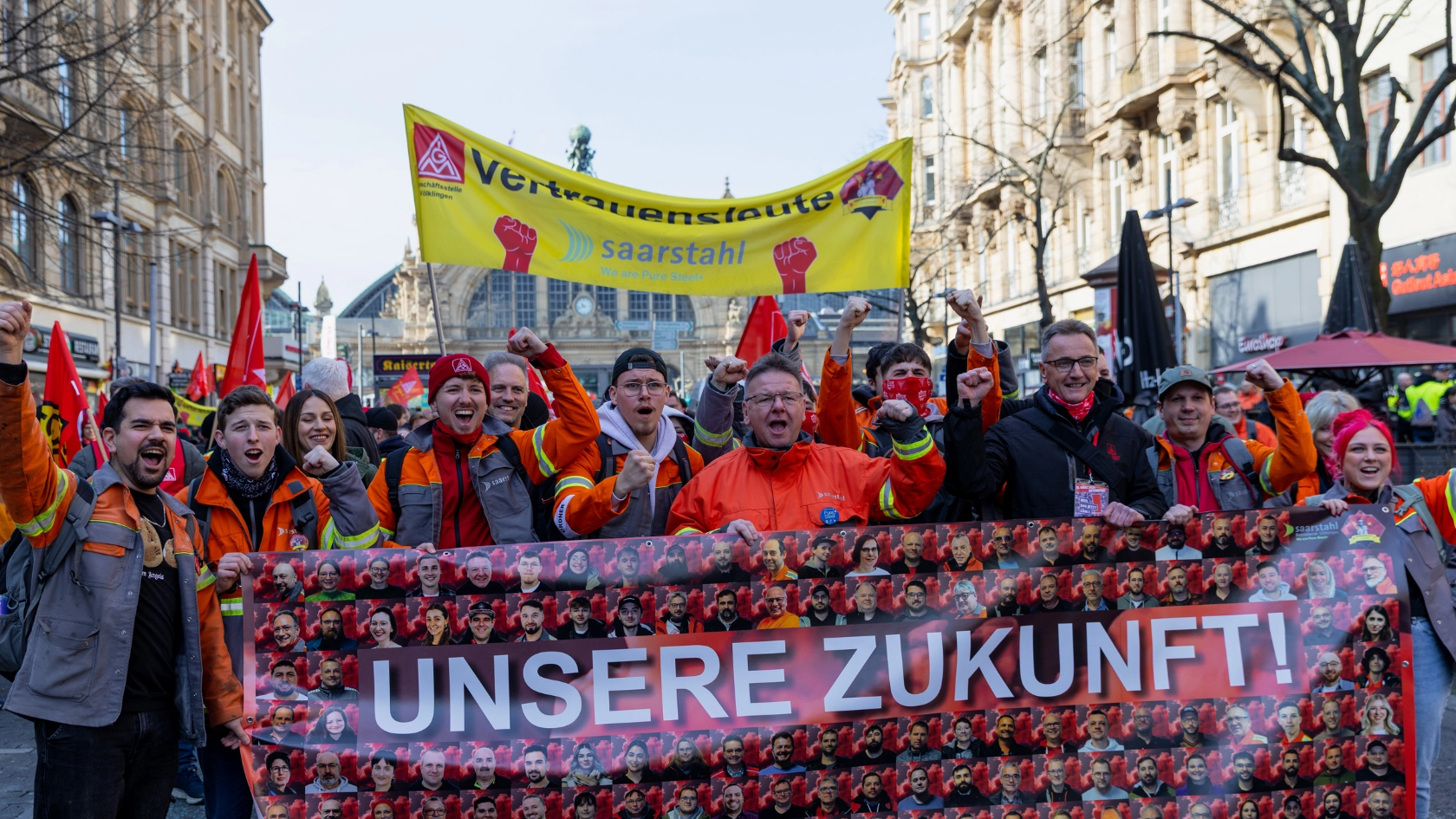
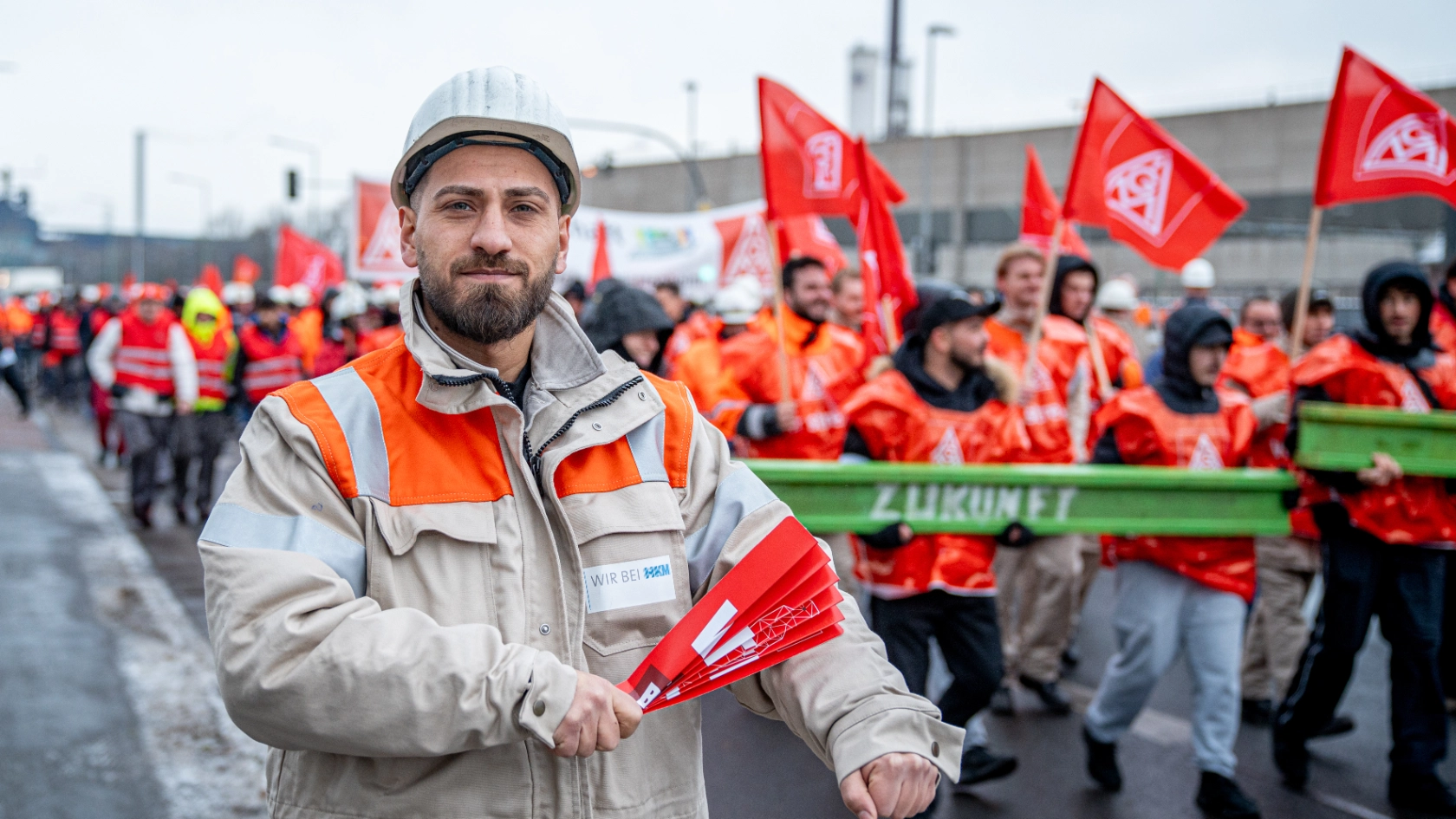
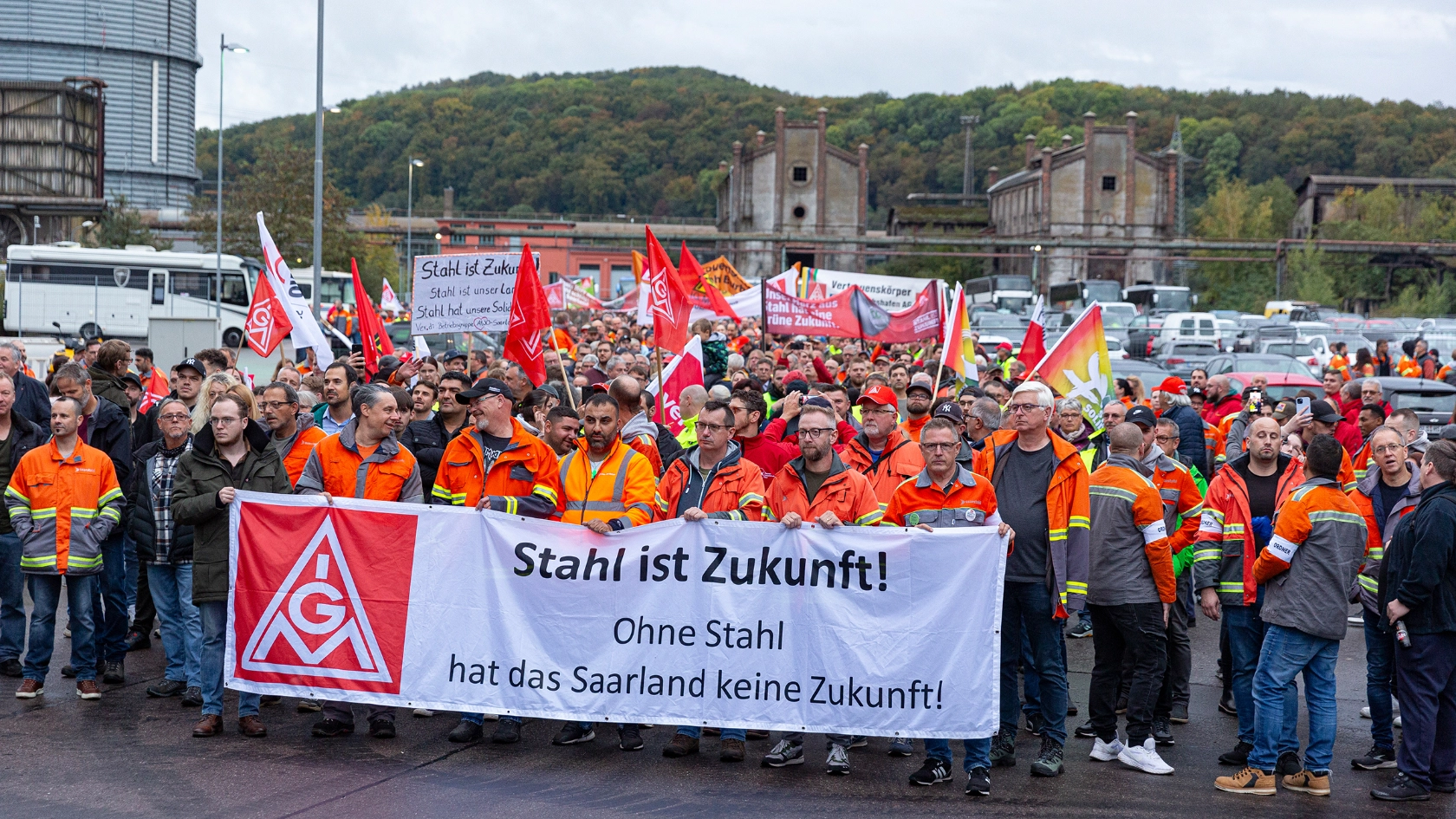
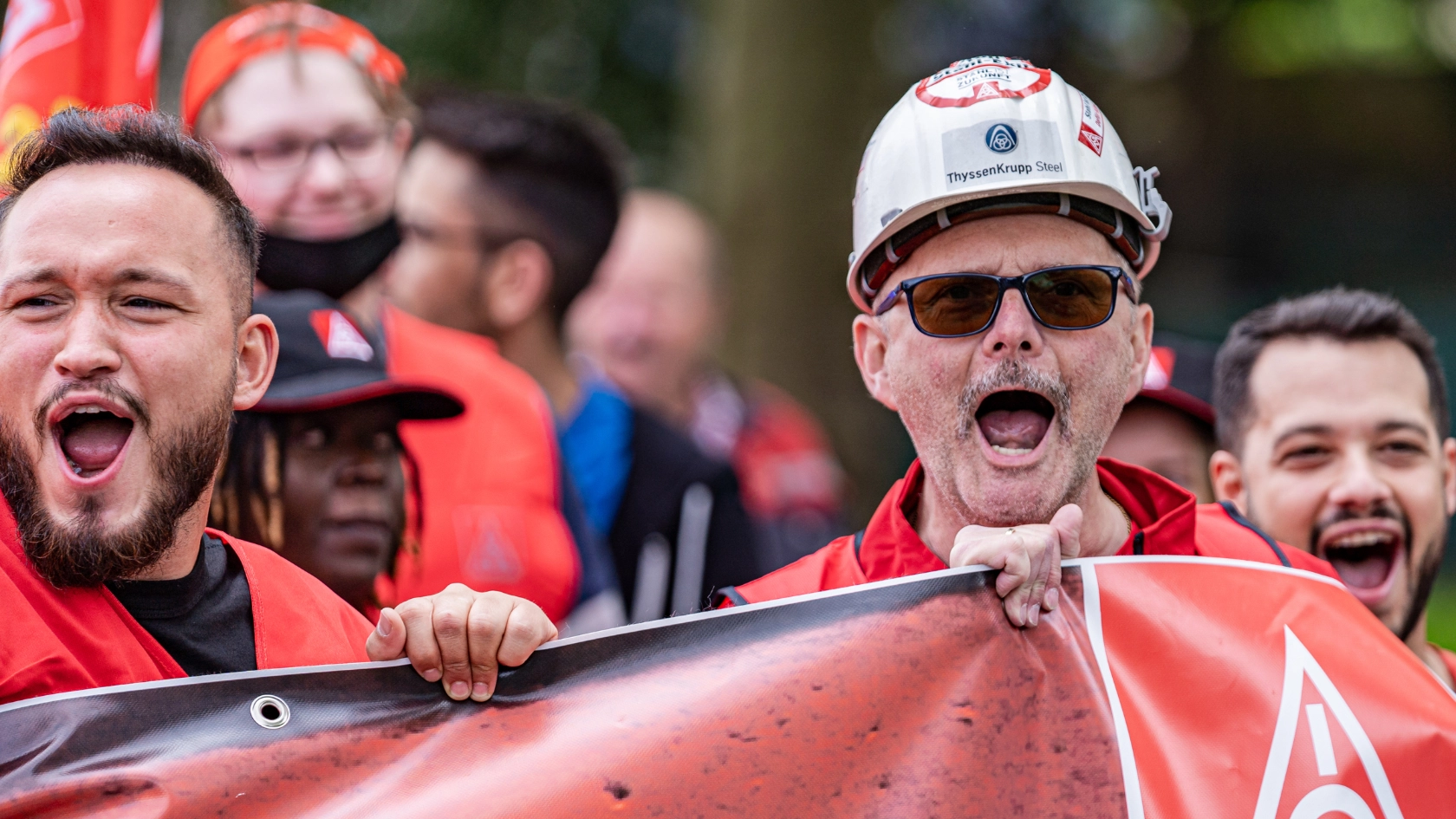
Following the collective bargaining agreements reached in the steel industries of northwestern and eastern Germany in December, IG Metall on Monday also reached a negotiated settlement in the Saarland steel industry that essentially mirrors the pilot agreement from the northwest.
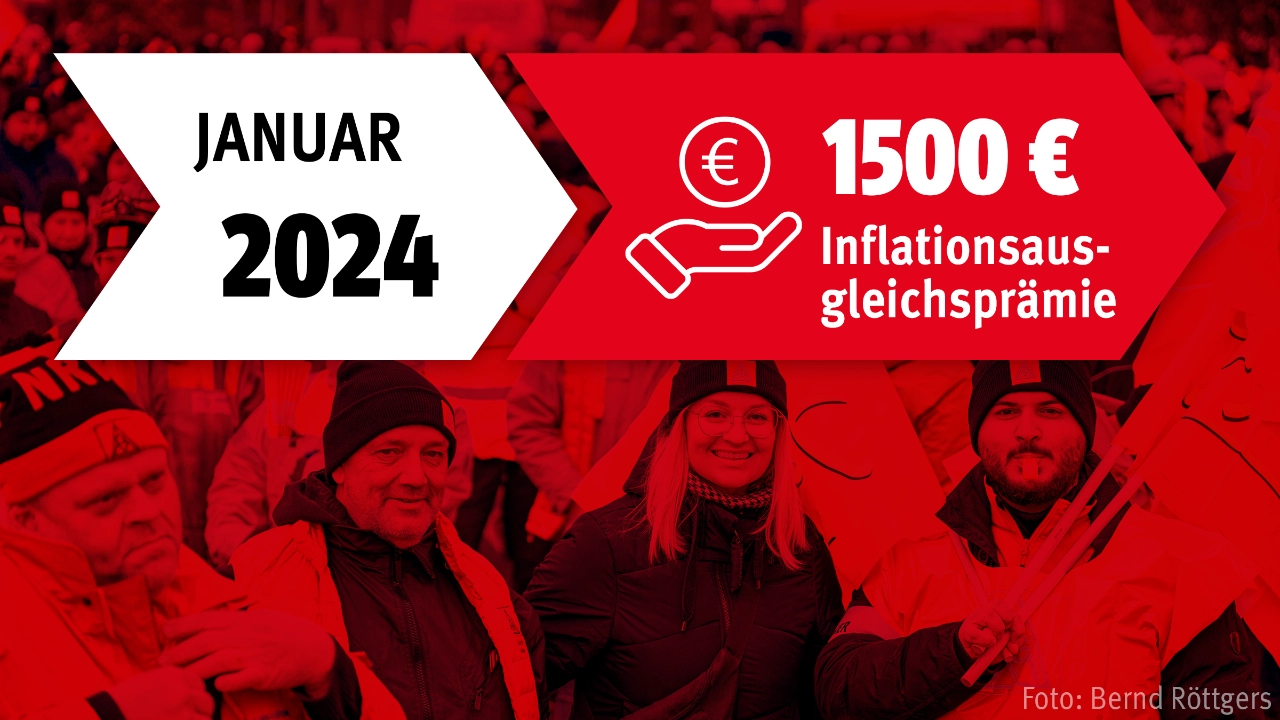
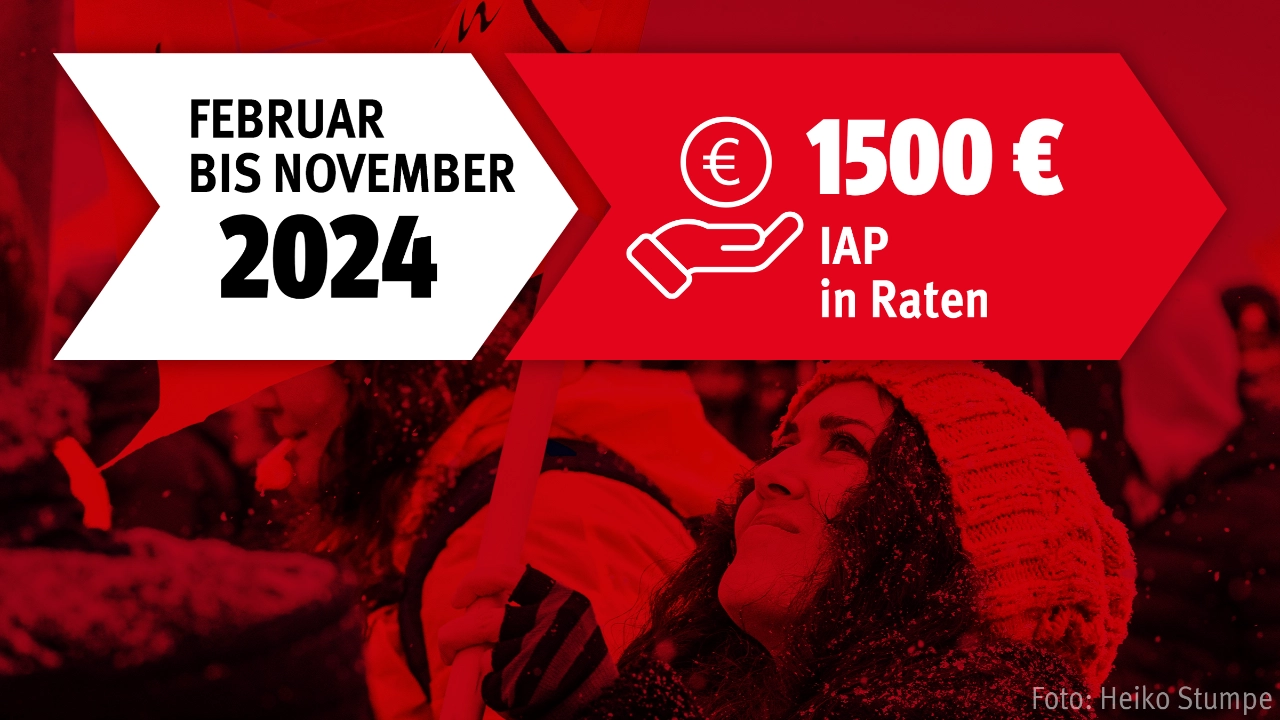
Employees will receive an inflation adjustment bonus of 1,500 euros net in April 2024 (1,000 euros for apprentices). An additional 1,500 euros (800 euros for apprentices) will be paid out in installments through November 2024: From May through October, there will be monthly payments of 215 euros net (115 euros each for apprentices), and in November, 210 euros (110 euros for apprentices). Part-time employees will receive the inflation adjustment bonus on a pro-rata basis.
If the inflation adjustment bonus or parts thereof have already been paid out by the company, the amount paid will be 3,000 euros gross. The company and union representatives may also agree on different payment dates through a voluntary company agreement.
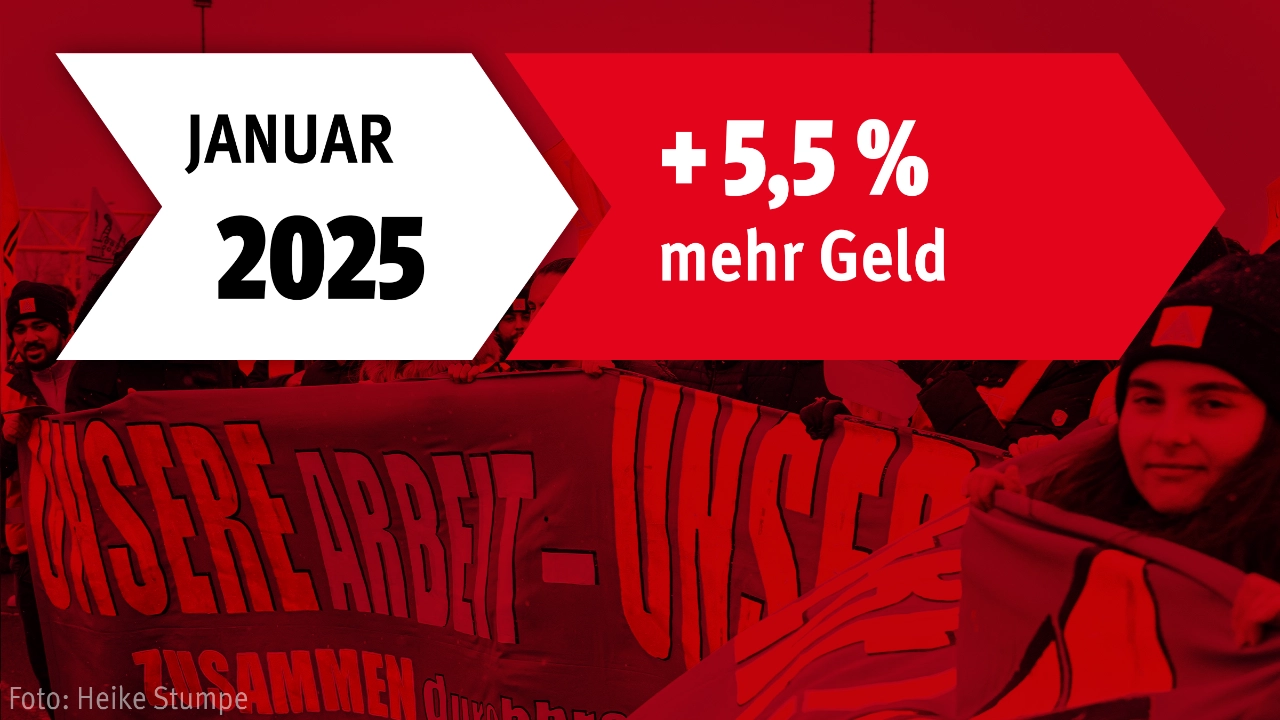
Effective April 1, 2025, wages and apprentice compensation will increase by 5.5 percent. The collective bargaining agreement runs for 22 months and may be terminated for the first time on December 31, 2025.
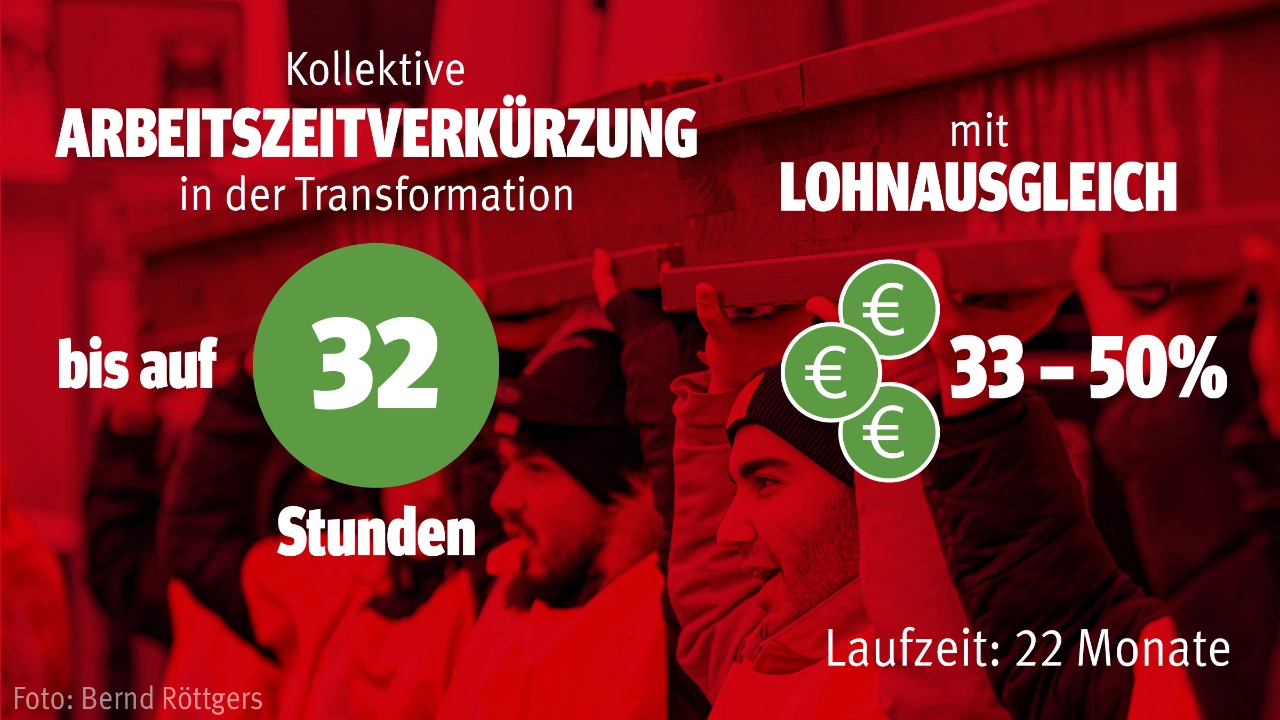
Reduction in working hours with up to 50 percent wage compensation
Regarding working hours, the following was agreed upon for a collective bargaining agreement aimed at securing employment during the transformation :
Collective reduction in working hours (at the company): If employment is under pressure as a result of the transformation, the company and union representatives may—based on the standard 35-hour workweek—reduce working hours by three hours. For such a collective reduction in working hours, the company and union must agree that the company is undergoing transformation and that employment is under pressure. The parties to the collective bargaining agreement (the employers’ association and IG Metall) must confirm this.
In the event of a collective reduction in working hours, additional pay of up to one hour is provided on a staggered basis:
34 hours: 34 hours and 30 minutes paid
33 hours: 33 hours and 45 minutes paid
32 hours: 33 hours paid
If, for reasons related to the transformation, there is a temporary need for additional work—such as for the parallel operation of old and new technologies or for training—the working hours may also be increased by up to three hours by mutual agreement between the parties at the workplace. For work performed beyond 35 hours, the overtime pay already in effect will be paid. This means: Working longer hours is possible, but cannot be unilaterally mandated by the employer. The works council has a say in the matter. And the employer must also pay more for the overtime: a 25 percent premium per hour of overtime.
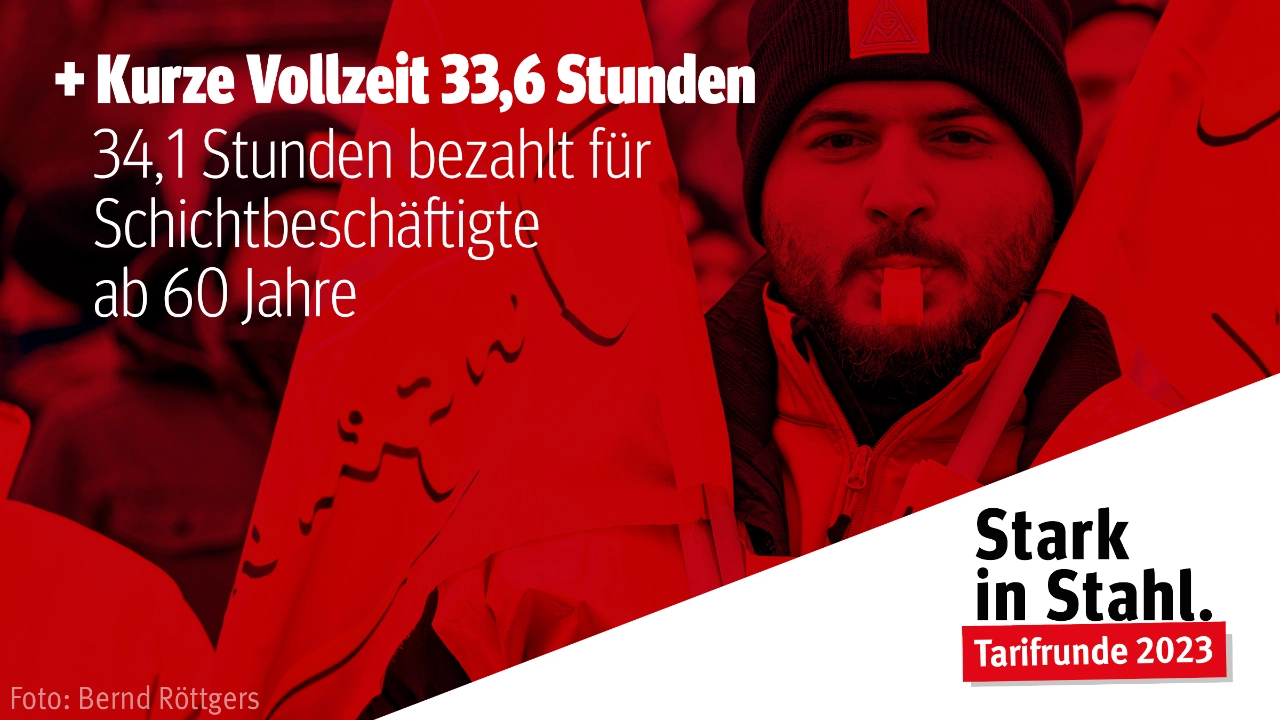
Individual Reduction in Working Hours (for Individual Employees): An employee’s request to reduce their individual working hours to 33.6 hours may be granted, provided that this does not conflict with the company’s interests. Special rules apply to older employees. Anyone who is at least 60 years old and works shifts may reduce their hours to 33.6 hours starting in January 2025, and the employer cannot prevent this. In addition, this group of employees receives partial wage compensation. These employees are paid for 34.10 hours of work for a 33.6-hour workweek. The age limit will be lowered to 59 and then to 58 in the following two years. The regulation will be evaluated in 2027.
“The challenges facing the steel industry in the Saarland steel industry’s collective bargaining area are enormous, and the economic situation is tense in some areas,” explained Jörg Köhlinger, district director of IG Metall Mitte and chief negotiator for the Saarland steel industry. “That’s why I’m very pleased that we’ve succeeded in reaching a viable collective bargaining agreement. We didn’t want to waste any time and sealed the deal.”