Automatic translation
This article has been translated automatically using computer technology. While we strive for accuracy, some wording or details may differ from those in the original article.
This translation was not manually reviewed. For important facts, quotations or legally sensitive information, please consult the German original. Individual selections, images, embedded media or technical terms may have been translated differently or incompletely.

Law explains it this way: Narrow Limits on Insurance Coverage for Commutes Detours are only covered after two hours

Employees are insured by their employer against accidents while traveling directly to work. Tjark Menssen of DGB Rechtsschutz GmbH explains what “directly” means and what exceptions apply.

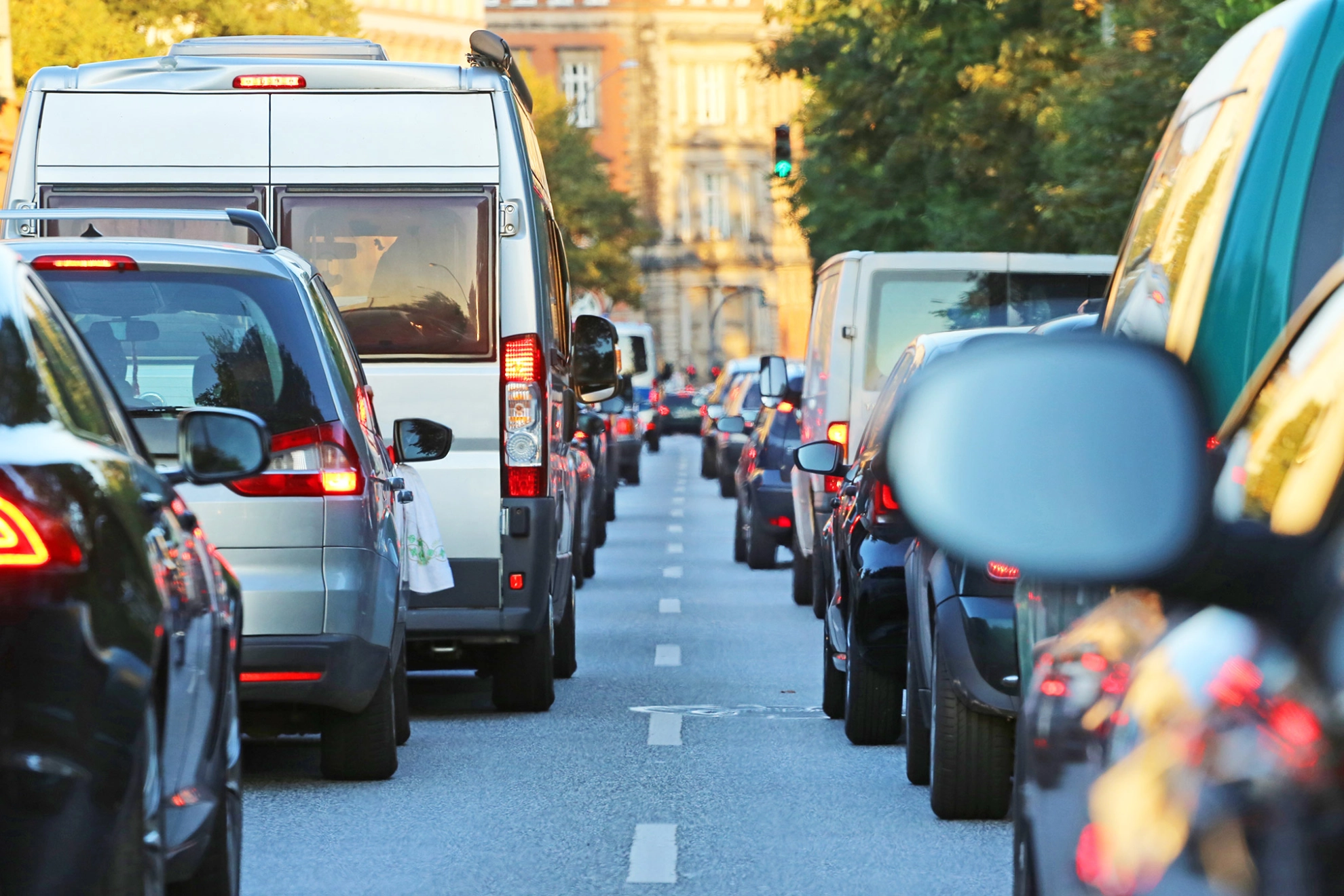
Stau an einer Verkehrskreuzung

30 September 2016 30 September 2016


No insurance coverage on the way from the doctor to work? This or a similar headline appeared in newspapers regarding a decision by the Federal Social Court (BSG). The court had refused to cover the costs of an accident involving an employee who was driving to work after a doctor’s appointment.

The term “statutory accident insurance” is misleading. Statutory accident insurance protects employees from the health risks associated with their employment. It therefore only applies to illnesses and accidents related to the workplace. If there is no connection to work, an employee is covered by their statutory health insurance.

The benefits provided by accident insurance are generally more comprehensive and better than those of health insurance. The purpose of this insurance is to prevent workplace accidents and to maintain or restore employees’ ability to work. It has been in effect since 1884 and is regulated by the Social Code.


What does “direct” mean?

Statutory accident insurance protects employees not only at the workplace but also while commuting between home and work. In the case decided by the Federal Social Court (BSG), the employee was indeed on his way to work. However, he was coming from a doctor’s appointment that took place before the start of his workday. According to case law, only the direct route between home and the workplace is insured; private detours, on the other hand, are not. The question of what “direct” means has frequently occupied the court. When is a detour permitted, and when is it not? Is an interruption allowed, and if so, for how long?

In exceptional cases, therefore, detours are also covered. Specifically, this applies when the route between home and the workplace is interrupted for at least two hours by a stop at a so-called third location, such as a doctor’s office. In that case, the trip from that third location back to work is again covered as a commute. In the present case, the employee had spent less than two hours at the doctor’s office, so there was no coverage under statutory accident insurance.


Narrow Limits

The BSG’s decision appears rather arbitrary. However, case law is subject to very narrow limits when interpreting the laws governing the liability of the employers’ liability insurance associations. Given the extensive benefits they provide, these associations rely on a clear definition of their liability. Since the detour for the doctor’s visit lasted less than two hours, the BSG was unable to classify the trip as a commute to work.


More Information

The DGB Legal Protection Service has compiled online information on how courts have ruled on other issues related to workplace accidents and statutory workers’ compensation insurance. In addition to rulings on questions such as whether employees are insured during their lunch break, there are reports and guides available at:
Guide

New on igmetall.de
Aktionstag bei Mercedes Benz, Daimler, in Sindelfingen gegen die Angriffe auf Beschäftigten in der Automobilindustrie.
Resistance to Attempts at Drastic Cuts Auto industry workers issue a warning
Sie wollen doch nur dein Bestes
Redistribution Making Germany more equitable: We need this tax reform now
Der Streik bei Kelvion in Nobitz-Wilchwitz begann am 4. August 2026. Die Geschäftsleitung will nach Sarstedt/Niedersachsen verlagern - obwohl die Produktion in Wilchwitz profitabel und bis ins nächste Jahr ausgelastet ist.
"It’s worth fighting for!" Kelvion workers strike for a social collective bargaining agreement
Ruhrpott Rebellion am 07.07.2026
Welfare State September 26: Nationwide Day of Action for Social Policy
Beschäftigter arbeitet an einem Getriebe in einer Fabrik
Working Hours Why working longer doesn’t help—and actually does more harm than good
Ein männlicher Land- & Baumaschinenmechatroniker prüft einen Traktor mit einem Tablet
2026 Collective Bargaining Agreement for the Metalworking and Agricultural Engineering Sectors Greater Flexibility in the Metalworking and Agricultural Engineering Sectors in Lower Saxony and Bremen
Elektronikerin prüft die Spannung an einem Schaltschrank.
2026 Collective Bargaining Round for the Electrical Trades Wage Increase in the Electrical Trades in Berlin-Brandenburg
Benjamin Heine ist Mitarbeiter der BMA in Braunschweig
2026 Collective Bargaining Round for Metal Fabrication and Precision Engineering Higher Wages in the Metal Fabrication and Precision Engineering Sectors in Southwest Germany
Metall-Arbeiter beim Schleifen
2026 Collective Bargaining Round for the Metalworking Trade Employees in the Berlin-Brandenburg metalworking sector will receive higher pay
Beschäftigte von Thyssenkrupp demonstrieren in Essen am 23. Mai 2024 gegen das Vorgehen der Geschäftsführung beim geplanten Teilverkauf des Unternehmens.
Defend the welfare state All dates for nationwide actions against cuts to social services
IGM Aktion VW Wolfsburg
On September 21, things will get loud Nationwide Day of Action: Auto Industry Workers Fight Back Against Mass Layoffs
Auszubildender in einer Schreinerei
Apprenticeship Wages Questions and Answers About Apprenticeship Wages

Subscribe to the newsletter