Automatic translation
This article has been translated automatically using computer technology. While we strive for accuracy, some wording or details may differ from those in the original article.
This translation was not manually reviewed. For important facts, quotations or legally sensitive information, please consult the German original. Individual selections, images, embedded media or technical terms may have been translated differently or incompletely.

Guide: Tips for Restful and Effective Breaks Take a break!

Just a few minutes can often make a difference: To get through the workday as fit and stress-free as possible, you should take regular breaks. We offer tips on how to make the most of your time.


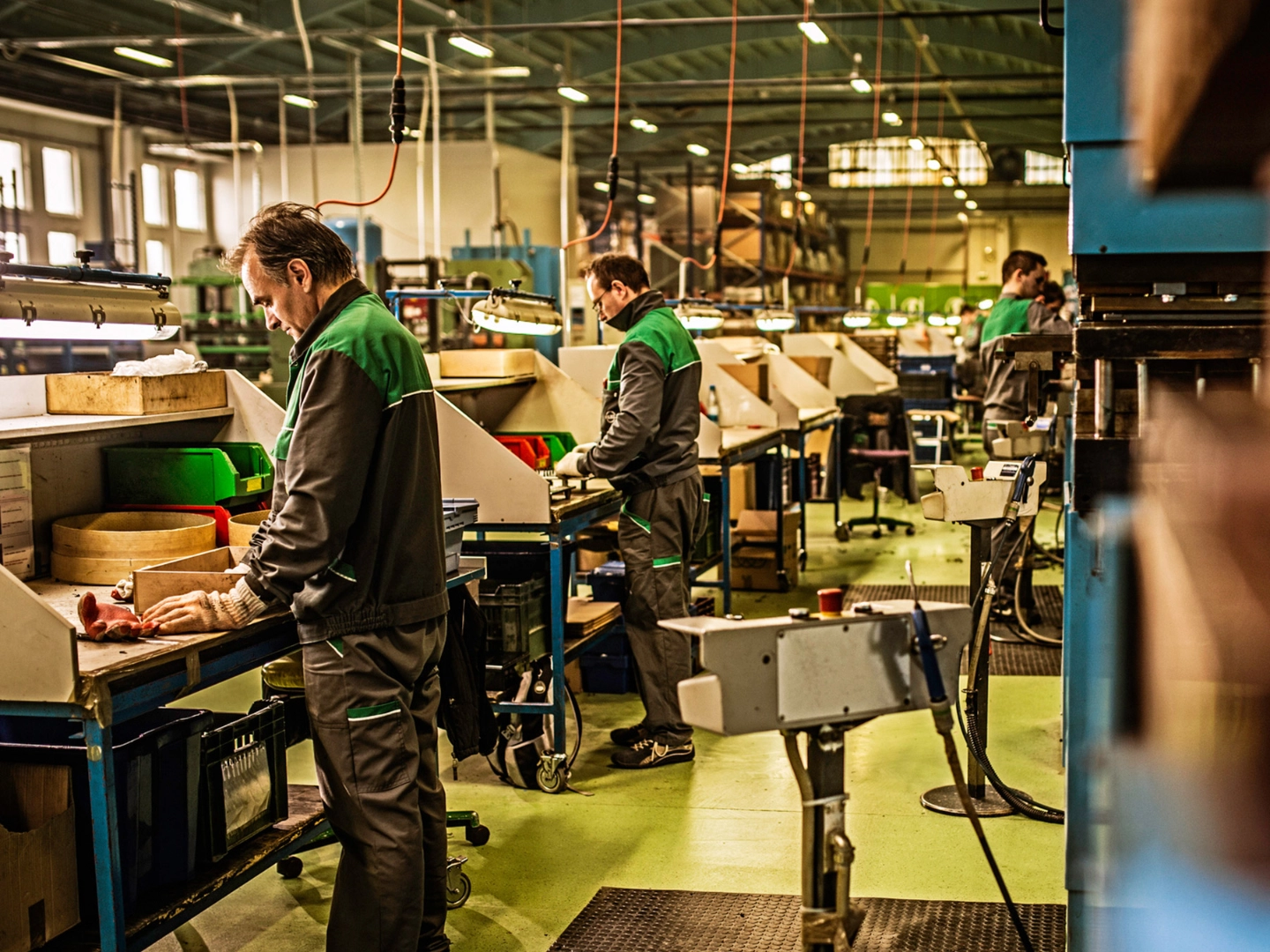
Zwei Arbeiter machen eine Kaffeepause

9 October 2018 9 October 2018


Doing a “quick” grocery run for home during your lunch break, placing online orders, and somehow wolfing down your meal on the side? While this saves you time, it’s not a real break—and it drains your energy. Here are a few tips for restorative breaks:


Switch off and take a break

  • Step away from your desk—and perhaps even leave the building—to get some fresh air.
  • Make a conscious effort not to talk (only) about work during lunch. This will help you take your mind off things.
  • Put your cell phone aside and instead enjoy the peace and quiet or chat with your coworkers. This promotes a change of pace, fosters social connections, and helps your brain relax better.
  • If you’re feeling really sluggish one day, it can also be helpful to take a short nap during your lunch break. But when it comes to power naps, make sure they aren’t too long. Otherwise, you’ll enter the deep sleep phase and end up feeling even more tired than before. So make sure your short afternoon nap doesn’t last longer than 30 minutes. Usually, just a few minutes are enough.


Move around and relax

  • If you spend most of your time sitting at a desk, you should get a little exercise: Take a short walk outside and take the stairs instead of the elevator. Exercise helps reduce stress and balance out one-sided strain on the musculoskeletal system.
  • If you do mostly physical work, you should simply sit down and rest. But even here, it’s a good idea to spend a few minutes doing some stretching exercises.


Effective short breaks

  • Brief moments of relaxation can be extremely effective—even if they last only a few seconds or minutes. The key is to enjoy them regularly and mindfully. After all, the more predictable your next moment of rest is, the easier it is to work.
  • How many breaks should you take, and when? That depends heavily on the individual and their specific job. Listen to your body’s signals and find your own rhythm.
  • During short breaks, it can help to do a breathing exercise or two. Amid the hustle and bustle at work, your heart rate can unconsciously spike. So during breaks, take a few slow, focused breaths. After just a few minutes, you’ll feel much more relaxed.

Enjoy yourself or do nothing

  • Take a little stroll, visit your coworkers for a quick chat, or do a few stretching exercises. You’ve got to make time for that.
  • Treat yourself: Read your favorite column, enjoy a slice of cake, or put on your headphones to unwind for a moment with your favorite music.
  • Unwinding also means: no surfing the internet, no phone calls, no text messages, and no writing shopping lists. Instead, look out the window or close your eyes.


Make smart use of long weekends when planning your vacation

Questions and Answers About Vacation Requests

Guide

Beschäftigte stehen zu einem großen Herz zusammen
Become a Member
Become part of a strong community

From legal protection in labor and social security matters to fair wages and salaries—we provide personalized and reliable support to our members.

New on igmetall.de

Subscribe to the newsletter