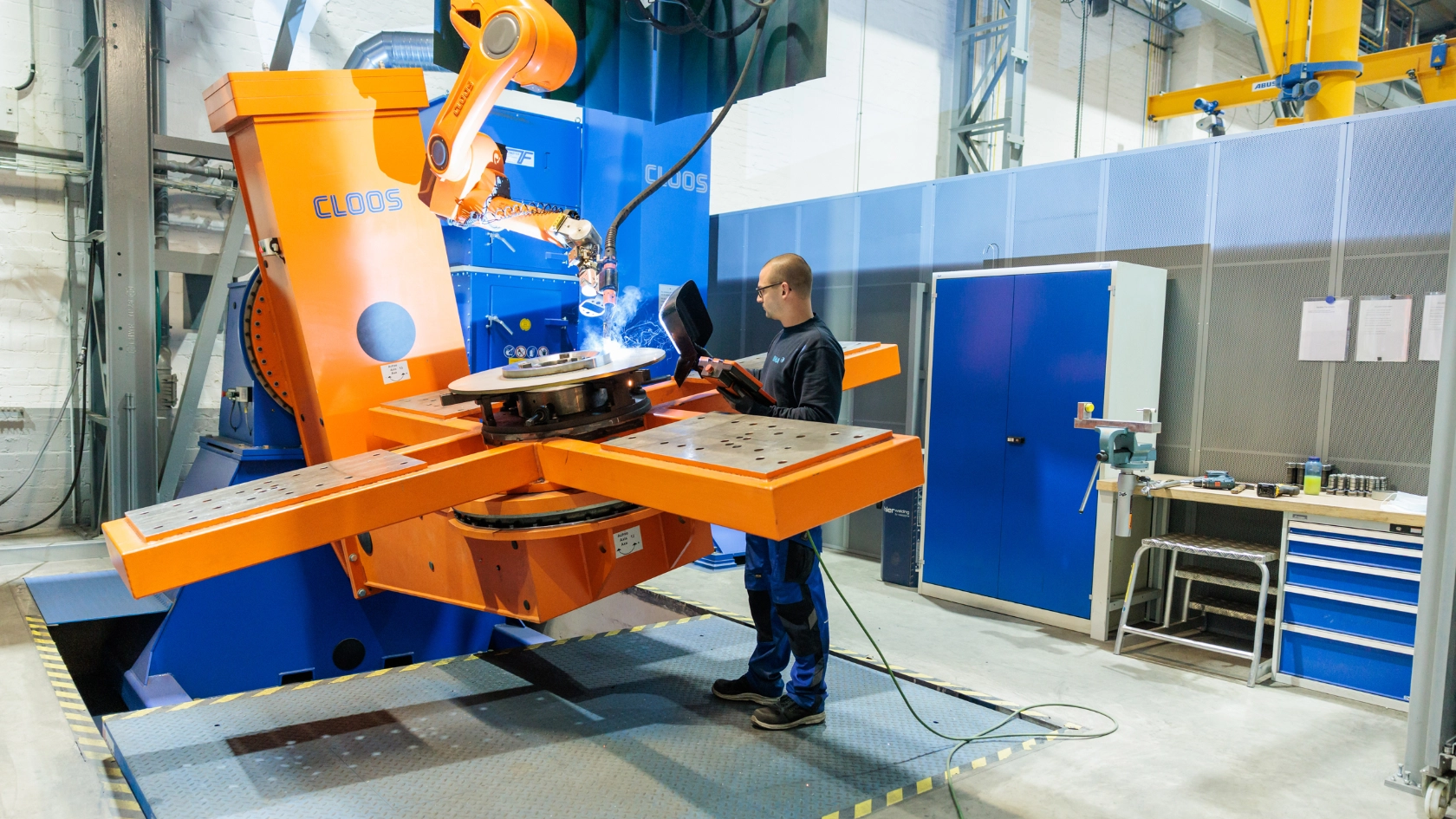
Dual degree programs combine studies at a university or (vocational) academy with regular, extensive practical training periods at a company or even a recognized company-based vocational training program. Theoretical phases at the university or academy alternate with practical phases at the training company. As a rule, admission requires not only that the university offer a spot in the program, but also that a company agree to provide practical supervision or make an apprenticeship position available. A dual degree program typically lasts three to four years. There are various forms of dual degree programs:
- The dual study program integrated with vocational training: Here, academic studies are combined with vocational training. This allows you to earn two degrees: a bachelor’s degree and a vocational certification recognized by the Chamber of Industry and Commerce.
- The practice-integrated dual degree program: Here, your studies are combined with practical phases at the company. The theoretical training provided by the university is supplemented by practical experience and exercises.
Labor Law and Collective Bargaining Agreements
The provisions of labor law also apply without restriction to dual students, such as maximum weekly working hours or continued pay in the event of illness. Collective bargaining agreements contain better provisions than those in the law. Collective bargaining agreements are concluded between employers or employer associations and labor unions and apply to union members.
Unfortunately, there are currently only a few collective bargaining agreements for dual-track students. We want to change that. We are working to ensure that dual-track students and apprentices are treated equally under the law and thus to establish collective bargaining coverage. In certain industries and companies, we have already been able to negotiate collective bargaining agreements for dual-track students, such as at Volkswagen, Sartorius, and Mahr in Göttingen; Dräger and ZF in Lower Saxony; Howaldtswerke-Deutsche Werft in Kiel; and Thyssen-Krupp Steel Europe and Thyssen-Krupp Marine Systems in Kiel—to name just a few. We have also negotiated agreements in the skilled trades and automotive sectors in Lower Saxony, as well as in the fields of precision engineering and metal fabrication in Baden-Württemberg.
Become a Member
That’s why it’s worth joining the union while you’re still in school—because dual-track students are only legally entitled to benefits under collective bargaining agreements if they are members. In addition, students receive legal protection in labor and social security cases, including in exam disputes where the successful continuation or completion of their studies depends on passing the exam.
Info: The IG Metall Higher Education Information Office offers students a wide range of materials and useful tips on dual study programs. You’ll also find the local IG Metall contacts: hochschulinformationsbuero.de