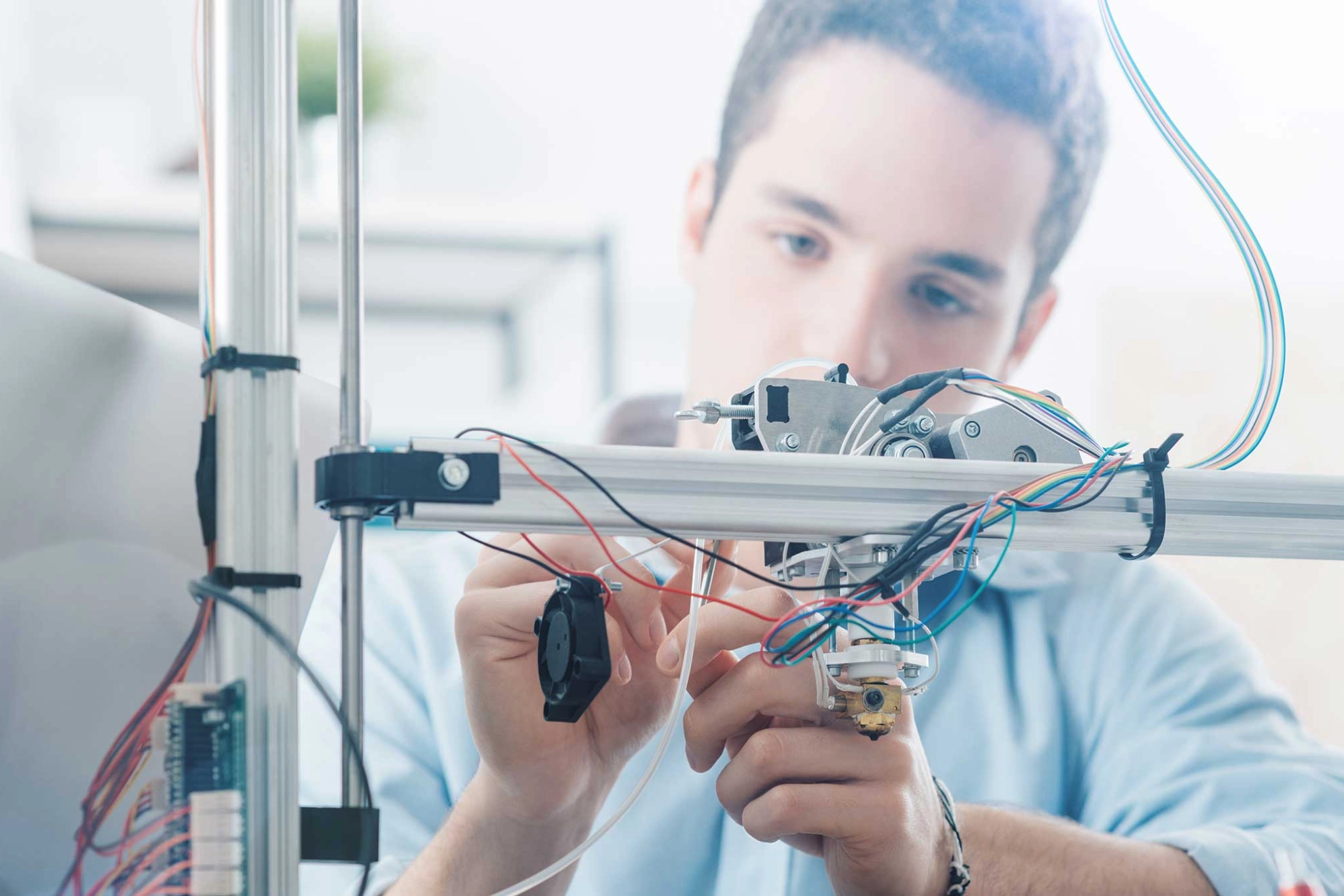
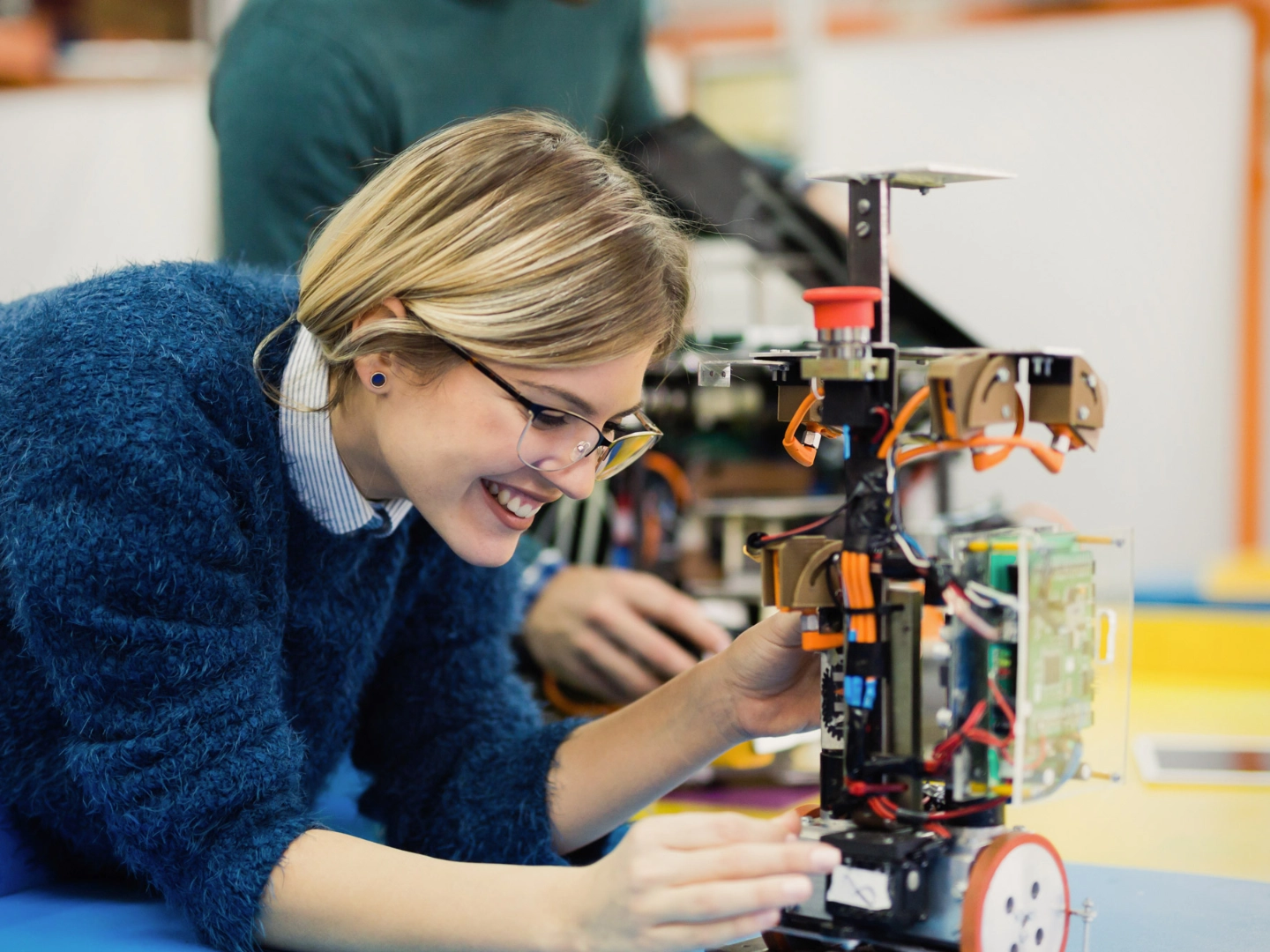
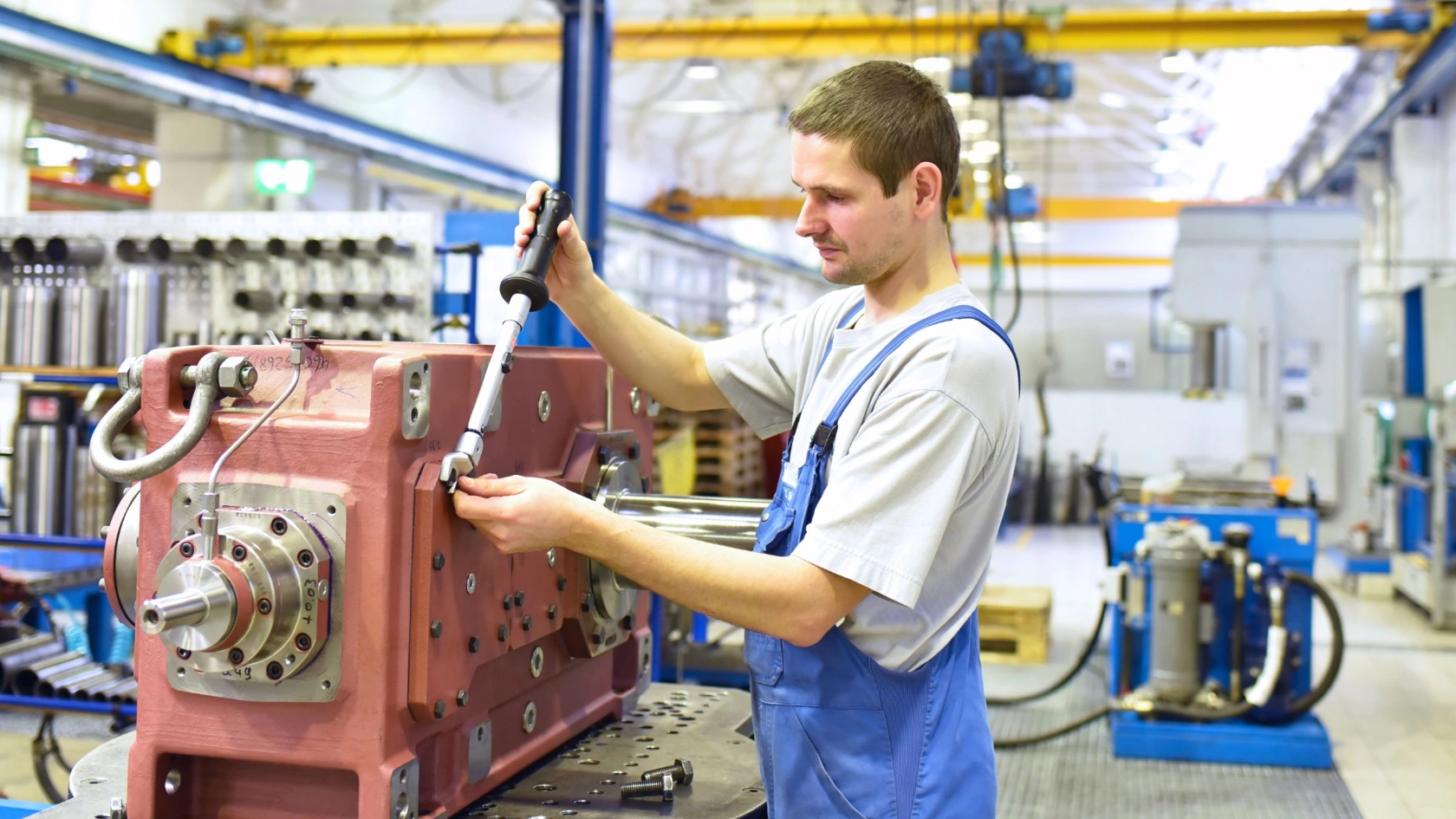
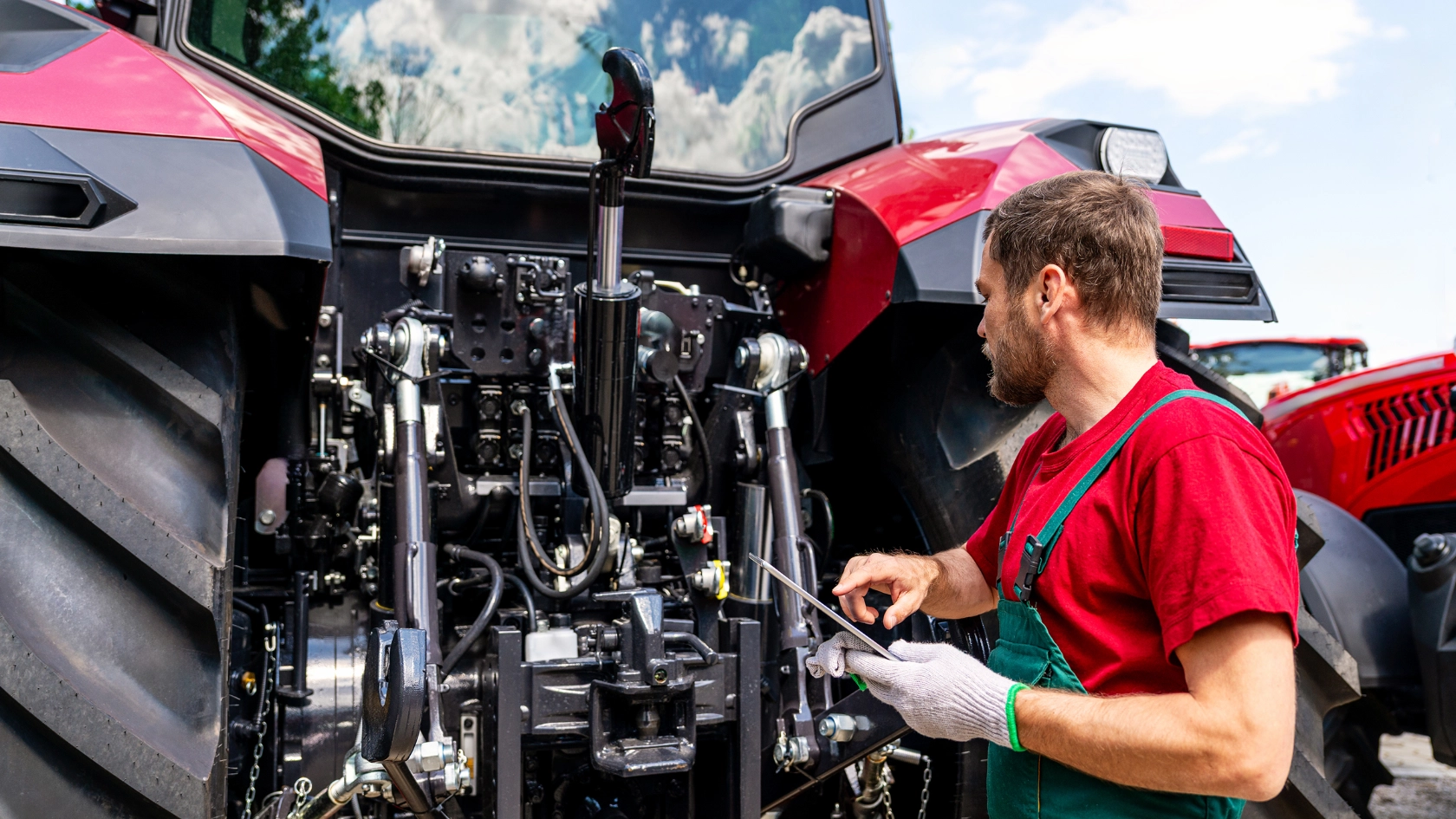
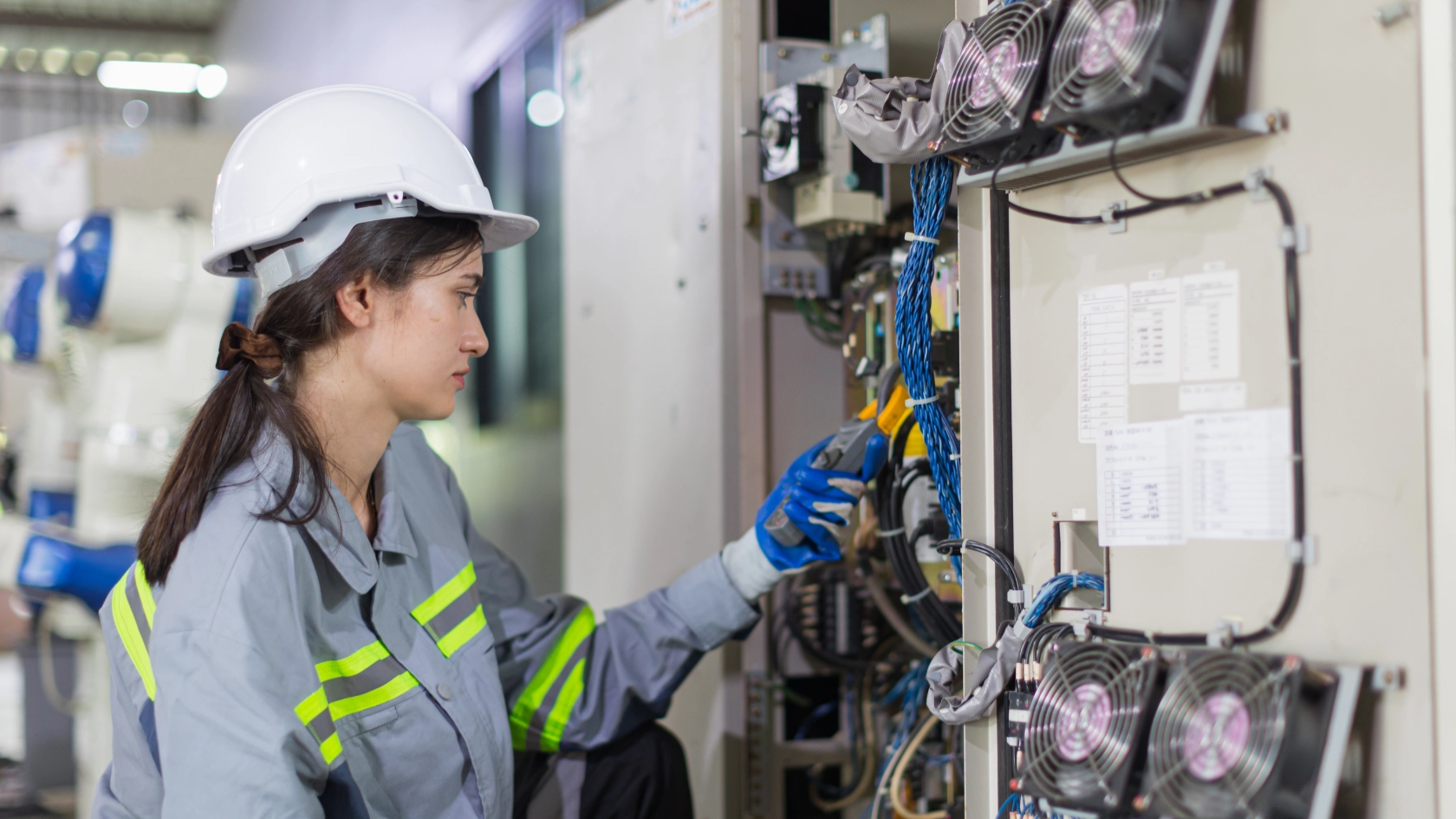
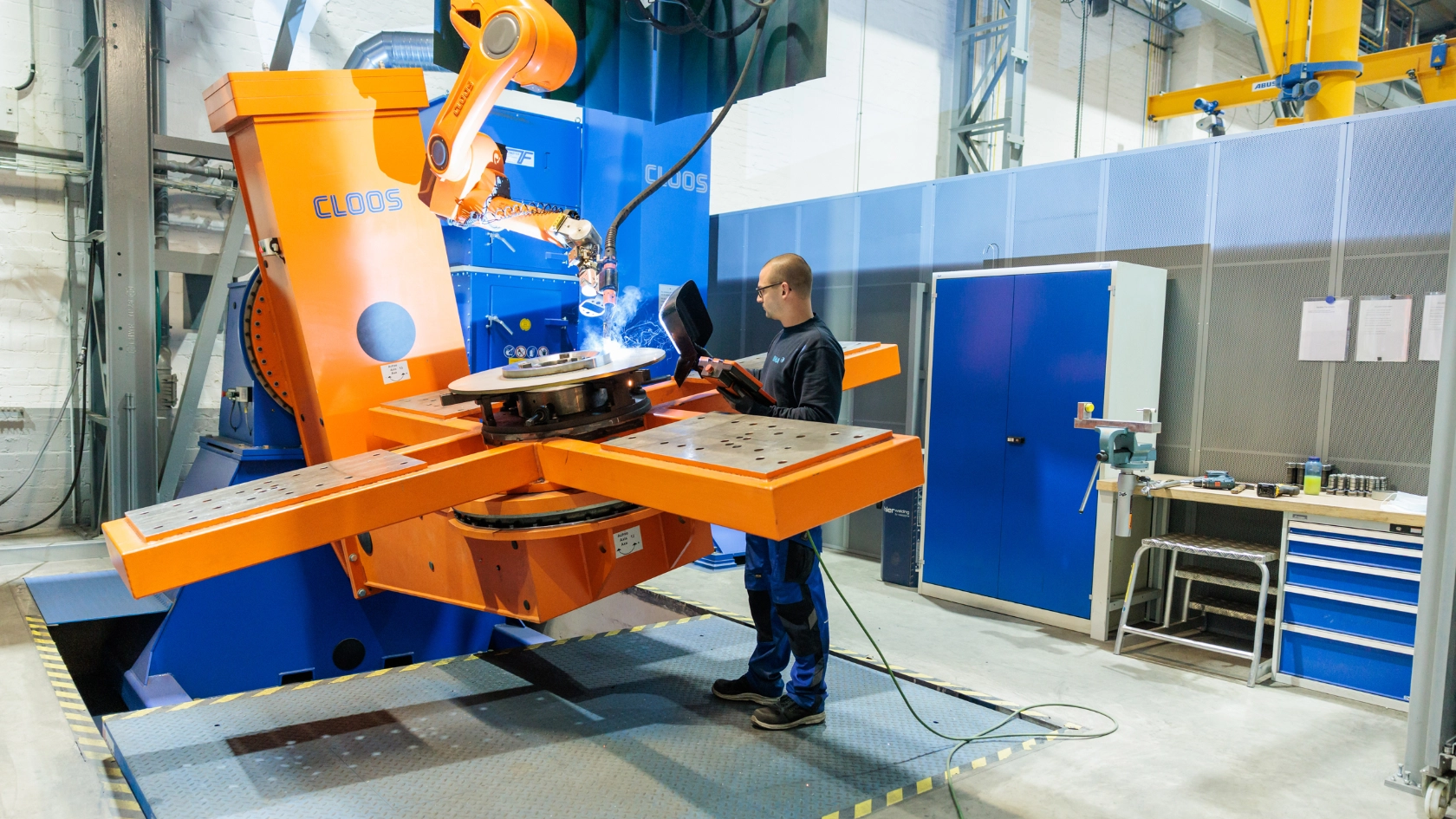
Anyone who has completed an industrial-technical apprenticeship and has already worked in their field can pursue further training to become a state-certified technician. Technician programs are available for industrial occupations, such as mechatronics technicians or electronics technicians, and for many skilled trades, such as metal fabricators or mechanics specializing in plumbing, heating, and air conditioning. Technician training programs can be completed while working. You can continue working in your current job while completing the training on the side. This is a major advantage if you are already established in your career and want to improve your qualifications without having to forgo income.
A state-certified technician is classified at DQR Level 6 and is equivalent to the master craftsman title and a bachelor’s degree. DQR stands for the German Qualifications Framework and classifies all educational qualifications in Germany on a scale from 1 to 8. Technicians are in high demand. They combine technical knowledge with practical experience. They often play a key role in production and typically work at the interface between engineers and skilled workers.
Technicians can look forward to jobs with greater autonomy and higher pay. Typical tasks for an industrial technician include maintenance and repair, process optimization, design and development, work in prototype construction, or quality assurance. They plan projects and provide technical leadership within teams. With an additional trainer certification exam, female technicians can also become trainers.
Continuing Education
The technician role is discipline-specific: Mechatronics technicians, for example, can pursue further training to become electrical, automotive, or mechanical technicians. Further specializations are often possible, such as electrical engineering with a focus on automation technology.
- Admission requirements vary from state to state. As a rule, one year of professional experience is required. Even employees without formal training can become technicians if they have a secondary school diploma and several years of professional experience—depending on the program, five to seven years may be required.
- The technician courses are held at specialized technical schools. They last two years full-time and three to four years part-time, such as in the evenings alongside a job. Distance learning courses are also available, though they require a great deal of self-discipline. In addition to job-specific content, the curriculum includes general subjects such as mathematics, German, English, and economics.
Financing
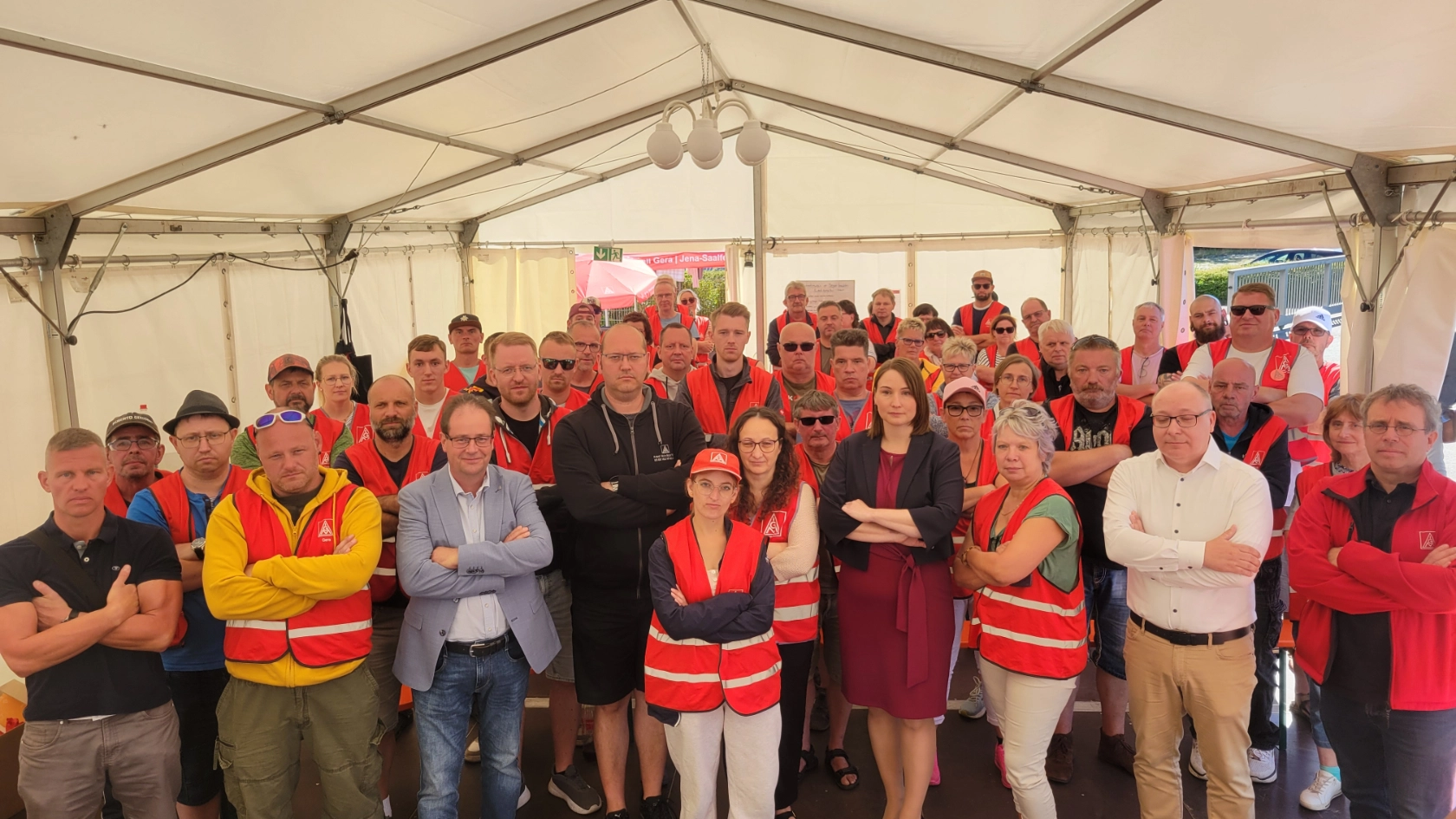
Many state-run technical schools offer the technician program free of charge. Private schools charge up to 8,000 euros for the entire training program. In some cases, the employer covers the costs or at least grants employees time off for school. This is particularly common in companies with a works council and an IG Metall collective bargaining agreement covering professional development. Check with your works council or your local IG Metall office.
Additional costs include exam fees, material costs, and travel and living expenses. Various funding programs are available. The technical colleges offer counseling on this matter. Employees frequently take advantage of the so-called “Aufstiegs-BAföG,” which also applies to the technician program. The Aufstiegs-BAföG is not dependent on income, age, or assets. More information on financing options is available here.
Career Prospects
Career prospects are good. Technicians’ salaries depend, among other factors, on professional experience, industry, region, and company size. Technicians earn particularly well in industrial companies bound by collective bargaining agreementswith IG Metall. The starting monthly salary in fields such as mechanical engineering or IT technology is 3,000 euros gross and up. Electrical engineering technicians are also in high demand because there is a great need for skilled workers in the fields of energy supply, building services engineering, automation, smart homes, and Industry 4.0. The same applies to mechatronics technicians. In addition, technicians earn a general university entrance qualification. This means they can study any subject they choose. Details on specific advanced technician training programs are available at: