Automatic translation
This article has been translated automatically using computer technology. While we strive for accuracy, some wording or details may differ from those in the original article.
This translation was not manually reviewed. For important facts, quotations or legally sensitive information, please consult the German original. Individual selections, images, embedded media or technical terms may have been translated differently or incompletely.

Health and Safety Guide 10 Rules for Coronavirus Protection in the Workplace

COVID-19 requires enhanced health protection. The risk of contracting the coronavirus is ever-present—even in the workplace. Ten rules and tips to effectively protect employees from infection. With posters in 16 languages.

Infektionsschutz im Betrieb Abstand AHA-Regel

14 May 2020 14 May 2020 |
Updated on 6 May 2021 6 May 2021


The danger has not passed: While the vaccination campaign in Germany has clearly gained momentum—nearly 30 percent of the population has now received at least one dose—and it appears that the third wave has been broken,  But the pandemic has not yet been defeated. The risk of contracting the coronavirus remains high in Germany, and there is still a danger of contracting the respiratory disease COVID-19, even in the workplace.

Protective measures are and will remain essential. Everywhere—in every company across the country—employees must be protected from infection. It is fundamental to effectively minimize the risk of infection—and to protect the health of employees as best as possible.

10-Regeln-Corona-01-RZ-K01

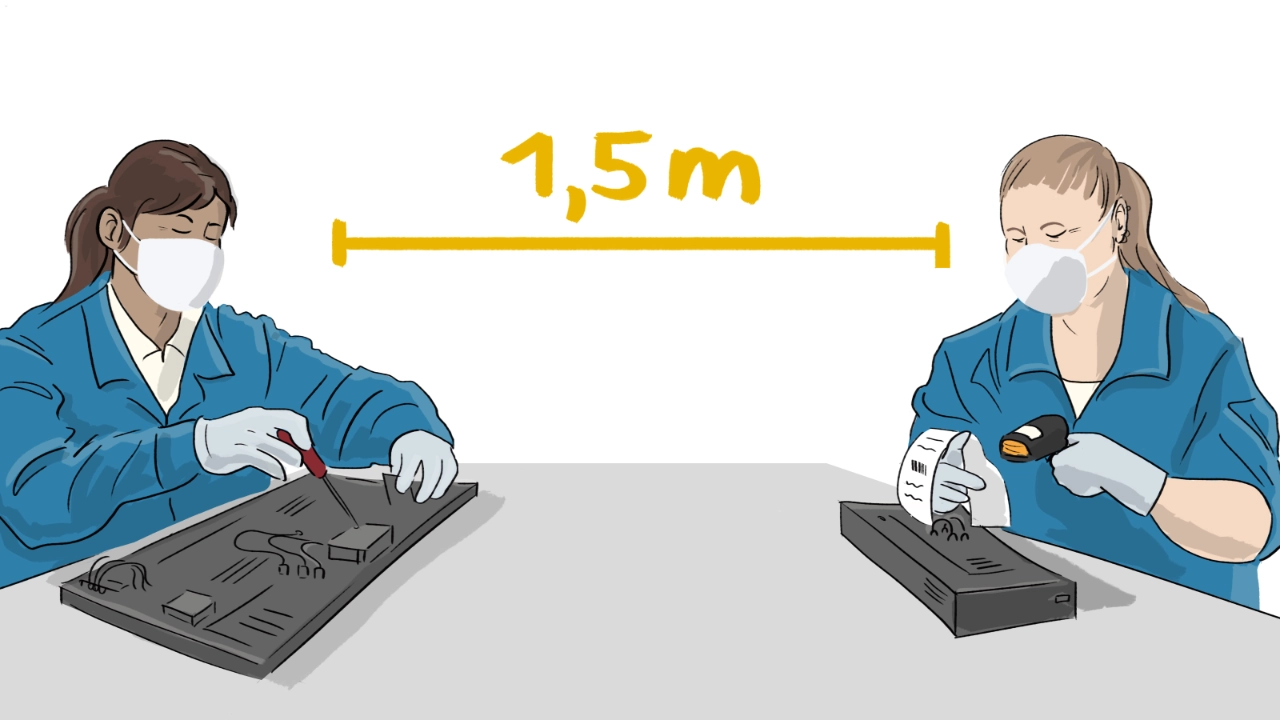
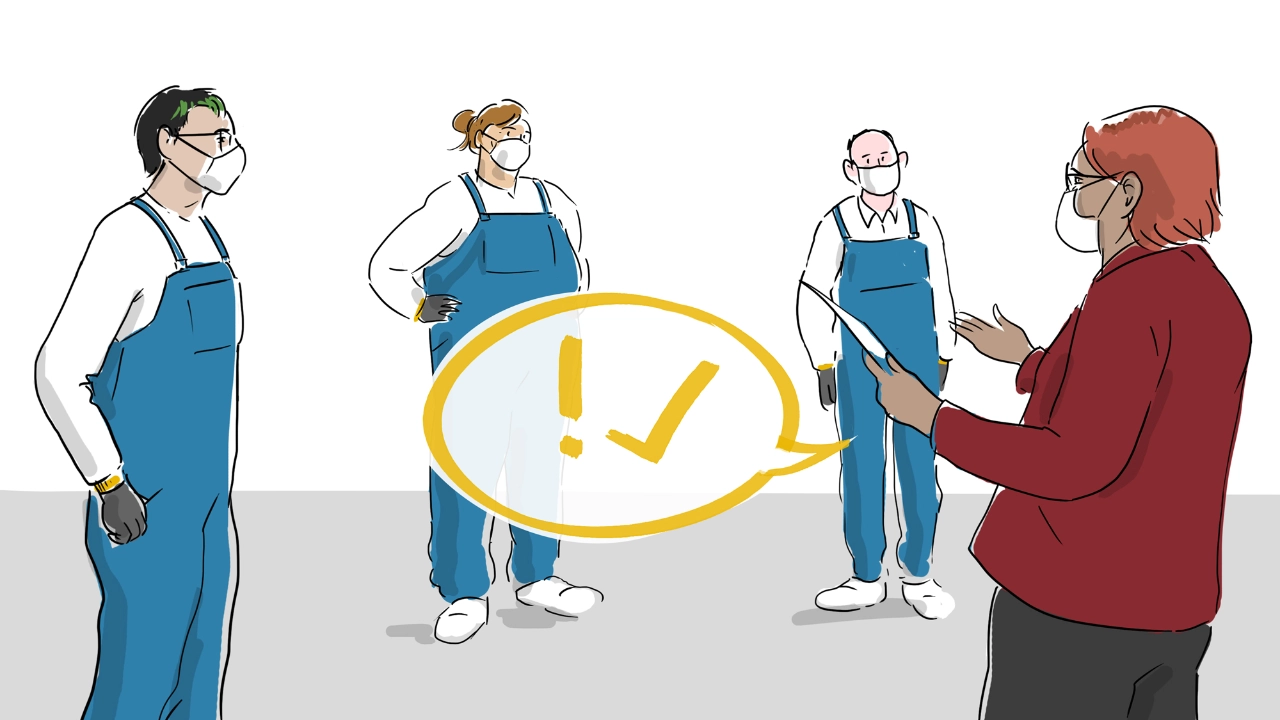
1. Maintain a safe distance

According to current medical knowledge, the safe distance between two employees at work must be at least 1.5 meters. If the minimum distance between workstations cannot be guaranteed, the number of employees working at the same time must be reduced.
10-Regeln-Corona-02-RZ-Neu

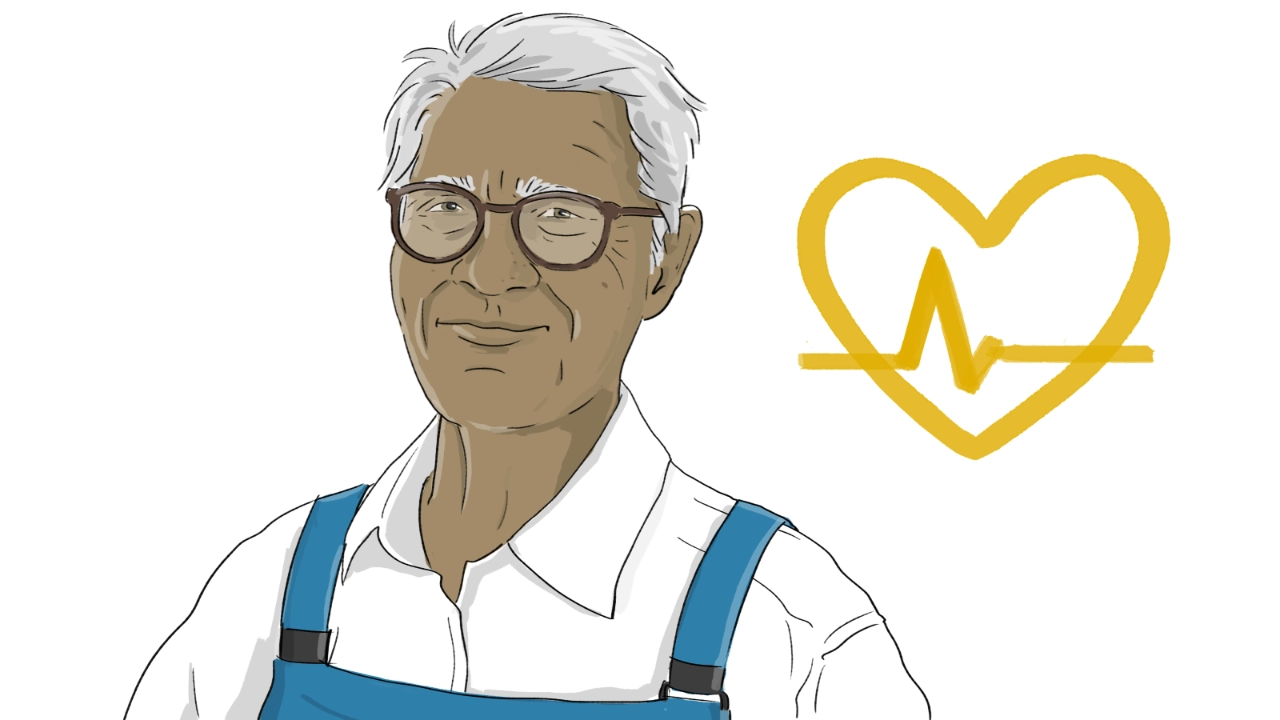
2. Protect employees who are particularly vulnerable

For groups of employees who are particularly vulnerable (for example, employees with certain pre-existing medical conditions or pregnant women), it must be determined whether individual measures are necessary in addition to collective measures.
10-Regeln-Corona-03-RZ

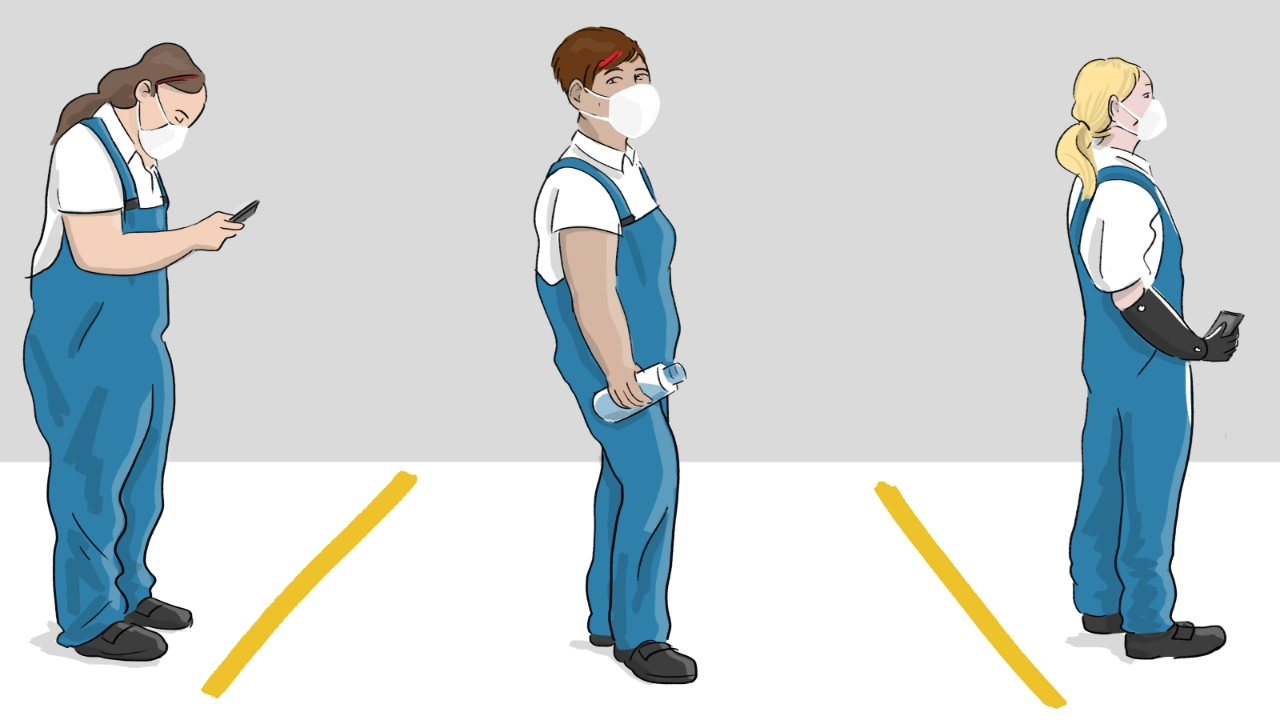
3. Avoiding gatherings of multiple employees

At the start or end of the workday, as well as during breaks, technical or organizational measures (staggered schedules, floor markings, etc.) should be implemented to prevent close contact between multiple employees.
IGM-10-Regeln-Corona-Lueften-RZ-02-RGB

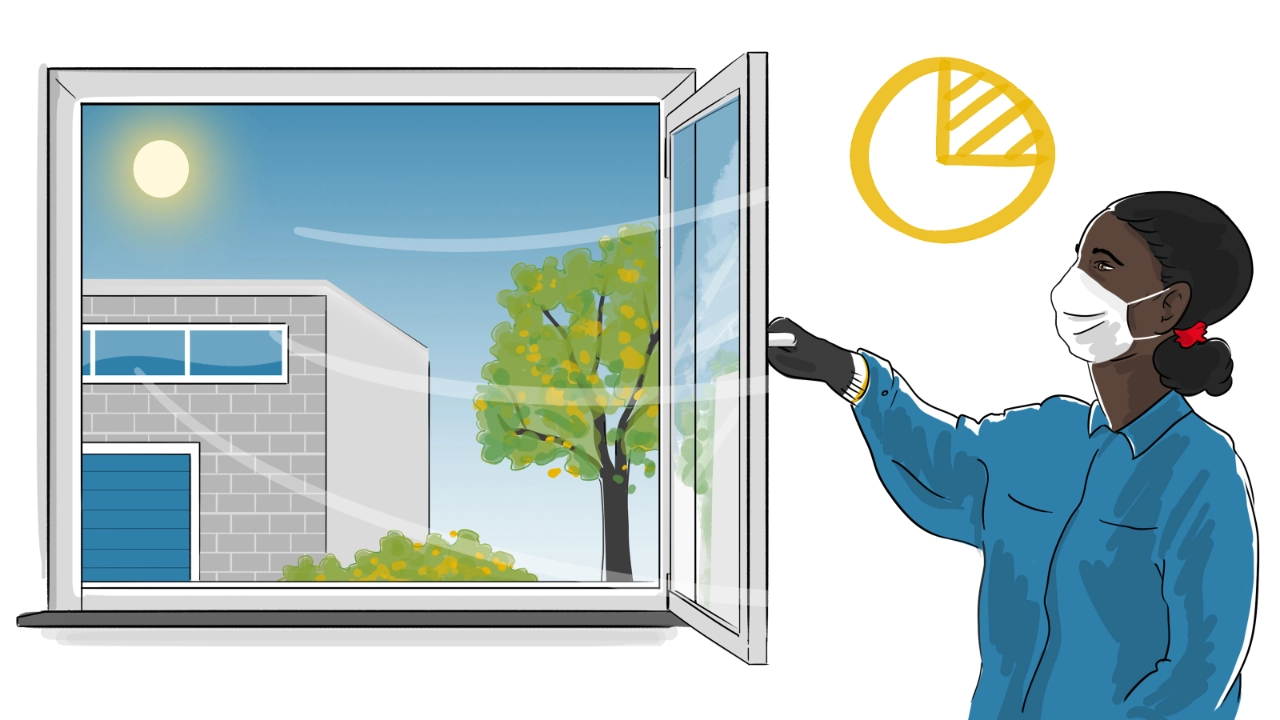
4. Ventilate regularly

A potential viral load in the air must be prevented through increased ventilation. If ventilation is provided through windows, this means more frequent and longer periods of ventilation across the entire window area (intermittent ventilation). Ventilation systems must be operated only with suitable filters and—as far as possible—a high proportion of outside air.
10-Regeln-Corona-05-RZ-K02

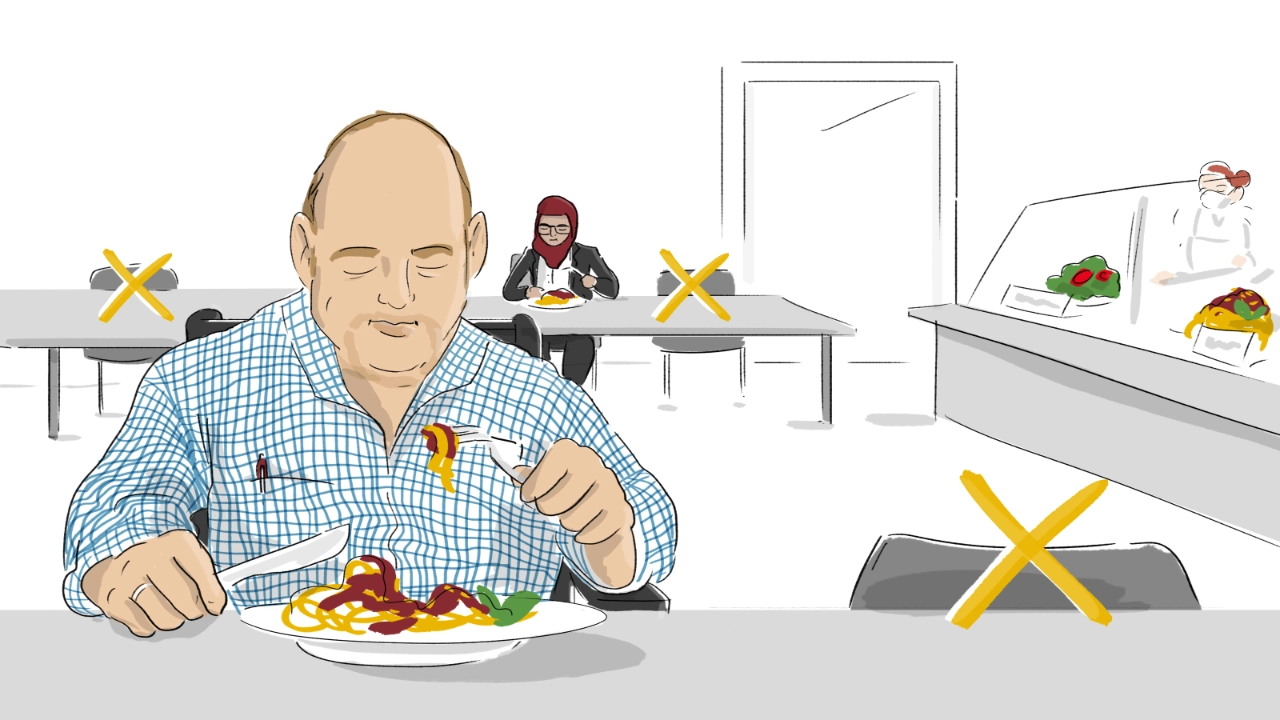
5. Organize meal service and reduce the number of chairs in the cafeteria

In the company cafeteria, both during meal service and at the tables, the number of chairs should be reduced to ensure that not too many employees are present at the same time and that the necessary distance can be maintained.
10-Regeln-Corona-06-RZ

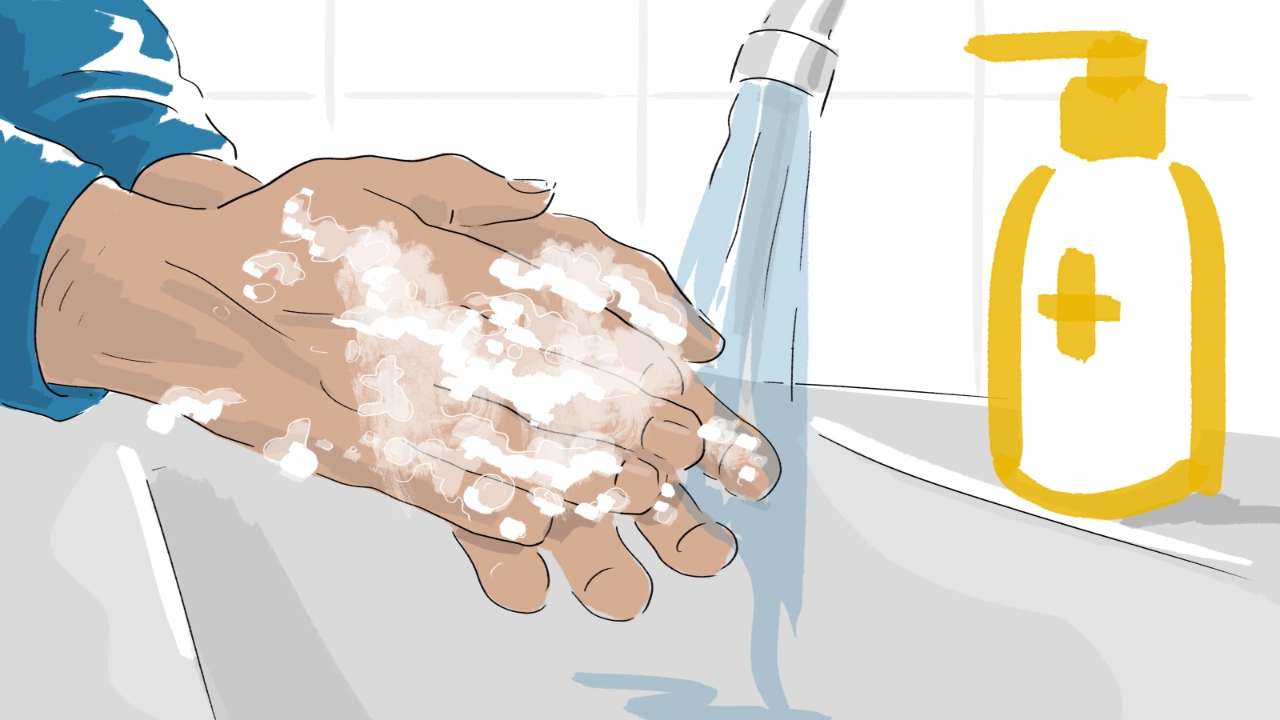
6. Wash or sanitize hands regularly

Employees must ensure proper hand hygiene before beginning work at their workstations. During working hours, employees must be given sufficient time on multiple occasions to wash their hands. Water, soap, paper towels, and closed trash cans must be made available in sufficient quantities for this purpose.
10-Regeln-Corona-07-RZ

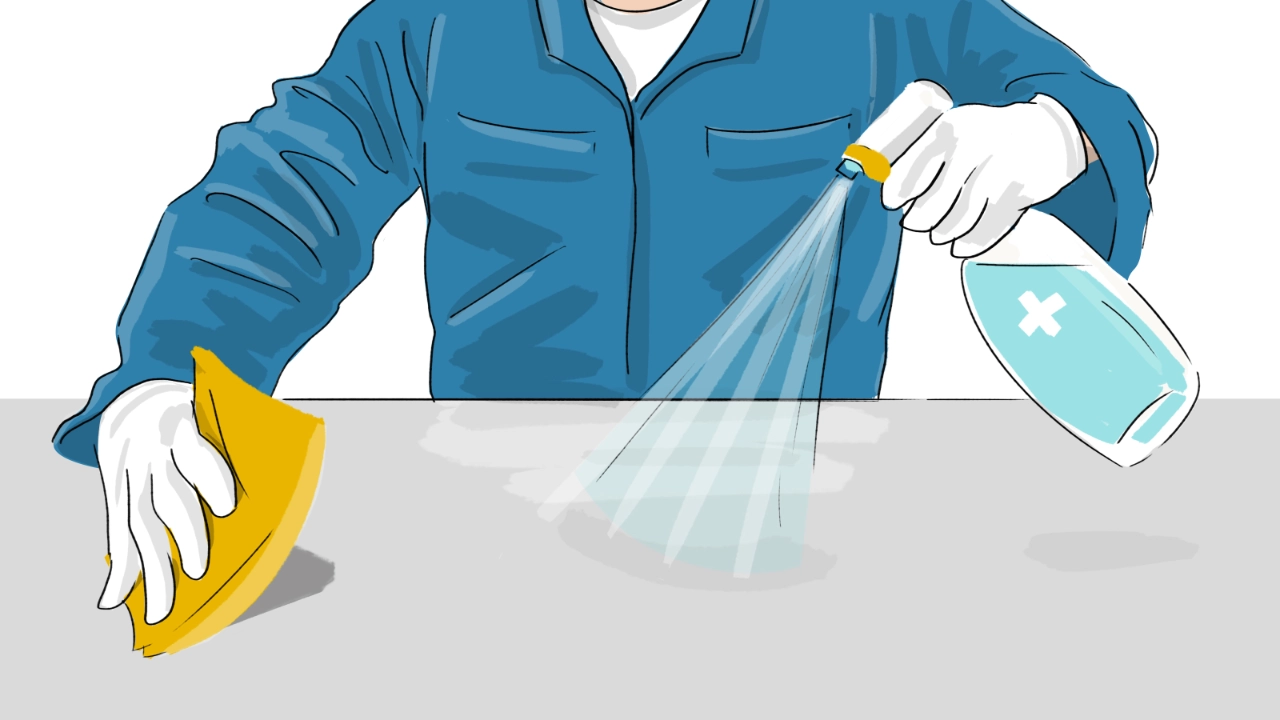
7. Develop a cleaning plan for work surfaces and equipment

Since the coronavirus can also survive on surfaces, the employer should ensure, through an appropriate cleaning schedule, that surfaces in the workplace—particularly those touched by hands—are cleaned daily with standard household cleaners.
Infektionsschutz im Betrieb Abstand AHA-Regel

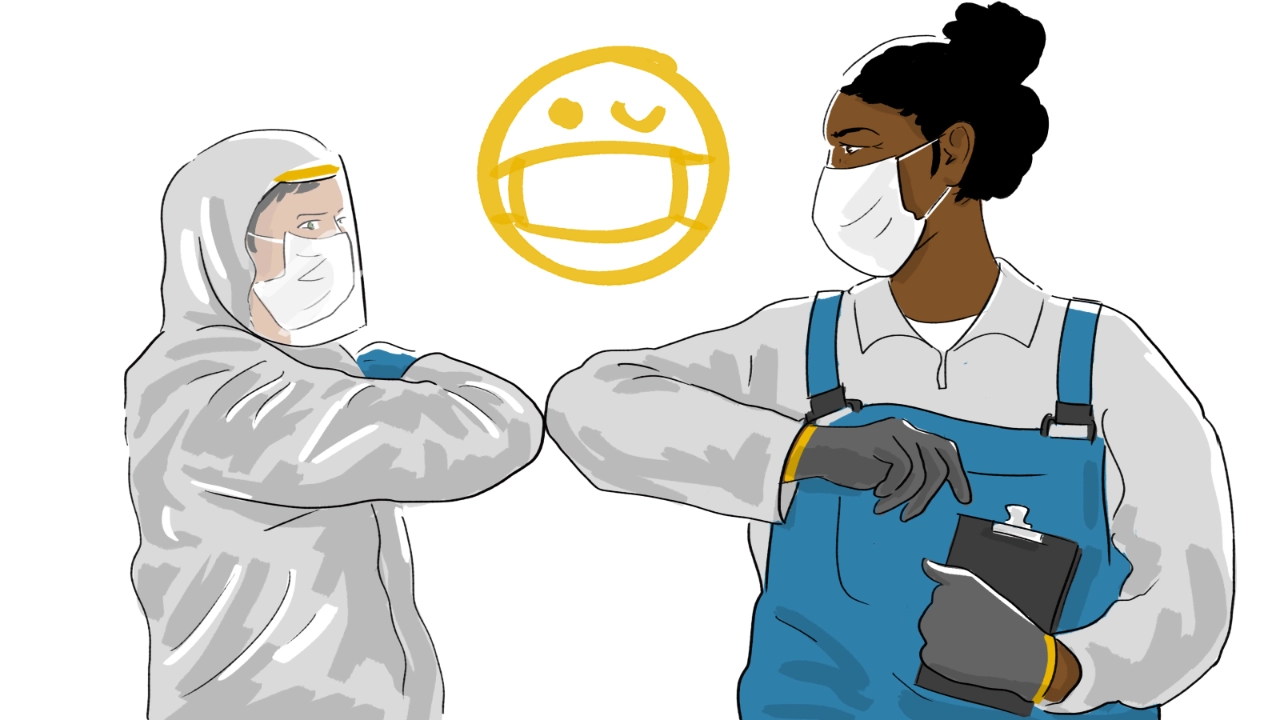
8. Wear face masks or personal protective equipment if necessary

Whether personal protective equipment (FFP2 masks, protective clothing, etc.) or face coverings (to protect others) is required in addition to the organizational measures mentioned above must be assessed on a case-by-case basis. These should be considered as supplementary measures.
2020-10-27-IGM-10-Regeln-Corona-09-E02

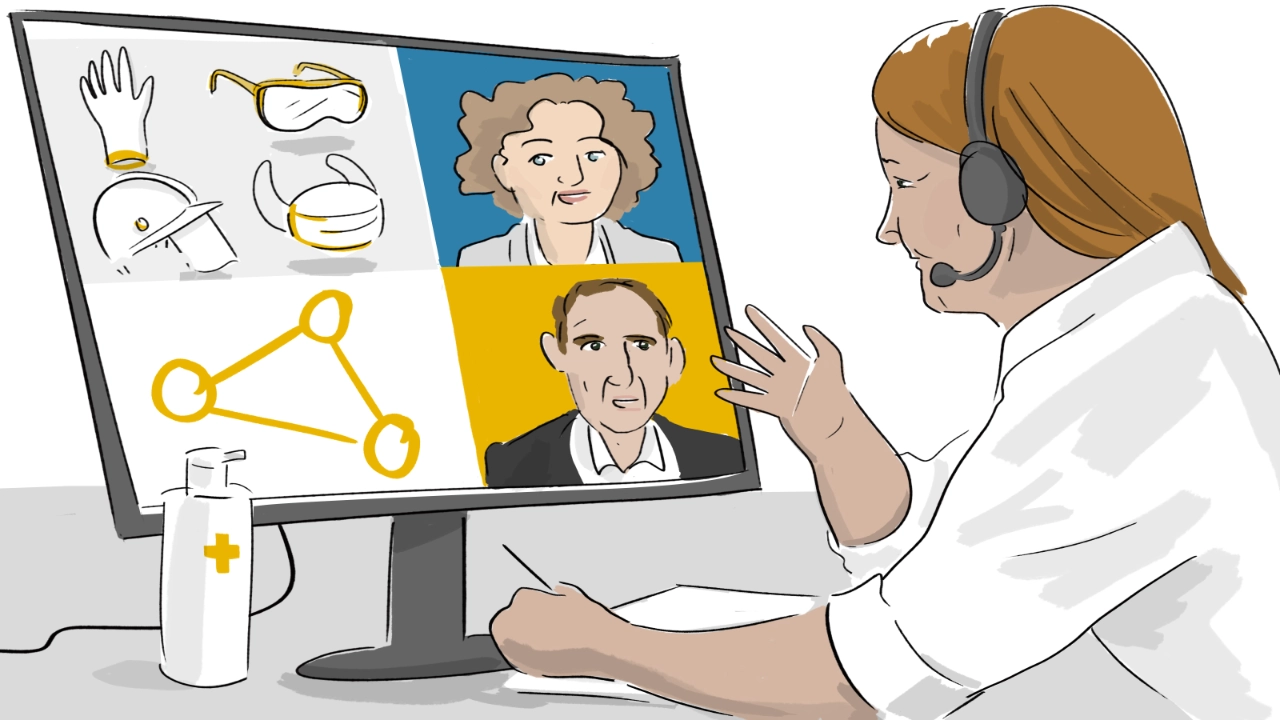
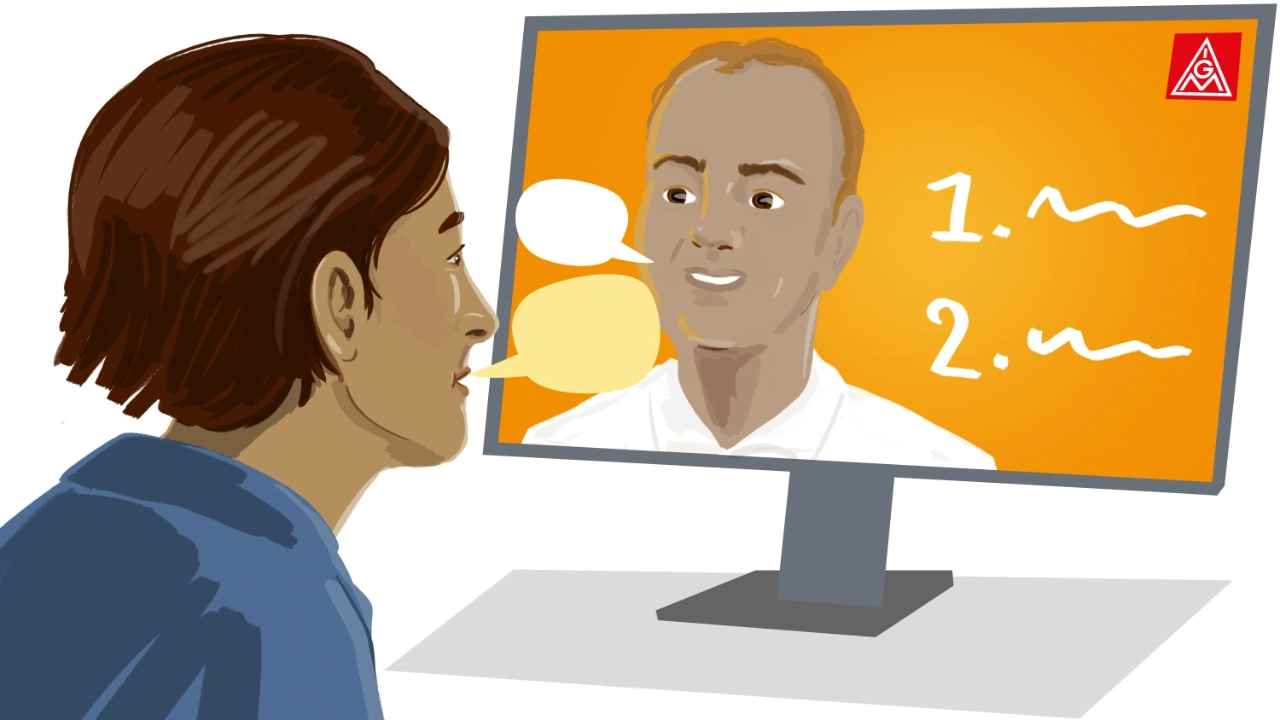
9. Employers must provide training

To ensure that all necessary measures are properly observed, the employer must provide training. The format, content, and language must be understandable to employees. Training for temporary workers or employees of outside companies must also be ensured.
10-Regeln-Corona-10-RZ

10. Ensure cooperation on occupational safety

The Occupational Safety Committee (Section 11 of the Occupational Safety Act [ASiG]) promptly coordinates the implementation of the measures and assists in monitoring their effectiveness. The employer bears responsibility. The employer must seek expert support, for example from occupational safety specialists, company physicians, and safety officers.

It is clear that employers have a duty: By law, they are responsible for protecting health in the workplace. According to Section 3(3) of the Occupational Safety and Health Act (ArbSchG), the employer bears the costs for all occupational safety and health measures.

However, this does not mean that the works council has no role to play in this matter. On the contrary: the works council must be involved in planning and implementing these measures. The works council has the right to take the initiative and should exercise it. To ensure the safety of employees, it must agree with the employer on protective measures to prevent COVID-19. The best approach here is to assess hazards and implement measures in accordance with the Occupational Safety and Health Act (ArbSchG).

To support works councils in exercising their rights to co-determination, IG Metall has already published a document outlining the 10 most important measures. In addition, it has issued the “Coronavirus Prevention Action Guide” and updates it regularly.

It is not possible to make a blanket statement about which specific precautions must be taken—this is determined by assessing the hazards present on-site. One thing is clear, however: Only a combination of measures can guarantee effective protection against infection. It is also important to note that technical measures always take precedence over organizational ones, which in turn take precedence over personal measures (the “TOP principle”).

The need to ensure effective protection against infection naturally applies even if there is no works council at the workplace. In this case, employees should advocate for the protection of their health: Section 81(3) of the Works Constitution Act refers to employees’ right to be consulted. This applies to all measures concerning occupational safety and health. In addition , Section 17(2) of the Occupational Safety and Health Act provides for a right to file a complaint in the event of deficiencies in preventive measures. If the employer fails to remedy these deficiencies, employees may contact the competent authority, namely the State Office of Labor Safety and Health or the Office for Occupational Safety and Health.


10 Measures to Protect Against the Coronavirus in the Workplace (PDF, 3 pages)

IG Metall’s Guide to Coronavirus Protection in the Workplace – for Works Councils (PDF, 34 pages)

COVID-19 Protection Tips in 16 Languages

Health is the top priority. That’s why effective measures are needed in all workplaces to minimize the risk of infection for employees. To help you with this, we’ve compiled the most important information on COVID-19 prevention—not only in German, but also in 15 other languages as downloadable PDFs.

COVID-19 Prevention in the Workplace – Key Points at a Glance (in German) as well as in:

Arabic – Bosnian – English – French – Greek – Italian – Croatian – Kurdish – Polish – Romanian – Russian – Serbian – Spanish – Czech – Turkish

Note: We have previously published this article. We have updated the content.
 

Support for Works Councils and Union Representatives

We’re here for you during the COVID-19 crisis—including through our portal for active members.

Whether it’s health protection, lost work time, reduced hours, or child care: IG Metall supports its works council members and union representatives in the workplace. To that end, we’ve provided in-depth information, practical guidance, and sample company agreements on our portal for active members.

Go to the resource collection on the portal for active members
Landkarte mitmarkern für Geschäftsstellen
IG Metall on Site
Advice, Service, Assistance

Any questions? Contact your local IG Metall office for more information.

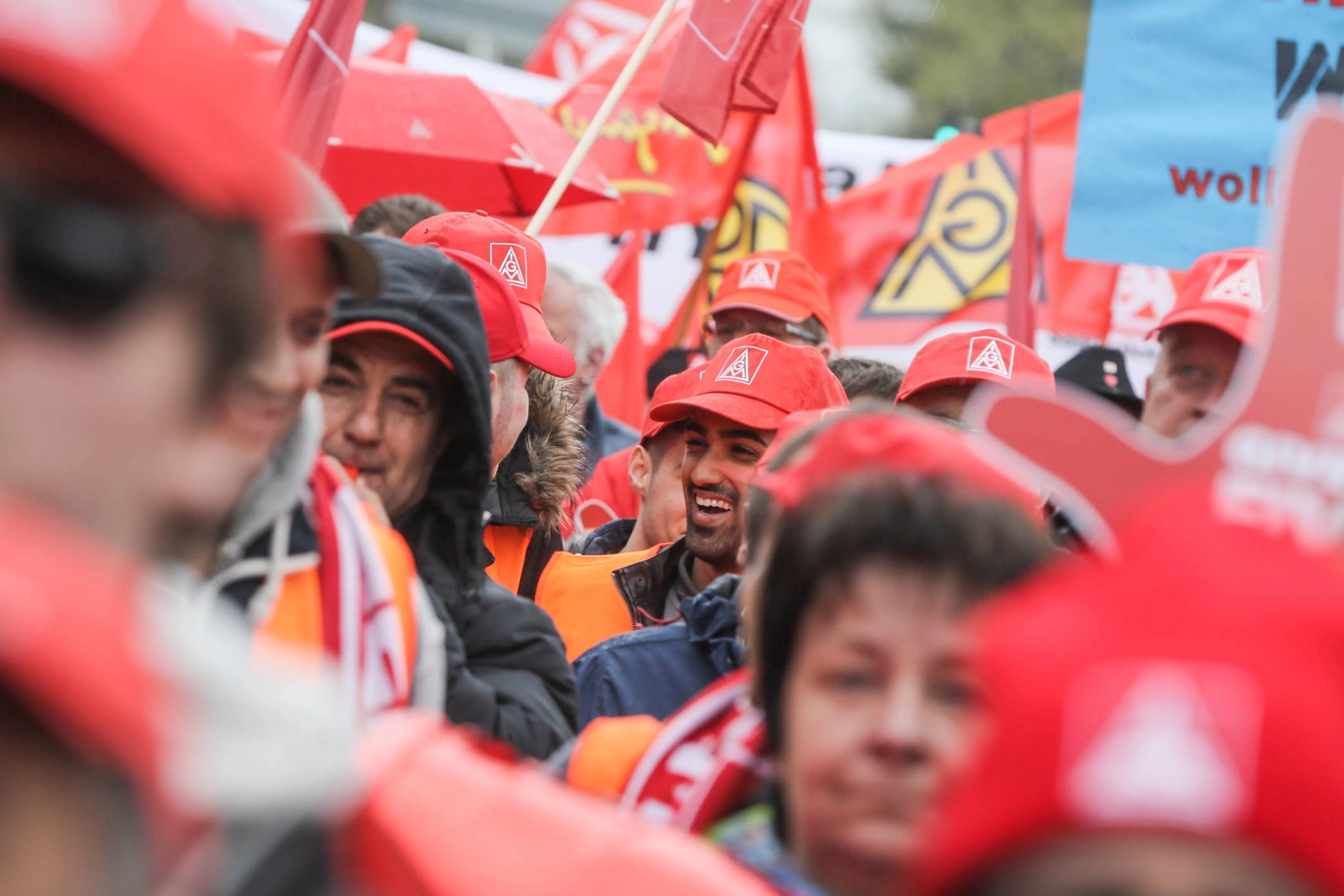
Ein lachender Mann mit IG Metall-Kappe in einer Menschenmenge.
IG Metall App
News straight to your smartphone

News on current topics, guides, pay scale tables, and more—download the IG Metall app for Android or iOS!

Guide

New on igmetall.de

Subscribe to the newsletter