Automatic translation
This article has been translated automatically using computer technology. While we strive for accuracy, some wording or details may differ from those in the original article.
This translation was not manually reviewed. For important facts, quotations or legally sensitive information, please consult the German original. Individual selections, images, embedded media or technical terms may have been translated differently or incompletely.

Statutory Health Insurance Plans Healthcare Reform: IG Metall Fights for the Insured

Unfair funding, risky measures: The planned healthcare reform would place an excessive burden on those with public health insurance. Nothing has been decided yet, and there is still a chance for improvements. That is why IG Metall is organizing a protest.

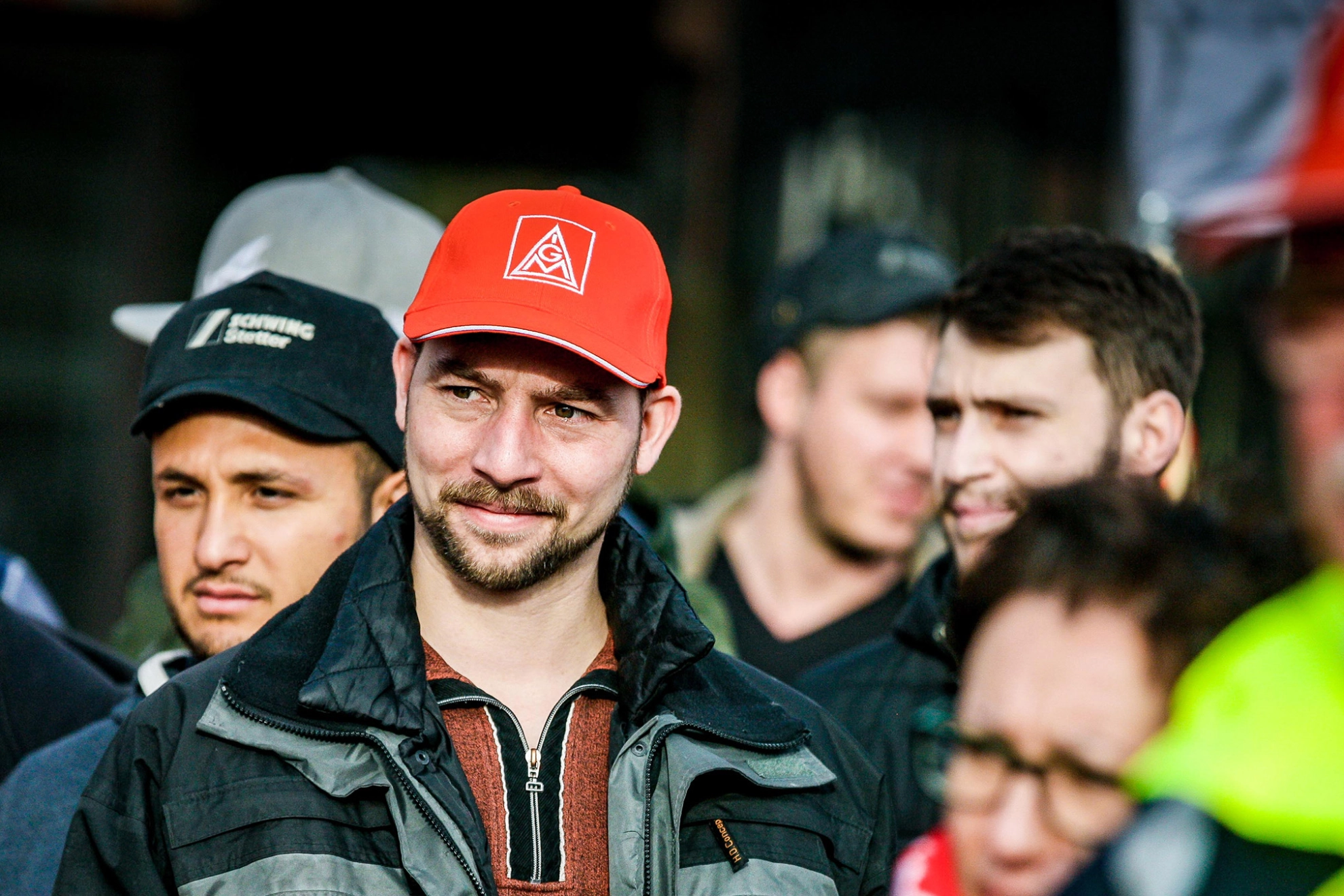
Ein junger Mann mit IG Metall-Kappe steht in eine Gruppe Menschen und lächelt.

13 May 2026 13 May 2026


Will it really happen? Will the federal government push through its plans for health care reform? Despite widespread criticism from unions and social welfare organizations?

Here’s the current situation: The Federal Cabinet has approved thedraft billfor the reform of statutory health insurance (GKV). Next, the bill must pass the Bundestag. So everything is still up in the air. There’s still room for improvements to the bill.

IG Metall is using this window of opportunity to apply pressure—on behalf of those with statutory health insurance, on behalf of the millions of workers who pay their health insurance premiums every month and expect good health care in return.


Why is IG Metall criticizing the reform plans?

No one denies that our healthcare system needs reform. However, the focus should be on the two largest cost drivers: spending on prescription drugs and hospital treatments (more informationhere).

Yet in many respects, the federal government’s plans are heading in a different direction.

“The entire package suffers from a glaring imbalance at the expense of the insured,” says IG Metall’s Social Affairs Director Hans-Jürgen Urban. For despite the positive decision to refrain from cutting sick pay, the following still holds true: “Higher copayments, partial sick leave, and restrictions on free co-insurance—driven purely by cost considerations—place an undue burden on insured individuals and are unacceptable.”

How can we make Germany more equitable?

IG Metall Talk “Because You Matter”

Everything is getting more expensive, whether at the supermarket checkout or at the gas pump. At the same time, attacks on the welfare state are mounting. We asked: What worries you, and what gives you hope?

More

Partial sick leave , in particular, is dangerous from the perspective of workers.

In the future, employees will be expected to discuss with their doctor and employer whether they can perform part of their work duties despite being ill. Despite health limitations, they could come under pressure to resume work—at least partially—with the risk of prolonging their illness and infecting coworkers.

Furthermore, it is hard to imagine that doctors will be able to assess to what percentage someone is still capable of working in their respective job.

Another particularly critical issue is the reassessment of subsidies to statutory health insurance funds. While the federal government intends to cover a larger portion of healthcare costs for basic income recipients in the future, it states that the funding gap of approximately twelve billion euros will not be closed until 2051. At the same time, the federal subsidy is set to be reduced by two billion euros annually through 2030.

The bottom line is that health insurance funds will end up in the red as a result—even though the reform’s stated goal was actually to stabilize the finances of the statutory health insurance system.

For IG Metall Executive Board member Urban, this amounts to “budget consolidation at the expense of the insured” and places an additional burden on premium payers.


What is IG Metall doing for the insured?

IG Metall aims to secure improvements to the draft bill. This can only be achieved through political channels.

Campaigns are now underway nationwide: The approximately 150 IG Metall offices are putting pressure on local members of the Bundestag—they are being urged to advocate for workers’ interests in parliament. Signatures are being collected at workplaces. The local press is being informed.

The goal: changes to the draft bill.


What kind of reform is fair—and what do people want?

To make the healthcare system sustainable for the future, genuine structural reforms are needed.

IG Metall demands:

  • Full coverage of healthcare costs for basic income recipients by the federal government.
  • More integrated care centers close to where people live to reduce hospital costs.
  • Digitization of administrative processes in hospitals and doctors’ offices.

The cornerstone of a fair healthcare reform would be the introduction of a universal health insurance system.

This means putting an end to a two-tier healthcare system that treats those with public and private insurance unequally—and instead creating a healthcare system into which everyone contributes.

The vast majority of people in Germany support this idea of solidarity. Nearly 80 percent are in favor of a universal health insurance system, as shown by a recent survey by the German Trade Union Federation (DGB). Even a majority of privately insured individuals support the system change.

Creating a more equitable healthcare system—that is the challenge facing policymakers. They still have the chance to meet this challenge.
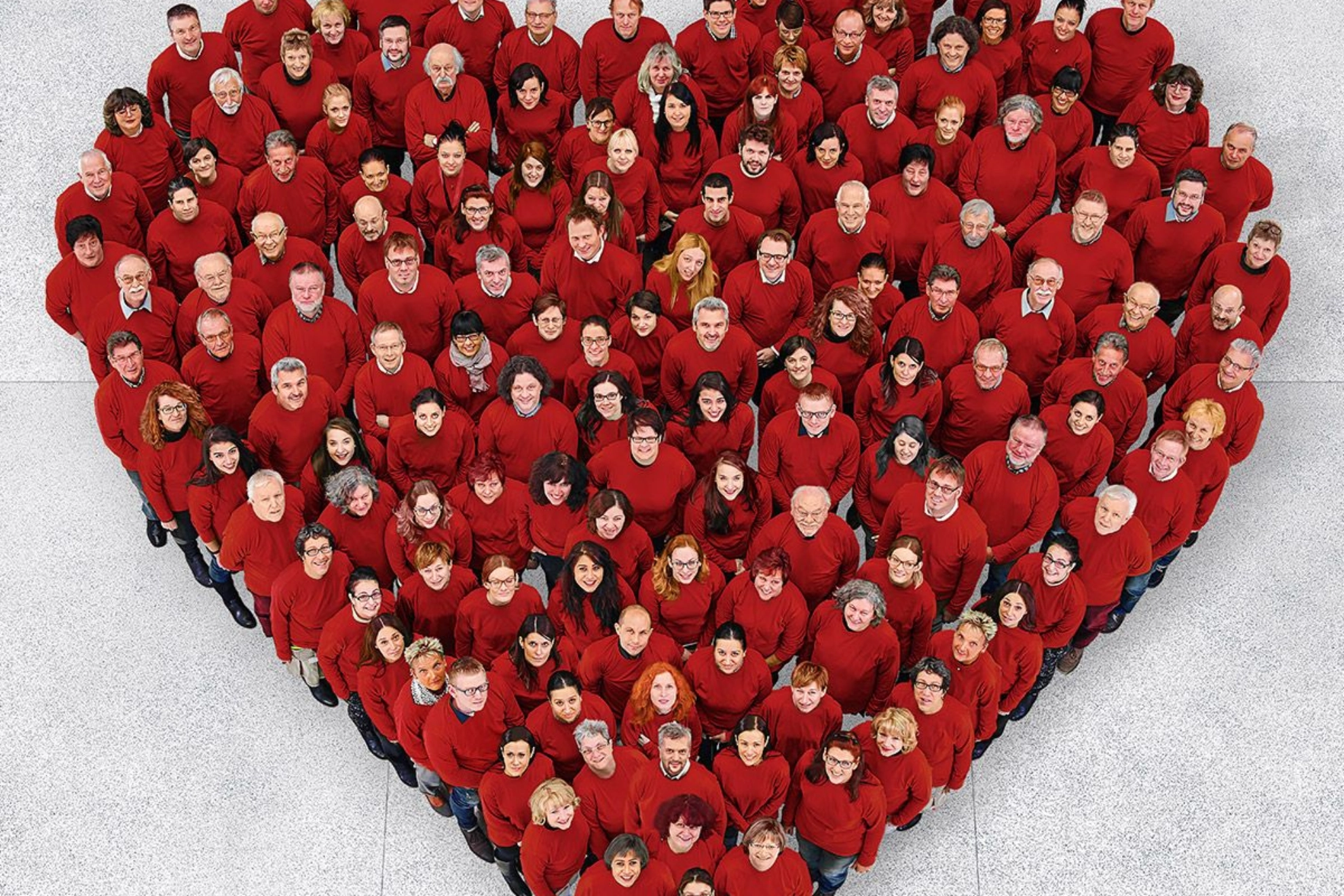
Beschäftigte stehen zu einem großen Herz zusammen
Become a member
Become part of a strong community

From legal protection in labor and social law matters to fair wages and salaries—we take personal and reliable care of our members.

New on igmetall.de
Aktionstag bei Mercedes Benz, Daimler, in Sindelfingen gegen die Angriffe auf Beschäftigten in der Automobilindustrie.
Resistance to Attempts at Drastic Cuts Auto industry workers issue a warning
Sie wollen doch nur dein Bestes
Redistribution Making Germany more equitable: We need this tax reform now
Der Streik bei Kelvion in Nobitz-Wilchwitz begann am 4. August 2026. Die Geschäftsleitung will nach Sarstedt/Niedersachsen verlagern - obwohl die Produktion in Wilchwitz profitabel und bis ins nächste Jahr ausgelastet ist.
"It’s worth fighting for!" Kelvion workers strike for a social collective bargaining agreement
Ruhrpott Rebellion am 07.07.2026
Welfare State September 26: Nationwide Day of Action for Social Policy
Beschäftigter arbeitet an einem Getriebe in einer Fabrik
Working Hours Why working longer doesn’t help—and actually does more harm than good
Ein männlicher Land- & Baumaschinenmechatroniker prüft einen Traktor mit einem Tablet
2026 Collective Bargaining Agreement for the Metalworking and Agricultural Engineering Sectors Greater Flexibility in the Metalworking and Agricultural Engineering Sectors in Lower Saxony and Bremen
Elektronikerin prüft die Spannung an einem Schaltschrank.
2026 Collective Bargaining Round for the Electrical Trades Wage Increase in the Electrical Trades in Berlin-Brandenburg
Benjamin Heine ist Mitarbeiter der BMA in Braunschweig
2026 Collective Bargaining Round for Metal Fabrication and Precision Engineering Higher Wages in the Metal Fabrication and Precision Engineering Sectors in Southwest Germany
Metall-Arbeiter beim Schleifen
2026 Collective Bargaining Round for the Metalworking Trade Employees in the Berlin-Brandenburg metalworking sector will receive higher pay
Beschäftigte von Thyssenkrupp demonstrieren in Essen am 23. Mai 2024 gegen das Vorgehen der Geschäftsführung beim geplanten Teilverkauf des Unternehmens.
Defend the welfare state All dates for nationwide actions against cuts to social services
IGM Aktion VW Wolfsburg
On September 21, things will get loud Nationwide Day of Action: Auto Industry Workers Fight Back Against Mass Layoffs
Auszubildender in einer Schreinerei
Apprenticeship Wages Questions and Answers About Apprenticeship Wages

Subscribe to the newsletter