Now it’s getting serious: The healthcare reform has been approved. The Bundestag and Bundesrat have approved the controversial austerity package for statutory health insurance. As a result, numerous changes will become reality in the coming years—and millions of people with statutory health insurance can expect additional financial burdens.
The federal government justifies the reform by citing the strained finances of health insurance funds. Critics, however, accuse it of making insured individuals pay for problems that arose elsewhere.
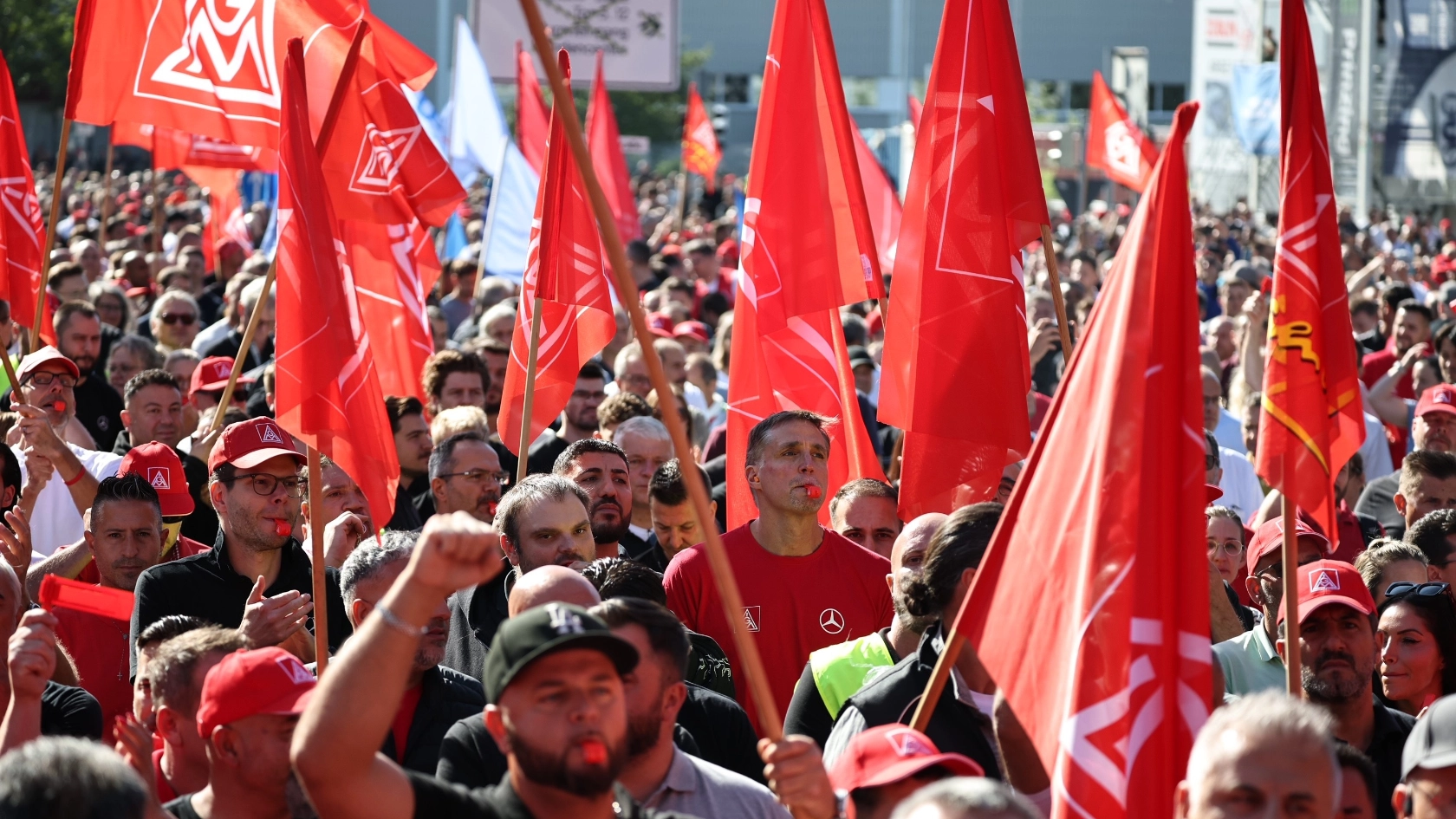
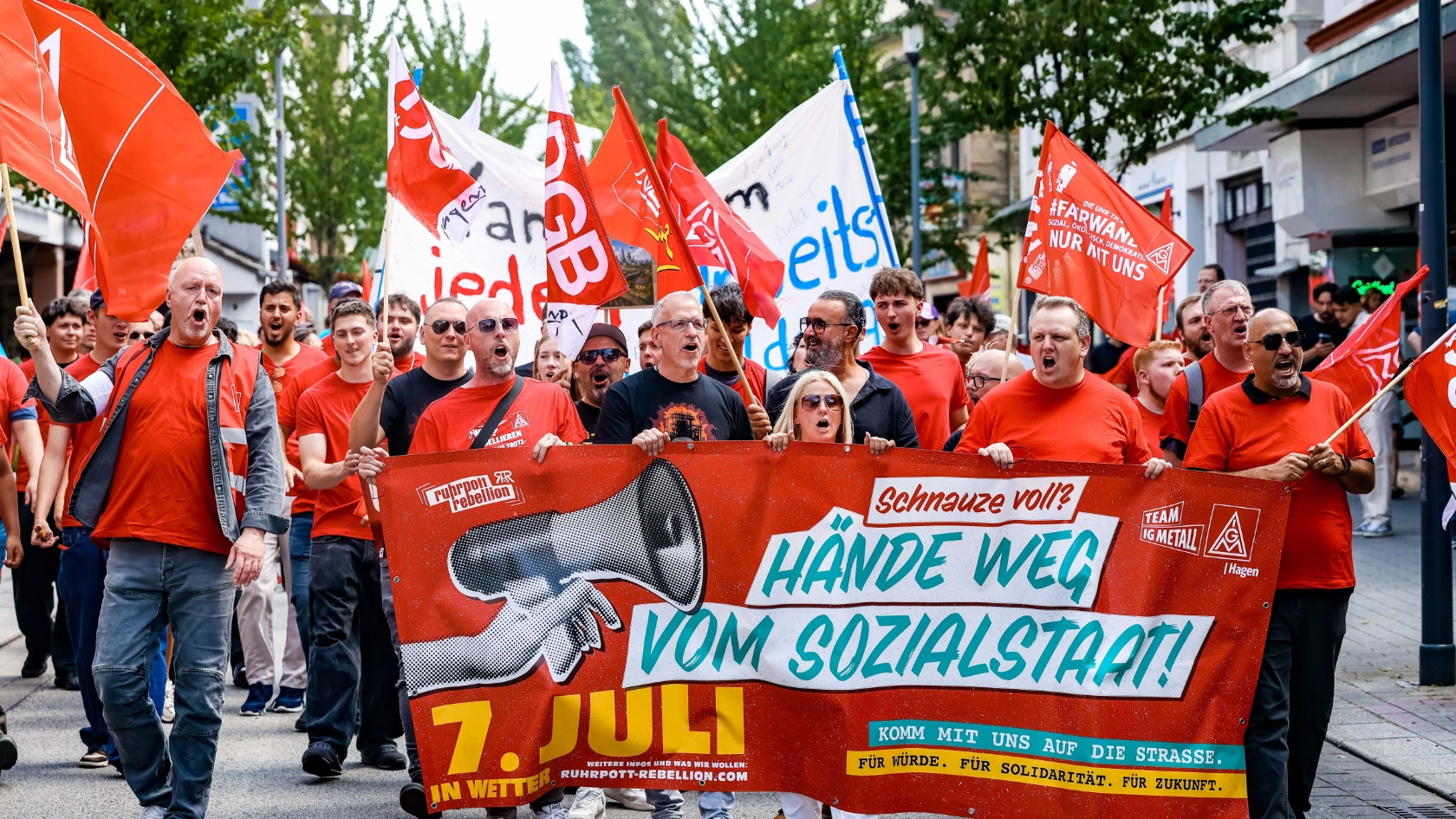
IG Metall criticizes higher copayments—for example, for medications and hospital stays—as well as the cut in the federal subsidy for statutory health insurance.
In particular, the planned option for partial sick leave is meeting with opposition because it increases the pressure on employees to continue working despite illness. According to IG Metall, restrictions on contribution-free family coverage will exacerbate social inequalities.
The requirement to provide a doctor’s note starting on the first day of illness is also misguided. “This places millions of workers under general suspicion,” says Ralf Reinstädtler, IG Metall’s Social Affairs Director. “This will neither make people healthier nor reduce sick leave. What matters are good working conditions, effective health protection, and a corporate culture that reduces stress rather than increasing it. Anyone who ignores these key factors is missing the root causes of the problem.”
Strained Finances
The financial pressure on the statutory health insurance system (GKV) is undoubtedly high. Healthcare spending is rising steadily. Health insurance premiums are at record levels. The health insurers’ reserves are shrinking. Experts predict a deficit of 15 billion euros by 2027.
The question is: How fair is the healthcare reform?
“The reform does not solve the structural problems of the statutory health insurance system. Instead of consistently addressing the actual cost drivers, the insured are once again being asked to foot the bill. That is neither sustainable nor fair,” criticizes Ralf Reinstädtler, Social Affairs Director at IG Metall.
Reasons for the strained financial situation:
Anyone who wants to know where a fair healthcare reform should begin must look at the reasons for the health insurance funds’ poor financial situation.
The twolargest cost categoriesin statutory health insurance spending areprescription drugsandhospital treatments (hospital care accounts for about 33 percent, prescription drugs for about 18 percent).
It is in these two areas that costs have risen the most in recent years—and not, as is often claimed, in the number of doctor visits by insured individuals.
One reason hospital treatments are becoming increasingly expensive is that more and more hospitals are operated by private hospital groups. These groups expecthigh returns on investment. As a result, a portion of health insurance premiums does not go toward patient care but instead flows out of the healthcare system, for example,in the form of dividends.
Private hospital groups also have an incentive to perform as many lucrative surgeries as possible. This can lead to an increase in unnecessary procedures. Nowhere else in Europe are as many knee surgeries performed as in Germany.
It would therefore make sense to curb the profit-driven approach and privatization in the healthcare system and avoid duplicate tests. One solution could be integrated care centers located close to where people live, where primary care physicians and specialists work under one roof.
The reason spending on medications is so high is due tohigh prices. Germany has the second-highest prices for prescription drugs in the world, after the U.S. The rise in costs is significantly above the general inflation rate.
The goal must therefore be to sustainably lower drug prices for the benefit of insured individuals.
IG Metall’s Proposals
In addition to the two major issues of medications and hospitals, IG Metall has many other reform proposals. They all have one thing in common: better healthcare without placing a disproportionate burden on insured individuals.
IG Metall is calling for the following, for example:
- Full coverage of healthcare costs for basic income recipients by the federal government: This would save around 10 to 12 billion euros per year. Currently, those with statutory health insurance bear these costs.
- More prevention and early detection of diseases: This would save around two to four billion euros per year.
- Digitization of administrative processes in hospitals and doctors’ offices: This would save up to 13 billion euros per year.
The Big Move: Universal Health Insurance
For IG Metall, the reform that has now been adopted demonstrates one thing above all: Short-term cost-cutting measures cannot replace sustainable structural reform. The real challenges—high drug prices, economic interests in the hospital sector, and an inadequate funding base—remain.
“Anyone who wants to stabilize the statutory health insurance system in the long term must make the financing fairer and reduce costs where they actually arise. The bill must not keep landing on the shoulders of the insured,” says Ralf Reinstädtler.
Central to this is auniversal health insurance system into which everyone contributes. The vote by IG Metall members is clear: alarge majorityof them voted in a survey in favor of introducing a universal health insurance system.
A universal health insurance system would mean theend of a two-tier healthcare system. It would bring greater fairness and create a financial buffer to ensure high-quality care.
Anyone who is truly serious about a robust and equitable healthcare system cannot ignore universal health insurance.