Automatic translation
This article has been translated automatically using computer technology. While we strive for accuracy, some wording or details may differ from those in the original article.
This translation was not manually reviewed. For important facts, quotations or legally sensitive information, please consult the German original. Individual selections, images, embedded media or technical terms may have been translated differently or incompletely.

IG Metall Recognized as an Organization for People with Disabilities “Appreciation and a commitment at the same time”

IG Metall has been recognized by the Federal Ministry of Labor as an organization for people with disabilities. In this interview, Hans-Jürgen Urban, a member of IG Metall’s Executive Board, explains how we, as a union, fulfill this role.

Tastatur mit Blindenschrifterweiterung


IG Metall has been officially recognized by the Federal Ministry of Labor as an organization representing the interests of people with disabilities.

Hans-Jürgen Urban: This recognition is a major success for IG Metall’s disability policy advocates, and I am very pleased about it. We have achieved a long-standing milestone in our disability policy efforts.


What does this mean for us?

It means that the joint work we’ve done in the past on behalf of our colleagues with disabilities in the workplace is being given special recognition. At the same time, however, this recognition as a disability advocacy organization also comes with a responsibility for the future. We must now stay on the ball and make inclusion policies a priority in the workplace.


How should we envision this?

Official recognition provides a boost for our works councils and representatives for employees with severe disabilities in the workplaces. They can now go about their work knowing that they have a union behind them that has been given additional legal tools to address the issues of equality and inclusion for people with disabilities. I am firmly convinced that works councils and representatives for employees with severe disabilities will make the most of this momentum!


What issues should we tackle?

Together with those directly affected and representatives for people with severe disabilities, we should take the initiative and focus our disability policy activities on the issue of “accessibility.” I propose the following motto: “Making good work accessible.”


What are the arguments in favor of this approach?

Accessibility is the key issue for the potential employment of people with severe disabilities. If major renovations or adjustments to the workplace or work environment often have to be initiated before a person with a disability can be hired, this can become an insurmountable barrier to employment.


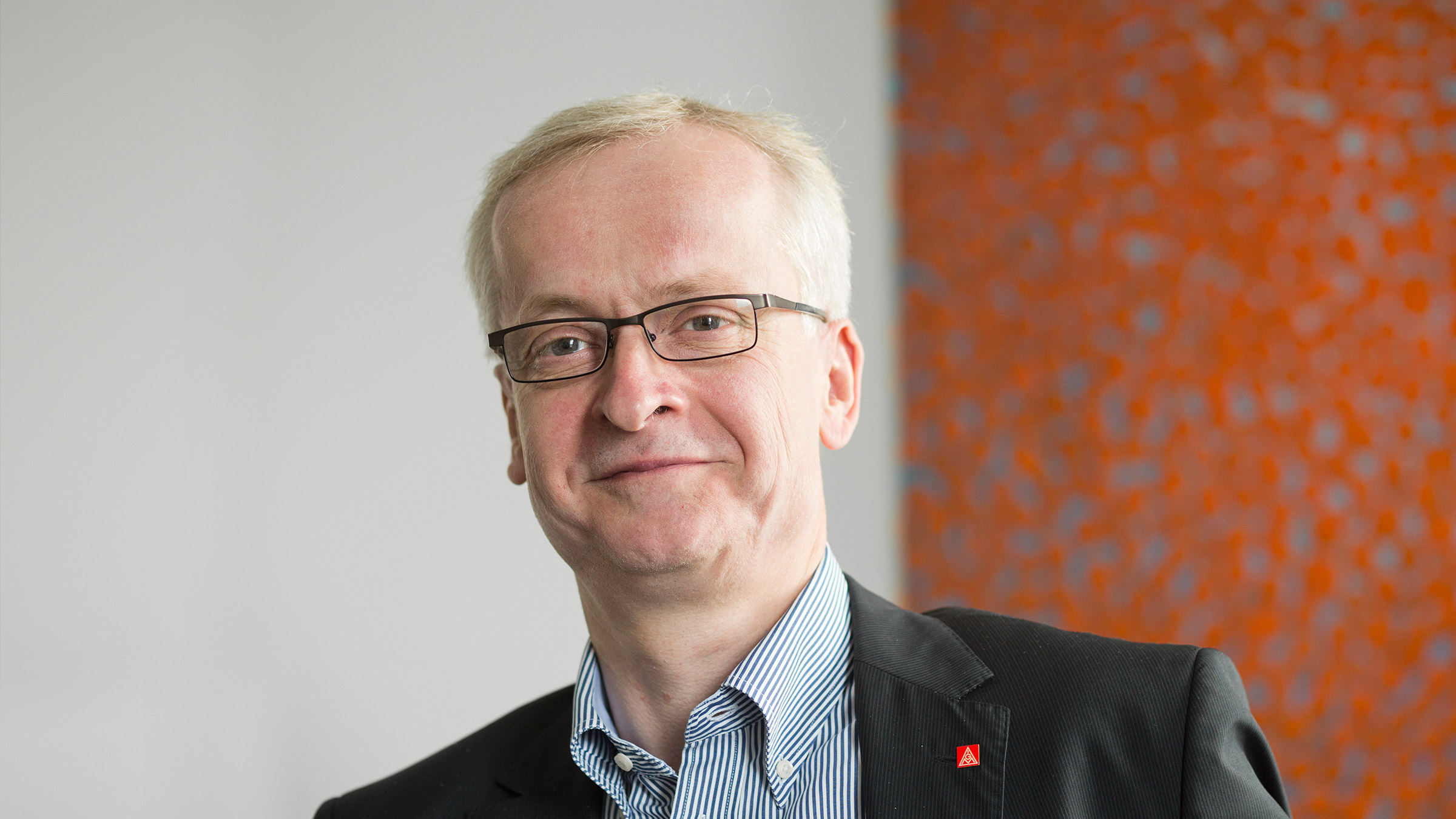
Dr. Hans-Jürgen Urban

Hans-Jürgen Urban, Executive Board Member of IG Metall


How should the initiative be implemented in practice?

I propose that we start with selected pilot companies, with the participation of the representatives for people with severe disabilities (SBV). The focus here will be on making barrier-free access to the workplace a central part of the SBV’s work and demonstrating that workplace solutions are feasible and do not necessarily entail high costs. In addition, this will allow us to demonstrate that the representatives for people with severe disabilities and IG Metall are successfully advocating for members’ interests in the field of disability and inclusion policy. This enhances the standing of the officials and IG Metall and can also be used for membership recruitment.


With recognition as a representative body for people with disabilities, IG Metall gains the ability to file class-action lawsuits. How aggressively do you intend to use this tool?

It’s true that class-action lawsuits are now possible. But a lawsuit can only be a last resort. All other options must be exhausted first. And there are many other things that can be done to achieve an accessible workplace and effective workplace solutions.


And what about employers?

If employers are just as serious as we are about employing people with severe disabilities, then we offer to enter into collective target agreements with them on this issue. In such target agreements, we can establish binding minimum standards and agree on concrete steps toward creating an inclusive work environment.


And what needs to happen in public spaces?

The first thing that comes to mind is vocational schools. They must be designed to be physically accessible across the board. It must be a given that apprentices with disabilities can attend the same vocational school alongside their peers. That is not the case today. Often, apprentices with disabilities are taught off-site at schools that are completely different from those attended by their non-disabled peers—in some cases, even at different times. This is absurd and disrupts the training process. Inclusion certainly looks different than this!


IG Metall Recognized as a Disability Organization – Interview with Hans-Jürgen Urban in Easy-to-Read Language (PDF)

Equality and Integration - Inclusion
New on igmetall.de

Subscribe to the newsletter