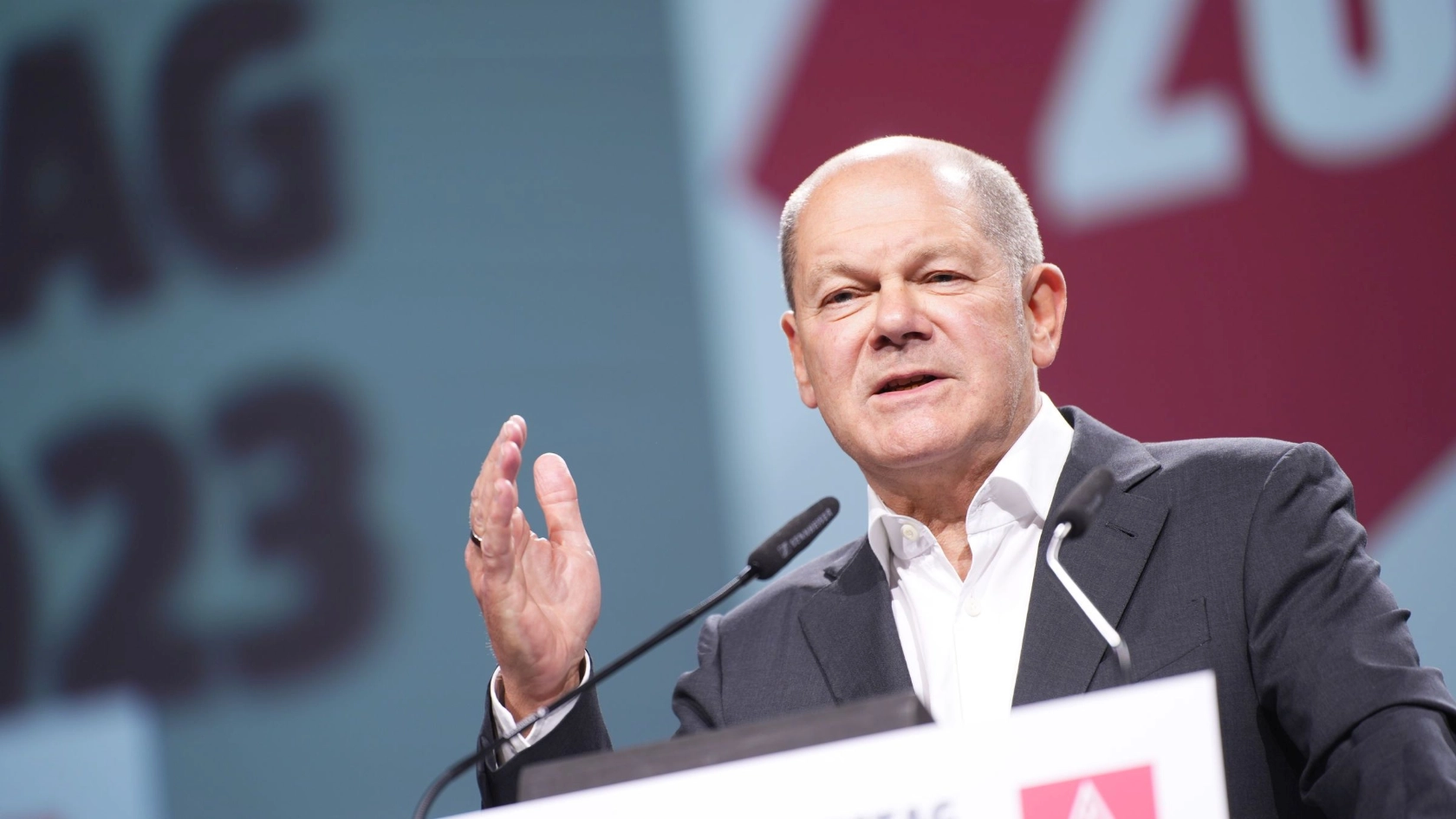
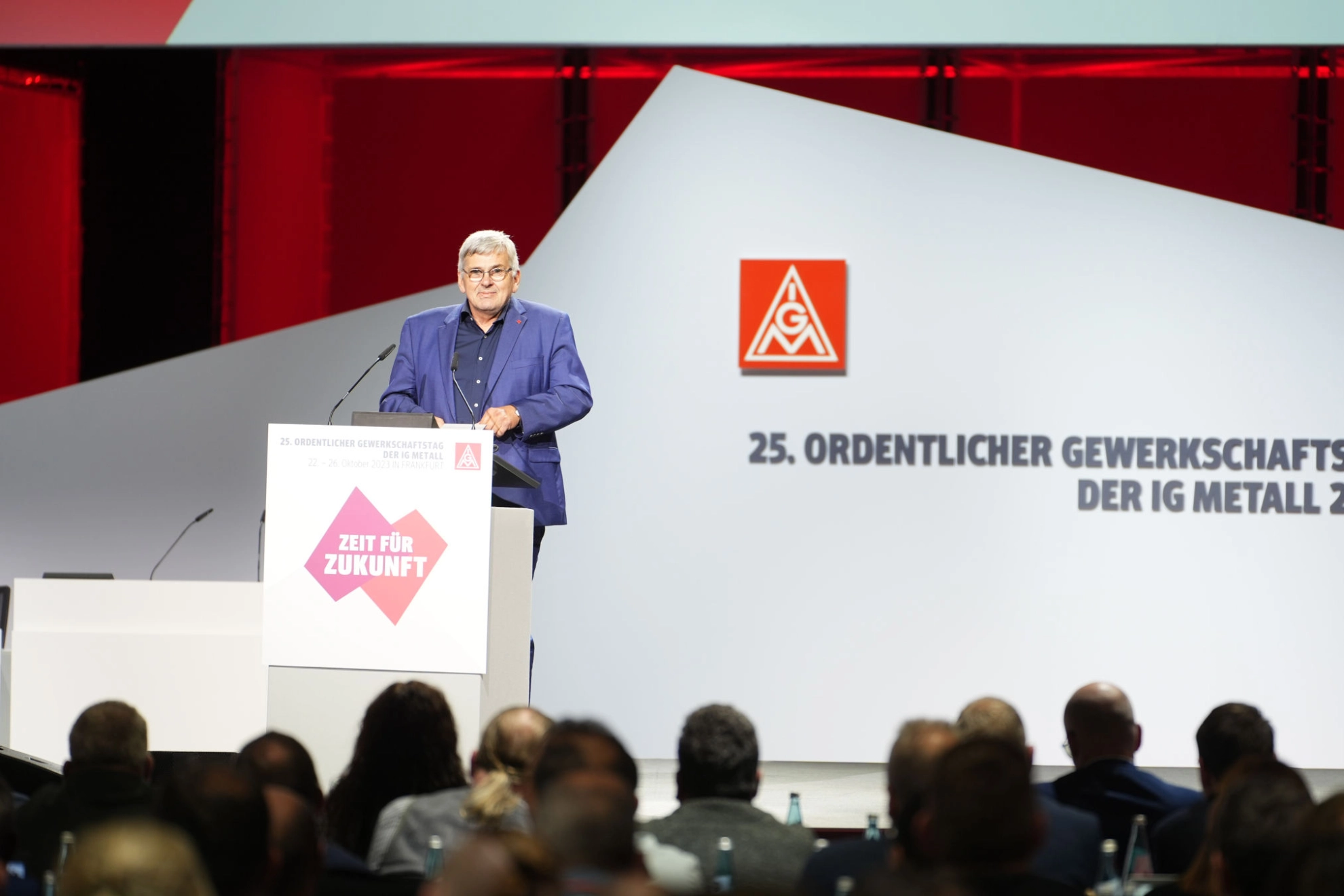
If you want to understand what makes Jörg Hofmann tick, you can’t get around the word “Excel.” Late into the night—and often on weekends—the economics graduate used it to create detailed calculations. For example, during train rides to one of his countless appointments.
He would then send the columns of numbers to his team. These might concern the details of a collective bargaining agreement or the impact of the relief packages the federal government put together during the 2022 energy crisis. Whatever it was, the “boss” was always on top of things.
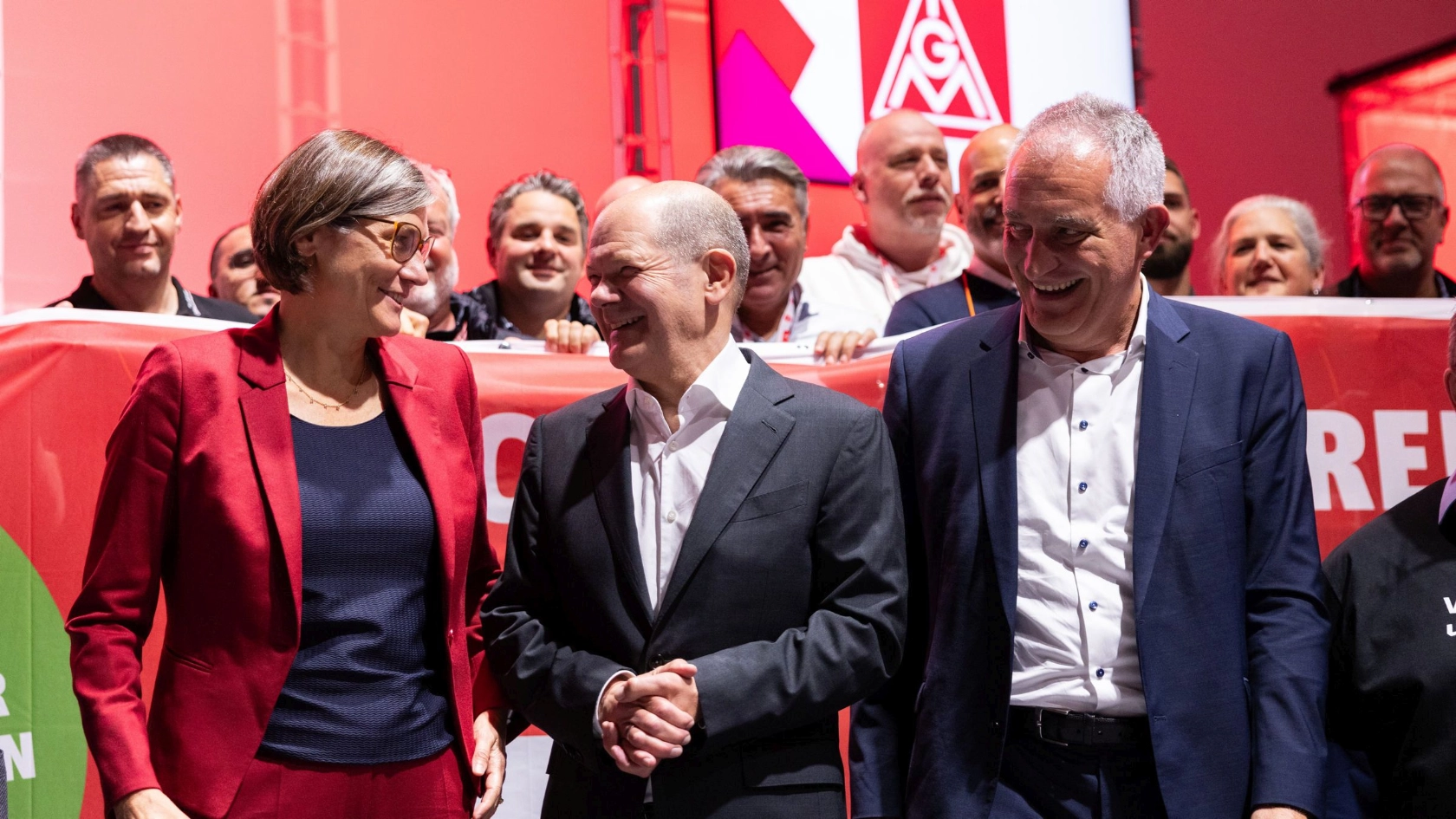
Now Hofmann has stepped down from his post as First Chairman of IG Metall. No one will forget him anytime soon. After all, he leaves behind a whole series of important collective bargaining agreements—and policy initiatives that will continue to have an impact for a long time to come.
During his time as IG Metall regional director in Baden-Württemberg, for example, collective bargaining agreements were reached on partial retirement, working time accounts, the regulation of temporary agency work, and forward-looking skills development.
Hofmann also played a key role in shaping the much-cited “Pforzheim Agreement,” which helped secure jobs in economically struggling companies. With the“Framework Agreement on Compensation” (ERA), he launched an entirely new compensation system—one that was fairer and more transparent for all employees. The traditional—but long-outdated—distinction between “blue-collar workers” and “white-collar workers” was thus a thing of the past.
Strong Ties to Berlin
At the helm of IG Metall, Hofmann shifted his focus to federal policy issues. Essentially, he continued his collective bargaining strategy for overcoming crises and ensuring a successful transformation at a different level: He lobbied several federal governments to provide greater support for continuing education for the jobs of tomorrow—which they did through a series of laws.
He successfully advocated for the expansion of short-time work as a social crisis tool. And he repeatedly championed the future of industry and the associated jobs in Germany: for example, when he pushed for the rapid expansion of electric vehicle charging stations or, most recently, when he advocated for an industrial electricity rate.
But collective bargaining issues remained important at the Frankfurt headquarters as well. For example, the groundbreaking collective bargaining agreement of 2018 was reached during Hofmann’s tenure as president: Since then, employees in the metal and electrical industries have been able to choose between more pay and more time off.
Change Must Be Socially Just
Years ago, Hofmann coined the term “socio-ecological transformation.” What he meant by this was a fundamental transformation of the economy and industry, driven by the megatrends of digitalization and climate protection.
This transformation must be social, ecological, and democratic—Hofmann made that clear from the very beginning. This means that workers must have a say in the direction the journey takes. And they need security: in their income and in their jobs.
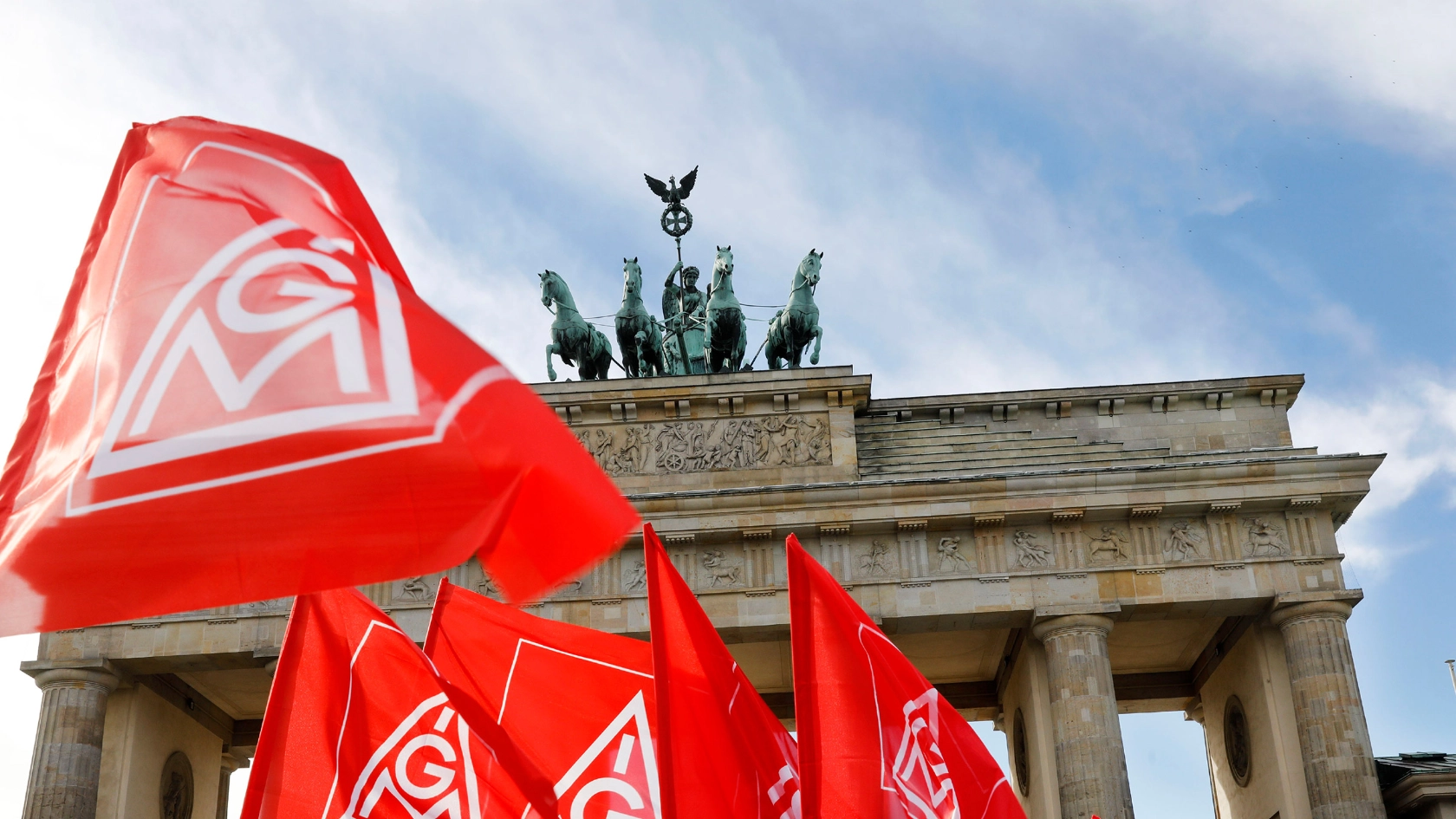
In the summer of 2019, IG Metall sent a strong message in support of these demands with a massive rally in front of the Brandenburg Gate in Berlin. That, too, was Jörg Hofmann’s idea. Since that action, at the very latest, “transformation” has been on the political agenda. The term has since entered common parlance.
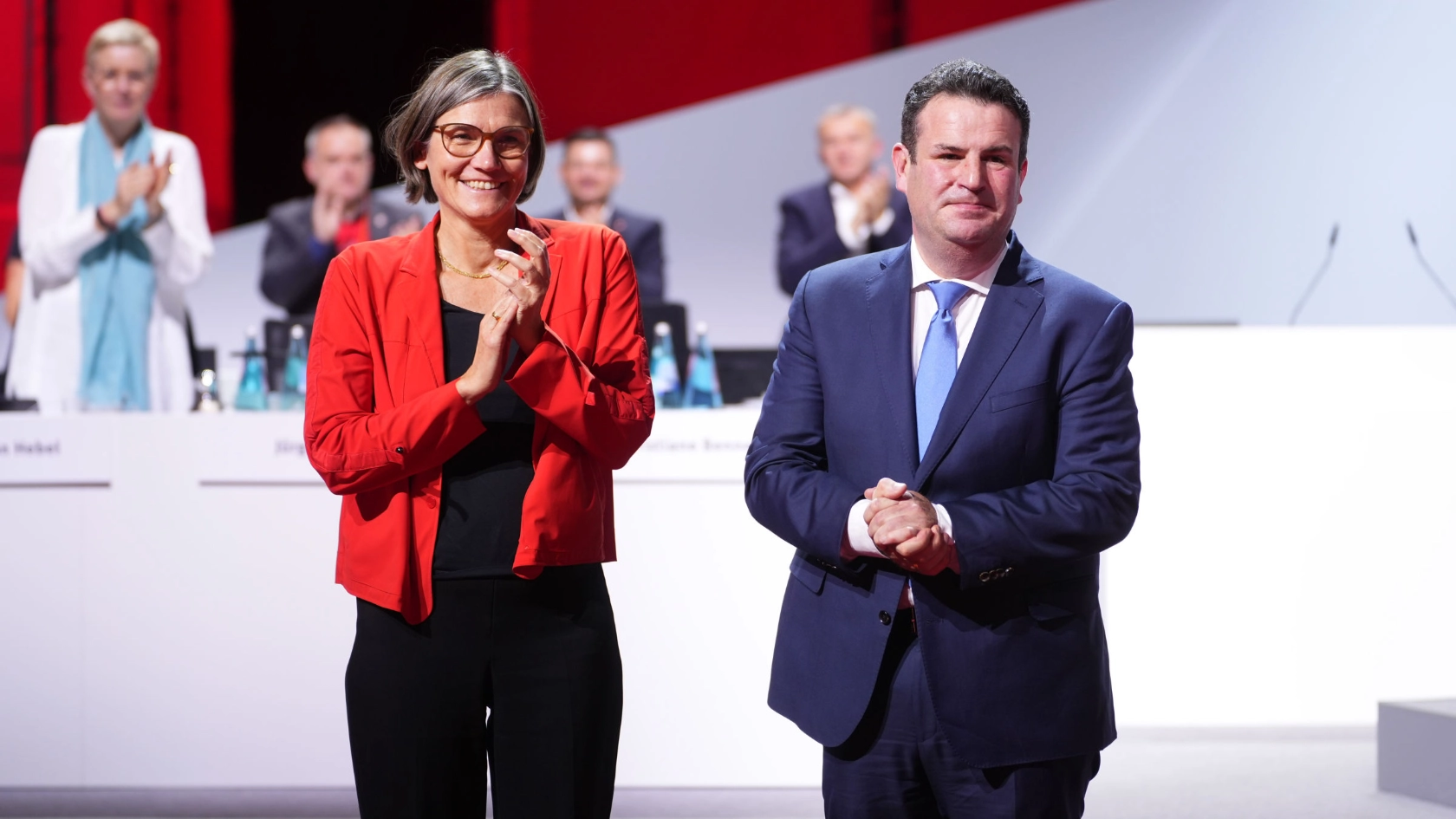
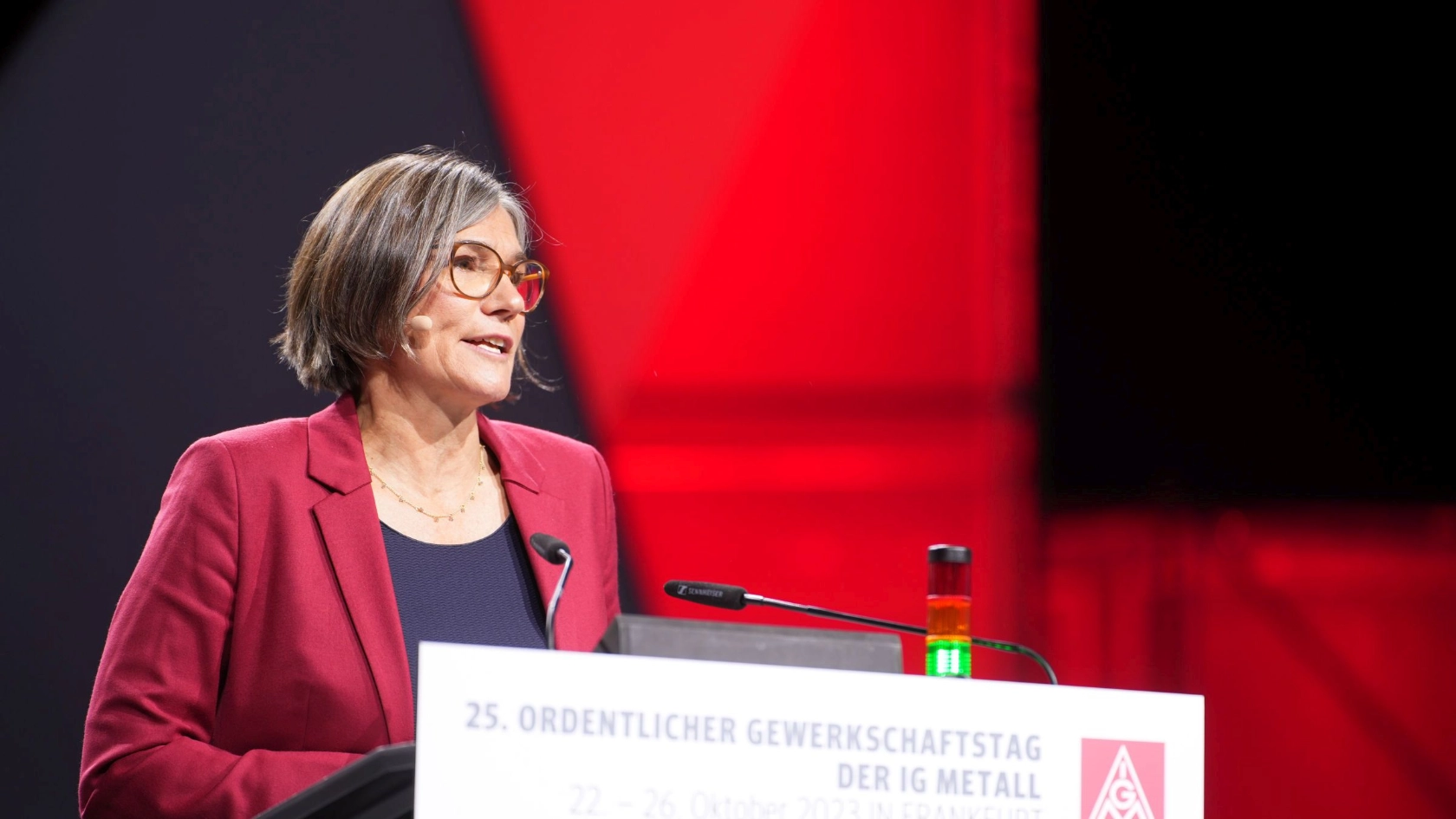
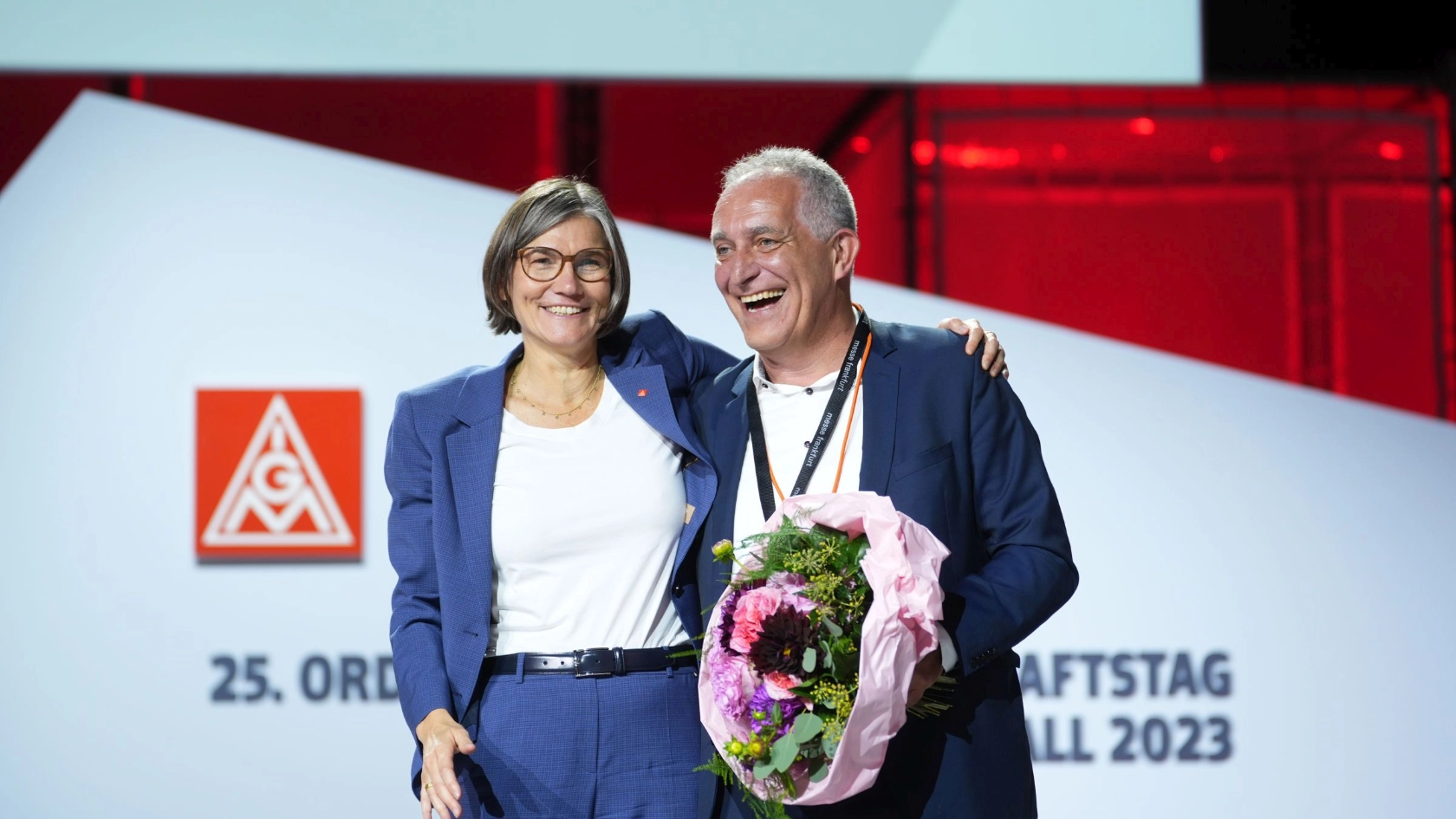
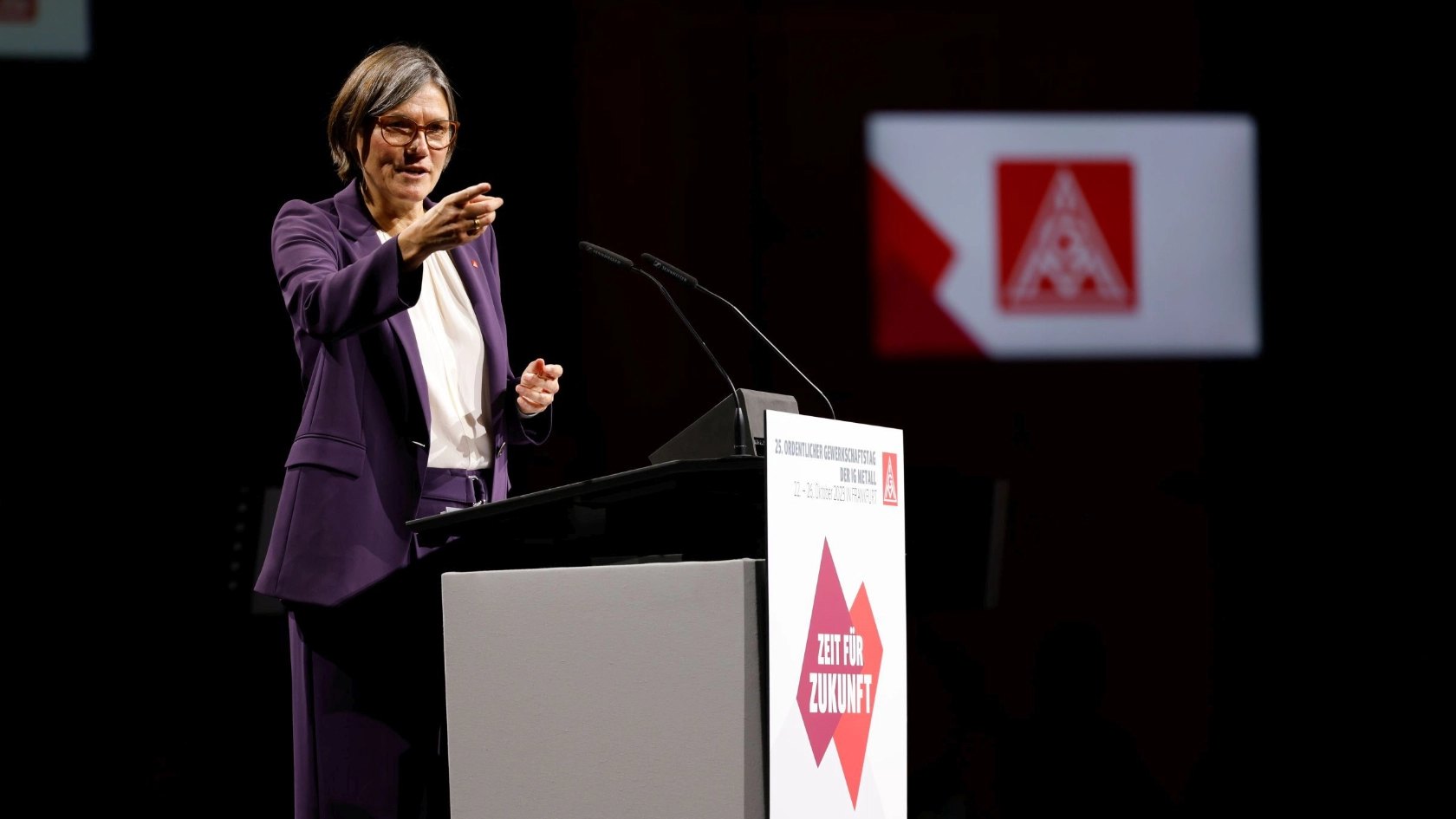
The battle over the social shaping of this transformation is far from over. It remains a key task for Hofmann’s successor, Christiane Benner.

 Everything about the