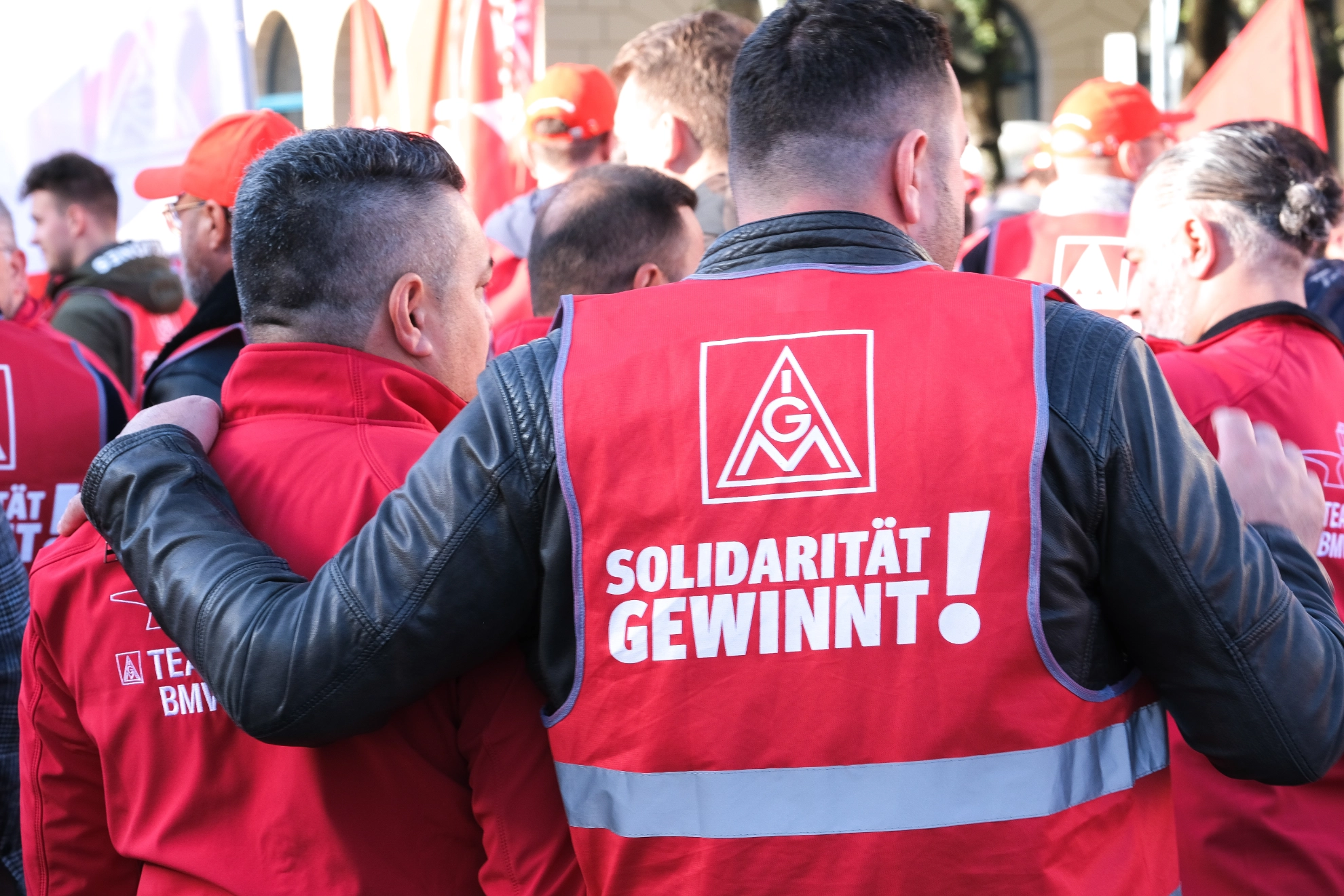
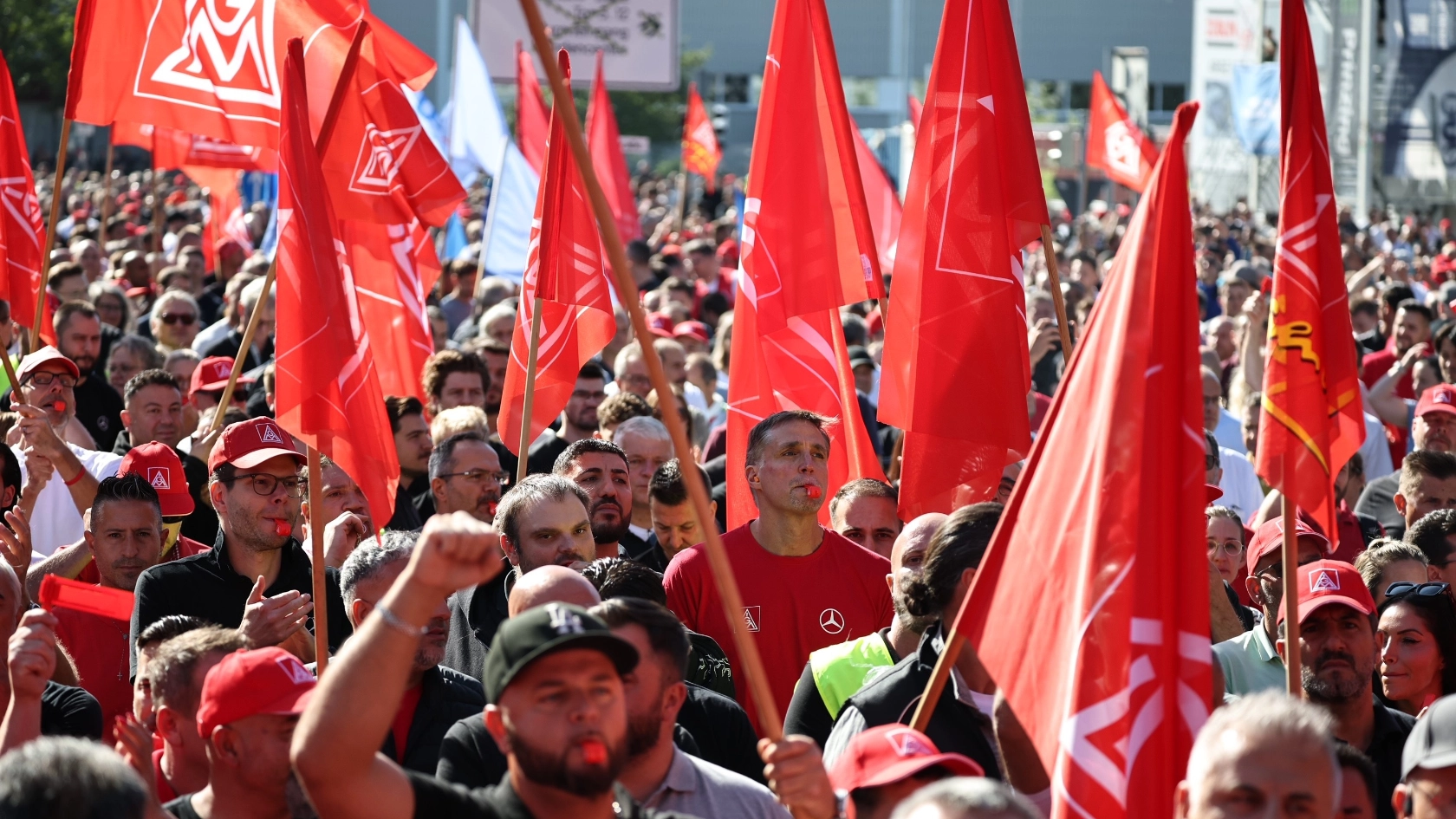
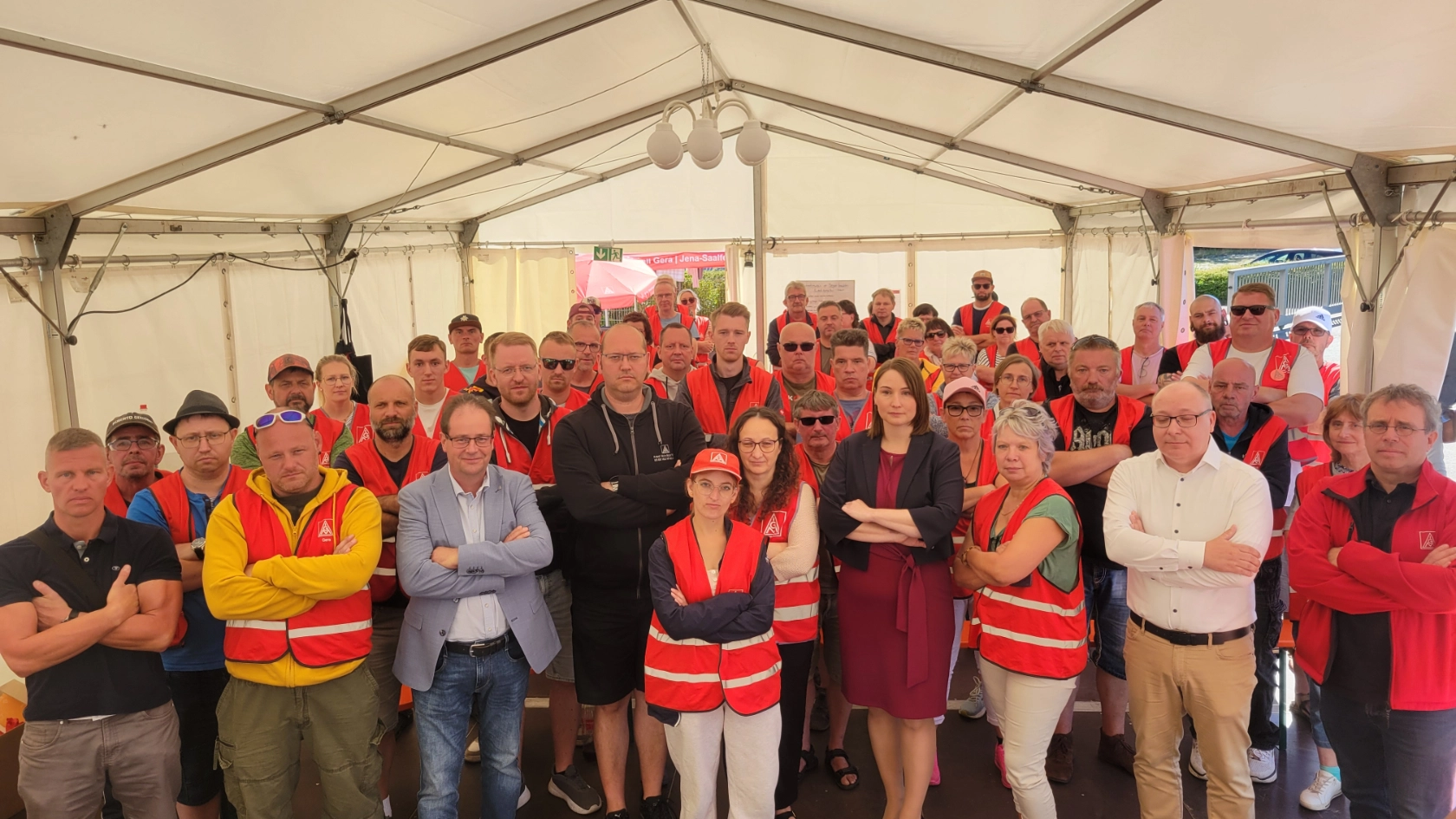
Every change begins with an idea. And hardly any other idea has changed the world of work as much as solidarity. But what exactly does solidarity mean? And why is it so important for unions?
Solidarity sums up in a single word what a union is all about: mutual support and collective action.
The key aspects of solidarity are:
- Sense of community: Solidarity often arises from a sense of belonging to a group or an organization.
- Help and support: Solidarity is demonstrated by helping others—whether through time, money, words, or deeds.
- Reciprocity: Solidarity isn’t a one-way street. Those who help today may need help themselves tomorrow.
- Moral stance: Solidarity is based on values such as justice, compassion, and responsibility.
What does solidarity mean in practice?
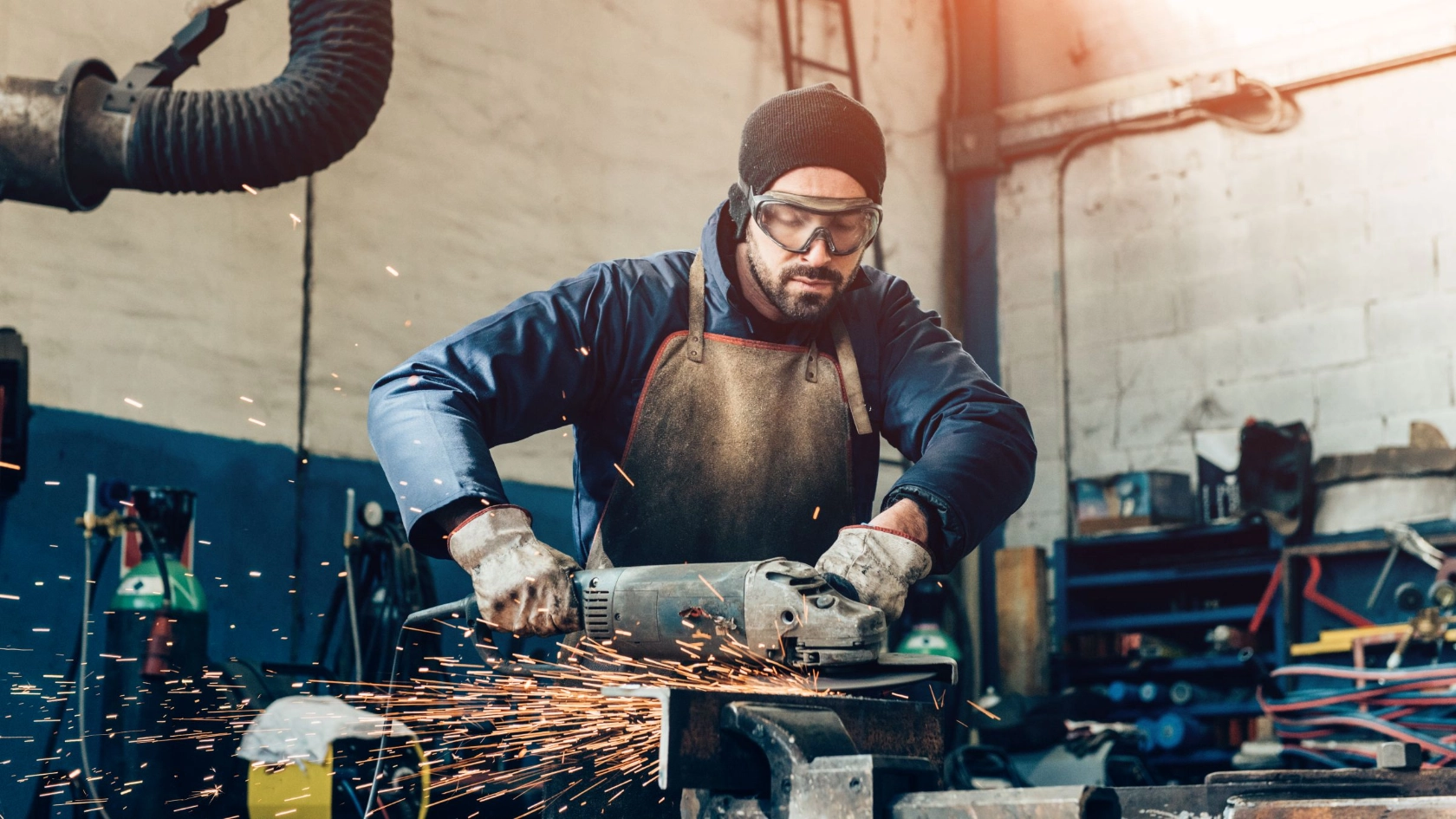
A classic example of solidarity is solidarity in the workplace. Coworkers band together and fight for fair wages or better working conditions—even if they themselves are not directly affected.
By joining forces and forming a union, workers increase their clout. A single worker can achieve little on their own. If push comes to shove, they can be replaced. An entire workforce cannot simply be replaced.
On the contrary: they can make demands. This is evident in every round of collective bargaining, where unions demand and secure higher wages or better working conditions.
How does solidarity work in society?
The solidarity of labor unions extends beyond individual companies. IG Metall, for example, represents entire industries: the metal industry, mechanical engineering, the automotive trade, the furniture industry, and many others.
Our goal: Working conditions should be comparable, guaranteed by a collective bargaining agreement that applies to an entire industry across an entire region. This ensures fair competition—and prevents unfair competition through wage dumping.
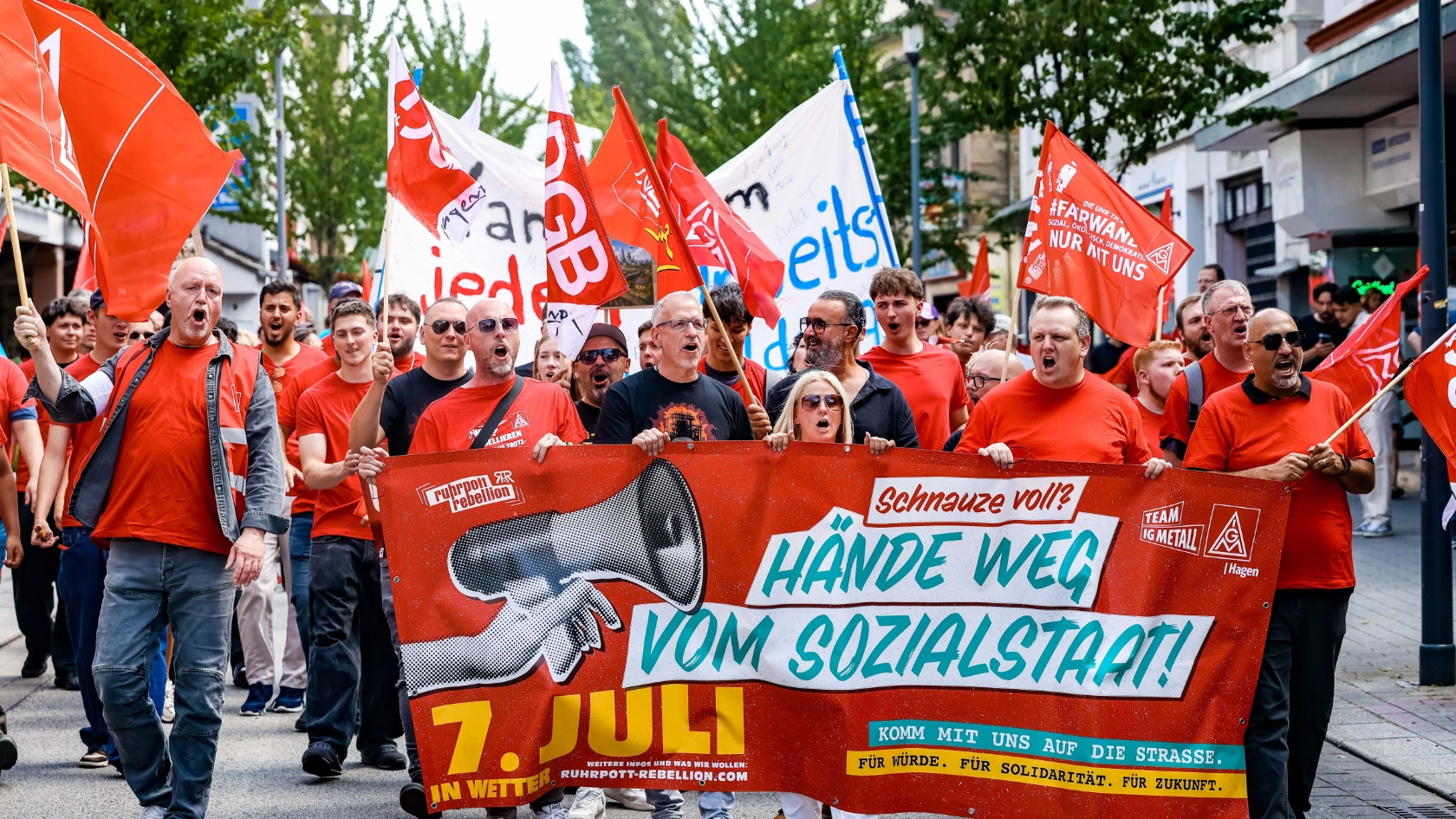
IG Metall also demands solidarity from those in power. For example, when it comes to preserving and expanding our welfare state: to ensure adequate pensions for all generations, good health care regardless of income, and support in the event of long-term care needs.
Social insurance is a key lever for social solidarity: the major risks of life—illness, unemployment, accidents—are thus covered by a large community.
Other IG Metall demands, such as protecting European industry from unfair competition or calling for good framework conditions for businesses, are ultimately also about solidarity: namely, fighting together for a better future. Or, to put it more concretely: for the preservation of jobs—even if you yourself may not be directly affected.
A Long History—A Bright Future?
Solidarity has its origins in the labor movement of the 19th century. Whether in textile factories, mines, or steel mills, workers were able to free themselves from the worst forms of exploitation only because they stood together: they formed unions. This enabled them to gain power and create a counterbalance to the wealthy.
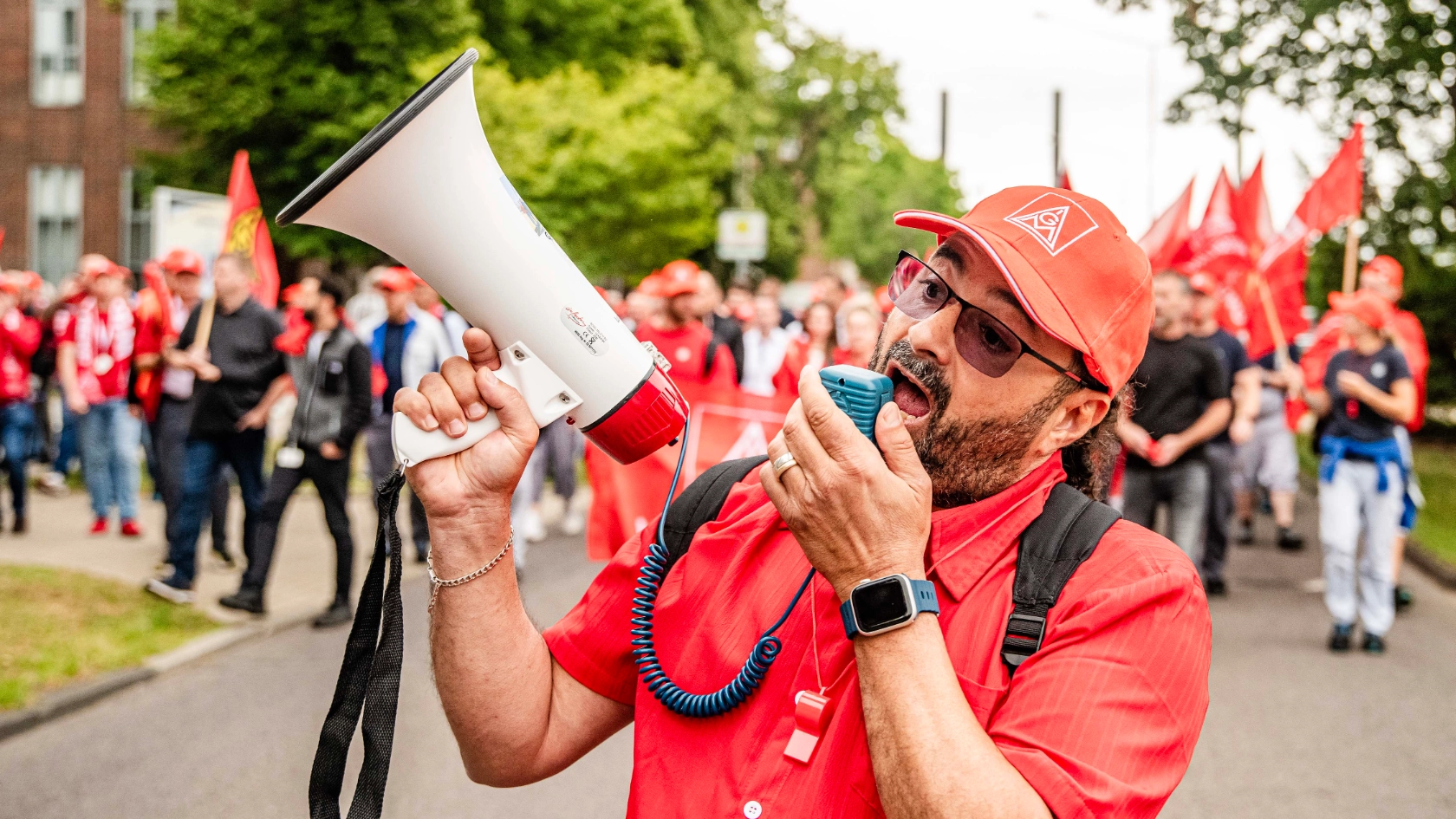
Throughout the history of IG Metall, there have been—and continue to be—numerous examples of practical solidarity. The struggle for the 35-hour workweek in 1984 is legendary. At that time, numerous strikes took place over the course of several weeks. Strike days turned into strike celebrations. Colleagues from other plants regularly provided support. Union members from all over Europe stood behind the metalworkers in their struggle. In the end, the 35-hour workweek became a reality.
Today, solidarity is once again in high demand: German industry has been cutting jobs for years and relocating production to low-cost locations. IG Metall is fighting back against this trend—and workers from across the country are rallying behind a common demand: investment in the future, jobs, and social security for all!
Solidarity: A Basic Human Need
Ultimately, the issue of solidarity also revolves around how we view ourselves and others. In other words: It comes down to what kind of view of humanity we hold. A positive one? Or a negative one? Do we see people as generous, helpful beings? Or as greedy and ruthless?
Social researcher Heinz Bude said the following in an interview with IG Metall: “Even if it sounds romantic: when in doubt, human beings are creatures of solidarity.” Anyone who believes they can manage everything on their own and don’t need anyone else is falling for a fairy tale.
Bude says: “There are constantly situations in life where you depend on others without them asking for anything in return. That is a fundamental human experience.”
The answer to this experience is: solidarity.