Employees in the metal and electrical industries will receive a net 500-euro COVID-19 bonus in June . Apprentices will receive a one-time payment of 300 euros. In February 2022, there will be a “transformation allowance” amounting to 18.4 percent of monthly pay. To safeguard jobs, companies facing crises may also convert the transformation allowance into time off.
The collective bargaining agreement runs through September 30, 2022. After that, IG Metall can negotiate pay increases again.
However, the transformation allowance (T-Geld, Trafobaustein) will remain permanently as a new annual special payment: 18.4 percent in February.
IG Metall reached this collective bargaining agreement in North Rhine-Westphalia. Other districts have adopted the pilot agreement from NRW—with regional variations. See the info box below.
Jobs Secured Under the Collective Bargaining Agreement for Up to Three Years
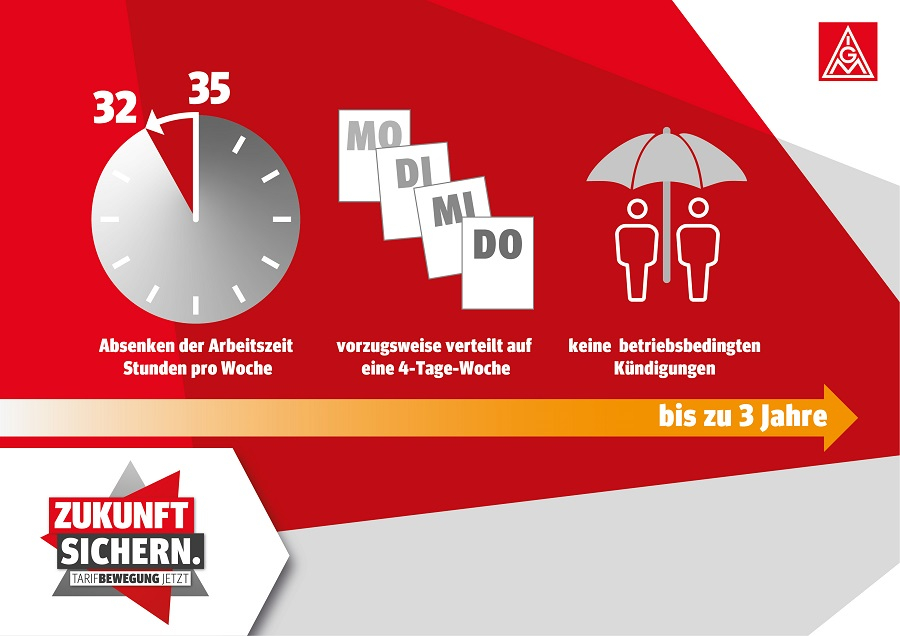
IG Metall has implemented new models for job security by reducing working hours. Working hours can now be reduced to 32 hours per week for up to three years, and to 35 hours in eastern Germany—preferably as a 4-day workweek.
For the duration of the reduced workweek, layoffs for operational reasons are also prohibited.
Graphic: 2021 Collective Bargaining Agreement for the Metal and Electrical Industry: Reduction in working hours for up to three years, including as a 4-day workweek. IG Metall, Thomas Pötschick
To secure the future, IG Metall has secured framework rules for future collective bargaining agreements in companies, in which, for example, vision statements, staffing needs, and training for the jobs of the future are negotiated.
IG Metall negotiated this pilot agreement in North Rhine-Westphalia with the employers’ association Metall NRW. In many other collective bargaining regions, IG Metall and employers have adopted the collective bargaining agreement—in some cases with slightly different but equivalent provisions.
In Baden-Württemberg, IG Metall and employers have reached a negotiated settlement that also resolves regional issues. The employers’ association Südwestmetall had pushed for massive cost cuts there, seeking to eliminate long-standing gains such as collectively bargained breaks and shift premiums, as well as to restrict retirement benefits. IG Metall successfully fended off these attacks. In addition, Baden-Württemberg has special provisions regarding job security and dual-track students.
Collective Bargaining Agreements Also Apply to Dual-Track Students
Regarding the future of vocational training and dual students, IG Metall and employers in North Rhine-Westphalia agreed that collective bargaining agreements also apply to all dual students integrating their studies with vocational training during their vocational training period. “A milestone,” says Knut Giesler, chief negotiator and regional director of IG Metall North Rhine-Westphalia. This means, in particular, that employment under the collective bargaining agreement is guaranteed after completion of the training.
IG Metall and employers recommend that all dual students be hired into an employment relationship upon successful completion of their studies. In addition, the parties to the collective bargaining agreement will evaluate the situation of dual students in companies by the end of September and assess the extent to which collective bargaining action is needed. Against the backdrop of the skilled labor shortage, ways are also being sought to encourage more companies to hire apprentices and dual students.
In Baden-Württemberg, where a special situation exists due to the Baden-Württemberg Cooperative State University (DHBW) and the specific framework collective bargaining agreement for apprentices, IG Metall has succeeded in having DHBW dual students explicitly included in the collective bargaining agreement. “By including these students, we have broken through the decades-long resistance of employers to this form of training and, in one fell swoop, brought at least 10,000 young people under the collective bargaining agreement,” explains Roman Zitzelsberger, chief negotiator and regional director of IG Metall Baden-Württemberg. “We can build on this in the upcoming collective bargaining rounds.”
Breakthrough in the Harmonization of Eastern Germany
On May 11, 30 years after reunification, IG Metall finally achieved a breakthrough in aligning the East German metal industry with the West. The 35-hour workweek in the East will be phased in gradually, starting with VW Saxony, ZF Brandenburg, and SAS. In a first step in 2022, the workweek will be reduced to 37 hours. Other companies will follow.
In addition, IG Metall secured a commitment to negotiate the regional collective bargaining agreement in Saxony by the end of June.
“We were only able to achieve these results because workers in Berlin, Brandenburg, and Saxony created the necessary pressure with their impressive warning strikes,” says Hofmann. “One thing is clear: we will continue to maintain that pressure wherever companies still refuse to treat their workforces in the East and West equally.”
Warning Strikes Secure Jobs and Incomes
With this collective bargaining agreement, IG Metall was able to secure new or improved collective bargaining provisions for workers on all of its nationwide demands—thereby safeguarding jobs, the future, and incomes.
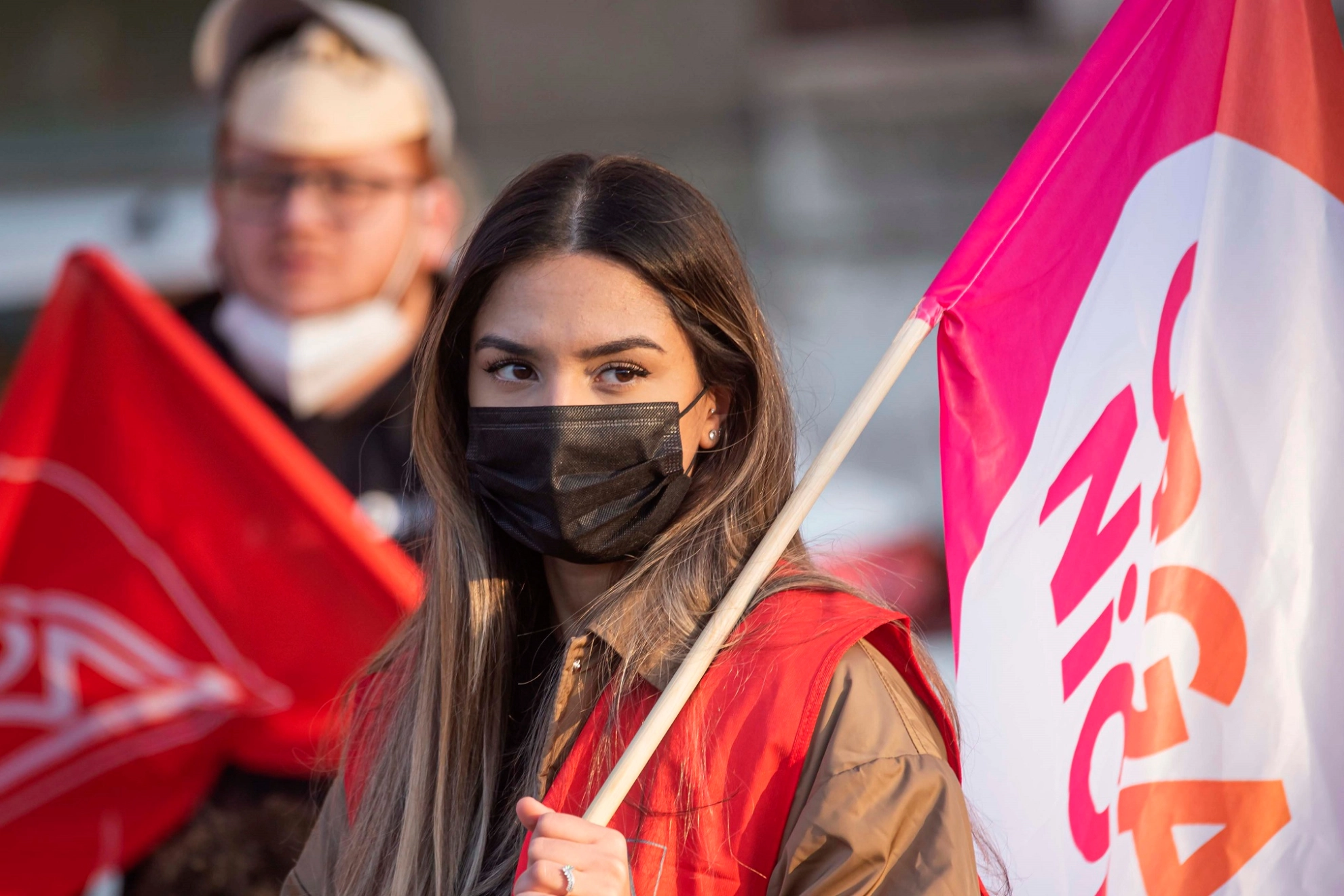
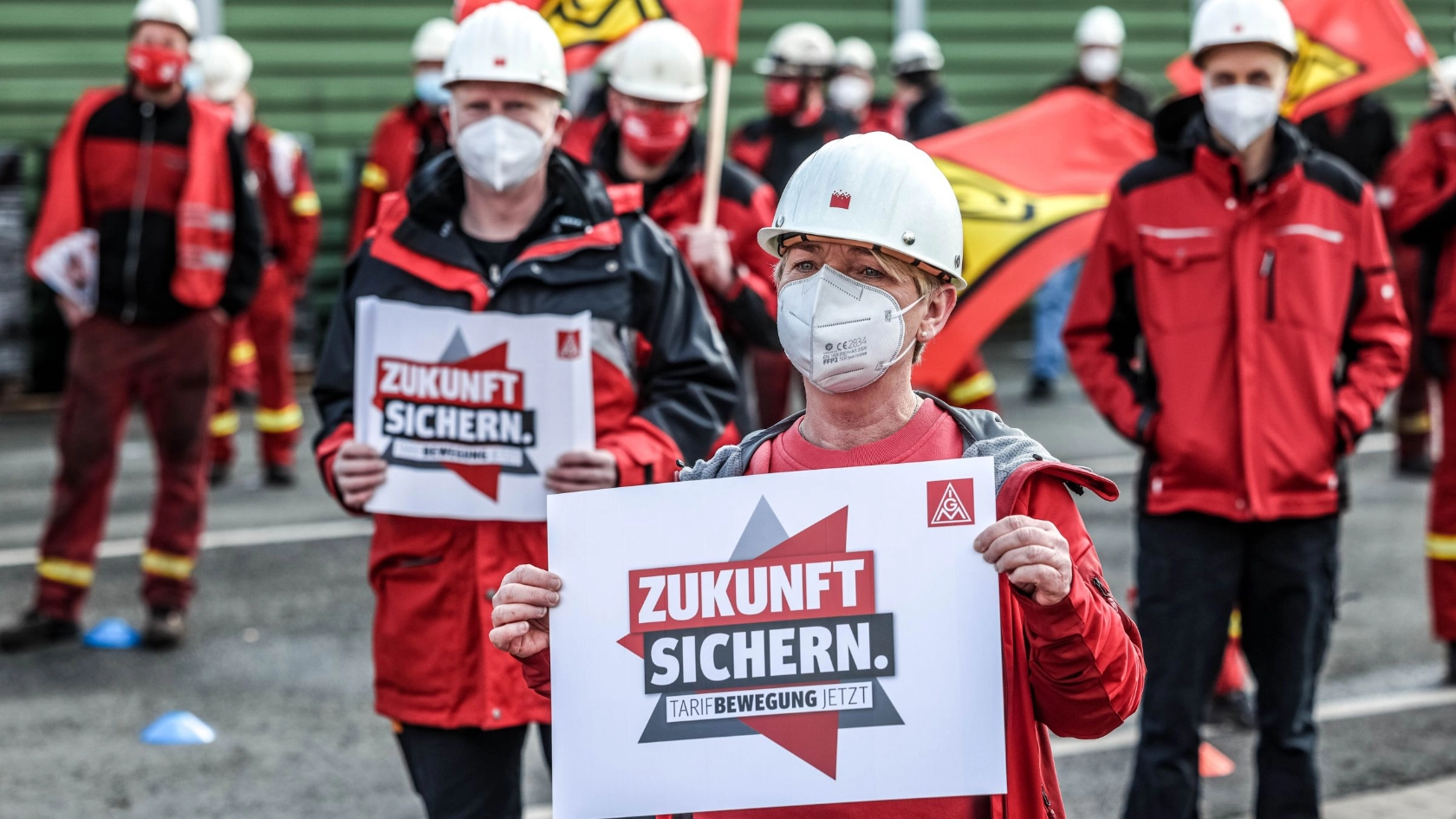
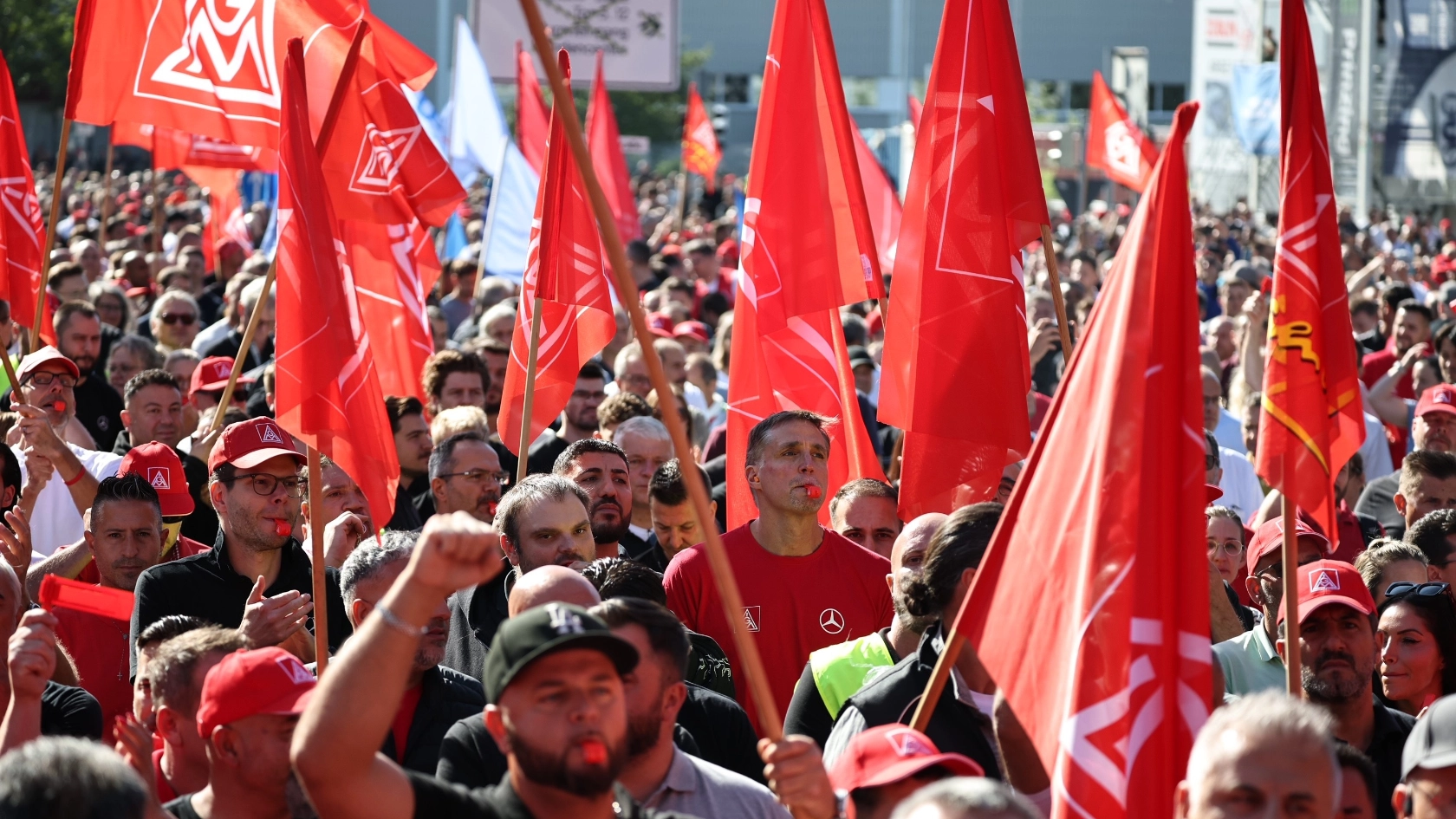
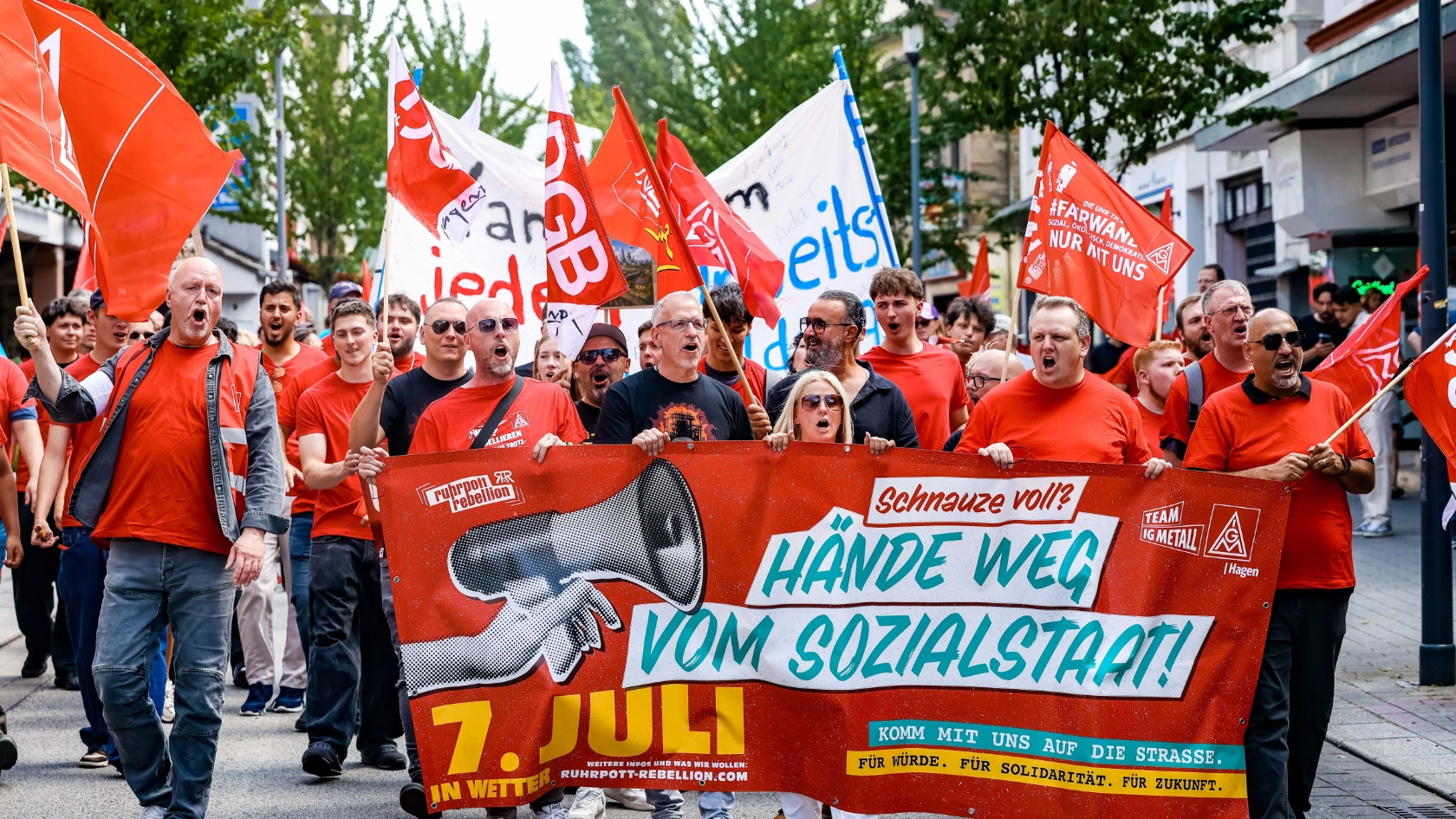
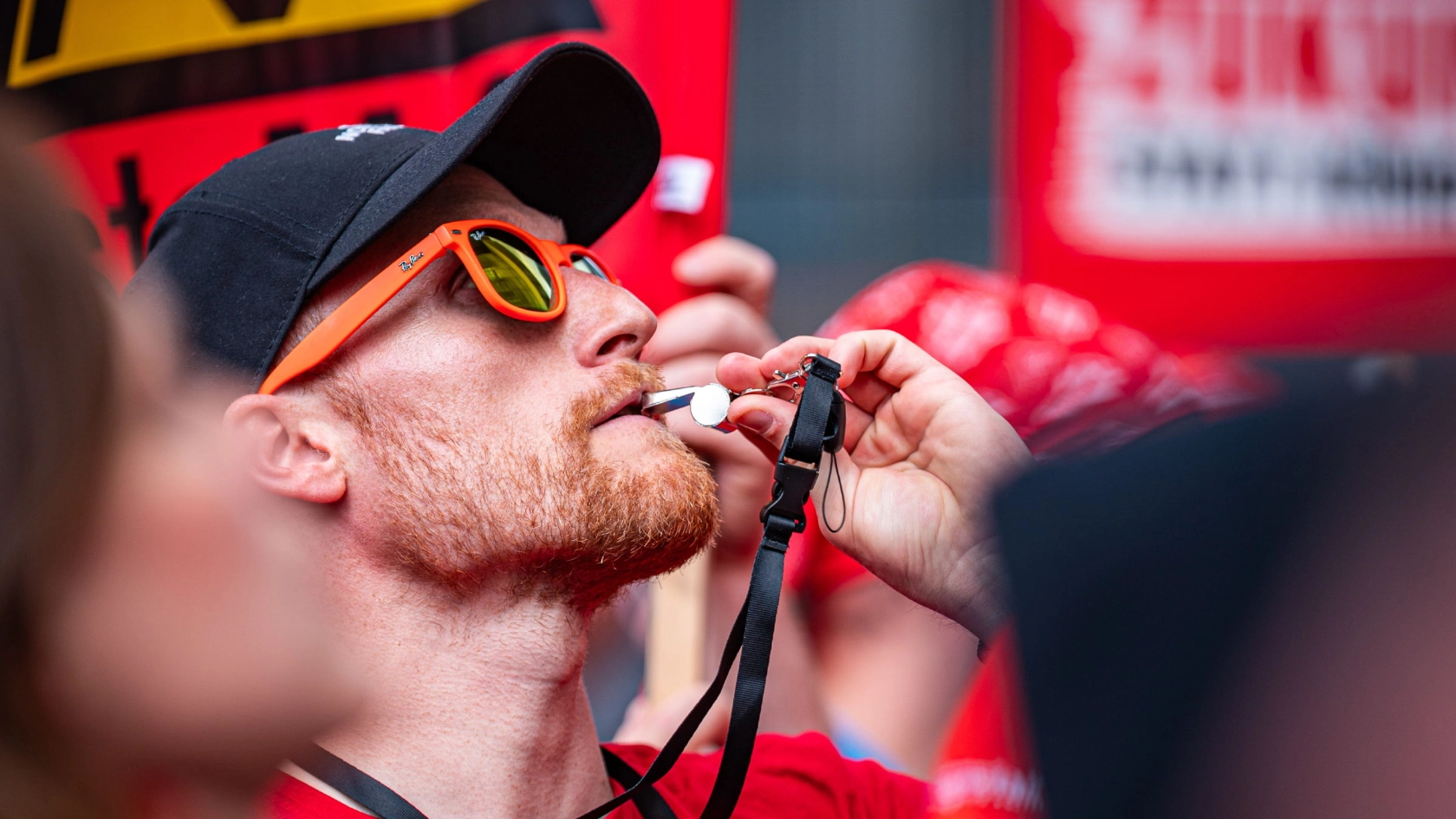
One million workers applied pressure through warning strikes to achieve this. In March, an average of 24,000 people in the metal and electrical industries walked off the job on short notice. In the Berlin-Brandenburg-Saxony district, more than 93,000 workers have been pressing for parity with the East since April 20, through creative actions and 24-hour warning strikes.
“This collective bargaining agreement offers sustainable solutions to the pressing issues of our time: both the acute problems resulting from the COVID-19 pandemic and the structural challenges that the transformation brings to our industries,” explained Jörg Hofmann, President of IG Metall. “In the midst of one of the most severe crises in the history of the Federal Republic, we have ensured that the consequences of the crisis are distributed fairly and not unfairly shifted onto workers. We have succeeded in stabilizing workers’ incomes and securing jobs. First and foremost, this is a matter of justice. But in doing so, we are also strengthening demand and thereby supporting overall economic development.”
Money—or Time—for Long-Term Job Security
Companies can use the transformation allowance—equivalent to 18.4 percent of a month’s pay—depending on their economic situation. Companies that are doing well pay the money directly to their employees. Companies that are struggling convert the money into additional time off for employees, thereby reducing working hours and securing jobs.
IG Metall had already created this choice between money and time back in 2018 with the “Collectively Bargained Supplementary Payment” (T-ZUG). Employees can individually choose between money or time, with the specifics then negotiated by the company and union representatives: up to eight days off, which many employees use to have more free time for themselves and their families.
During the COVID-19 crisis, many companies also used the T-ZUG days collectively to secure jobs. With the new Transformation Allowance (T-Geld)—known in Baden-Württemberg as the Transformation Module (Trafobaustein)—companies now have another collective money-or-time option.
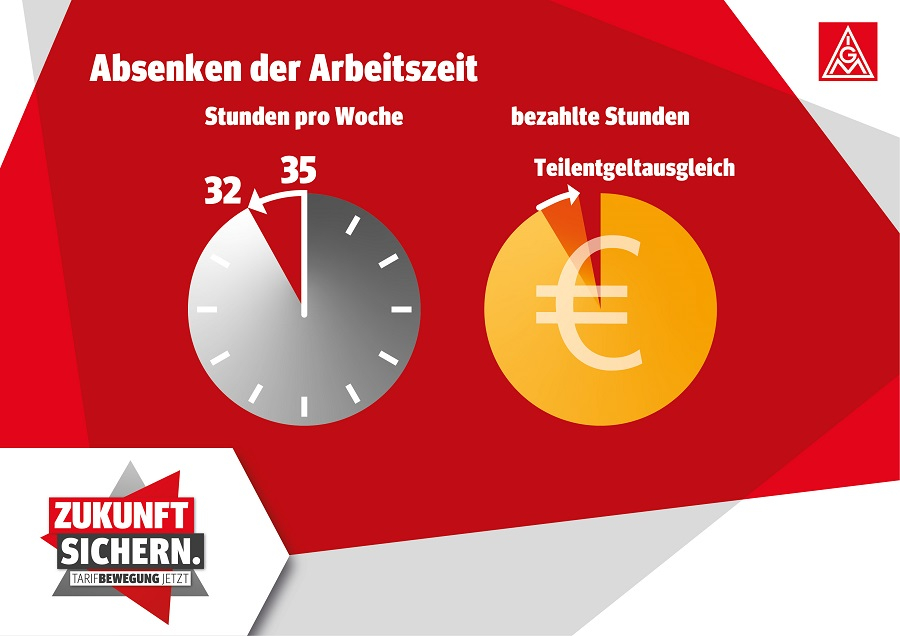
If the reduction in working hours lasts longer than 12 months, the employer pays a partial wage compensation of 25 percent of the hourly wage when working hours are reduced to 32 hours per week. For periods exceeding 24 months, there is 25 percent partial wage compensation when working hours are reduced to 33 hours—and 50 percent when reduced to 32 hours.
Together with the transformation allowance allocated to monthly wages and other collective bargaining provisions, companies can now reduce the workweek by three hours to a 4-day week of 32 hours, whereby—for example, with a reduction from 35 to 32 hours—nearly 34 hours are paid.
Graphic: 2021 Collective Bargaining Agreement for the Metal and Electrical Industry: Reduction in working hours with partial wage compensation. IG Metall, Thomas Pötschick
This arrangement is valid for up to three years, unlike the previous rules for short-time work (which will be limited to 12 months again starting in 2022) and the previous collective bargaining rules on job security (6 months, without wage compensation). In Baden-Württemberg, a 28-hour workweek is even possible with no time limit.
This allows companies and employees to bridge a longer-term transformation—such as the transition to electric vehicles.
IG Metall shapes the future through forward-looking collective bargaining agreements
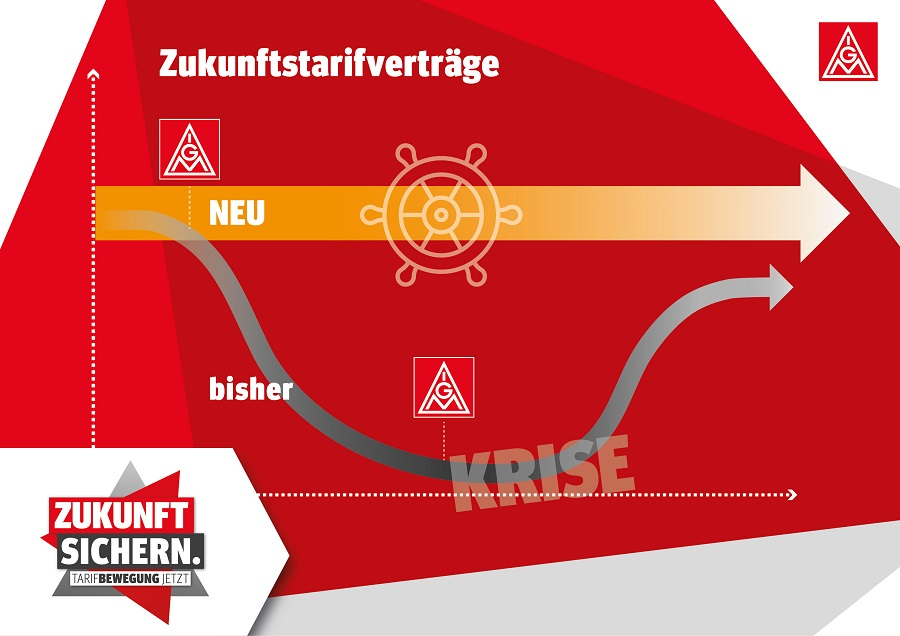
With the new framework rules for future collective bargaining agreements, IG Metall and works councils can, for the first time, take the initiative in shaping the future.
In future collective bargaining agreements, IG Metall negotiates investments in the company’s location, in sustainable products, and in the future of work. Until now, however, this was usually only possible once the company was already in crisis and the employer approached works councils and IG Metall due to staff and wage cuts. Now, however, IG Metall and works councils can intervene even before a crisis arises and call on the employer to negotiate about the future.
Graphic: 2021 Collective Bargaining Agreement for the Metal and Electrical Industry: Intervening Earlier Through “Future Collective Bargaining Agreements.” IG Metall, Thomas Pötschick
Employers withdraw zero-increase offers and wage cuts
It was clear that collective bargaining would be tough during the worst economic crisis since World War II. But the pressure from warning strikes has had an effect. Employers have had to withdraw their demand for a zero-increase year with no pay raise in 2021, as well as the automatic reduction of wages based on company performance metrics.
The only options now are to defer the additional payment under the Collective Bargaining Supplement (T-ZUG B)—amounting to around 400 euros—for up to six months, or to forgo the payment entirely if the net return falls below 2.3 percent; however, IG Metall must be notified of such a decision.
Previously, employers had repeatedly emphasized that there was nothing to distribute. They claimed that more money would only be available once key performance indicators returned to pre-crisis levels—in 2022 at the earliest. Now, however, funds are available as early as 2021.
What’s next— stay up to date with push notifications from our IG Metall app
Explained: What the metal industry collective bargaining agreement means for you
These collective bargaining regions (open map) have adopted the pilot agreement from North Rhine-Westphalia—with regional variations—(as of April 11, 2021):