Automatic translation
This article has been translated automatically using computer technology. While we strive for accuracy, some wording or details may differ from those in the original article.
This translation was not manually reviewed. For important facts, quotations or legally sensitive information, please consult the German original. Individual selections, images, embedded media or technical terms may have been translated differently or incompletely.

2026 Metal and Electrical Collective Bargaining Round Survey: Workers Expect Higher Wages and Job Security

IG Metall surveyed 267,000 employees at 2,285 companies in the metal and electrical industries. The situation varies widely. Nearly 50 percent of those surveyed rate the situation at their company as good. They expect job security—but they also want higher pay.
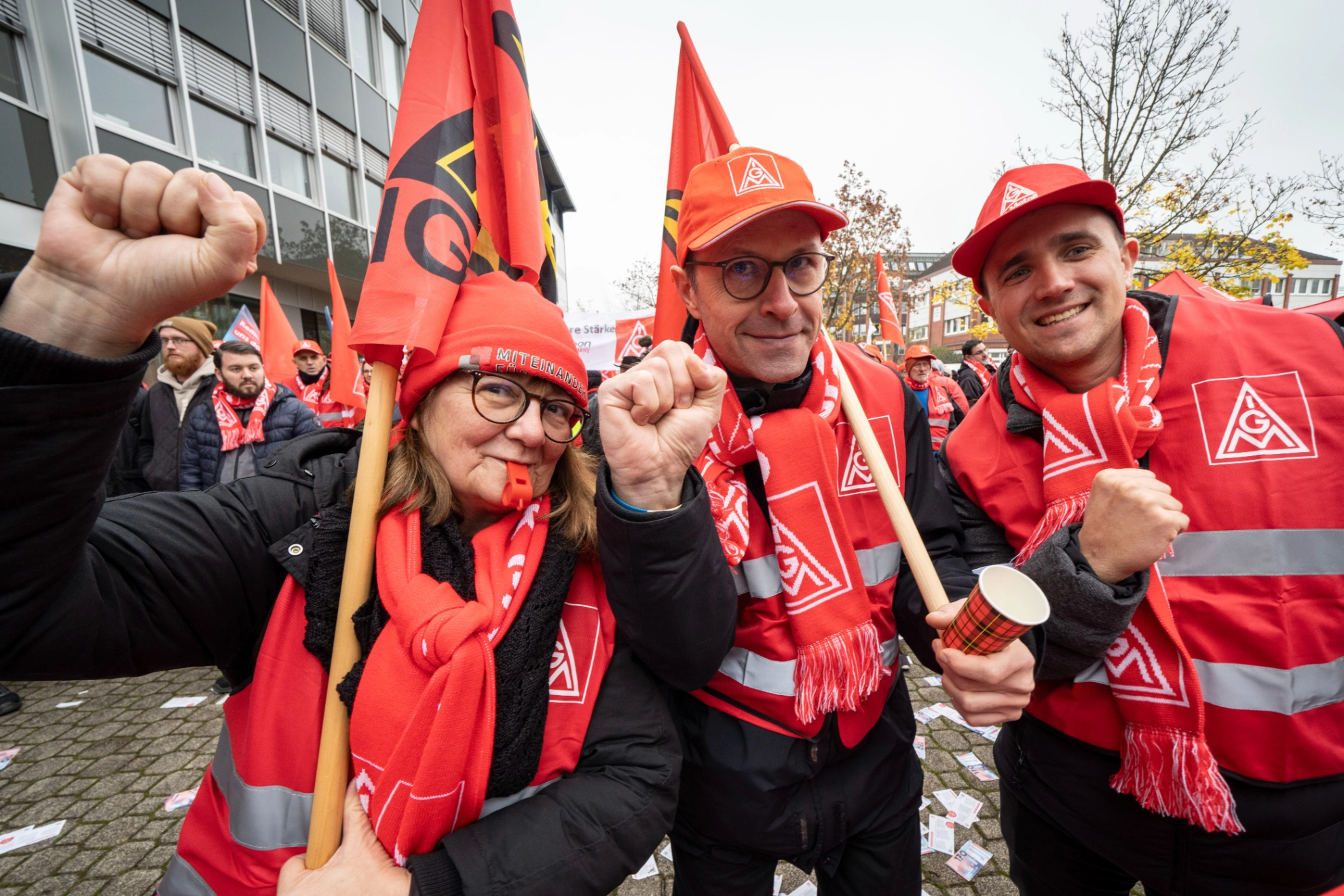
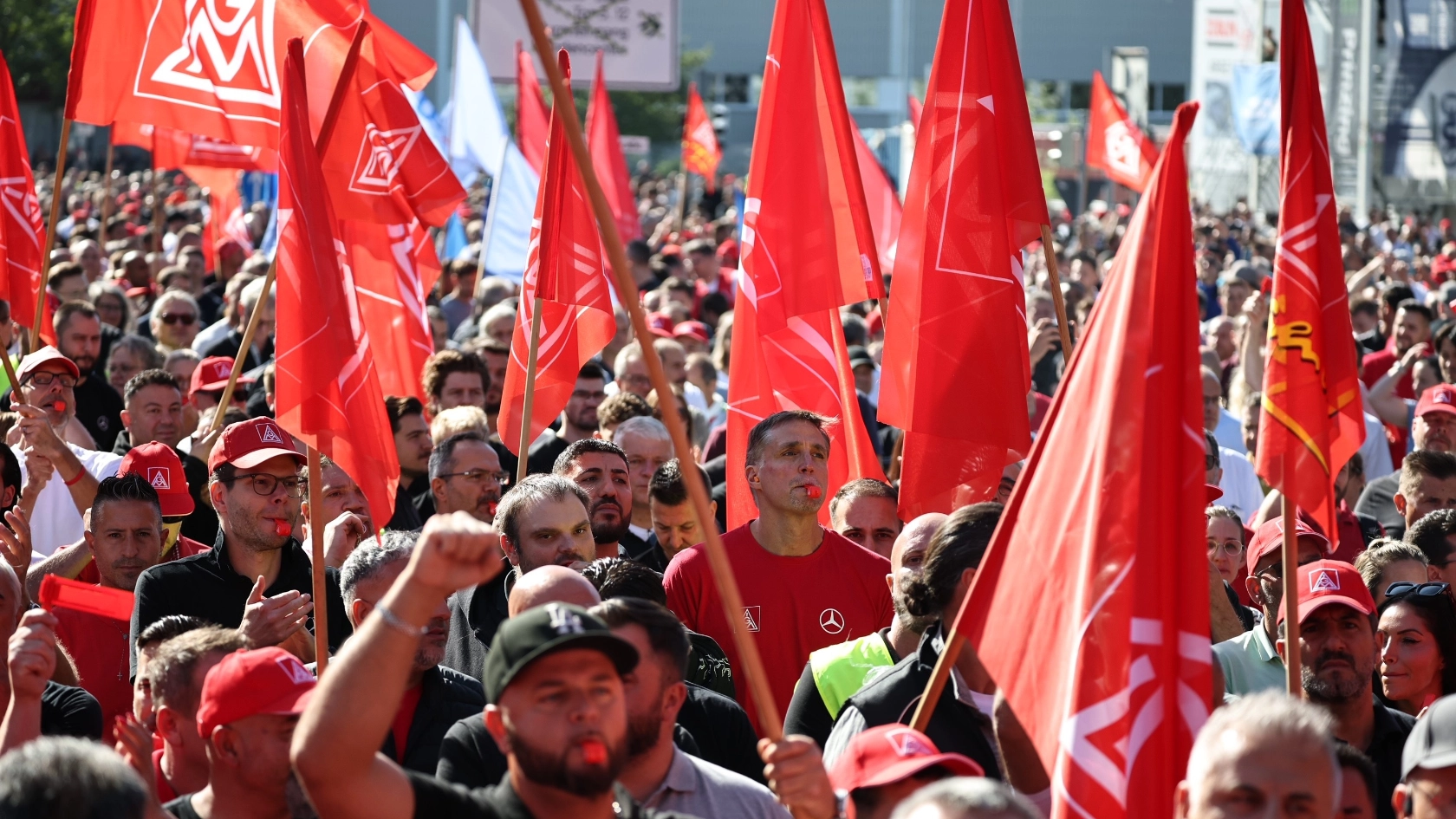
Beschäftigte beim Warnstreik in der Metall-Tarifrunde

10 September 2026 10 September 2026


Collective bargaining negotiations in the metal and electrical industries begin on October 7. In September, the regional bargaining committees—primarily made up of works council members and shop stewards from the companies—will decide on IG Metall’s demands for the 2026 metal and electrical industry collective bargaining round.

Over the past few weeks, IG Metall has surveyed 267,000 employees at 3,200 companies on this topic:

How are things going at your workplace? What issues are important to you? What demands do you consider reasonable? And will you join us in working together to push through our demands?
 

267,000 employees in 2,285 companies—the results

Employees in the metal and electrical industries expect employers to address rising prices and the future of their companies during the collective bargaining negotiations this fall. 

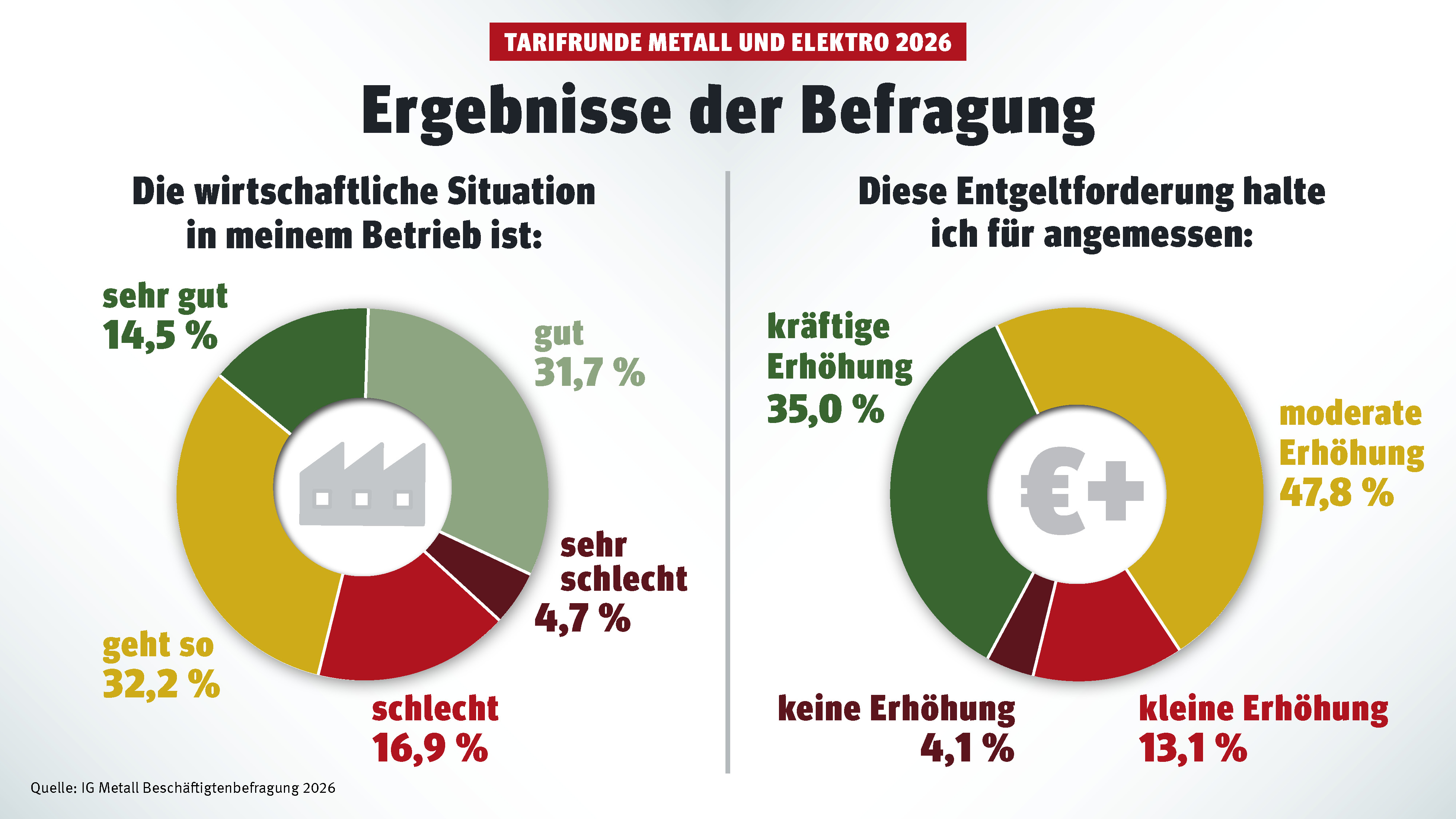
Respondents perceive the economic situation of their companies as varying widely: Half describe the situation at their company as very good (14.5%) or good (31.7%). One-third (32.2%) rate their own employer as “so-so.” One in five perceives the situation as bad (16.9%) or very bad (4.7%). 

This positive economic outlook is driven by companies in the aerospace, defense, shipbuilding, and energy sectors. In contrast, employees in the automotive industry and the service sector take a more critical view of their companies’ performance. 


Top Concerns: Money and Job Security 

Respondents’ greatest concerns are rising costs of living (68.9%) and healthcare (58.5%), followed by retirement security (58.1%). More than half of employees are concerned about the security of their own jobs (56.3%) and the future of their companies (56.7%).  

“Workers have a keen sense of the most pressing issues in the country: good real wages, sustainable jobs, and social security,” says Christiane Benner, President of IG Metall. “This is a clear mandate for employers, policymakers, and IG Metall alike. We want secure and sustainable jobs through value creation right here at home. In addition to sound collective bargaining policies, this requires committed industrial, social, and corporate policies. That’s why we’re taking to the streets with our days of action on September 21 and 26.” 

With an eye on companies’ bottom lines and profits, the majority of employees expect not only job security but also a moderate (47.8%) to substantial pay raise (35.0%). Given the overall solid economic situation, making sacrifices is not an option: Only one in six considers only a small (13.1%) or no pay raise (4.1%) to be appropriate.


So sieht es in unseren Betrieben aus, diese Entgelterhöhung halten wir für angemessen: Das sagen die Beschäftigten vor der Metall-Tarifrunde 2026

“Employees are not experiencing a uniform crisis, but rather a situation with significant economic disparities,” explains IG Metall collective bargaining board member Nadine Boguslawski. “At the same time, their expectations regarding pay, job security, and social protection are high . We are entering this round of collective bargaining with confidence because we will take everything into account: from job security in companies facing crises to a fair share of excess profits for workers.” 

 Based on the survey results, IG Metall is now launching the debate on wage demands in the regional bargaining districts. On September 22, the bargaining committees in each region will decide on their demands. The union’s executive board plans to adopt a concrete, nationwide wage demand on September 23. 

More than 3.7 million workers are employed in the metal and electrical industries nationwide. 
 

Here’s what’s next in the 2026 metal industry collective bargaining round 

  • September 22: Collective bargaining committees adopt demands
  • September 23: The IG Metall executive board adopts the final demand
  • October 7: Start of collective bargaining negotiations
  • October 31: Wage agreements expire—the peace obligation ends at midnight
  • November 1, starting at 12:00 a.m.: Warning strikes possible
     

Last collective bargaining round in 2024: +5.1 percent pay increase in two steps

In the last round of collective bargaining in the metal and electrical industries in the fall of 2024, IG Metall secured wage increases of 5.1 percent in two stages, an additional 140 euros per month for apprentices, plus an increase in the collective bargaining supplement (T-ZUG B, ZUB), as well as more days off. The second stage of the pay increase, amounting to 3.1 percent, took effect just this past April. More than 620,000 workers had applied pressure for the 2024 collective bargaining agreement through warning strikes.

New on igmetall.de
Aktionstag bei Mercedes Benz, Daimler, in Sindelfingen gegen die Angriffe auf Beschäftigten in der Automobilindustrie.
Resistance to Attempts at Drastic Cuts Auto industry workers issue a warning
Sie wollen doch nur dein Bestes
Redistribution Making Germany more equitable: We need this tax reform now
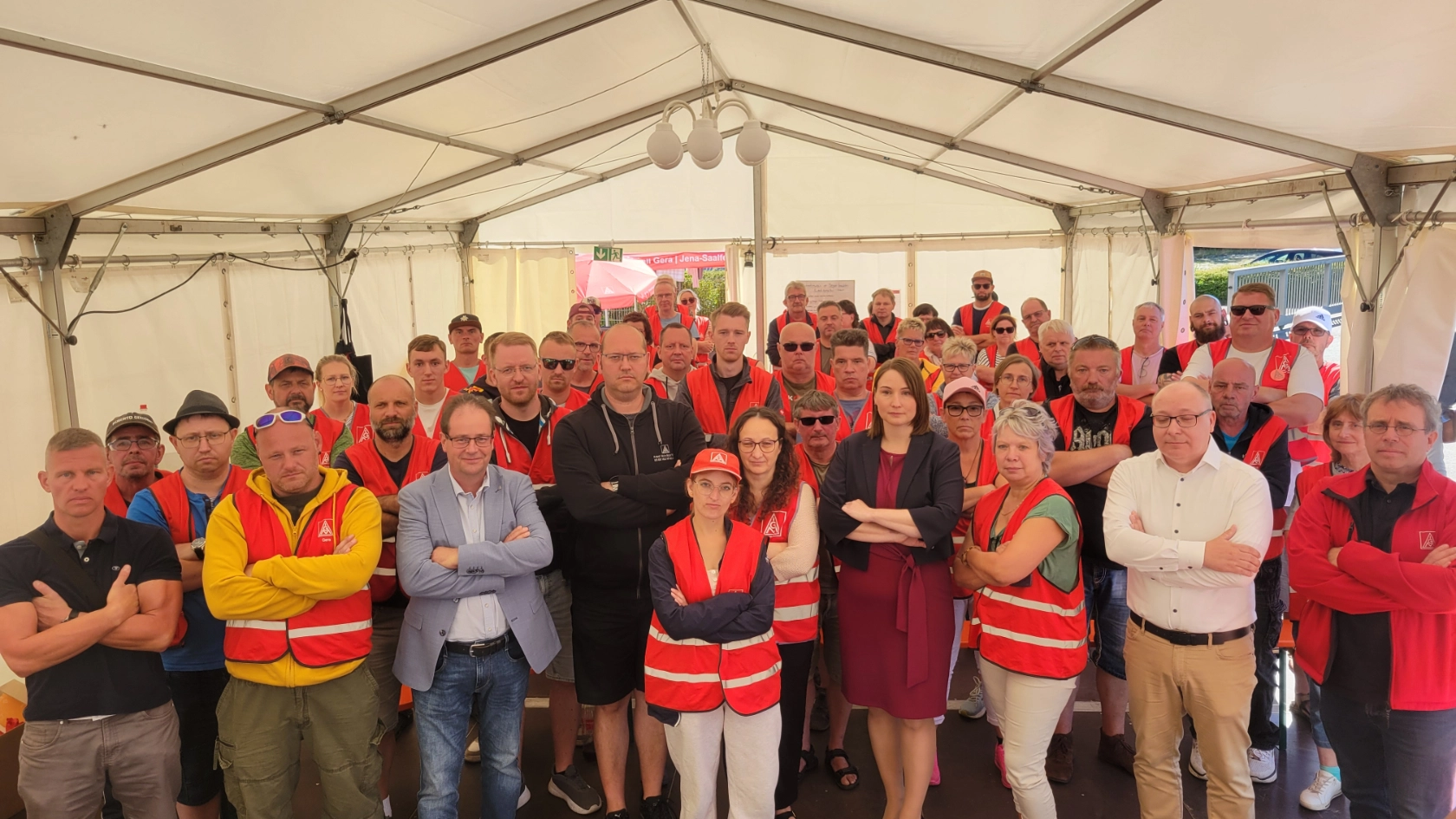
Der Streik bei Kelvion in Nobitz-Wilchwitz begann am 4. August 2026. Die Geschäftsleitung will nach Sarstedt/Niedersachsen verlagern - obwohl die Produktion in Wilchwitz profitabel und bis ins nächste Jahr ausgelastet ist.
"It’s worth fighting for!" Kelvion workers strike for a social collective bargaining agreement
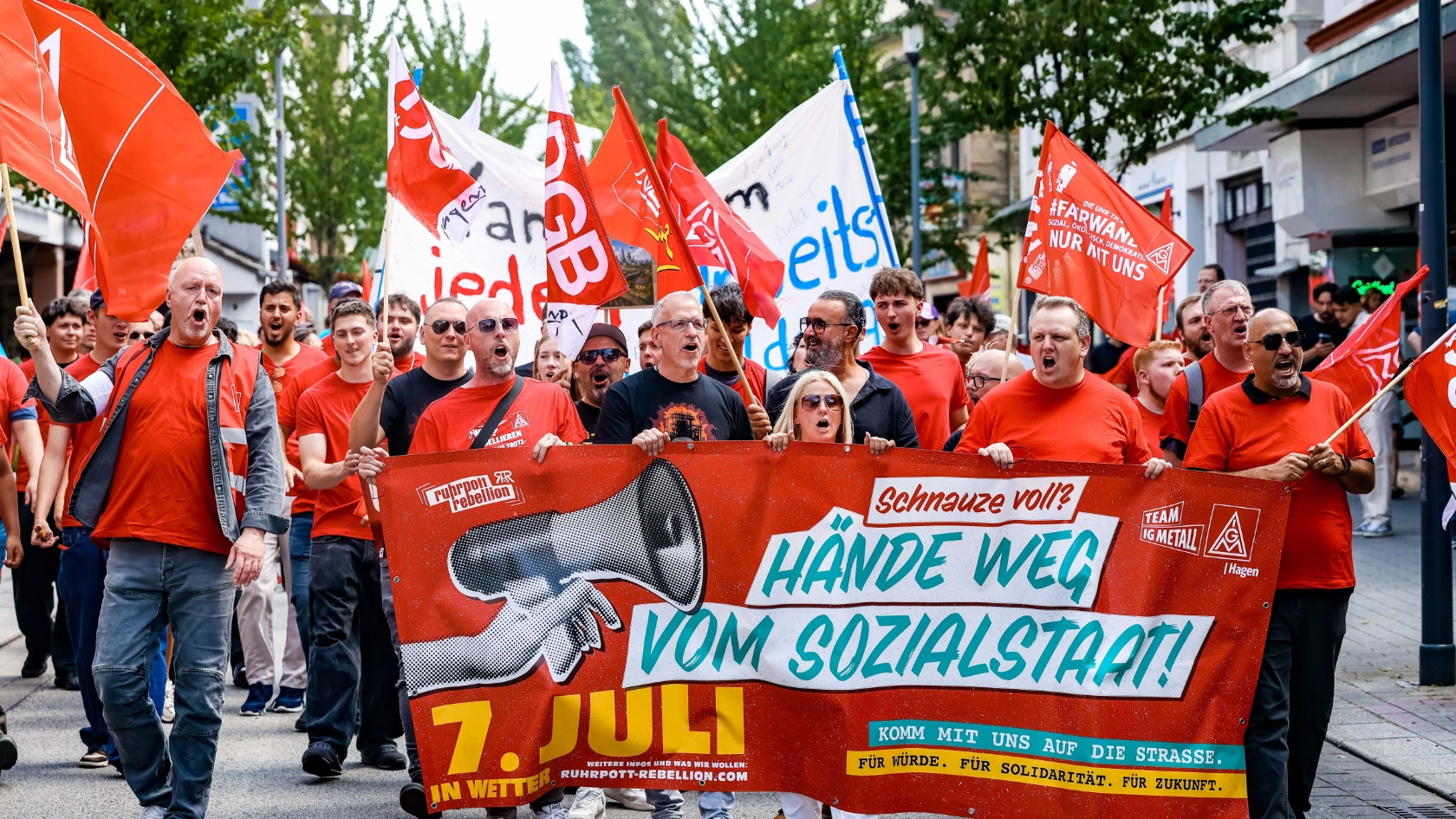
Ruhrpott Rebellion am 07.07.2026
Welfare State September 26: Nationwide Day of Action for Social Policy
Beschäftigter arbeitet an einem Getriebe in einer Fabrik
Working Hours Why working longer doesn’t help—and actually does more harm than good
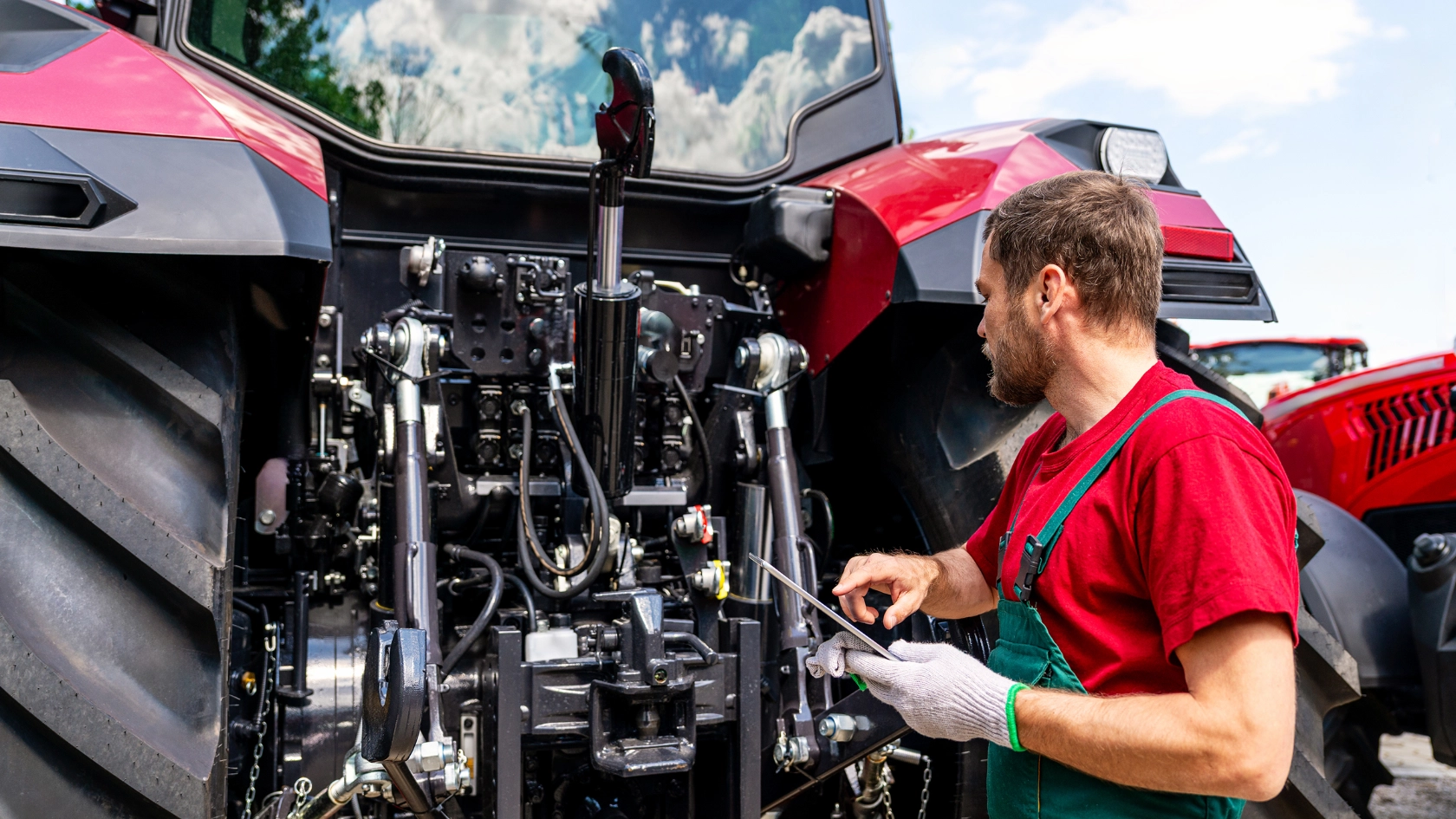
Ein männlicher Land- & Baumaschinenmechatroniker prüft einen Traktor mit einem Tablet
2026 Collective Bargaining Agreement for the Metalworking and Agricultural Engineering Sectors Greater Flexibility in the Metalworking and Agricultural Engineering Sectors in Lower Saxony and Bremen
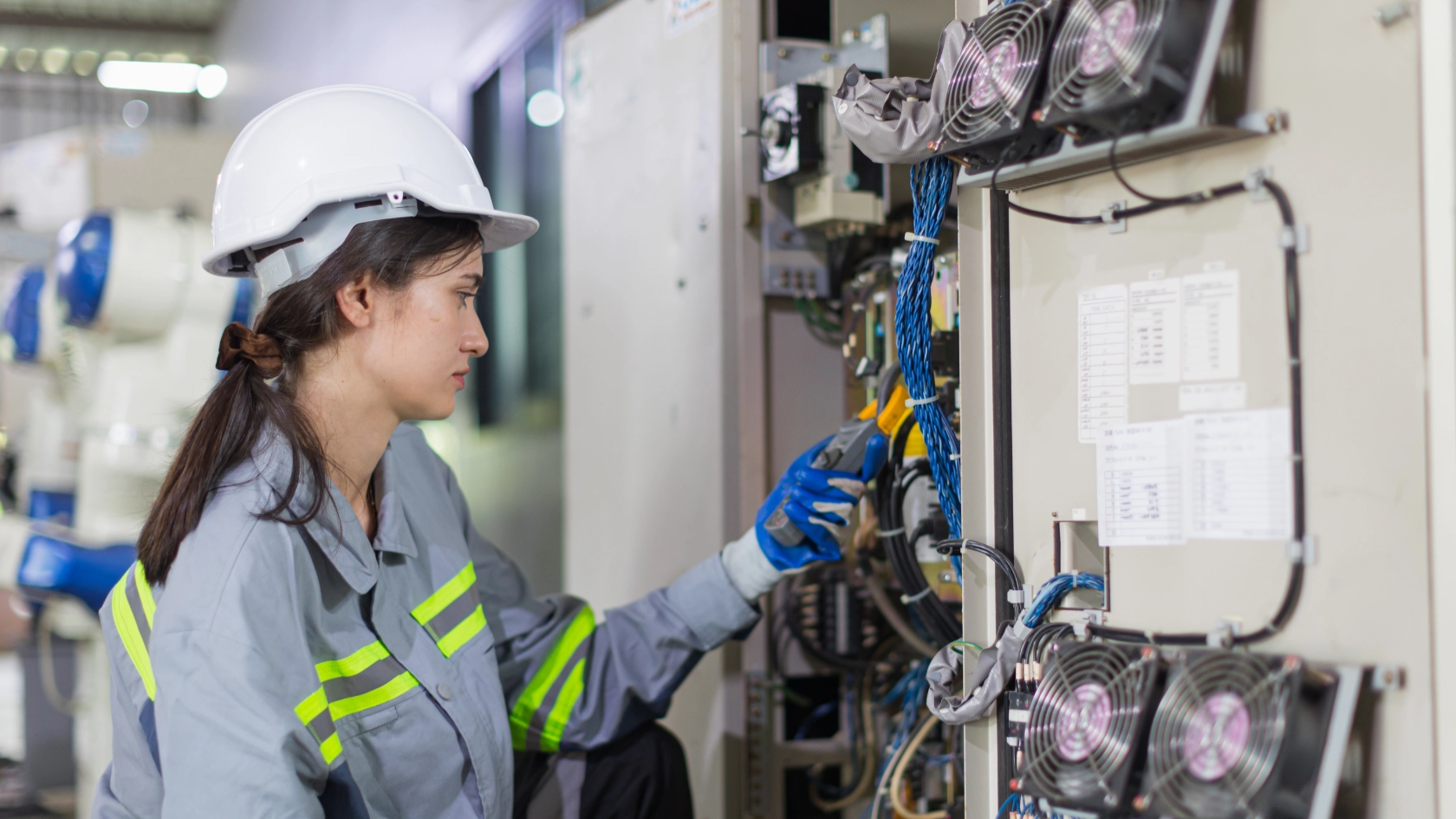
Elektronikerin prüft die Spannung an einem Schaltschrank.
2026 Collective Bargaining Round for the Electrical Trades Wage Increase in the Electrical Trades in Berlin-Brandenburg
Benjamin Heine ist Mitarbeiter der BMA in Braunschweig
2026 Collective Bargaining Round for Metal Fabrication and Precision Engineering Higher Wages in the Metal Fabrication and Precision Engineering Sectors in Southwest Germany
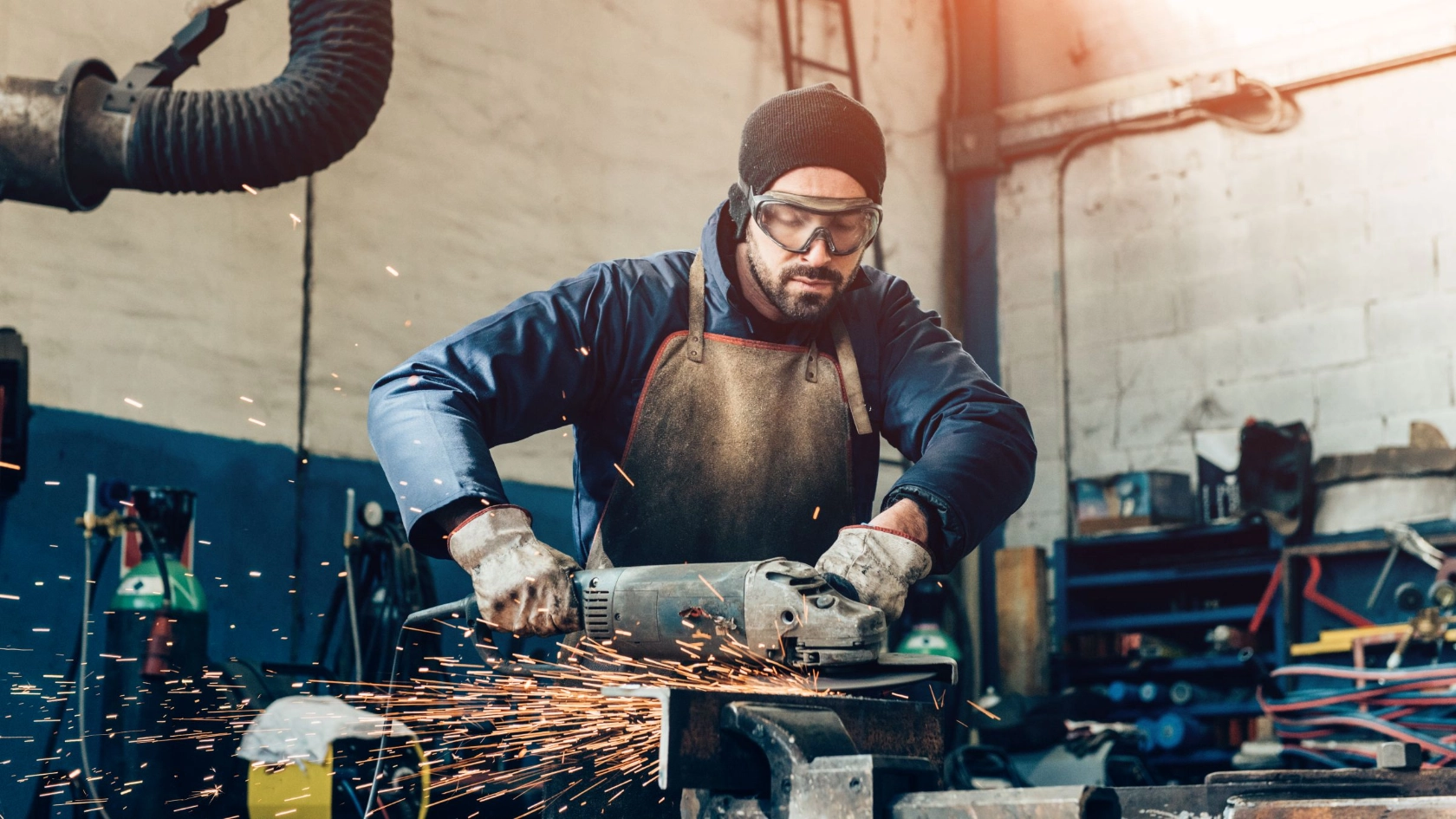
Metall-Arbeiter beim Schleifen
2026 Collective Bargaining Round for the Metalworking Trade Employees in the Berlin-Brandenburg metalworking sector will receive higher pay
Beschäftigte von Thyssenkrupp demonstrieren in Essen am 23. Mai 2024 gegen das Vorgehen der Geschäftsführung beim geplanten Teilverkauf des Unternehmens.
Defend the welfare state All dates for nationwide actions against cuts to social services
IGM Aktion VW Wolfsburg
On September 21, things will get loud Nationwide Day of Action: Auto Industry Workers Fight Back Against Mass Layoffs
Auszubildender in einer Schreinerei
Apprenticeship Wages Questions and Answers About Apprenticeship Wages

Subscribe to the newsletter