Second round of collective bargaining for temporary workers in 2024: The employers’ association GVP presented a completely inadequate offer. According to their proposal, employees would receive no wage increase in 2024. A 3.3 percent pay raise would not take effect until January 1, 2025. The collective bargaining agreement is set to remain in effect until the end of March 2026, giving it a term of 24 months. Despite several hours of negotiations, the employers were not willing to improve their offer.
Next round of negotiations at the end of February
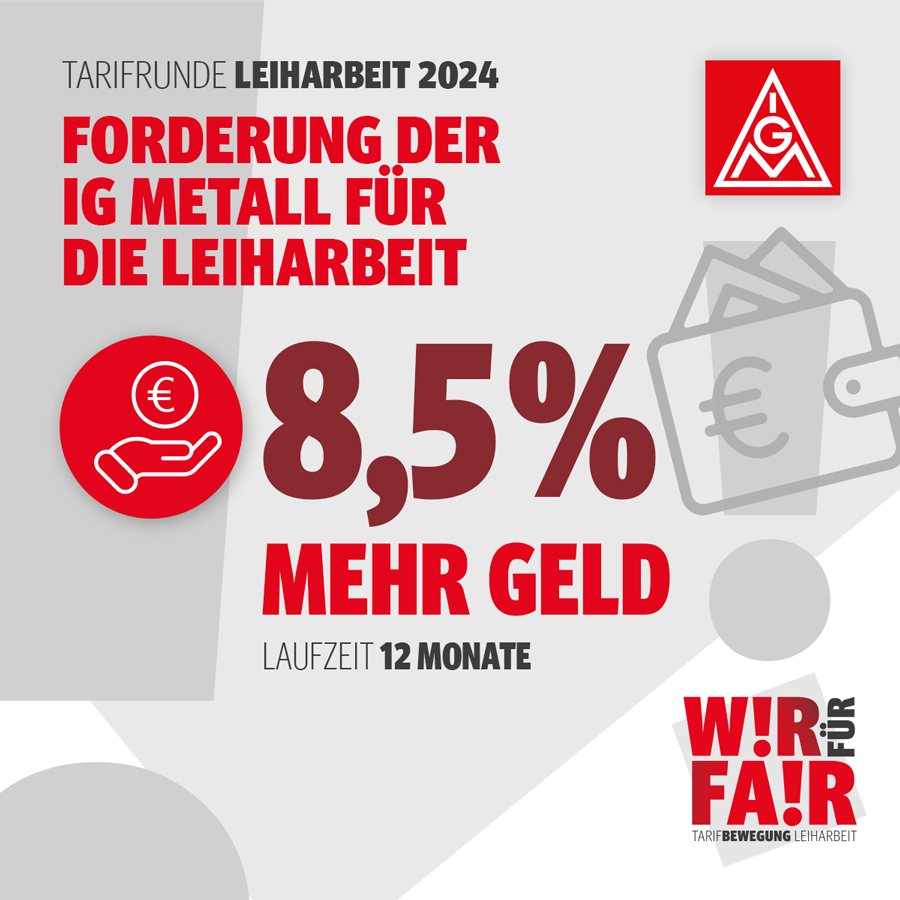
The DGB unions are demanding an 8.5 percent increase over a 12-month term. Given the current inflation rate, this wage increase is necessary for temporary agency workers. They need a noticeable increase in pay. The increase is necessary to create a significant gap between their wages and the statutory minimum wage.
Collective bargaining will resume at the end of February 2024. The DGB unions have called on the employers’ side to present an improved offer at that time. The good work performed by temporary agency workers and the flexibility often demanded of them must be compensated accordingly.
DGB Unions Negotiate Jointly
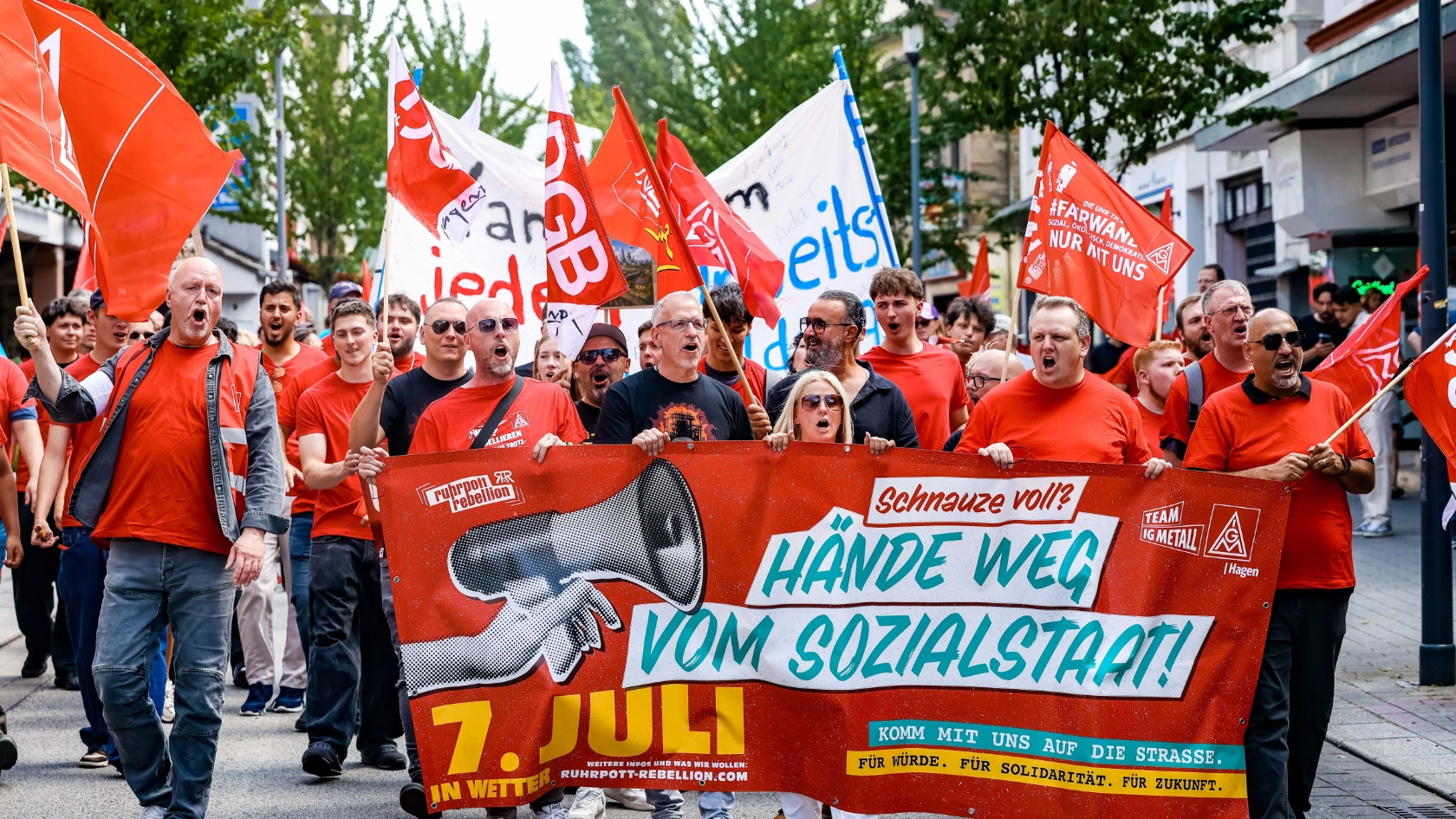
In the temporary staffing sector, IG Metall negotiates as part of a collective bargaining alliance together with the other DGB unions, since temporary workers can be deployed by their staffing agencies across all industries.
The current collective bargaining agreements on wages in the temporary staffing sector expire on March 31, 2024. The new wage agreements to be negotiated would then take effect starting in April 2024.
Wage Increase Effective January 1—From the Last Collective Bargaining Agreement
As of January 1, 2024, the final stage of increases under the current wage agreements took effect. The lowest hourly wages in each pay grade will rise once again from 13 euros to 13.50 euros; this will also become the new statutory minimum wage for temporary agency workers. The pay grades above this level will increase accordingly.
Industry-specific bonuses starting on day 1 and an inflation adjustment bonus of up to 2,300 euros
Industry-specific surcharges are added on top of the collectively bargained wages. For assignments in the metal and electrical industries, the wood and plastics industries, and the textile and apparel industries, workers will earn more starting on the first day. IG Metall achieved this in its 2023 negotiations with temporary staffing agencies—in addition to inflation adjustment bonuses: In the metal and electrical industries, temporary workers will receive up to 2,300 euros in net inflation adjustment bonuses in 2024, paid in monthly installments.
Here you’ll find thecollective bargaining tables, including industry-specific surcharges for temporary work.
Get involved—support IG Metall
It’s also important for temporary workers that wages are raised regularly. This is the only way to strengthen purchasing power despite rising prices. But a wage increase isn’t handed out for free. Employers regularly put up resistance, refuse to grant a raise, or try to keep it as low as possible. That’s why it’s important for you to support IG Metall so that, together, we can achieve our legitimate demands.
IG Metall Is Worth It for Temporary Workers
Over the past ten years, IG Metall, together with the other DGB unions, has achieved numerous improvements for temporary agency workers. The minimum wage under the collective bargaining agreement in pay grade 1 has risen from 7.01 euros to the current 13.50 euros. In addition, there are industry-specific bonuses of up to 65 percent that IG Metall has secured for temporary agency workers in the metal and electrical industries, the wood and plastics industries, and the textile and apparel industries.
Temporary agency workers are also entitled to vacation and Christmas bonuses, which, starting this year, range from 200 to 400 euros depending on the length of employment. In addition, a membership bonus has been in effect since 2021, which will increase further in 2024: On top of the vacation and Christmas bonuses, there is an extra payment of up to 500 euros for each. This means union members can earn up to 1,000 euros extra per year.