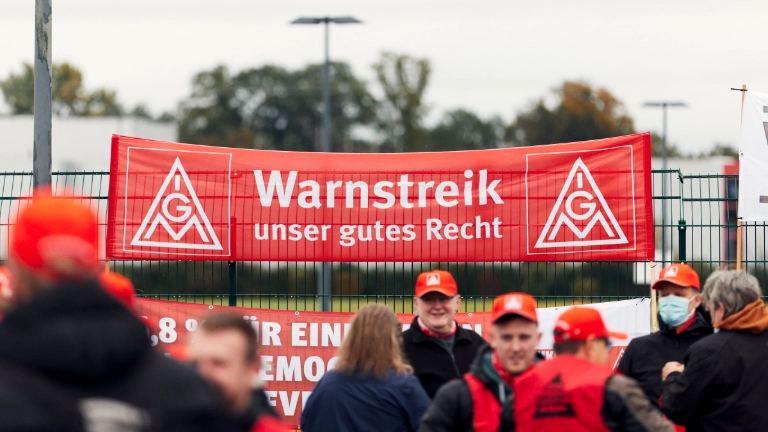
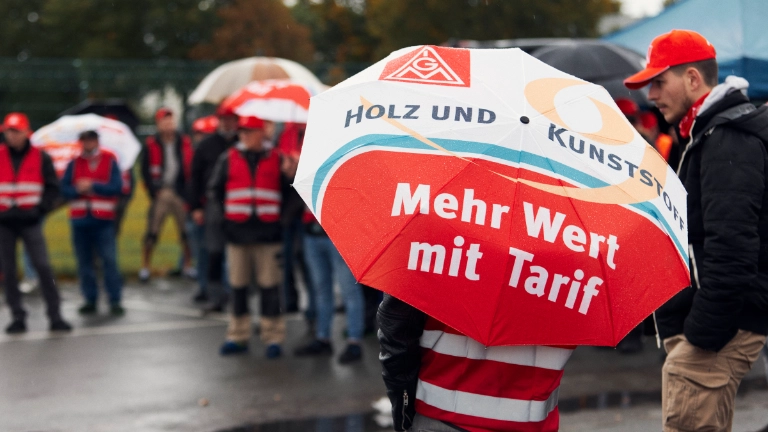
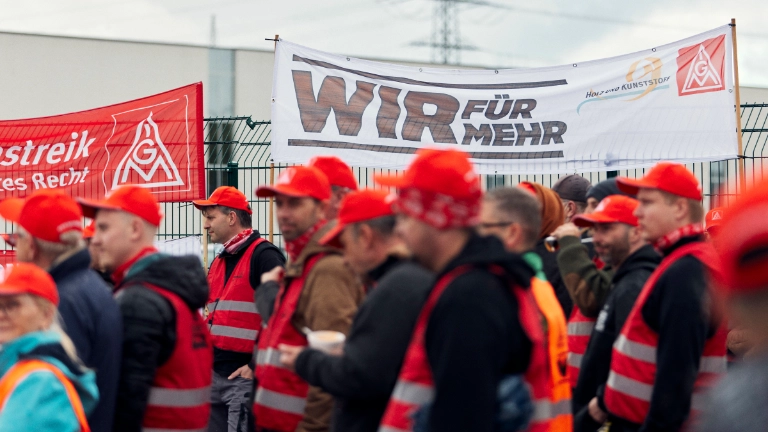
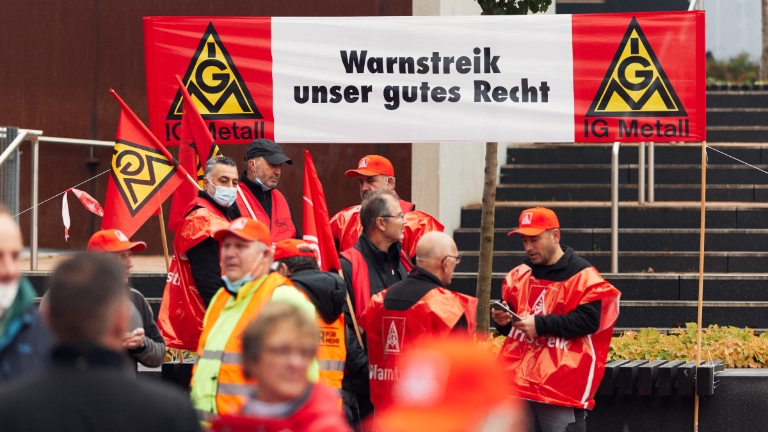
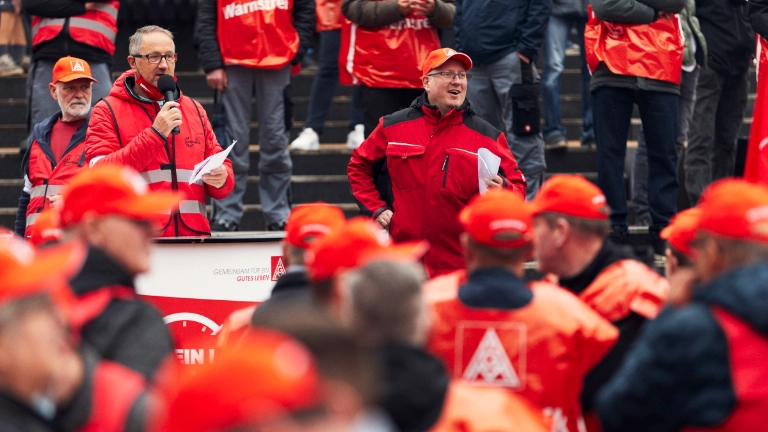
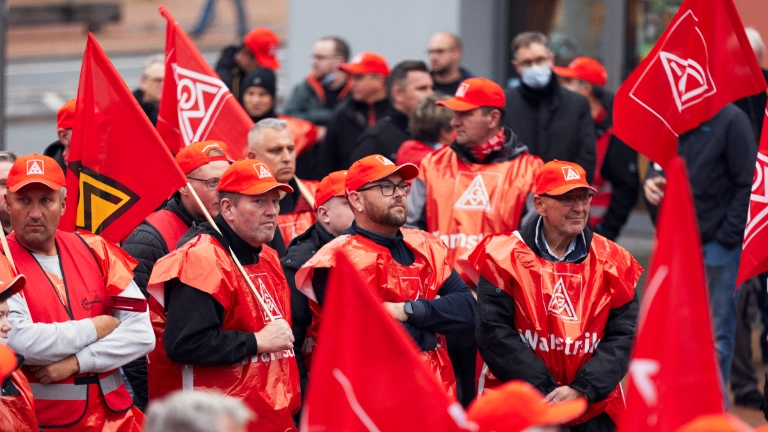
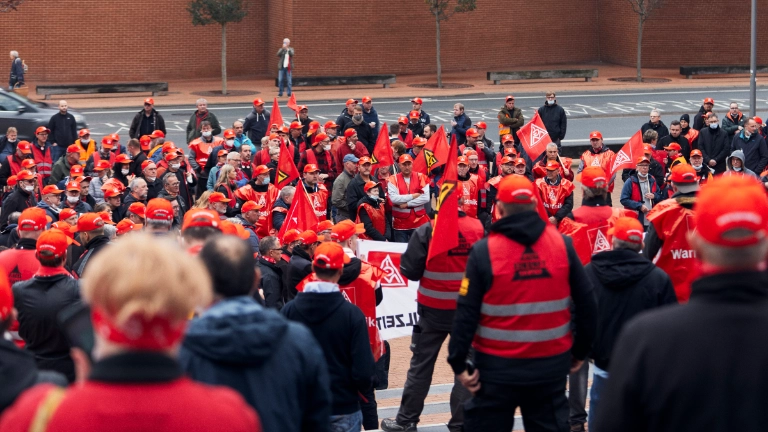
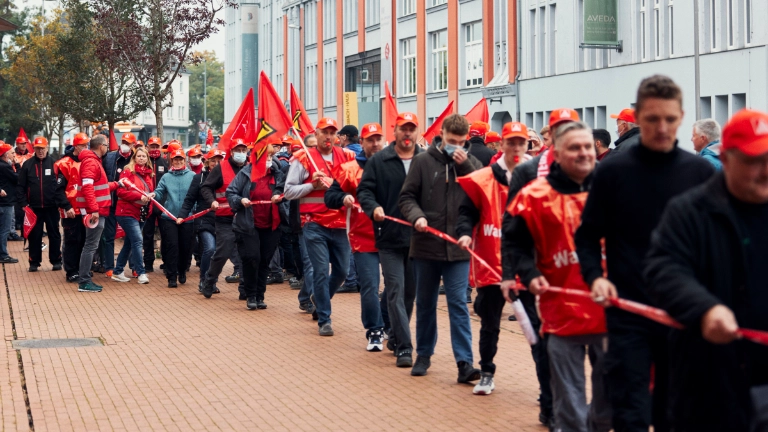
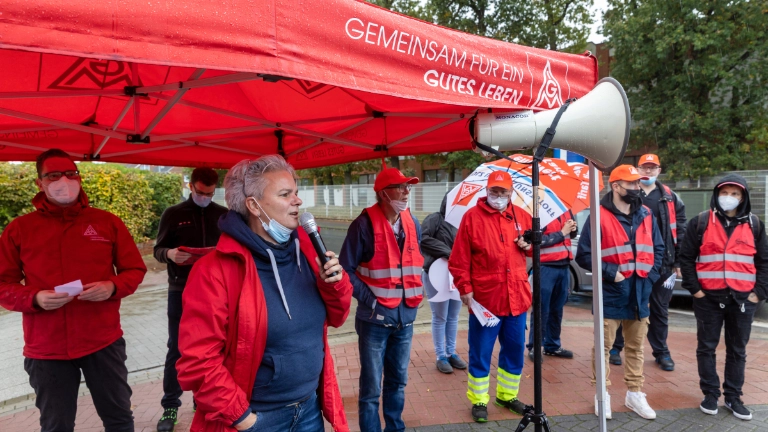
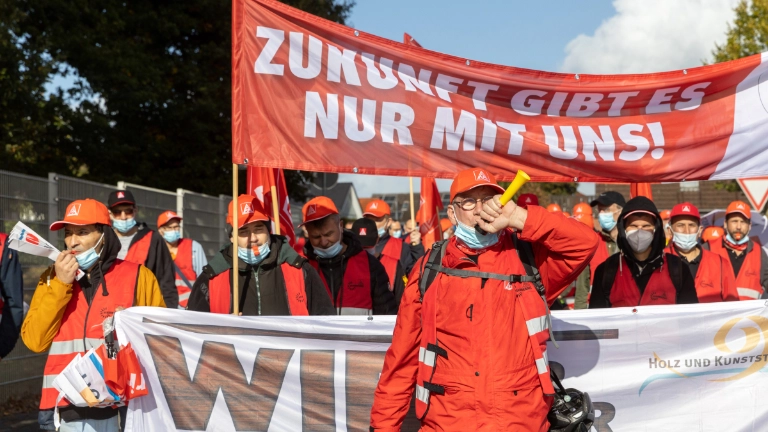
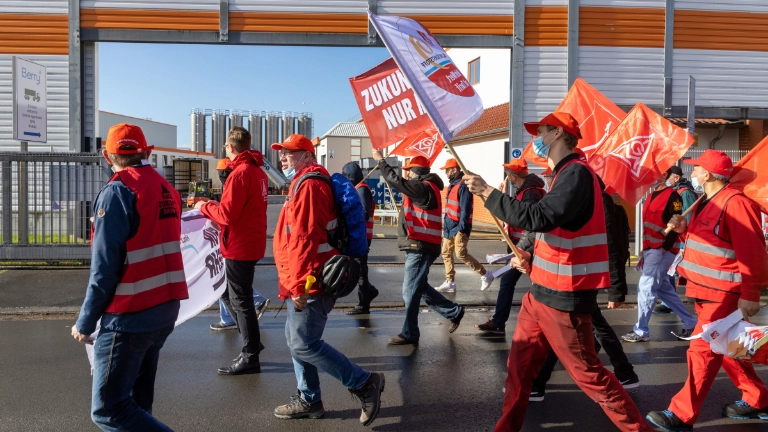
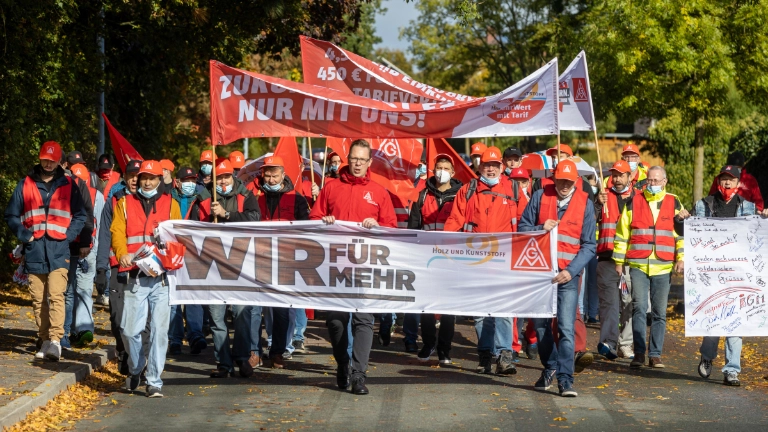
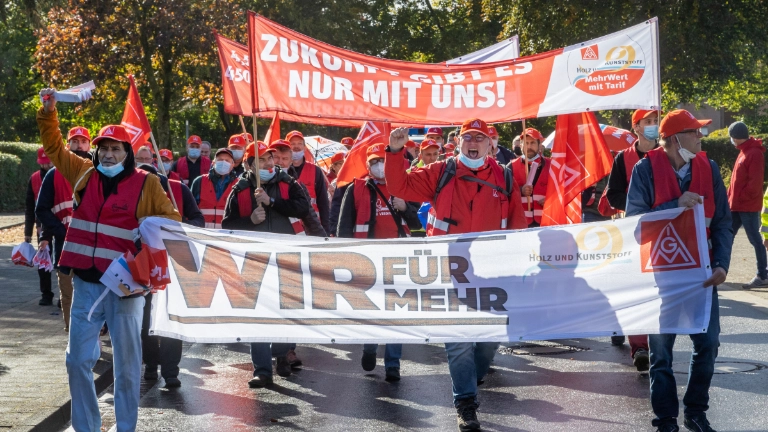
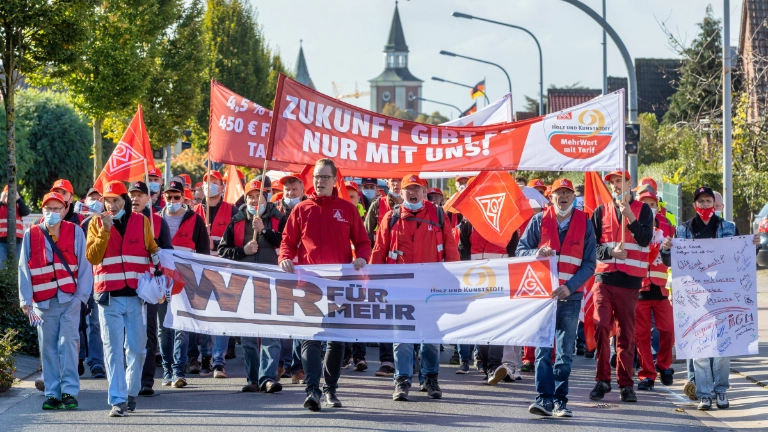
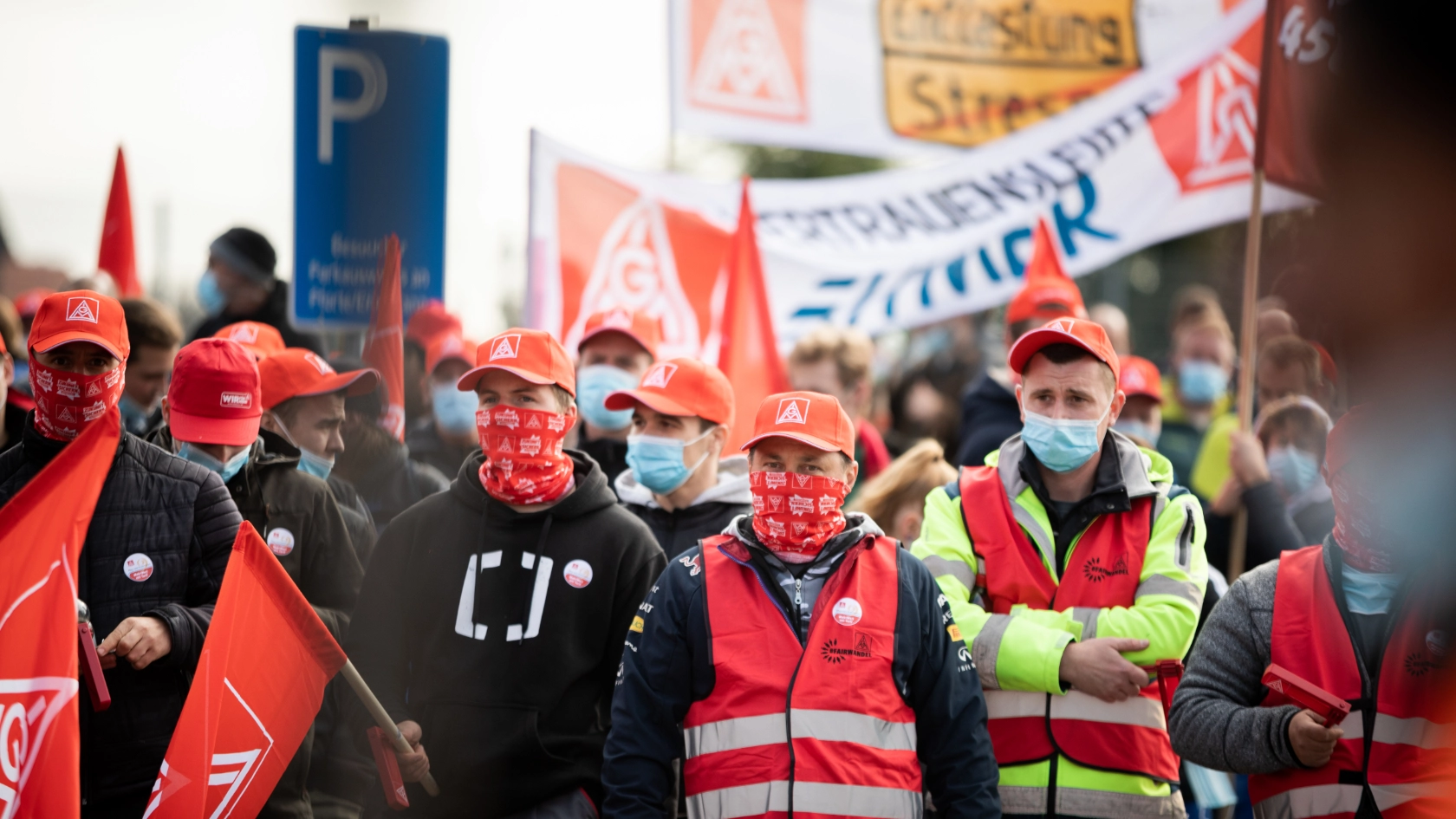
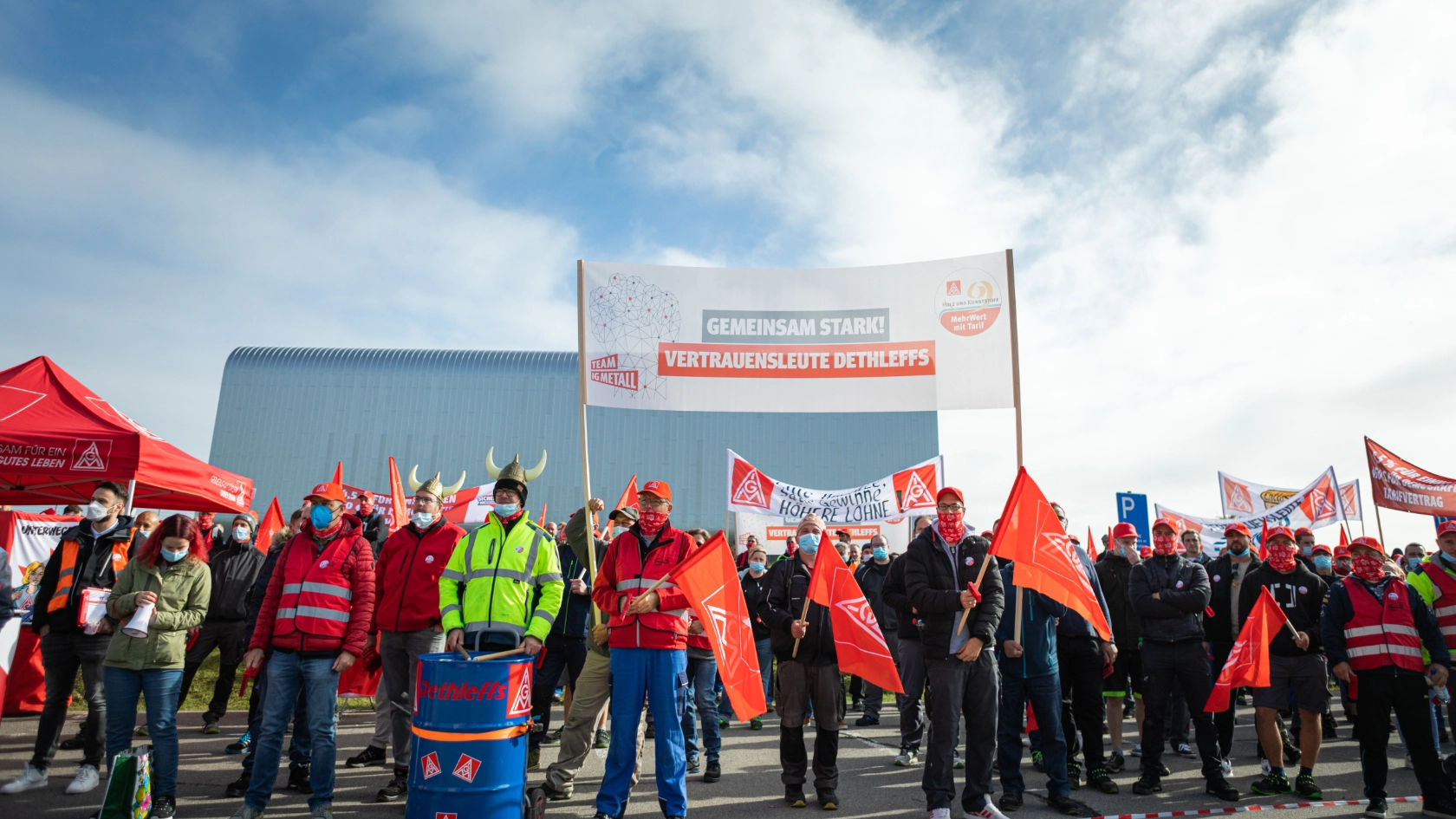
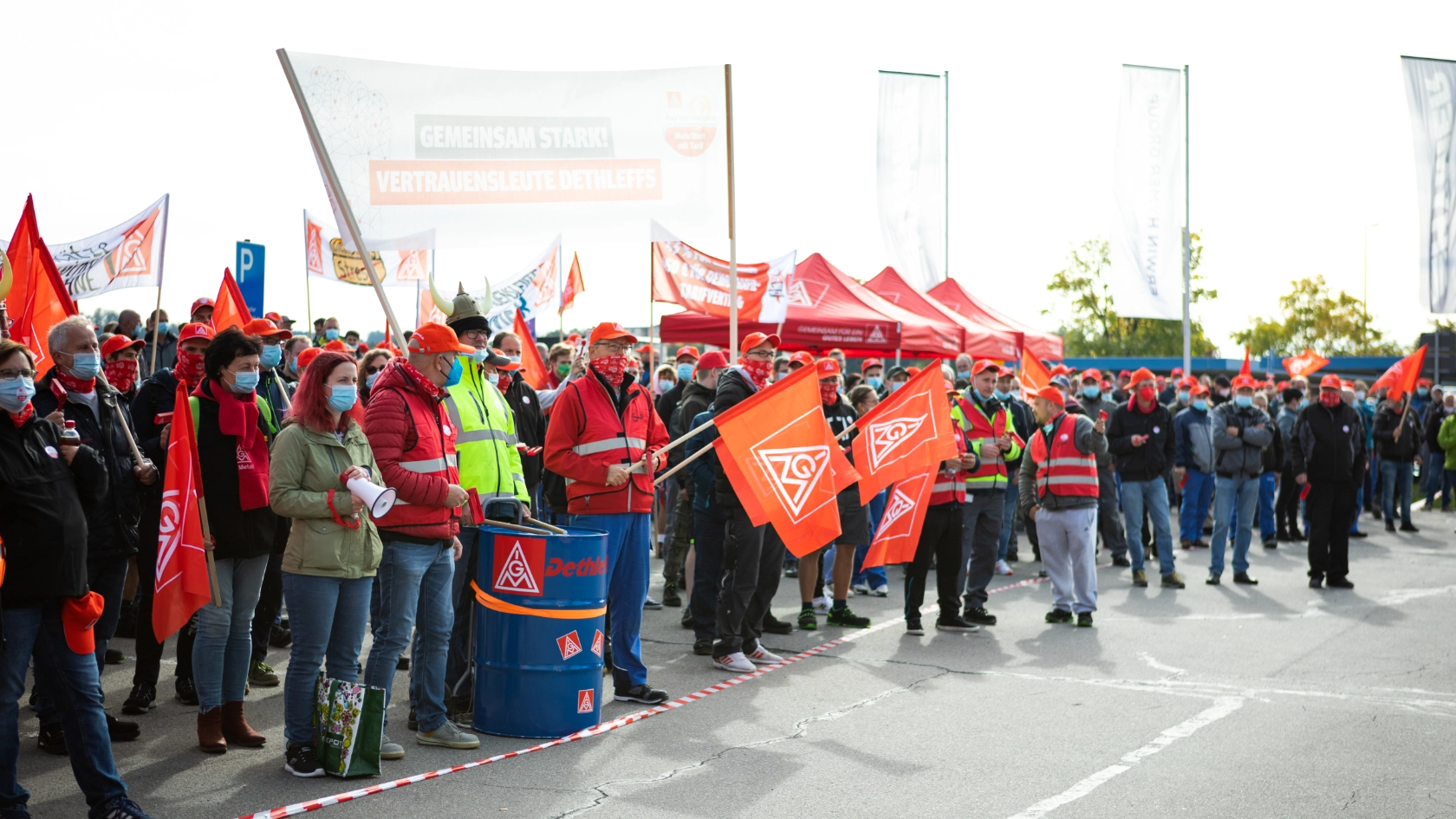
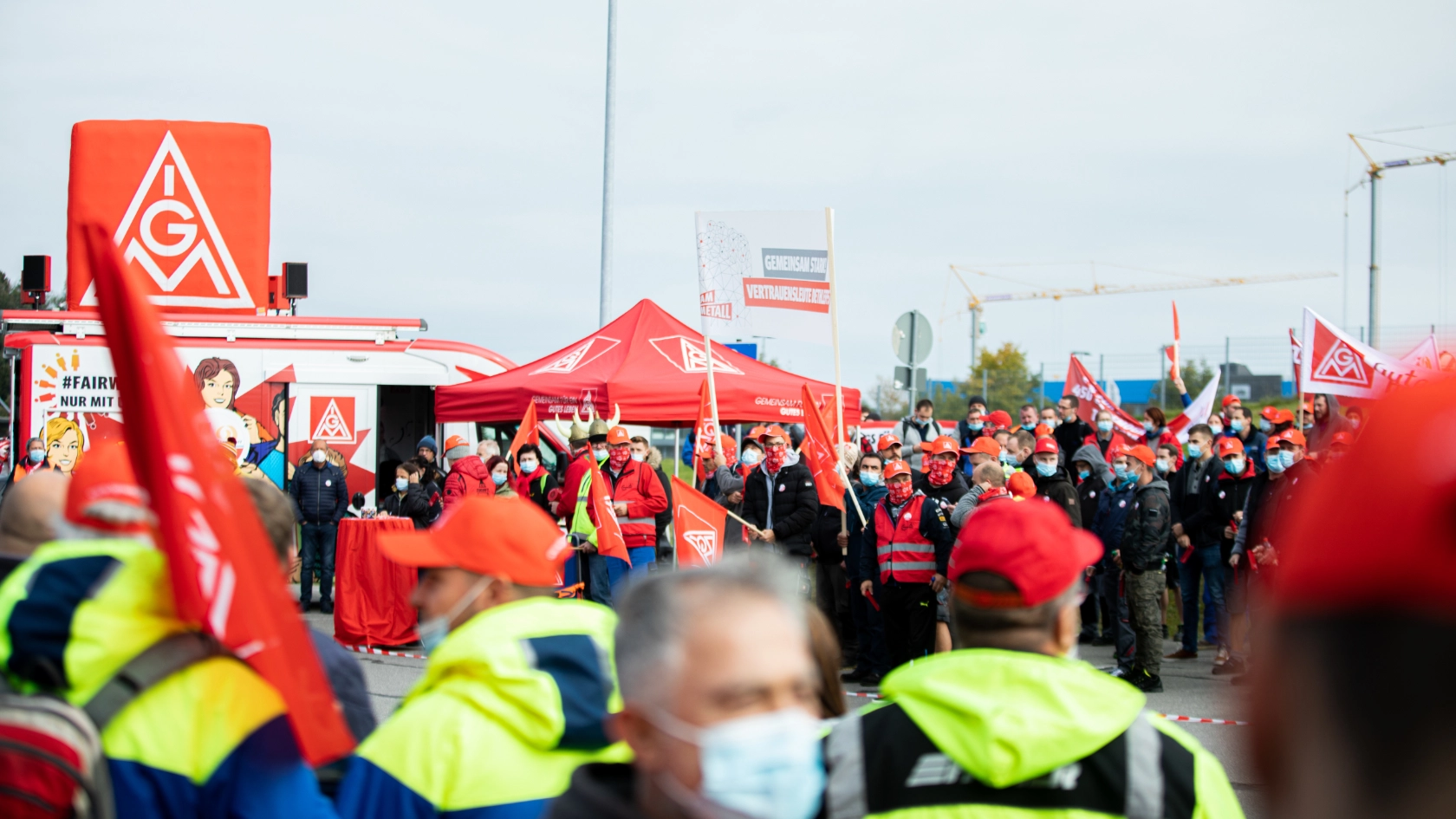
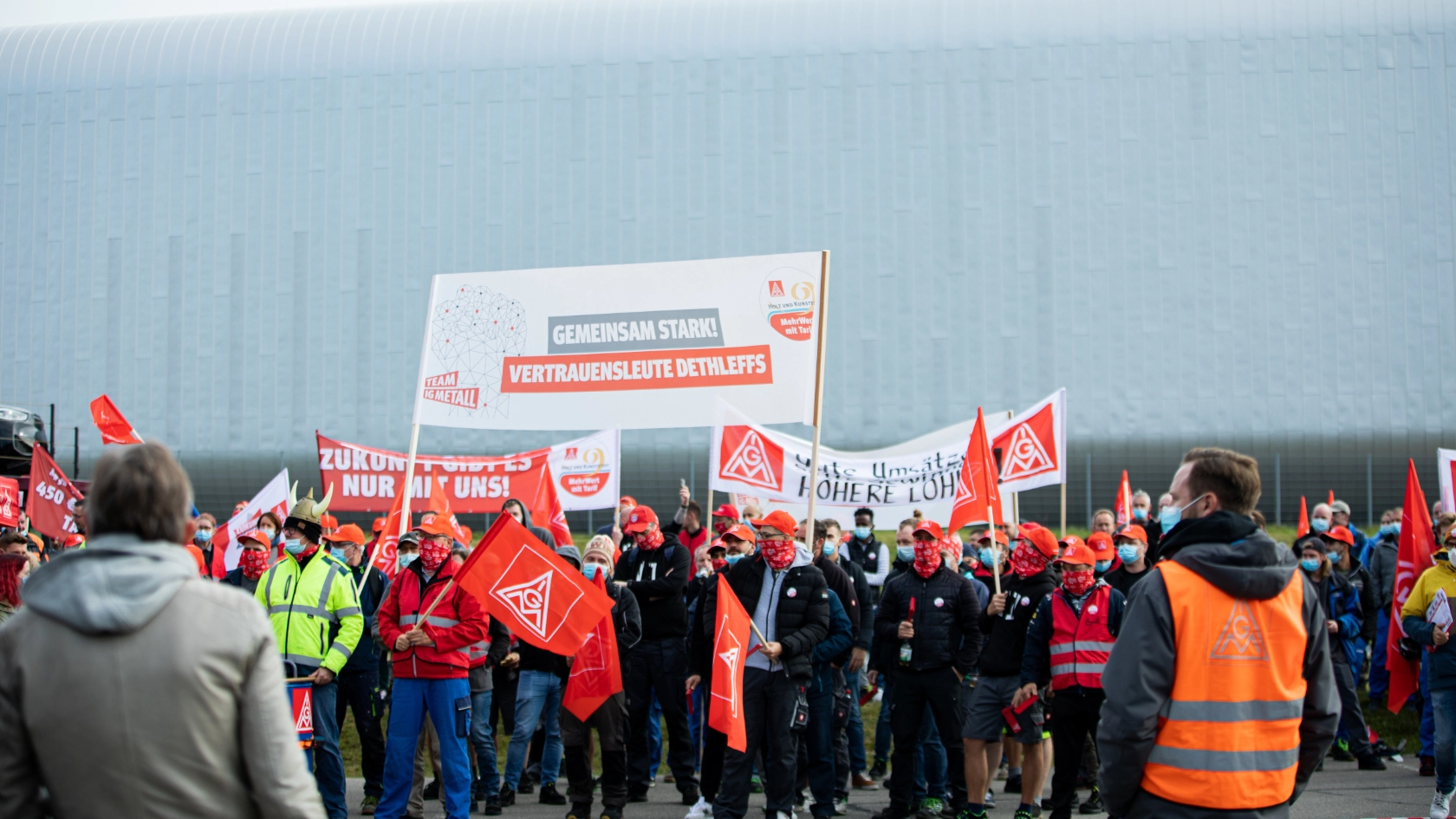
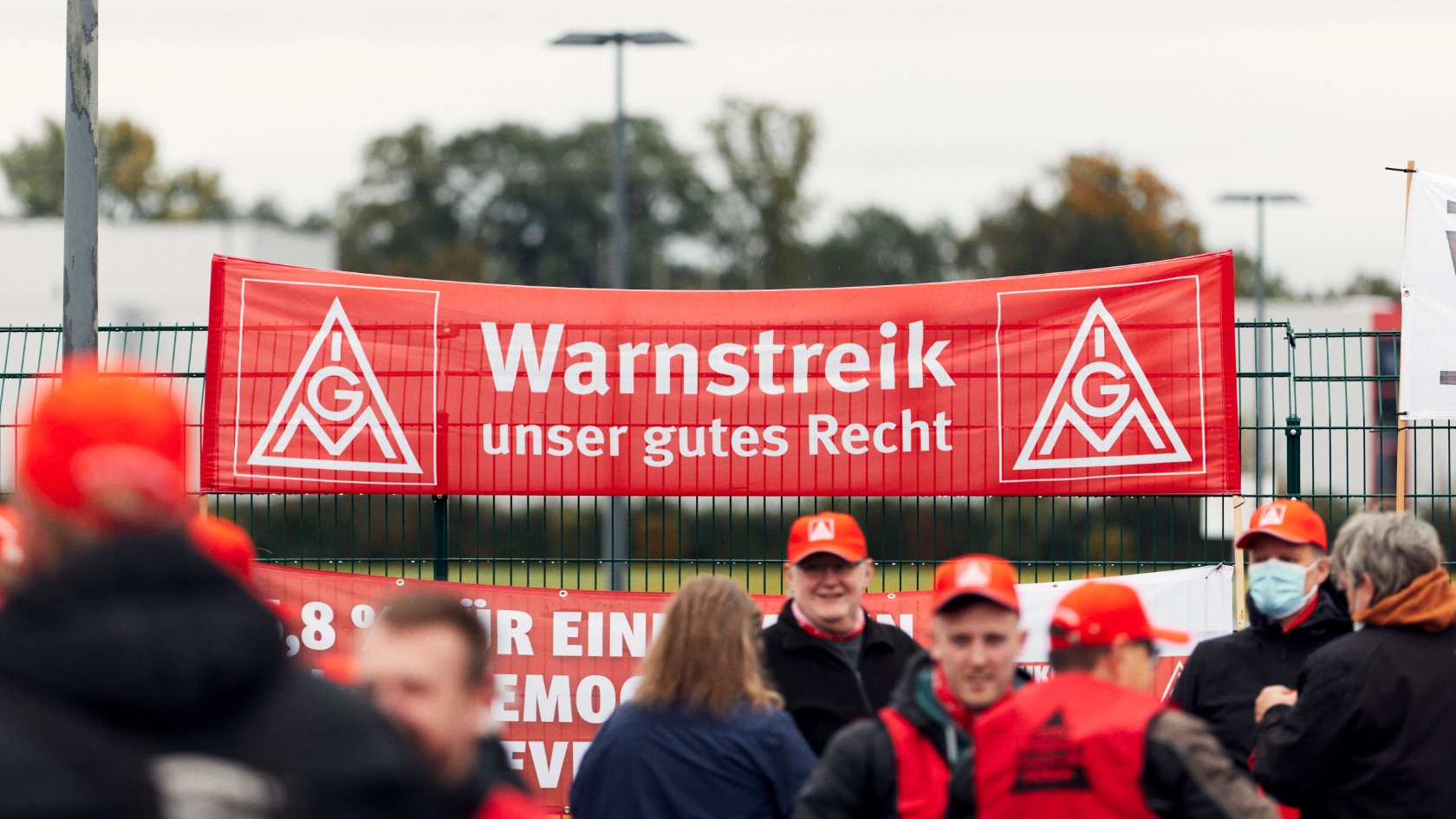
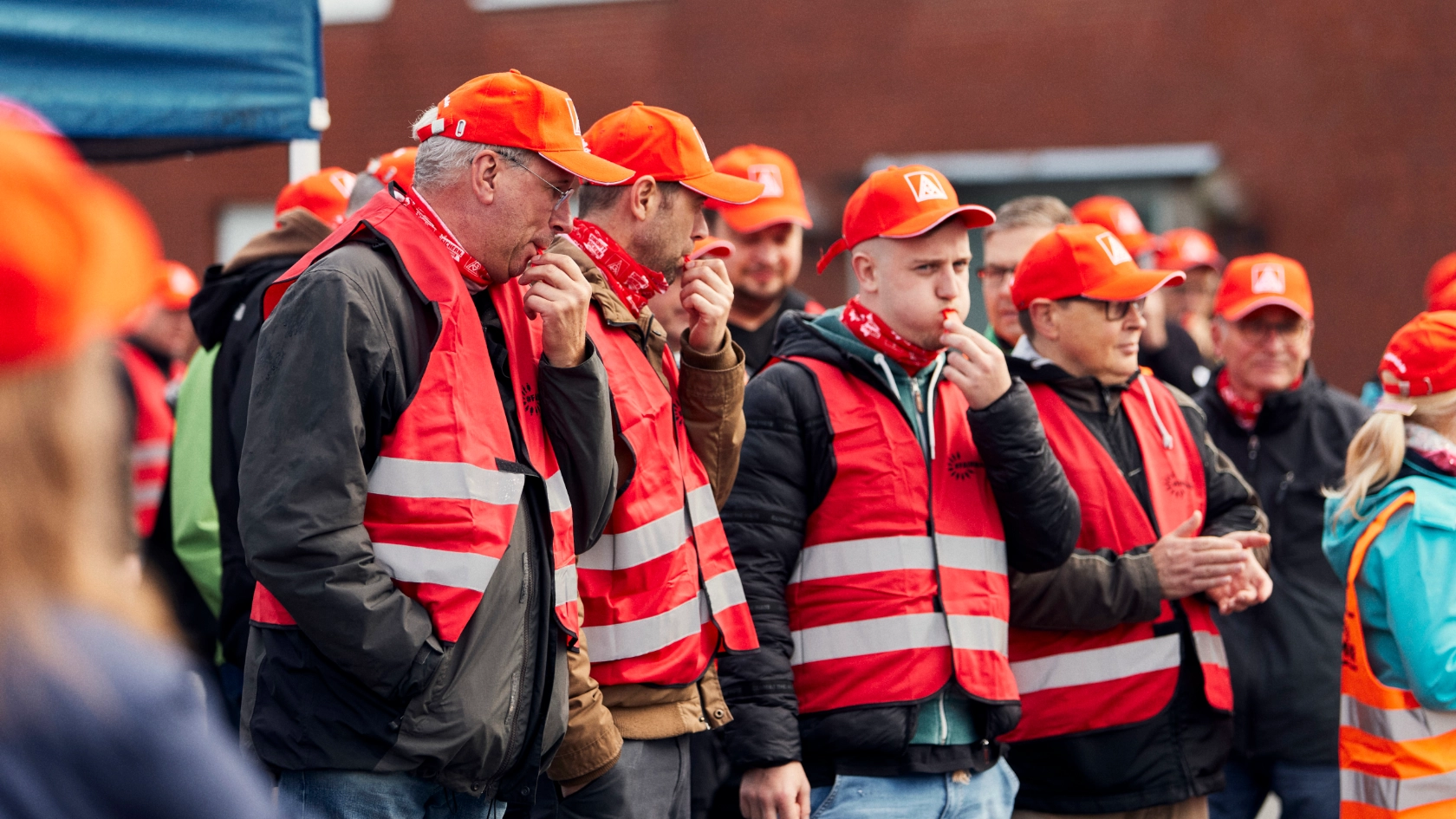
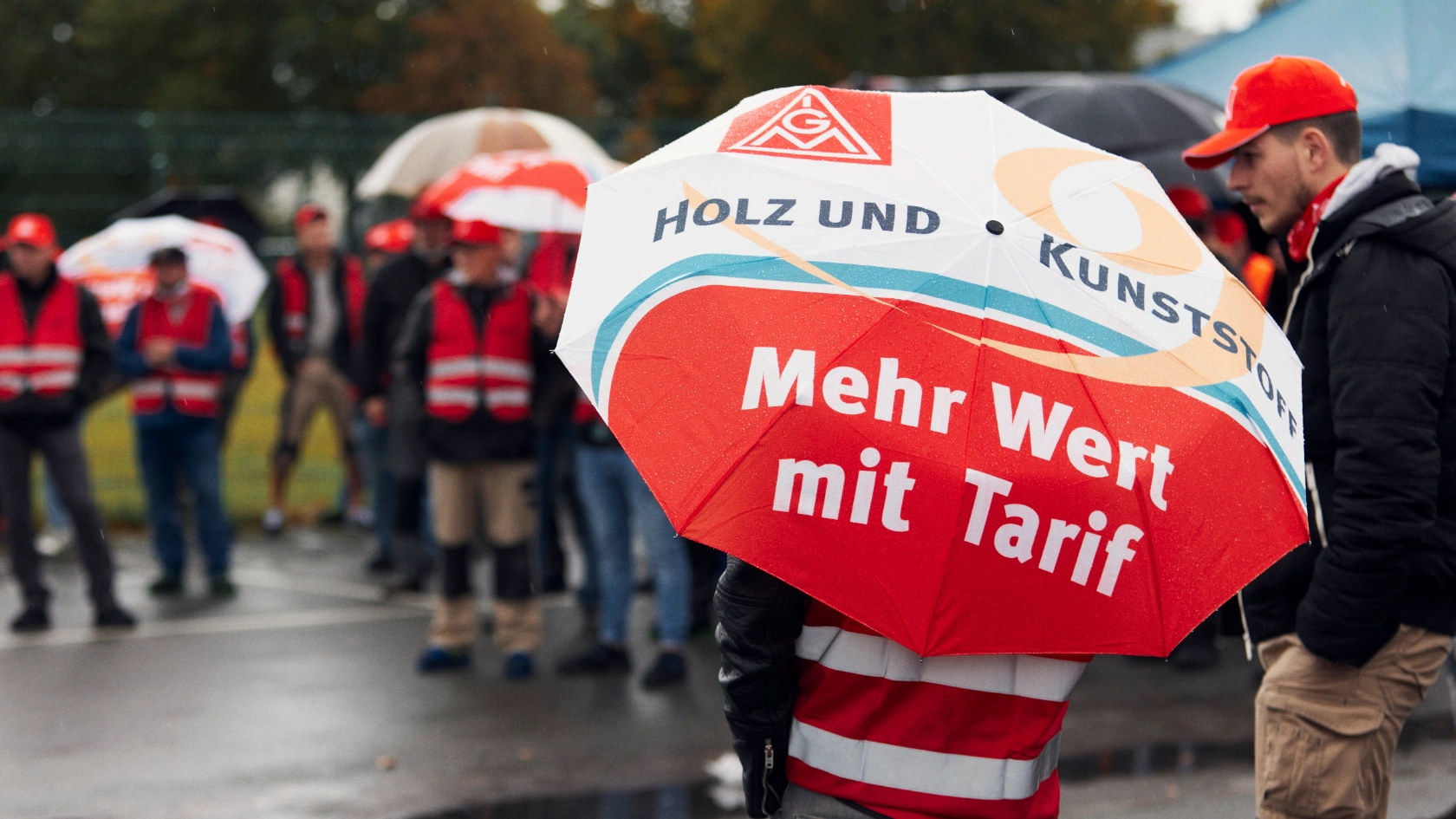
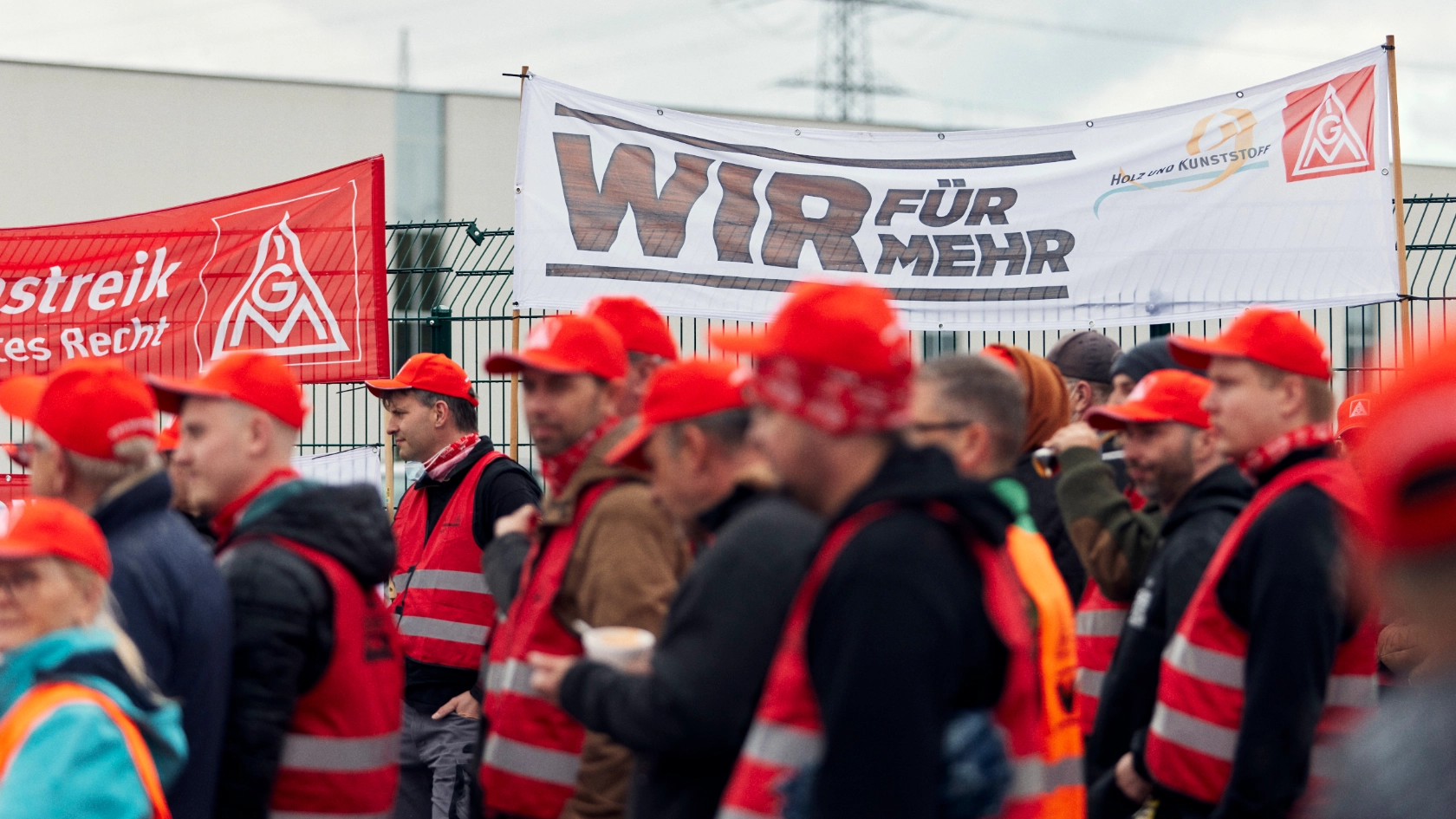
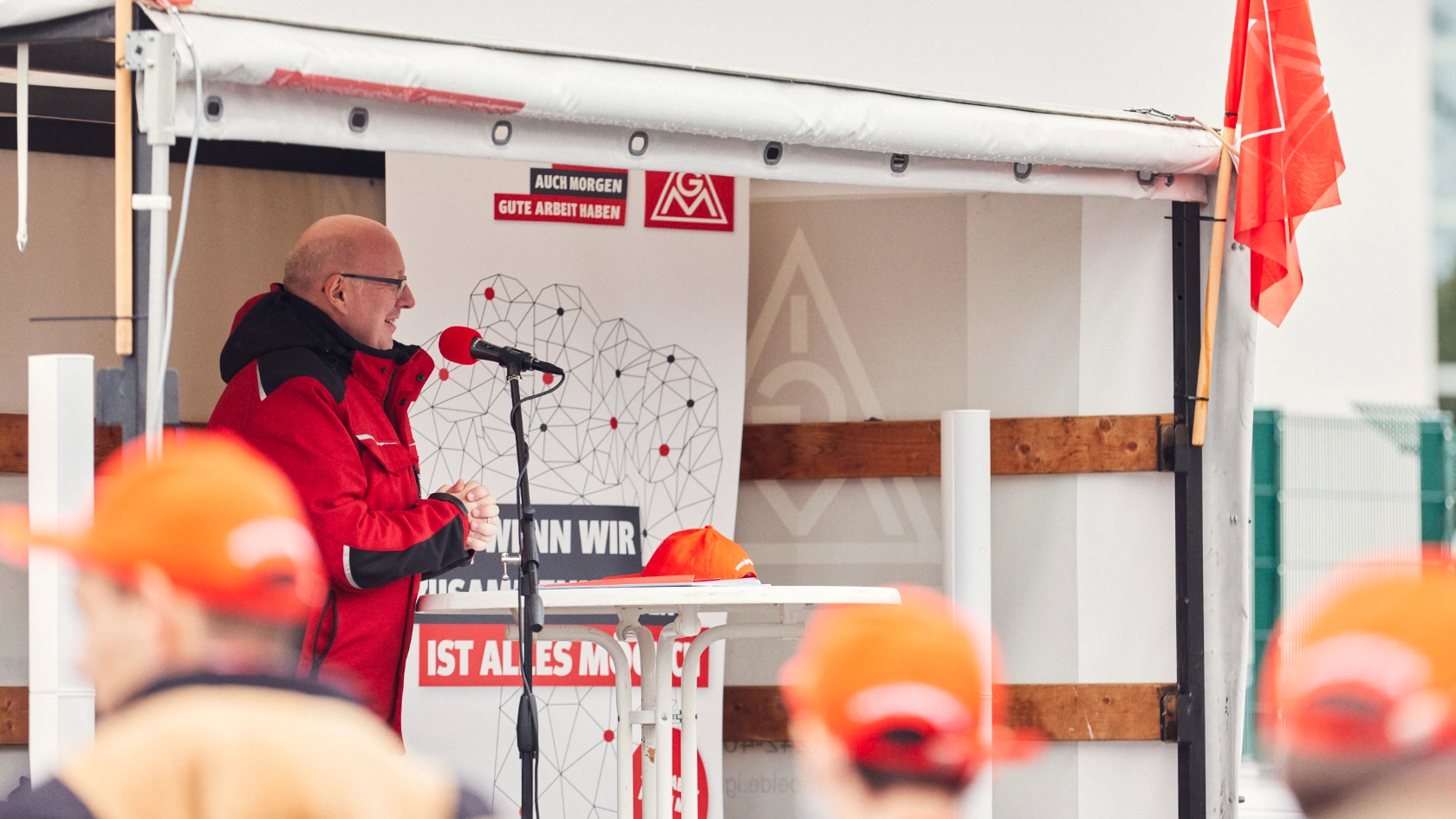
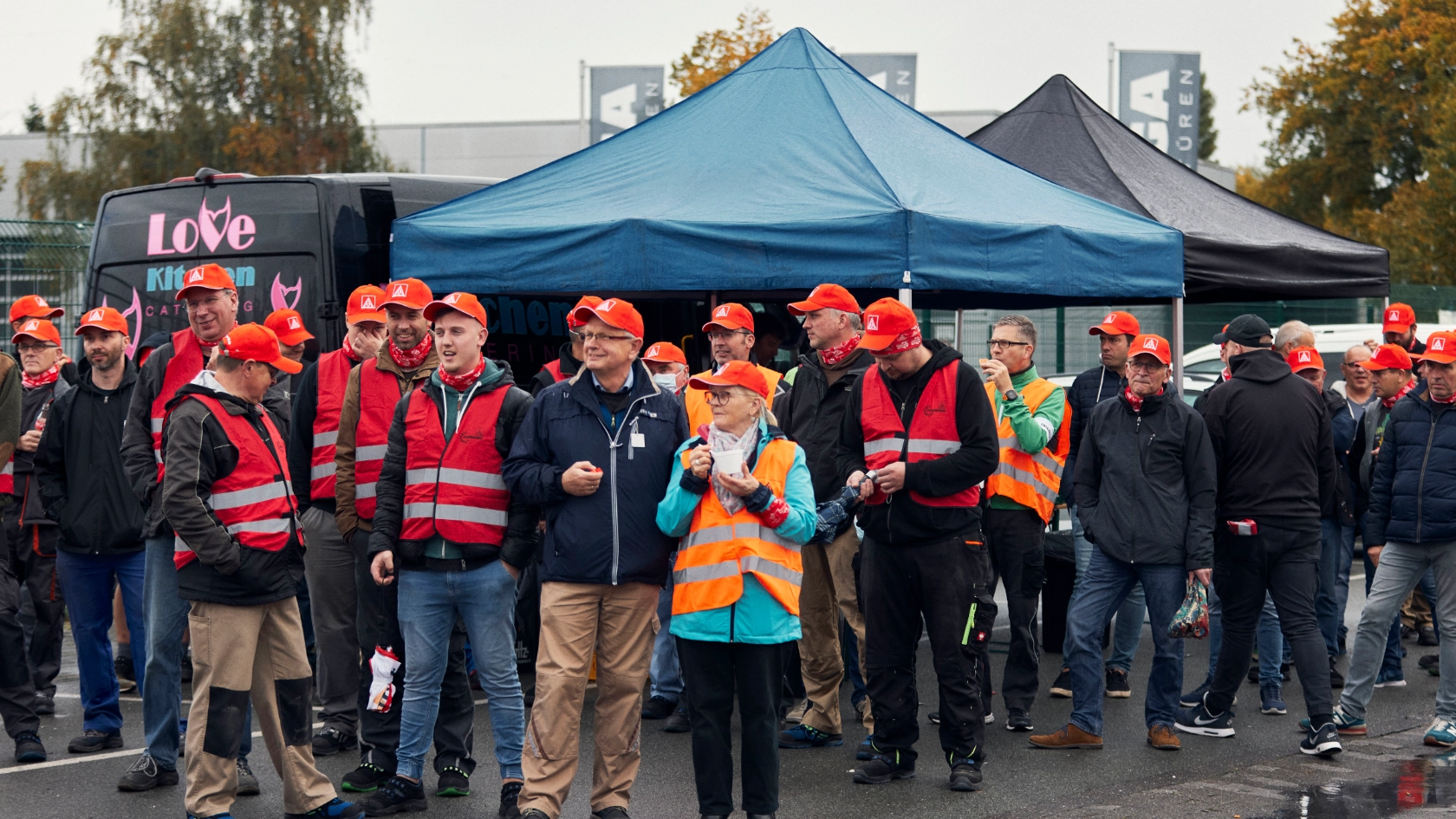
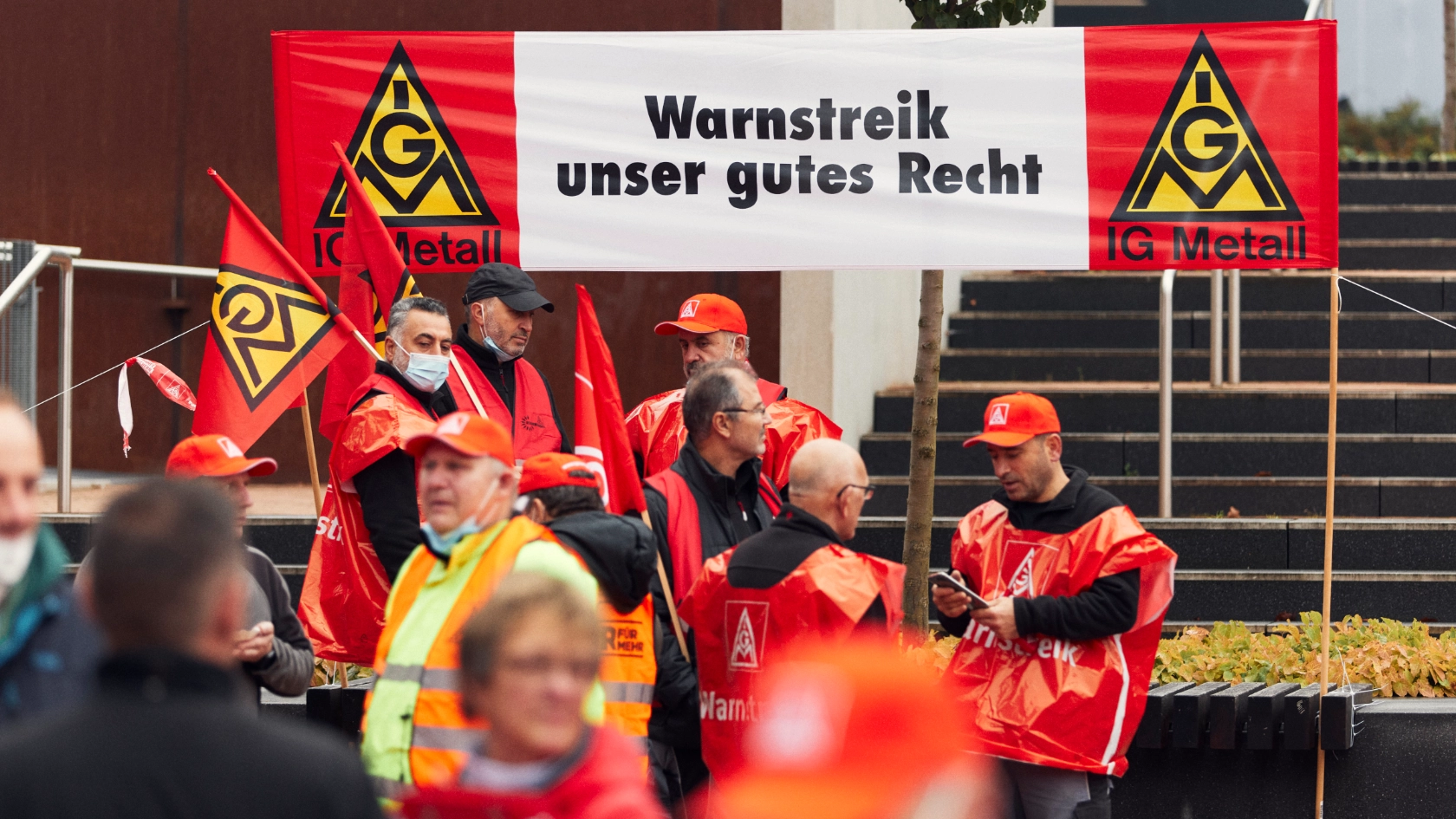
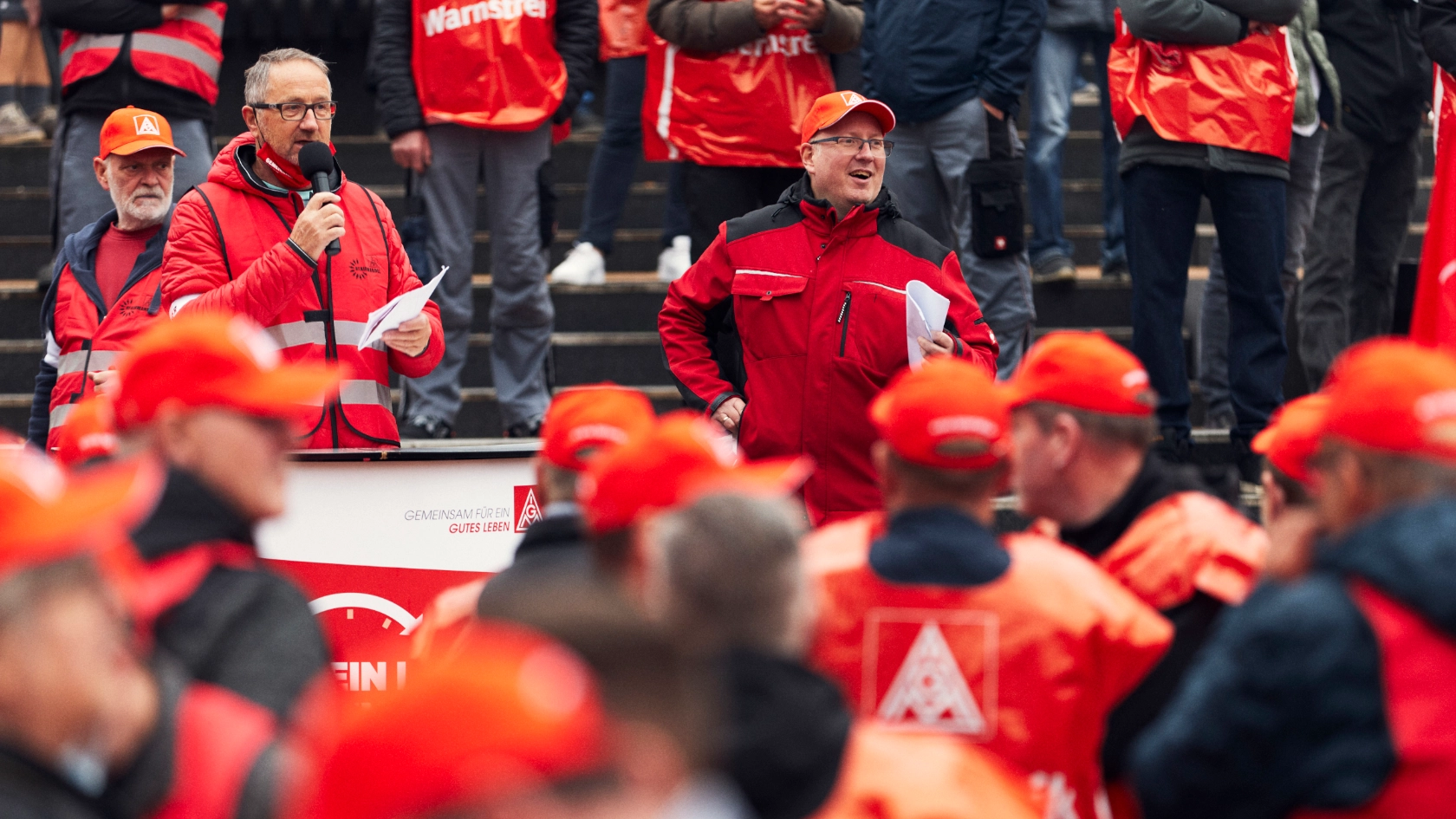
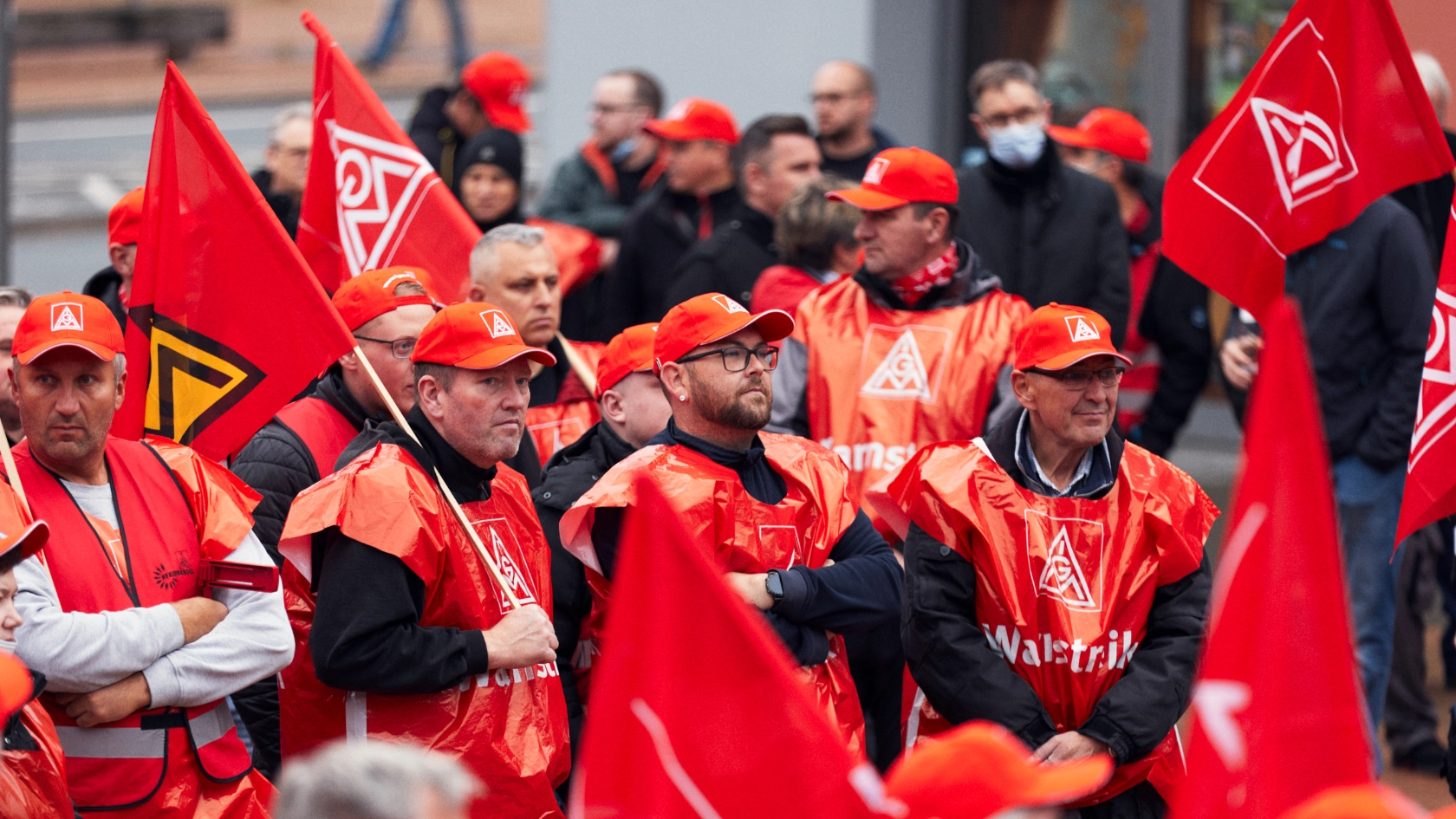
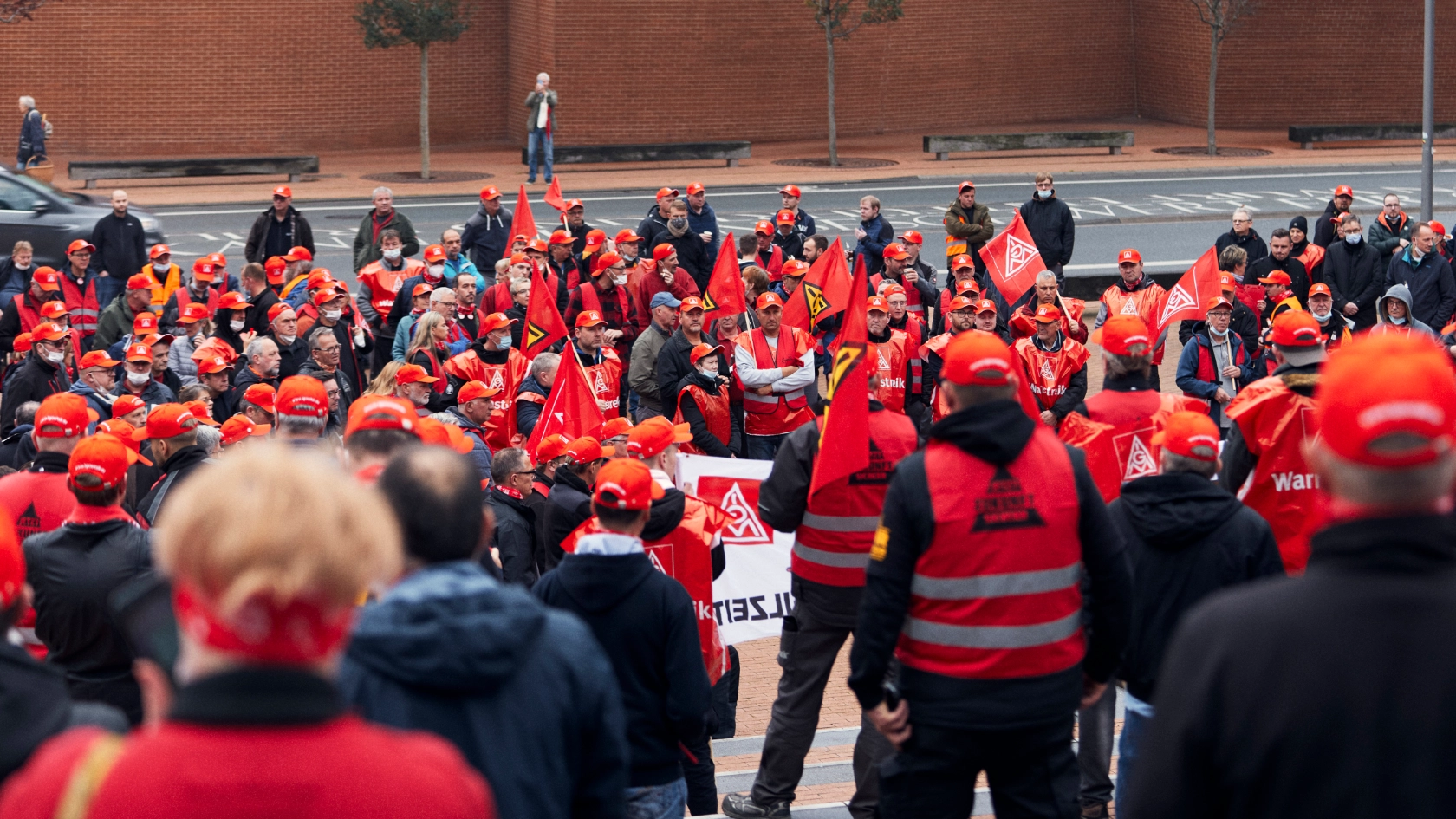
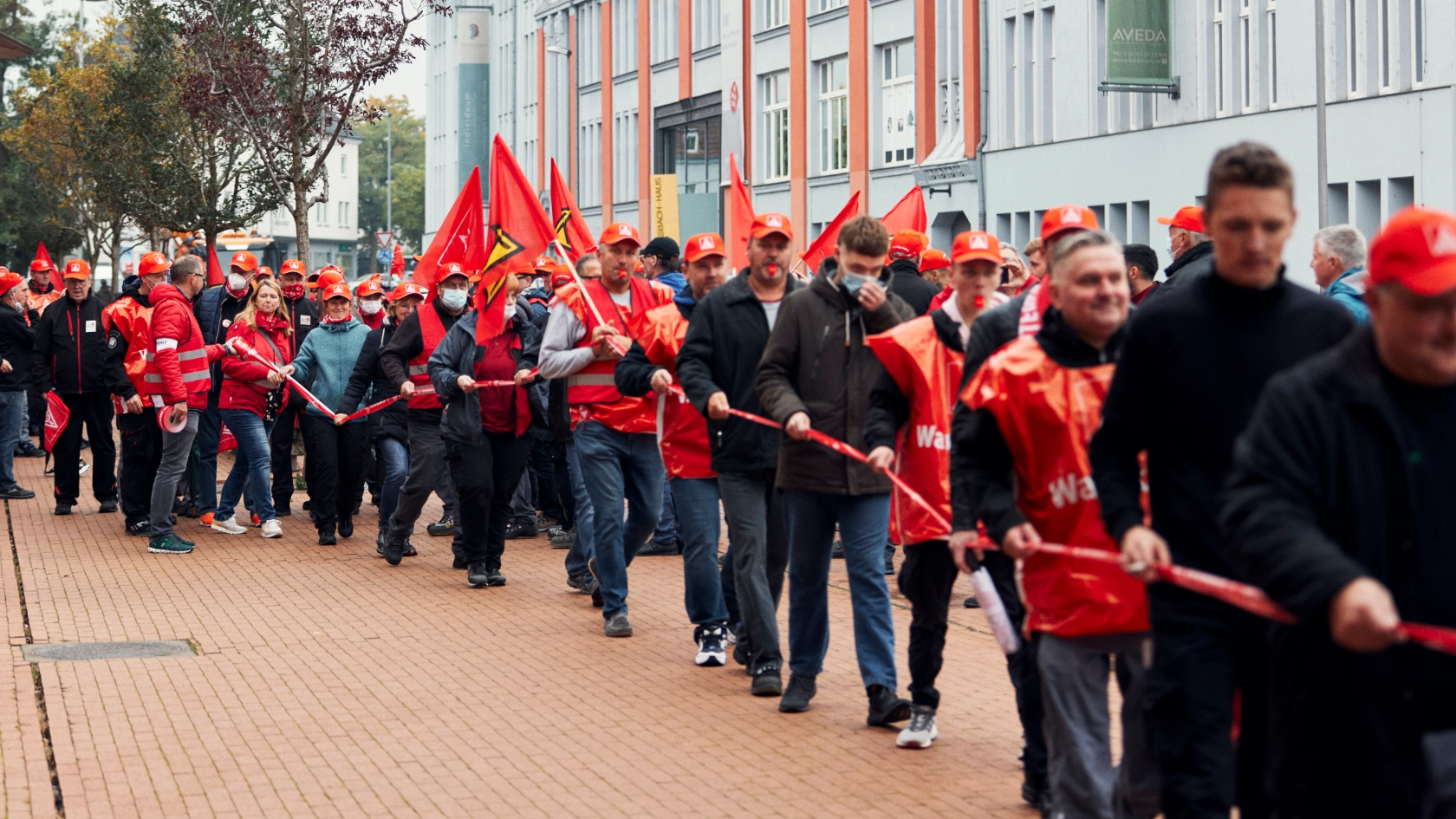
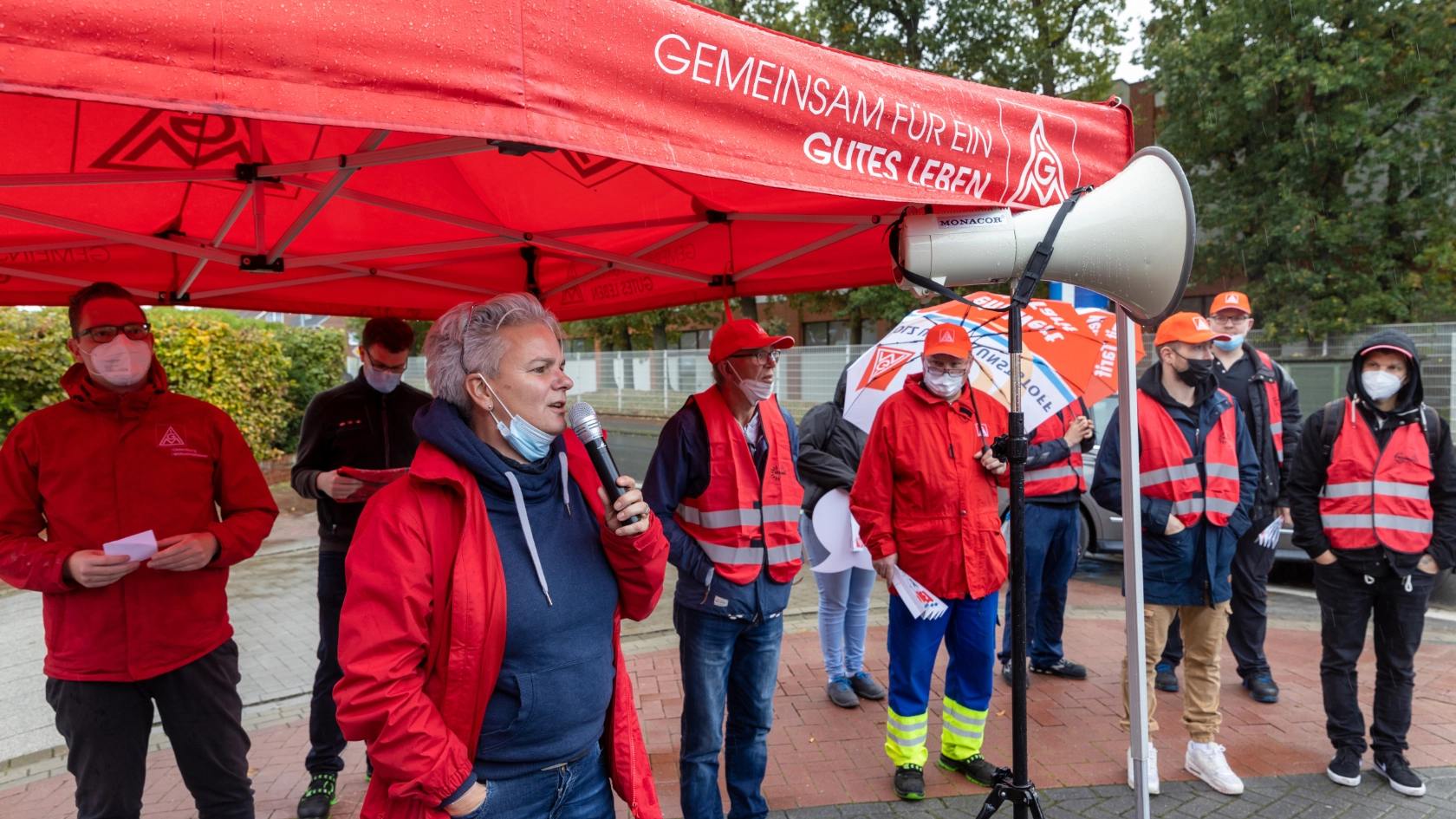
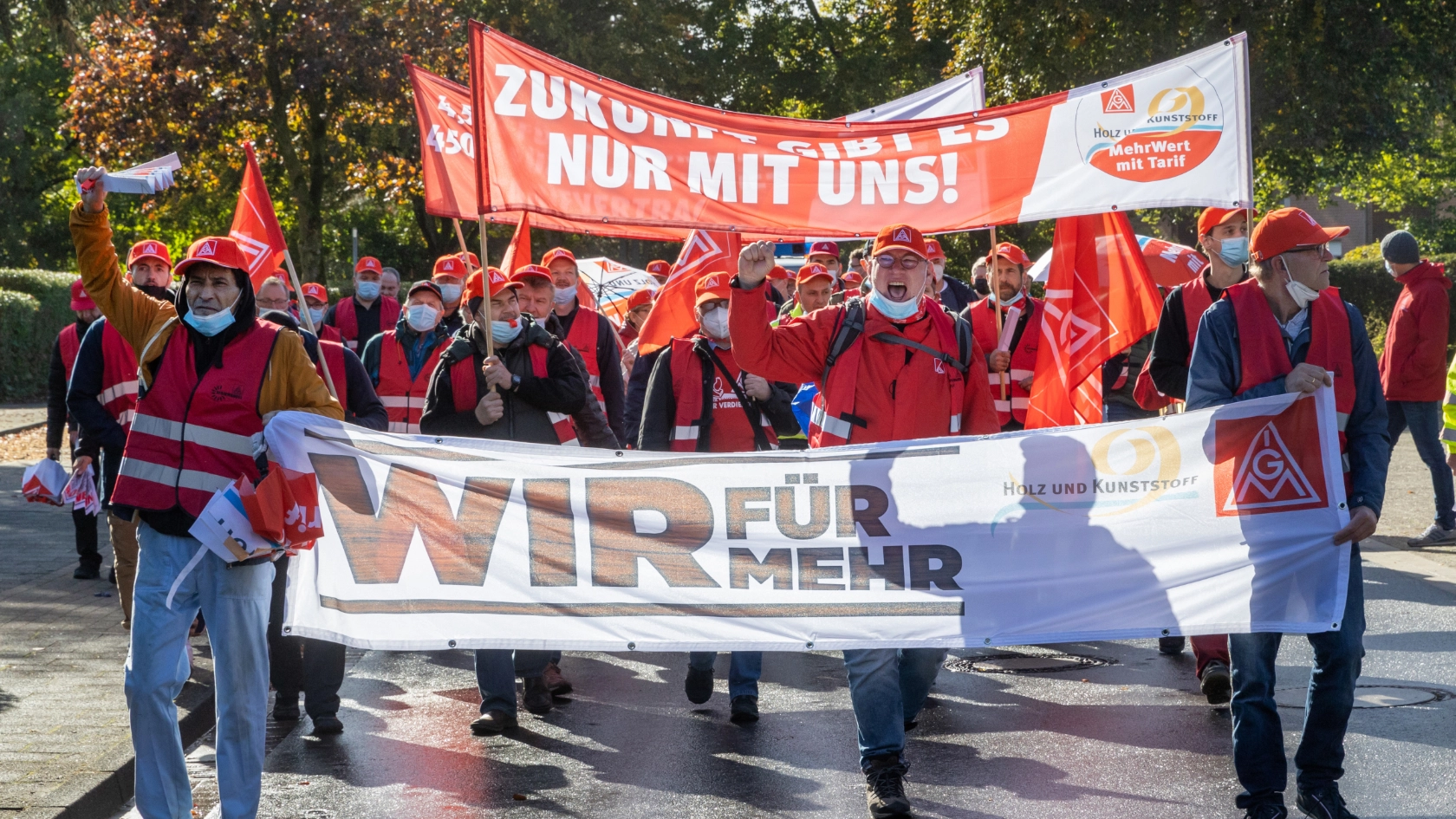
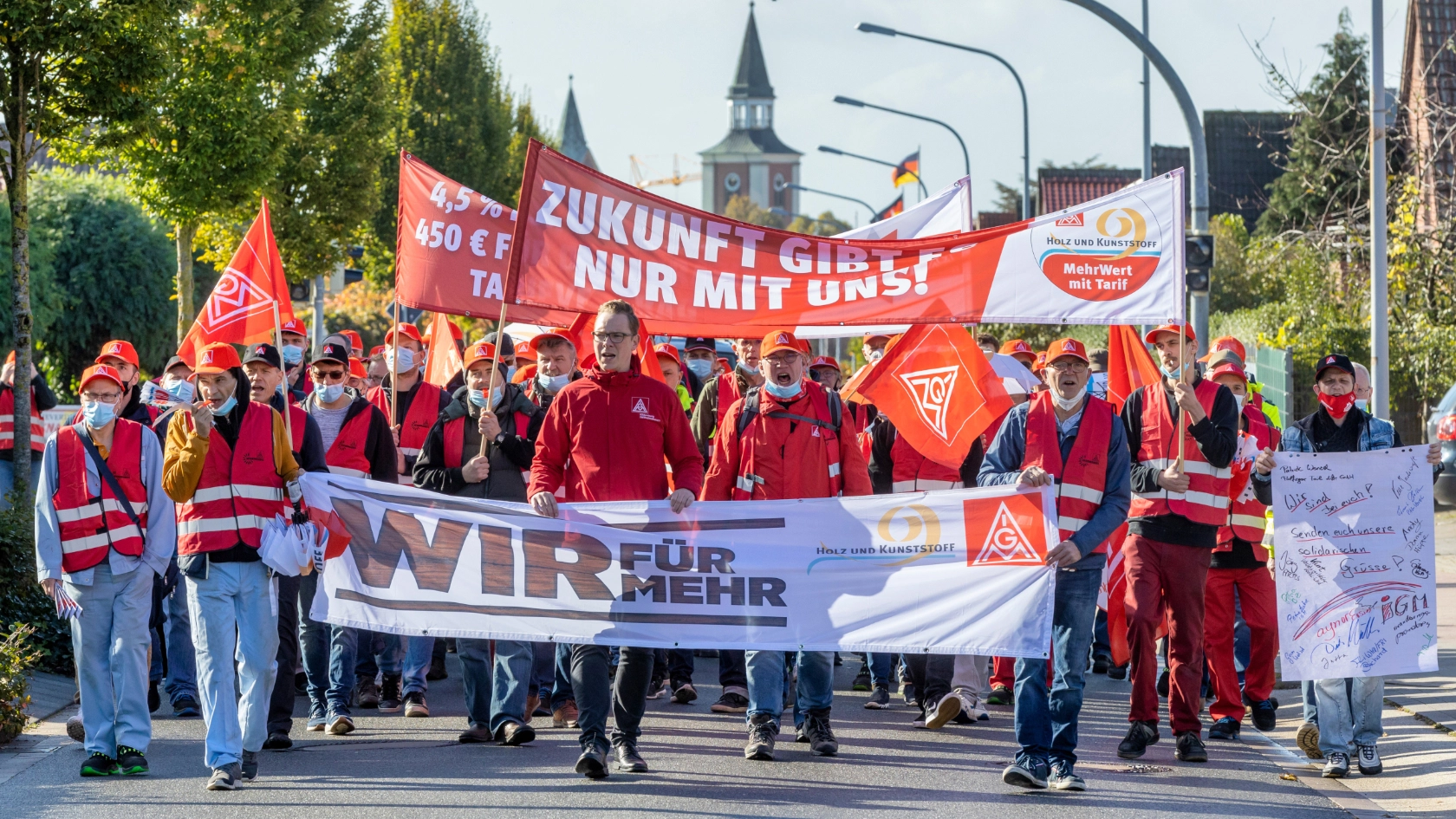
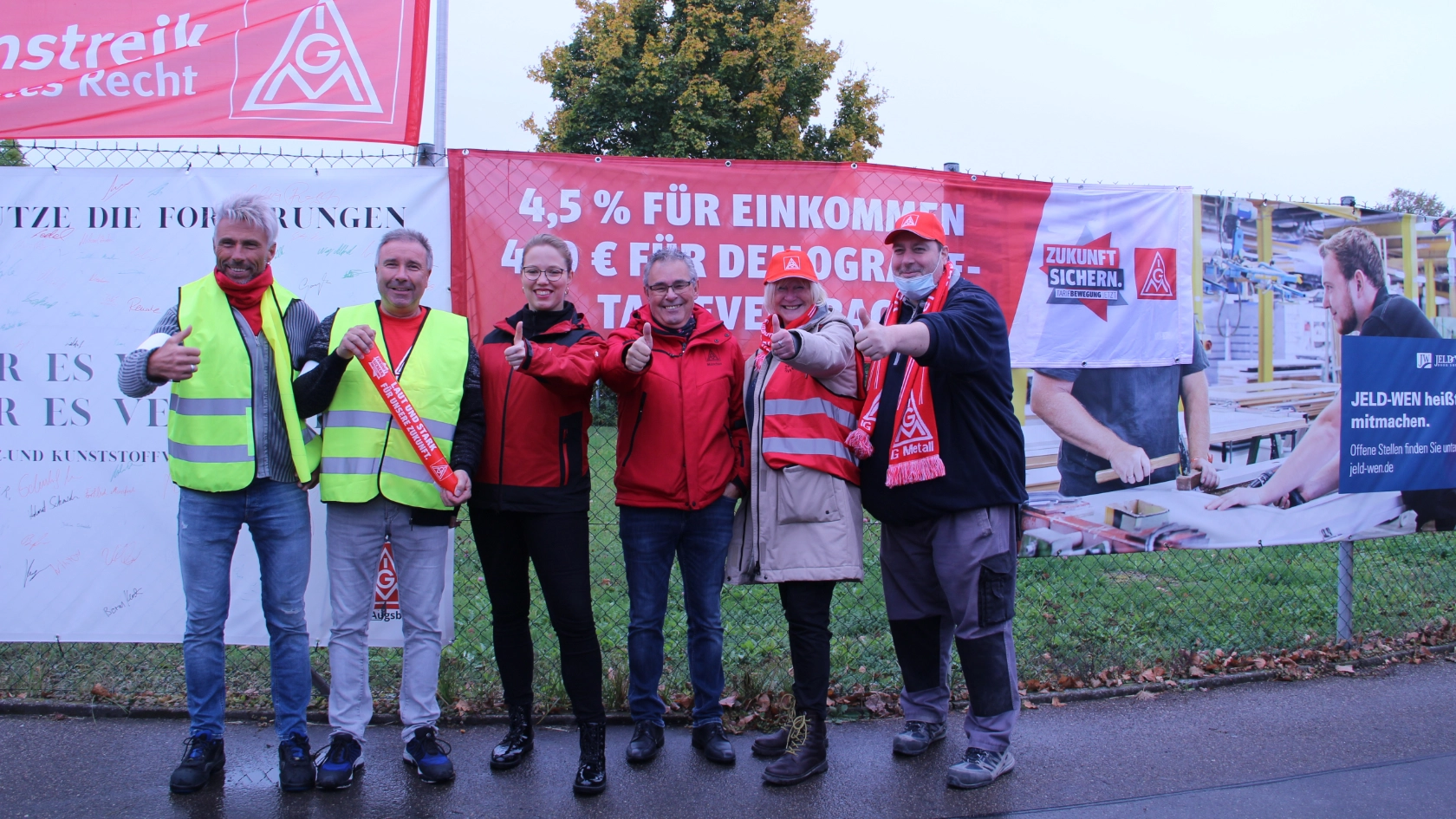
Another collective bargaining agreement in the wood and plastics processing industry: Following agreements in Lower Saxony, Baden-Württemberg, Bavaria, Westphalia-Lippe (North Rhine-Westphalia), Rhineland-Palatinate, Hesse, and Thuringia, IG Metall has now also reached a negotiated settlement in Saxony-Anhalt:
Wages will increase in two stages by a total of 4.9 percent. In addition, there will be a one-time COVID-19 relief payment. And employers’ contributions to the Demographic Fund for Health and Partial Retirement will be doubled.
In detail, the individual regional collective bargaining agreements in the wood and plastics industry differ slightly from one another.
In Saxony-Anhalt, employees will receive the tax-free COVID-19 allowance of 580 euros by February 2022 at the latest. Monthly wages will increase by 2.7 percent starting in April 2022. Starting in April 2023, there will be a further increase of 2.2 percent.
Twice as Much Money for Healthcare and Partial Retirement
Employers’ contributions to the collective bargaining agreement’s demographic fund will be gradually doubled: in Hesse and Saxony-Anhalt, they will rise from 300 to 450 euros as early as 2022—and then to 600 euros per employee per year in 2023. This will enable significantly more employees to enter partial retirement in the future.
In other collective bargaining regions, the Demographic Fund contribution will increase one year later. In exchange, these regions will receive, for example, more COVID-19 relief funds or the 2.7 percent pay increase one month earlier.
The Demographic Fund will then grow in line with wage increases under the collective bargaining agreement. For example: If wages increase by 2.7 percent, the contribution to the Demographic Fund will also increase by 2.7 percent.
Extra Bonus for Trainees
Apprentices everywhere will receive an extra bonus. In Saxony-Anhalt, starting in July 2022, apprenticeship stipends will increase by between 30 and 50 euros—depending on the year of training—to between 930 and 1,120 euros per month. Starting in July 2023, apprenticeship stipends will then rise further to between 960 and 1,170 euros.
Josef Windpassinger, chief negotiator for the wood and plastics processing industry at IG Metall Mitte, sees the collective bargaining agreement as an important step toward making the industry more attractive to young people. “Whether school graduates choose to begin an apprenticeship in the wood and plastics industry depends on good working and performance conditions. Those who pay poorly will lose the competition for young skilled workers.”
The term of the collective bargaining agreements on wages, salaries, and apprenticeship stipends is 36 months, through November 30, 2023. At that point, IG Metall can terminate the agreements and renegotiate further pay increases.