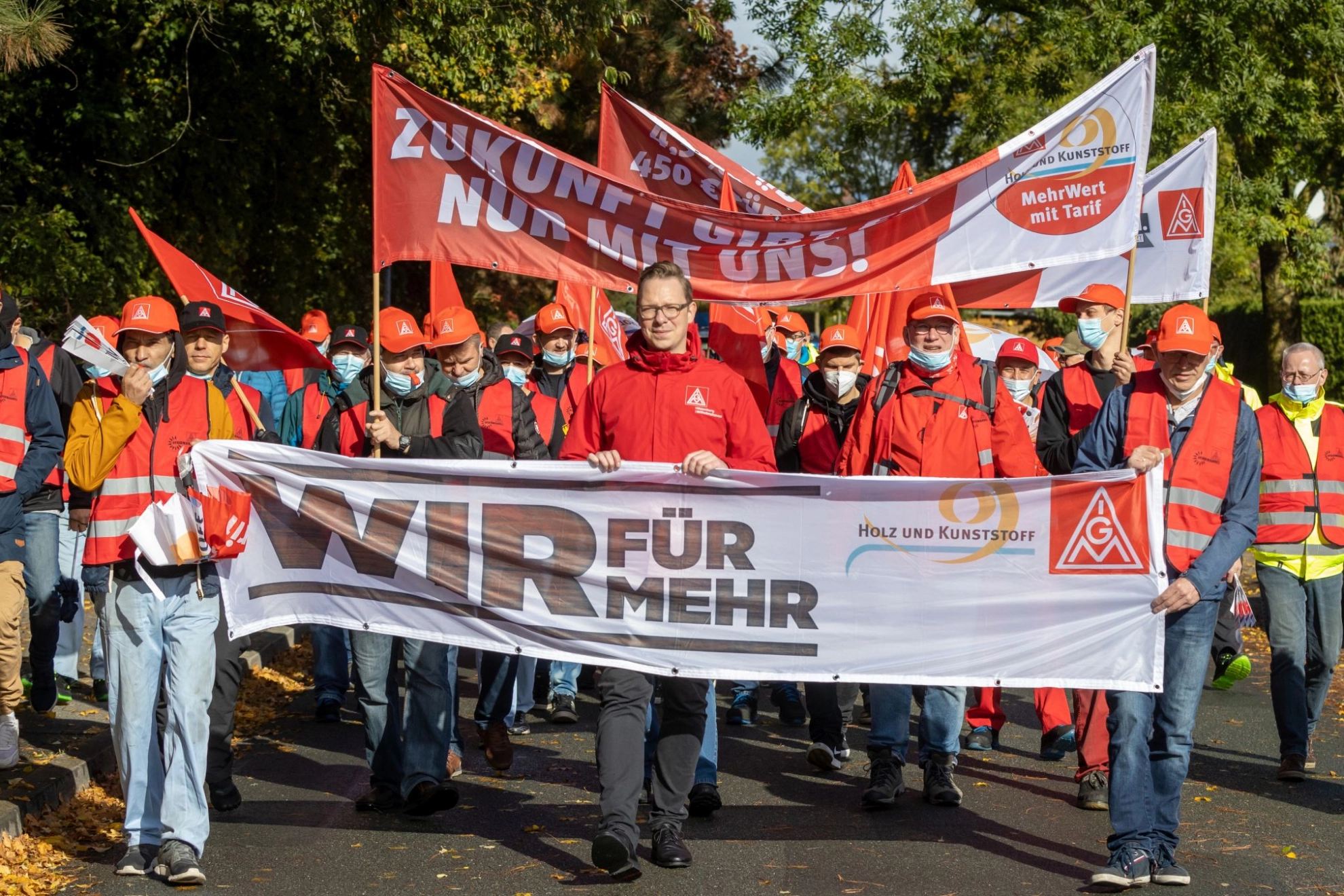
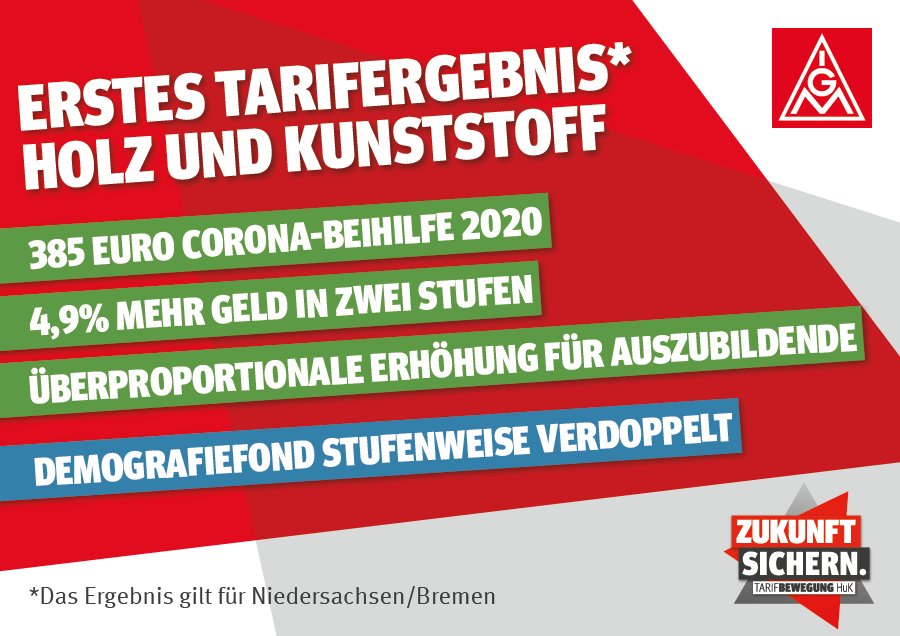
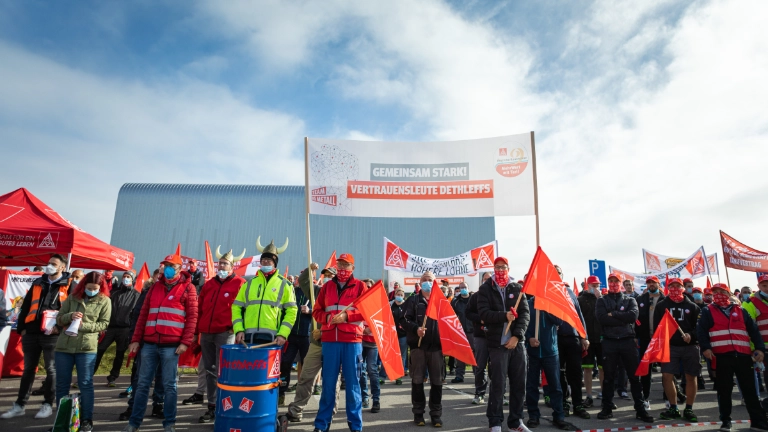
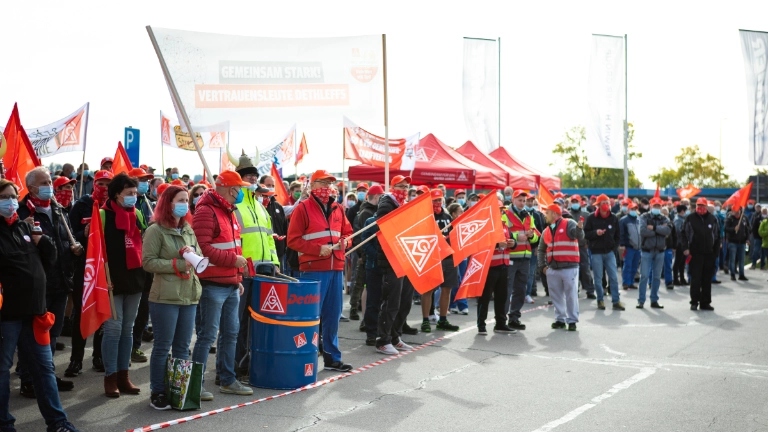
A pay increase for workers in two steps: Starting in April 2022, there will be a 2.7 percent increase—followed by an additional 2.2 percent in April 2023, for a total of 4.9 percent. In addition, there will be a COVID-19 relief payment of 385 euros by February at the latest. IG Metall secured these wage increases in the wood and plastics processing industry in Lower Saxony/Bremen and Baden-Württemberg.
The Demographic Collective Bargaining Agreement, which provides funding for partial retirement and health initiatives, has been reinstated despite resistance from employers. Employers’ contributions to the Demographic Fund will double.
More Money
Employees in the wood and plastics processing industry have been under particular strain since the COVID-19 pandemic: The market is booming, and the order backlog is leading to extra work and overtime. For this reason, a COVID-19 relief payment of 385 euros will be paid out and must be in employees’ accounts by the February 2022 pay period at the latest.
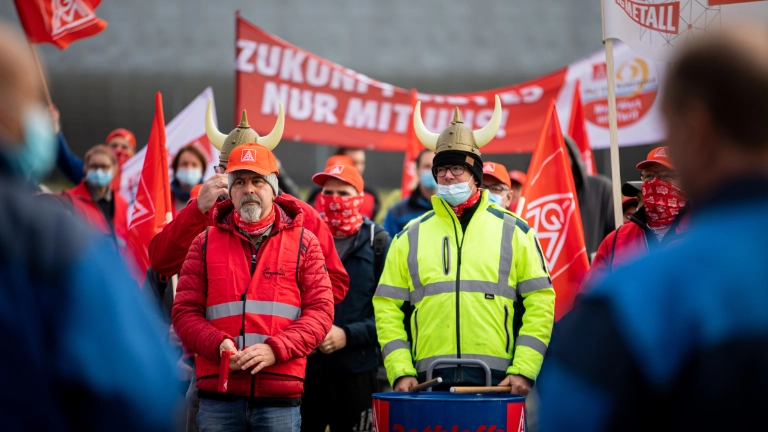
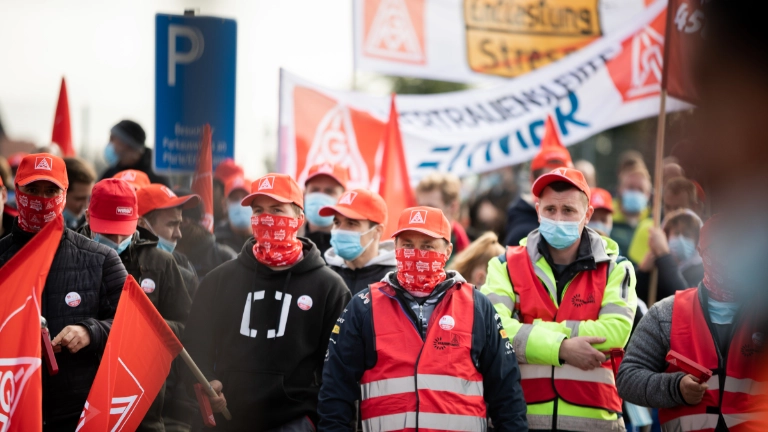
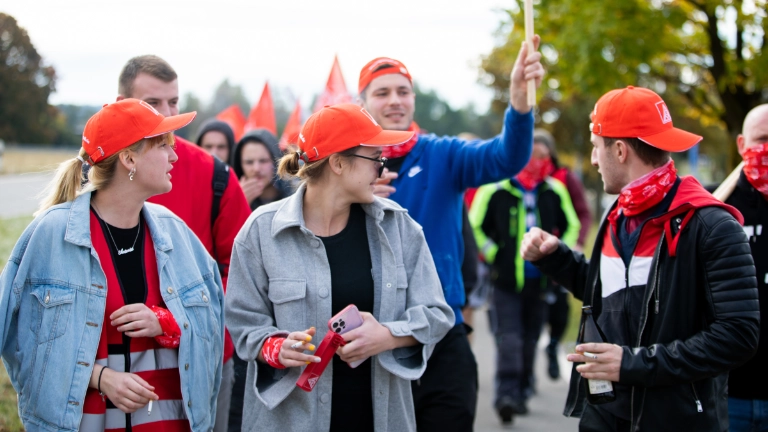
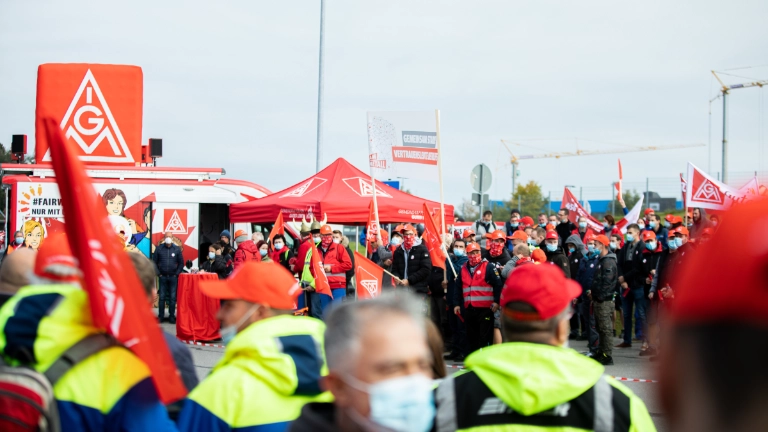
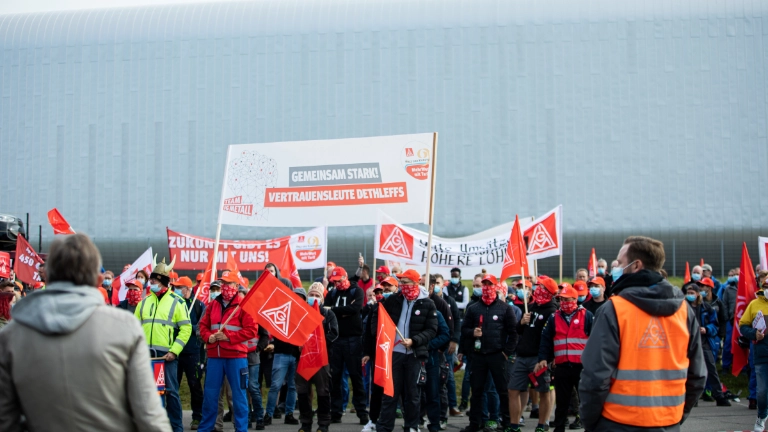
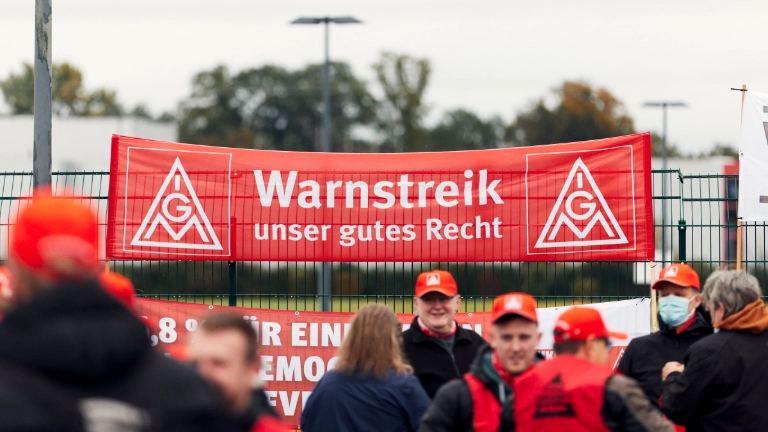
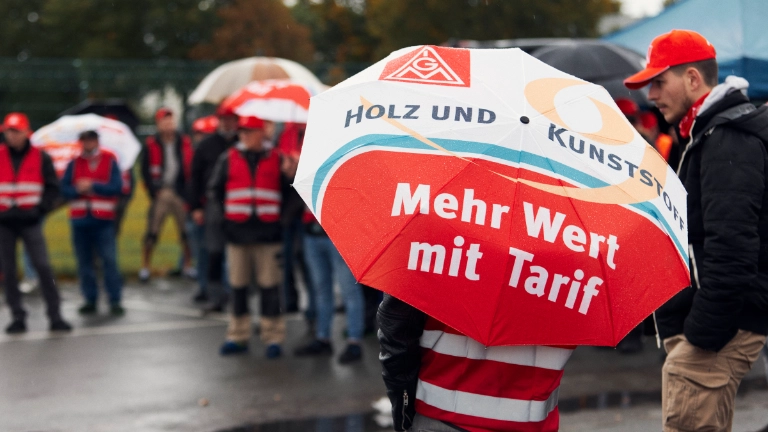
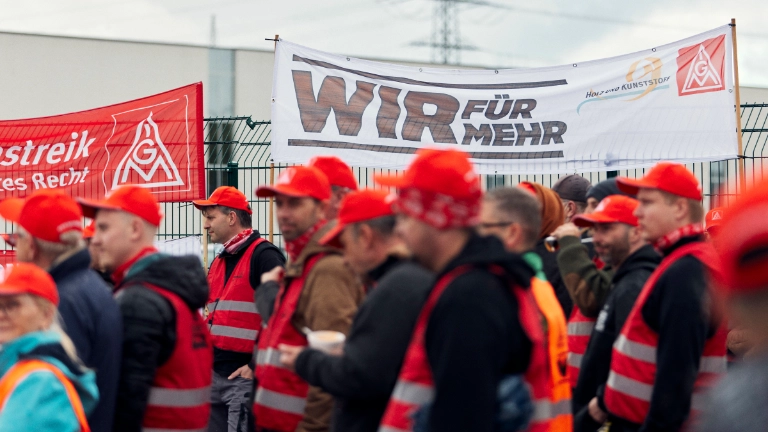
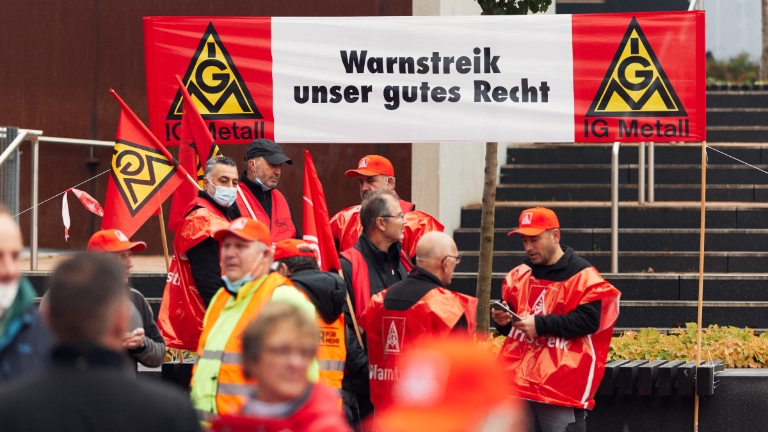
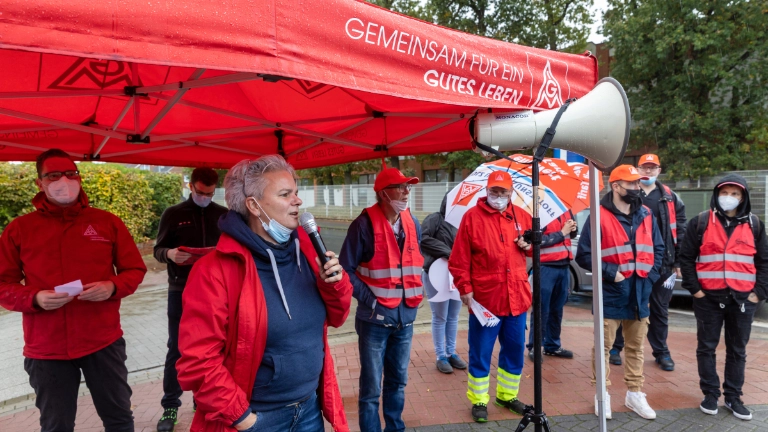
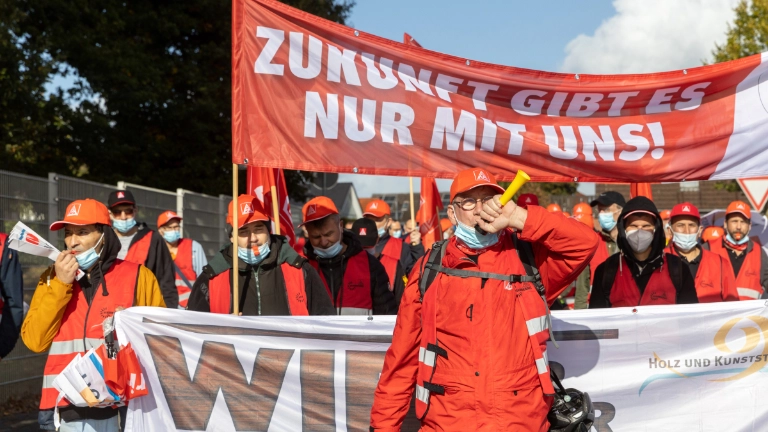
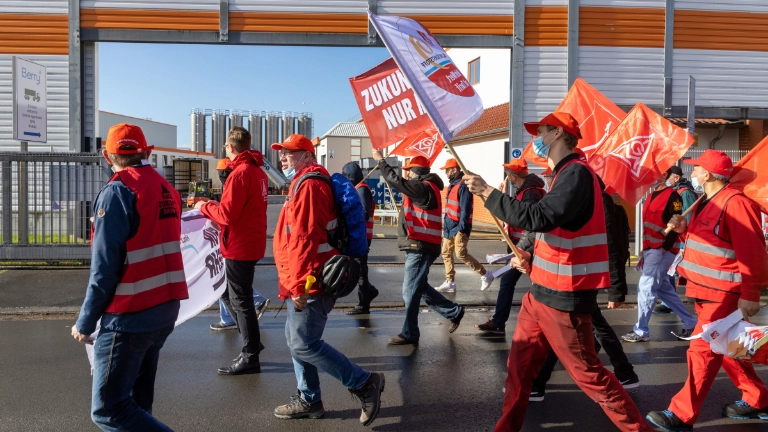
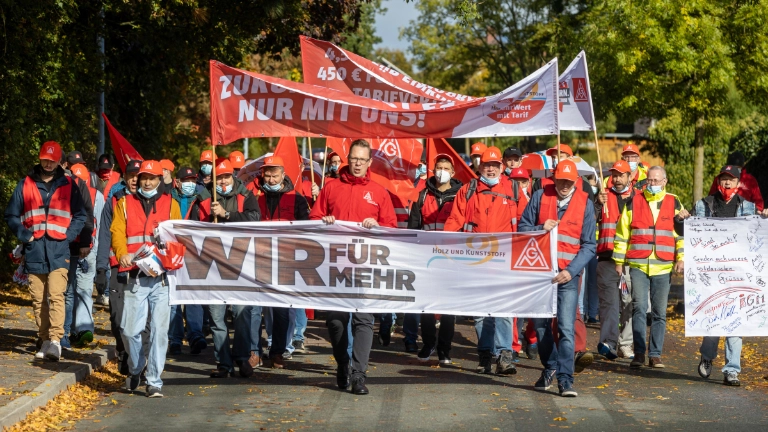
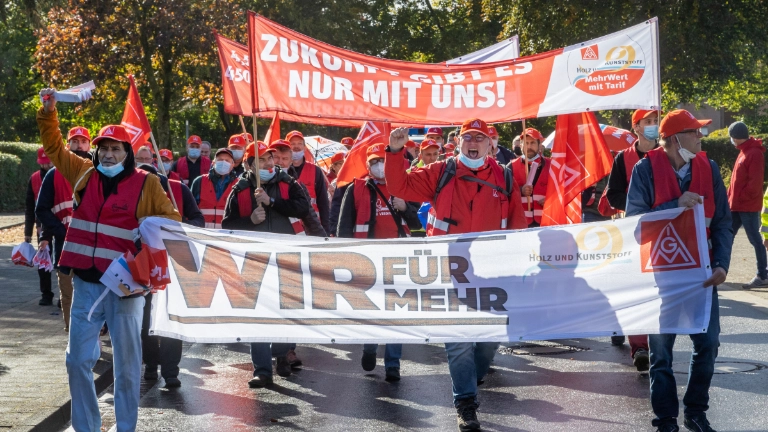
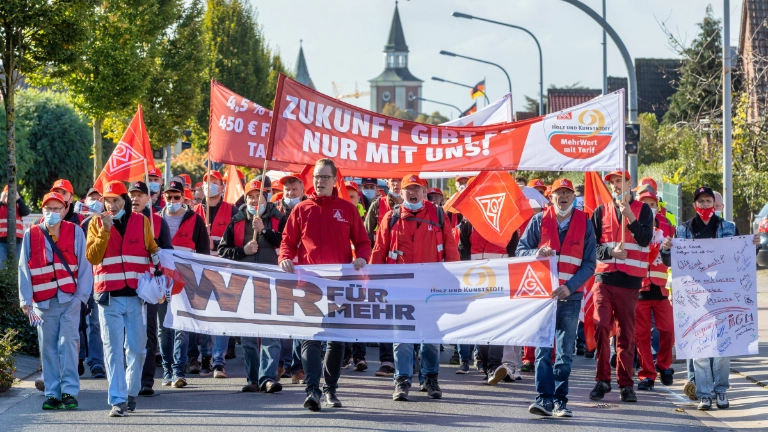
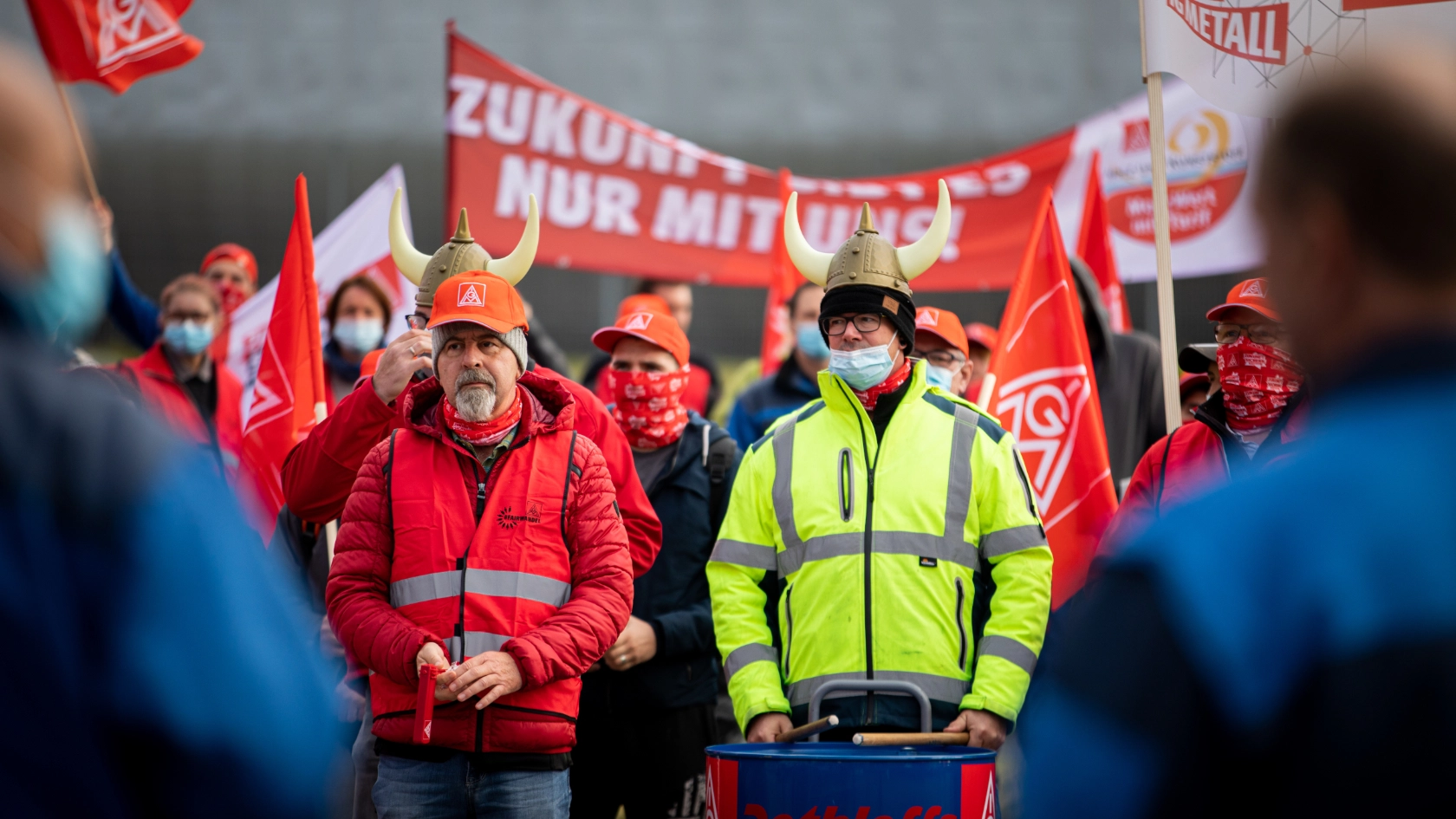
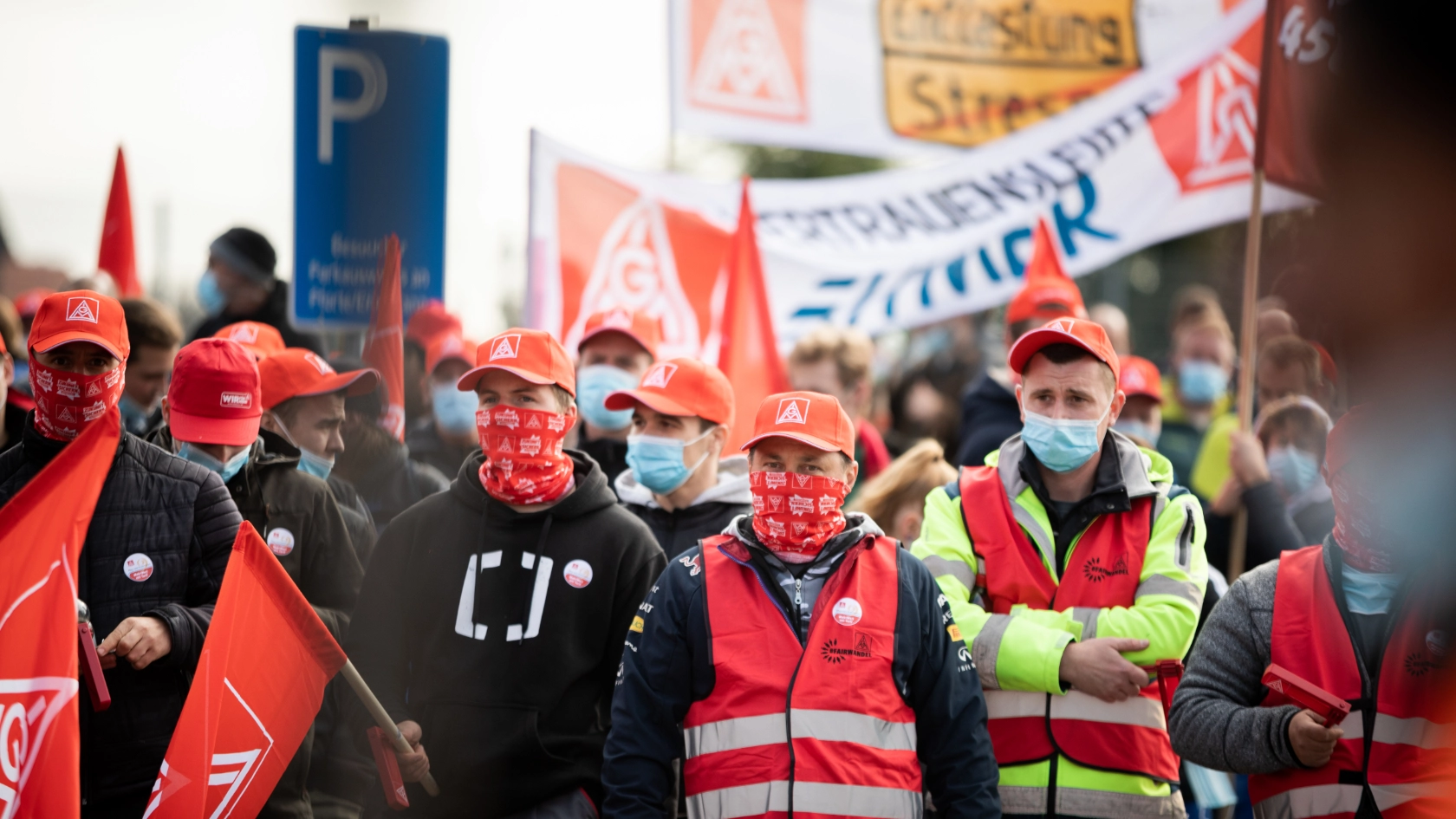
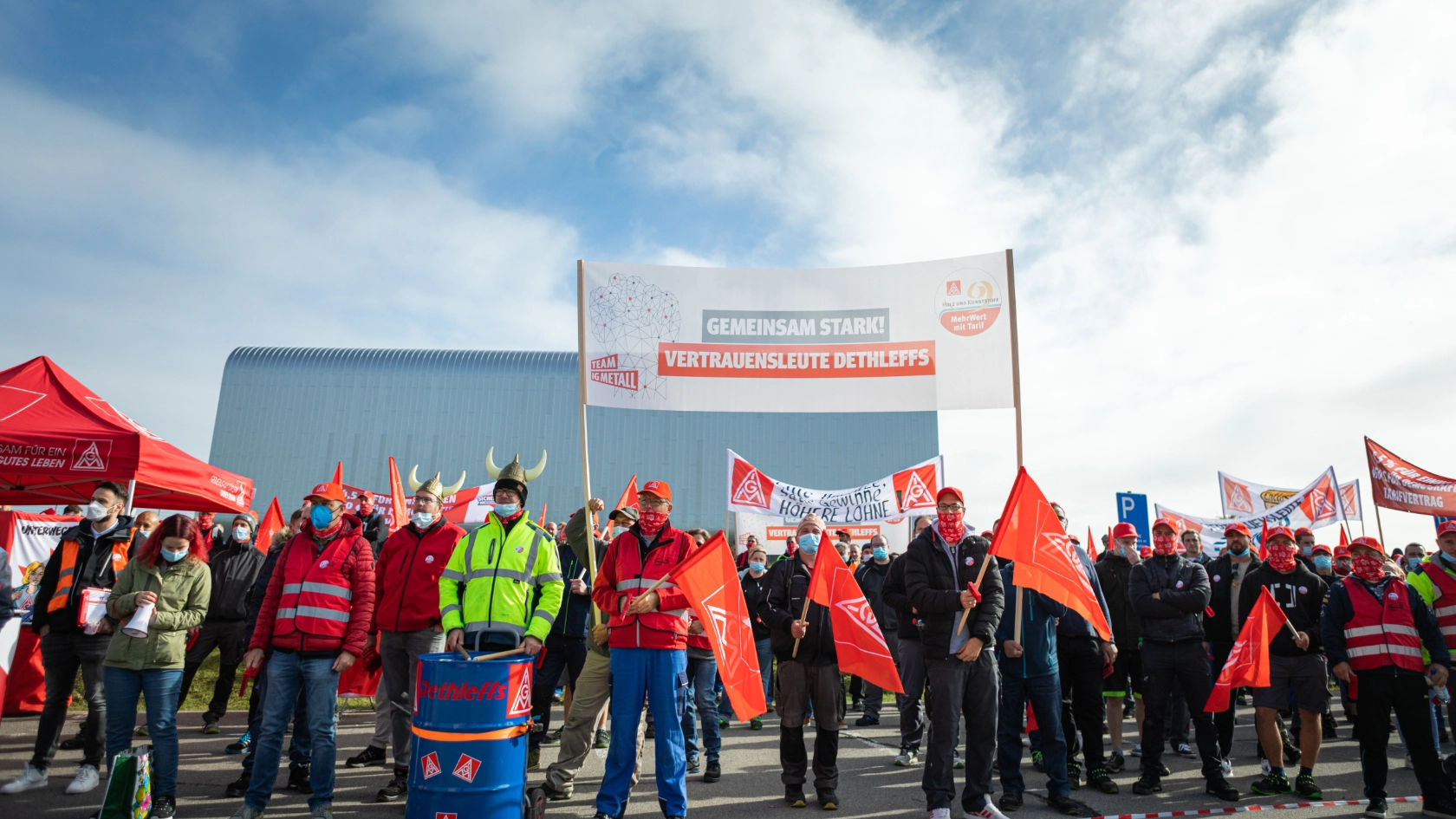
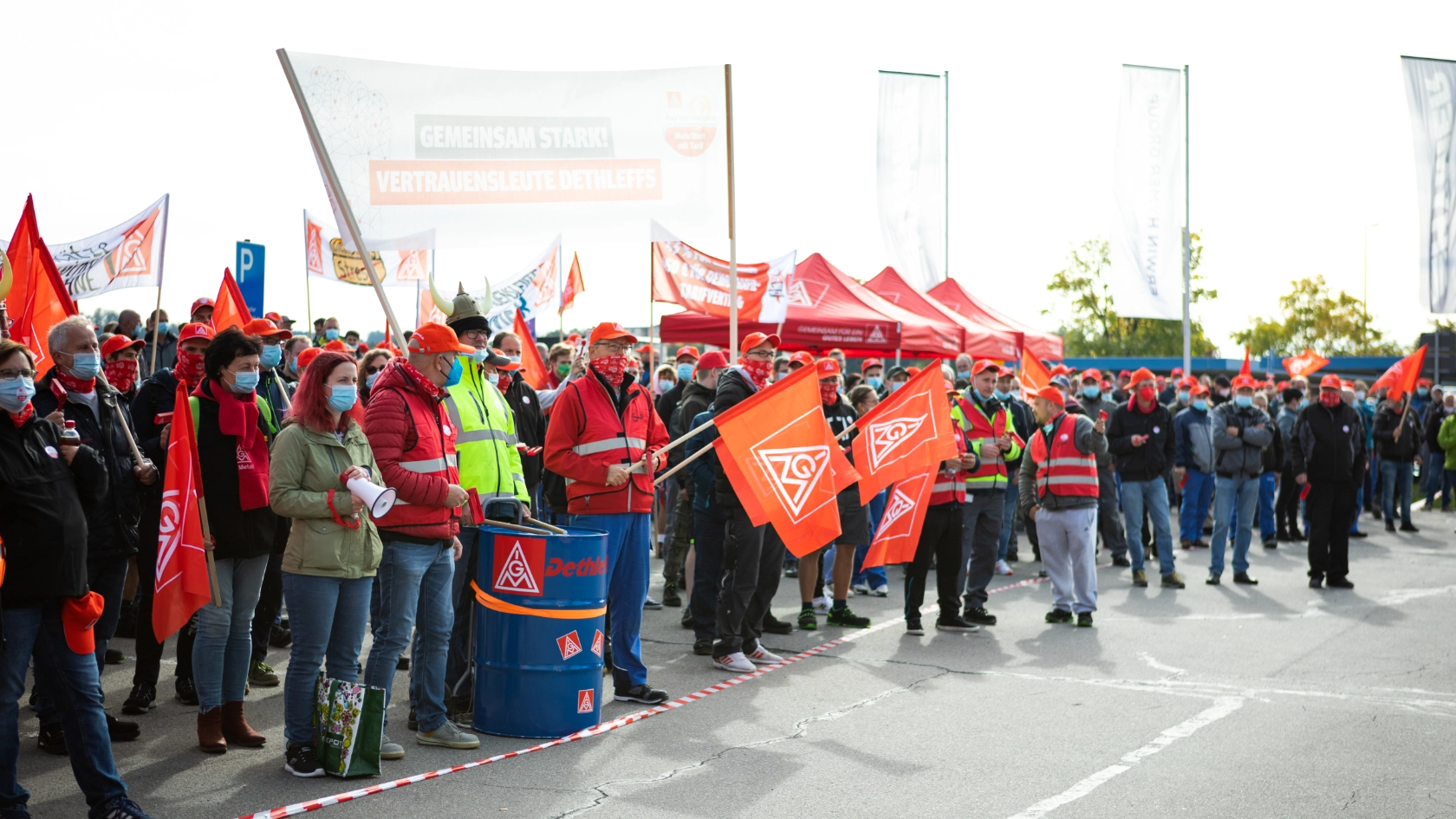
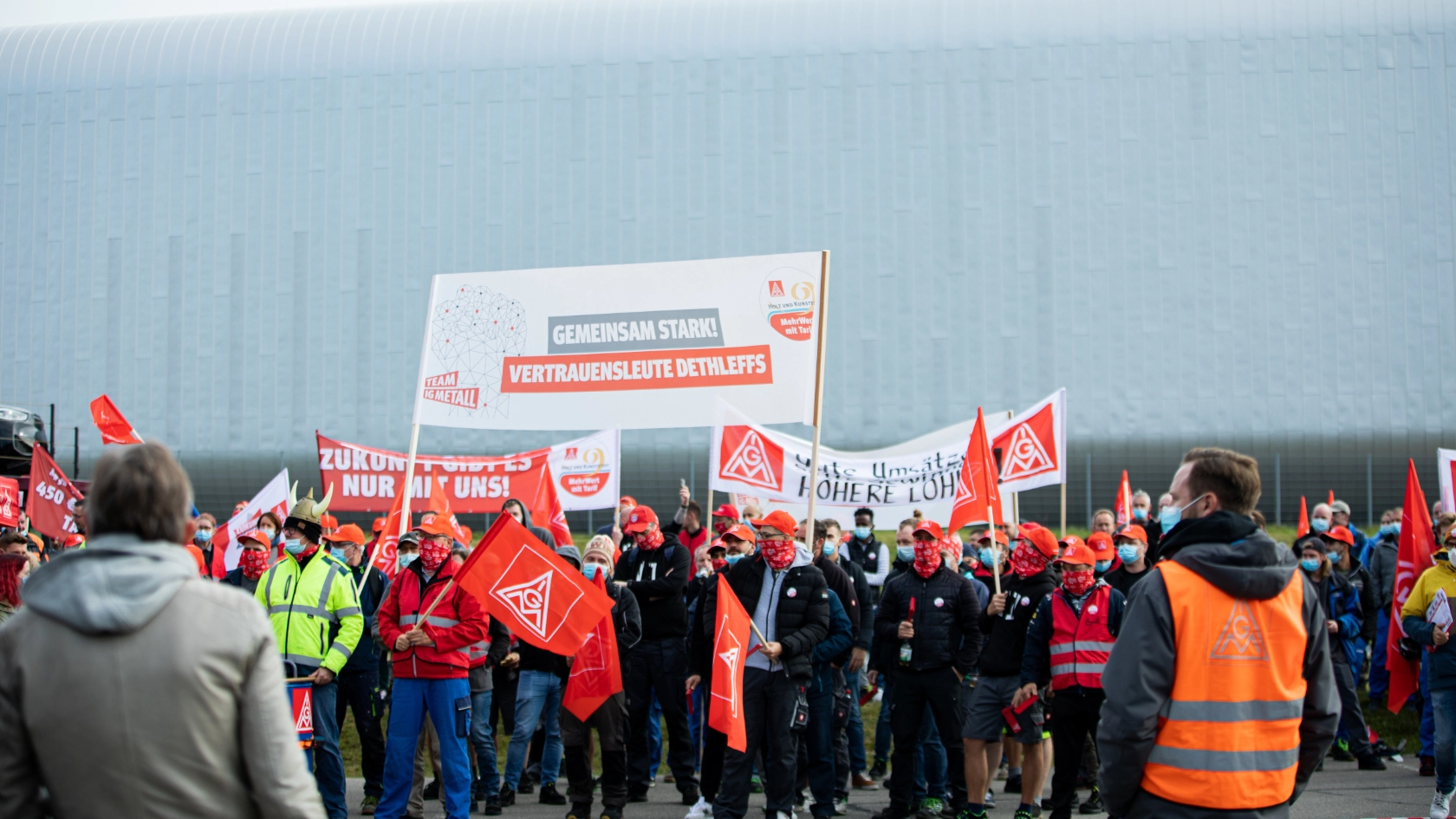
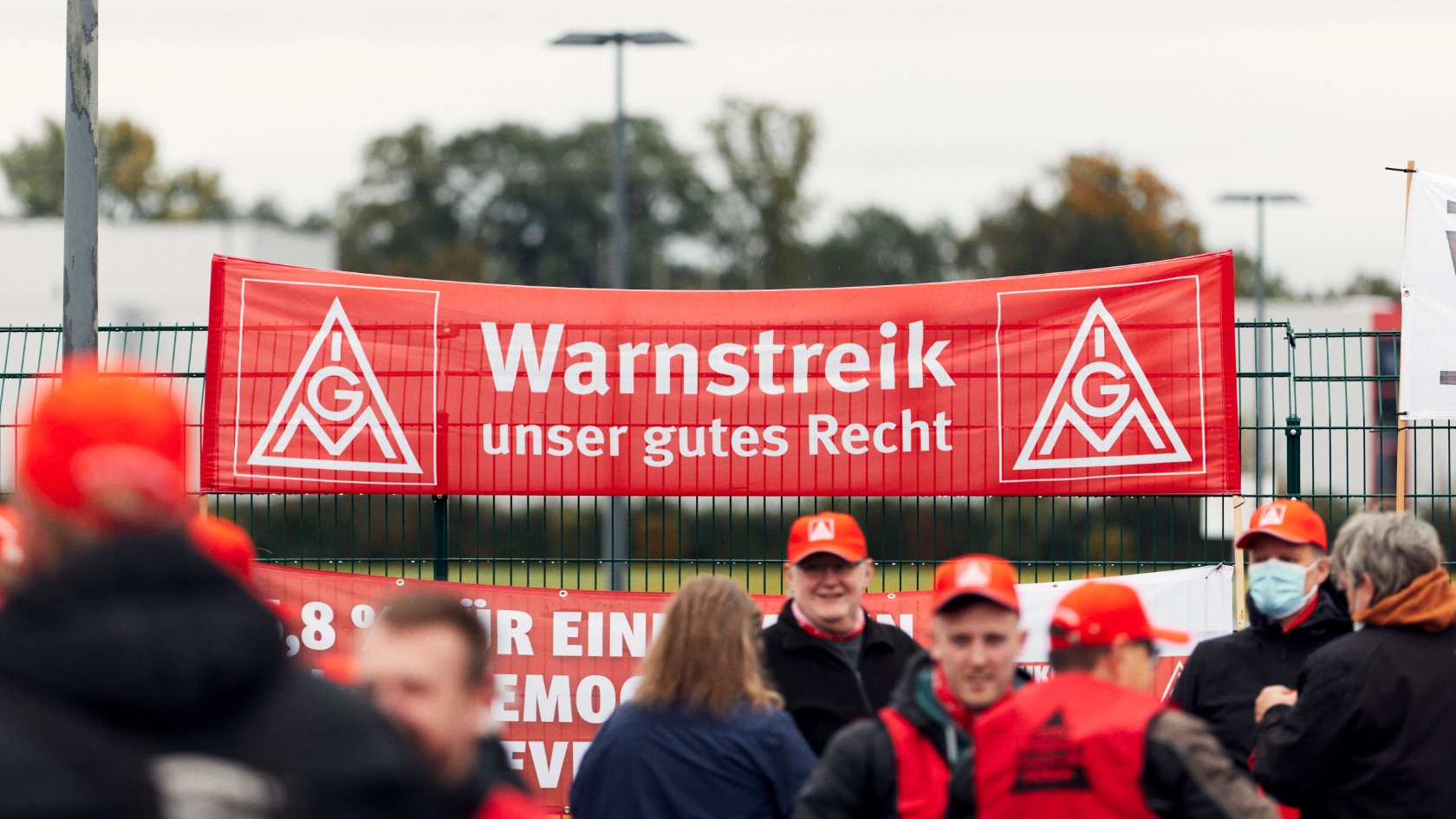
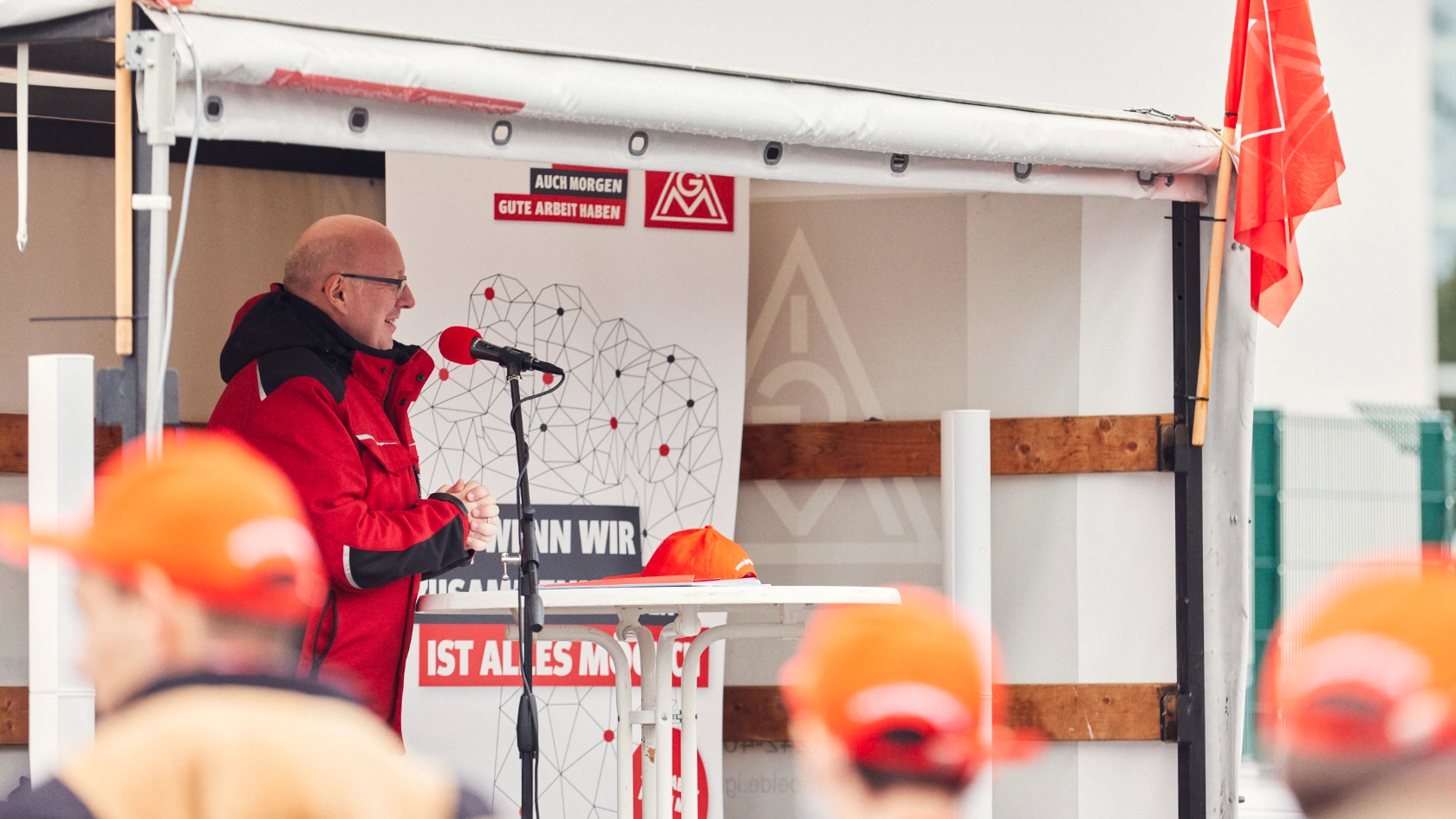
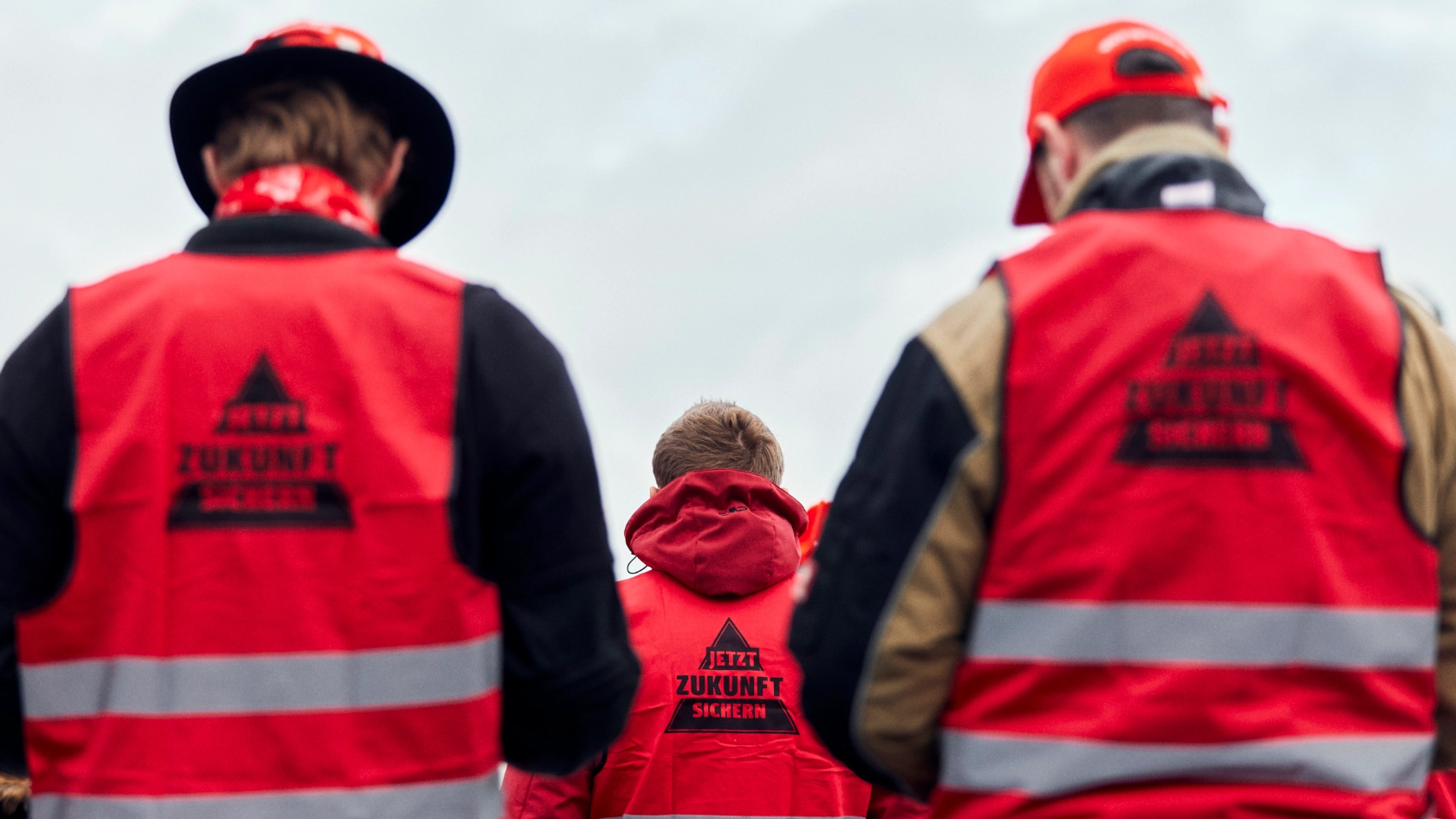
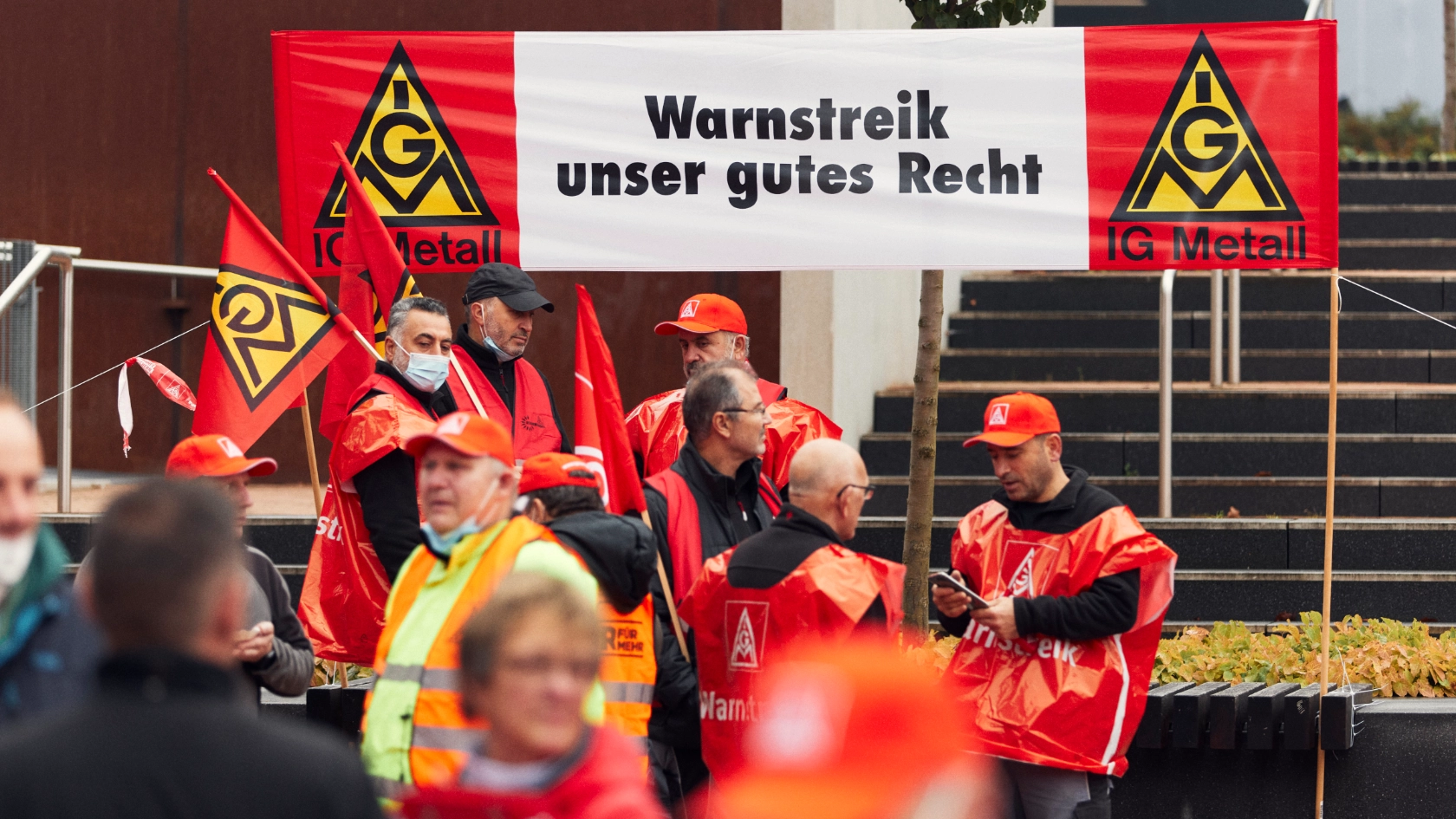
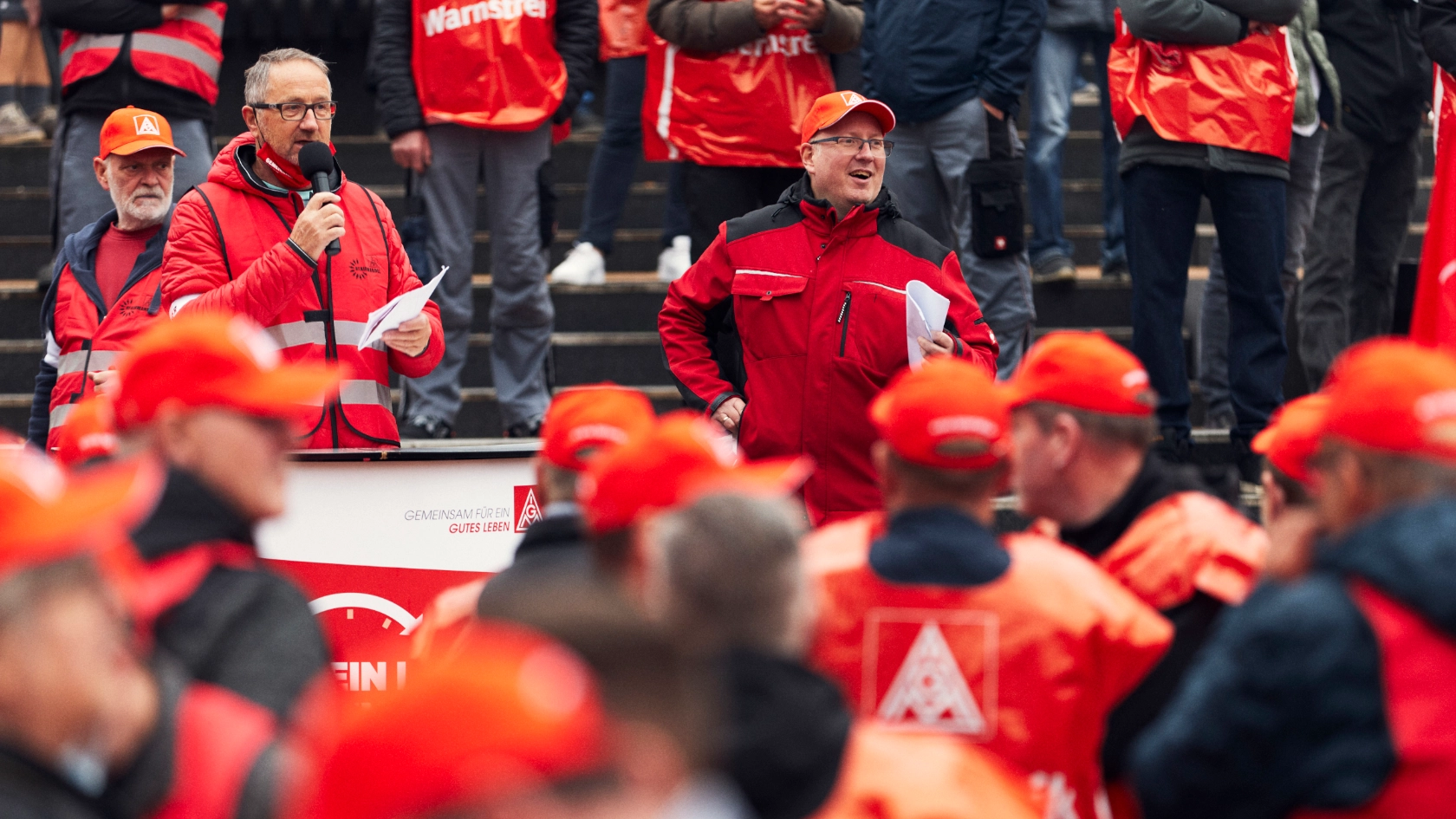
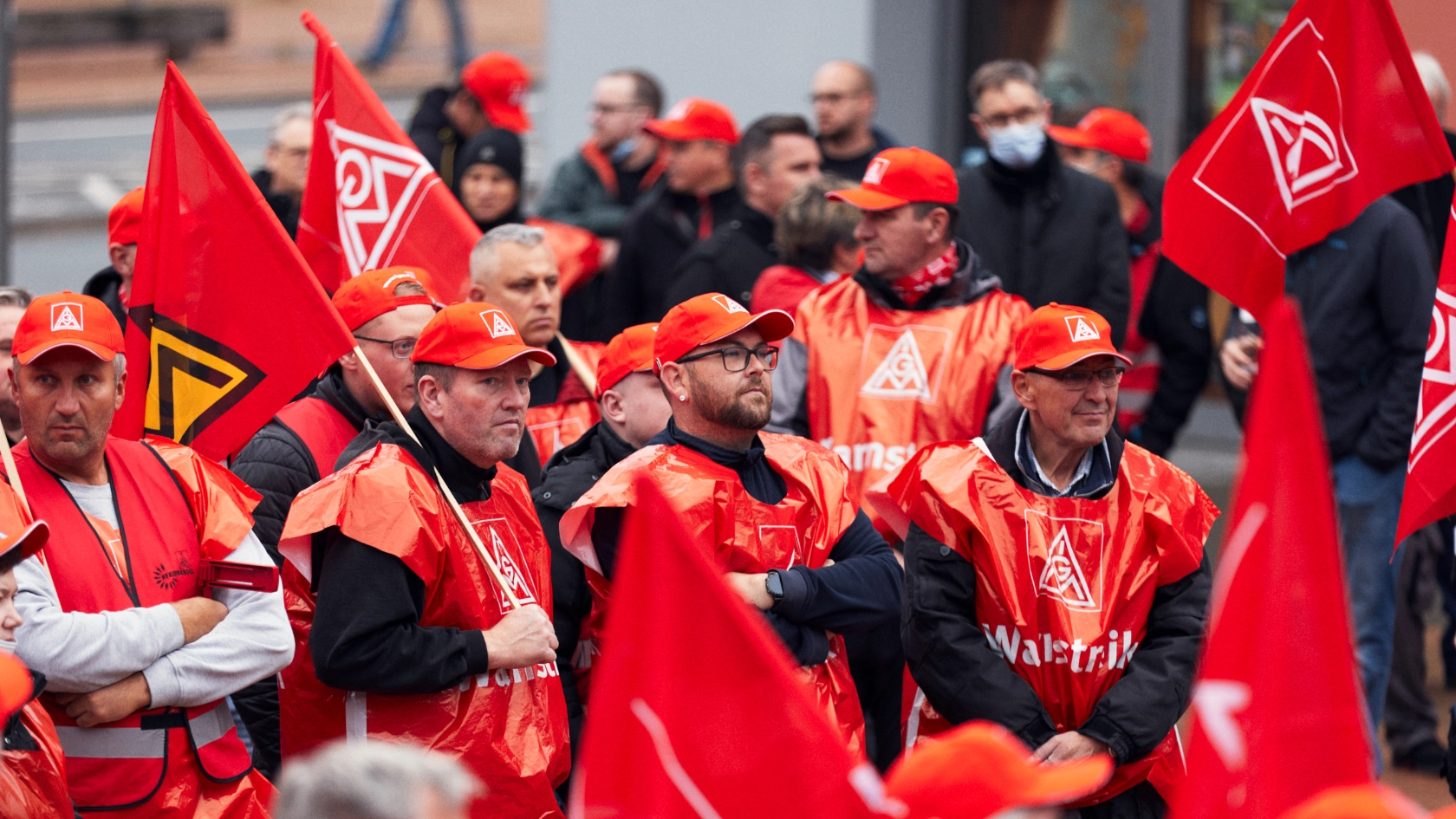
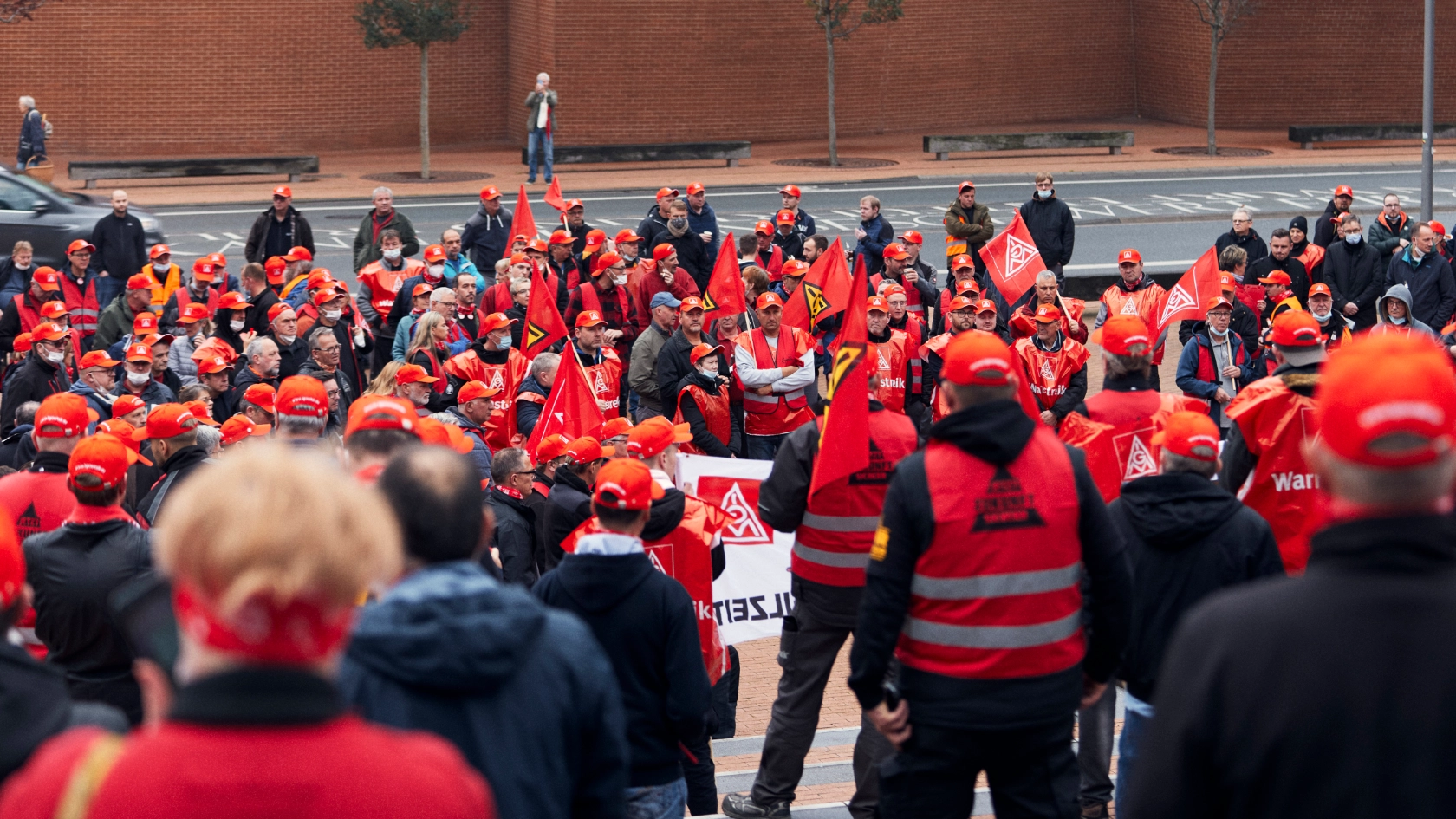
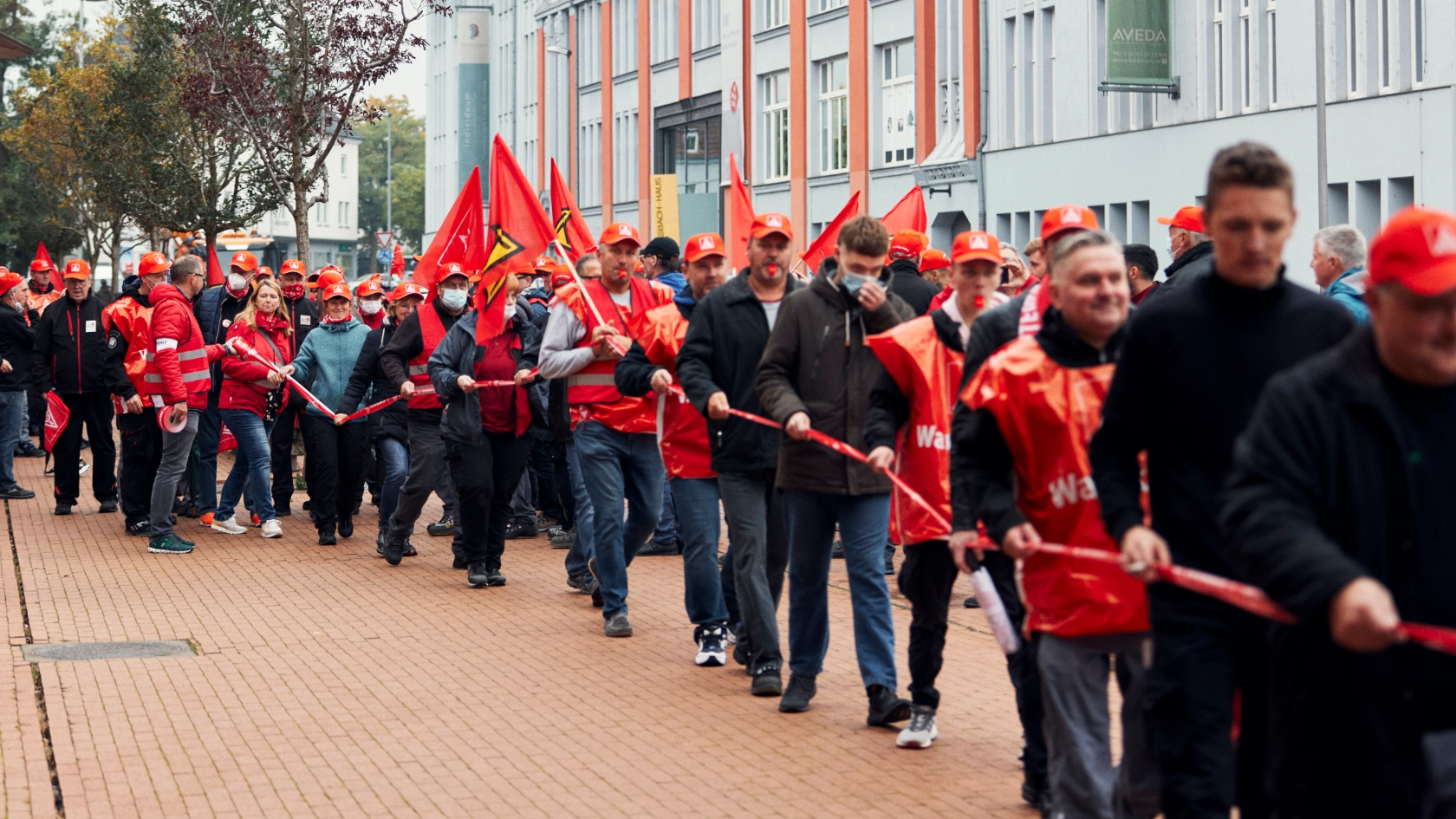
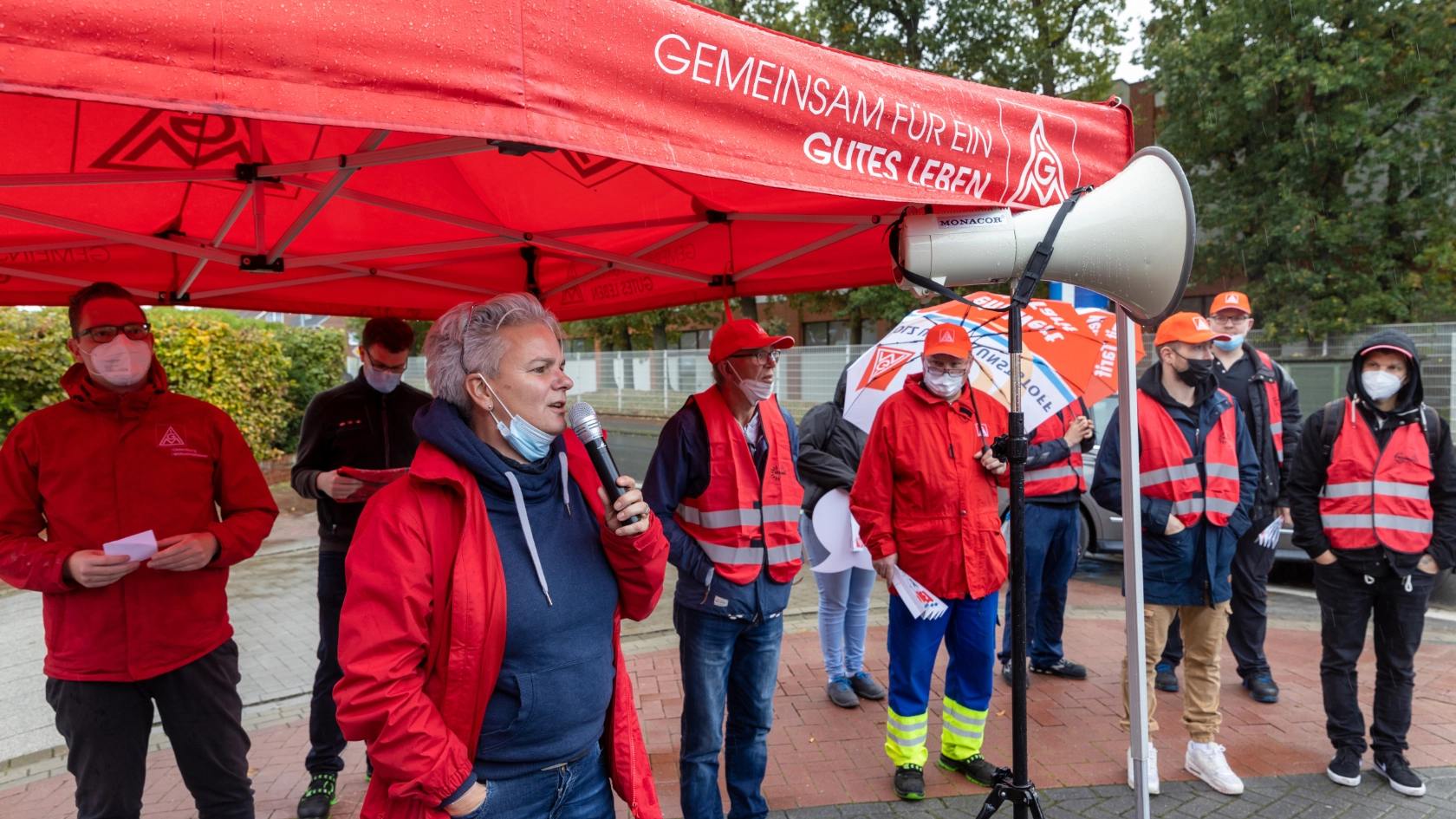
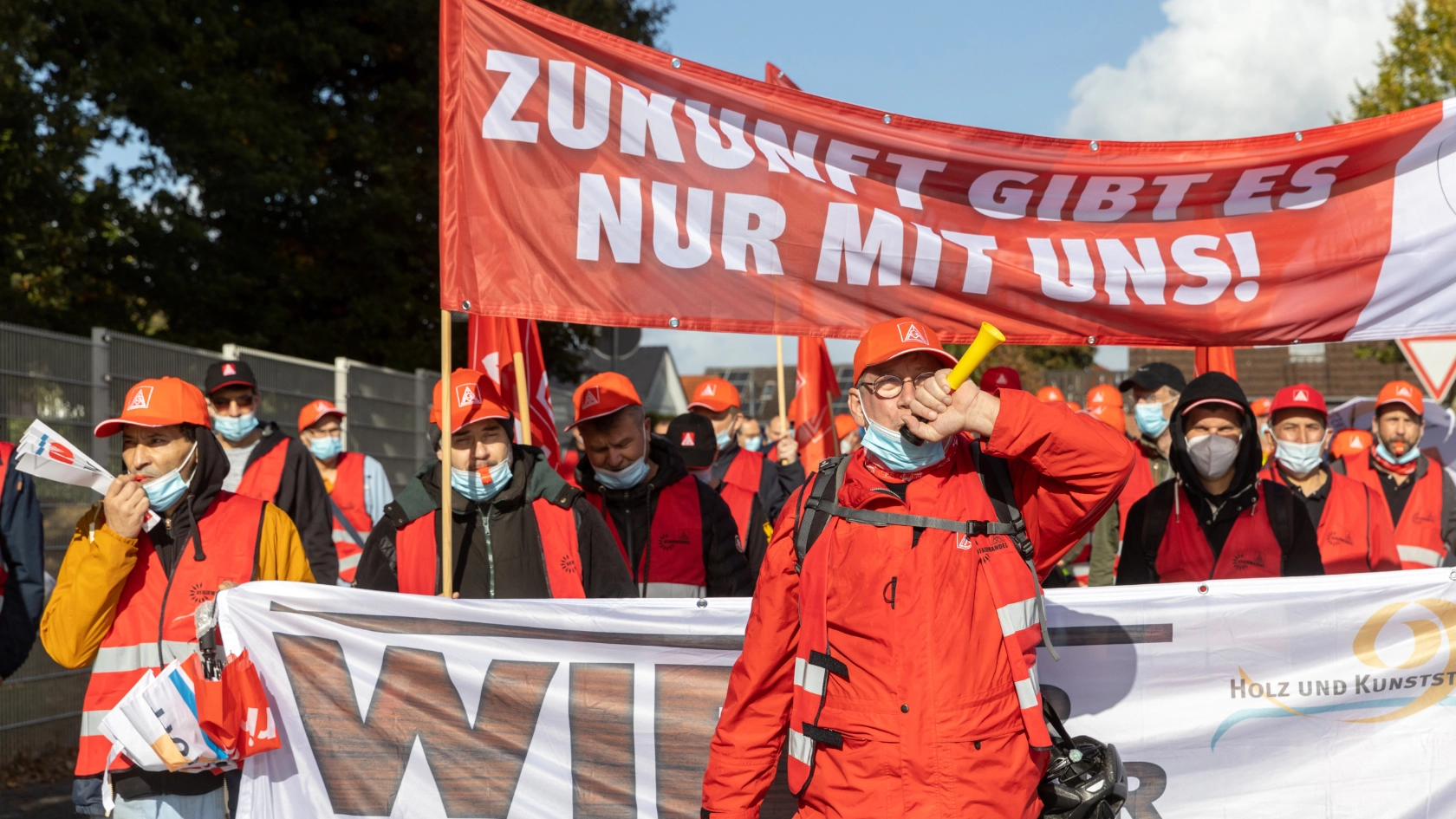
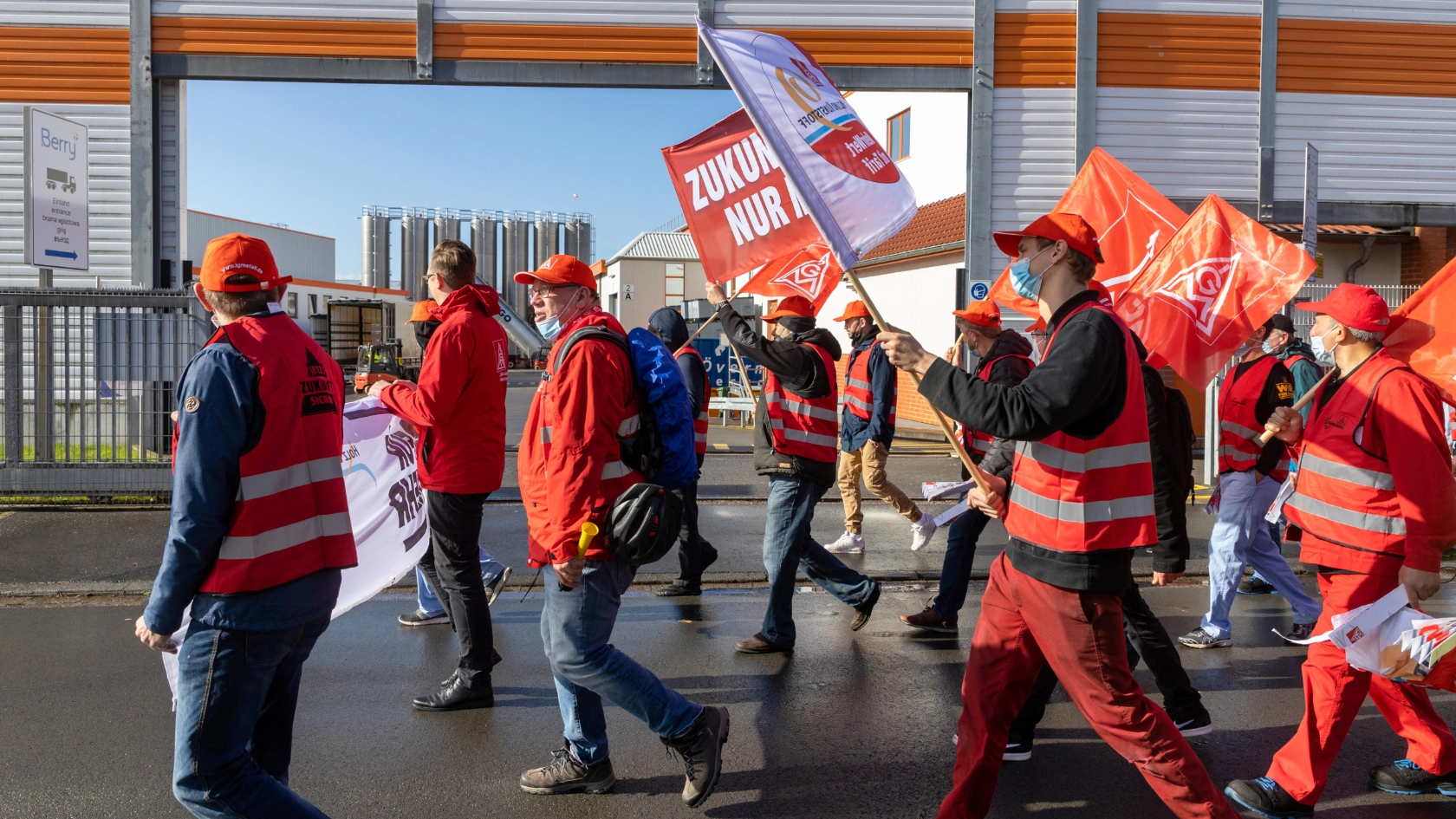
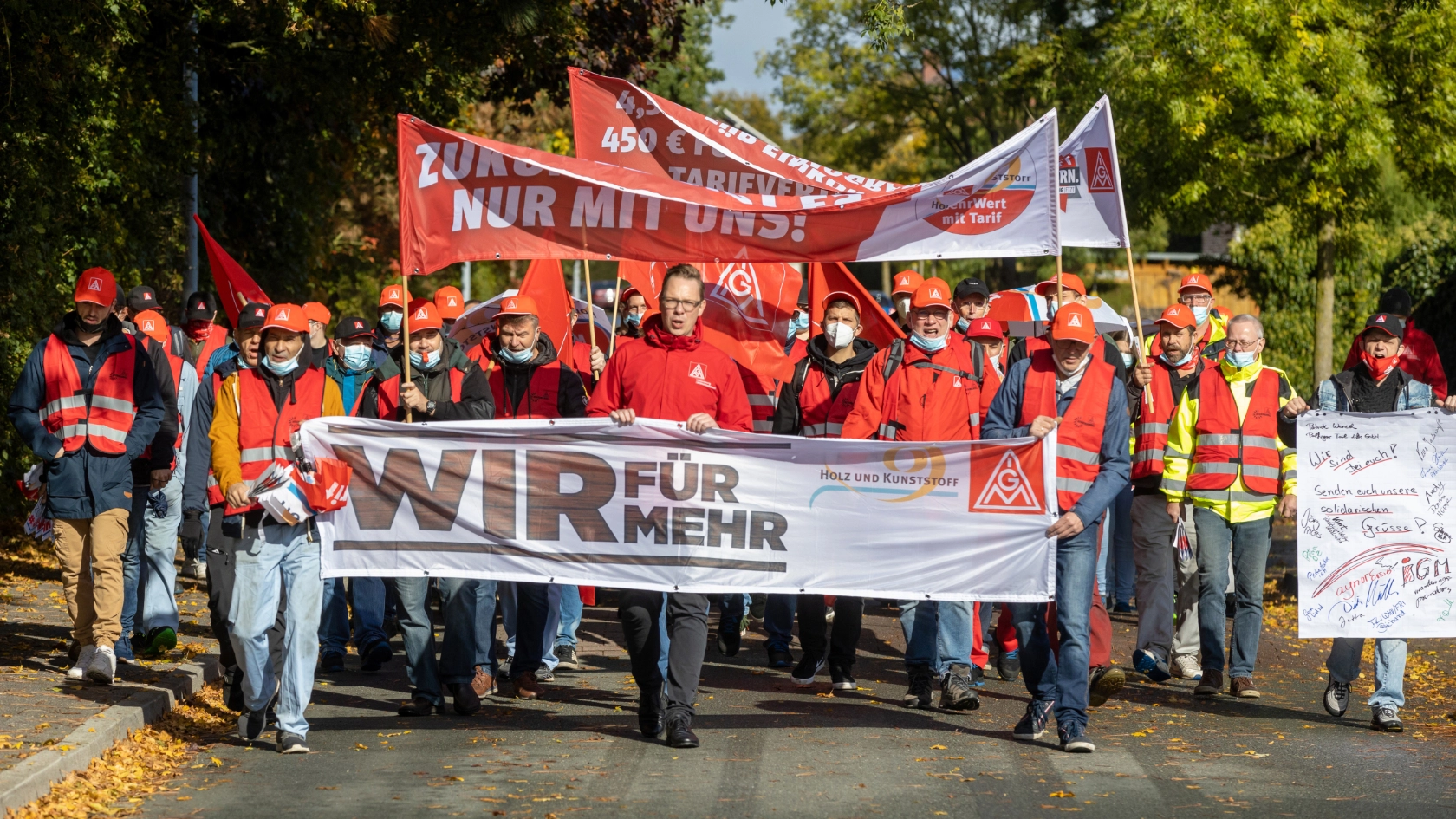
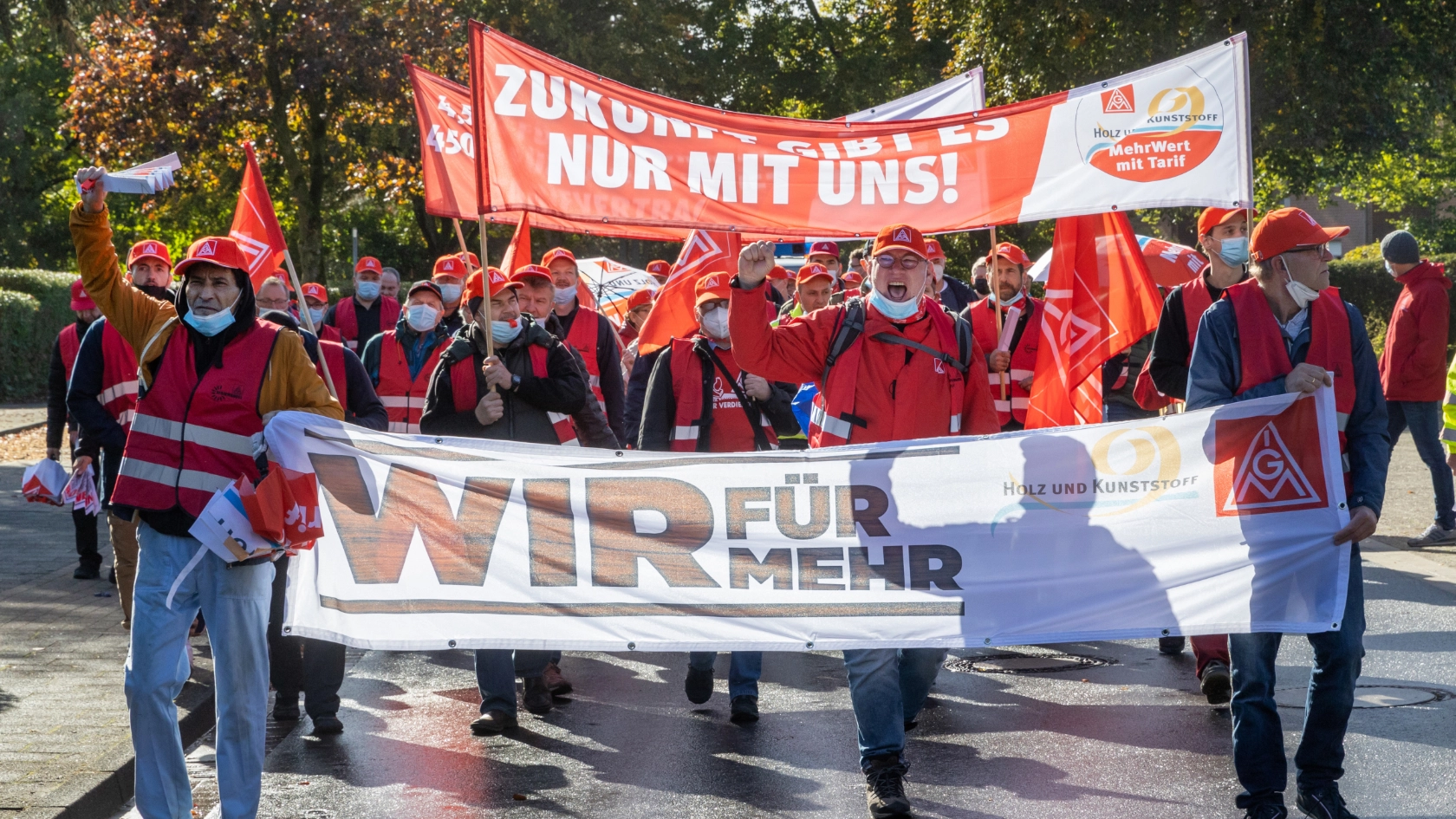
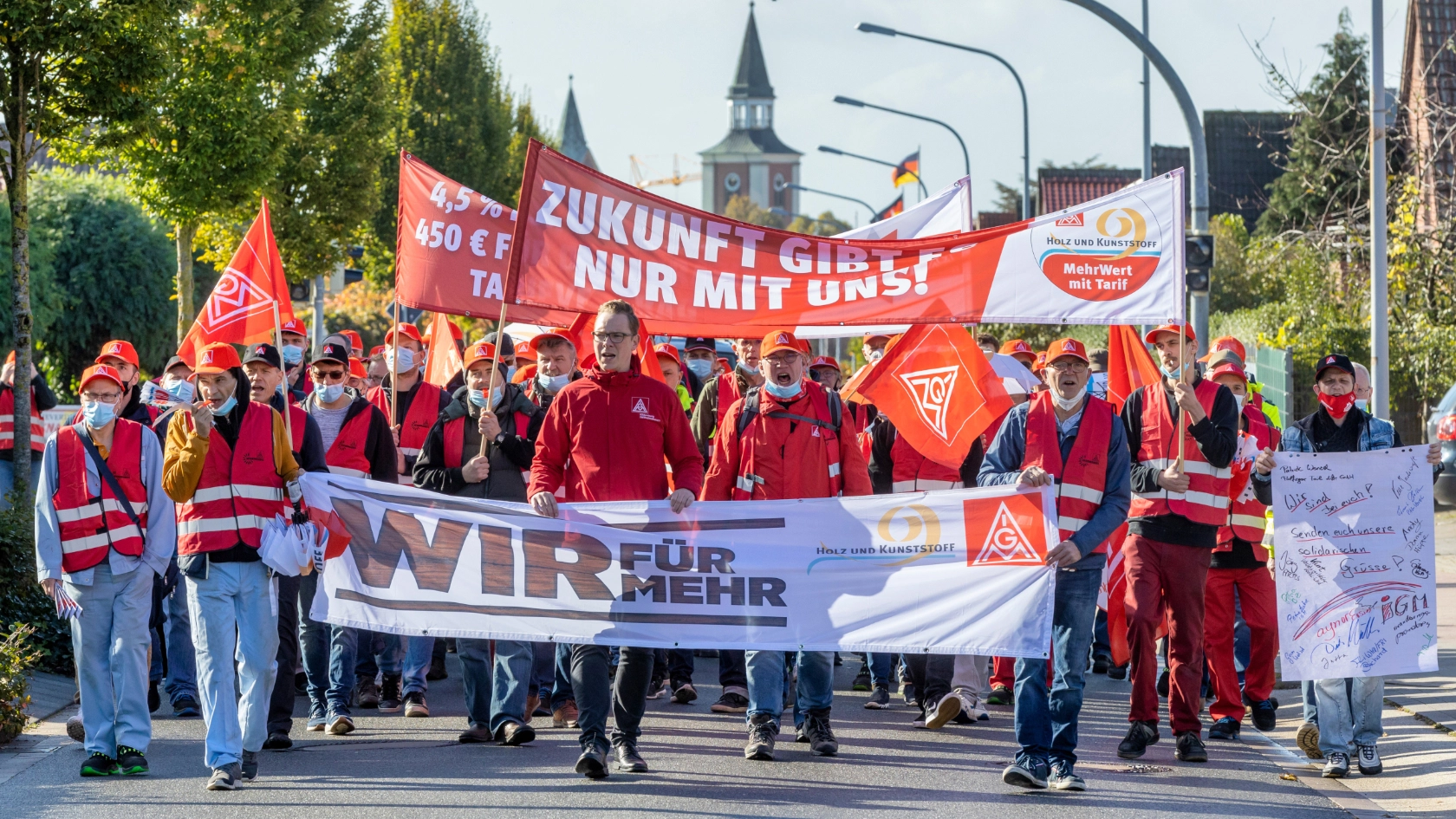
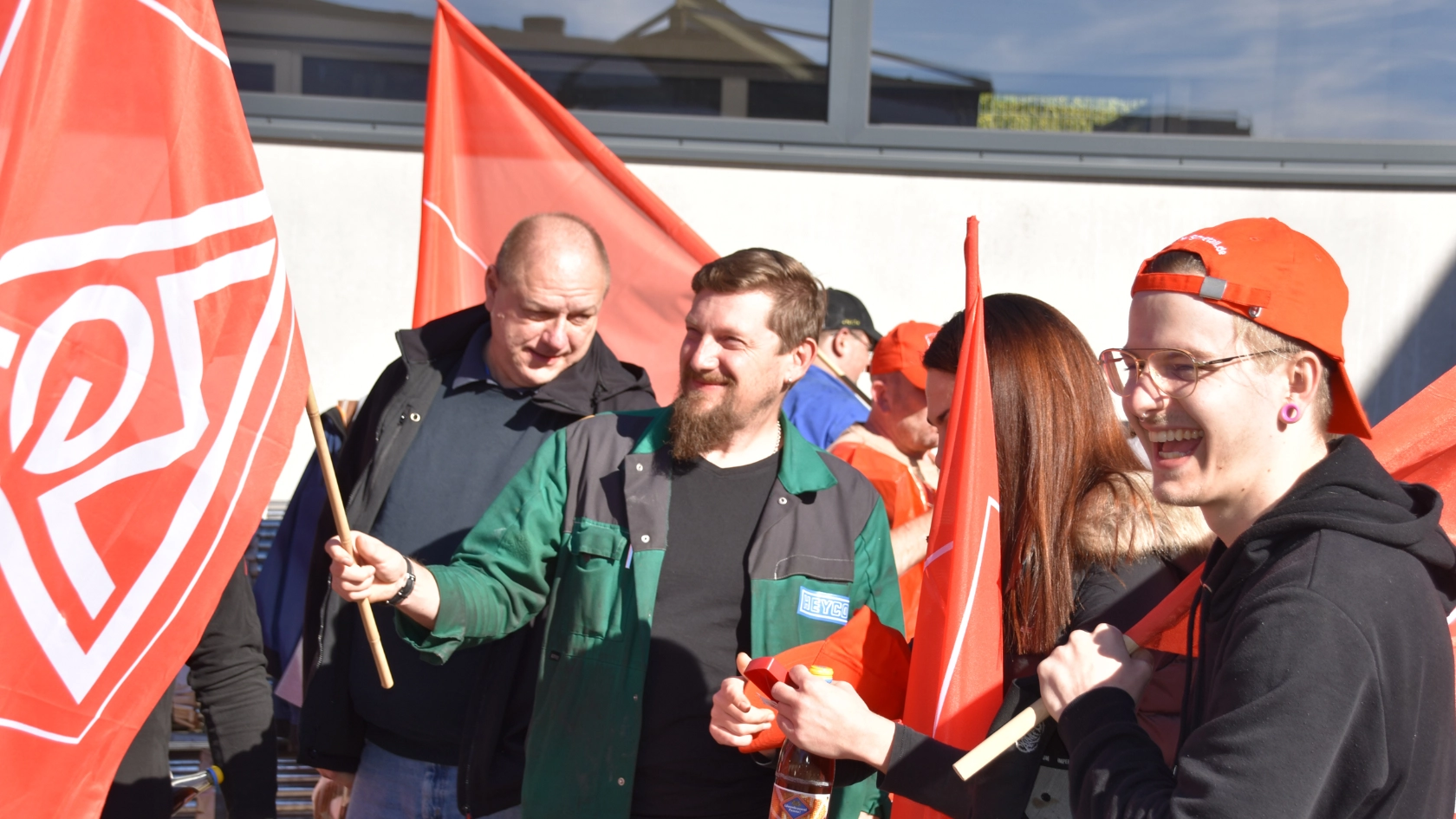
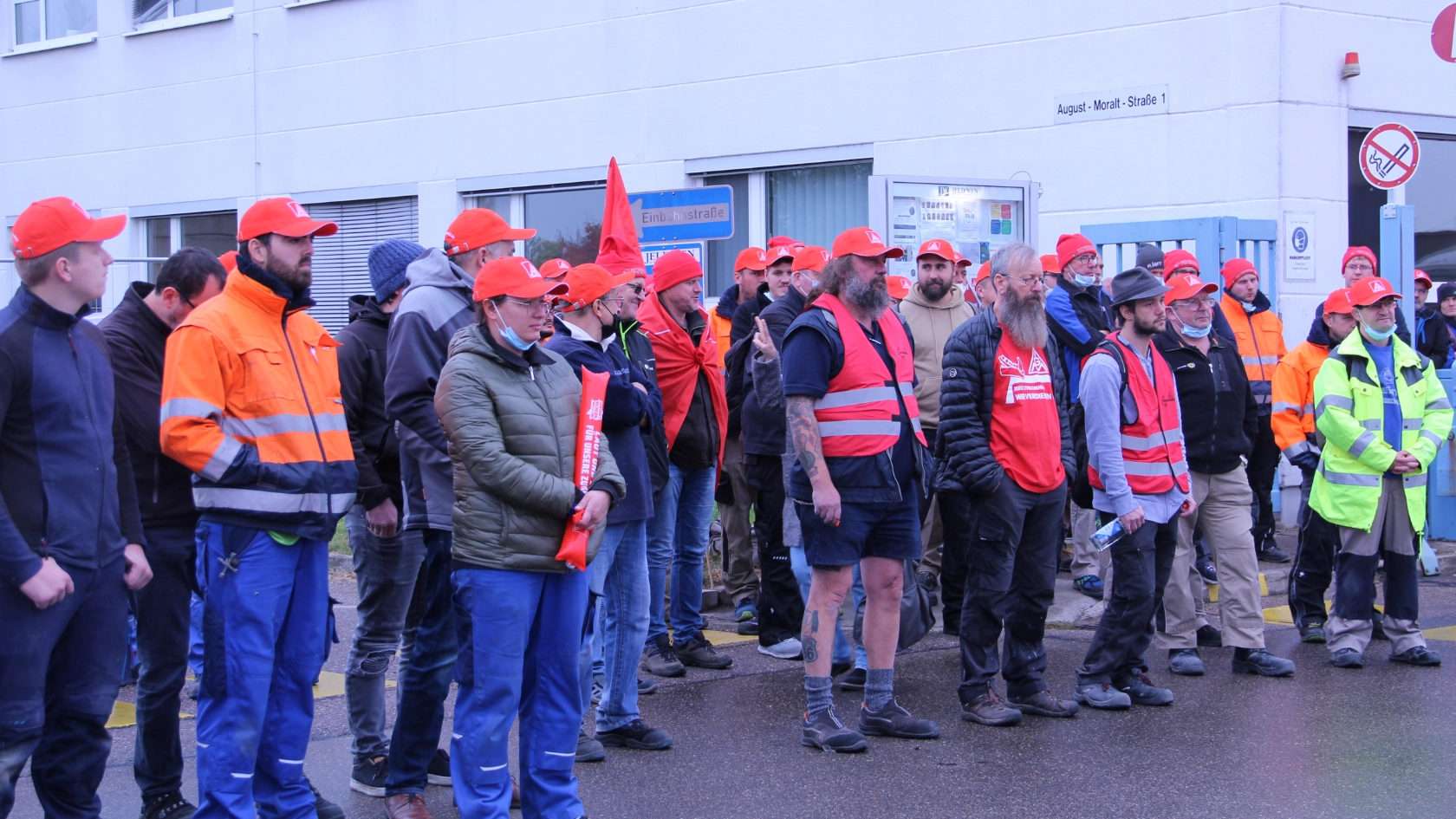
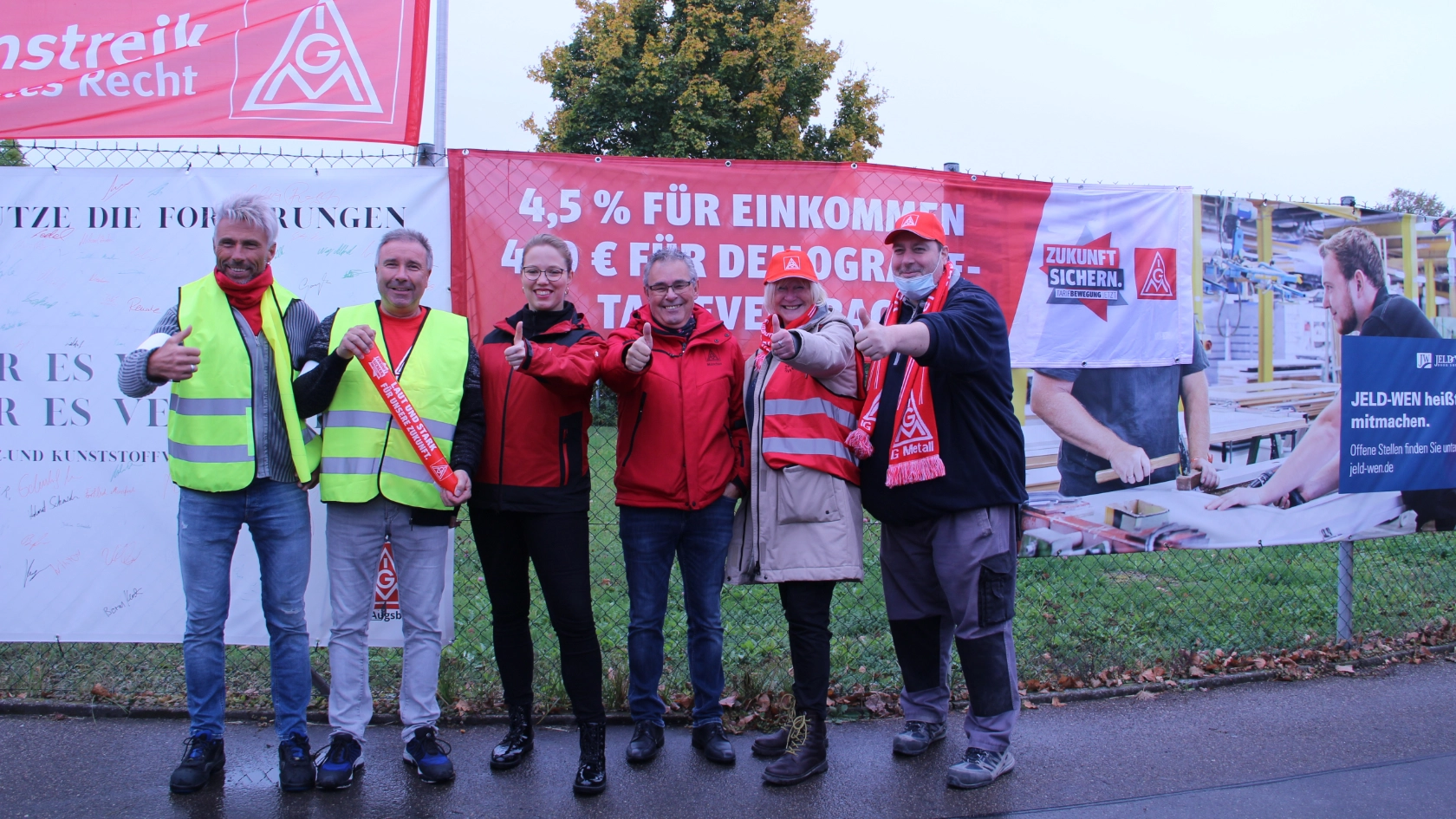
Wages will increase by 2.7 percent starting April 1, and then by another 2.2 percent exactly one year later, for a total increase of 4.9 percent. “This result was only possible thanks to warning strikes,” says Brigitte Döth, who is responsible for the wood and plastics processing industry on the IG Metall executive board.
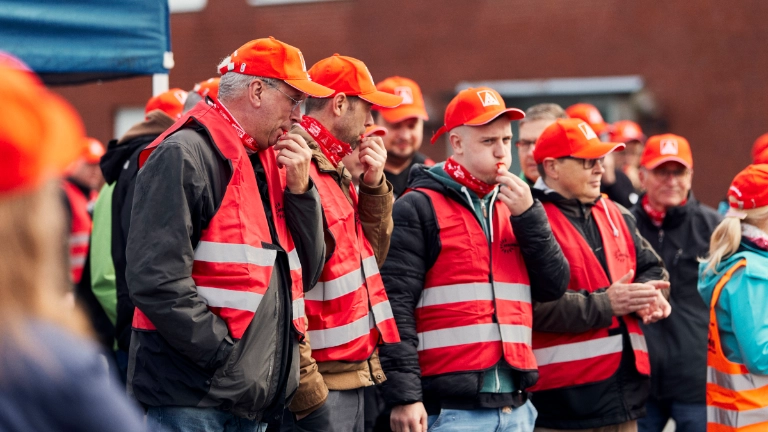
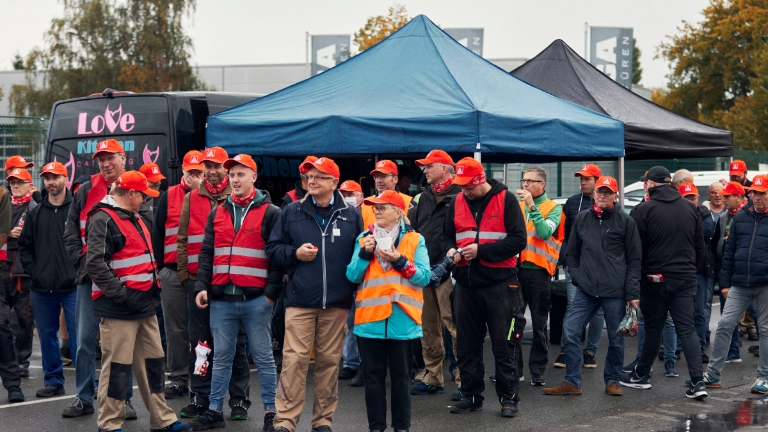
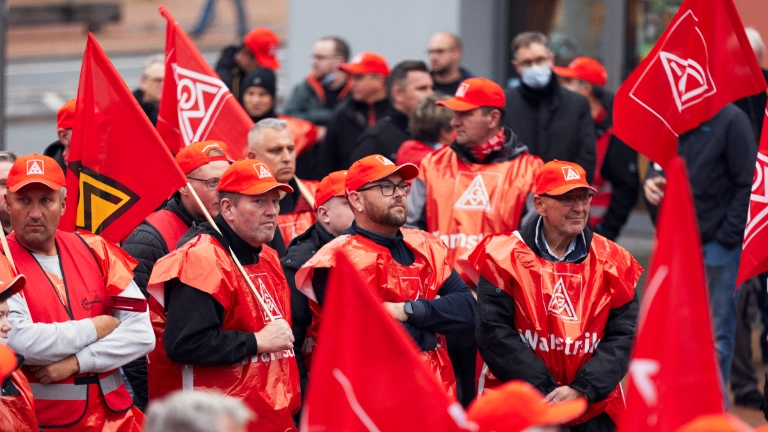
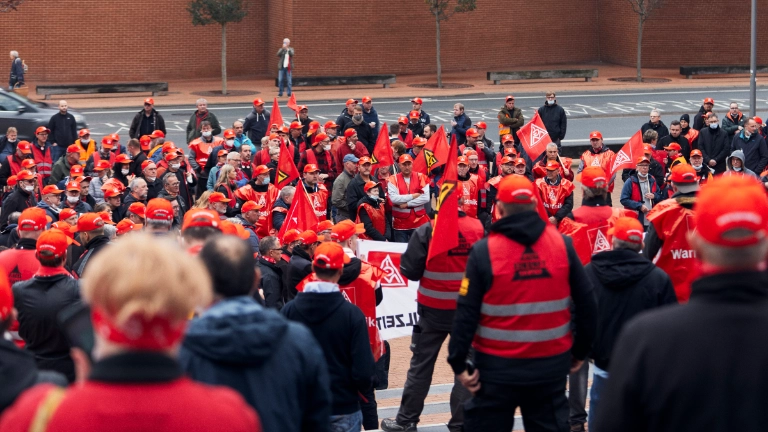
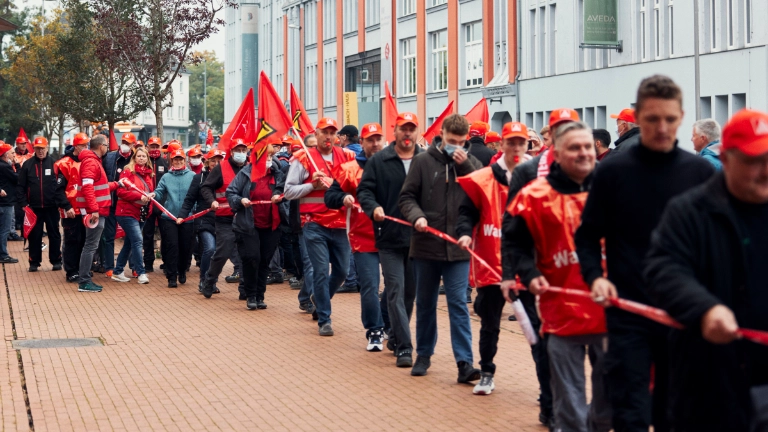
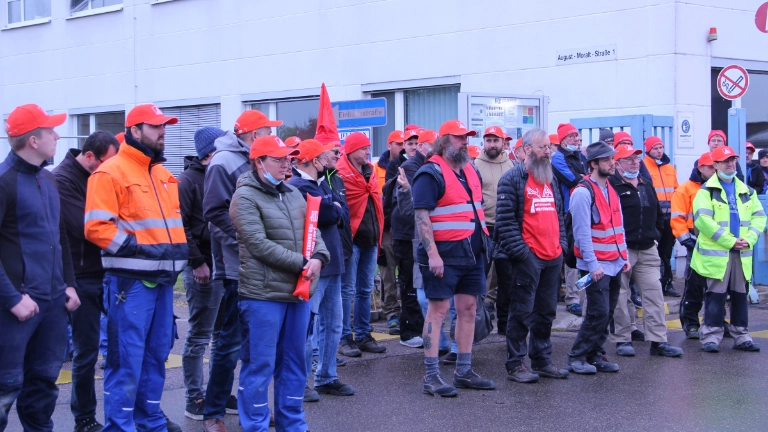
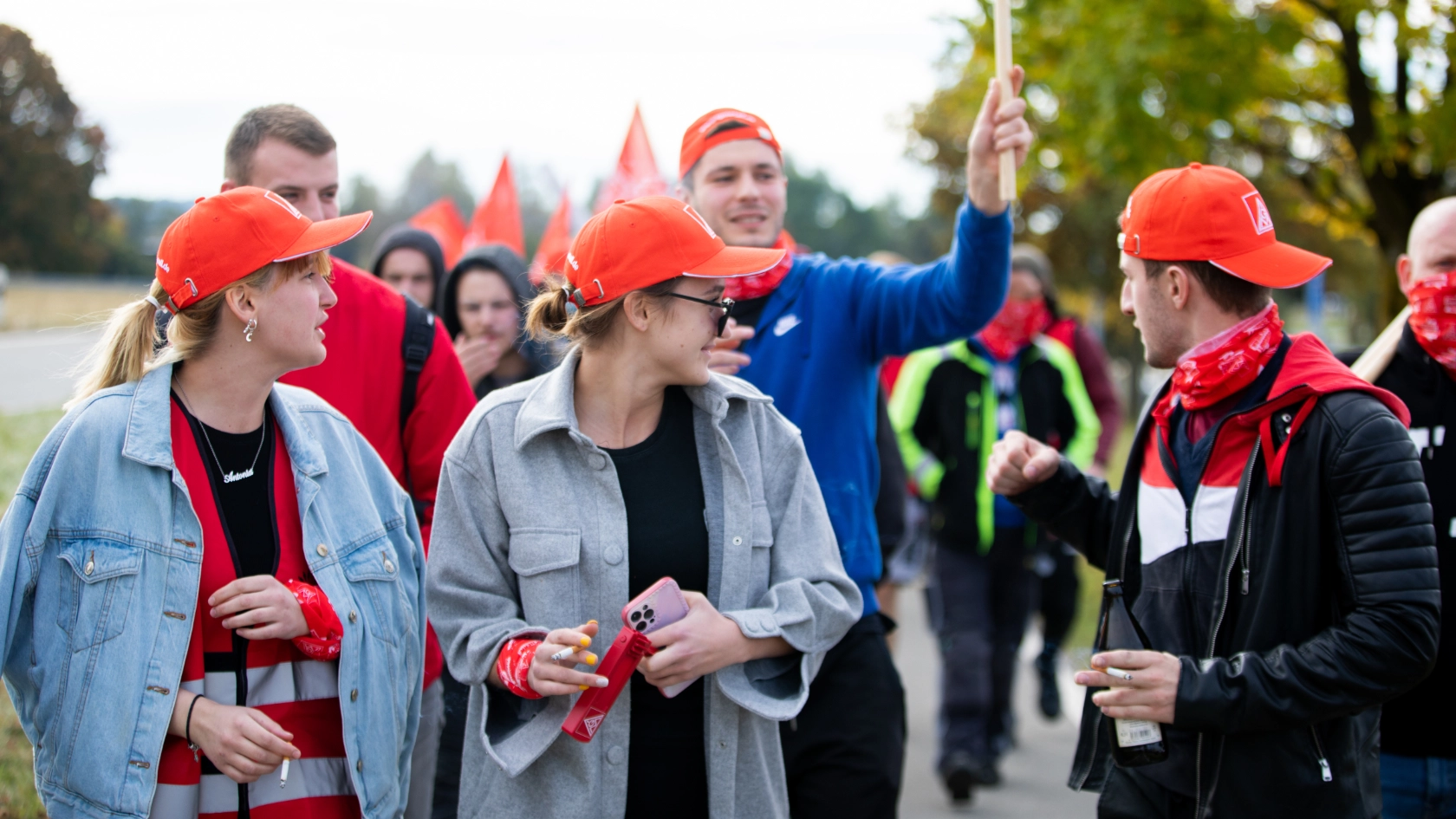
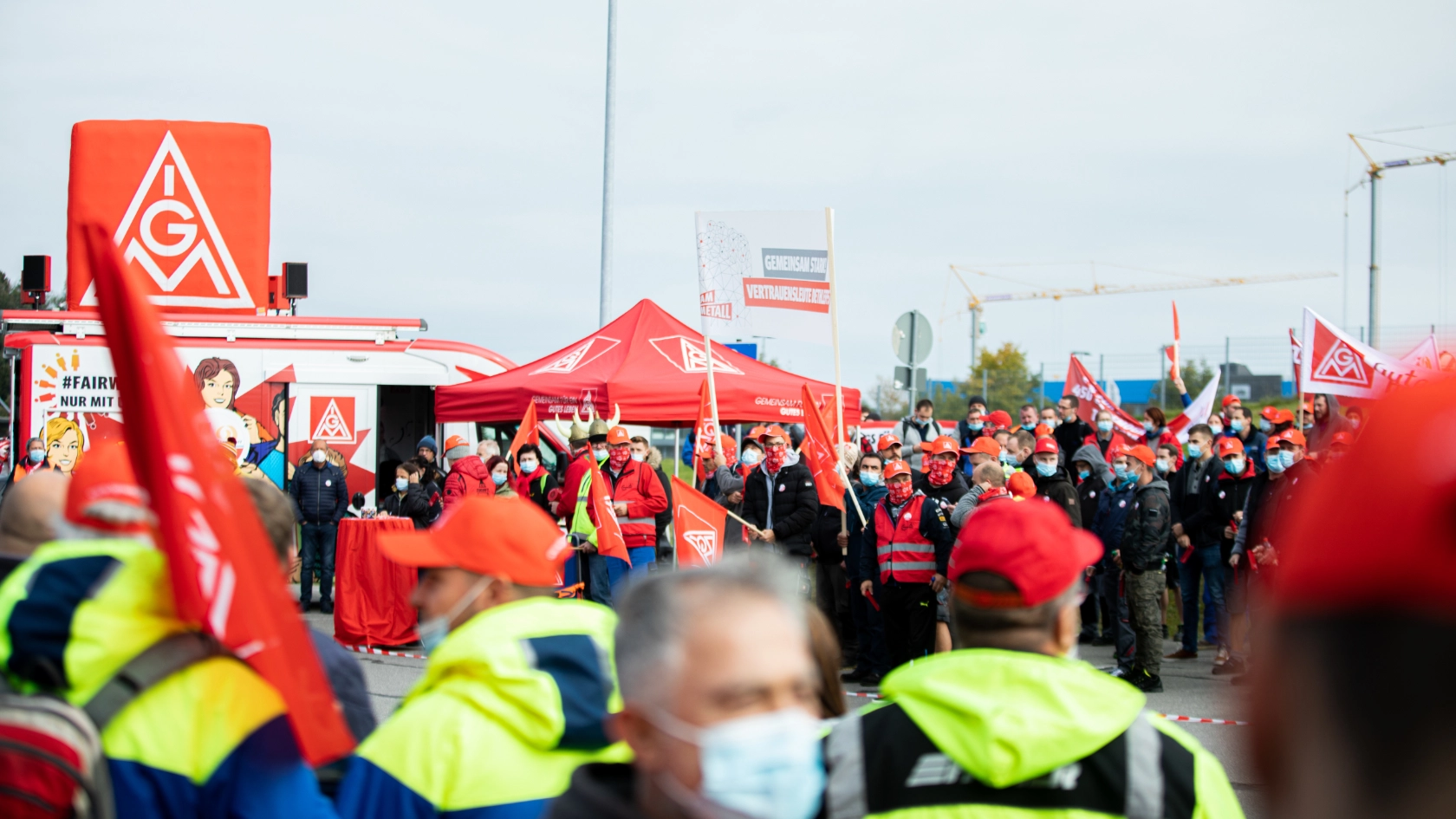
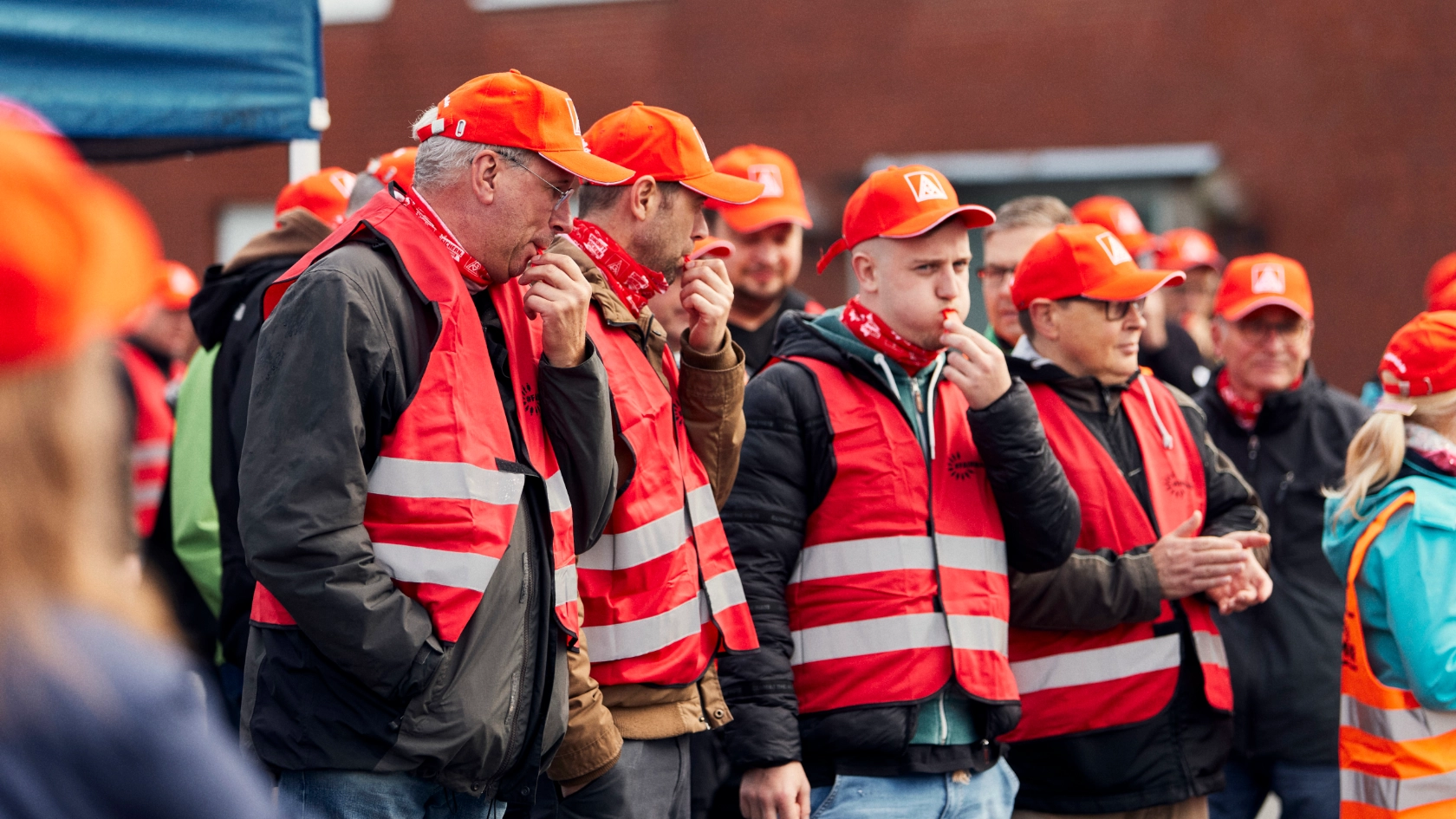
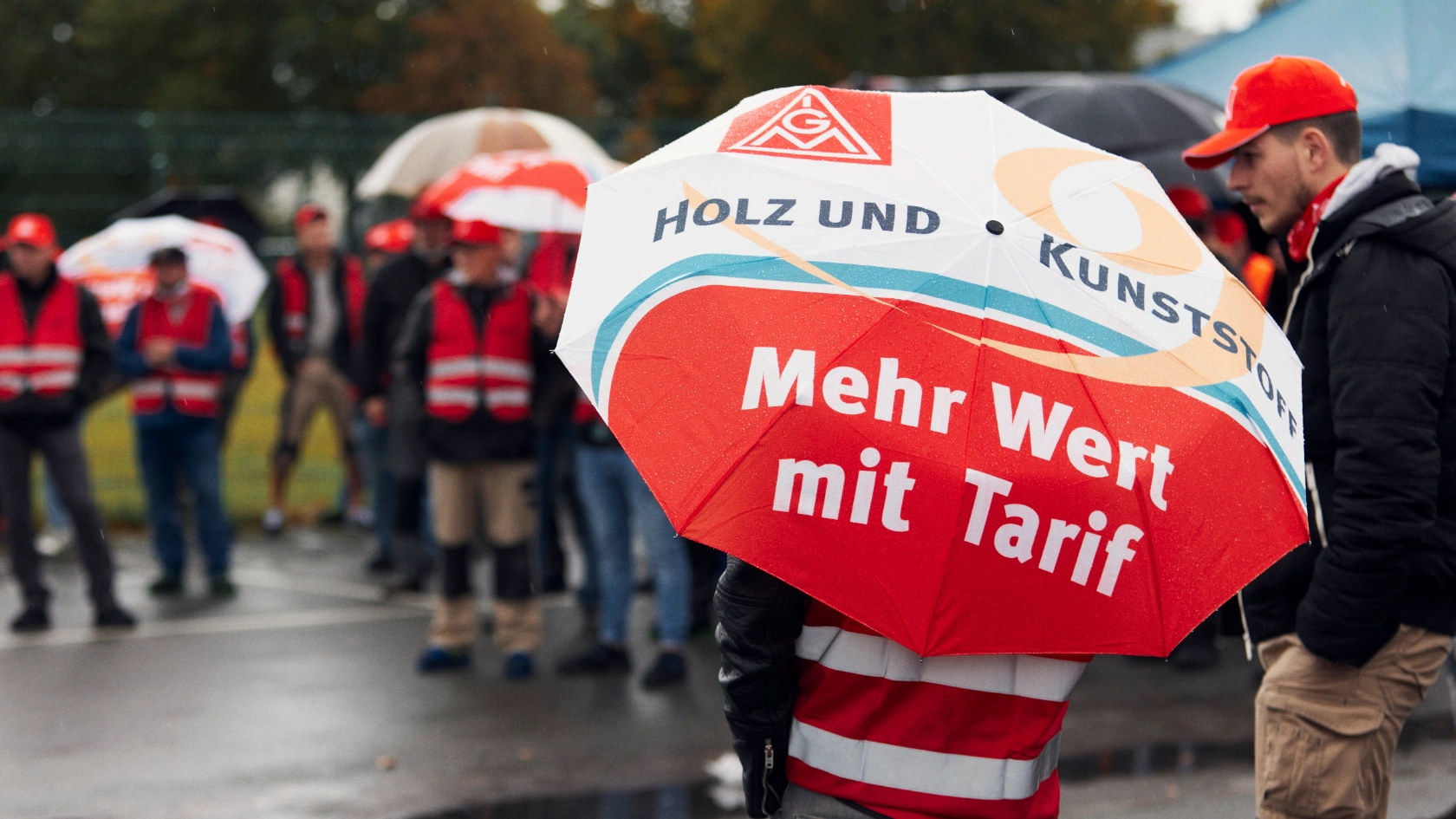
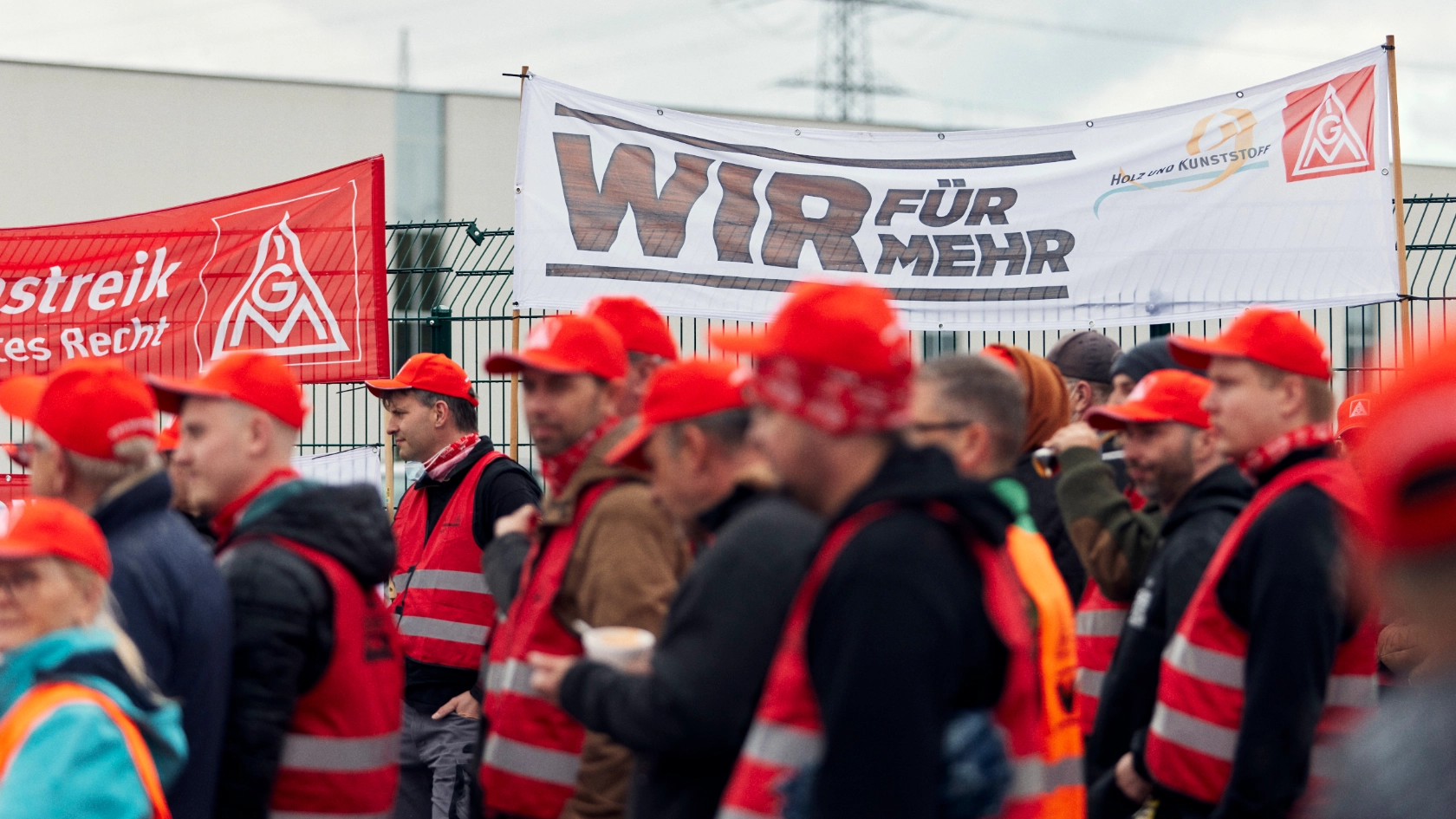
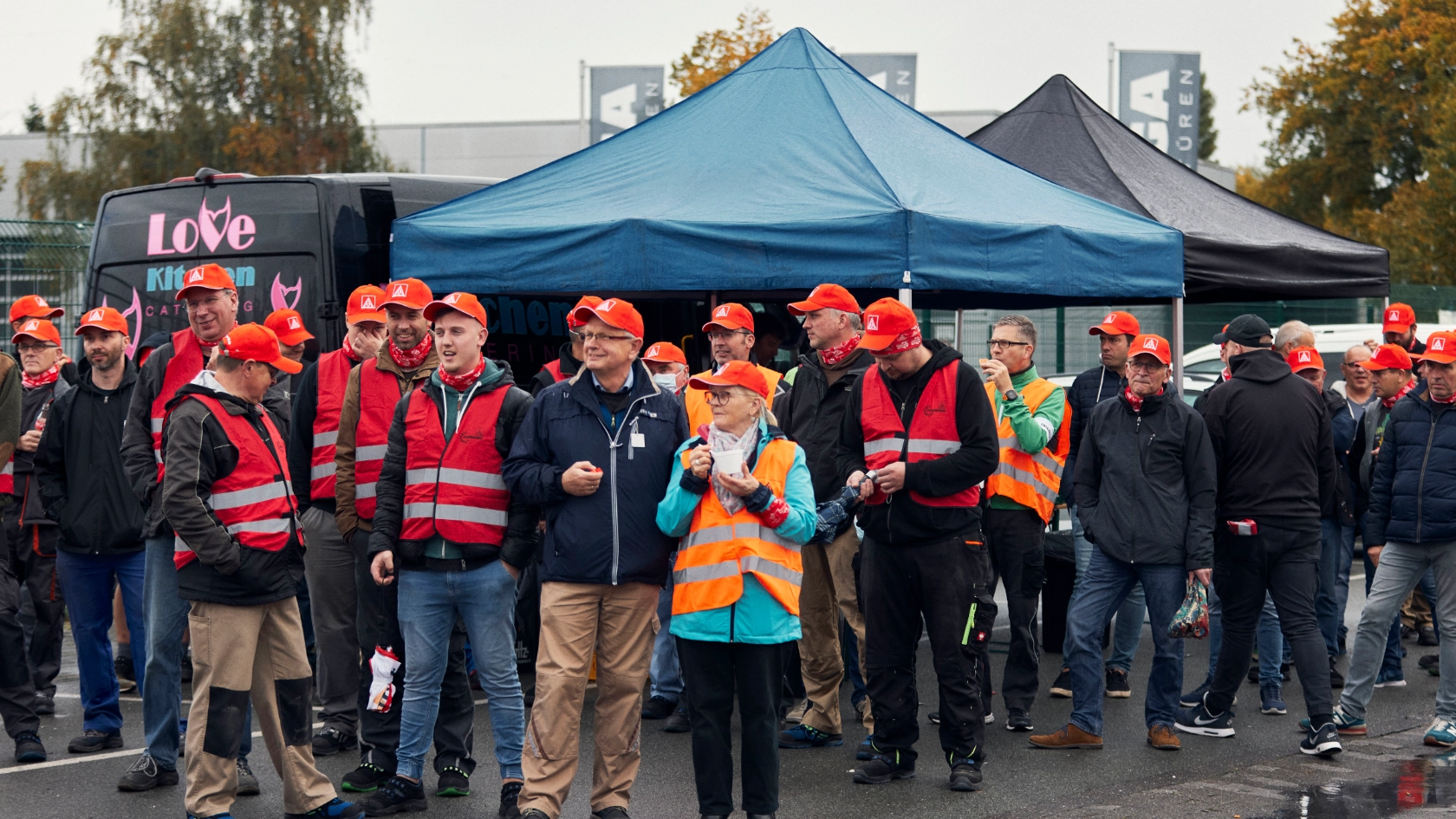
More than 12,000 employees nationwide have participated in the warning strikes so far.
Demographic Fund and Burden Component
The Demographic Fund, which can be used to finance health measures and partial retirement, is particularly important to many—a point employees have repeatedly emphasized. In a survey, 75 percent of employees in the wood and plastics processing industry stated that they could not imagine working until retirement. Employers would have preferred to abolish the Demographic Collective Bargaining Agreement entirely. Colleagues in the workplaces and IG Metall prevented this from happening.
In the future, employers will contribute twice as much to the Demographic Fund in two phases: Starting in 2022, they will add 150 euros to the 300 euros previously contributed, followed by another 150 euros in 2023. Employees will thus receive 600 euros in a pool that can be used for health measures and partial retirement programs.
In Baden-Württemberg, there is an additional stress relief component. Employees have 100 euros per year at their disposal, which they can choose to have paid out or use as a day off. If no request is made, the 100 euros automatically flow into the Demographic Fund. Companies in Baden-Württemberg are operating at full capacity and are in very good financial shape. Since the start of the COVID-19 pandemic, orders and revenues—but also the workload on employees—have skyrocketed there. For this reason, the bargaining committee called for an additional workload allowance.
What Trainees Will Receive
Apprentices stand to benefit disproportionately from the collective bargaining results: Their compensation will increase as of July 1, 2022—by 30 euros, 40 euros, or 50 euros, depending on their year of training—and by the same amount again the following year. This represents a percentage increase of between six and just under ten percent.
During the COVID-19 crisis, apprentices were also subjected to particular hardships. For this reason, apprentices—and, in Baden-Württemberg, dual-track students as well—will receive a COVID-19 allowance of 200 euros.