Automatic translation
This article has been translated automatically using computer technology. While we strive for accuracy, some wording or details may differ from those in the original article.
This translation was not manually reviewed. For important facts, quotations or legally sensitive information, please consult the German original. Individual selections, images, embedded media or technical terms may have been translated differently or incompletely.

2023/2024 Collective Bargaining Round for the Wood and Plastics Industries Wage Increases Secured: That Was the Wood and Plastics Collective Bargaining Round

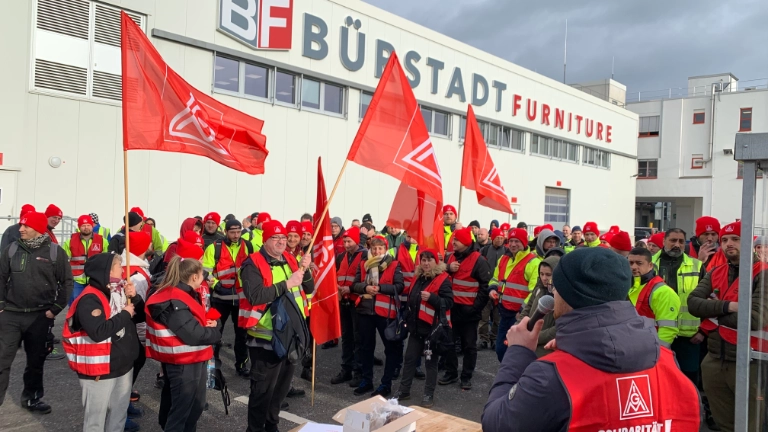
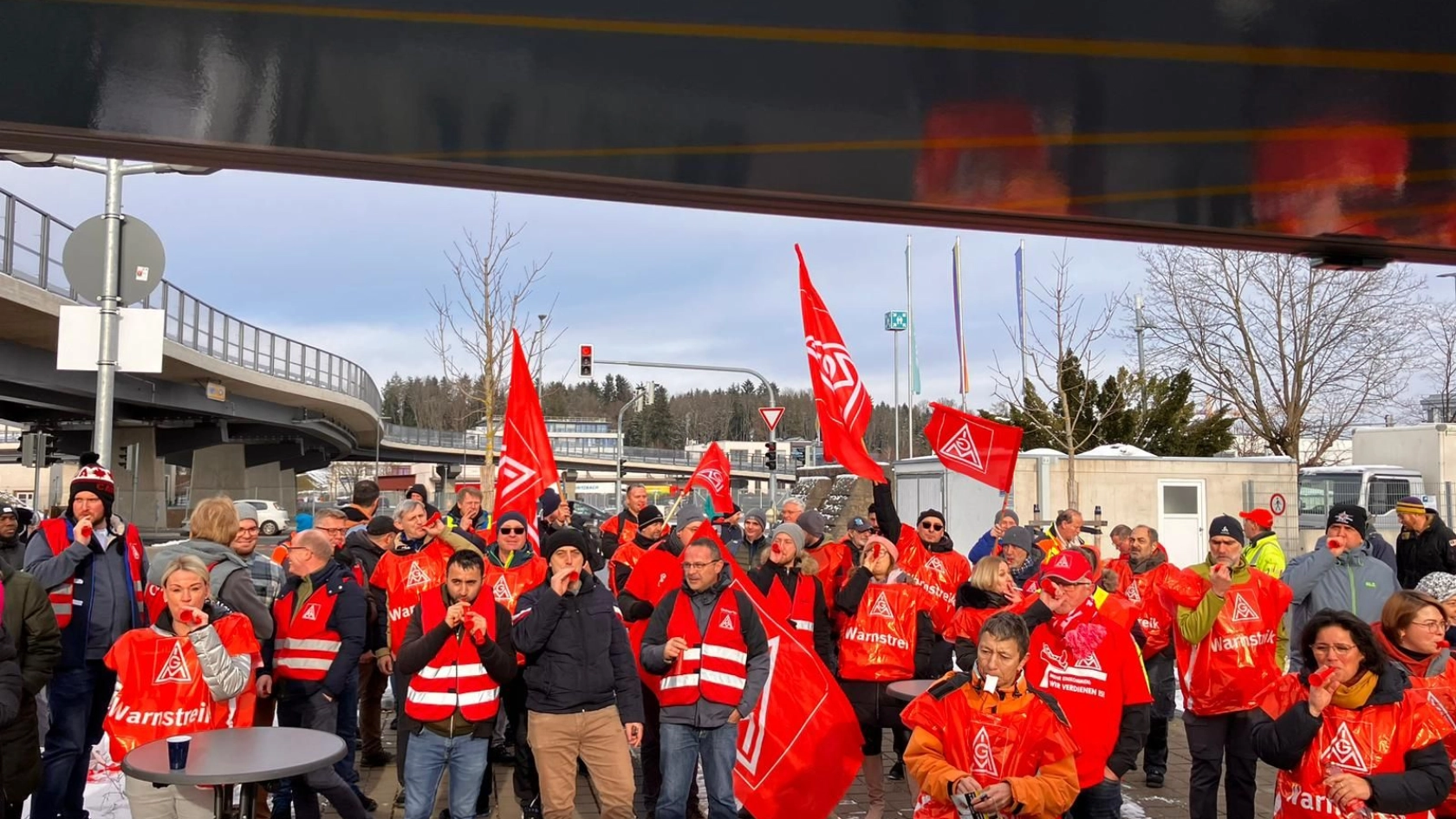
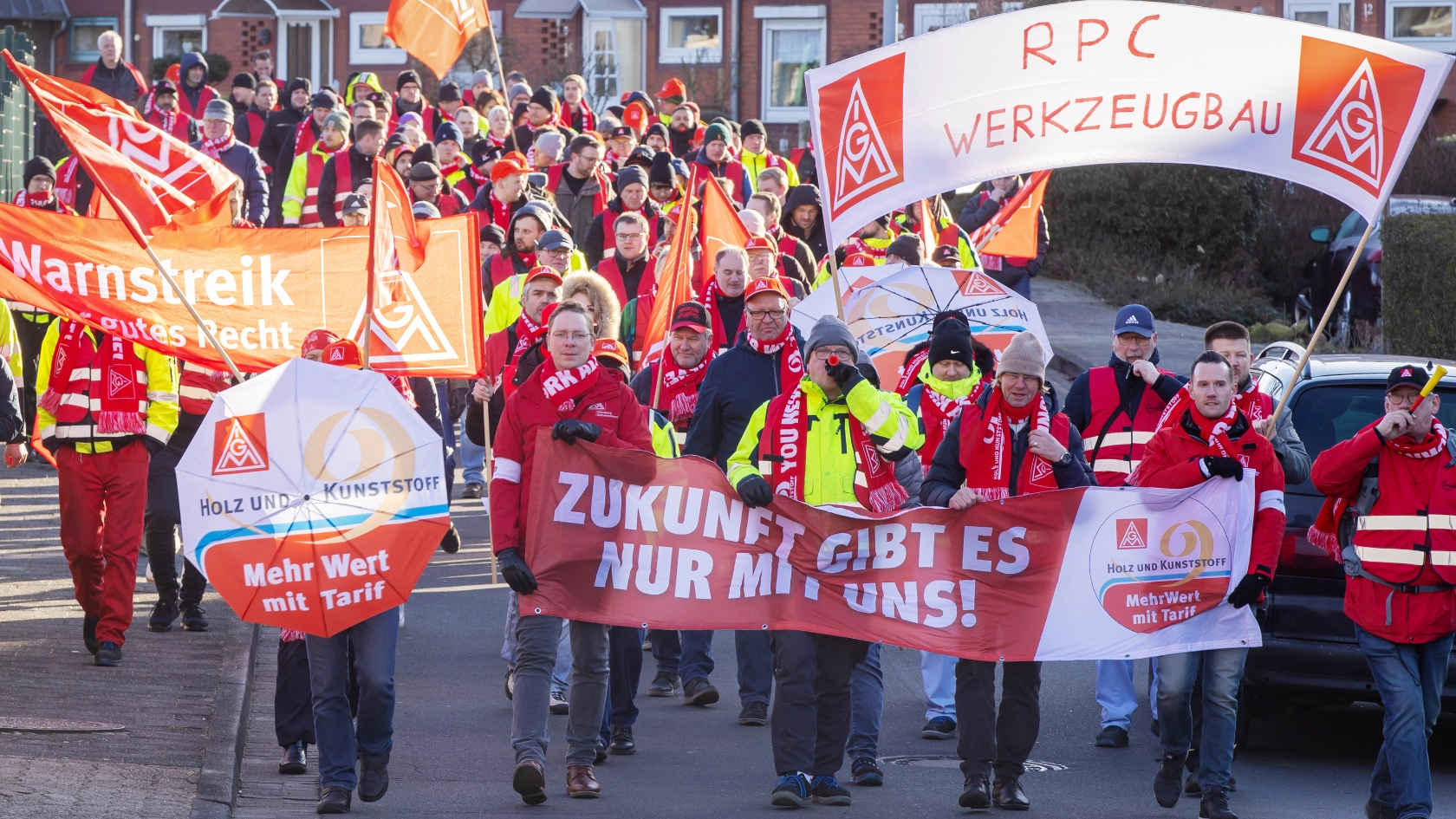
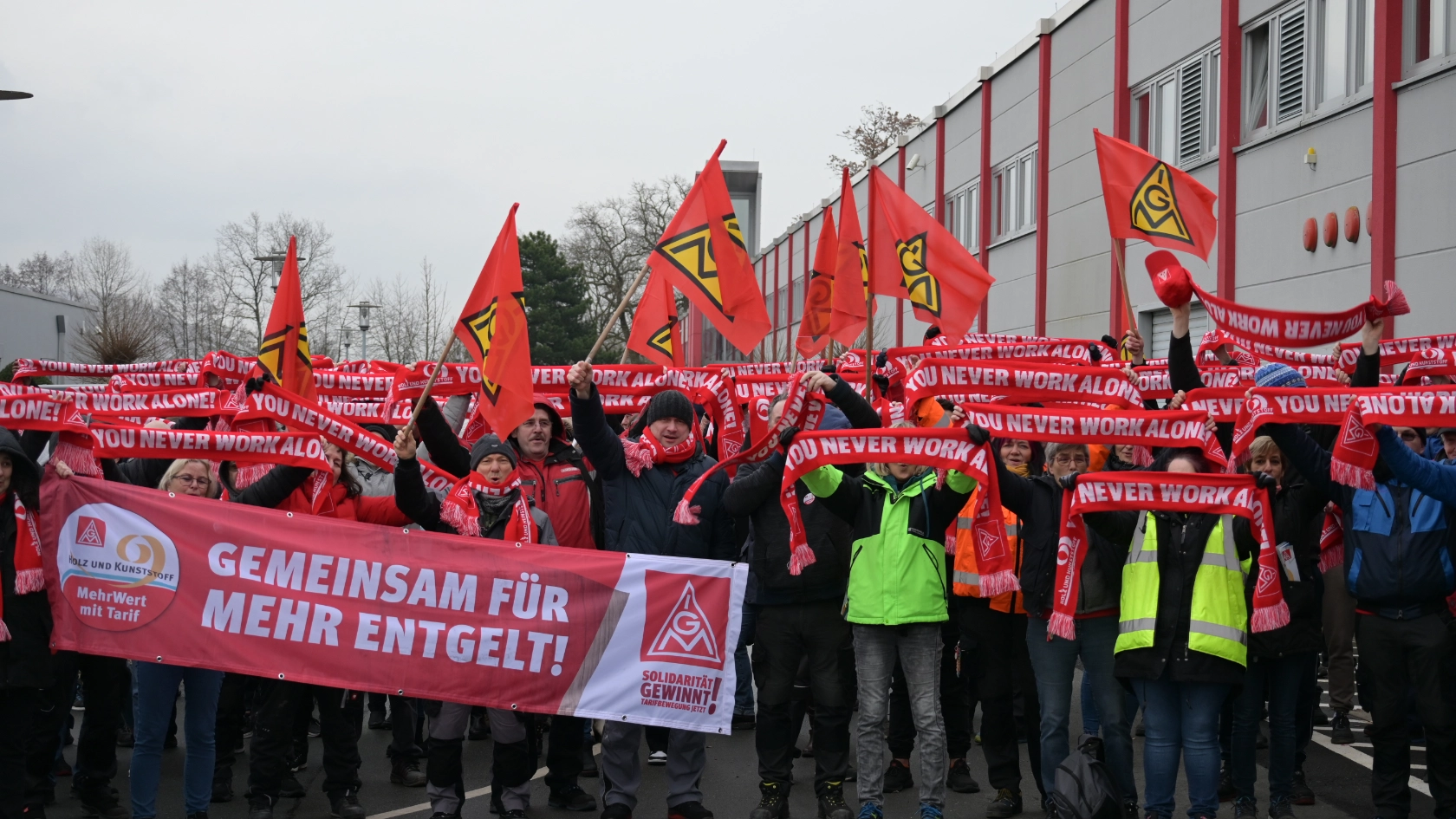
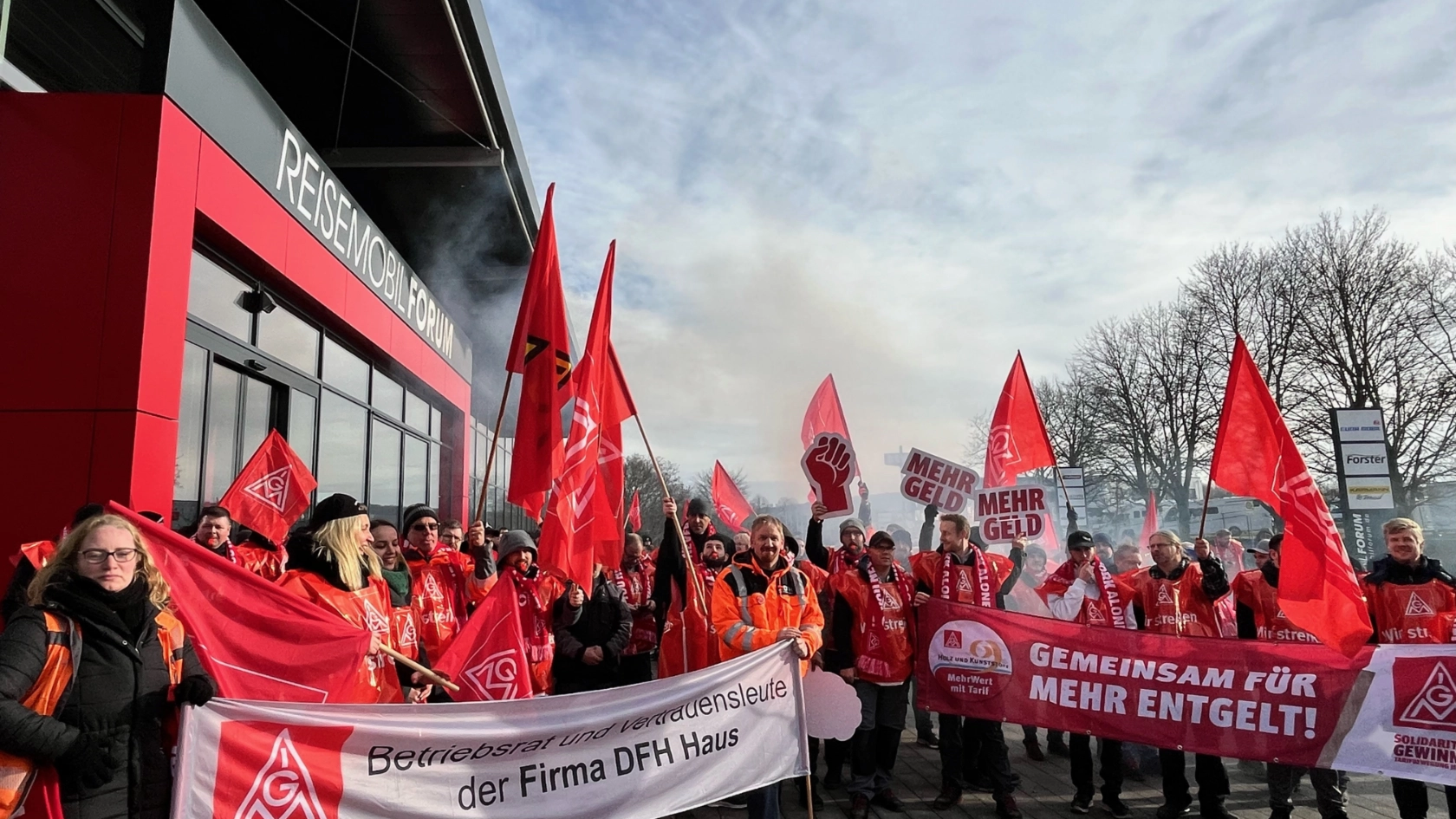
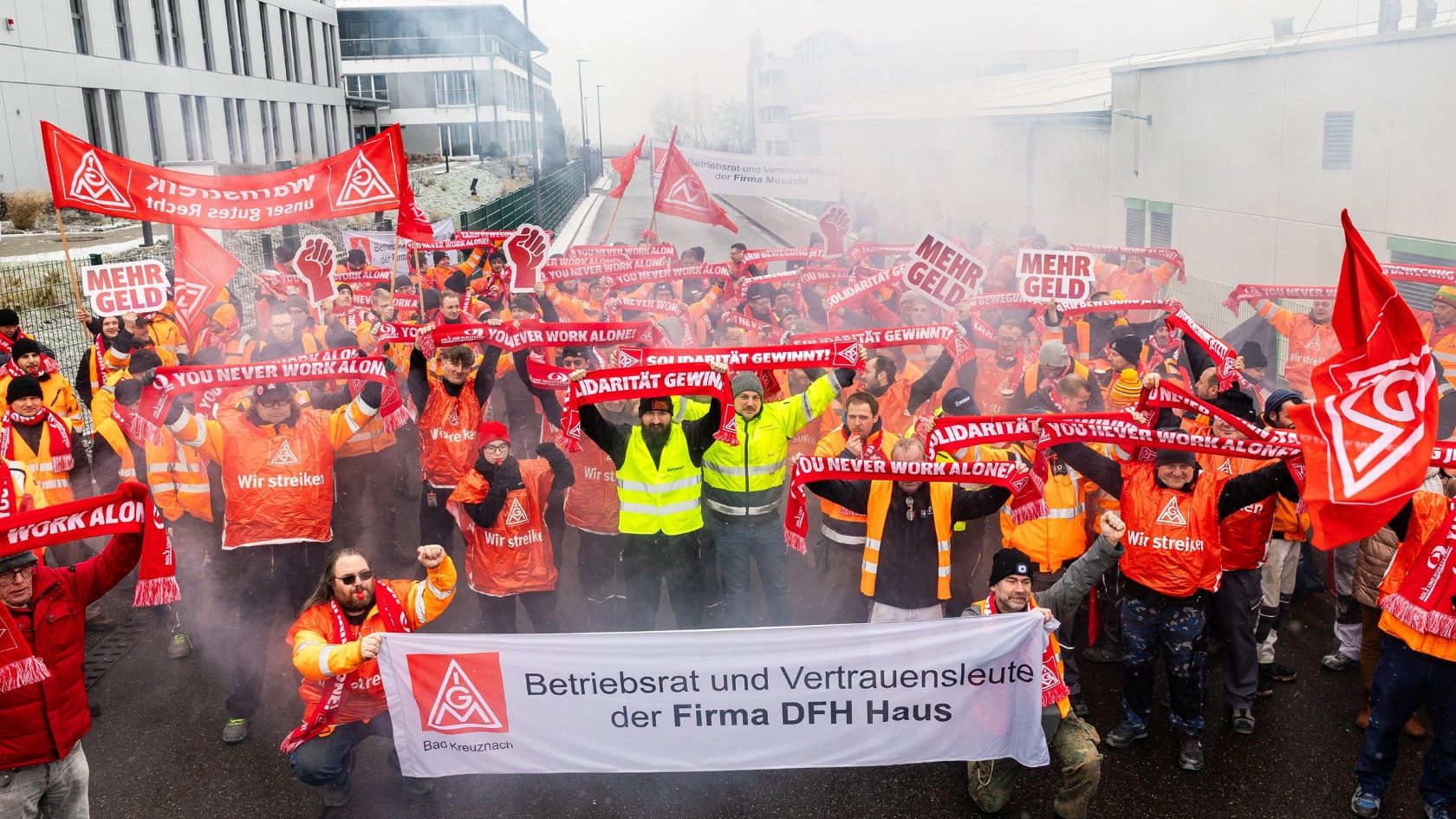
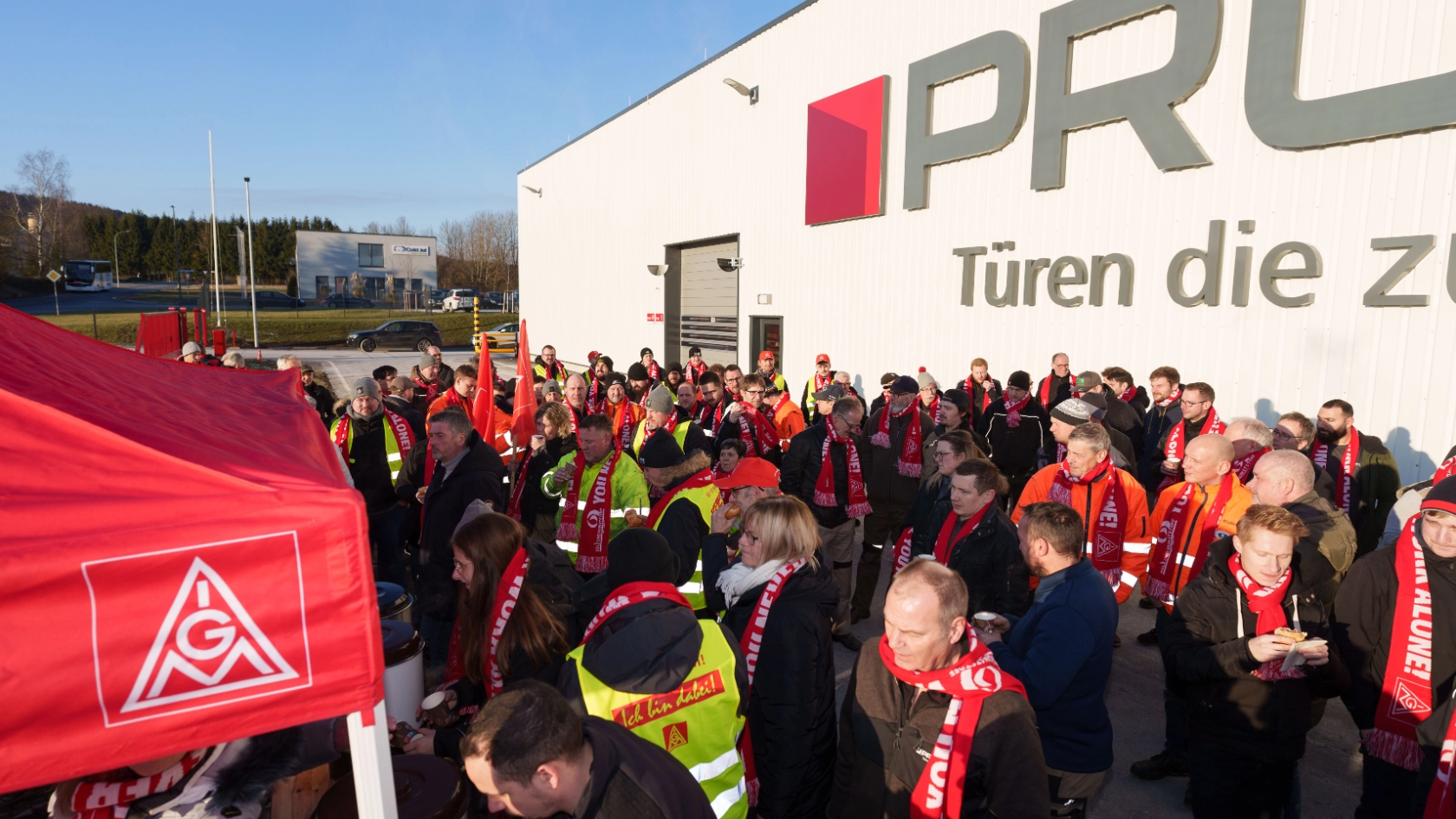
A 2,300-euro inflation adjustment bonus, a 5 percent pay increase starting in the fall, an additional 3 percent starting in the summer of 2025, plus a regional bonus: This is what IG Metall secured for the wood and plastics industry. 14,000 workers from 126 companies applied pressure to achieve this, staging 1,020 protests and warning strikes.

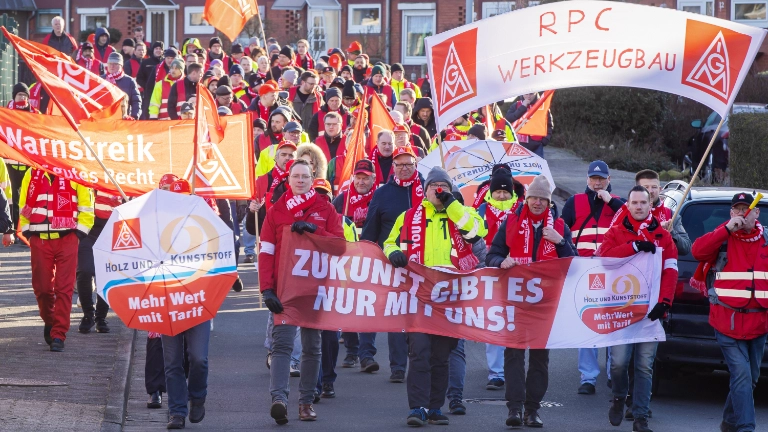
Warnstreik bei RPC Berry in Bramlage/Niedersachsen

24 January 2024 24 January 2024 |
Updated on 26 April 2024 26 April 2024


In the collective bargaining round for the wood and plastics processing industry(HVI), IG Metall has achieved eleven regional collective bargaining agreements since January, which vary slightly from one another.  

First, there are inflation adjustment bonuses (IAP) of up to 2,300 euros net in 2024, typically paid in two installments: 

  • March 2024: 1,150 euros IAP I 
  • September 2024: 1,150 euros IAP II 

Apprentices generally receive half the IAP, though in some collective bargaining areas they may receive the full amount. 

Monthly wages will then increase in the fall of 2024 and the summer of 2025. 

  • September / October 2024 (depending on the collective bargaining region): 5 percent increase in wages and salaries 
  • June/July 2025 (depending on the collective bargaining region): 3 percent increase in wages and salaries. 

In Thuringia and Saxony, similar to Berlin and Brandenburg, a few percentage points will be added to bring wages in line with those in Saxony-Anhalt.   

Apprenticeship wages will increase by the same amount at the start of each training period—in August or September, depending on the collective bargaining region. 

The collective bargaining agreements have a term of 23 months and can be terminated for the first time on October 31, 2025. From then on, further pay increases are possible. 

In Berlin-Brandenburg, the collective bargaining agreement differs somewhat more significantly. The previous collective bargaining agreement remained in effect until March 31. The IAP is paid in two installments, in May and August. Remuneration will increase by 6 percent in January 2025 and by an additional 3.9 percent in September 2025. The term of the agreement is 21 months, ending on December 31, 2025. 

Details on the regional negotiation results:

Lower Saxony/Bremen

Baden-Württemberg

Bavaria

Rhineland-Palatinate

Saxony-Anhalt

Westphalia-Lippe

Hamburg

Hesse

Thuringia

Saxony

Berlin-Brandenburg
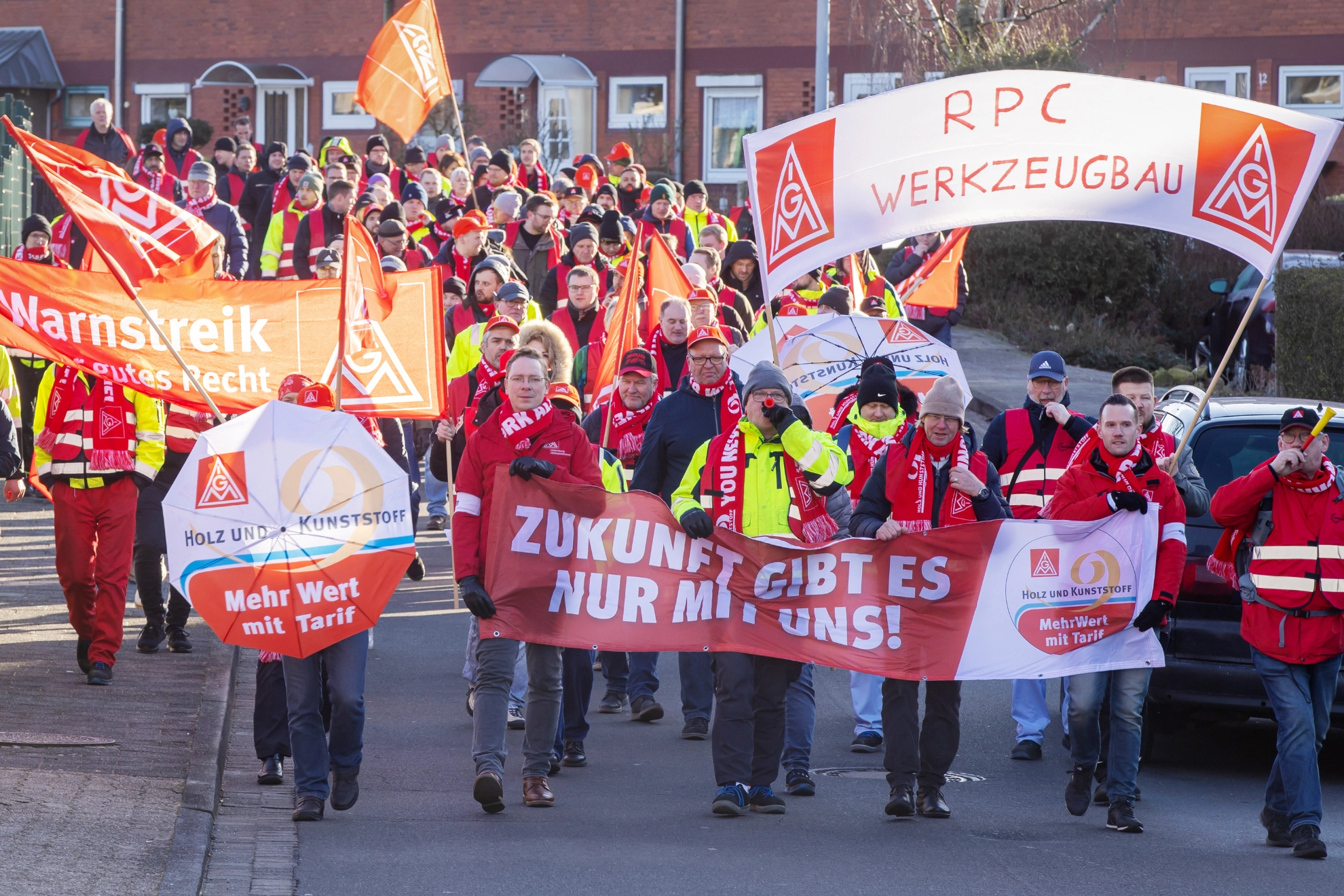
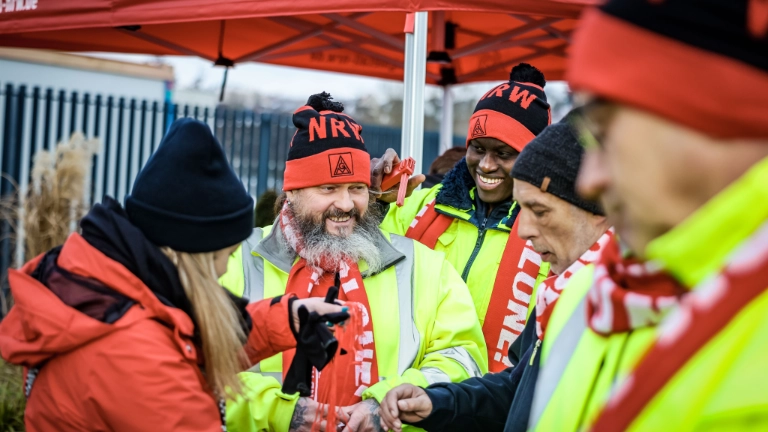
Over 14,000 Workers Take Part in Warning Strikes 

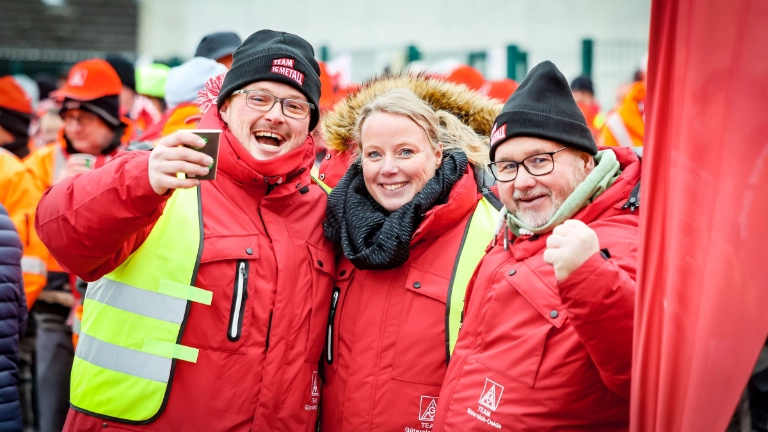
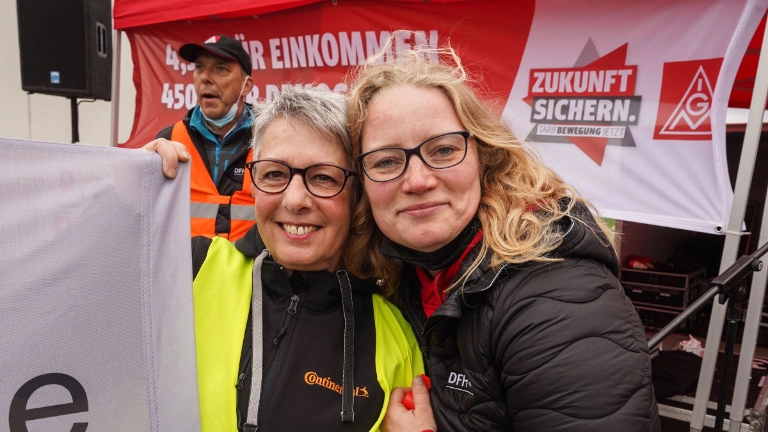
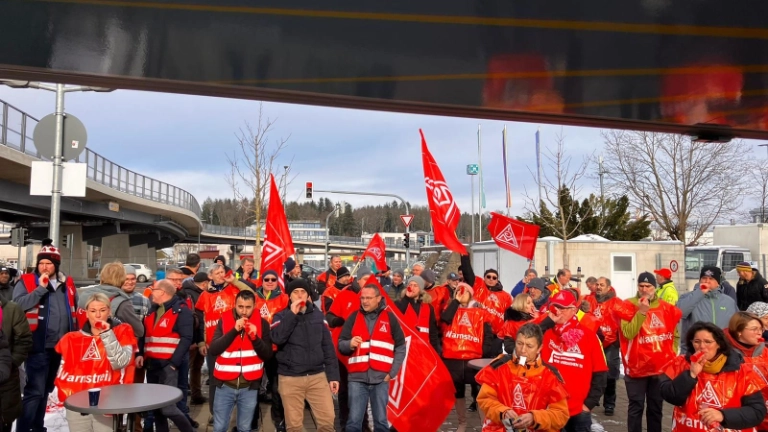
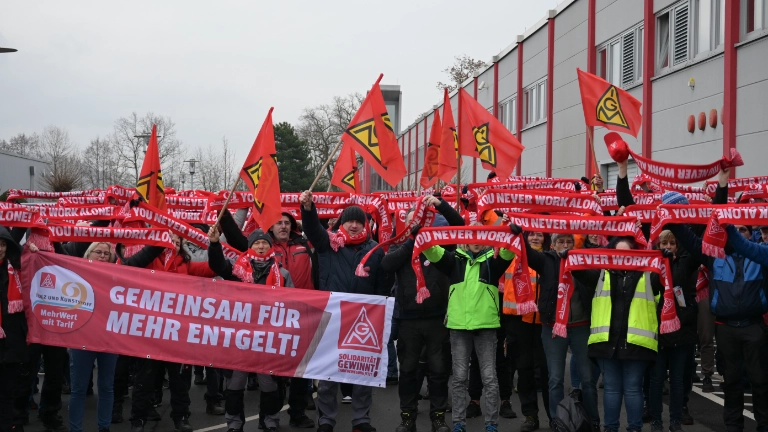
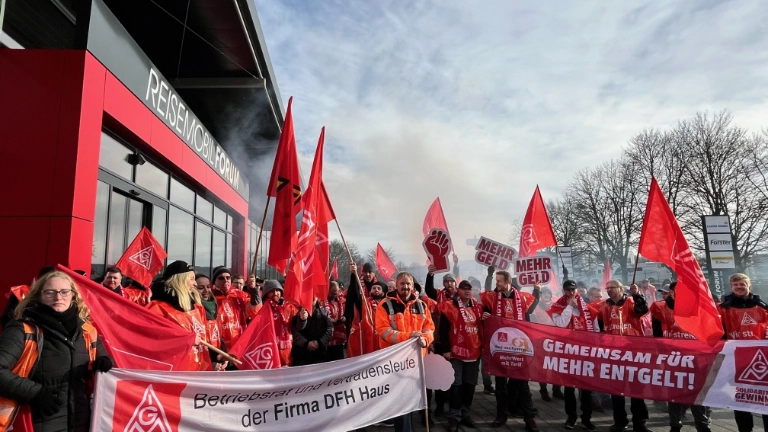
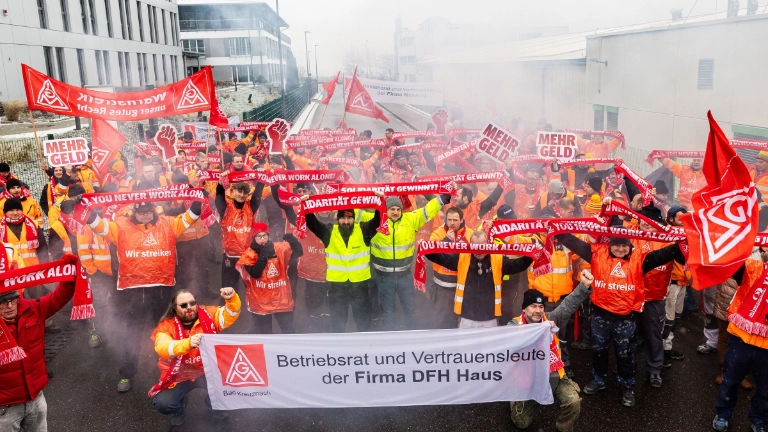
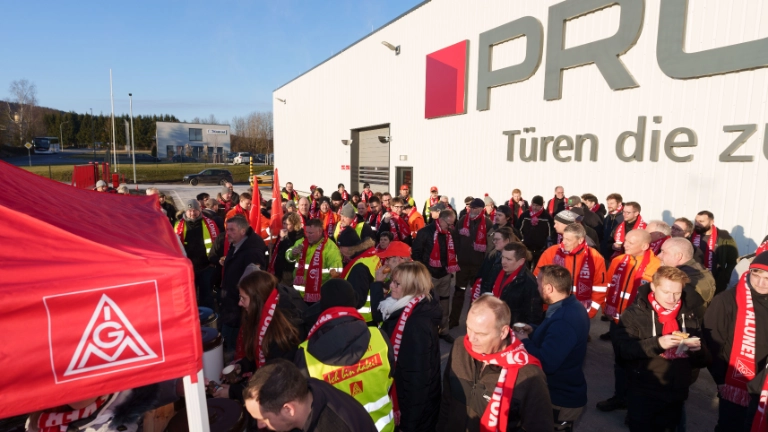
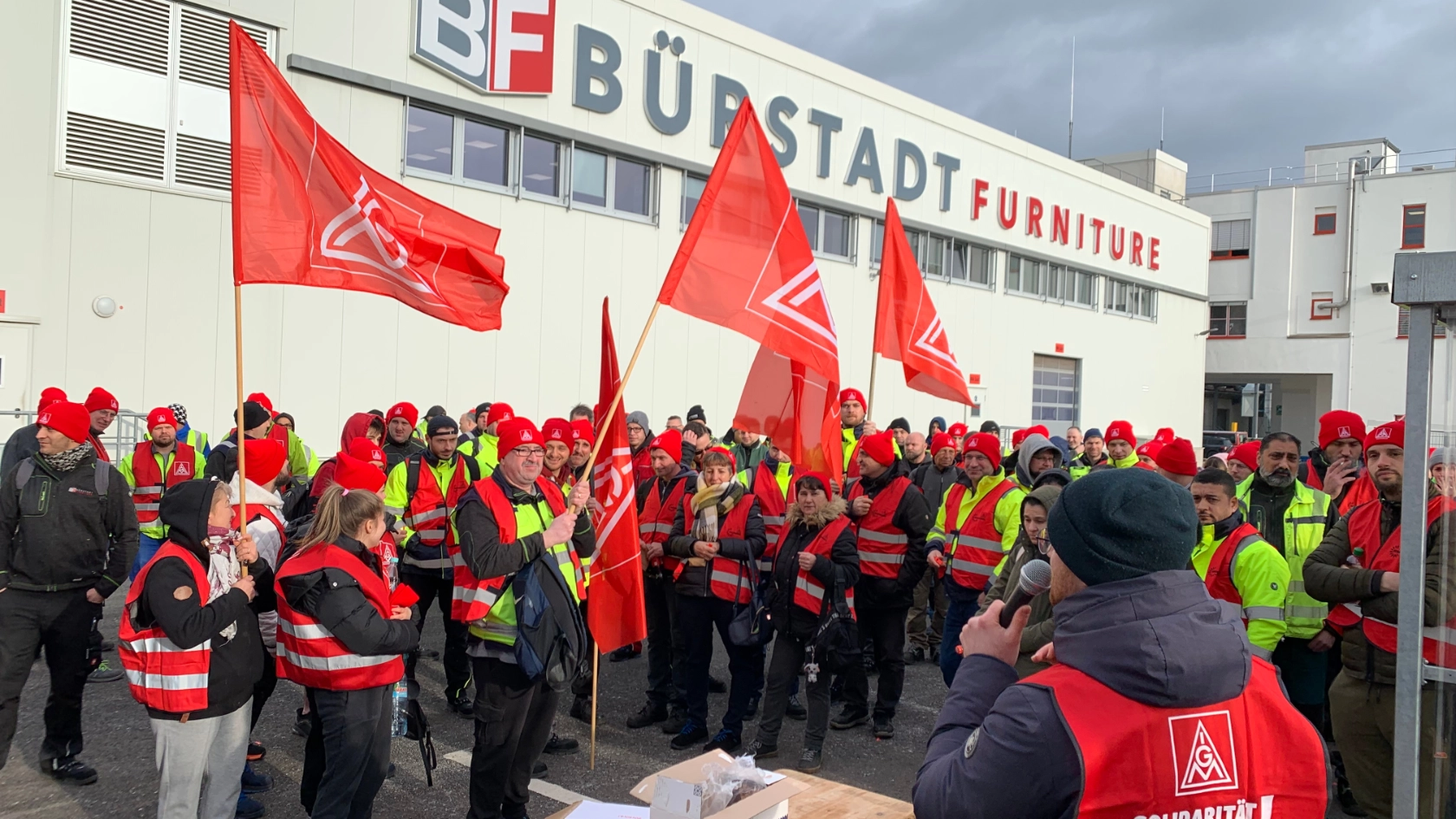
14,000 workers at 126 companies participated in 1,020 actions and warning strikes to secure their collective bargaining agreement. This was necessary because there is no so-called “pilot agreement” in the wood and plastics processing industry (HVI) that other bargaining regions would then adopt. And even more so than in the past, regional employers’ associations wanted to push through pay cuts once again in their respective bargaining regions. 

“The collective bargaining process was tough. Despite groundbreaking collective bargaining agreements in Lower Saxony and Baden-Württemberg, we had to fight all over again in every single bargaining region,” says Brigitte Döth, who coordinates IG Metall’s collective bargaining policy for the wood and plastics processing industry nationwide. “But we’ve shown that we’re ready to fight anywhere. In many companies, workers took part in a warning strike for the first time—including, for the first time, in Saxony.” 

The negotiations in Saxony in particular illustrate the situation on the employers’ side: The chief negotiator in Saxony was the same as in Lower Saxony. In Lower Saxony, he reached a collective bargaining agreement with IG Metall in mid-January, but then deemed it too costly in Saxony—even though wages there were already lagging behind. Workers had to go on a warning strike in mid-February to exert pressure for their collective bargaining agreement. In the end, the IG Metall negotiating committee even secured an additional increase totaling 3.15 percent, as well as disproportionately large raises for apprentices. 

Even in the traditionally strong collective bargaining region of Westphalia-Lippe, home to numerous furniture manufacturers, workers had to apply pressure through two waves of warning strikes to keep pace with the other bargaining regions. Six hundred workers on warning strike from 12 companies attended the demonstration ahead of the fourth and decisive round of negotiations in Herford.

Here’s what works council members on the bargaining committees are saying
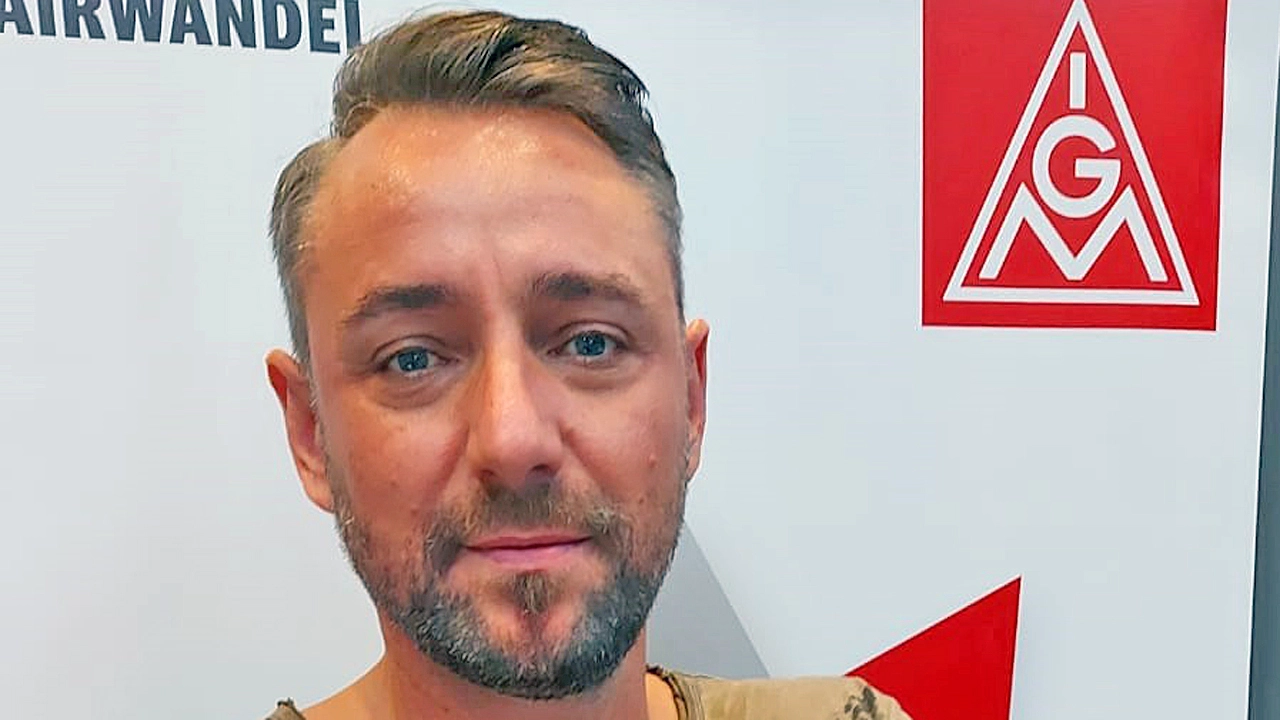
Stefan Eckmüller, Betriebsrat Heyco, Tittling/Bayern

Stefan Eckmüller, Heyco, Tittling, Bavaria

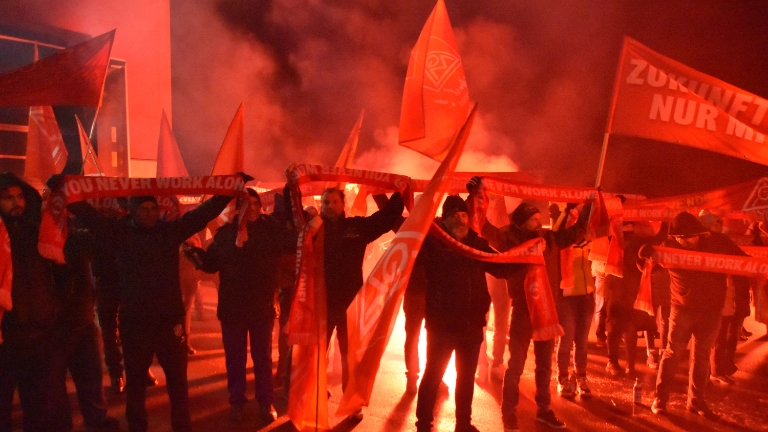
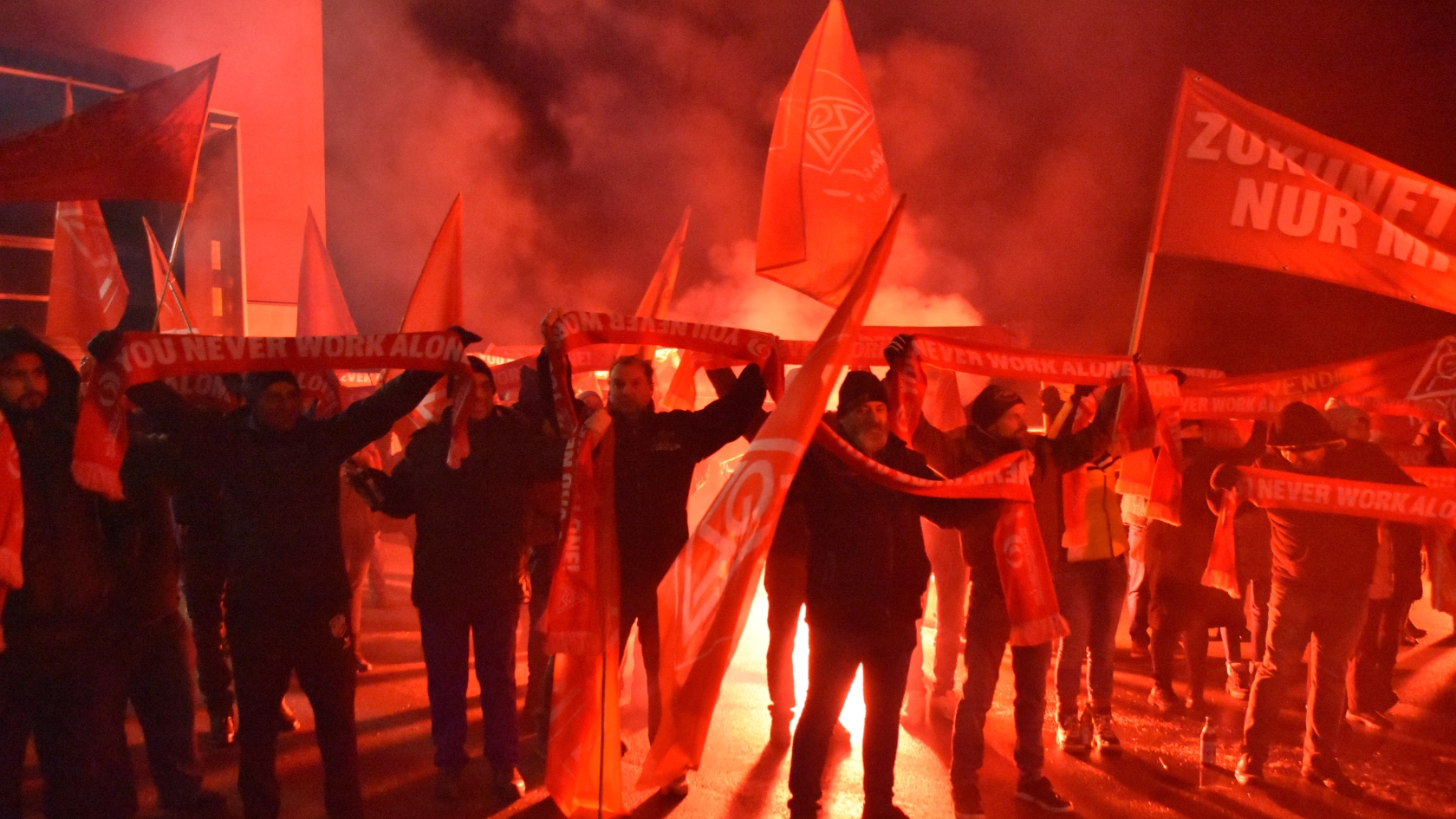
It was the most impressive HVI collective bargaining round in Bavaria to date. As many as 450 colleagues were present at the very first negotiation. At the end of the peace obligation period, workers from surrounding companies gathered for a midnight protest right outside our gates. The first warning strike, held in bad weather, was a complete success—and the second was ready to go. The employers simply realized that we would go to extremes.
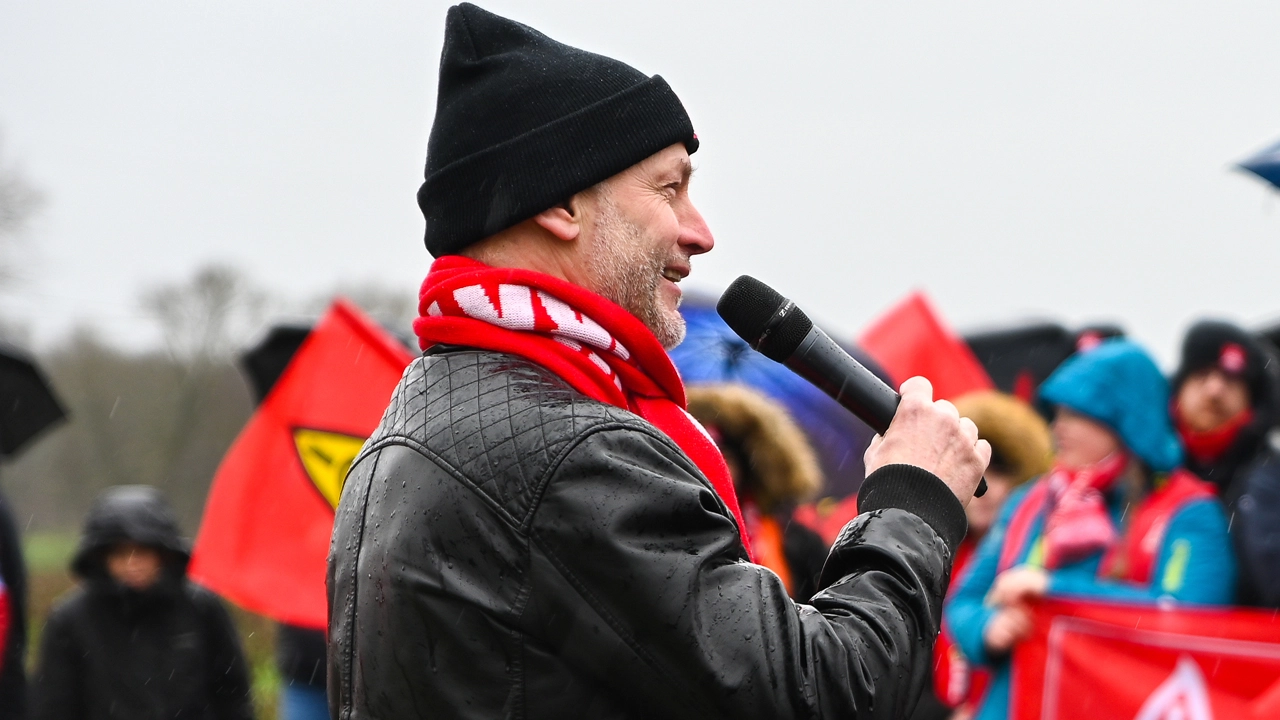
Olaf Stender, Betriebsrat bei Wilkhahn in Bad Münder/Niedersachsen

Olaf Stender, Wilkhahn Wilkening + Hahne, Bad Münder, Lower Saxony

A large number of employers denied us the inflation adjustment bonus—a benefit created by policymakers. That really turned up the heat. Our colleagues were just waiting to make the employers pay for it in the form of warning strikes. An absolute highlight was the membership bonus here in Lower Saxony. It was celebrated in a big way at my workplace.
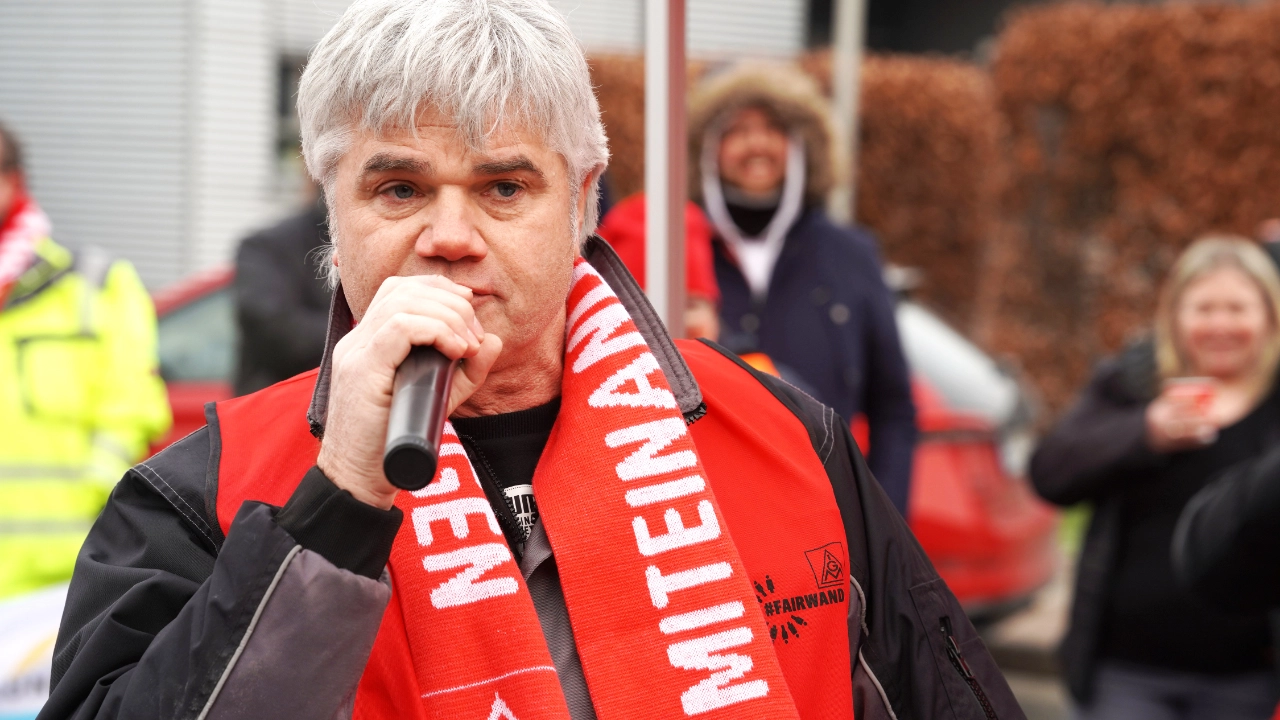
Torsten Trzebiatkowski, Betriebsrat bei Pronorm in Vlotho/NRW

Torsten Trzebiatowski, pronorm Custom Kitchens, Vlotho, North Rhine-Westphalia

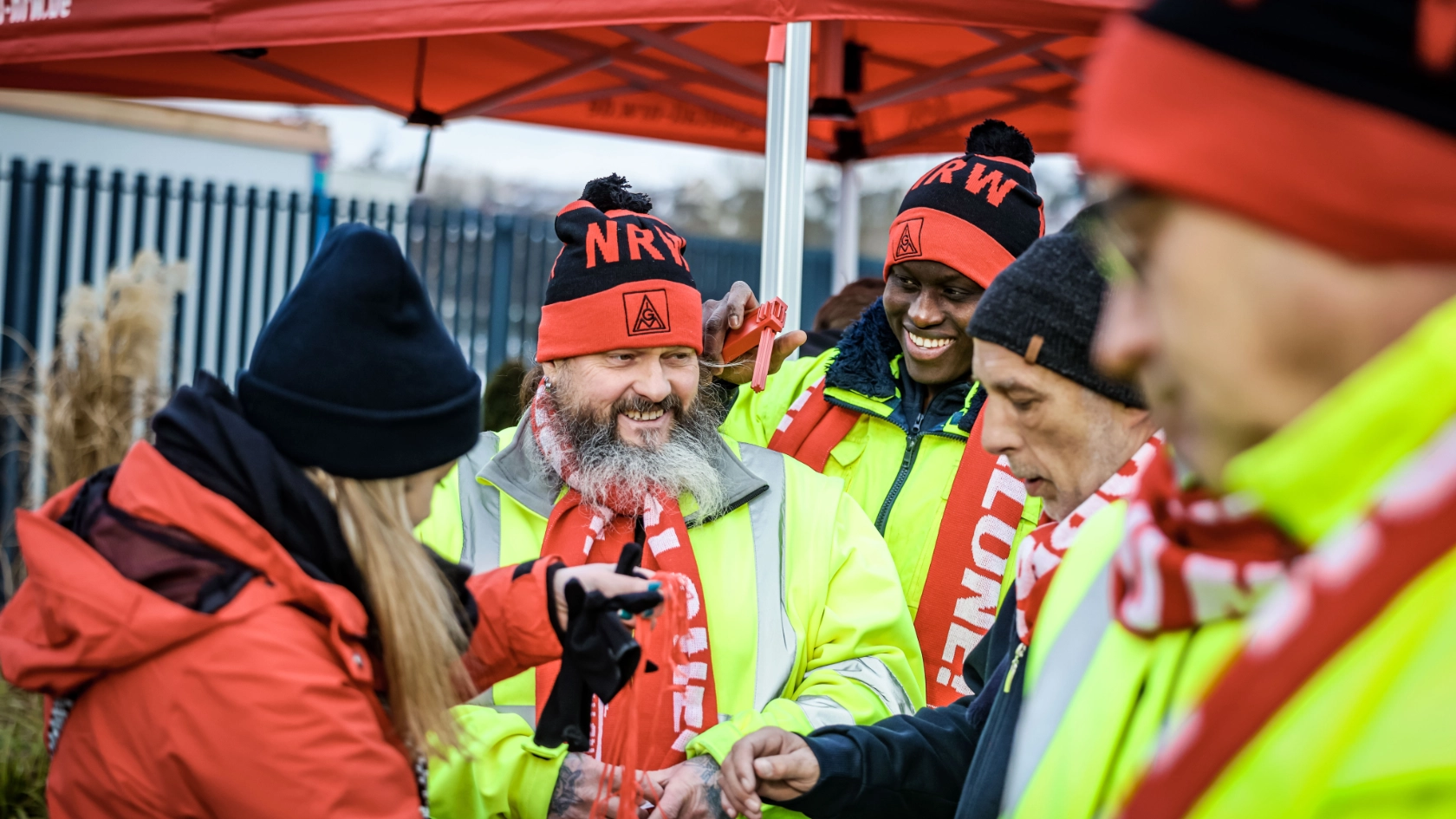
The workforce had high expectations following the sharp price increases. The employers, however, refused to engage in results-oriented negotiations and threatened to withdraw from the collective bargaining agreement. Despite adverse weather conditions, we had high turnout for two warning strikes and accompanying actions. Only through the pressure exerted by our colleagues was a good outcome possible—though, unfortunately, with a term that was a bit too long.
Beschäftigte stehen zu einem großen Herz zusammen
Become a member
Become part of a strong community

From legal protection in labor and social law matters to fair wages and salaries—we take personal and reliable care of our members.

New on igmetall.de

Subscribe to the newsletter