Automatic translation
This article has been translated automatically using computer technology. While we strive for accuracy, some wording or details may differ from those in the original article.
This translation was not manually reviewed. For important facts, quotations or legally sensitive information, please consult the German original. Individual selections, images, embedded media or technical terms may have been translated differently or incompletely.

2025 Collective Bargaining Round for the Wood and Plastics Industries Workers are demanding a 5 percent increase

The IG Metall Executive Board has approved the demands for the more than 166,000 workers in the wood and plastics processing industry. Wages are to increase by 5 percent, and apprentices are to receive a disproportionately larger raise.

22 October 2025 22 October 2025


The IG Metall Executive Board has approved the demands for the upcoming collective bargaining round in thewood and plastics processing industry. On the recommendation of the bargaining committees, IG Metall is demanding a 5 percent wage increase and a disproportionately higher raise for apprentices for the more than 166,000 employees nationwide at furniture, panel, prefabricated home, and trailer manufacturers, automotive suppliers, and other sectors. Various factors were taken into account in determining the demands, ranging from conditions at the workplaces to consumer sentiment and the inflation rate.

Previously, an IG Metall survey of workplaces had shown what matters most to employees in this round of collective bargaining: 65 percent of those surveyed want a wage or salary increase to offset their rising costs. This pattern is consistent across different industries and regions. Overall, Inga Neumann, the collective bargaining expert on the IG Metall Executive Board, assesses the situation in workplaces as varying greatly. “The caravan industry is currently generating different profit margins than kitchen manufacturers. Our employees are discussing a solidarity-based demand that fairly covers all sectors.” 


“Everything is getting more expensive”

At the start of collective bargaining negotiations for the wood and plastics processing industry this summer in Frankfurt, bargaining committee members from the companies will meet with the responsible union secretaries from the districts. Torsten Marschlich is a member of the bargaining committee and a works council member at Peri, a manufacturer and supplier of formwork and scaffolding systems. He believes that, in addition to the good work being done, price increases are an important reason why wages and salaries must be raised now.

His colleague Regina Strobel from Ruf Betten agrees. “We want more money. Inflation affects us all; everything is getting more expensive.” The bedding manufacturer is doing well financially. “We posted strong results in the first half of the year. After the summer slump, we’re now hoping for continued stable results in the latter part of the year.” All things considered, the works council member expects and hopes that her colleagues will have more money in their pockets on a long-term basis following the collective bargaining negotiations.
Wood and Plastics Collective Bargaining Round: What’s Next
Grafik: September 2025 - Diskussion der Forderungen für die Tarifrunde Holz- und Kunststoff verarbeitende Industrie
Grafik: Forderungsbeschluss des IG Metall-Vorstands am 21.10.2025 für die Tarifrunde der Holz- und Kunststoff verarbeitenden Industrie
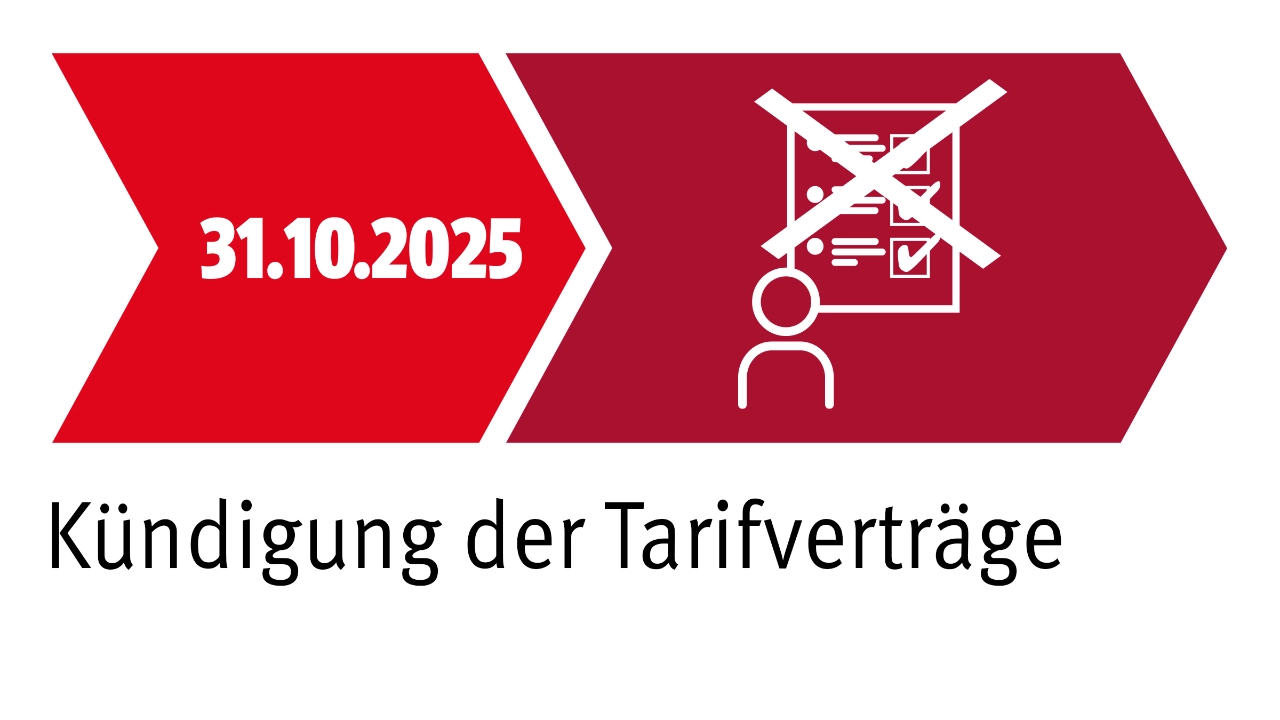
Grafik: 31.10.2025 Kündigung der Tarifverträge in der Tarifrunde der Holz- und Kunststoff verarbeitenden Industrie
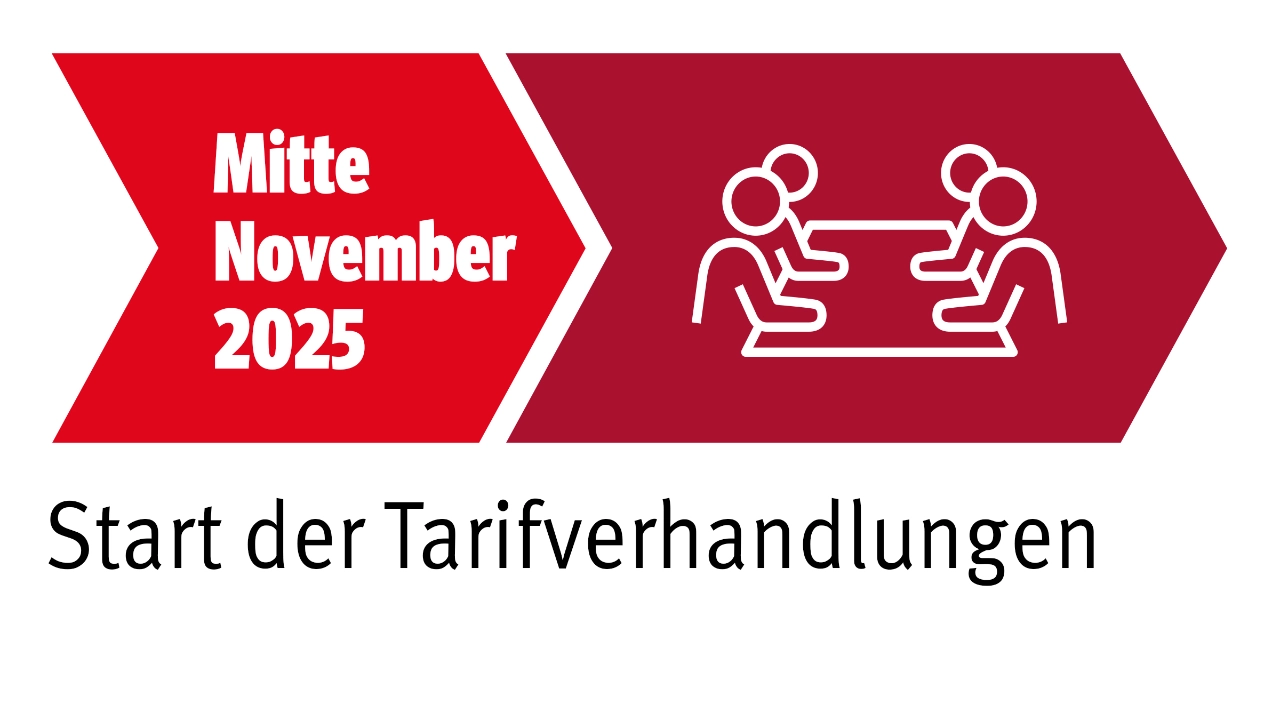
Grafik: Mitte November 2025 Start der Tarifverhandlungen in der Tarifrunde der Holz- und Kunststoff verarbeitenden Industrie
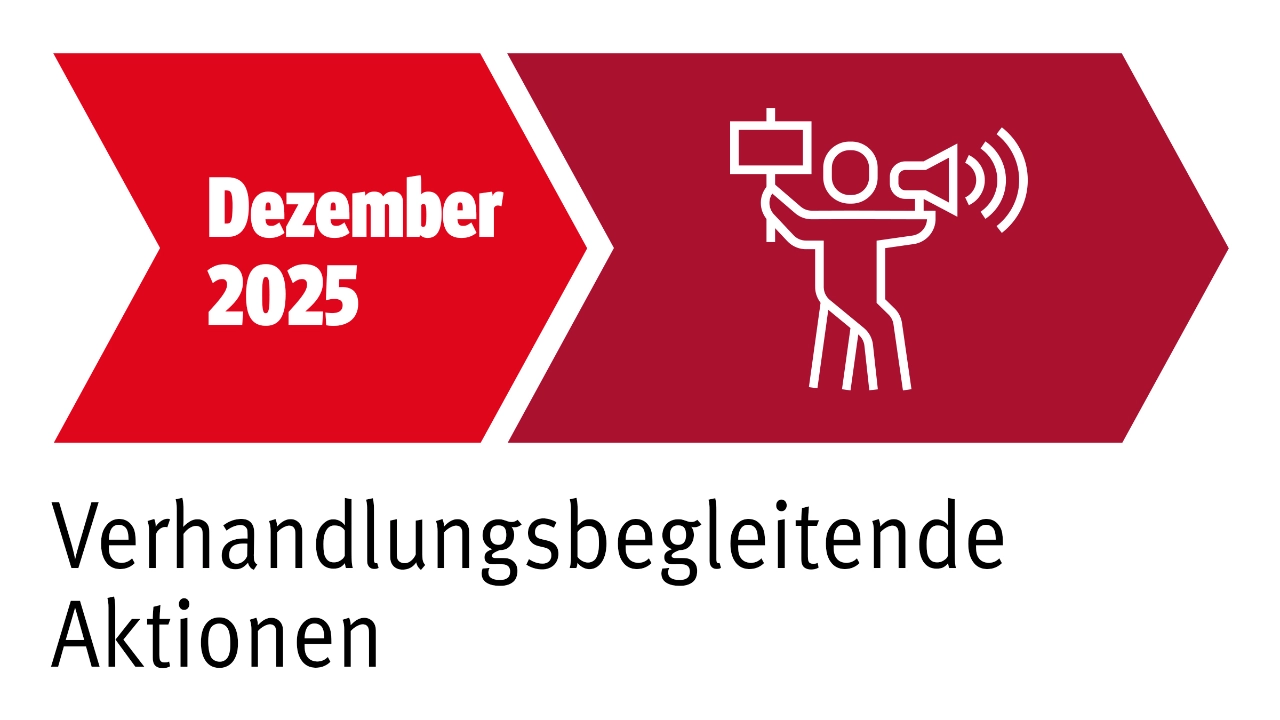
Grafik: Verhandlungsbegleitenden Aktionen im Dezember 2025 in der Tarifrunde der Holz- und Kunststoff verarbeitenden Industrie
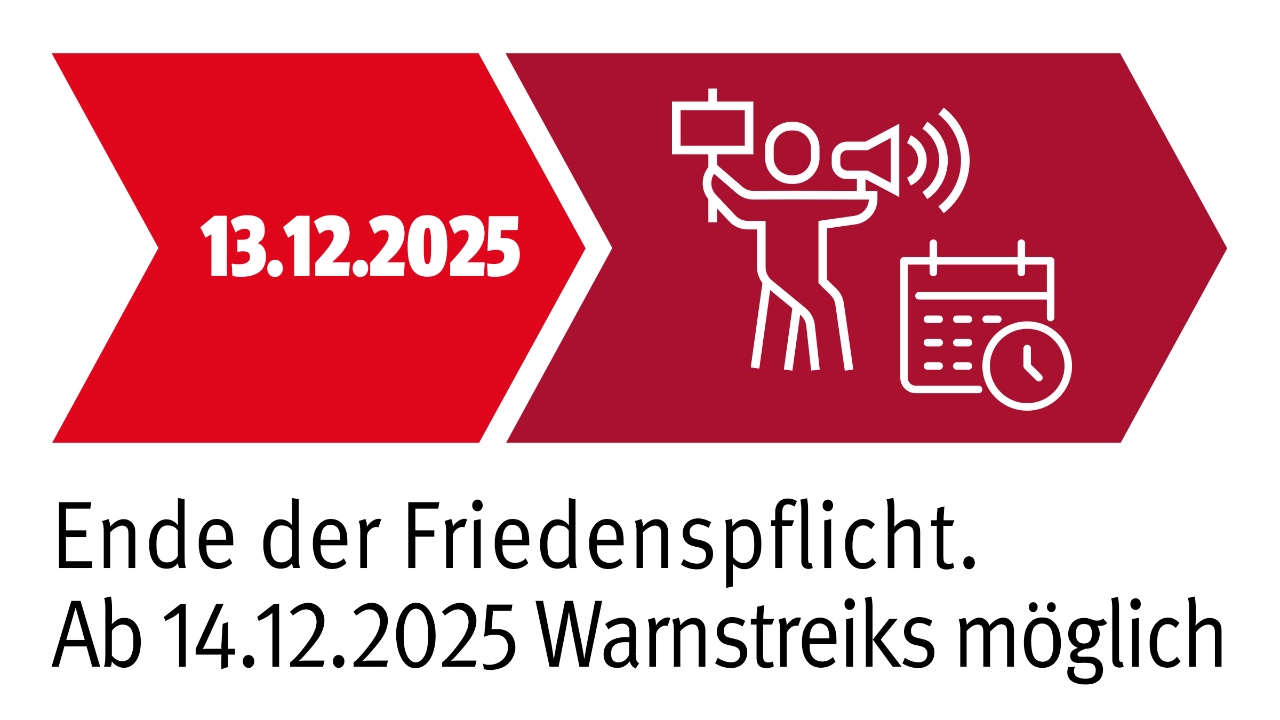
Grafik: Am 13. Dezember 2025 endet die Friedenspflicht in der Tarifrunde der Holz- und Kunststoff verarbeitenden Industrie

The no-strike clause ends in December

The situation is different at the prefabricated home manufacturer DFH. “The situation is pretty tense right now. We were sold, and we’re now on a radical cost-cutting course. At the same time, so many employees have been laid off that we’re already running into difficulties when production picks up again,” says works council member and collective bargaining committee member Dietmar Mohr. That said, the worst is likely behind us, according to Mohr. “Things are slowly looking up again.” The works council warns that there is a shortage of skilled workers and that attractive wages and salaries are necessary to address this. This is also confirmed by the survey of employees. A majority of over 60 percent has considered changing jobs or is already actively in the job application process.

The collective bargaining agreements will be terminated at the end of October, and negotiations will begin in mid-November. The peace obligation ends at midnight on December 13, at which point warning strikes can begin. Employees have already made it clear in the IG Metall survey: A clear majority is prepared to participate in collective bargaining actions to apply the necessary pressure on employers. 

Beschäftigte stehen zu einem großen Herz zusammen
Become a member
Become part of a strong community

From legal protection in labor and social law matters to fair wages and salaries—we take personal and reliable care of our members.

New on igmetall.de
Aktionstag bei Mercedes Benz, Daimler, in Sindelfingen gegen die Angriffe auf Beschäftigten in der Automobilindustrie.
Resistance to Attempts at Drastic Cuts Auto industry workers issue a warning
Sie wollen doch nur dein Bestes
Redistribution Making Germany more equitable: We need this tax reform now
Der Streik bei Kelvion in Nobitz-Wilchwitz begann am 4. August 2026. Die Geschäftsleitung will nach Sarstedt/Niedersachsen verlagern - obwohl die Produktion in Wilchwitz profitabel und bis ins nächste Jahr ausgelastet ist.
"It’s worth fighting for!" Kelvion workers strike for a social collective bargaining agreement
Ruhrpott Rebellion am 07.07.2026
Welfare State September 26: Nationwide Day of Action for Social Policy
Beschäftigter arbeitet an einem Getriebe in einer Fabrik
Working Hours Why working longer doesn’t help—and actually does more harm than good
Ein männlicher Land- & Baumaschinenmechatroniker prüft einen Traktor mit einem Tablet
2026 Collective Bargaining Agreement for the Metalworking and Agricultural Engineering Sectors Greater Flexibility in the Metalworking and Agricultural Engineering Sectors in Lower Saxony and Bremen
Elektronikerin prüft die Spannung an einem Schaltschrank.
2026 Collective Bargaining Round for the Electrical Trades Wage Increase in the Electrical Trades in Berlin-Brandenburg
Benjamin Heine ist Mitarbeiter der BMA in Braunschweig
2026 Collective Bargaining Round for Metal Fabrication and Precision Engineering Higher Wages in the Metal Fabrication and Precision Engineering Sectors in Southwest Germany
Metall-Arbeiter beim Schleifen
2026 Collective Bargaining Round for the Metalworking Trade Employees in the Berlin-Brandenburg metalworking sector will receive higher pay
Beschäftigte von Thyssenkrupp demonstrieren in Essen am 23. Mai 2024 gegen das Vorgehen der Geschäftsführung beim geplanten Teilverkauf des Unternehmens.
Defend the welfare state All dates for nationwide actions against cuts to social services
IGM Aktion VW Wolfsburg
On September 21, things will get loud Nationwide Day of Action: Auto Industry Workers Fight Back Against Mass Layoffs
Auszubildender in einer Schreinerei
Apprenticeship Wages Questions and Answers About Apprenticeship Wages

Subscribe to the newsletter