Collective bargaining negotiations in the automotive trade have now been going on for over a month—yet employers have still not presented an offer. “The shops are full, the workload is increasing, prices remain high—and workers in the automotive trade are doing an outstanding job every single day,” emphasizes Christian Schwaab, chief negotiator for IG Metall in the automotive trade in Baden-Württemberg, where negotiations took place on Tuesday in Leinfelden-Echterdingen. “Anyone who responds to this with inaction and obstructionism risks the industry’s long-term viability.”
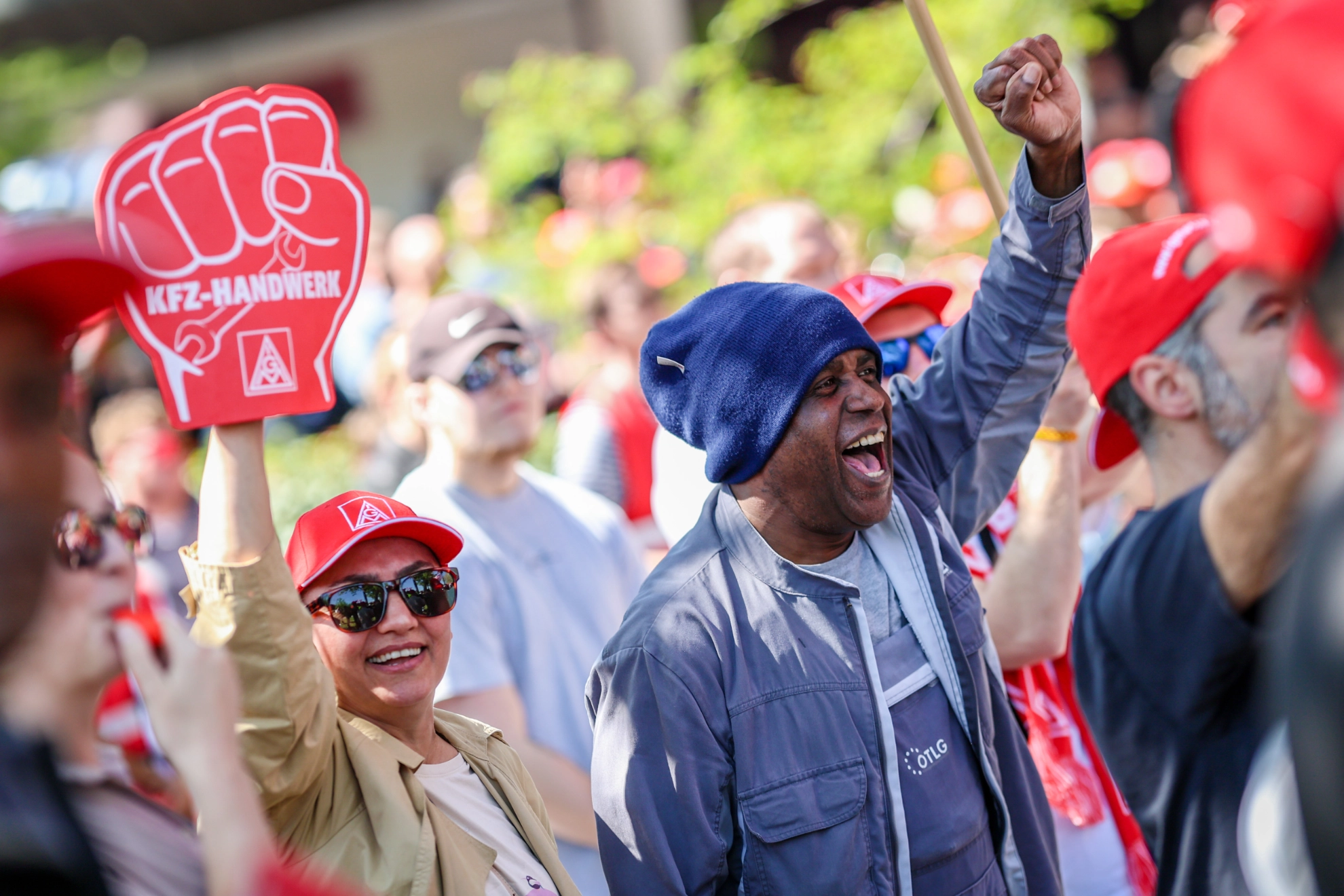
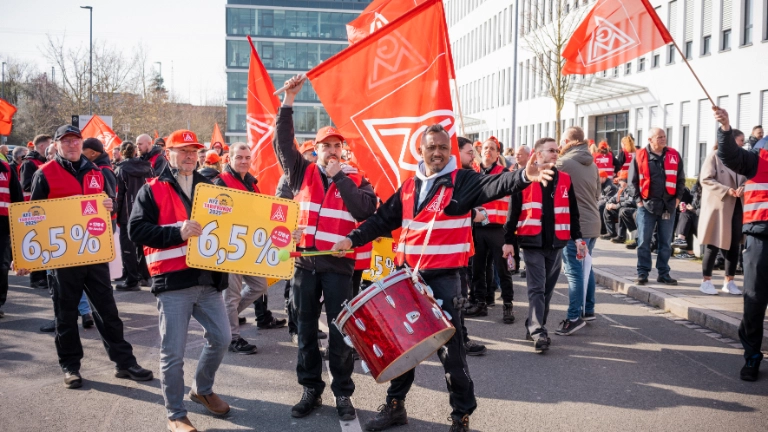
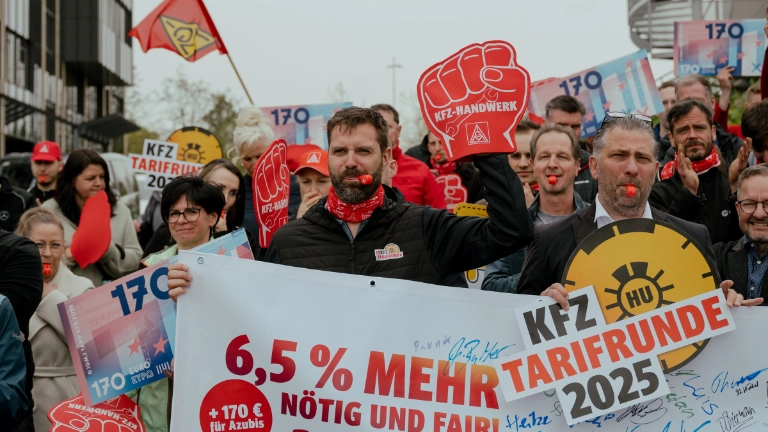
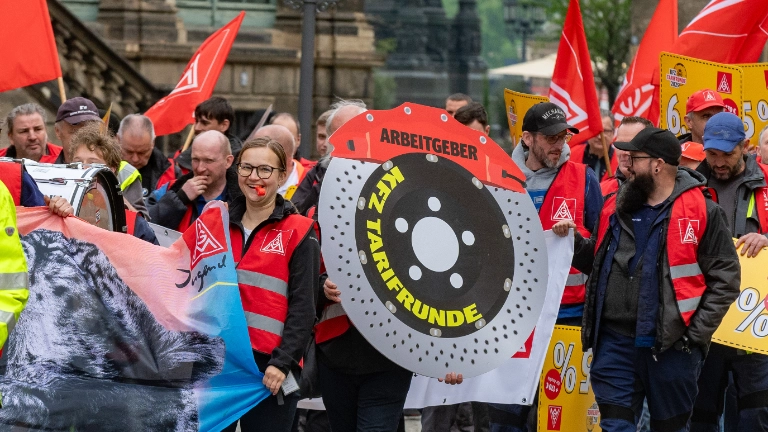
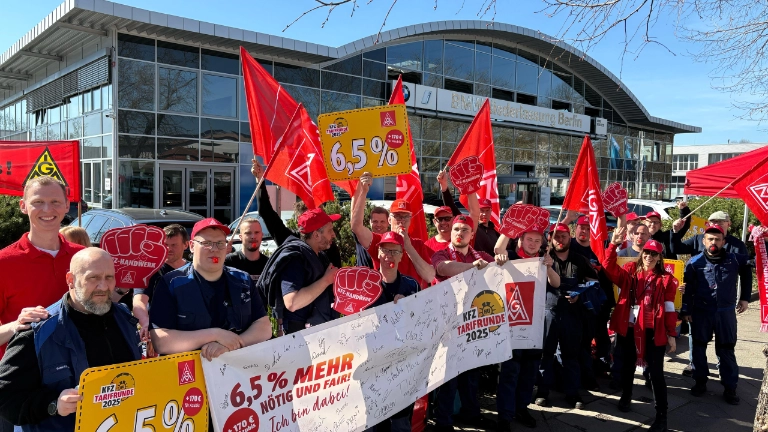
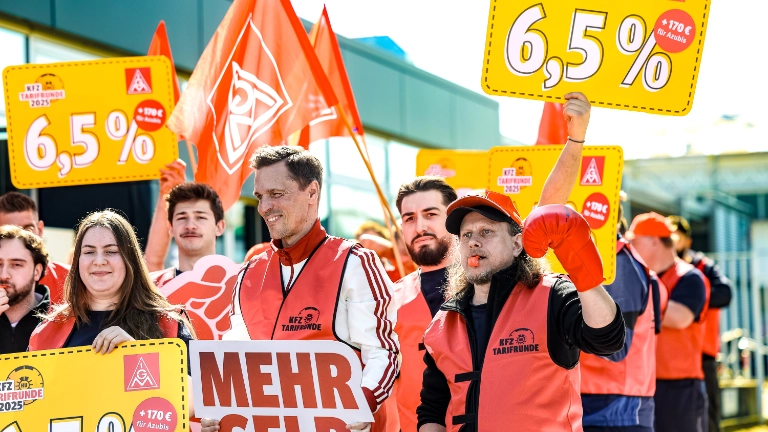
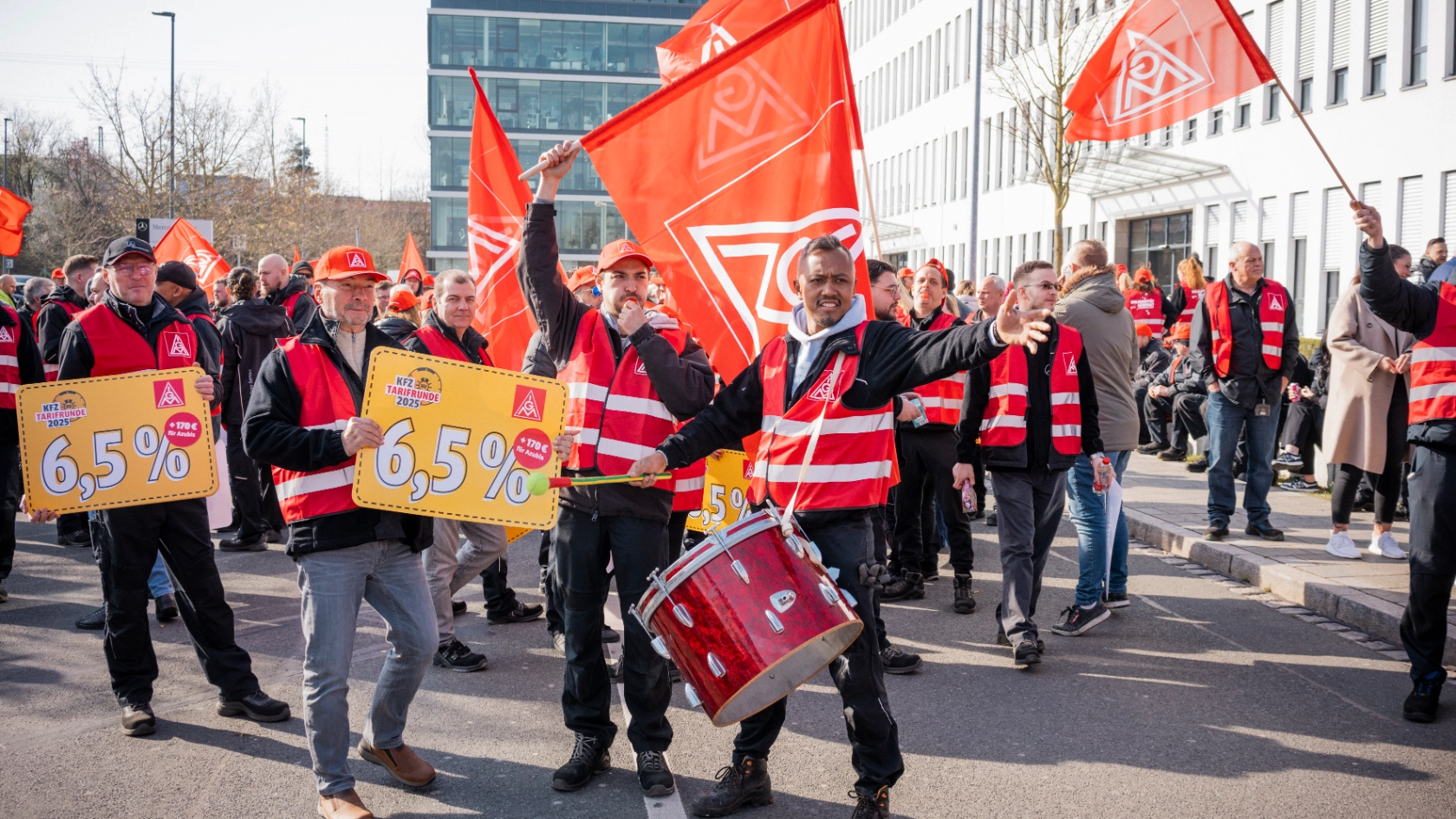
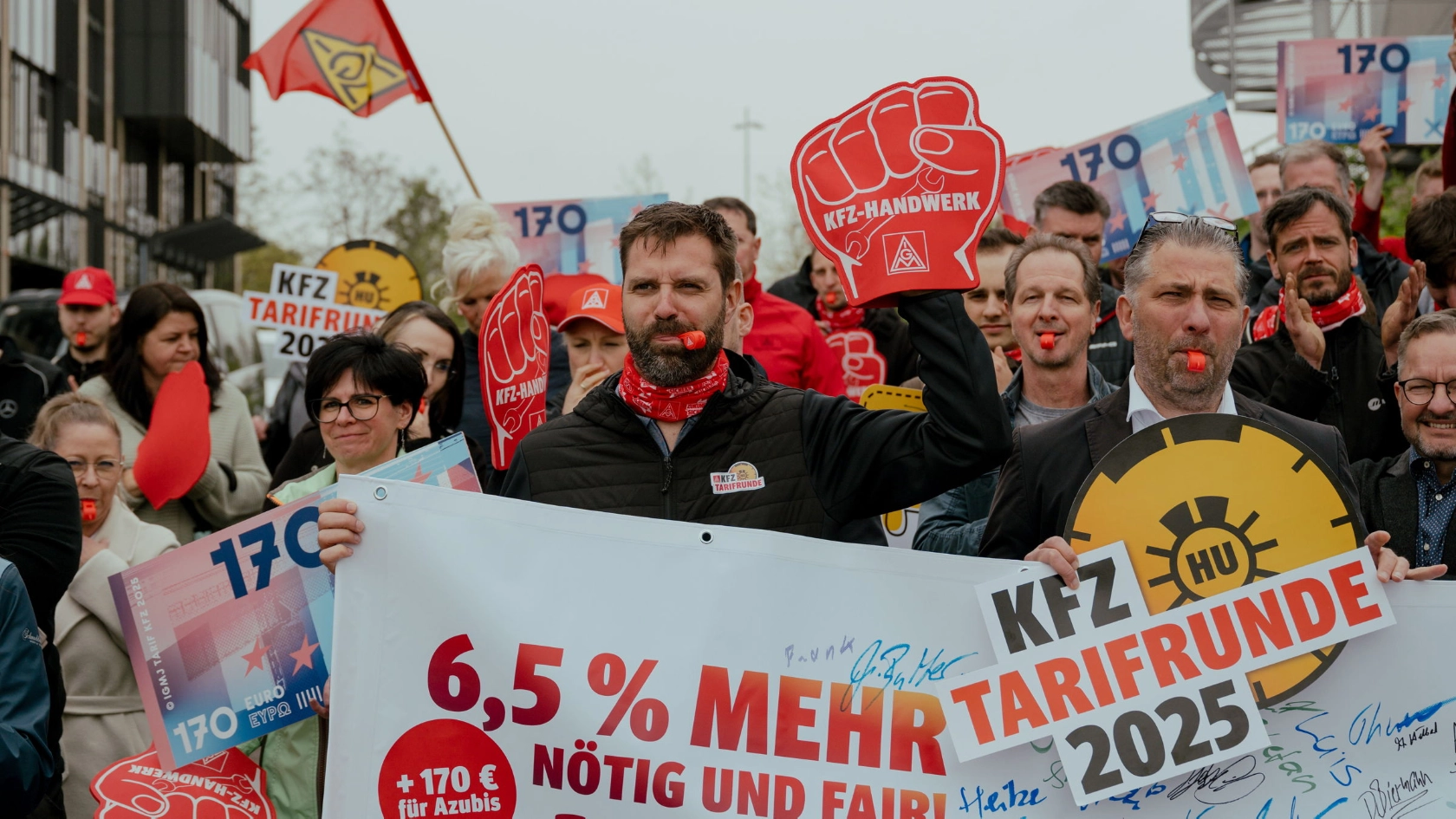
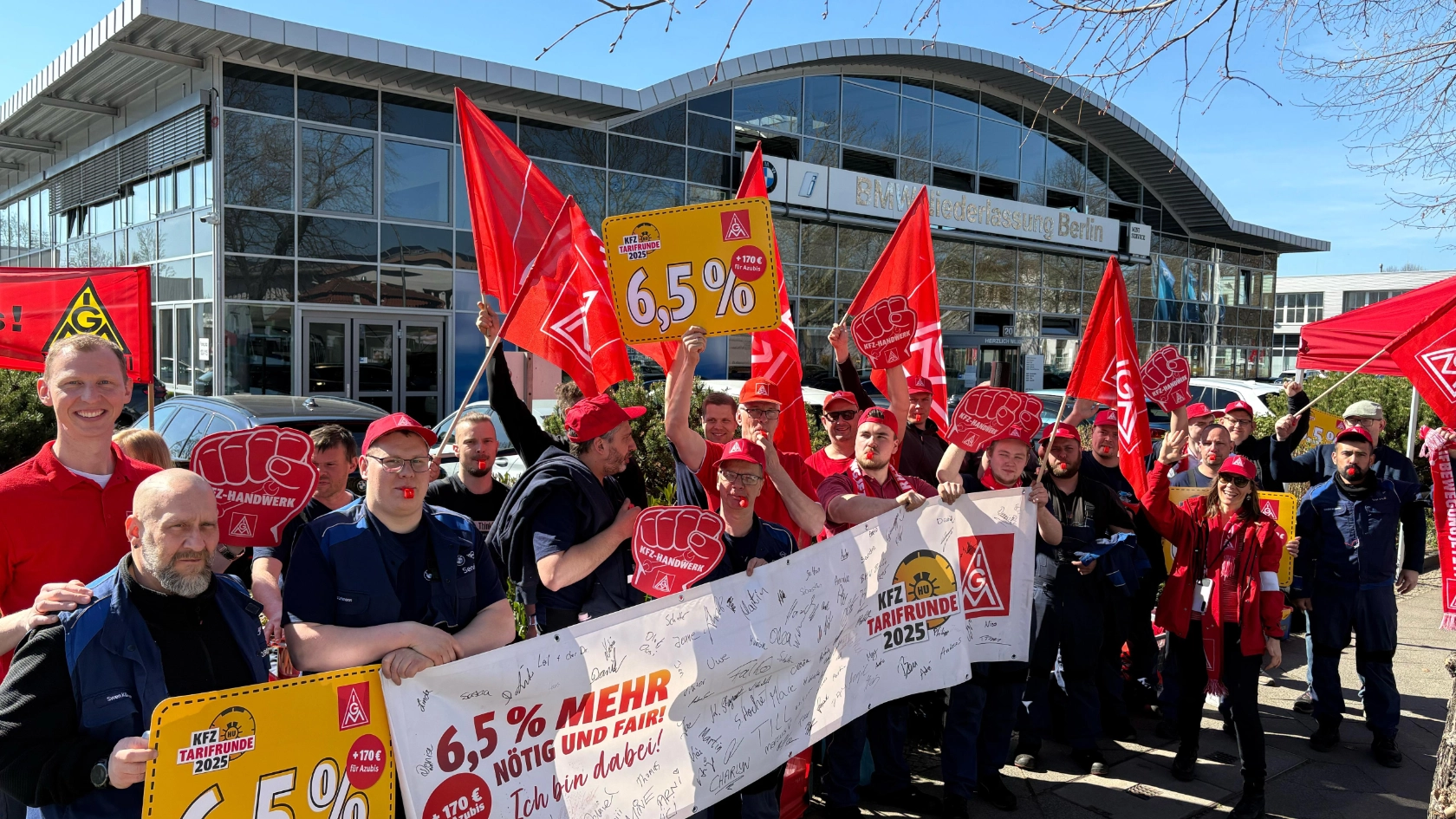
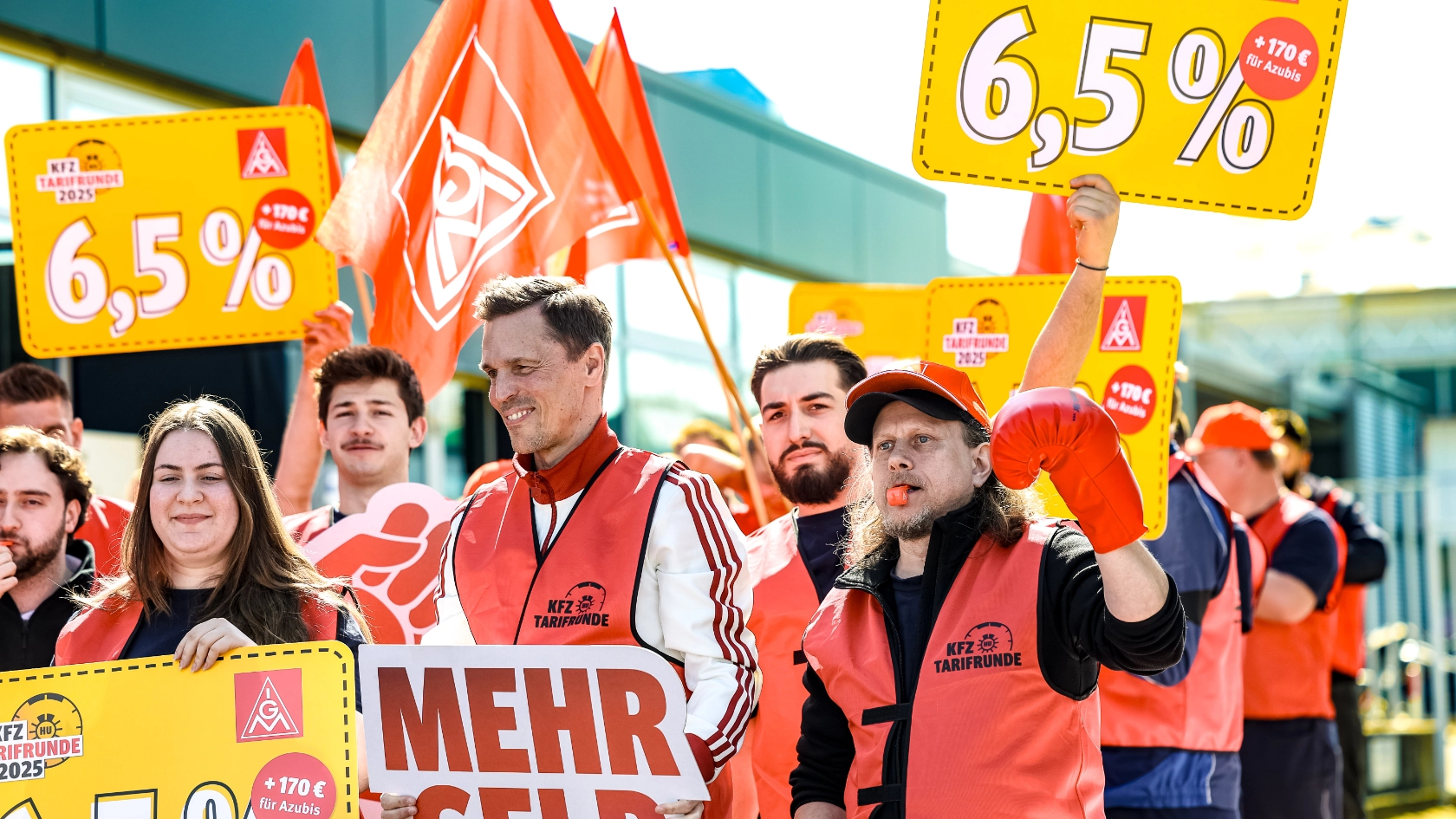
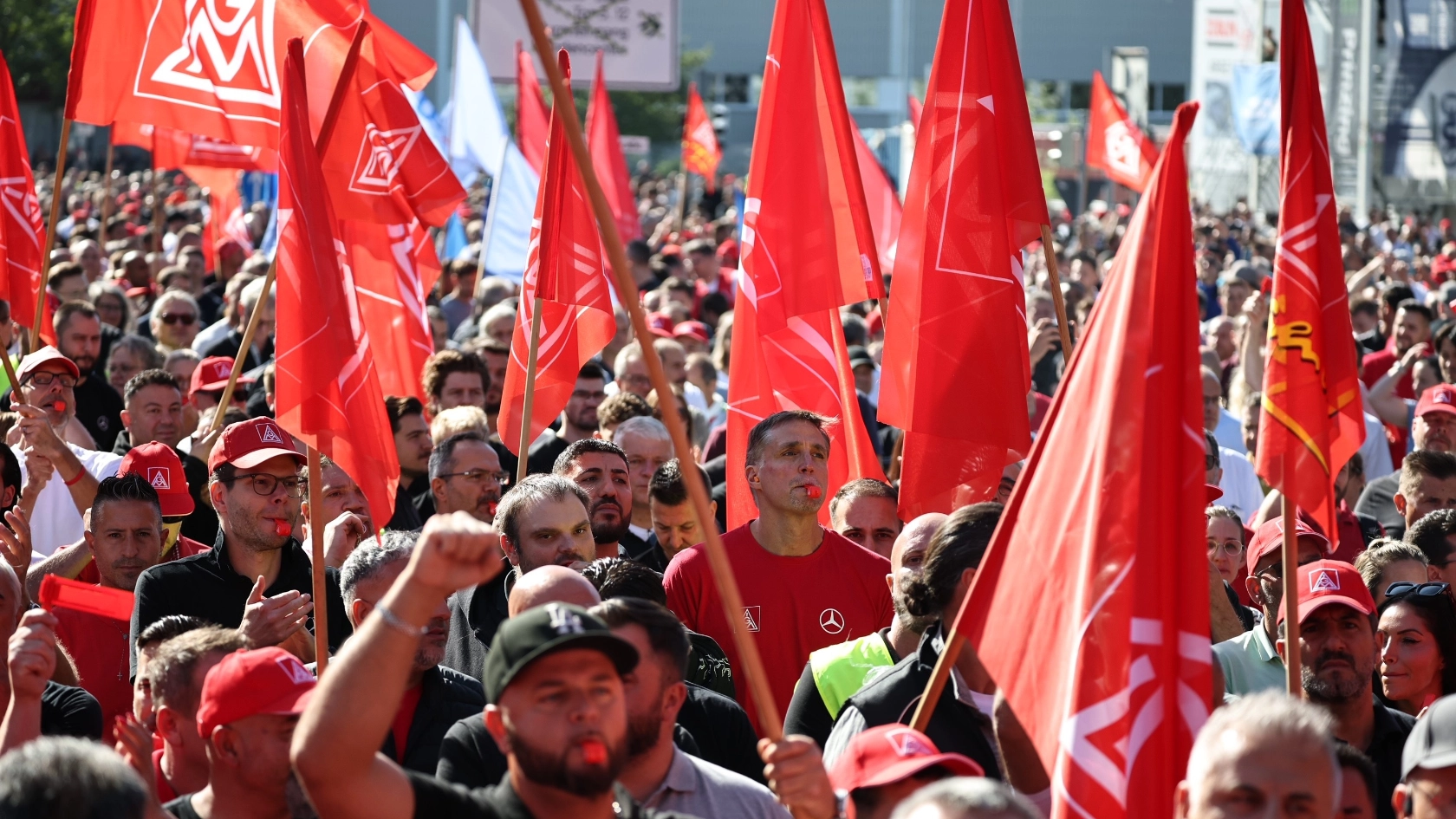
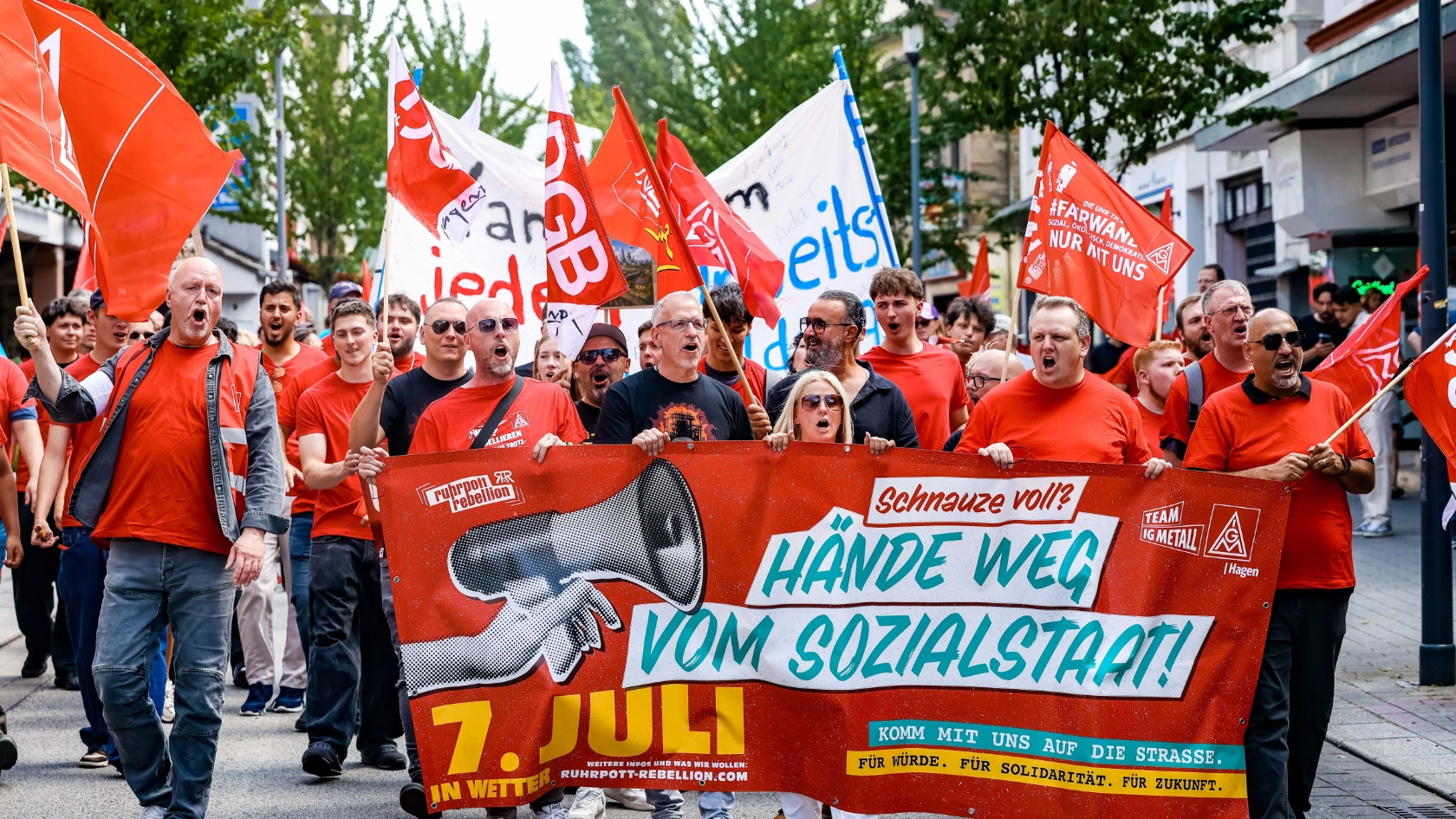
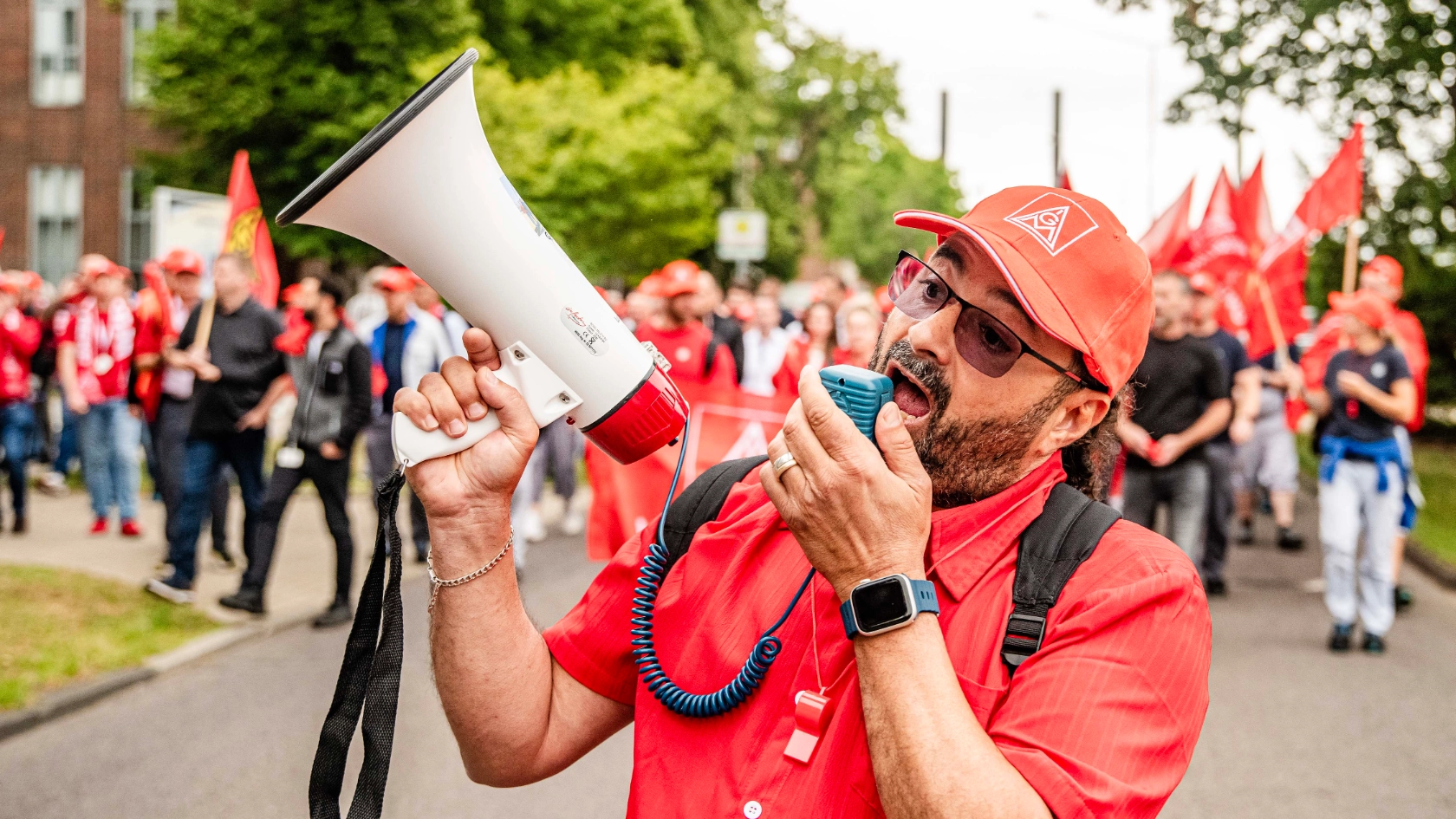
Before the negotiations, 1,000 automotive workers demonstrated in Leinfelden-Echterdingen in support of their demands: a 6.5 percent pay increase, an additional 170 euros for apprentices, and a workload-reduction component. “Our demands are moderate, realistic, and urgently needed—to ensure fair wages and secure a skilled workforce,” Schwaab makes clear. “Those who fail to offer prospects shouldn’t be surprised when young people steer clear of the industry.”
Over 22,000 Participate in Warning Strikes and Protests
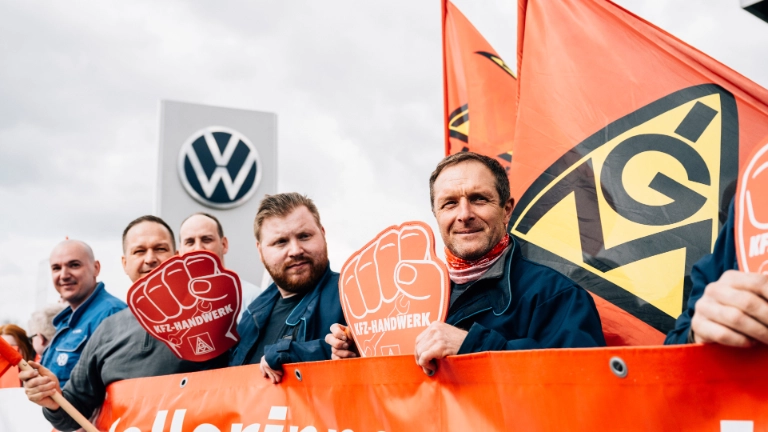
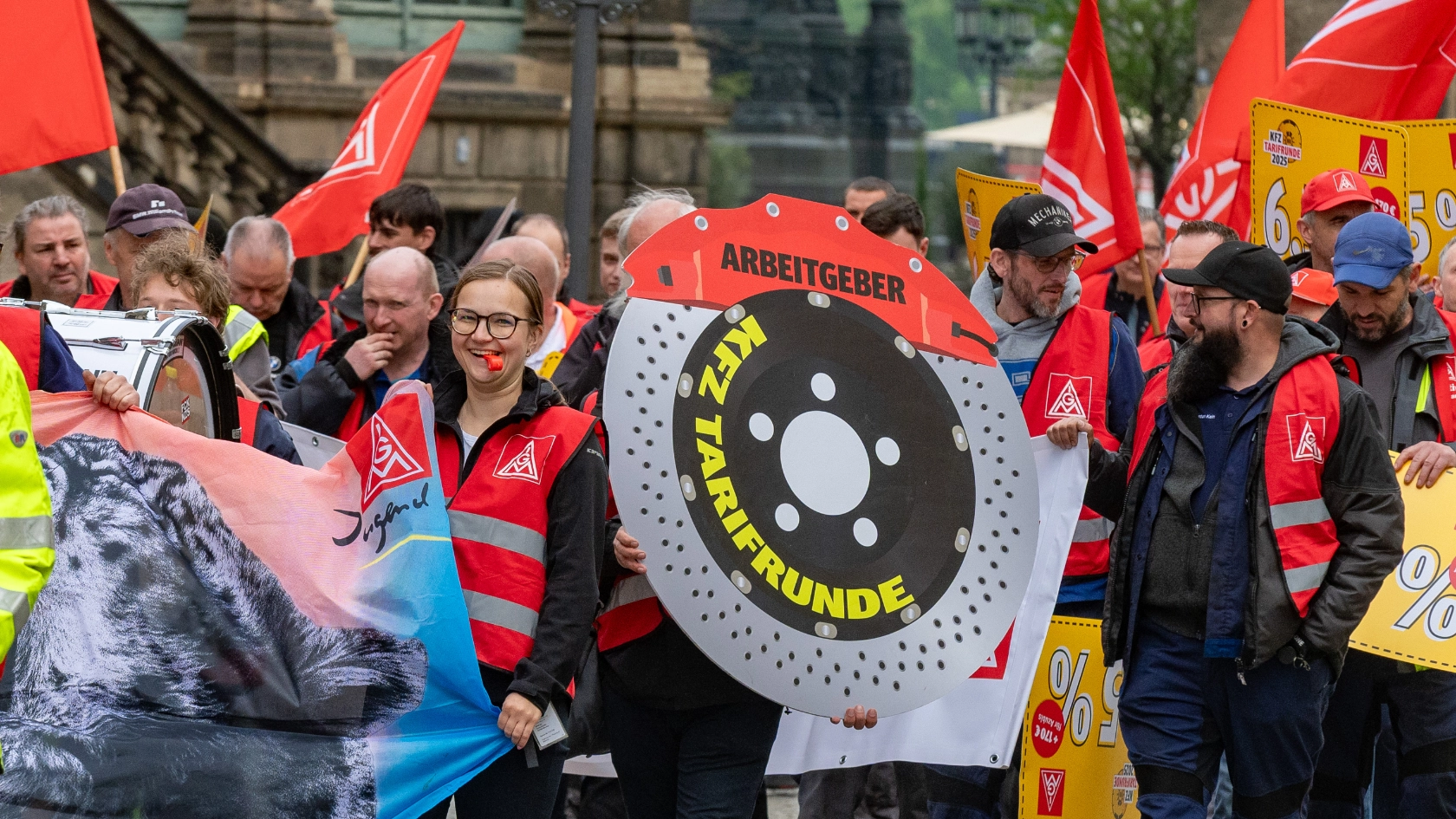
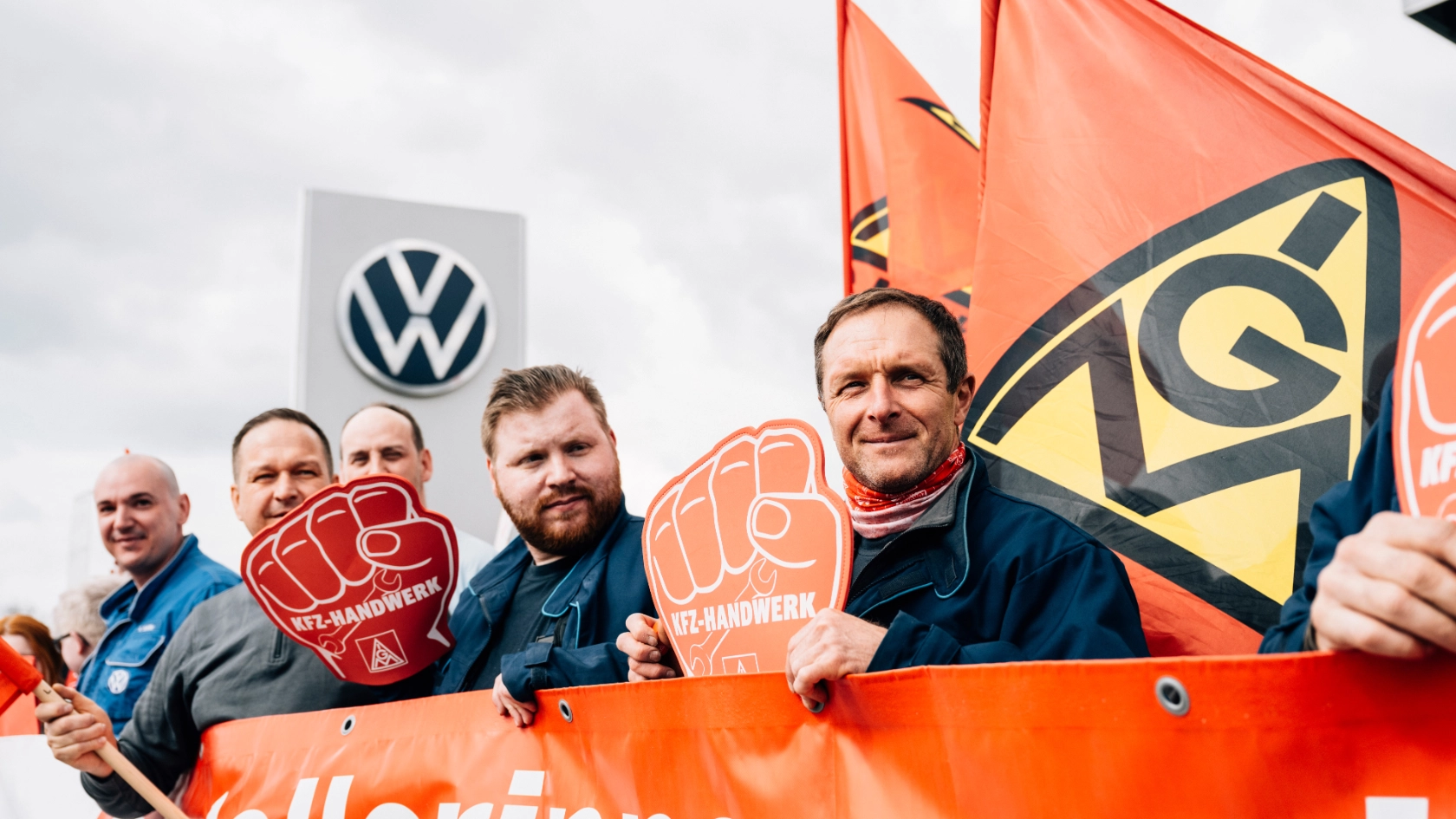
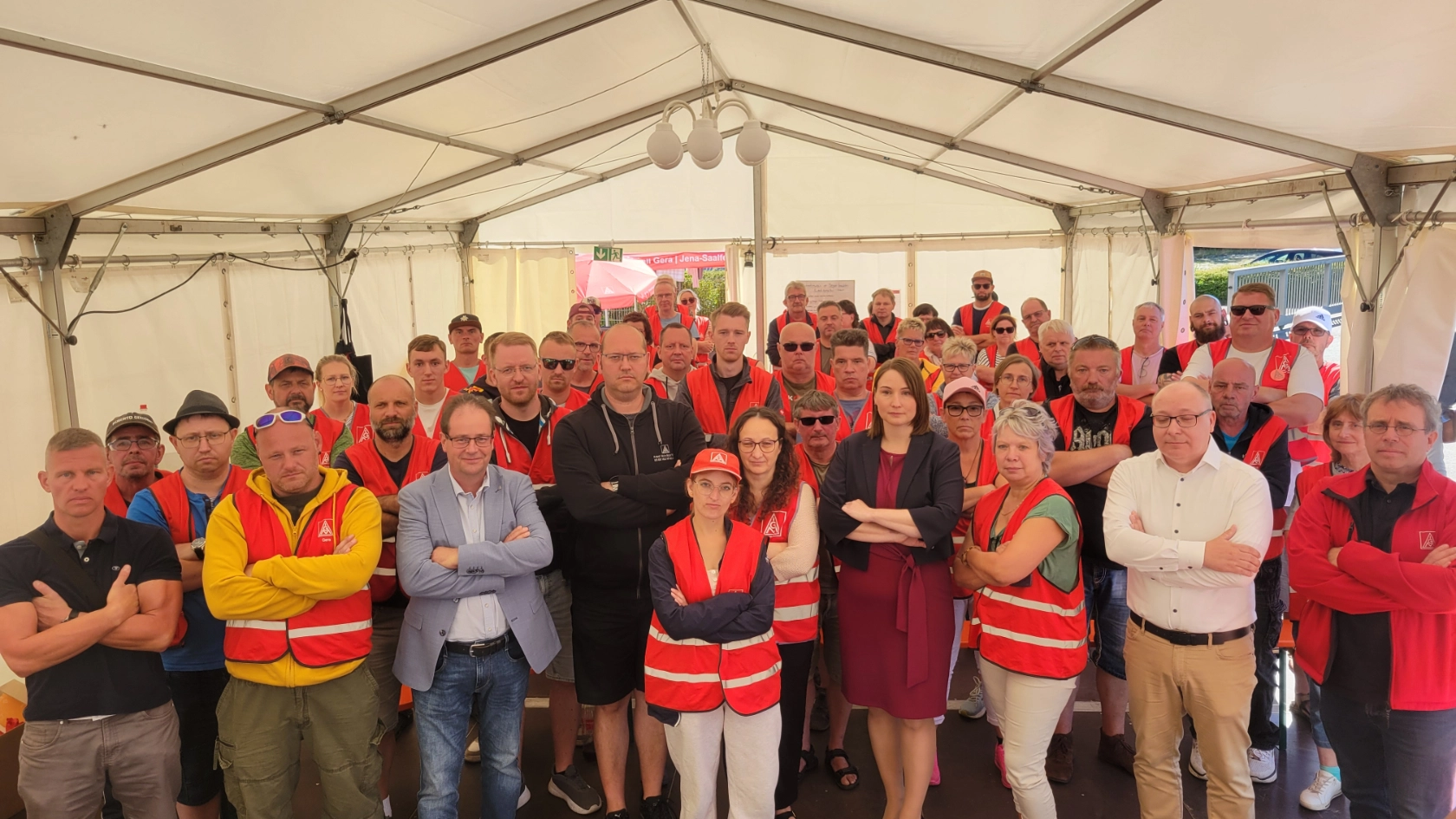
More than 22,000 employees have participated in protests and warning strikes as part of the collective bargaining round in the automotive trade. “Employers are trying to get through the collective bargaining year with the handbrake on—that won’t work. The workers have sent a strong signal, and it will grow louder and louder until it can’t be ignored,” says Markus Wente, chief negotiator for IG Metall Lower Saxony, where the third round of negotiations begins next week.
“Unlike in the manufacturing sector, business is going well in the automotive trade. The mood among dealers is positive, and repair shops in particular are operating at full capacity,” explains Bojidar Beremski, chief negotiator for IG Metall in the Bavarian automotive trade. “Customers are feeling this through long wait times, and employees are feeling it through a very high workload. We now want to strengthen employees’ purchasing power and provide them with additional relief, for example, by offering them the option to choose additional days off.”
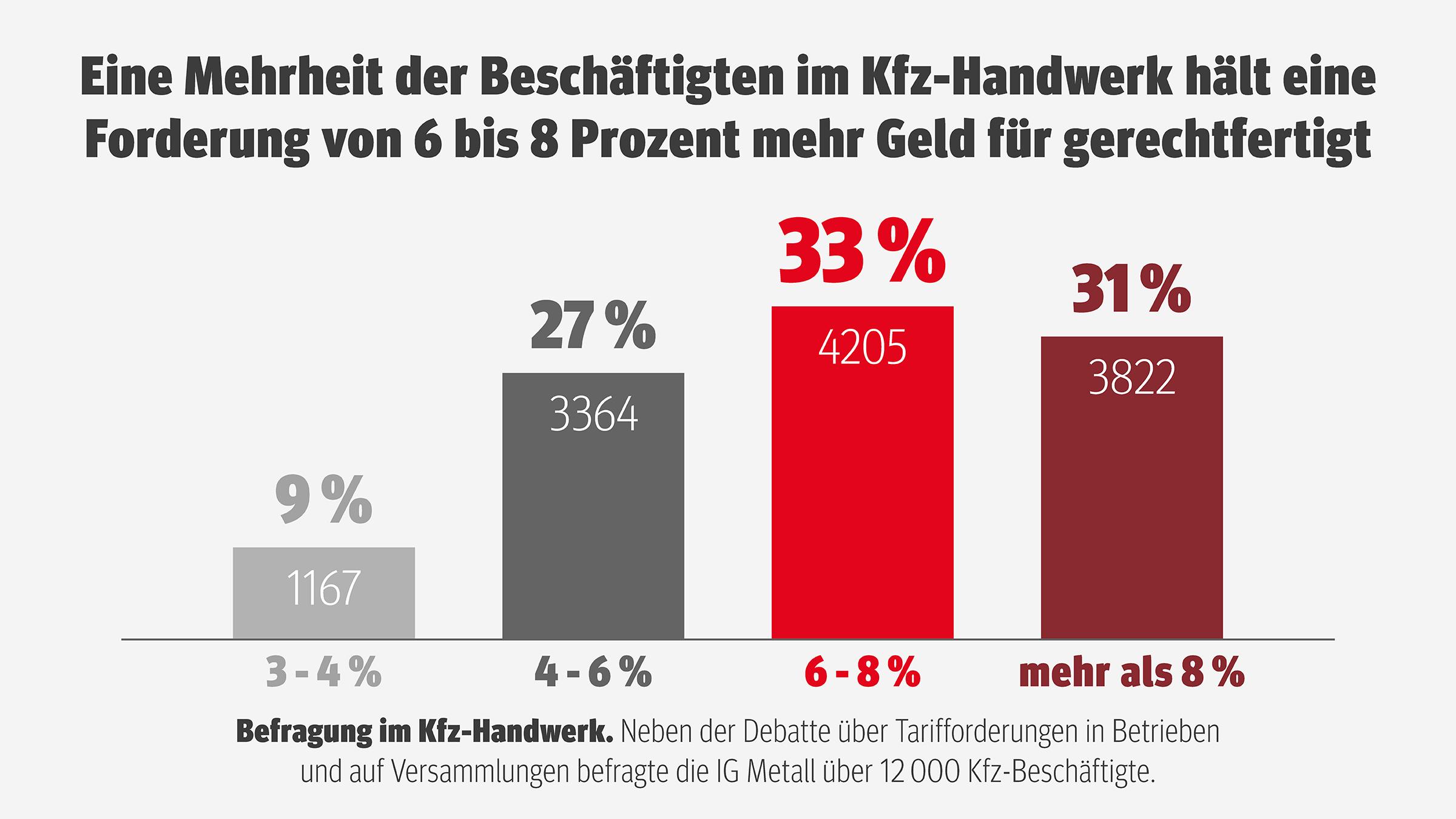
From IG Metall’s perspective, the automotive trade urgently needs better wages and working conditions to address the shortage of skilled workers. This is also shown by a survey of 12,000 employees (see below). Nevertheless, employers are stonewalling.
The IG Metall Executive Board adopted the collective bargaining demands for the automotive sector at the end of February—following a recommendation from IG Metall’sbargaining committees for the automotive trade. In the weeks leading up to this, elected representatives from the companies had discussed the demands within the bargaining committees—and consolidated the discussions from their respective companies into a joint recommendation for demands.
“The industry is doing well overall—despite the manufacturers’ inadequate model strategy with regard to the expansion of electric mobility,” explains Nadine Boguslawski. “Employees at car dealerships are currently selling a particularly large number of used cars. In repair shops, customers have to wait a long time for an appointment due to high workload and a shortage of skilled workers. Many employees are working at full capacity. That’s why it’s now urgently time for relief: both financially and in terms of working hours.”